

This work explores the intimate process of creating an acrylic portrait of a long-time friend, guided by photographs. Through a detailed examination of the technical and emotional aspects of portrait painting, this narrative reflects on the deep bond and shared history between the artist and subject. Emphasising the role of mutual understanding, trust, and empathy in the creative process, the paper illustrates how personal experiences and memories shape artistic expression. Drawing on art therapy, narrative identity, and the psychological impact of art, this study offers insights into how portrait painting can facilitate personal reflection, retrospection, and meaningful connection.
Creative
Open Access
August 02, 2025
Portraying the Familiar: An Artistic Inquiry into the Dynamics of Enduring Friendship
1
Department of Painting & Sculpture, Faculty of Art, College of Art & Built Environment, Kwame Nkrumah University of Science and Technology, Ghana
Publihed in: Journal of Art and Design (Volume 5, Issue 1, 2025)
Page(s):
1-12
Received
June 10, 2025
June 10, 2025
Revised
July 16, 2025
July 16, 2025
Accepted
July 31, 2025
July 31, 2025
Published
August 02, 2025
August 02, 2025
Creative Commons
This is an Open Access article, distributed under the terms of the Creative Commons Attribution 4.0 International License (http://creativecommons.org/licenses/by/4.0/), which permits unrestricted use, distribution and reproduction in any medium or format, provided the original work is properly cited.
Copyright: Copyright © The Author(s), 2025. Published by Scientific Publications
Abstract
1. Introduction
Portrait painting has long been a significant form of artistic expression, serving as a means of capturing the likeness of individuals, as well as reflection of cultural values, social status, and personal relationships. Historically, portraiture has evolved through various styles and techniques, from the meticulous oil paintings of the Renaissance to the vibrant acrylics of modern times. Acrylic paint, in particular, has gained popularity among contemporary artists due to its versatility, quick drying time, and ability to mimic the effects of both oil and watercolour paints as confirmed by Pozzi et al. (2021) [1]. The medium allows for a range of techniques, enabling artists to explore their creativity while producing works that resonate with viewers on both aesthetic and emotional levels.
In this context, I created a portrait of my long-time friend, Professor Alexander Debrah, which was gifted to him by his children on the evening of his inaugural lecture (August 8th 2024), at the Great Hall – Kwame Nkrumah University of Science and Technology, Ghana. Thus, the painting, apart from serving as gift from children to Dad, also serves as a commemoration of our friendship and his professional success. Alex has been a cherished companion throughout my life. Our friendship begun during our freshman year. We did not only share the same room but also worked together in his father's company during vacations. We studied together, cooked together during weekends, and visited with friends together. This shared history has cultivated a profound connection between us, rendering the act of painting his portrait a richly meaningful experience.
Working from photographs allowed me the flexibility to capture my subject's likeness and essence without the constraints of a tight timeline, which was particularly important given his busy schedule. This approach enabled me to focus on conveying the emotional depth of our enduring friendship, which has flourished over the years.
This paper explores the story behind creating a portrait of Professor Debrah with acrylics, weaving together the artistic process with the emotional depth of our friendship. This experiential narrative, highlights the potential of art-making as a meaningful way to convey personal bonds and shared moments. Through a detailed examination of both technical and emotional aspects of portrait painting, this paper contributes to a deeper understanding of art's role in shaping human connections and personal identity.
2. Materials and Methods
2.1. Preparation for the Portrait
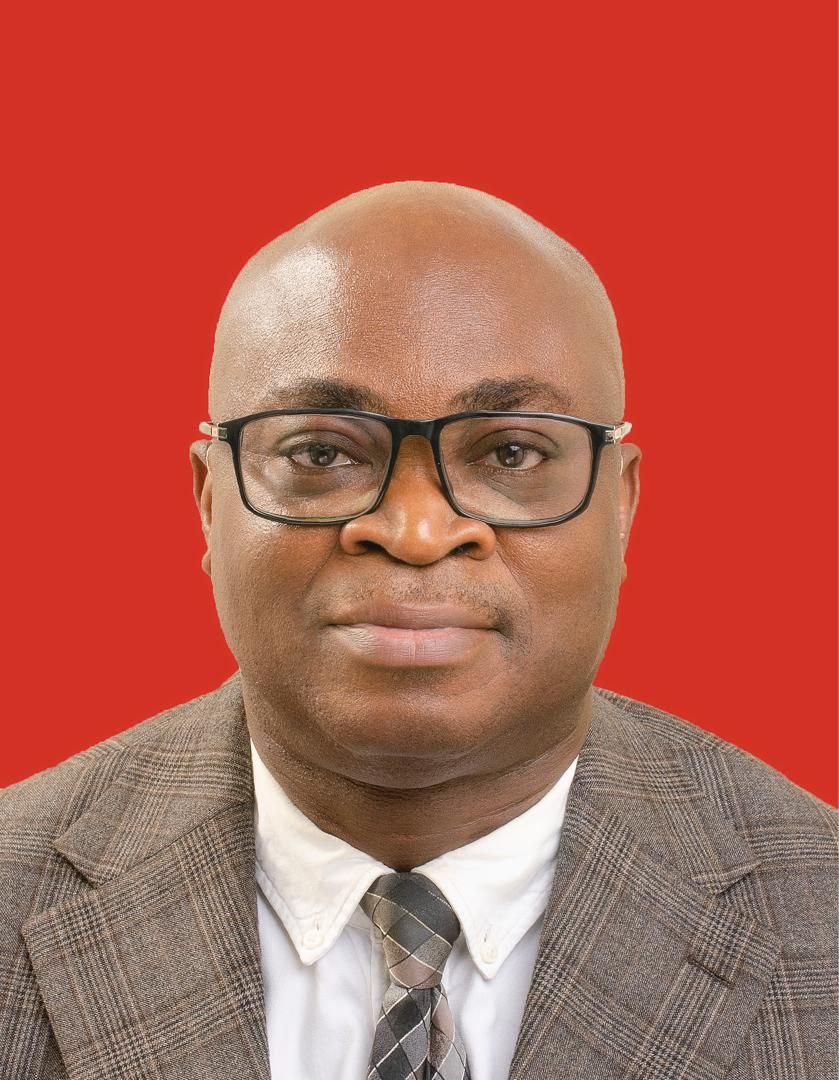
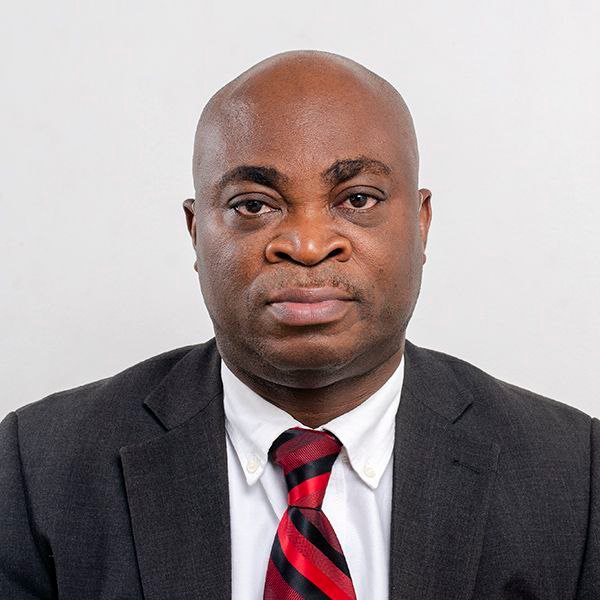
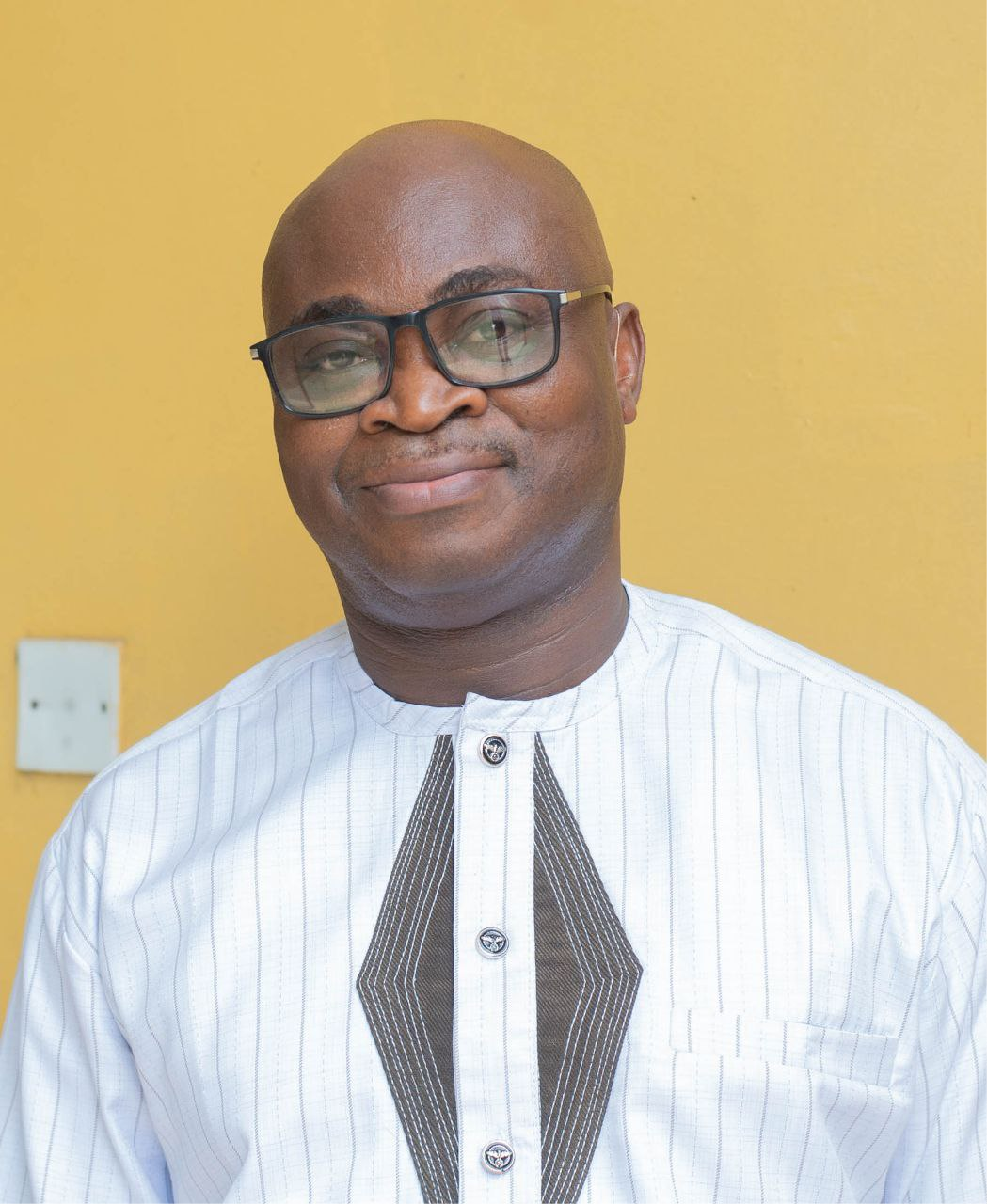
The preparation phase is crucial in portrait painting, as the choice of materials and studio environment significantly influence the final outcome. To capture my friend's likeness accurately, I selected high-quality acrylic paints – the Chroma brand has served me well over the years, an array of brushes, and a sturdy 18 x 23-inch canvas. Lee et al. (2019) [2], have confirmed that acrylic paint's versatility and quick drying time allow for multiple layering techniques, enhancing depth and vibrancy in the painting. Given Alex's affinity for realistic images, I aimed to create a portrait that would leave no doubt about the subject's identity. This attention to detail was also rooted in the trust and resonance of our friendship, which I wanted the artwork to reflect. The photographs (Figures 6, 7, & 8), received through his wife, Prof. Mrs. Linda Debrah, served as essential references. To achieve the desired effects and textures, I utilised a range of brushes, from fine detail brushes to broader ones for larger areas. Furthermore, I optimised the lighting in my studio by leveraging natural light from the eastern window, maximising ambient daylight to accurately perceive colours and shadows, which Lindell (2016) [3] confirms is vital in determining the overall mood of the piece.
2.2. Initial Sketching
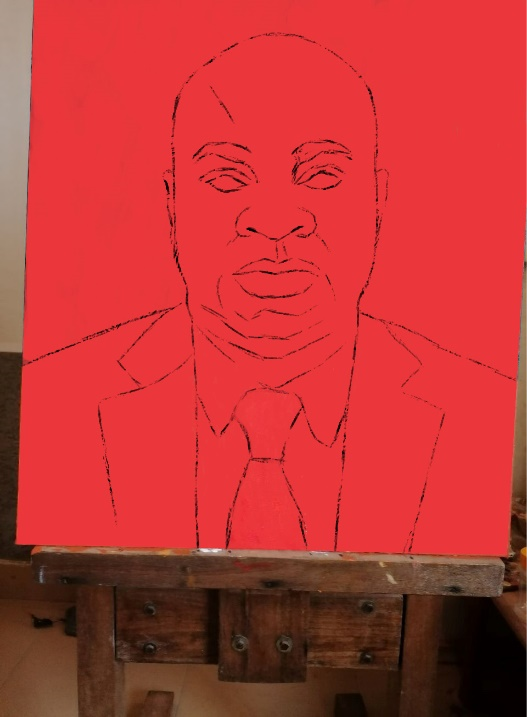
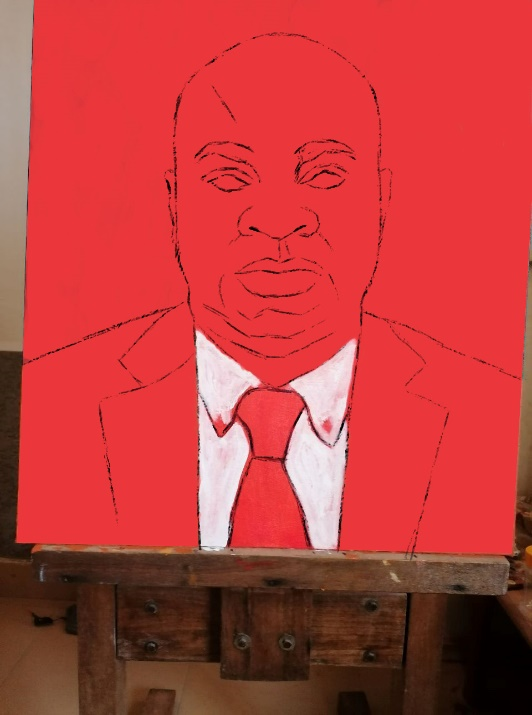
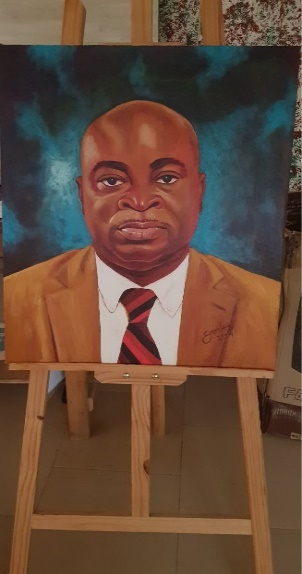
The initial sketching phase (Figure 1) is fundamental in portrait painting, laying the groundwork for capturing the subject's likeness and proportions. To accurately render Professor Debrah's features, I focused on ensuring correct proportions and conveying the essence of his character. Capturing likeness is crucial, as it forms the foundation of the entire portrait (Chen et al., 2012) [4]. Given our long-standing bond of friendship, I found that this process came naturally, allowing me to tap into the nuances of his character. I began with a warm orange underpainting, carefully drawing the outline of his head, neck, and bust. I then concentrated on his facial features, including his lush eyebrows, tender eyes, and distinctive nose. The pencil work continued until the eyes, nose, and mouth were satisfactorily registered. In contrast, the suit, tie, and inner shirt required less time to render, as they had fewer specific relational forms to depict. Once the foundational drawing was set, I used a detail brush with deep purple to scumble over the foundational work, effectively commencing the painting process. This technique allowed for precision and emphasis on detail, conveying the subject's personality and presence (Tyler, 2019) [5]. I established a dynamic compositional layout (Figure 2), a phase which guided the subsequent layers of paint and helped register the professor's bust with accuracy.
2.3. Painting Techniques and Emotional Engagement
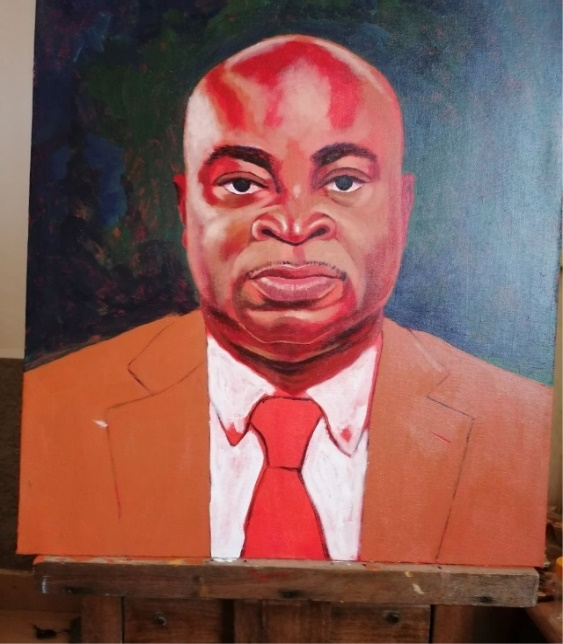
The application of layering and blending techniques is fundamental in acrylic painting, enabling the creation of depth and richness in the work. I began with a warm orange underpainting, which served as a base for the skin tones, reflecting the subject's fair African complexion (Figure 3). This initial layer provided a warm glow that enhanced the overall complexion, creating a naturalistic effect. Throughout the painting process, I employed both wet-on-wet and glazing techniques. The wet-on-wet technique allowed for seamless blending and soft transitions between colours, as described by Meyer (2011) [6], to effectively capture the subtleties of light and shadow, particularly on the professor's face. This method enabled me to create smooth gradients that mimicked the natural contours of his features. Additionally, glazing – applying thin, transparent layers of paint over dried layers – was used to build depth and luminosity, particularly in the skin tones and the golden-brown suit. The glazing technique achieved a rich, vibrant finish that added complexity to the portrait. To enhance the visual impact, I chose a turquoise blue background, which created a striking contrast with the warm tones of the face and jacket. The opposing colours highlighted the subject and added a dynamic element to the composition as affirmed by Mullennix et al. (2021) [7] in their work, drawing the viewer's eye toward the professor. The turquoise background also provided a sense of depth, complementing the subject and enriching the overall visual experience.
2.4. The Emotional Connection to the Subject
The emotional engagement I experienced during the painting process was profound. This rare and intimate space allowed for solitude and reflection on my friend's personality and character, bringing forth a flood of shared memories and experiences. As I painted, I found myself reminiscing about his gentle nature, calm temperament, and well-groomed demeanour. Our collaborative efforts during university years, spent working together in his father's quarry during long vacations, also came to mind. I recalled the days we spent assisting in blasting granite boulders, which were later crushed into chippings for construction purposes. These memories, intertwined with our time spent with his family, added deeper layers of connection to the painting process.
Professor Alexander Yaw Dedrah is a professor of parasitology and global health. He holds a PhD in medical parasitology from Bonn University and Kwame Nkrumah University of Science and Technology. He joined the KNUST in 2007 and has held a number of positions, including Head of Department, Dean of the Faculty of Allied Health Sciences and currently Acting Provost of the College of Health Sciences. On 15th June this year, at the very zenith of his career, Professor Debrah received the prestigious European and Developing Countries Clinical Trials Partnership (EDCTP) award at Kigali. Rwanda Convention Centre.
Alex is a medium-built man with a fair complexion, distinguished by his peaceful demeanour, wisdom, kindness, candour, and cheerful disposition. His magnanimous nature and willingness to share have always been inspiring. Our close proximity in the same hall of residence and shared room throughout our undergraduate programme allowed me to develop a deeper understanding of his character and conduct. His family warmly welcomed me into their home during visits, and Alex's father graciously offered me vacation employment at his company. This opportunity marked the beginning of my hands-on experience in the quarry, where I learned to operate a drilling machine to drill deep holes in the rocky granite cliffs of Ntensere, off Sunyani Road in the Ashanti Region. The process of packing the holes with dynamite, connecting detonators, and ensuring everyone's safety before the blast was a meticulous one. The moment the foreman shouted "Farr Awayy!" and lit the fuse, we'd retreat to a safe distance, eagerly anticipating the explosion. The thrill of witnessing heavy boulders lift off the ground and shatter into pieces was exhilarating, and the memory of that moment remains vivid, with the echo of the foreman’s voice still resonating in my mind.
Alex's father, the quarry company manager, provided me with the rare opportunity to join his family during long vacations, a gesture made possible by our friendship. These memories evoke a sense of nostalgia and served as a source of inspiration, infusing the painting with a deep sense of camaraderie and shared history as related in Ménard’s (2019) [8] work. As I painted, each brushstroke became a means of honouring and celebrating our enduring friendship, capturing not only my friend's essence and presence but also the essence of our collective experiences.
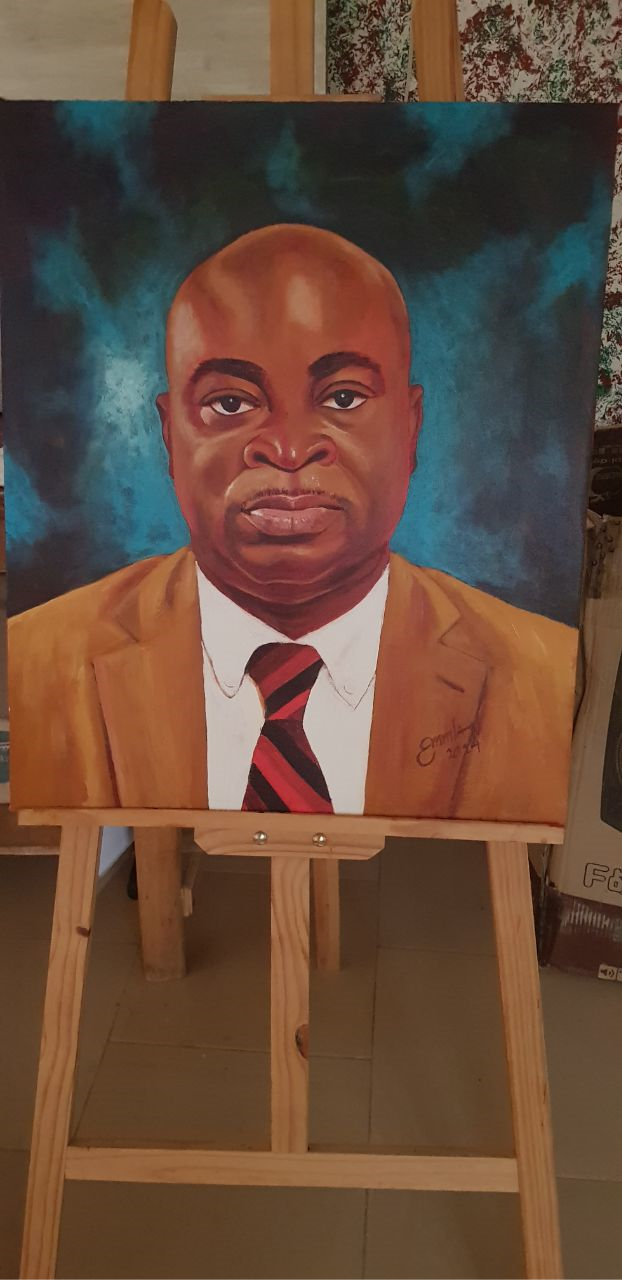
The emotional connection between the artist and subject plays a crucial role in artistic expression, drawing upon a deeper understanding of the relationship. By creating a portrait of this cherished friend, I explored new ways to translate our relationship's nuances into visual form. This emotional connection is essential in portraiture, as it can significantly influence the viewer's perception of the artwork, resonating with the audience and creating a sense of belonging and connection as the work of Claartje and Van Ginhoven (2020) [9] reflect. Thus, the portrait of Professor Debrah (Figure 4) became a celebration of our enduring friendship, encapsulating the warmth and depth of our shared journey, making the creative process as important as the end-product.
3. Results
3.1. End of the Painting Journey
The techniques employed in the painting process, combined with the emotional engagement derived from lived experiences and shared memories, culminated in a portrait rich in both visual and emotional depth. The layering and blending techniques created a nuanced representation, while the reflections on our bond of friendship added a personal dimension of celebration, respect, and investment that transcends the canvas, imbuing the piece with profound significance and impact (Figure 4).
3.2. Composition and Colour
The bust portrait dominates the canvas, with the subject filling most of the space, leaving minimal negative space around the head. A deliberate colour palette creates a pleasant contrast between the figure and background. Warm browns define the face and jacket, while a white shirt and turquoise blue background provide a subtle contrast. The facial skin tones, built upon an orange underpainting, showcase a rich light brown hue, capturing the nuances of a fairer African skin with nuanced highlights.
3.3. Facial Features
The subject's features are meticulously rendered, including lush eyebrows, gentle eyes, a distinctive nose, and expressive lips. The fuller lower lip and thinner, bow-shaped upper lip add character to the portrait.
3.4. Expression and Demeanour
Comparing the painting (Figure 5) to reference images - photographs (Figures 6, 7, and 8), reveal varying expressions, from smiles to a more serious demeanour. However, the painting successfully captures the subject's grave but kind character, projecting a humane, sympathetic, and gentle nature in a compelling way.
3.5. Connection
The connection between the viewer and the subject is facilitated through the warm and introspective expression captured in the painting. The soft golden-brown tones and the caring eyes convey a sense of kindness and approachability, inviting the viewer to engage with the subject on a personal level.
4. Discussion
4.1. The Role of Photography in Portrait Painting
The integration of photography into the portrait painting process has significantly transformed the approach artists take to their work, providing a valuable resource for capturing likeness and detail. In this work, I utilised photographs as references to enhance the accuracy and realism of the painting. Gallus-Price (2024) [10] affirms that the impact of photographic realism on the painting process is significant; as it aids artists in observing and replicating intricate details that may be challenging to capture from life alone. Photographs serve as reliable sources of information about the subject's features, expressions, and colours, held in time to enabling a more precise rendition for effective representation.
However, while photographs provide a foundation for realism, it is essential to balance this realism with artistic interpretation. The challenge lies in not merely replicating the photograph but infusing the painting with personal expression and emotional depth. This balance is crucial in portraiture, where the goal is to convey not just the physical likeness of the subject but also their personality and essence. As I painted, I referred to the photographs to ensure accuracy in capturing Professor Debrah's features while also allowing my artistic instincts to guide the interpretation of his character and spirit. This interplay between photographic reference and artistic freedom, as established by Zhang et al. (2014) [11], is what ultimately breathes life into the portrait. This is what bequeaths a portrait with life of its own.
4.2. The Significance of Capturing Personality Through Visual Representation
Capturing personality through visual representation is a fundamental aspect of portrait painting. A successful portrait transcends mere likeness; it conveys the subject's character, emotions, and essence. The significance of this aspect is underscored by the appreciation that human faces communicate a wealth of information, including emotions, stories, and lifestyles (Trawiński et al., 2021) [12]. In my work, I aimed to reflect not only my friend's physical attributes but also the warmth and depth of his personality, which I have come to know over many years of acquaintance.
The emotional connection established during the painting process plays a crucial role in this endeavour. As I painted, I reflected on our shared experiences, which informed my interpretation of his character. The memories of living and working together in his father's quarry, where we helped blast granite boulders, added layers of meaning to the portrait. We not only studied at the same university, but we also shared the same room in the same hall of residence for four years. This shared history allowed me to infuse the painting with a sense of camaraderie and mutual respect, making the final piece a true representation of our friendship.
Furthermore, the ability of a portrait to convey personality is not solely dependent on the artist's skill but also on the viewer's perception. Studies such as that of Donnelly et al. (2017) [13] indicate that viewers often respond to the emotional cues present in a portrait, allowing them to connect with the subject on a deeper level. Thus, the portrait of Professor Debrah will not only serve as a visual likeness but also as a narrative of our friendship, inviting viewers to engage with the emotions and stories behind the image.
The role of photography in portrait painting is therefore multifaceted, providing both a foundation for realism and a springboard for artistic interpretation. Utilising photographs as references, I was able to create a portrait that captures not only the likeness of the professor but also the essence of our enduring friendship. The significance of conveying personality through visual representation underscores the emotional depth that portraiture can achieve, making it a powerful medium for storytelling, commemoration, and connection.
4.3. Responses from three prominent artists after seeing the portrait
The final work was shown three prominent Artists for their comments; Ato Delaquis, Erik Blome and Benjamin Offei Nyako. The first artist was visited in the house, but correspondence with the two others was on social media, WhatsApp to be specific, after the images were made available to them, a brief discussion followed which has been recorded below. Figures 6 to 8 show the photographs used, figure 5 being the painted work.
Ato Delaquis: That is excellent. Looks just like him.
You went beyond a photograph because you succeeded in capturing the strong characteristic features of the professor.
He must have been very happy to see it…
Artist: Precisely, he was
Ato Delaquis: He will have to frame and keep it...
Artist: Yeah, I did frame it for him. It was my gift to him during the occasion of his inaugural lecture.
Ato Delaquis: That’s interesting.
Erik Blome: Looks just like him.
Obviously, the painting has a bit differently imagined light, as I can see the skin tone and jacket are reflecting different hues, but it's believable.
Artist: Thanks very much, Sir.
Yes, I was trying to build more hues into the face, primarily using the appetising colours of oranges, golden browns and their complementariness in the background.
Benjamin Offei Nyako: It is a masterpiece!
The man has a strong, respectable and commanding personality. I love it. Have I met him somewhere? Congratulations!
Artist: Thanks very much, Sir. He is my former roommate on campus during our undergraduate programme. He is currently the Acting Provost for the College of Allied Health Sciences.
4.4. The Psychological and Therapeutic Aspects of Art
Art serves as a powerful medium for self-expression and reflection, enabling individuals to explore their identities and emotions. This aspect is particularly significant within the context of portrait painting, Ahuvia, (2005) [14] establishes, as it allows artists to convey their personal narratives while capturing the essence of their subjects. The connection between art and narrative identity is well documented; as Kane (2015) [15] reveals that engaging in creative processes facilitates personal storytelling, enabling individuals to construct and reconstruct their life narratives through artistic expression. This crafting of narrative identity not only fosters a sense of coherence and purpose but also supports psychological adaptation and overall well-being. The therapeutic nature of art is further underscored by the findings that creative engagement can enhance emotional resilience and social connectedness, being essential components for positive identity formation as affirmed by Sullivan and McCarthy (2009) [16].
The therapeutic benefits of engaging in art-making are also noteworthy. Studies indicate that art can serve as a form of therapy, promoting emotional healing and self-discovery. Odeh et al. (2022) [17] confirm that art-making parallels gardening in its therapeutic benefits, suggesting that both activities fulfil innate human behaviours that promote mental health. Art-making allows individuals to express complex feelings that may be difficult to articulate verbally, providing a safe space for exploration and reflection. In my experience of painting this portrait, the act of creating art became a therapeutic process, allowing me to navigate my emotions and reflect on our joint legacy. The creative engagement facilitated a deeper understanding of my feelings toward our friendship and the memories we have built together.
4.5. The Role of Art in Fostering Emotional Connections and Understanding
Art plays a crucial role in fostering emotional connections and understanding, both between the artist and the subject and among viewers. Artistic expression enhances empathy and emotional resonance, allowing individuals to connect with the experiences of others, as showed by Fingerhut et al. (2021) [18] on the emotional impact of artistic engagement. In the case of my portrait of, the emotional connection established during the painting process was profound. As I painted, I reflected on our shared experiences, deepening my understanding of his character and our bond. This emotional engagement enriched the painting and allowed me to convey a sense of warmth and familiarity in the final piece.
Furthermore, art serves as a bridge for communication and understanding, particularly in contexts where words may fall short. The portrait of Professor Debrah transcends mere representation; it encapsulates the essence of our friendship, inviting viewers to engage with the emotions and stories behind the image. This ability of art to evoke emotional responses and foster connections underscores its power as a medium for storytelling and reflection.
In conclusion, the psychological and therapeutic aspects of art are integral to the portrait painting process. Through self-expression and reflection, artists can explore their identities and emotions, while the act of creating art fosters emotional connections and understanding. The portrait of Professor Debrah serves not only as a visual representation of our friendship but also as a narrative of shared experiences and emotional depth, highlighting the profound impact of art on personal and interpersonal relationships, in confirmation of literature in this field as established by Haeyen et al. (2020) [19].
5. Conclusion
5.1. Summary of the Narrative Journey in Painting the Portrait
The journey of painting this portrait has been a rich experience that intertwines artistic technique with personal reflection. From the initial preparation phase, where I selected materials and set up my studio environment, to the meticulous process of sketching and layering colours, each step was imbued with intention, contemplation and meaning. Utilising photographs as references allowed me to capture the nuances of his likeness while balancing realism with artistic interpretation. The emotional engagement throughout the painting process, rooted in our shared history and friendship, added depth to the artwork, transforming it into a narrative that reflects not only his physical attributes and being but also the essence and value of our bond.
5.2. Reflection on the Significance of Friendship in the Artistic Process
Friendship played a pivotal role in the artistic process, greatly influencing the creation of Professor Debrah's portrait. The act of painting transcended technical skill; it was an exploration and celebration of our relationship and shared memories. As I painted, reflections on our time together enriched the emotional context of the portrait, infusing it with warmth and familiarity. This connection enabled me to capture the essence of our enduring friendship, making the artwork a genuine representation of our bond. While research on emotional connections in art is ongoing, it's clear that personal relationships can deeply influence artistic expression and the narratives that art conveys.
5.3. The Reception of the Portrait by my Friend
The moment of truth arrived when my friend received the portrait on the night of his inaugural lecture, and it was met with enthusiasm. He later reached out to express his heartfelt appreciation, sharing how deeply meaningful the work is to him. Witnessing the joy and appreciation he felt towards the portrait was truly fulfilling, validating the effort and emotion invested in creating it.
5.4. Implications for Future Artistic Endeavours and Personal Growth
In conclusion, painting Professor Debrah's portrait has been a transformative experience that has deepened my understanding of the intersections between art, identity, and human connection. This project has shown that the creative process can be a powerful catalyst for personal growth and artistic innovation. As I continue to explore new themes and forms of expression, I will carry forward the lessons learned from this experience, striving to create works that resonate with authenticity and emotional depth. The bond of friendship that underpinned this project serves as a testament to the enduring power of art to capture and convey the complexities of human experience.
Acknowledgement I would like to thank the two anonymous reviewers, and the editor for their valuable feedback on earlier drafts of this article.
Funding This research received no specific grant from any funding agency in the public, commercial, or not-for-profit sectors.
Data Availability This work is mainly a descriptive narration of a studio work and not linked to any particular dataset.
Conflict of Interest I have no known conflict of interest to disclose.
Ethics Approval and Consent to Participate My friend Prof Alex Debrah and his wife know my profession and are aware, and in tune with this portrait project and how it culminates in this very paper. Their consent to this work has been confirmed.
The ideas appearing in the manuscript were neither presented at conferences/meetings nor posted on a listserv, shared on a website, etc.
Notes
1. Prof. Henry Brew Ato Delaquis is a renowned Ghanaian painter celebrated for his innovative contributions to Ghanaian art. His work reflects a profound engagement with Ghanaian culture, history, and identity, utilizing diverse mediums to convey complex narratives. Delaquis's artistic journey, rooted in his formative years, has evolved into a distinguished career marked by his unique blend of traditional Ghanaian motifs and modern techniques. His paintings explore themes of social justice, cultural heritage, and the human experience, resonating with local and international audiences alike. As a prominent figure in contemporary African art, Delaquis has showcased his work in numerous exhibitions globally and received accolades for his contributions. His commitment to mentoring young artists and promoting art education in Ghana solidifies his influence in the art scene. Through his membership in various art collectives, Delaquis continues to inspire a new generation of artists to explore their cultural identities, pushing the boundaries of artistic expression.
2. Erik Blome is a celebrated American bronze sculptor known for his intricate and emotive works that explore themes of nature, humanity, and the passage of time. With a fine arts background, Blome has mastered traditional bronze casting techniques, creating sculptures that are both technically impressive and rich in narrative depth. His artistic journey has led to numerous exhibitions in galleries and public spaces across the US, where his pieces have garnered critical acclaim for their profound resonance with viewers. Blome's sculptures feature organic forms and figures that evoke movement and fluidity, reflecting his fascination with the natural world. He is committed to craftsmanship, often spending years perfecting each piece to capture the intended emotion and message. In addition to his sculptural work, Blome is passionate about art education, frequently sharing his expertise with aspiring artists. Through his art, Erik Blome inspires and challenges perceptions, making significant contributions to the contemporary art landscape.
3. Benjamin Offei Nyako, known as BON, is a prominent Ghanaian painter born in 1951 at Atibie-Mpraeso. He earned his B.A. Art degree in Painting with First Class honours from the College of Art, Kwame Nkrumah University of Science and Technology (KNUST) in 1976. BON furthered his education with an MFA in Painting from the Nikolai Pavlovich Institute of Fine Art in Sofia, Bulgaria, on a Bulgarian Government Scholarship from 1979 to 1981. A dedicated arts educator, he has combined teaching with painting, lecturing at the College of Art, KNUST, and was a Fulbright Scholar-in-Residence at North Carolina Central University from 1999 to 2000. BON's paintings focus on women in rural communities, capturing their dignity and pride amidst daily struggles. His work exhibits a beauty inherent in the simplicity of village life. With numerous awards, including the Mobil Award, Commonwealth Fellowship, and Fulbright Fellowship, BON's art has been exhibited in West Africa, Europe, and the USA, showcasing his unique perspective on rural life and community.
References
- Pozzi, F., Basso, E., Centeno, S., Duvernois, I., & Arslanoglu, J. (2021). A pioneer of acrylic painting: new insights into Carmen Herrera’s studio practice. Heritage Science, 9(1). https://doi.org/10.1186/s40494-021-00603-3[CrossRef] [PubMed]
- Lee, T., Molnár, Z., Stein, A., O'Dea, M., Kokaram, A., & Simms, C. (2019). Anatomy transformed. Journal of Anatomy, 234(5), 577-582. https://doi.org/10.1111/joa.12954[CrossRef] [PubMed]
- Lindell, A. (2016). No cheek bias. Empirical Studies of the Arts, 35(2), 127-138. https://doi.org/10.1177/0276237416661988[CrossRef]
- Chen, X., Jin, X., Zhao, Q., & Wu, H. (2012). Artistic illumination transfer for portraits. Computer Graphics Forum, 31(4), 1425-1434. https://doi.org/10.1111/j.1467-8659.2012.03138.x[CrossRef]
- Tyler, C. (2019). Evidence that Leonardo da Vinci had strabismus. JAMA Ophthalmology, 137(1), 82. https://doi.org/10.1001/jamaophthalmol.2018.3833[CrossRef] [PubMed]
- Meyer, R. (2011). Techniques of Painting with Acrylics: Simple Blending Techniques for Beginners. Journal of Art Techniques, 42(4), 210-218.
- Mullennix, J., Hedzik, A., Wolfe, A., Amann, L., Breshears, B., & Ticjak, N. (2021). Affective context and the interpretation of facial expressions in portrait paintings. Empirical Studies of the Arts, 40(2), 174-191. https://doi.org/10.1177/0276237421994696[CrossRef]
- Ménard, S. (2019). An unknown renaissance portrait of Tagliacozzi (1545–1599), the founder of plastic surgery. Plastic and Reconstructive Surgery Global Open, 7(1), e2006. https://doi.org/10.1097/gox.0000000000002006[CrossRef] [PubMed]
- Claartje R., Van Ginhoven S. (2020). Art markets and digital histories. https://doi.org/10.3390/books978-3-03921-971-1[CrossRef]
- Gallus-Price, A. (2024). Susan Howe’s That This: Art at the Limits of the Canvas and the Page. Journal of Comparative Literature and Aesthetics, Vol. 47, No. 2, Summer 2024© 2024 Vishvanatha Kaviraja Institute, India.
- Zhang, X., Constable, M., & Chan, K. (2014). Exemplar‐based portrait photograph enhancement as informed by portrait paintings. Computer Graphics Forum, 33(8), 38-51. https://doi.org/10.1111/cgf.12399[CrossRef]
- Trawiński, T., Aslanian, A., & Olivia, S. C. (2021). The effect of implicit racial bias on recognition of other-race faces. Cognitive Research: Principles and Implications, 6, 67. https://doi.org/10.1186/s41235-021-00337-7[CrossRef] [PubMed]
- Donnelly, N., Harland, B., Mestry, N., Thompson, N., Trawiński, T., & Liversedge, S. (2017). The influence of pupil alignment on spectator address in Manet’s portraiture. Psychology of Aesthetics, Creativity, and the Arts, 11(2), 167-178. https://doi.org/10.1037/aca0000096[CrossRef]
- Ahuvia, A. (2005). Beyond the extended self: Loved objects and consumers’ identity narratives. Journal of Consumer Research, 32(1), 171-184. https://doi.org/10.1086/429607[CrossRef]
- Kane, T. (2015). Young African American boys narrating identities in science. Journal of Research in Science Teaching, 52(4), 479-501. https://doi.org/10.1002/tea.21247[CrossRef]
- Sullivan, J., & McCarthy, J. (2009). An experiential account of the psychology of art. Psychology of Aesthetics, Creativity, and the Arts, 3(1), 14-24. https://doi.org/10.1037/a0014292[CrossRef]
- Odeh, M., Al-Masri, M., & Al-Sharif, A. (2022). A pilot randomised controlled trial of group-based indoor gardening and art activities demonstrates therapeutic benefits to healthy women. PLOS ONE, 17(3), e0269248. https://doi.org/10.1371/journal.pone.0269248[CrossRef] [PubMed]
- Fingerhut, A. W., & colleagues. (2021). The aesthetic self: The importance of aesthetic taste in music and art for our perceived identity. Frontiers in Psychology, 12, 577703. https://doi.org/10.3389/fpsyg.2020.577703[CrossRef] [PubMed]
- Haeyen, S., & Van Hooren, S. (2020). Benefits of art therapy in people diagnosed with personality disorders: A quantitative survey. Frontiers in Psychology, 11, 686. https://doi.org/10.3389/fpsyg.2020.00686[CrossRef] [PubMed]