

The purpose of this study was to assess safety conditions of learners in Kindergarten schools in Komenda Edina Eguafo Abirem (K.E.E.A) Municipality in the Central Region of Ghana. The qualitative research approach and the Instrumental Case Study Design were adopted for the study. The population of the study comprised public kindergarten teachers and schools in Komenda Edina Eguafo Abirem municipality in the Central Region of Ghana. Convenient and purposive sampling techniques were used to select sixteen (16) public kindergarten teachers and eight (8) kindergarten schools for the study. The semi-structured interview and observation checklist were the instruments utilized in the data collection for this study. The data were analysed and interpreted thematically using online qualitative software, Taguette version 1.3. The study indicated that, most kindergarten school buildings in the KEEA municipality pose threats to both learners and teachers as result of over-aged or poorly constructed buildings and isolated and bushy environment which attracts animals like lizards, wall geckos and poisonous snakes and psychological and emotional threat to both teachers and learners. It is recommended that, the Ministry of Education in collaboration with the Ghana Education Service should set up a School Supervision for Safety Department (SSSD) to control and oversee safety issues in the kindergarten schools in Ghana. The School Supervision for Safety Department should create awareness advocacy for school safety so that school safety becomes a nationwide concern. It is also recommended that, the School Supervision for Safety Department must liaise with other stakeholders to enforce frequent assessment of school buildings, infrastructure and materials for safety.
An Assessment of Safety Conditions in Kindergarten Schools in Ghana
May 20, 2022
August 15, 2022
September 03, 2022
November 25, 2022
This is an Open Access article, distributed under the terms of the Creative Commons Attribution 4.0 International License (http://creativecommons.org/licenses/by/4.0/), which permits unrestricted use, distribution and reproduction in any medium or format, provided the original work is properly cited.
Abstract
1. Introduction
Kindergarten education is a kind of education that set to bridge the gap in home care and lay the foundation for future learning. According to the National Association for the Education of Young Children (NAEYC), kindergarten education is a vital year in which children's experiences foster favorable attitudes toward learning and prepare them for the more rigorous academic requirements of the primary grades [1]. At this stage of development, children require a safe, secure, and loving environment, as well as the appropriate nutrition and stimulation from their parents or caregivers [2]. Unless children are raised in healthy and safe school environment during childhood, their future development could be seriously hampered [3, 4]. Kindergarten teachers strive to ensure the academic progress and achievement of their learners as they advance through the kindergarten years. The term "environmental safety" refers to the appropriate and long-term management of the physical and social environment in the school. The safety of a school might be threatened either by internal problems inside the school or by issues affecting the larger community. In the current educational environment, learners in schools are exposed to a wide range of dangers while studying in their classrooms, mostly as a result of poorly built and constructed classrooms that are not conducive to learning [5]. In order for a classroom to be categorized as a healthy environment, it must be one in which learners and teachers collaborate in a continuous process to protect and maintain the health, safety, and well-being of all learners [6]. It is characterized as a healthy classroom as one in which learners and teachers participate in a continuous process of development with the goal of improving the health, well-being, and safety of all learners [7]. Research has established seven dangers that may be used to characterize the safety issues that exist in schools as a result of his research on school threats [8]. These include Chemical threats, mechanical threats, electrical threats, organic threats, physiological threats, emotional threats, and thermal or radiation threats are some of the types of dangers that can be encountered [8].
- Mechanical threats: Mechanical threats are the most common types of threats in buildings around the world, and they are typically caused by material objects such as doors, falling ceilings, and broken windowpanes, among other things. Mechanical injuries, can be defined as unintended contact with items or surfaces in the environment that results in either blunt pain, scrapes, penetrating abrasions, or other physical damage, or both [9]. Moreover, a majority of mechanical hazards in classrooms are the consequence of any one or a combination of the following factors: a child falling onto or from an element, such as a staircase, railing, or wall sink, among other potentially hazardous objects; second, a child striking an element, such as a protruding door handle, edge of a window, a projecting drinking water fountain, or the edge of a classroom door, among other potentially hazardous objects; third, a child being struck by an element, such as a falling book cabinet, falling ceiling; and fourth, a child being struck by an element, such as doors, tables, windows, bookshelves, seats, staircases (from which books might fall), and even books falling from tables are typical features in kindergarten schools that offer a mechanical hazard [10, 6]. Because kindergarten children are naturally inquisitive and active, the likelihood of them being hurt increases substantially when they explore their environment or surrounding area (or both). The most prevalent mechanical injuries in the classroom are falls, which are caused by children's natural desire to be adventurous at this age in most children's learning environments, despite the wide variety of mechanical injuries [6].
- Electrical threats: Electrical threats are the most common types of threats in buildings around the world, and they are usually caused by electrical equipment [10]. They are generally apparent to the sufferers and inflict acute agony to them. These dangers, which might be accountable for injuries, are mainly environmental factors. Hazards posed by electricity are typically caused by electrical fires or contact with electrical current running through a wire, whether exposed or not, as a consequence of a child's inquisitiveness or curiosity about the world around them [9]. The electrical threat can manifest itself in two ways, namely: (a) electrical burns, which occur when an electric current is transmitted through body tissue, resulting in tissue damage, or electrical burns sustained as the result of a fire, and (b) electric shock, which refers to the conduction of an electric current by the human body, resulting in the interruption of critical bodily functions. Electrical elements and equipment pose a hazard to children mostly as a result of incorrect installation or use, which are both common occurrences [11]. Explicitly exposed wall outlets and live wires are the source of these electrical dangers and hazards. When these electrical outlets are appropriately covered and electrical installation requirements are followed, the prevalence of electrical threats in kindergarten schools will decline significantly.
- Chemical threats: Toxic chemical threats in kindergarten schools are difficult to detect since they are frequently not apparent to the human eye and are not recognised until they cause harm [12]. A study revealed that an exposure to injurious environment or material resulting in the following is permissible: (a) skin irritation, which can result in skin inflammation; (b) internal organ inflammation, such as nasal congestion or a sore throat; (c) allergic reaction, a highly personal mix of symptoms caused by a given state; (d) corrosive effects, such as strong acid contact with the skin; and (e) chemical reaction, which can lead to physical damage, such as damage to the kidneys or the heart. On the other hand, chemical hazards in classrooms might arise from the consumption of typical classroom items such as crayons, chalk, or paint that children are accustomed to using at school, necessitating the need for teachers to be vigilant in order to prevent ingestion [11].
- Organic threats: Organic Injuries or Threats are those that result from interaction with dangerous organisms [13]. The organic risks that most Kindergarten schools face may be divided into two categories: infectious illnesses and infections that are triggered by school structures. Because of limited space and inadequate ventilation, contagious diseases are primarily caused by contamination by infectious organisms. For example, when infection occurs as a result of being exposed to sick people as a result of being in close proximity to them, the number of cases of infections such as influenza and the common cold rises. Bacterial infections, as well as microorganisms, are the most common types of infections caused by buildings, and they occur mostly as a result of the decrepit condition of the structure [11]. Because of filthy conditions in the school environment, a kid may acquire diarrhoea and other associated ailments, whilst stagnant pools of water in a lavatory can serve as breeding grounds for mosquitoes, resulting in malaria and other infections. Infectious illnesses are the most serious organic risks to building inhabitants in all types of buildings [6]. The interior environment that has less ventilated rooms as well as spaces that are congested as a result of a lack of available space. Rooms that are badly constructed are more likely to harbour biologically based illnesses [11]. Buildings that are difficult to maintain, as well as settings that are difficult to clean, create an ideal environment for contagion to occur, and when these difficulties are brought together in a building or a classroom, it may result in an epidemic. Because of their inquisitive nature and the fragility of their immune systems, kindergarten learners are more exposed to organic dangers that arise in the school environment than other learners [11].
- Physiological threats: When it comes to physiological risks, which are a threat faced by children in kindergarten school, the majority of them arise from the demanding or overloading of human physical systems beyond their normal capacity, with the consequence being short- and long-term harm to body processes [14]. Physiological threats or injuries are often classified as either long-term or short-term, and they can come from a variety of factors such as muscular/skeleton tension caused by strained bones and muscles, as well as connective tissue that has been stretched beyond its capacity. A danger might arise from the necessity of opening a door or window, from the use of excessive force, or from back pain caused by poorly designed or sized chairs [11]. According to medical professionals, the most common physical risks are orthopaedical stress and muscular/skeletal stress. The desire to prevent these dangers is frequently the driving force behind ergonomic features such as flexible seating arrangements and a variety of work surfaces, among other things. To avoid this danger, the body must be in a state of balance in which the skeletal system is most adapted for symmetrical action, such as by engaging in physical activity that allows the body to remain upright and relatively well balanced. Almost all sorts of building elements can cause humans to execute activities out of balance, such as closing or opening windows hidden behind tables or desks; retrieving weighty goods from high or low storage areas; and sitting in poorly constructed chairs, which strains the lower back and neck [6]. Therefore, physiological risks in kindergarten classrooms could typically be caused by badly designed chairs, from which children may be forced to strain in order to reach objects such as books, or by poorly constructed seats that do not properly balance the body as a result of the poor design. In addition, youngsters may experience stresses when reaching for or placing books or other things on shelves, tables, or desks, among other activities. These circumstances occur mostly as a result of a designer's lack of attention to the problem, and they may be avoided by ensuring that every movement permits the body to remain balanced at all times.
- Thermal threats: Thermal or radiation risks are mostly caused by burns that induce tissue damage to the victim. They can be caused by a wide range of environmental hazards, including fire, hot objects and liquids, hot atmosphere, and other sources that create heat, among others [6]. Thermal/radiation risks in buildings are typically caused by fires or contact with hot surfaces, such as steam pipes in industrial buildings, when they occur. Other electrical equipment that generates heat include fireplaces, stoves, and room heaters, to name a few. In most school environments, heat-related injuries are the result of insufficient fire detection systems, which is a contributing factor [11]. With this in mind, architects and designers should guarantee that buildings are equipped with adequately functioning fire detection systems, since this is a crucial first step in the effort to safeguard children as well as the rest of the population. The primary source of thermal/radiation hazards to kindergarten children in classrooms may come from fires produced by electrical faults or contact with a hot surface or liquids, and that the majority of these threats are preventable [11]. As a result, it is critical that children are not exposed to hot surfaces or liquids in the classroom, and that effective fire detection systems be in place at all times.
- Threats to one's psychological/emotional well-being: Psychological threats or injuries are those that occur as a result of contact with a variety of stressors resulting from adverse conditions that require excessive adjustment on the part of the individuals involved, resulting in either short or long-term emotional or behavioural anomalies in the individuals concerned [15]. Due to the fact that emotional threats are mainly intangible and derive from various and complicated causes inside the victims, who are largely unable to grasp their perceptual, attitudinal, and/or behavioural effects, it is difficult to generalize about them. Furthermore, the duration of the consequences or repercussions of these risks is also uncertain [16]. They concluded that a significant portion of design-related emotional injuries can be divided into two broad categories: (a) interpersonal stressors, which are contact with individuals or groups of people that cause fear, such as fear of violent physical assault, among other things; and (b) environmental stressors, which are contact with tangible and intangible elements in the environment that cause anxiety, such as noise, light, and temperature changes [16]. Children's emotional threats in school can be viewed from two perspectives, those children who become nervous as a result of their surroundings, such as small spaces or dizzying heights, and those children who become emotionally threatened as a result of contact with other children who may be bullies or who may pose a threat of physical harm to them [11]. Because crowding is one of the leading causes of emotional threat or injury, teachers should consider designing the learning environment to ensure that users are emotionally sound and supervising learners at all times in order to reduce emotional threats such as violence and bullying in kindergarten schools [15].
According to Division of Early Childhood Development, children are naturally active and curious. They also tend to be impulsive, careless, and risk-taking. It takes only a moment for a child to get into a situation that may easily result in an accident or injury to self or others. Teachers work extremely hard to ensure that the learning environment is inviting and conducive to learning, that materials are presented with the child's best interests in mind, and that learners perceive school as an exciting and inspiring place to spend their time [17]. Kindergarteners’ learning and development are heavily influenced by their learning and environment. The foundation of a pleasant academic environment is built on the foundation of safe families and communities [18]. Environmental practices, are characteristics of the space, materials, equipment, routines, and activities that teachers and families can actively change to enhance each child's learning across developmental domains [17]. Children are motivated to learn and grow in a setting that is quiet, friendly, comfortable, and engaging, as well as rich in enough and developmentally appropriate practices. Learners perform best and reach their greatest potential in classrooms that are secure and orderly [19]. Similarly, French and Murphy (2005) were of the views that, it is impossible for teaching and learning to take place in an unsafe setting; therefore, learning environments for children must be safe, hygienic, large, and bright, as well as provide opportunity for children to rest, play, eat, and have their bodily care requirements satisfied. It is assumed that, a well-equipped school environment would prepare learners for the intended objectives of education, which will include good socio-political and economic liberation, an effective teaching and learning process, and strong academic performance on the part of the learners. Favourable school environment policy is critical in ensuring that orphans and vulnerable children have access to basic education [20].
Consequently, maintaining a safe and secure learning environment during the early years is essential. According to the Kenyan Safety Standards Manual for Schools, school safety is an inherent component of children's learning, and effective teaching and learning cannot take place in an atmosphere that is not safe and secure for both learners and staff [21]. National Institutes of Health defined safety a state in which hazards and conditions that could cause bodily, psychological, or material harm are regulated in order to protect the health and well-being of learners and the general public [22]. Supervision for school safety starts with strong leadership, taking precautions to prevent crises in a school environment, developing a plan for disasters, and acting decisively if the unthinkable does occur. In this regard, there must be right measures implemented by teachers, parents, and other stakeholders to ensure the safety of kindergarten learners [23, 24]. These measures must be designed to reduce or eliminate risk conditions or threats that could result in accidents, bodily injury, or emotional and psychological distress [21]. Kindergarten school’s safety is especially important since the well-being of children is always directly influenced by their environment.
The importance of supervision for infants, toddlers, preschoolers, and school-aged children cannot be overstated, since it is directly related to their safety and the prevention of injury, as well as the provision of high-quality care. For young children, active supervision is the most effective technique for creating a safe environment and reducing injuries in the first few years of their lives [25]. A key reason for teacher supervision is to protect children not only from physical injury but also from harm that might result from abusive words spoken by children, teasing, bullying, and other inappropriate behavior. It is the teachers’ obligation to keep an eye on what the children are talking about and intervene when necessary. Children thrive in safe and secure environments. Effective teacher supervision is integral to creating environments that are safe and responsive to the needs of all children. It also helps to protect children from hazards or harm that may arise from their play and daily routines. Teachers’ active supervision requires that; they engage with their children in meaningful interactions while supervising them. Also, research has revealed that increased teachers’ supervision has a protective effect on children and is associated with less child injuries [26]. Many of the incidents that occur in child care centers occur on the playground, and the majority of the more serious ones may be attributed to a lack of adequate supervision [27]. A researcher his theory also suggested that dangerous behaviours or unsafe situations play a role in the occurrence of accidents and injuries [28]. Heinrich went on to claim that unsuitability of the physical environment or an inappropriate physical environment adds to a dangerous environment for humans [28]. According to research, over 70% of school injuries occur during recess or physical activities, with a key contributing factor to more than 40% of playground injuries being a lack of adequate supervision on the playground [29]. Another point to consider is that, about 10-25% of the injuries and damage suffered by children occur on school grounds [25, 30]. As a result, teacher supervision and school safety become an absolute need [31]. With these traumatic events that young children go through, implies that understanding of the unsafe school practices and its impact on children’s learning skills at a young age in their study need to be resolved [13].
According to information obtained from some head teachers and the School Improvement Support Officers (SISO’s) within the K.E.E.A. Municipality confirmed that, most teachers do not attend to children and oversee their play during outdoor activities at their playground, leaving children vulnerable in their chaotic mobility and play scenario. Furthermore, some teachers’ carelessness diverts them from active supervision, resulting in a delay in reaction to save children from hazards and accidents if they occur. The researchers field study identified a particular incidence as confirmed by a head teacher and Kindergarten teachers of Nana Kwame Essoun Memorial MA Basic School in the Essaman Circuit reported a serious jaw injury by a KG 2 learner who was push by another KG learner during break time ended her in Korle-Bu Teaching Hospital. From the field study, several cases had happened in most schools but were not recorded or logged for records. The question that lingers in the minds of many people is; why these injurious threats suffered by these learners? why teachers find it very difficult to supervise their kindergarten learners? What conditions serves as barrier to their active supervision at their centers? In order to close this gap, the findings of this study would examine the role of teacher supervision has on the safety of kindergarten learners within KEEA municipality. The purpose of this study was to assess safety conditions of learners in Kindergarten schools within K.E.E.A Municipality in the Central Region of Ghana. What are safety conditions in kindergarten schools within K.E.E.A. Municipality?
2. Methods and Materials
The study employed the qualitative research approach. The qualitative approach provides a platform for the study of a certain phenomenon through the exploration and understanding of such occurrences. With this approach, the researcher interacted with the participants to explore perceptions, feelings, thoughts, beliefs, expectations, and behaviour to obtain knowledge about the phenomena of interest so researchers have an active part in the study [32]. The Instrumental Case Study Design was adopted for the study. The aim of this instrumental case study was to uncover and to understand teachers’ supervision of kindergarten learners and their assurance of their safety within the school environment. The population of the study comprised public kindergarten teachers and schools in Komenda Edina Eguafo Abirem municipality in the Central Region of Ghana. Convenient and purposive sampling techniques were used to select sixteen (16) public kindergarten teachers and eight (8) kindergarten schools for the study. The semi-structured interview and observation checklist were the instruments utilized in the data collection for this study. The study employed methodological triangulation, in which the phenomena under investigation was investigated using a variety of data collecting devices, such as an interview, or an observation guide [33]. The semi-structured interview guide was used to gather information from the sixteen kindergarten teachers within the eight sampled schools. All of the interviews were audio recorded and later for transcription purposes. The semi-structured interview was chosen as the best instrument for this study because it is more flexible and contains multiple benefits outlines, which allows for greater adaption of the interaction between the researcher and study participants [34]. Additionally, the semi-structured interview enabled respondents to be open-minded and speak freely, and also provided opportunity for the researchers to seek clarification on matters that were confusing to both participants and the researchers. The observation checklist assessed the safety conditions in the kindergarten schools. The researchers visited the schools and observed the learners, teachers and the school environment three times whiles completing the checklist. A stance of "observer-as-participant" was adopted by the researchers for the purposes of this study. In this situation, the researchers observed and participated to a limited extent, but with minimal involvement [35]. Observation checklists were utilized in this study to supplement responses from the interview; The data were analysed and interpreted thematically using online qualitative software, Taguette version 1.3.
3. Results on Safety Conditions within Kindergarten Schools
This section present results and discussion research question - What are safety conditions in kindergarten schools within K.E.E.A. Municipality?. In achieving this, responses were sought from teachers for the study. A number of issues were brought to light from the views of the teachers on school safety conditions. The school environment includes both the physical and psychosocial surroundings. It is important to consider the elements of the kindergarten school's environment from the perspective of the elements of the school's environment, which is a manifestation of the school's physical and psychosocial environments [19]. The safety of a school might be threatened either by internal problems inside the school or by issues affecting the larger community. In the current educational environment, learners in schools are exposed to a wide range of dangers while studying in their classrooms, mostly as a result of poorly built and constructed classrooms that are not conducive to learning [5]. In order for a classroom to be categorized as healthy, it must be one in which learners and teachers collaborate in a continuous process to protect and maintain the health, safety, and well-being of all learners [6]. In this study, kindergarten teachers were made to respond to the nature and characteristics of their school environment that endures the learners’ safety. Views of the participants were gleaned based on the following sub-themes: school building threat to learners' safety, falls experiences of kindergarten learners, classroom space threat to learners' safety, muscular/skeletal stress of learners, heat burn threats to learners’ safety, psychological threats of kindergarten learners and the surrounding environment threats. The most pertinent issues that were collected from the participants through their views in the in-depth interview have been described and interpreted in the following sub-themes outlined.
3.1. School Building Threat to Learners' Safety
The school building could be noted as the most common types of threats to learners. They are typically caused by material objects such as doors, falling ceilings, and broken windowpanes, among other things. A majority of mechanical hazards in classrooms are the consequence of any one or a combination of the following factors: a child falling onto or from an element, such as a staircase, railing, or wall sink, among other potentially hazardous objects [10]. Studies have also found that, another threat posed by the school building to learners can be as a result of protruding door handle, edge of a window, a projecting drinking water fountain, or the edge of a classroom door, among other potentially hazardous objects [10]. A similar study also posits that, a child being struck by an element, such as doors, tables, windows, bookshelves, seats, staircases, and even books falling from tables are typical features in kindergarten schools that can cause threats to learners. Participants were asked to share their view about the threats their school buildings pose their learners’ safety [6]. All most all of the admits that, their school buildings are terrifying to both teachers and learners in the kindergarten centres. The participants major concerns were on the cracks of the school wall and floors, roofs and the height of the school stairs. Here are what the participants shared:
“One of the classrooms you could see some big cracks and we have rejected one classroom block over there because it’s collapsing so we blocked over there. We don’t go there at all. In fact, we are much afraid over here because we don’t know when it will collapse. Even we are more concern about the children if for instance when it is break time, we don’t know if they go around, anything can happen so we are careful over here. We also find it difficult because of the cracks in the collapsing building, we don’t know when the building especially when it is raining the building will be collapsing or whatever.” (KT 1)
On the same cracks on school building, another participant shared that:
“Actually, this building it's a nice edifice but there are a lot of problems here. They have a lot of cracks here. The building is with a lot of cracks, and then the materials use I don't know whether they are inferior so you can even fix a nail inside it by just push.” (KT 2)
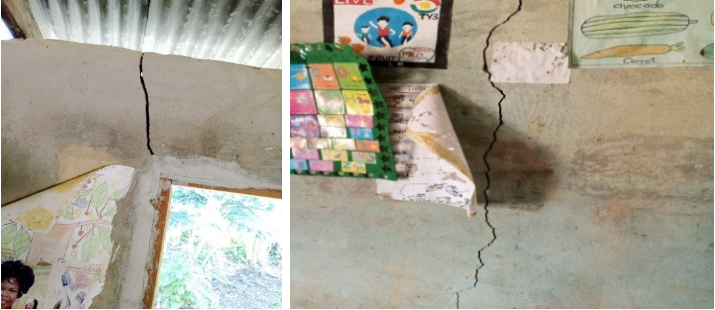
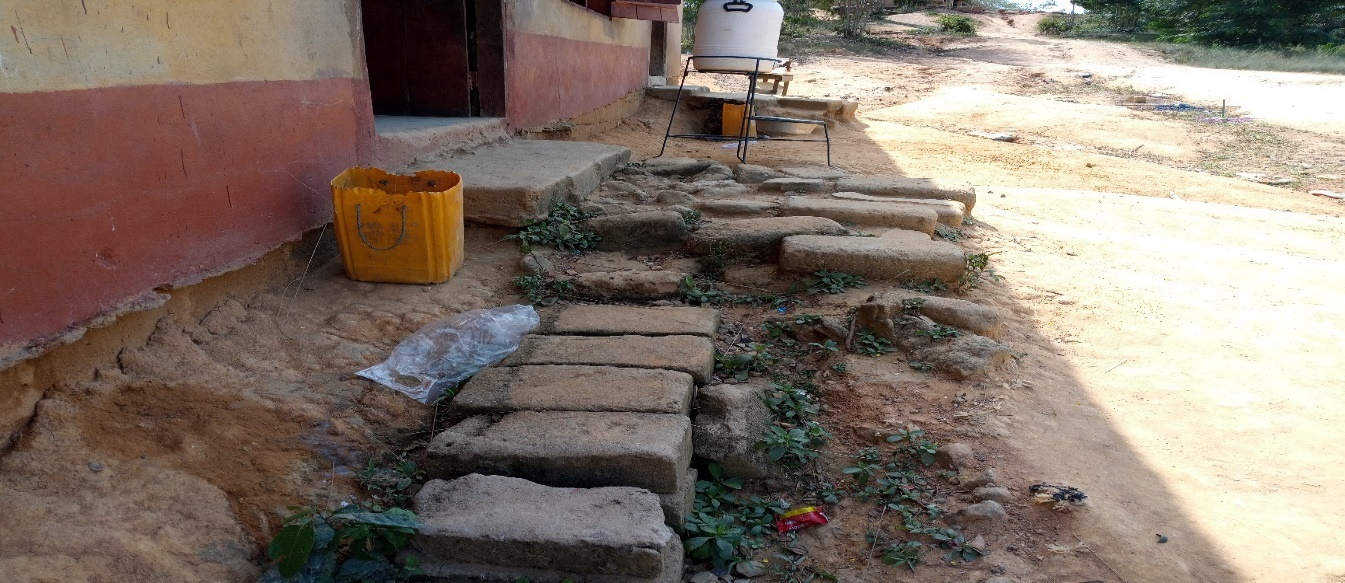
Aside the cracks on school buildings, another participant share her view this way: “With the school building I don't see any problem. But I think the entrance, the stairs, with kids I think it's too high. Even me the teacher when I’m coming, I find it very difficult to climb.” (KT 5)
Another participant further corroborated that:
“When it rains, some of the roof, we have problem. So, when it rains, all these pupils here they can’t stay there, so we all push to that place. when it rains heavily, is difficult for us to sit in the class. And when it is heavy wind, the roof will start shaken, that’s why they brought these pillars to adjust it. Still, we are not safe, even these pillars, when I try to write from the board, they say madam I cannot see, unless they move from that place to another and stand here to write.” (KT 16)
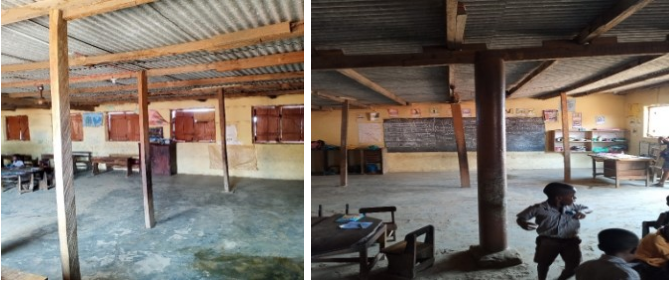
This participant shares the view on the floors which looks very rough and concretes exposed. This is what she has to say:
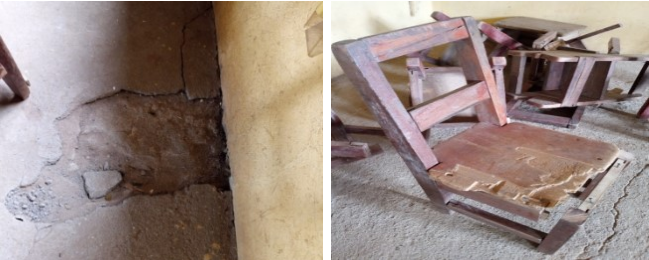
“When you look at our veranda is rough, so if you don’t supervise them, they are going to get hurt. It is posing threat for the younger one, if they walk and they don’t take much particular attentive on the walking they fall, they get hurt on their nails and their elbow.” (KT 10)
3.2. Falls Experiences of Kindergarten Learners
Some of the threats in classrooms are the consequence of any one or a combination of the following factors: a child falling onto or from an element, such as a staircase, railing, or wall sink, among other potentially hazardous objects [10]. Teachers in the kindergarten schools states that, falls among kindergarten learners are common experience. Most of the participants interviewed shared that, these falls experienced by these learners are as result pushing, climbing of lofty elements and other experience in the classroom such as wet or slippery floors and lumpy floors.
These are what participants have to say:
“Sometimes when it rains, the veranda will be slippery. So, sometimes they will step in the board and after cleaning you will see some of them falling. As children are so curious when it rains, at times you will see stagnant water here so they would be playing in it.” (KT 7)
As other participant stated on the slippery floor causing learners fall, this participant said this: “They do fall, for sure, they do fall on the veranda, because it very rough and some do get hurt.” (KT 9)
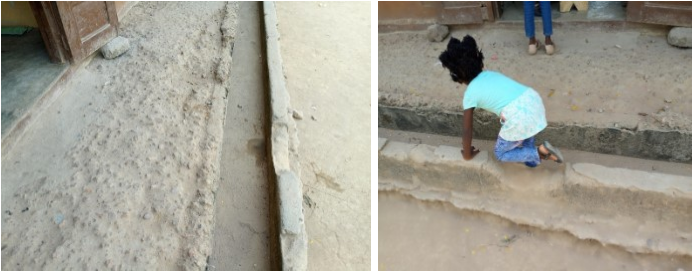
Another participant shared her ordeal as she related this way:
“...it may be a fall. Because I quite remember I didn’t come to school. At that time, I was at KG2 and one of my children, she fell down whilst no body was supervising them. So, in fact she hurt very seriously. I learnt one of the children pushed her so they sent her to Korle-Bu Hospital.” (KT 1)
On the other hand, one participant also noted:
“Falls sometimes you know they like running so when they are playing, they say: follow me, one will tell the other follow me and they will be running around. You know kids they can run but they don't have the strength or the capacity to run so they will fall. When they fall too, they get hurt so they bring it for treatment. The school stairs too are very dangerous, the intervals are very high. So, I think they have to do something about it.” (KT 3)
Another participant related to the issue of the height of stairs and this is what she had to say: “Oh, stair is very high they find it difficult in climbing them sometimes, so they put their hands before they can climb it” (KT 13)
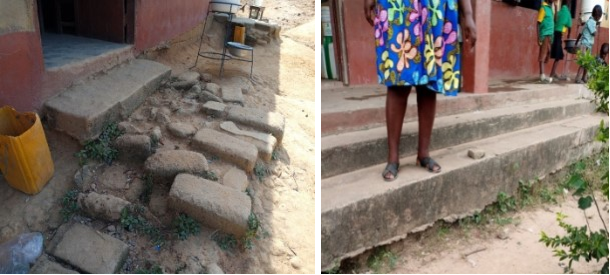
Another participant who so much particular about the school landscape mentioned: “Because of the rocky compound, sometimes they walk, they slip, fall and they get injured. The knee gets injured or the elbow injured, just a small cut, but not severe.” (KT 4)
Another participant indicated that:
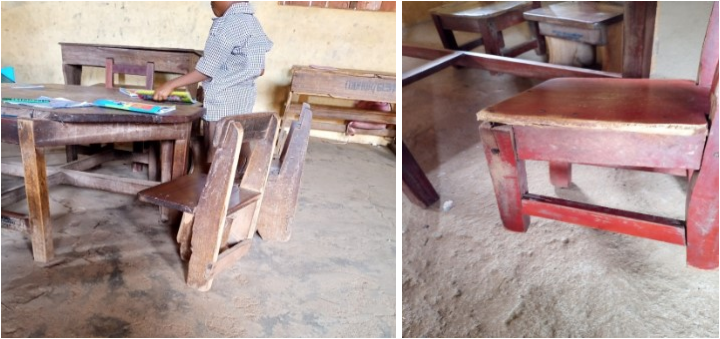
“Every morning, even when I told them to bring their books, you saw plenty pupils were falling down. It’s because of the chairs. Some of the chairs are weak so whenever I call them, bring your works, you will see plenty pupils falling.” (KT 16)
3.3. Classroom Space Threat to Learners' Safety
Buildings that are difficult to maintain, as well as settings that are difficult to clean, create an ideal environment for contagion to occur, and when these difficulties are brought together in a building or a classroom, it may result in an epidemic. Infectious illnesses are the most serious organic risks to building inhabitants in all types of buildings [6]. The interior environment that has less ventilated rooms as well as spaces that are congested as a result of a lack of available space. Rooms that are badly constructed are more likely to harbour biologically based illnesses [11]. Classroom space according to the field experience shows a relation with number of learners occupied in the classroom. Almost all participants interview were of the view that their classroom space was enough to contain the number of learners. Only few learners had a challenge with limited classroom space. This is what participants had to say:
“As you can see, we have fans in the classroom so after break, we on the fan and I think because of the fan infectious diseases will not be much, because there is enough ventilation in the classroom.” (KT 15)
In connection to this statement, another participant related this way: “Their safety... Ok...ermm… first and foremost, my classroom is spacious and you could see each of them is having his or table so I think everything is in order here.” (KT 1)
Contrary to the statement from KT 1 and KT 15, this participant pointed that: “For the classroom space, we have a challenge because kids you know we normally play, we learn through play so if there's no space, we can't do the activity we want to do.” (KT 3)
Similarly, this participant also further corroborated that their classroom has learning centres created and the children are many so it makes the classroom congested for them. This is what the participant has to say:
“Because the room is not spacious, sometimes you have to pass through them...You can stand beside some kids, behind them, in front of them but you may not get to all of them because, we have centers so we have taken some part for our activity and some part for their sitting so you can't get to all of them but you can reach some of them.” (KT 3)
3.4. Muscular/Skeletal Stress of Learners
Physiological threats or injuries are often classified as either long-term or short-term, and they can come from a variety of factors such as muscular/skeleton tension caused by strained bones and muscles, as well as connective tissue that has been stretched beyond its capacity. A danger might arise from the necessity of opening a door or window, from the use of excessive force, or from back pain caused by poorly designed or sized chairs [11]. In this study, most participants supported that, the most common physical risks in kindergarten schools are orthopaedic stress and muscular/skeletal stress. Participants was of the view that, their learners’ seats were jerking because of ripping and protruding nails and so it is not balance which can cause muscular/skeleton tension. Some seats had broken legs. Participants were also of the view that, the floor were not levelled and the learners’ seats are not child size. According to medical professionals, the body must be in a state of balance in which the skeletal system is most adapted engaging in physical activity that allows the body to remain upright and relatively well balanced. Almost all sorts of building elements can cause humans to execute activities out of balance, such as closing or opening windows hidden behind tables or desks; retrieving weighty goods from high or low storage areas; and sitting in poorly constructed chairs, which strains the lower back and neck [6]. The following are what the participants have to say: “We are lucky that our furniture is just good so such problem. We also have mat there so when we see that a child is sleeping, you can just go and put it down.” (KT 2). This participant also has this to say: “Their sitting position. Have you seen; our table go round? Yes, so a child is sitting here, she or he has to turn to see from the board to write. He or She has to turn left...turn right.” (KT 6). Another participant responded: “Some of the leaners are taller than the chairs, so I think that place that they find is difficult.” (KT 1). Similarly, another participant related:
“Some of the metal chairs, the back has been broken, so they are going to experience back ache. Our furniture is not enough, and some have been broken, so those who will get that chair, they are going to experience that. You can see the nails ripping off, you have to placed that chair, at one particular place, so that where the kids will not do the movement, we place that chair.” (KT 10)
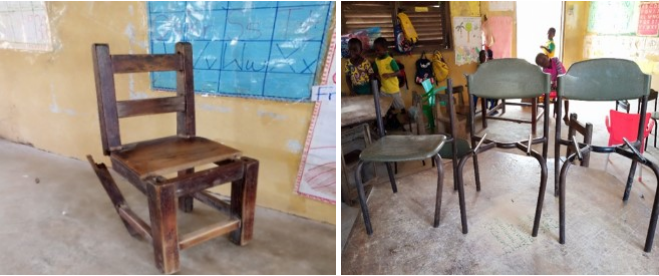
Similarly, this participant connected to this: “The chairs are child sized but is too hard and also the nails are protruding. And yeah, it's not straight not balanced too. And then the class too is not leveled.” (KT 5)
3.5. Heat Burn Threats to Learners Safety
The heat burns can be caused by a wide range of environmental hazards, including fire, hot objects and liquids, hot atmosphere, and other sources that create heat, among others [6]. Studies have found that, the thermal risks in buildings are typically caused by fires or contact with hot surfaces. A previous study also confirmed that the primary source of thermal hazard to kindergarten children in classrooms may come from fires produced by electrical faults or contact with a hot surface or liquids, and that the majority of these threats are preventable [11]. In the study, majority of the participants shared contrary view to heat burn experiences in their school. Participants responded that, they do not have metal play materials in the school that can cause burn to learners as a result of exposure to the sun. Also, almost all participant made it clear that, their classrooms do not have electricity and those few schools do not have faulty electrical switches and sockets. However, the common source of heat burn experienced by their learners is inside the classroom. Some participants had these to say: “No heat burn, because we have fans, which after 12:00 we on the fan for them to enjoy. So, they don’t experience heat.” (KT 11). Another participant explained that: “When it’s broad sunny day, you perceive the walls are too exposed to the sun so it gets hot. When children go out, they may turn to lean against the wall...” (KT 6). Another participant who has similar view about sun heat noted that: “Sometimes we suffer when the sun is too hard. There will be heat and the kids too some will be scratching themselves because of the heat... They will get skin rashes.” (KT 3)
Another participant explained her challenging part of heat burn this way:
“We are suffering, when it is 11:30 – 12:00, the children even can’t. When you are teaching them, because of the heat that comes into this classroom, they don’t pay attention when you are teaching. So during that time I don’t teach, I only give them writing books; my first copy book for them to write, you will see some pupils close to their books and use the books to fan themselves... (KT 16)
3.6. Psychological Threats of Kindergarten Learners
The psychological environment prevents physical punishment, bullying, harassment and violence by developing procedures and policies that do not support physical punishment and that promote non-violent interaction on the playgrounds, in classes and among teachers and learners [19]. Children's emotional threats in school can be viewed from two perspectives, those children who become nervous as a result of their surroundings, such as small spaces or dizzying heights, and those children who become emotionally threatened as a result of contact with other children who may be bullies or who may pose a threat of physical harm to them [11]. Participants shared their view with regard to their psychological and emotional threats of the learners. In this study, majority of the participants mention that their relationship between their learners is just like parent-child one; it is positive and cordial. Some participants were of this view: “The relationship between I and the kids, it much more like they are my kids, because we play, we talk, we joke... they even tease me so, we are okay, the relationship is okay.” (KT 13). This participant also supported that: “We, the teachers are friendly. We treat them well. Early in the morning we ask them; are you okay? How are you? ... We even buy food for them. So, there is no fear.” (KT 4)
This participant who seems to be worried about the behaviour of her learners particularly said that:
“For the relationship, sometimes the kids are so stubborn, so I have to shout before they change or I have to give them some punishment; you will go and face the wall at the corner there, for about 20 minutes and standing for 20 minutes I think will be fair.” (KT 15)
Another participant also responded this way:
“Some of the big boys and girls they seem to be bullying the small ones. Sometimes it does happen so, some will come and report, some too they will not report but you the teacher you can see it easily. Sometimes when they are sitting down and study them, you will see that those ones because he or she is big, they will be bullying the other ones.” (KT 5)
Similarly, this participant had this to say:
“Sometimes, their friends may be bullying them. We have some grown up among them that they use to do that, but I have warned them against it, so if anyone does that, they know what I will do to them; either I will let them face the wall or they will not go out for break, so it is minimized.” (KT 15)
3.7. Surrounding Environment Threats
The school surroundings must be properly maintained and physically attractive [36]. School surroundings as denoting the school community's tolerance for untoward conditions and behaviour [37]. This is suitably expressed in the general appearance of the school. Accordingly, there should be systems put in place to ensure that school surroundings are kept clean. Playgrounds should be fenced off from the main school building so that the school building areas are off-limits during all non-school hours [38]. The study participants share their diverse view on the state of their school surroundings. Most participants said that, their school has fence and so the environment is limitless and so open for the learners during out-door activities. Some participants commented on the bushy environment which becomes a prone zone to snake attacks. These are what some participants has to say: “This place too is bushy. We are found in a bushy place and most at times we get attack from snakes.” (KT 2)
In relation to the snake attacks, this participant also remarked that:
“In this compound for instance, we know that this place is weedy let's say is a bush, yeah, so when they go out especially in the afternoon during second break, they find snakes around. So, you make sure that they don't go there” (KT 5)
Another participant responded that:
“... when it rains, the water washes away the soil; erosion has taken place. This morning I saw (friends of environment) they've been working on the erosion so, you see there is hole there? anyone's leg gets into it, the person will be hurt. We have a lot of gravels around also; you can see so when you fall down you will be hurt. So, if we have green grass here or if it is levelled, it will be nice. You see this is not safe for the environment.” (KT 3)
Another participant who is particular about school boundary also mentioned that:
“The environment is too big for us. At least there should be a boundary. And there should a fence; a fence so that at least we are going to guide them to buy their food then they come back and eat. So, they will be all around when they finish, they play here.” (KT 6)
This participant supported that:
“Because here is a cluster school; nursery, KG, a full basic but as KG school it’s supposed to be a bit fenced but here is not fenced so some of the children can run away maybe am going to collect something from brother or sister or sibling or anybody. But as a teacher when it is time for break over, you have to make sure all the children are inside. If the person is not here, then maybe he or she has run away home.” (KT 8)
Concerning the school surrounding threats to the kindergarten learners, another participant stated this:
“How the seesaw has been made and the tyres too, they have been jumping on it which can make somebody even fall, on like other schools you will see that their playing ground is in such a way that its suits the children’s activities. Here it has been made in such a way that it is for the whole school and the children too don’t even get access to.” (KT 7)
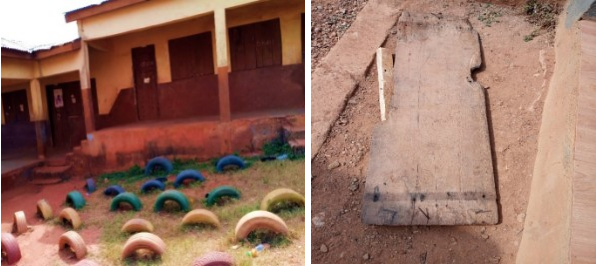
4. Discussion on Safety Conditions within Kindergarten Schools
From the observation on the safety conditions in the kindergarten schools within the KEEA Municipality, findings revealed that, most of the school buildings are healthy and strong with no children learning in a dilapidated school building. However, few school buildings have some major and minor cracks which was confirmed from the interview as threat to teachers and learners in the school. Also, it was observed that teachers most kindergarten classroom were poorly planned and constructed. There was an indication from the observation that, most building were built not meant for the kindergarten learners. Only two of the kindergarten centres were fenced and none with play materials or with proper play ground. Again, the observation emerged few schools have areas or elements that can cause fall to learners at the kindergarten centres. However, as indicated by the participants during interview, most of the falls experienced by the learners were cause by pushing, climbing and slipping. More so, the observation indicated that most of the classrooms were spacious enough to contain the learners in the classroom except few schools which has limited space their learners. The observation seems to be in line with responses the participants provided during the interview sessions concerning limited classroom space. In furtherance, the observation identified challenges in the seating of the learners. Most of the learners were seated on poor constructed chairs. Majority of learners observed seated on broken legged chairs with protruding nails and joint fittings. Some school with child-sized chairs had limited in number. Finally, the observation revealed that, almost all schools observed do not have any element of surfaces that can cause burn in their schools.
Results emerged from the study on the school building threats to leaners revealed that, some kindergarten school buildings in the KEEA municipality pose threats to learners and teachers. Finding revealed that, the school building has lots of cracks. The cracks are such that, it creates fear for teachers and learners rendering them unsafe in the class especially when it rains. Beside the main buildings, the study found that, the staircase to the classroom entrance pose threat to leaners. The study again found that the roofs of some kindergarten school building were weak. Because of the roof, when it rains learners find it difficult to stay in the class and learners. Again, the study found that, some of the school verandas looks rough that, they stumble and fall. The finding of this study is linked to an earlier study that, learners in schools are exposed to a wide range of dangers while studying in their classrooms, mostly as a result of poorly built and constructed classrooms that are not conducive to learning [5].
Also, the study found that, averagely kindergarten learners fall each day whiles at school. According to this current study, it was observed that, falls experienced by learners are caused by pushing and running. This study again identified that learners experience falls as a result of rumpled floor and poorly constructed stairs. Subsequently, it was observed that, learners’ chairs contribute to fall. The findings of this study affirmed the previous study that, most prevalent mechanical injuries in the classroom are falls, which are caused by children's natural desire to be adventurous at this age in most children's learning environments, despite the wide variety of mechanical injuries [6]. Again, in this study, nearly, all kindergarten teachers had enough space in the classroom. It was observed that, only few classrooms classroom had fans. However, some schools did not complain of heat because the classroom was spacious enough to allow ventilation. Again, the study identified that irrespective the size of the class, as number of learners increases, it tends to put pressure on the classroom space. Infectious illnesses are the most serious organic risks to building inhabitants in all types of buildings [6]. A previous study confirmed that, because of limited space and inadequate ventilation, contagious diseases are primarily caused by contamination by infectious organisms [8].
In relation to the safety condition in the classroom, this study found that, almost all kindergarten learners experience muscular or skeletal stress in their system. It was observed that few schools did not have issue with chair. However, quite a number of schools had challenge with furniture which affect their learners’ safety and comfort. This study revealed that, the seating posture, bad state of the chair and lack of child-sized chair causes muscular pain in the learners. It was found in the study that, unlevelled classroom floor causes chair to be imbalanced. In connection to the study findings, a similar research confirmed that, danger of muscular/skeletal stress can arise from the necessity of opening a door or window, from the use of excessive force, or from back pain caused by poorly designed or sized chairs [11].
The results of this study on heat burn shows that, the learners do not experience burns in the school. The burns experiences were not caused by fire, access to electricity, hot surface or object but rather the sun. This study comes contrary to another study which states that, the primary source of thermal hazard to kindergarten children in classrooms may come from fires produced by electrical faults or contact with a hot surface or liquids, and that the majority of these threats are preventable [11].
The results of this study as shared by some kindergarten teachers on the ways learners experience psychological and emotional threats shows a positive and workable relationship with learners. However, few teachers out of frustrations shout at the learners. Major finding to this study with regards to threats to psychological and emotional experiences of learners show that, most incidence are cause by bullying among the learners. This study is in agreement with the previous study which states that, children become nervous and emotionally become threatened as a result of their contact with other children who may bully or who may pose a threat of physical harm to them [11]. In relation to this, a researcher advocates the role of the teachers as taking care of the psychological welfare of learners by making them feel valued and sees a supportive environment as one that welcomes new people to the school, that offers effective and sensitive communication and fosters a sense of attachment and belonging to all in the school [39].
Finally, the study revealed that, most kindergarten school surroundings pose threats to learners. The school surroundings must be properly maintained and physically attractive, this study revealed that, most school are surrounded by root stumps, stones, exposed nails in broken desks and other materials that can serve as threat to learners [36]. It was observed that, almost all kindergarten centres were found in an isolate and open space with no fence. This finding corroborates with an earlier study that, kindergarten school environment and playgrounds should be fenced off from the main school building so that the school building areas are off-limits during all non-school hours [38]. Again, the study revealed that, the bushy surrounding attracts animals like lizards, wall geckos and poisonous snakes. This can be in compatible to a previous study that, appropriate consideration should also be given to eliminating "learner hangout" areas in the learners’ school environment [38].
5. Conclusions and Recommendations
The study indicated that, most kindergarten school buildings in the KEEA municipality pose threats to both learners and teachers as result of over-aged or poorly constructed buildings. The study also revealed that, bad state of chairs and lack of child-sized chairs for kindergarten learners are the main cause muscular or skeletal stress kindergarten learners experience. Also, major finding to this study with regards to psychological and emotional threat experienced by learners show that, most incidence are cause by bullying among the learners. Furtherance, the study revealed that, most kindergarten buildings were sited in an open, isolated and bushy environment which attracts animals like lizards, wall geckos and poisonous snakes. It is recommended that, the Ministry of Education in collaboration with the Ghana Education Service should set up a School Supervision for Safety Department (SSSD) to control and oversee safety issues in the kindergarten schools in Ghana. The School Supervision for Safety Department should create awareness advocacy for school safety so that school safety becomes a nationwide concern. The School Supervision for Safety Department must liaise withe other stakeholders to enforce frequent assessment of school buildings, infrastructure and materials for safety.
Conflicts of Interest
The author declares that there is no conflict of interest regarding the publication of this article.
Author Contributions
Conceptualization: IA; Methodology: IA, RK. NKLA and MNAM; Software: IA, RK. NKLA and MNAM.; Validation: IA, and RK.; Formal analysis: IA, RK. NKLA and MNAM; Investigation: IA, RK. NKLA and MNAM; Resources: IA, RK. NKLA and MNAM; Data Curation: IA, RK. NKLA and MNAM.; Writing – original draft preparation: IA.; Writing: IA, RK. NKLA and MNAM; Visualization: IA, RK. NKLA and MNAM.; Supervision: IA, RK. NKLA and MNAM.; Project administration: IA, RK. NKLA and MNAM; Funding acquisition: IA, RK. NKLA and MNAM
Funding
This research received no specific grant from any funding agency in the public, commercial or not-for-profit sectors. It was solely funded by the researchers.
Acknowledgments
The authors would like to thank all of the participants of this research.
References
- Division for Early Childhood (DEC) /NAEYC. (2009). Early childhood inclusion: A joint position statement of the Division for Early Childhood (DEC) and the National Association for the Education of Young Children (NAEYC). Retrieved from DEC website: http://www.dec-sped.org/papers
- Ministry of Gender, Children, and Social Protection. (2018). Early childhood care and development standards (0-3 years)
- Dougherty, P. J., Cannada, L. K., Murray, P., & Osborn, P. M. (2018). Progressive autonomy in the era of increased supervision: AOA critical issues. JBJS, 100(18), e122.[CrossRef] [PubMed]
- Campbell-Barr, V. (2019). Interpretations of child centred practice in early childhood education and care. Compare: A Journal of Comparative and International Education, 49(2), 249-265.[CrossRef]
- Keith, K. (2011). Dangerous decor: Consumer knowledge of health risks within interior spaces. Journal of Interior Design, 43(3), 1–15.
- Chabbott, C. (2004). UNICEF’s child friendly schools’ framework: A desk review. New York, NY: UNICEF
- World Health Organization. (2018). Injury-related disability and rehabilitation. Retrieved from https://www.who.int/violence_injury_prevention/disability/en//. (Accessed 10 April 2021).
- Ulrich, R. S. (1990). Effects of interior design on wellness: Theory and recent scientific research. Journal of Health Care Interior Design, 3, 97–109
- Colome, S. D., Shendell, D. G., Winer, A. M., & Weker, R. (2004). Air concentrations of VOCs in portable and traditional classrooms: results of a pilot study in Los Angeles County. Journal of Exposure Science and Environmental Epidemiology, 14(1), 44-59.[CrossRef] [PubMed]
- Abdazi, H. (2007). Absenteeism and beyond: Instructional time loss and consequences (World Bank policy research paper No. 4376). Washington DC: World Bank. pp 561-580[CrossRef]
- Chu, W. (2014). Safety issues of children age 3-5 years in school classrooms: a perspective of classrooms in the United States. Graduate Theses and Dissertations. 14103. https://lib.dr.iastate.edu/etd/14103
- Abercrombie, S. (1990). A philosophy of interior design. New York: Harper & Row.
- Carpman, J. R., Grant, M. A. and Simmons, D. A. (2005), Design that cares: Planning health facilities and patients. Chicago, IL: American Hospital Association.
- Dickinson, J. I., Marsden, J. P., & Read, M. A. (2007). Empirical design research: Student definitions, perceptions, and values. Journal of Interior Design, 32 (2)[CrossRef]
- Bernard, A. K. (1999). The child friendly school: concept and practice (Draft). New York, NY: UNICEF
- Attig, G., & Hopkins, J. (2006). Assessing child-friendly schools: A guide for program managers in East Asia and Pacific. Bangkok, Thailand: UNICEF
- Soni, A. (2019). Opportunities for development: the practice of supervision in early years’ provision in England. International Journal of Early Years Education, 27(1), 52-67.[CrossRef]
- Anon, G. (2002). School safety. National Education Association. http: www.nea.orglschoolsafety1index.html.
- Nhlapo, A. V. (2006). Managing school safety in the primary school. Dissertation submitted for the Master of Education in the School of Educational Sciences in Educational Management at the Vaal Triangle Campus of the North West University.
- Mwoma, T. & Pillay, J. (2016). Psychosocial support for orphans and vulnerable children in public primary schools: Challenges and intervention strategies. South African Journal of Education, 35(3), 1-9.[CrossRef]
- Republic of Kenya. (2008). Safety standards manual for schools in Kenya. Ministry of Education. First edition April 2008. http://cwsglobal.org/wp-content/uploads/2017/01/CWS-SSZSchools-Manual_Kenya.pdf
- Maurice, P., Lavoie, M., Chapdelaine, A., Bélanger Bonneau, H., & Ellison, L. (1997). Safety and safety promotion: conceptual and operational aspects. Chronic diseases in Canada, 18 4, 179-86.
- Patschke, M. (2017). National Association of Elementary School Principals – NAESP. Alexandria, VA.
- Cobbold, C., Kofie, S., Bordoh, A., & Eshun. I. (2015). Perception of Curriculum Leaders and Teachers on Feedback and Conditions Essential for Effective Supervision in Senior High Schools. International Journal of Educational Research and Information Science. 2(2), 21-26.
- Posner, M. (2000). Preventing school injuries: A comprehensive guide for school administrators, teachers, and staff. New Brunswick, NJ. Rutgers University Press.
- Morrongiello, B. A., Ondejko L., & Littlejohn, A. (2004). Understanding toddlers' in-home injuries: Examining parental strategies, and their efficacy, for managing child injury risk. Journal of Pediatric Psychology, 31, 29, 433–446.[CrossRef] [PubMed]
- Early Childhood News (2008). Retrieved on 30th October 2020 from http://www.earlychildhoodnews.com/earlychildhood/teacher_resources/newslink.aspx
- Heinrich, H. W. (1959). Industrial accident prevention: A scientific approach, (4th ed.). McGraw-Hill.
- Peaceful Playgrounds. (2014). http://www.peacefulplaygrounds.com/playground-liability-accident-or-injury/
- Sleet, D. A., Ballesteros, M. F., & Borse, N. N. (2010). A review of unintentional injuries in adolescents. Division of Unintentional Injury Prevention, National Center for Injury Prevention and Control, 2Office of Workforce and Career Development, Centers for Disease Control and Prevention, Atlanta, Georgia 30341; email: dds6@cdc.gov. 10.1146/annurev.publhealth.012809.103616[CrossRef] [PubMed]
- Sirnpson, G. (2001). South Africa: beyond exclusion. Johannesburg: Centre for the Study of Violence and Reconciliation.
- Yousaf, S., Usman, B., & Islam, T. (2018). Effects of Supervision Practices of Principals on Work Performance and Growth of Primary School Teachers. Bulletin of Education and Research, 40(1), 285-298.
- Denzin, N. (2006). Sociological methods: A source book (5th ed.). Alcline Transaction ISBN 978-0: 202, 30840.
- Bryman, A., & Bell, E. (2015). Business research methods, (4th ed.). Oxford: Oxford Univ. Press.
- Walliman, N. (2006). Social research methods. London: Sage Publications.[CrossRef]
- Kimbrough, R. B., & Burkett, C. W. (1990). The principalship: Concepts and practices. Englewood Cliffs, N.J.: Prentice-Hall.
- Reid, D. (2000). Building a safe environment. American School & University. Nov,1
- Wargo, J. (2004). The world health organization's information series on school health: the physical school environment. New Haven Connecticut: Yale University
- Skevington, S. (2003). Creating an environment for emotional and social wellbeing. Geneva: World Health Organization's information series on school health. Document 10.