

This study is aimed at examining the prevalence of premarital sex among adolescents between 13-19 years within Chorkor, Korle Gonno and Mamprobi communities in the Accra Metropolis. The study with a sample size of 268 used a descriptive approach and a combination of convenient and quota sampling methods. The study recommends the establishment of a school guidance and counselling unit to sensitize and advise students and parental monitoring of adolescent lives and the use of social media on mobile devices.
Article
Open Access
August 16, 2024
Perceived Prevalence of Pre-marital Sex in Ga Mashie
1
Department of Theology and Counselling, Central University, Ghana
2
Anglican Diocese of Accra, Ghana
3
Department of Guidance and Counselling, Maranatha University College, Ghana
4
Business Studies, Bedfordshire University, UK
Page(s):
213-227
Received
May 12, 2024
May 12, 2024
Revised
July 18, 2024
July 18, 2024
Accepted
August 14, 2024
August 14, 2024
Published
August 16, 2024
August 16, 2024
Keywords
Creative Commons
This is an Open Access article, distributed under the terms of the Creative Commons Attribution 4.0 International License (http://creativecommons.org/licenses/by/4.0/), which permits unrestricted use, distribution and reproduction in any medium or format, provided the original work is properly cited.
Copyright: Copyright © The Author(s), 2024. Published by Scientific Publications
Abstract
1. Introduction
For people who have attained sexual maturity and are capable of reproducing, this is not a biological problem. Premarital sex has long been seen as unethical in almost every human civilization that considers marriage as a necessary condition for sexual behaviour (Christensen 1960) [1]. Despite the paucity of data, specialists intentionally avoid addressing this subject due to the demands of conservative culture and extremely stringent family morality. Since the 1990s, a rising number of people have taken an interest in this subject. It was sparked by an increase in stories about the negative effects of premarital sex on young people who had never been married, such as forced abortion and STDs.
Premarital sex is sexual intercourse between unmarried individuals. (Ajiboye et al, 2014) [2] It is most often used to refer to young individuals who are considered to have reached marriageable age or who will marry one day but who engage in sexual behaviours before being approved for or endorsed in a marriage. People who engage in premarital sex have a sexual connection because they have engaged in sexual activities before marriage. The high prevalence of human immunodeficiency virus/acquired immunodeficiency syndrome (HIV/AIDS), sexually transmitted infections (STIs), unintended pregnancies, and increased sexual activities among adolescents and teenagers are the community's primary declared critical health concerns. Meleko, A. (2017) [3] A child's family is a critical instrument that shapes several social and emotional characteristics. Thirty adolescents, aged 16 to 24, from three communities in the Accra Metropolis, participated in this descriptive research design: Korle Gonno, Chorkor, and Mamprobi. It is presumed that these people had begun engaging in some kind of sexual behaviour. To enhance and accomplish the purpose of this study, the researchers involved parents, teachers, school counsellors, clinical psychologists, clergy, family counsellors, and health care practitioners.
1.1. Statement of the Problem
It is an undeniable fact that the findings of the DHS (2015), Ghana Demographic and Health Survey (Ameyaw (2018), Ghana Education Service (2015), Karimi, et al. (2020), and UNESCO (2012) [4, 5, 6, 7, 8] studies on adolescent pregnancy exist, but none of them focuses exclusively on the three (3) selected communities. This, however, impacts how to equip stakeholders with the precise numbers necessary to make informed decisions about the different ways to address premarital sex.
Numerous studies by researchers (Manning & Demmons (1999) and Dennis (2014) [9, 10] have shown that the home environment has a significant influence on how teenagers and young adults are supposed to engage in sexual relations. Manning et al. explored the impact of family on sexual socialization and how it relates to teenagers' sexual habits in their study.
However, these studies did not consider premarital sex among teenagers in the Ga Mashie area who have perennial pregnancies. This is why the study will examine challenges among teenage boys and girls in the Ga Mashie municipality. It has been observed by these researchers that the Ga Mashie municipality is measurably becoming more cosmopolitan than before, so the values of the Ga-Dangbe people are not imbibed among these Ga Mashie teenagers. This has resulted in parental challenges encountered by the people of the Ga Mashie community.
1.2. Research Objectives
Premarital sex among teenage girls and boys is a social problem confronting many countries, including Ghana. This study seeks:
To investigate the prevalence of premarital sex among adolescent boys and girls in Chorkor, Korle Gonno and Mamprobi.
1.3. Research Questions
What is the prevalence of premarital sex among adolescents in Chorkor, Korle Gonno and Mamprobi?
2. Literature
2.1. Prevalence of Premarital Sex
Premarital sex is not a recent development; it has occurred for aeons (Noroozi et al., 2017) [11]. The canker has affected every civilisation that has ever lived. In Ghana, premarital sex is ubiquitous. Growing access by the young, especially teenage girls and boys, to pornographic films and publications, sex videos, and movies seems to have fostered the habit. Sexual impulses are firmly ingrained in all of our DNA. When children watch such things, their sexual urges are piqued, and soon they are engaging in these actions with all of their negative effects. In their investigation of high-risk premarital sexual behaviour, male college students in Jamnagar City, Gujarat, India, Dave et al. (2019) [12] discovered that 59 (95.16%) had premarital sex with their girlfriends while 14.5% had one or more sex acts with commercial sex workers (CSWs).
According to Meleko et al. (2017) [3], premarital sexual activity was prevalent among preparatory students at a rate of 25.2% in Mizan Aman Town, South West Ethiopia. Of those, 58 (76.3 percent) had sex with their boyfriend or girlfriend, 7 (9.2 percent) had sex with a teacher, 6 (7.9 percent) had sex with their spouse, 4 (5.3 percent) had sex with a stranger, and the remaining. The research participants had their first sexual experience at a minimum age of 10 and a maximum age of 53 for female participants. In Nairobi, Kenya, Okigbo et al. (2015) [13] investigated the impact of parental influences on teenagers' transition into their first sexual encounter. The study's findings revealed that 47% of respondents had begun sexual intercourse before marriage by the time they were 15 years old.
In South Gondar, Ethiopia's Addis Zemen Town, Habte et al. (2018) [14] looked at the incidence of premarital sexual behaviours and the characteristics that are related to them among high school students. Out of 276 individuals, the results showed that 84.4 percent engaged in premarital relations and 32.6 percent had sex with only one partner. The research participants had their first sexual encounters at a minimum age of 13, a maximum age of 23, and a mean age of 17.51. The data also showed that 44% of respondents had fallen in love with their sexual opposite and that this had been their motivation for having a sexual act. In Sebeta Town, Oromia Regional State, Ethiopia, Berihun et al. (2021) [15] evaluated the incidence of premarital sex and unprotected sexual activities among secondary school adolescent students. Premarital sex occurred in 28.3 percent of study participants, and 90.1% of those people used condoms. Grade level and their family's wealth were both significantly correlated with their premarital sex. Students in grade ten had a 7.99-fold higher risk of engaging in premarital sex than their peers (AOR = 7.99, CI = 2.2-28.5), and students in grade eleven had a 7.81-fold higher risk of engaging in premarital sex than their peers (AOR = 7.81, CI = 2.4-25.4).
In their investigation of teenagers coping with sexuality difficulties, Tsitsika et al. (2020) [16] claim that 3/1 (P <0.05) of the adolescents were male and 16% of them had sexual contact. The average age of first having sex was 14 / 1.5 years. A further 20 percent, or those who are 1 year +/- 1.5 months old, have had prior sexual encounters. Although most sexually active teenagers (90.6%) use condoms, only 32% use them correctly (at every point and throughout the sexual contact). While 8.2 percent of the girls have used emergency contraception, at least half of them do not have appropriate protection (no technique is utilized or a faulty method is administered). Teenagers with unstable family environments (divorce, recent death, not living with their mother, or peers with these sexual experiences) belong to the group that asks siblings or friends for sexual education to learn how to start having sex.
Bingenheimer et al. (2015) [17] examined how peer pressure affects teenage sexual behaviour in Ghana. Age, sex, and neighbourhood cultural differences for forming peer group traits were explored in two waves of survey data obtained from 1,275 teenagers in two towns in southeast Ghana. During a 20-month follow-up period, potential correlations between peer group features, self-reported sexual initiation, and numerous relationships were looked at. There were just slight sex differences in peer-context characteristics. The likelihood of transitioning to the first sex increased with antisocial peer affiliation and perceived peer norms promoting sex roles. The likelihood of finding several new sexual partners rose among younger responders who had more friends. The incidence of sexual activity before the age of 13 among male adolescents and young adults in the United States was examined by Lindberg, Maddow-Zimet, and Marcell in 2019. The study included data from 19 916 male high school students and 7739 men aged 15 to 24 from the National Survey of Family Growth and Youth Risk Behaviour Surveillance System. Non-Hispanic white men made up the majority of the sample: 3737 (58.0%) from the NSFG and 8789 (57.1%) from the YRBSS.
7.6 percent (95 percent CI, 6.8 percent -8.4 percent) of male high school students and 3.6 percent (95 percent CI, 3.0 percent -4.2 percent) of men aged 15 to 24 years nationwide reported having their first sexual experience before the age of 13. With higher rates among non-Hispanic black and Hispanic males in most metropolitan areas, the percentage of male students who reported having sexual contact before the age of 13 varied across metropolitan sites, from 5% (95 percent CI, 4%–7%) in San Francisco, California, to 25% (95 percent CI, 23 percent–28%) in Memphis, Tennessee. In the National Survey of Family Growth data set, respondents were statistically significantly less likely (OR, 0.31; 95 percent CI, 0.19–0.49) to report having had sexual contact before the age of 13 compared with respondents whose mothers did not have a college degree (or had a higher educational level). Men who said they had their first sexual experience before the age of 13 stated that 8.5% (95 percent CI, 3.8%–17.8%) of those initial encounters were unwelcome. In Ghana, the prevalence of premarital sex is rising. The Ghana Health Service (GHS, 2022) estimates that between 2016 and 2020, more than 500,000 Ghanaian females between the ages of 10 and 19 were pregnant as a consequence of premarital intercourse. On average, over 111,000 adolescent pregnancies occur annually. Over 13,400 of the 14,050 teenage pregnancies that took place during this time included females between the ages of 10 and 14. Data from the Ghana Health Service District Health Information Management Health System (DHIMS) shows that during the last five years, more than 500,000 adolescent pregnancies have been documented. In 2016, there were 2,325 instances of teenage pregnancies. In 2017, there were 2,585 teenage pregnancies. In 2018, there were 2,968 pregnancy cases. In 2020, there were 2,856 pregnancy cases.
The Ashanti area reported 2,165 occurrences of adolescent pregnancies between 2016 and 2020. With 1,528 instances, the Eastern area came in second. A total of 1,327 cases were reported to the centre. There were 1,247 registered pregnancies in Greater Accra. 1,156 cases were reported in the western area as well, while 881 cases were reported in the Bono East region. Over five years, 810 females under the age of 14 were pregnant in the Volta area. Around 766 other instances were also reported in the Bono area. The Upper East area came in second with 575 occurrences, behind the Northern region with around 595 pregnancies. In the North West, 523 pregnancies were also reported. Over the study period, 448 adolescents between the ages of 10 and 14 were pregnant in the Oti area. A total of 434 instances were reported in the Savannah area, while in the Upper West area, 386 youngsters under the age of 14 also went to the hospital for prenatal care. In the period under consideration, the Ahafo area and the Northeast region reported 321 and 282 instances, respectively (GHS, 2022).
3. Methods
3.1. Research Design
Descriptive research was used in this study. Mahajan (2017) [18] defines descriptive research design as a process of collecting data to test hypotheses or answer questions concerning the study. A descriptive research design was most appropriate because research design was able to characterize the prevalence of premarital sex among adolescents.
3.2. Study Area
The research is being conducted in the Greater Accra Region, specifically in the Accra Metropolitan Assembly's (AMA) Ablekuma South Sub-Metropolitan District. The Greater Accra Region has a total land surface area of 3,245 square kilometres, representing 1.4 per cent of the total land area of Ghana. According to a preliminary report by the Ghana Statistical Service (GSS, 2021), the Greater Accra Region is currently the most populous in Ghana with a population size of 5,446,237 people. Major ethnic groups within the region include Ga-Dangme, Ewe, and Akan (GSS, 2021). Christians constitute the largest religious group, constituting over two-thirds of the region’s population, followed by Moslems, atheists, and adherents of traditional religion. The Accra Metropolitan Area is one of the Two Hundred and Sixty-One (261) Metropolitan, Municipal, and District Assemblies (MMDAs) in Ghana and among the Twenty-Nine (29) MMDAs in the Greater Accra Region. The metropolis has a population of approximately 2,036,889 (GSS, 2021).
3.3. Study Population
The population in this study includes all adolescents in the Korle Gonno, Chorkor, and Mamprobi communities. These are densely populated communities with a high rate of teenage pregnancy and single parenthood.
3.4. Inclusion Criteria
The following category of respondents is included in the study:
- Adolescents living within the Korle Gonno, Chorkor, and Mamprobi communities in the Ablekuma South Sub Metropolitan District.
- Adolescents from the ages of 13 years to 19 years live in the Korle Gonno, Chorkor, and Mamprobi communities.
- Adolescents in Korle Gonno, Chorkor, and Mamprobi communities who are willing to participate in the study
3.5. Exclusion Criteria
The following category of respondents is excluded from the study:
- Adolescents living outside the Korle Gonno, Chorkor, and Mamprobi communities.
- Adolescents below 13 years of age and above 19 years of age residing within the Korle Gonno, Chorkor, and Mamprobi communities
- Adolescents in Korle Gonno, Chorkor, and Mamprobi communities who are unwilling to participate in the study.
3.6. Sample Size Determination
The population for the study is unknown. The appropriate sample size estimator under this circumstance is therefore the Cochran (1977) [19] approach for sample size determination.
This model estimates the sample size for the study based on previous studies and the margin of error allowed or chosen by the researchers. The model is as specified;
Where;
n: is the sample size
e: is the margin of error (5% or 0.05 for selected for this study)
p: is the (estimated) proportion of the population which has the attribute in question,
q: is 1 – p and
The z-value is read or found from a Z-table with a 95% confidence interval, given that a 5% margin of error is used. This study relied on the findings of Arega et al. (2019) [20] on the prevalence of the premarital sexual practice and associated factors among adolescents. The study discovered a prevalence rate of 22.5%, which is 0.225. This implies 𝑞=1−0.225=0.775. From a Z-table, a 95% confidence interval yields a score of 1.96. Substituting these values into the Cochran model yields:
The sample size for the study, therefore, is 268 adolescents from the Korle Gonno, Chorkor, and Mamprobi communities.
3.7. Sampling Procedure
Convenient and quota sampling techniques are used in this study.
The researchers based on the strata, sampled 268 respondents from each of the three communities (Chorkor, Korle Gonno and Mamprobi) to constitute the sample.
Using convenient sampling, the researchers visited churches, mosques, schools, and gathering and play centres within the Korle Gonno, Chorkor, and Mamprobi communities to gather data. Given that the study is conducted in three selected communities, the researchers used quota sampling to draw equal sample sizes from the three communities. That is, 268 adolescents were sampled from each of the Korle Gonno, Chorkor, and Mamprobi areas to constitute the total sample size.
3.8. Data Collection Instrument
The data collection instrument used in this study was solely a questionnaire. The questionnaires used for this study are structured questionnaires. The questionnaires were divided into five (5) sections based on the research objectives. Section A was on the demographic characteristics, Section B was on the prevalence of premarital sex among adolescents, and Section C was on factors that contribute to premarital sex among adolescents. The other section includes Section D: Challenges Encountered by Teenage Mothers’ Unwanted Pregnancies; and Section E: Social Support Systems Available to Teenagers Engaged in premarital sex with Repeated Pregnancies. The validity and dependability of the tool are examined. Its goal is to assist the researchers in adjusting the study before the primary investigation and in determining if the technique, sampling, tools, and analysis are suitable and appropriate. Before the primary study, data were evaluated to improve the research tool and the data-gathering procedure. The researchers’ co-workers were also approached for feedback on the assertiveness of the questionnaire, which was favourable and only needed minimal tweaking.
3.9. Data Collection Procedures
The researchers visited schools, churches, mosques, playing fields, and marketplaces as well as notable places where adolescents were noted to gather within the Korle Gonno, Chorkor, and Mamprobi communities. At the schools, churches and mosques where leadership were present, the researchers introduced themselves to the leadership and explained the purpose of the study.
When the researchers obtained their permission, the researchers held brief discussions and explained the purpose and aims of the study to the participants.
3.10. Data Processing and Analyses
The data gathered is analyzed using Statistical Product for Services Solution (SPSS) Version 22. Data were analyzed at different phases based on SPSS syntax commands. Since the data from the questionnaire were not coded, the first stage of the data analysis represented the coding of the data. Descriptive statistics were used to analyze the data. The results of the analysis were presented by using frequency distribution tables and charts and thereafter providing explanations of the percentages given.
4. Results
4.1. Socio-Demographic Characteristics of Adolescents
The distribution of the gender of respondents showed that of the total 270 respondents, the majority 134(52.96%) were females while 127(47.04%) were males. Also, findings showed 67(24.81%) were less than 14 years, over one third 112(41.48%) were between 14 and 16 years and 91(33.7%) were between 17 and 19 years. This is displayed in Table 1.
For the distribution of marital status, findings revealed approximately half of the respondents 116(42.96%) were single. Also, 35(12.96%) were married, 22(8.15%) were separated, and over one third 97(35.93%) were cohabiting. This is displayed in Figure 1.
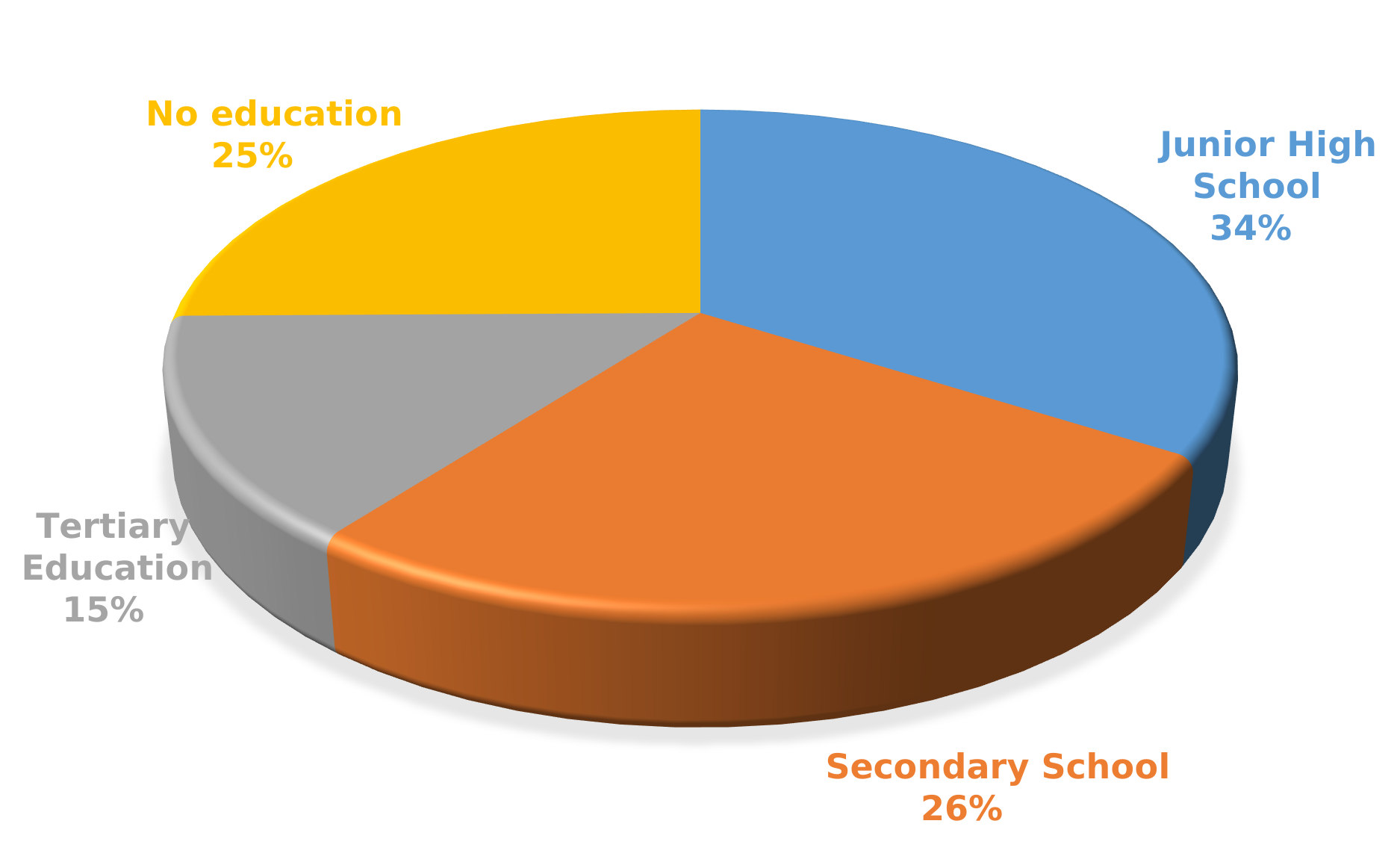
The educational level of respondents is displayed in Figure 2. According to the findings, roughly one-third of the students (34.07%) were in junior high school (basic education). Also, 71 (26.30%) were in senior secondary and technical or vocational education, and 39 (14.44%) were at the tertiary level (university, polytechnic, training college, etc.). On the other hand, 68 (25.19%) had no form of formal education. Approximately two-thirds of the 163 (60.37%) were in senior high or junior high school. Vocational and technical training or education were included in senior high education. Additionally, tertiary education included teacher or nursing training colleges, polytechnics, university colleges, and universities.
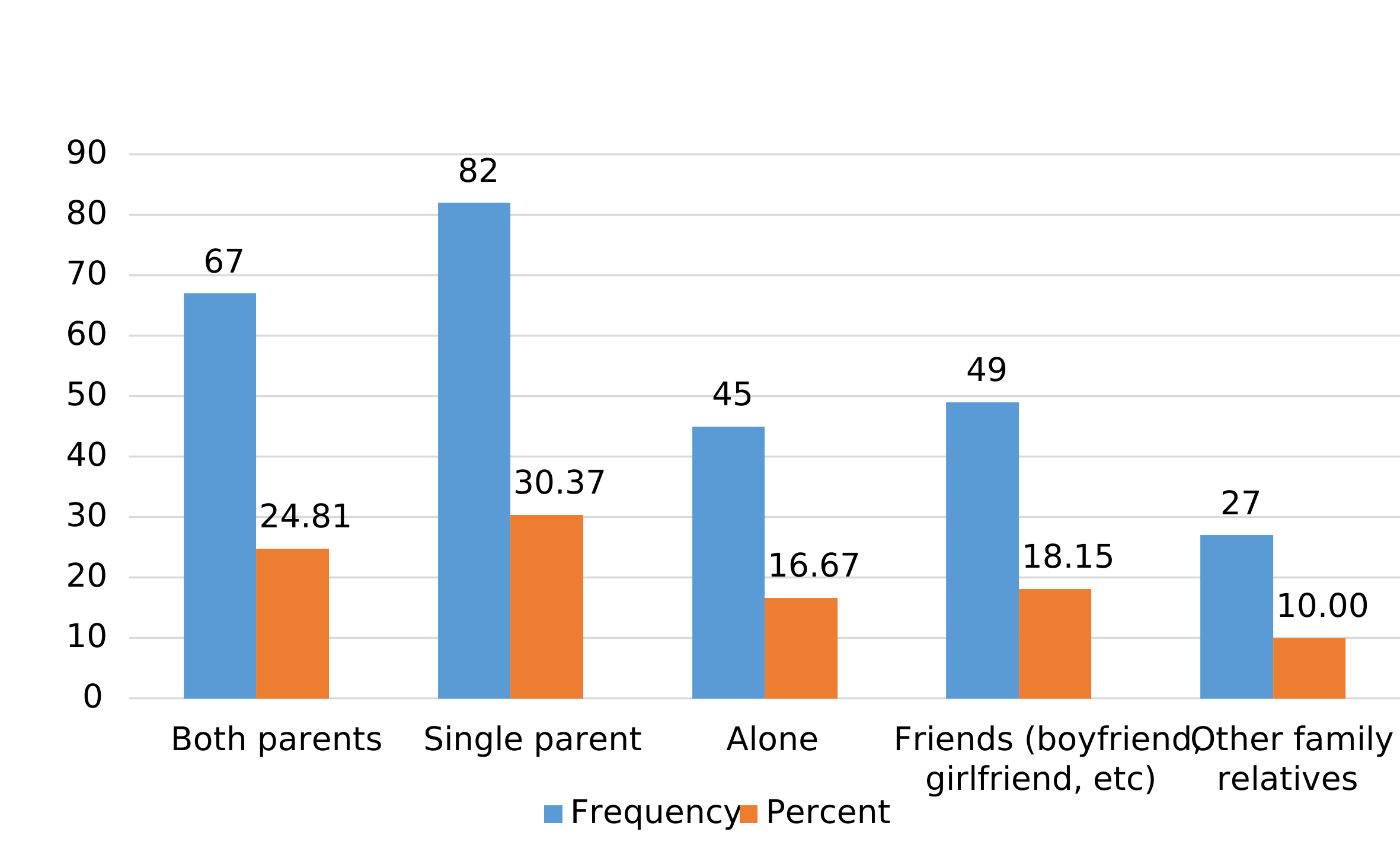
Findings revealed that 67 (24.81%) lived with their parents under the same residential arrangement. Furthermore, one-third—82, or 30.37 percent—lived with a single parent, while the other third—27, or 10%—lived with other family members. These include siblings, grandparents, aunts, and uncles, among others. Respondents who reported that they lived alone constituted 45 (16.67%), while 49 (18.15%) indicated they lived with their boyfriends or girlfriends. Cumulatively, respondents who lived alone or with their partners made up more than one-third (34.81%) of the total respondents. These are adolescents who are not under the immediate supervision of their parents or guardians.
4.2. Prevalence of Premarital Sex
The research objective was to examine the prevalence of premarital sex among adolescents. The findings are summarised in Table 2. Findings revealed that out of the 270 sampled adolescents, more than two-thirds (183, or 67.78%) were in a relationship (dating) with the opposite sex, while 87 (32.22%) were not. The study found that 51 (27.87%) of the 183 people in a relationship had been together for less than six months. Also, over one-third of respondents (63, 34.34%) were in a relationship between 6 months and 1 year, 39, 21.31%) were in a relationship between 1 and 2 years, and 30 (16.39%) were in a relationship for over 2 years. Findings further revealed that out of 183 respondents who were in a relationship, the majority (98, 53.55%) reported they entered the relationship due to pressure from their peers, while the remaining 85, 46.45 per cent, indicated they entered the relationship based on their own decision. That is not due to peer influence or pressure.
Moreover, of the 270 adolescents sampled, the findings revealed that a majority—168 (62.22%)—had engaged in premarital sex while 102 (377.78%) had not. This explains why six out of every 10 adolescents had premarital sex. Furthermore, 28 (16.67%) of the 168 sampled adolescents who had engaged in premarital sex did so when they were younger than 13 years old. Added to that, 41 (24.40%) engaged in premarital sex when they were between 13 and 15 years old; 37 (22.02%) were between 16 and 18 years old; and more than one-third (62, or 36.90%) were above the age of 18 years. When the circumstances of the premarital sex were examined, findings revealed that 16 (9.52%) of the 168 respondents who had the premarital sex reported being forced or raped, while the majority of 87 (51.79%) reported being coaxed or influenced into having the act. More than one-third of the participants (38.69%) said they agreed to the act.
5. Findings
The majority of premarital sex, as reported by respondents, was due to coaxing. Also, lower age groups (13–18) were 2.48 times more likely to engage in premarital sex than respondents in higher age groups.
6. Discussion of Findings
The prevalence of premarital sex was found to be 62.22% of the 270 sampled adolescents.
The majority of premarital sex, as reported by respondents, was due to coaxing, and over one-third was a result of consent. Congruent to this study finding, Tekletsadik et al. (2014) [21], in their study of the prevalence, associated risk factors, and consequences of premarital sex among female students in high school, found that the prevalence of premarital sexual practice among the TVET students was 51.9%. Furthermore, Sendo (2014) [22], in his study of premarital sexual practice among unmarried first-year undergraduate students at University College Ethiopia, found that out of a total respondent population of 207, more than half (60.9%) of survey respondents reported that they have had premarital sex. Moreover, the study concluded that respondents in lower age groups (13–18) were 2.48 times more likely to engage in premarital sex than respondents in higher age groups. This is corroborated by Habte et al. (2018) [14], who investigated the prevalence of premarital sexual practices and their associated factors among high school students and reported a prevalence rate of 84.4%. This is higher relative to these study findings.
7. Conclusion
The results of the study show that demographic and social factors, which are made worse by economic factors, are the main reasons why teens have sex before they get married.
8. Recommendations
- Parents should engage their wards in extra classes and other productive ventures after school, such as learning trades like dressmaking and hairdressing, among others. This will deprive adolescents of the time to idle with peers, which will likely influence their decision to indulge in premarital sex.
- Parents should regularly monitor and regulate adolescents’ phone usage. Particularly the content they access on the internet, the nature and content of their conversation with their peers and other people. This will enable parents to identify developing problems and implement measures to curtail them.
9. Appendices
9.1. Demographic Characteristics
(Kindly tick [ ] the appropriate box or write in the space provided)
- Gender
- Age
- Marital status
- Community
- Occupation
- Level of education
- What is the highest grade (class) completed?
- Residential status
- What is the nature of your residence?
- How many children are in your household (having a common dining arrangement)?
- Who provides for the family’s upkeep?
- Do you adequately monitor and supervise the movement of your wards?
- Do you regularly convene family meetings with your children to discuss the challenges they face in life and assist them in overcoming such challenges?
【 】 Male
【 】 Female
【 】 less than 14 years
【 】 14 – 16 years
【 】 17 – 19 years
【 】 Above 19 years
【 】 Married
【 】 Separated
【 】 Single
【 】 Cohabitation
【 】 Windowed
【 】 Others (Specify) _________________________________________________
【 】 Chorkor
【 】 Korle Gonno
【 】 Mamprobi.
【 】 Student
【 】 Apprentice
【 】 Artisan (Master)
【 】 Salary worker
【 】 Others (Specify) _________________________________________________
【 】 Primary School
【 】 Junior High School
【 】 Senior High School
【 】 Tertiary Education
【 】 Own house or residence
【 】 Rental
【 】 Living in a family of a relative’s property
【 】 Sharing a relative’s residence
【 】 Others (Specify) ________________________________________________
【 】 Kiosk/Container
【 】 Single room
【 】 1 bedroom
【 】 2 bedrooms
【 】 3 bedrooms
【 】 4 bedrooms and more
【 】 less than 4
【 】 4 – 5 years
【 】 More than 5
【 】 father alone
【 】 mother alone
【 】 Both father and mother
【 】 children alone
【 】 Yes, always
【 】 Yes, sometimes
【 】 No
【 】 Yes, always
【 】 Yes, once in a while
【 】 never
9.2. Prevalence of Premarital Sex
(Kindly tick 【 】 the appropriate box or write in the space provided)
- Are you in a relationship?
- If yes, at what age did you start dating? _________________________________
- Have you ever entered into any relationship because you wanted to prove a point or please your friends?
- Have you ever had premarital sexual intercourse?
【 】 Yes
【 】 NO
【 】 Yes
【 】 NO
【 】 Yes
【 】 NO
9.3. If YES, continue to answer, if NO, skip to SECTION C
- At what age did you have sexual intercourse? _________________________
- Who did you have sexual intercourse with?
- Where did the sexual intercourse take place?
- How will you describe your first sexual encounter?
【 】 Partner (boyfriend or girlfriend)
【 】 Colleagues
【 】 Others (Specify) _________________________________________________
【 】 At my partner’s residence
【 】 At my colleague’s residence
【 】 In a hotel/guest house
【 】 In an open space
【 】 Others (Specify) _________________________________________________
【 】 Forced
【 】 Coaxed
【 】 Consented
References
- Christensen, H. T. (1960). Cultural relativism and premarital sex norms. Amer. Sociol. Rev. 25: 31–39.[CrossRef]
- Ajiboye, S. K., Aina, J. S., Oyebanji, T. O., & Awoniyi, S. A. (2014). Possible Causes of Premarital Sex among Youths as Perceived by Lecturers of University of Ilorin, Nigeria. European Journal of Educational Sciences, 1(4), 1-9.
- Meleko, A., Mitiku, K., Kebede, G., Muse, M., & Moloro, N. (2017). The magnitude of pre-marital sexual practice and its associated factors among Mizan preparatory school students in Mizan Aman town, South West Ethiopia. J community med health Educ, 7(539), 161-711.
- Dahiru, T. (2015). Determinants of early neonatal mortality in Nigeria: results from 2013 Nigeria DHS. Journal of Pediatrics & Neonatal Care, 2(5), 10-15406.[CrossRef]
- Ameyaw, E. K. (2018). Prevalence and correlates of unintended pregnancy in Ghana: Analysis of 2014 Ghana Demographic and Health Survey. Maternal health, neonatology and perinatology, 4, 1-6.[CrossRef] [PubMed]
- Ghana Education Service, District Education Operational Planning and Performance Review, Training Manual, March 2015, pp. 5-6
- Karimi, H., Sedigh-Maroufi, S., Akbari, H., Latifi, N. A., Momeni, M., Karimi, A. M., & Safari, R. (2020). Pregnancy and burns: Guidelines for safe management. Burns, 46(7), 1620-1631.[CrossRef] [PubMed]
- UNESCO. (2012). Developing an Education Sector Response to Early and Unintended Pregnancy: Discussion Document for a Global Consultation. Paris: UNESCO.
- Manning, J. & Demmons, S. (1999). Sexual satisfaction and sexual self-disclosure within dating relationships. The Journal of Sex Research, 36(2), 180–189[CrossRef]
- Dennis, C. L. (2014). Psychosocial interventions for the treatment of perinatal depression. Best practice & research Clinical obstetrics & gynaecology, 28(1), 97-111.[CrossRef] [PubMed]
- Noroozi M, Taleghani F, Merghati-Khoei ES, Tavakoli M., & Gholami, A. (2017). Premarital sexual relationships: Explanation of the actions and functions of family. Iranian Journal of Nursing and Midwifery Research.; 19(4):424-31[CrossRef]
- Dave, V. R., Makwana, N. R., Yadav, B. S., & Yadav, S. (2019). A study on the high-risk premarital sexual behaviour of college-going male students in Jamnagar city of Gujarat, India. International Journal of high-risk behaviors & addiction, 2(3), 1-12.[CrossRef] [PubMed]
- Okigbo, C. C., Kabiru, C. W., Mumah, J. N., Mojola, S. A., & Beguy, D. (2015). Influence of parental factors on adolescents’ transition to first sexual intercourse in Nairobi, Kenya: a longitudinal study. Reproductive health, 12(1), 1-12.[CrossRef] [PubMed]
- Habte, N., Adu, A., Gebeyehu, T., Alemayehu, S., Tesfageorgis, Y., & Gatiso, T. (2018). Prevalence of premarital sexual practices and its associated factors among high school students in Addis Zemen Town, South Gondar, Ethiopia, 2017. Journal of public health and epidemiology, 10(10), 356-362.[CrossRef]
- Berihun, H. (2021). Assessment of the prevalence of premarital sex and unprotected sexual practices among secondary school adolescent students in Sebeta Town, Oromia Regional State, Ethiopia, (Doctoral dissertation, Addis Ababa University).
- Tsitsikamma, A., Greydanus, D., Konstantoulaki, E., Bountziouka, V., Deligiannis, I., Dimitrakopoulou, V. & Kafetzis, D. (2020). Adolescents dealing with sexuality issues: a cross-sectional study in Greece. Journal of pediatric and adolescent gynaecology, 23(5), 298-314.[CrossRef] [PubMed]
- Bingenheimer, J. B., Asante, E., & Ahiadeke, C. (2015). Peer influences on sexual activity among adolescents in Ghana. Studies in family planning, 46(1), 1-19.[CrossRef] [PubMed]
- Mohajan, H. (2017): Two Criteria for Good Measurements in Research: Validity and Reliability. Published in: Annals of Spiru Haret University, Vol. 17, No. 4: pp. 56-82.[CrossRef]
- Cochran, W.G. (1977) Sampling Techniques. 3rd Edition, John Wiley & Sons, New York.
- Arega, W. L., Zewale, T. A., & Bogale, K. A. (2019). Premarital sexual practice and associated factors among high school youths in Debretabor town, South Gondar zone, North West Ethiopia, 2017. BMC research notes, 12, 1-7[CrossRef] [PubMed]
- Tekletsadik, E., Shaweno, D., & Daka, D. (2014). Prevalence, associated risk factors and consequences of premarital sex among female students in Aletawondo High School, Sidama Zone, Ethiopia. J Public Health Epidemiol, 6(7), 216-222.[CrossRef]
- Sendo, E. G. (2014). Premarital sexual practice among unmarried first year undergraduate students in Alkan University College in Addis ababa, Ethiopia. Global journal of medicine and public health, 3(2), 1-10.