
Abstract
This article assesses the realities of sexual harassment (SH) in selected tertiary educational institutions in Ghana. Using multiple data collection techniques, three areas that are related to SH were assessed. These are knowledge of what constitutes SH, the nature and incidence of SH, and strategies/procedures for handling issues of SH in tertiary educational institutions. The findings from the perspective of teaching and non-teaching staff strongly suggest that knowledge of SH was high among teaching staff but low among non-teaching staff. Staff could not relate very well to the reporting systems and procedures of SH in their institutions. Issues of SH were left in the hands of only a few staff while newly recruited staff showed little understanding of the reporting systems and procedures. From the perspective of students, knowledge of what constitutes SH was high. Students were able to indicate the various SH reporting systems/procedures in the tertiary educational institutions and further indicated that the institutions have provided a safe environment and appointed designated people to handle sexual harassment complaints. Surprisingly, the incidence of sexual harassment was low, and this affected sexual harassment reporting.
1. Introduction
Since the beginning of the new millennium, all international policies and frameworks on education interventions including the Millennium Development Goals (MDG) and the Sustainable Development Goals have dedicated several pages to issues of gender and social inclusion from which sexual harassment is an integral part. SDG 5 devotes ten targets to gender and social inclusion by stating among other things that by 2030:
“All girls and boys, women, and men, should have equal opportunity to enjoy education of high quality, achieve at equal levels, and enjoy equal benefits from education. Adolescent girls and young women, who may be subject to gender-based violence, child marriage, early pregnancy, and a heavy load of household chores, as well as those living in poor and remote rural areas, require special attention. In contexts in which boys are disadvantaged, targeted action should be taken for them. Policies aimed at overcoming gender inequality are more effective when they are part of an overall package that also promotes health, justice, good governance, and freedom from child labor” (SDG 5: target 5).
Apart from the MDGs and the SDGs, there are other international commitments that countries are expected to sign up to and these include the Universal Declaration of Human Rights, Protocol to the African Charter on Human and Peoples’ Rights on the Rights of Women in Africa, Convention on the Elimination of All Forms of Discrimination Against Women, Dakar Framework for Action and the 1994 Salamanca Statement among others.
As a way of actualizing the targets of the Global conventions, the government of Ghana in 2015 developed the national gender policy to reflect the commitments of the 1992 Constitution and national development frameworks. Specifically, Article 17(1) and (2) of the 1992 Constitution “guarantees gender equality and freedom of women and men, girls and boys from discrimination based on social or economic status among others” (Christian Aid, 2020) [1]. Again, the country has developed the National Gender Equality and Social Inclusion (GESI) Strategy and Action Plan for Teacher Education which is expected to run until 2025. This action plan for teacher education sets out Ghana’s priorities for action which reflects the aspirations of Ghana’s Tertiary Education Commission (GTEC). The National GESI Strategy and Action Plan for Teacher Education also builds on Ghana’s national and international commitments to addressing gender and inclusion disparities and set out in documents such as the Education Strategic Plan (ESP) 2018-2030, the National Gender Strategy, and the Inclusive Education Policy.
To ensure that the National Gender Equality and Social Inclusion (GESI) Strategy and Action Plan for Teacher Education is well implemented at all levels of education, the GTEC has mandated Colleges of Education (CoEs) in Ghana to develop guidelines for addressing the problem. One cardinal pillar of the GESI strategy is the issue of sexual harassment (SH) which is an issue of increasing concern in teacher education institutions in Ghana. The widespread nature of the phenomenon has almost normalized the practice, making it more challenging to eliminate while victims suffer in silence (Christian Aid, 2020) [1]. Sexual harassment in this context refers to any form of unwanted verbal, nonverbal, or physical conduct of a sexual nature that often violates the dignity of the victim. Persons who suffer from SH experience emotional, physical, or mental distress (Christian Aid, 2020) [1]. The WHO (2023) [2] observes that SH has a direct link with a lack of education and limited opportunities for financial independence.
Although, it has been confirmed that women encounter SH more often than men (Klein & Martin, 2021) [3], 61% of men and 62% of women reported SH experiences on campus in one study (Hill & Silva, 2005) [4]. Another study reported that 19-60% of women in academia and the workplace reported some form of SH (Menon et al., 2014) [5]. Sexual harassment has critical antagonistic mental and physical consequences for schooling, and it influences the learning environment. Sexual harassment is an epidemic throughout global higher education and working systems and impacts individuals, groups, and entire organizations in profound ways. Precarious learning spaces, hierarchical organizations, a normalization of gender-based violence, toxic academic masculinities, a culture of silence, and a lack of active leadership are all key features enabling SH.
Sexual harassment has been the topic of thousands of research articles in the 20th and 21st centuries. Several studies have reported about SH (see for example Acker, 1990, 2006; McCann, 2005 ) [6, 7, 8]. Sexual harassment at the workplace or in connection with teaching and learning is common among university employees as well as among students. Today, after decades of research, several concepts, theories, policies, preventive practices, and experience-based knowledge are growing and have continuously been refined. Overall, SH is a named and framed problem that is on the lips of many, although there still are several research questions to pursue (Agardh et al., 2022) [9].
Many organizations and institutions including the media and religious groupings have responded to the numerous calls to advocate against SH in the working/learning environment. Despite the varying responses on perceptions of the occurrence of SH, available studies indicate that the phenomenon is still pervasive in our communities as it continues to interfere with academic and social welfare by creating an intimidating learning, working, and social environment (Menon et al., 2014) [5]. Since SH has to do with issues of social justice, inequalities, and power relations (Hernández-Torrano, Somerton, and Helmer 2020) [10] further research is therefore being advocated Adjei-Boakye & Tawiah, 2013.) [11]. While guidelines have been developed to encourage victims to report, various studies, by Menon et al. (2014) [5], indicate that cultural norms, context, and individual characteristics often result in low reporting rates and therefore there are gaps between perceived and real incidence of sexual harassment in educational institutions. This study responds to the call by investigating the incidence of SH in selected tertiary educational institutions in Ghana. Specifically, the article seeks to assess the nature and incidence of SH in selected Colleges of Education the CoEs. In doing so, the article examines what constitutes SH, management actions on SH, and SH reporting in the CoEs.
2. Theoretical framework
This study adopted the feminist theory (FT) as its theoretical foundation. The FT is a popular theory that is often used in sociology and political science to explain the experiences and struggles of women and other marginalized gender identities. Feminist theory originally started in the 1960s as a subset of the wider feminist movement and has since metamorphosed into an increasingly complex and diverse field of study over the past few decades. The theory tries to appreciate how gender inequality persists so that appropriate strategies can be developed to address the problem. FT offers a framework for comprehending how men and women interact in terms of power. Additionally, it examines how gender norms and expectations are created in society and how they impact how women are treated. From a feminist viewpoint, sexual harassment, a problem that permeates many educational institutions can be understood.
The foundation of feminist theory is the idea that gender is a social construct and that institutions from the social, cultural, and economic spheres have generated and perpetuated the power relations between men and women. Feminist ideology holds that males in positions of authority have historically oppressed and slighted women. Gender-based norms and expectations have helped to perpetuate this oppression through the media, educational systems, and other institutions. In addition, feminist theory stresses how gender intersects with other characteristics that affect how women are oppressed, including race, class, sexual orientation, and ability. Since SH is often explained as unwanted requests for sexual favors, sexual advances, or other verbal or physical conduct of a sexual nature, the FT argues that it can be likened to any form of gender-based violence that emanates from power imbalances and social behaviors that limit the value of women.
The theory offers many explanations for SH in educational institutions. Firstly, it postulates that SH is an opportunity for men in positions to use the power of influence to exert their superiority over women with weaker influence. In many educational institutions, men are often entrusted with senior influential positions than women and therefore the power imbalance offers men the opportunity to use their power to manipulate and control women. This power relation is reinforced by the expectations of society of gender roles, which often place men in positions that make them more assertive and dominant, while on the contrary, women are expected to be submissive and accommodating. Secondly, the theory unearths how marginalized groups particularly women are objectified and sexually abused in educational institutions. In most cases, the appearance of women is often used to judge them rather than appreciate their skills and abilities. Such situations can lead to women being treated as objects of sex. The use of sexualized language, gestures, or images in schools can also reinforce objectification and this can create a culture that normalizes SH. Finally, FT argues that SH is often a result of the limited number of women who are represented in positions of power. Usually, when there are few numbers of women in leadership positions, the extent of vulnerability in terms of SH increases because they have less power to challenge it. The limited representation can also lead to a culture that normalizes SH and ridicules the expertise of women who have been harassed.
Feminist theory can be used to explain sexual harassment in schools by examining how gender norms and power relations contribute to this problem. Sexual harassment in schools is often the result of gender-based power imbalances, where boys or those perceived as masculine hold more power than girls or those perceived as feminine. This power imbalance is often reinforced by societal norms and expectations about gender roles and sexuality. Feminist theorists argue that sexual harassment in schools is not just an individual problem, but a systemic issue that is rooted in larger social structures. They highlight the role of patriarchy and heteronormativity in creating a culture where sexual harassment is normalized and tolerated. According to feminist theory, sexual harassment in schools is a manifestation of a broader pattern of gender-based violence and discrimination that is perpetuated by societal norms and values. Feminist theory also emphasizes the importance of intersectionality in understanding sexual harassment in schools. This means recognizing that students may face multiple forms of oppression, such as racism, classism, ableism, or homophobia, in addition to gender-based discrimination. By taking an intersectional approach, feminist theory can provide a more nuanced understanding of how different forms of oppression intersect to create unique experiences of sexual harassment for different students.
3. Methodology
3.1. Research Design
The search for a unified research approach for studying SH is far from complete. This is because the subject matter is considered extensive and complex. Researchers have therefore advocated for a blend of methodological approaches to explore SH from different perspectives (T-TEL (2018) [12]. A multi-stage sampling process involving both qualitative and quantitative data collection techniques was thus adopted. Additionally, various reports, policies, and laws on the subject were reviewed to understand the key issues driving SH policy implementation in Ghana. It helped to provide a nuanced and in-depth understanding of people’s attitudes, beliefs, and behaviors towards SH. This methodology was deemed appropriate because previous studies had revealed that issues and questions about sexual harassment are easily understood when multi-stage sampling is used. The research was carried out in the six CoEs affiliated with UDS. The CoEs are Gambaga, McCoy, Al-farouq, Tumu, St. Vincent and Dambai.
3.2. Target population sampling procedure
The respondents were stratified into four strata namely: the students, senior management, teaching staff, and non-teaching staff. Respondents were selected from each stratum (Table 1). Since the research was geared towards SH, conscious efforts were made by the researchers to ensure that respondents from each stratum were made up of 50% males and 50% females.
3.3. Data collection and analysis
Given the sensitivity of this topic, data collectors with experience in similar studies were recruited for the data collection. This ensured assurances of anonymity, confidentiality, and transparency about the research aims and how the data was handled. In all, a total of 18 trained data collectors collected the needed data from the six CoEs. The colleges were grouped into three zones based on geographical proximity as shown in Table 1.
Each zone was assigned six data collectors. The team of six data collectors spent a day in each college visited. The face-to-face interaction technique was used for the questionnaire administration and interviews. This way, the researchers could control the line of questioning while allowing respondents adequate space to provide detailed information where necessary. It was also an effective tool that offered researchers the opportunity to get in-depth information regarding SH. Among the issues that were investigated include college stakeholders’ awareness and knowledge of SH and what constitutes SH, the prevalence of SH in the colleges, and implementation efforts of CoE’s policies and protocols on safe institutions among others. The number of participants selected for the study and the mode of data collection are presented in Table 2.
Apart from the interviews and the questionnaire survey, supporting documents guiding the implementation of the GESI were reviewed. The document review provided a useful check on the primary information gathered during the questionnaire survey and interviews. This was to assess how the SH policies are being implemented. Each face-to-face activity (interview and questionnaire administration) lasted for between 30 and 45 minutes. For each College, data collection started around 9 am and ended around 4 pm.
The data analysis was preceded with a data cleaning exercise to ensure that the data collected was accurate, complete, and could be organized in a way that makes it easy for analysis. The quantitative data was analyzed using the SPSS while for the qualitative data, all the responses from the interviews were recorded in audio form after permission had been granted by study participants and were transcribed verbatim and incorporated into the report. In doing so. the emerging themes and patterns from the interviews were identified and studied for the analysis. The themes that emerged were narrowed down to compelling themes (i.e., the number of times that theme was mentioned by different participants during the interviews. As a way of making sure the themes that emerged were presented in their untainted form, direct quotations were presented. These verbatim quotations illustrated the importance, respondents attached to each theme.
3.4. Ethical considerations
The research followed all GTEC and UDS-approved ethical guidelines for conducting such studies. All participants were assured that the information obtained from the study would be communicated in summary format without identifying individual participants. All information gathered from individual participants during the study was anonymized by use of codes.
4. Results
4.1. Participants’ understanding of Sexual Harassment
Understanding the meaning and being aware of sexual harassment is often taken for granted in institutions of higher learning. The assumptions have often been that such a learning environment is above such a basic concept (Ramberg, 2014) [13]. However, available research on sexual harassment indicates that the meaning of the concept is often normative and is mostly draped in cultural and power relations (Hernández-Torrano et al., 2020; Caspersen et al. 2020) [10, 14]. Meanwhile, issues of culture and power relations are challenging to translate into real practice because their meanings depend on a subjective appraisal associated with the time and place. For this reason, the entry point of the analysis was to examine participants’ understanding of what constitutes sexual harassment. Mixed results were obtained on what constitutes sexual harassment. College senior management and teaching staff were able to state the meaning of sexual harassment as captured in the Colleges’ policies. For instance, one of the Principals of the college defined sexual harassment as:
“… a kind of advances from the opposite sex. It can be a male, or it can be a female trying to sort of obtain sexual favors from the opposite sex without the other person agreeing”.
A tutor from another college explained sexual harassment to be:
“The process where a person is advancing or proposing or trying to make advances towards somebody in terms of sex and the person is not agreeing and you consistently persist”.
These quotations represent a snapshot of the overall responses from senior management and teaching. In-depth interviews with college secretaries, vice principals, and other senior management revealed conclusively that knowledge of sexual harassment was high. This was not surprising because they are the team responsible for developing and providing the direction for the implementation of all policies including sexual harassment policy in the college. The non-teaching staff who participated in the study even though could also explain what sexual harassment is, their responses lacked the technical exactness of what constitutes sexual harassment. One staff from the kitchen of one of the colleges explained:
“In my opinion, it means maybe somebody is under you and you are asking the person to have sex with you and the person is not allowing it and maybe is a student, the teacher fails her”.
Another striking response that emerged was that all the research participants understood sexual harassment to be the relationship between staff and students. Of the responses, unsolicited relations/advances between staff did not emerge strongly as constituting sexual harassment.
The study also probed the extent to which staff had received some form of orientation on issues of sexual harassment. The results showed that college senior management, teaching, and non-teaching staff had attended at least an orientation on sexual harassment. For the college senior management issues of sexual harassment have been discussed extensively at internal workshops and orientation programs as well as at external workshops with mentoring Universities. For instance, the Vice Principal of one of the colleges recounted three workshops and orientations he has attended that were organized by the mentoring University. Citing recent examples, he explained that the last workshop he attended was at the UDS International Conference Centre on 6th November 2022 dubbed the UDS-Colleges Education Gender Conference which was a prelude to the 16 days of activism on the need to stop violence against women and prevention of gender discrimination.
Research has shown that even though sexual harassment cuts across all persons in the college, students tend to suffer more than any other category of persons. The study therefore assessed students’ understanding of what constitutes SH. This was critical because one’s understanding could influence subsequent remedies that they may seek. A participant was deemed to have a full understanding of SH if they could indicate that SH connotes any behavior that involves unwanted sexual advances, requests, and other verbal or physical conduct of a sexual nature. Partial means some but not all of the behaviors were mentioned. Figure 1 presents a response to knowledge of SH.
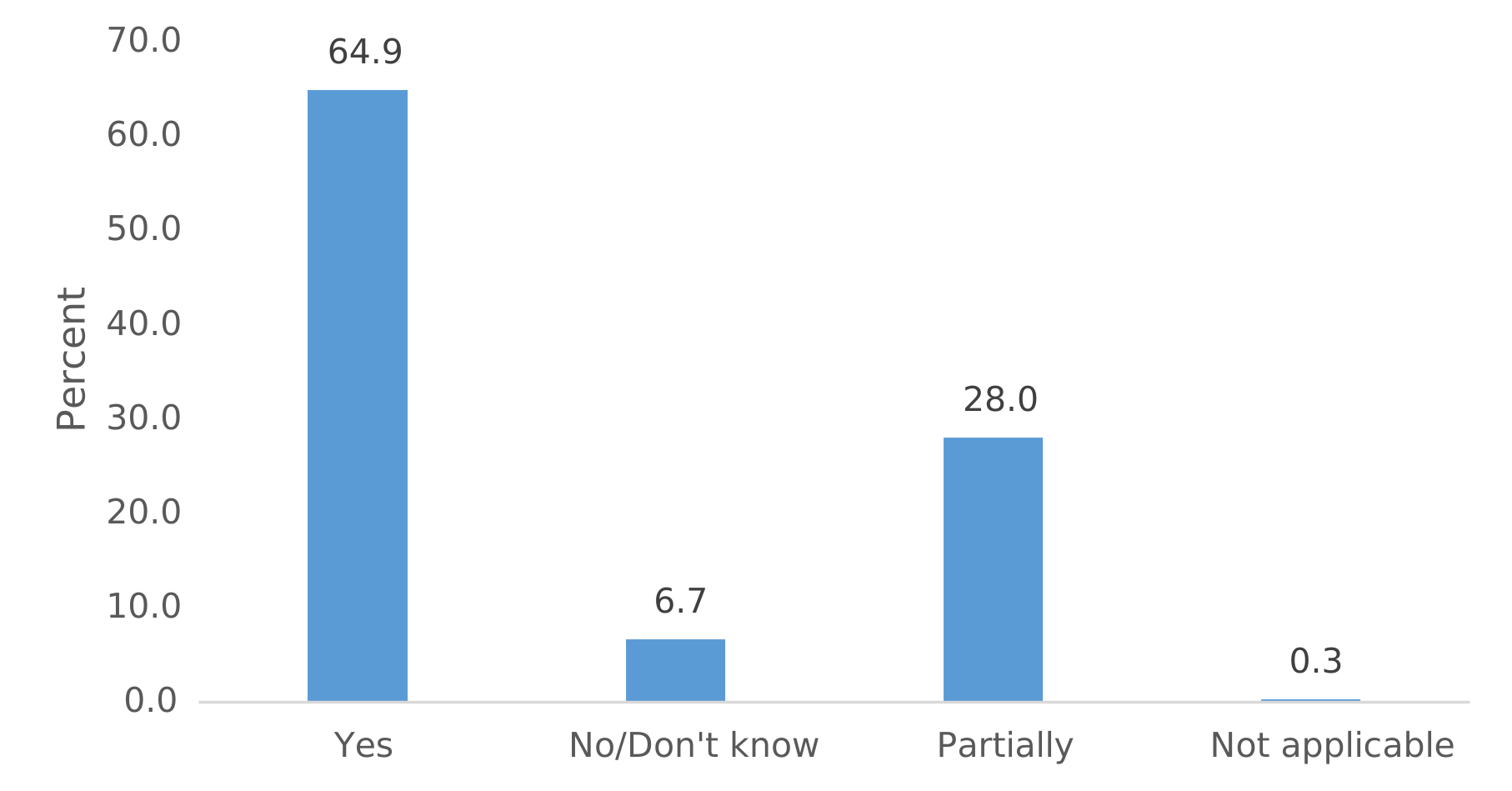
The results show that about 65 percent were able to explain SH while 28 percent could partially explain what constitutes SH. This means that generally, the level of knowledge was very high (about 93%). Only seven percent could not explain what constitutes SH. Apart from knowledge of what constitutes SH, the students who participated in the study were also asked to share their understanding of the nature of SH. There are generally three types of SH and these are Hostile environment, Quid pro quo, and Retaliation. The ability to mention all three was ‘Yes” while Partial means the participant could only mention some. The responses are presented in Figure 2. The types of participants were expected to mention.
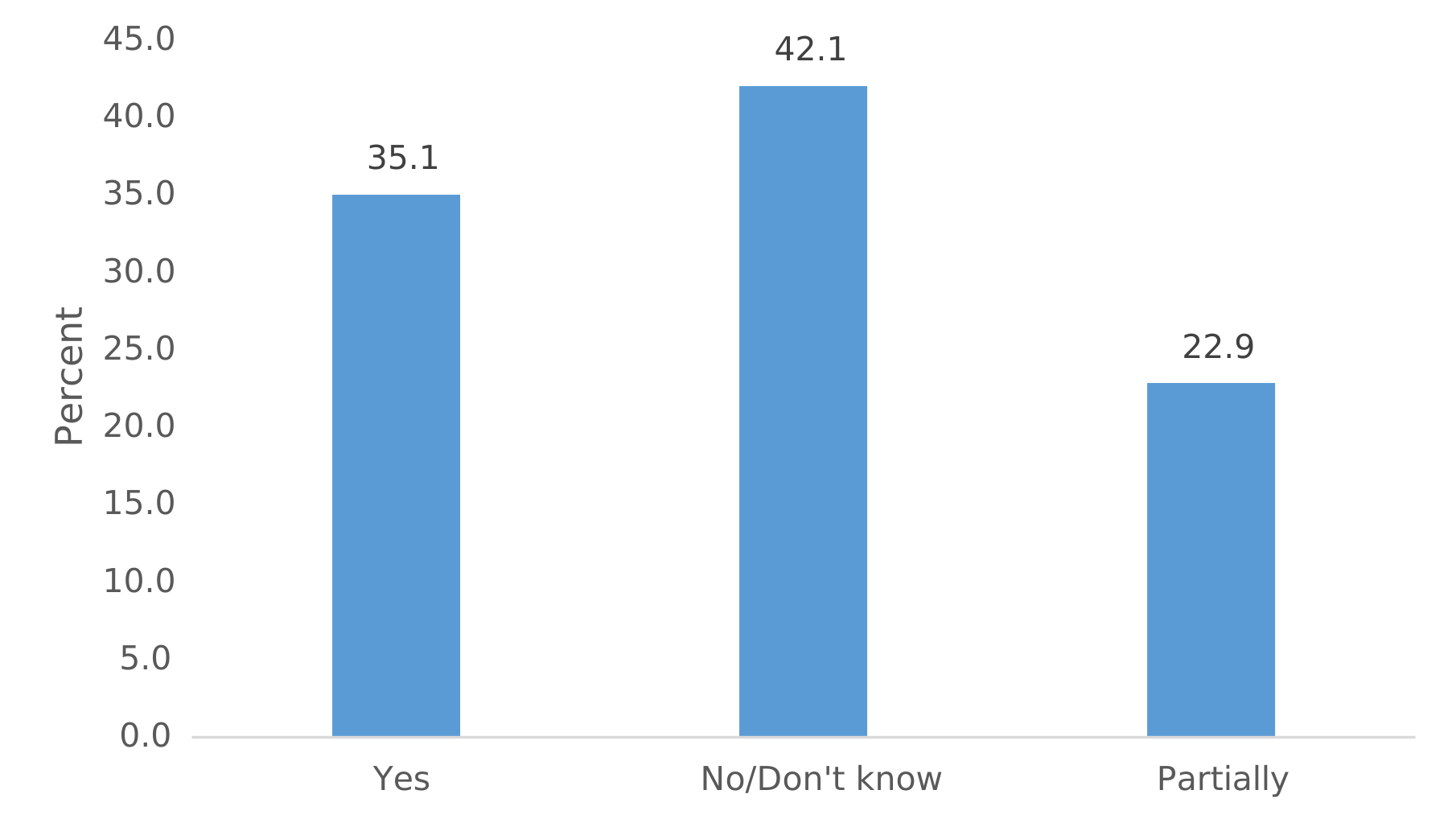
In terms of students’ ability to mention the types of SH, 35 percent could mention all three types while about 23 percent could mention one or two. As high as 42 percent could not indicate the types of SH and this is worrying given the extent of work the Colleges and their partners have done on the subject. These results run contrary to the responses of students on what constitutes SH. It is a clear indication of the void between general knowledge and specific knowledge on the subject matter.
4.2. Availability of Sexual Harassment policies and reporting Guidelines
From many studies, the lack of policies and reporting procedures is often linked to failures in the institutionalization of the policy. Taking a cue from Amin (2019) [15] the study engaged the views of research participants on whether the sexual harassment processes and structures have been institutionalized by the College. The results suggest that all the Colleges have developed policies and guidelines for handling SH issues. The SH policy is designed such that the values and expectations are applied steadily and can help provide the needed guidance for students. Apart from the availability of sexual harassment guidelines/policy, the research further revealed that key officers have been appointed to handle sexual harassment issues in the College. Senior leadership and teaching staff were able to mention specifically, staff in the Colleges responsible for receiving reports on sexual harassment including safe space focal persons (SSFP), Gender Champions (GC), Guidance and Counselling Coordinators (GCC), and the Principals. For the non-teaching staff, even though they knew some staff had been appointed to receive complaints on sexual harassment, they could not specifically mention their offices apart from the Principal. Experts on gender studies advocate that one critical aspect of sexual harassment is not only its diversity in the form but the ability of institutions to institute flexible and clear procedures for victims to seek redress (Sturm 2019) [16]. The literature posits further that a more flexible procedure for reporting encourages victims to seek justice (Hernández-Torrano et al., 2020; Caspersen et al. 2020) [10, 14]. Aligning with this observation, the research explored participants’ knowledge of sexual reporting in the Colleges. It emerged that not all the staff who participated in the research could mention how sexual harassment issues are handled in the college. For instance, a tutor in one of the colleges could not specifically indicate the processes involved in sexual harassment reporting:
“I know there is a way of reporting but I cannot say it right now”.
A hall tutor also displayed his lack of knowledge on reporting lines on sexual harassment:
“Well, normally they involve both parties innately to see where the problem is coming from and try to resolve it. Sometimes too it's done by The Guidance and Counseling in collaboration with the Gender Champion”.
A librarian at one of the colleges could not fully articulate the reporting procedure of sexual harassment in the college.
“If you want to report an incident of sexual harassment, I think the committee people are the first people you should contact. I think if they fail to redress it then it will follow to the grievance committee. if the whole college is unable to solve the problem, then probably the laws of the country will take their course”. (Librarian 2)
The lack of understanding on the reporting lines on sexual harassment is a course to worry about given that GTEC, through T-TEL as well as the mentoring University has organized a series of workshops for the Colleges. It is even more worrying given the fact that the Colleges have been organizing a series of orientations on sexual harassment for staff. For instance, a procurement officer provided the shortest answer to the question on sexual harassment reporting procedure:
“I don’t know”.
Not even the clues and further probing could prick his memory to mention at least one of the procedures. The responses on the reporting procedures suggest that innovative approaches that can ensure that staff are abreast with sexual harassment reporting lines should be adopted. Interestingly, the majority of the non-teaching staff mentioned could only mention the Principal and Guidance Counselling coordinator as suitable for handling sexual harassment cases. This outcome is indicative that the knowledge of sexual harassment reporting is more common among teaching staff than non-teaching staff. The picture was not entirely gloomy. For SSFP they were able to mention some of the other people suited to sexual harassment cases in the college. There were some other staff who could detail how sexual harassment issues are reported in the college.
“I am aware they have created a WhatsApp platform and e-mail that anybody who feels being harassed sexually can channel the grievances to the focal persons. So once it goes through the focal person, a formal process has been triggered to handle such issues”. (McCoy Tutor 3).
Overall, a greater majority (over 80%) of research participants agreed that the colleges have developed policies and guidelines as well as instituted procedures to enhance SH reporting systems in the college. To this end, the issue of how SH is handled in the college was explored both from the perspective of staff and students.
4.3. Incidence of Sexual Harassment
For the past twenty years, interest in the incidence of sexual harassment in educational institutions has risen across all organizations in Ghana. Educational institutions have therefore developed policies and guidelines to help track the incidence of sexual harassment and to encourage victims to report. However, various studies (see Aasland, and Fløtten. 2010) [17] indicate that cultural norms, context, and individual characteristics often result in low reporting rates and therefore there are gaps between perceived and real incidence of sexual harassment in educational institutions. The interaction with the college staff revealed that the frequency of sexual harassment reporting was very low (Figure 3).
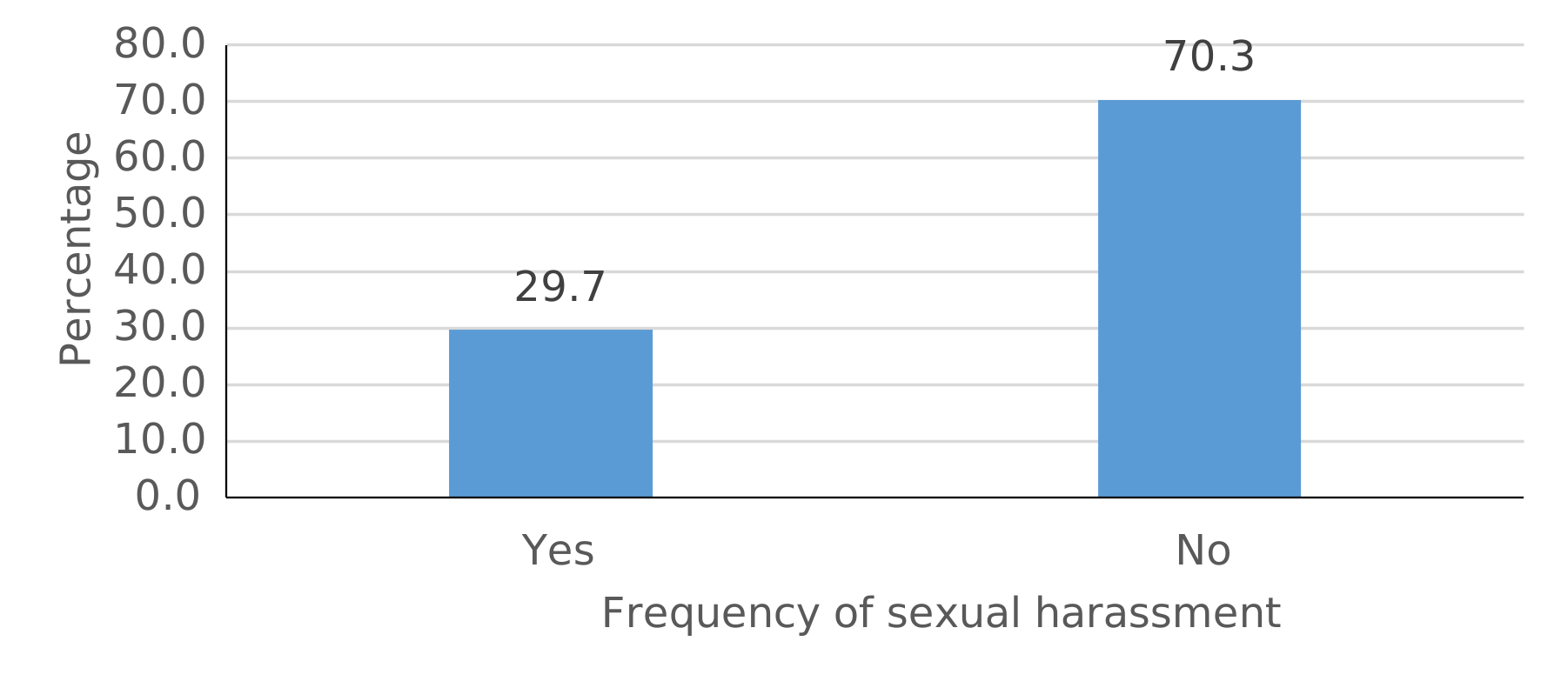
Overall, research participants agreed that there is perceived sexual harassment occurring in the college, however, they could not mention any specific case.
“For me, I have not personally seen or empirically witnessed some of the cases or someone being caught up in it. What I think happens is that most of the time management investigates to ascertain whether it is true or that it happened, but most of the time all we hear are rumors” (a Tutor at a college).
For all the responses, one significant thing was that in all the sexual harassment categories, only a few student teachers indicated that they reported to the appropriate authority. It was therefore not surprising that overall, 96 percent of student teachers indicated that they had never reported a case of sexual harassment before (Figure 4).
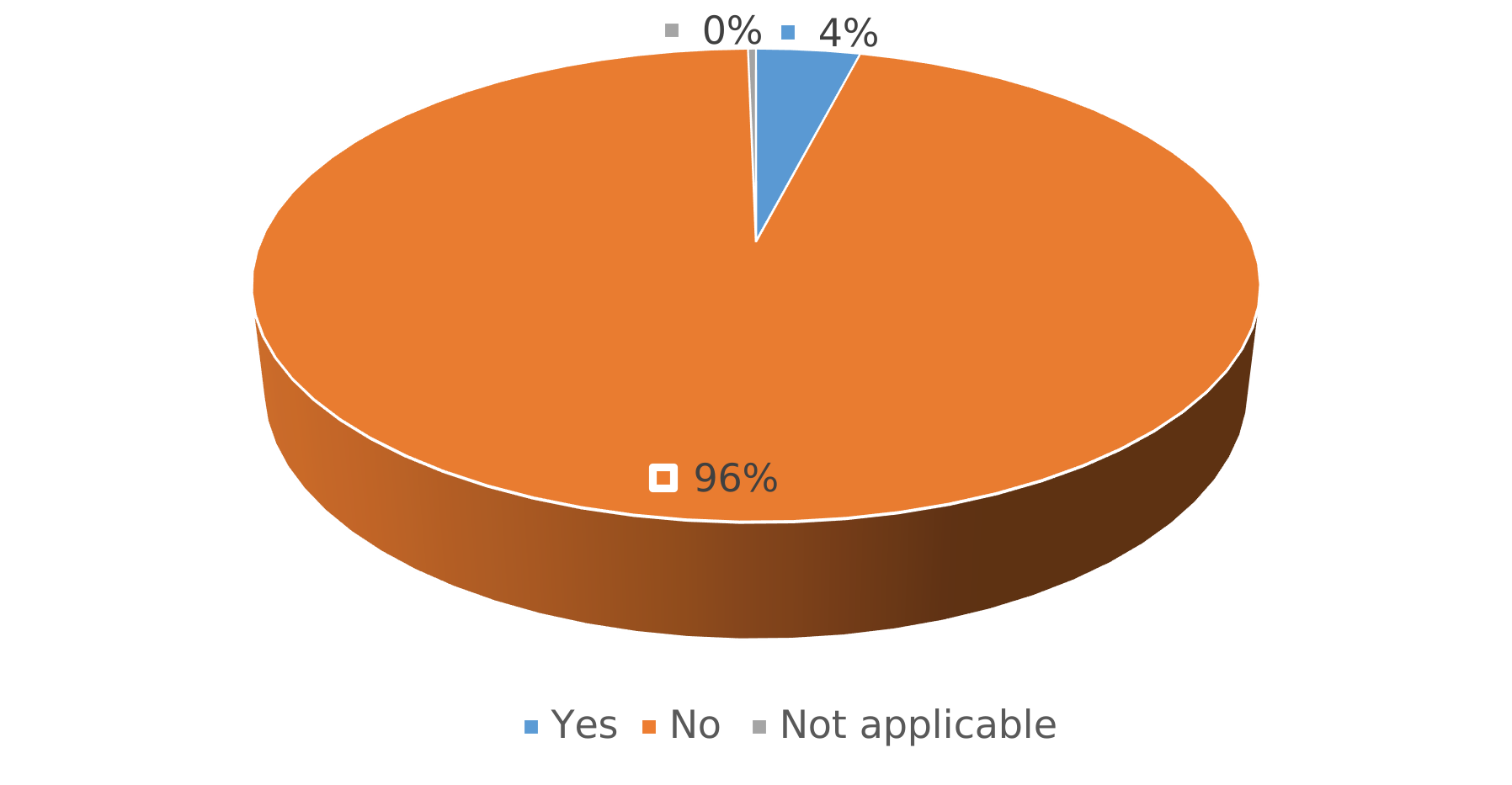
The results on the low reporting and for that matter lower rate of SH incidence runs contrary to the literature (Lewis and Lockheed, 2006) [18]. Surprisingly, college officials clothed with the responsibility to handle sexual harassment were unanimous that they seldom handle such issues. Even though incidents of sexual harassment were rarely reported, the capacity of key staff to effectively deal with sexual harassment should it occur was not in doubt.
“Well, for now, because there has not been any case reported. I can't give the validity of the effectiveness of the procedures because we've not gotten any of those cases. But looking at the content of the policy, and the experience of the people involved, it may work. Because if somebody commits a crime, you need to build a dossier against the person before you can take the person on”. (Gender Champion).
Ensuring that the incidence of sexual harassment is reduced to the lowest level or eradicated in the colleges must be the responsibility of college leadership. Within the framework of management and administration of the colleges of education, the important factor that drives the effective implementation of all policies is leadership. It was therefore imperative to gauge the perception of student effectiveness of leadership and their impact on all aspects of sexual harassment implementation in the Colleges (Figure 5).
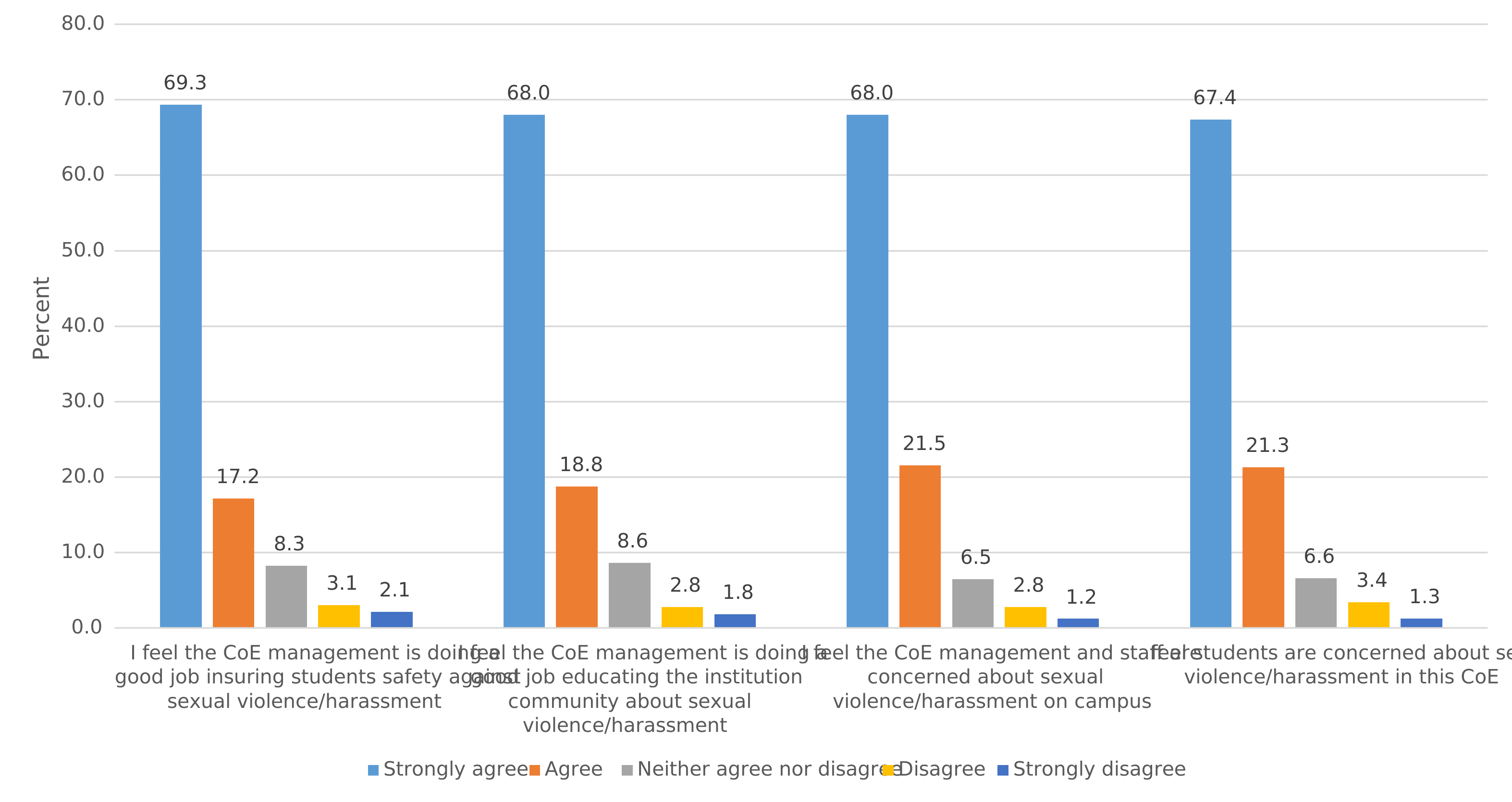
In sum, over 80 percent of students who participated in the study agreed that college leadership was doing a good job of handling issues on SH. Dealing with sexual harassment is one of the means to assess the effectiveness of policies in place. It also shows the capacity of participants to anticipate, cope with, and recover from the impact of sexual harassment. In Table 3, students indicated how they respond to the various types of sexual harassment.
4.4. Safe Space/Environment for Teaching and Learning
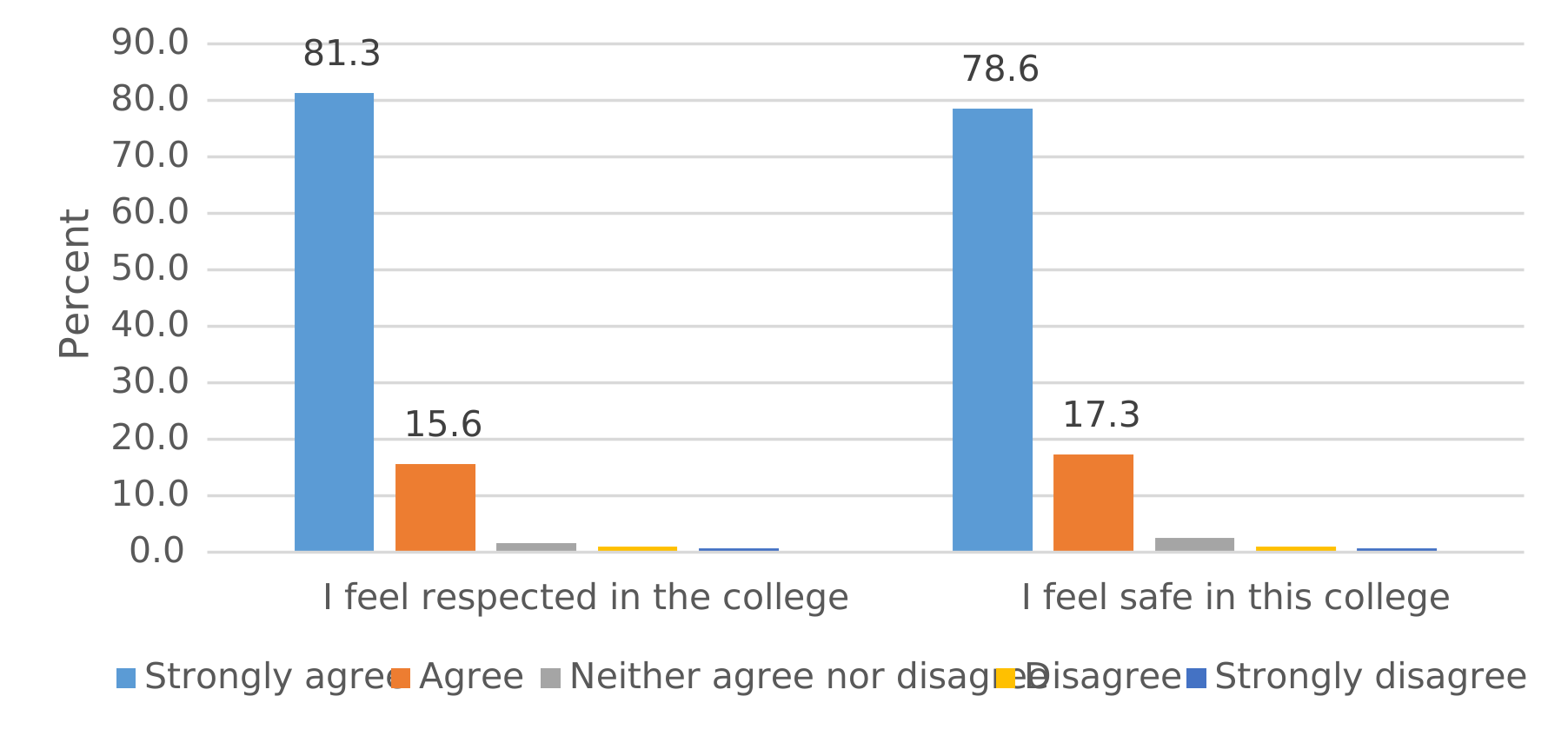
The guideline on sexual harassment places the responsibility on college leadership to provide a safe environment and promote the welfare of student teachers. Providing a safe space for teaching and learning is one of the cardinal principles of sexual harassment. A safe school environment does not only positively impact teaching learning and academic performance, but it also ensures student discipline, and self-responsibility, and boosts self-confidence. Safe space encourages student teachers to speak out and take on offenders publicly. The results of student teachers’ perception of the safety principles in the college are presented in Figure 6.
5. Discussions
5.1. Sexual Harassment: A Reality?
The findings show that SH is a real and significant issue in the tertiary educational institutions selected for the study. The reality of SH was amplified by about 30% of staff who took part in the study. A little more than 4% of students were also confirmed that SH was pervasive in the Colleges. These findings confirm the studies of Xenos & Smith (2001) [19], the findings further showed that cases of SH took many forms, including verbal, physical, and online harassment. Verbal harassment includes comments or jokes of a sexual nature, unwanted sexual advances, and explicit sexual invitations. Physical harassment includes unwanted touching, groping, and assault. Online harassment includes cyberstalking, sexting, and sharing explicit photos without consent. These forms of harassment can occur in various settings, such as the classroom, the dormitory, or during extracurricular activities. Similar studies conducted by Uggen & Blackstone (2004) [20], confirmed that when issues of GESI, especially those relating to girls’ education are addressed, not only does empower girls, but it also has the potential to break the intergenerational poverty cycle and reduce marginalization.
The reality of the issue has also compelled the Colleges to institute policies that guide the conduct of the college community in their daily interactions. The policies for instance give examples of words and statements that are not gender sensitive and that could connote, whether implicitly or explicitly SH. The policies provide remedial regimes for victims while at the same time providing sanctions for offenders. The colleges have also appointed coordinators and committees for reporting and responding to SH cases. Apart from overseeing that the college community complies with all SH protocols, they are also responsible for the prevention and addressing issues related to SH. The prevention activities include education and awareness-raising campaigns, and training for faculty, staff, and students. The colleges conduct prompt and thorough investigations of SH complaints, provide interim measures to protect victims and take appropriate disciplinary action against perpetrators when reported cases are found to be true. The elaborate measures would not have been put in place if there were no evidence of SH in the colleges. As aptly captured by one college principal:
“We would not spend time and material resources on SH prevention if it was not real”.
The reality of SH has been highlighted in several studies (Uggen & Blackstone, 2004; Runtz & O’Donnell, 2003) [20, 21]. These scholars argue that SH is not only pervasive in the workforce but also in educational institutions. The studies further show that of all SH forms, quid pro quo was the most common. Other studies have also affirmed that female students experience verbal forms of SH including name-calling, sexual personal comments, attractiveness ratings, demeaning comments about gender, and sexualized conversations than their male colleagues (Terrance et al., 2004) [22]. These findings lend support to the notion that the prevalence of sexual harassment is very high in educational settings.
5.2. Perception of Sexual Harassment
The literature is often conclusive that SH exists in educational institutions and that it can have significant and long-lasting effects on its victims. Among the negative effects include anxiety, depression, and post-traumatic stress disorder. Other studies are conclusive that SH victims may experience difficulty concentrating, and sleeping, and may feel isolated, shame, guilt, may lack trust for others. However, the results provide some interesting findings that suggest that SH in the Colleges are only perceptional. The findings for instance show that over 70% of college staff who participated in the study argued that they have not witnessed or received any complaints of SH. Over 95% of students, had not witnessed any incidence of SH, and what is reported is the perception and not the reality. This therefore raises questions about whether the reporting systems in the colleges are clear, simple, and friendly enough to allow victims to report such incidents. The perception of the incidence is also more heightened given the fact that overall, more than 80% of students indicated that they have trust in the reporting systems in place and that they also believe that the college management is doing their best to make sure such incidences do not occur and when it occurs, management deals with it decisively. The perception is even more heightened when over 96% percent of students indicated that they feel safe in the college and that they are also respected. These findings suggest there are gaps between what exists and what is perceived to exist.
The reality in this context is that SH exists independent of the subjective experience or interpretation of the researchers. It is objective and factual and can be verified through observation, measurement, and other empirical methods. Perception on the other hand refers to the way we interpret and make sense of reality based on our experiences, beliefs, attitudes, and expectations. It is subjective and can be influenced by many factors, such as cultural background, past experiences, and emotional state (Runtz & O’Donnell, 2003) [21]. It is important to recognize that our perceptions can shape our behavior and attitudes and that they may not always accurately reflect reality
The inherent duality – real or perception reinvokes the philosophies that are making SH more challenging to eliminate while victims suffer in silence. Overall, research participants agreed that there is perceived sexual harassment occurring in the colleges, however, they could not mention any specific case.
“For me, I have not personally seen or empirically witnessed some of the cases or someone being caught up in it. What I think happens is that most of the time management investigates to ascertain whether it is true or that it happened, but most of the time all we hear are rumors” (a Tutor at a college).
Surprisingly, college officials clothed with the responsibility to handle sexual harassment were unanimous that they seldomly handle such issues as frequently as possible. Even though incidents of sexual harassment were rarely reported, the capacity of key staff to effectively deal with sexual harassment should it occur was not in doubt.
6. Conclusion
In conclusion, feminist theory has provided a very useful insight into the nature and reasons for SH in the colleges of Education covered in the research. It has highlighted the power relations between men and women as well as how gender roles and expectations lead to the objectification and marginalization of female students. Understanding SH through a feminist lens is imperative in developing the needed strategies to prevent and address the problem in the Colleges. This includes promoting gender equality, challenging gendered stereotypes and expectations, and empowering women to take on leadership roles. It can have severe and long-lasting effects on its victims, and institutions have a responsibility to prevent and address it. Effective prevention efforts include education, policy development, and training, while appropriate responses to harassment include investigation, interim measures, and disciplinary action. By taking these steps, educational institutions can create safer and more equitable environments for all students, faculty, and staff. From all indications SH may exist in the Colleges, their incidence seems to be magnified. While one case of SH is not acceptable and can destroy the image of a College. It is for this reason that this research argues that since positive perception often feeds into near reality, measurement of sensitive issues such as sexual harassment could always be driven by perceptions while the reality could be covertly explored.
References
- Christian aid. (2020). Ways of advancing gender justice.
- WHO. (2023). WHO’s dashboard into sexual misconduct investigations: Tackling all forms of sexual misconduct.
- Klein, L., & Martin, S. (2021). Sexual harassment of college and university students: a systematic review. Trauma Violence Abuse, 22(4), 777–92.[CrossRef]
- Hill, C., & Silva, E. (2005). Drawing the line: sexual harassment on campus. Washington, DC. American Association of University Women Educational Foundation.
- Menon, J. A., Sanjobo, N., Lwatula, C., Nkumbula, T., Zgambo, L., Musepa, M., & Ngoma, M. P. S. (2014). Knowledge and Perception of Sexual Harassment in an Institution of Higher Education in Sub-Saharan Africa. 41(3), 137–143.
- Acker, J. (1990). A Theory of Gendered Organizations: Hierarchies, Jobs, and Bodies. Gender & Society, 4(2), 139–158.[CrossRef]
- Acker, J. (2006). Inequality Regimes: Gender, Class and Race in Organizations. Gender & Society., 20(4), 441–464.[CrossRef]
- McCann, D. (2005). Sexual Harassment at Work: National and International Responses. Geneva: International Labour Office.
- Agardh, A., Priebe, G., Emmelin, M., Palmieri, J., Andersson, U., & Östergren, P. O. (2022). Sexual harassment among employees and students at a large Swedish university: who are exposed, to what, by whom and where – a cross ‑ sectional prevalence study. BMC Public Health, 1–14. https://doi.org/10.1186/s12889-022-14502-0[CrossRef]
- Hernández-Torrano, D., M. Somerton, and J. Helmer. 2020. “Mapping Research on Inclusive Education Since Salamanca Statement: a Bibliometric Review of the Literature Over 25 Years.” International Journal of Inclusive Education, 1–20.[CrossRef]
- Adjei-Boakye, T., & Tawiah, E. (2013). Educational Reforms in Ghana: Past and Present. Journal of Education and Practice, 4(8), 29-36.
- T-TEL (2018) Transition Support Fund for Colleges of Education. Retrieved from the September 2018 Archive of GNA on 29th February, 2024
- Ramberg, M. R. (2014). Teacher Change in an era of neo-Liberal Policies: a neo-Institutional Analysis of Teachers’ Perceptions of Their Professional Change. European Educational Research Journal 13 (3): 360–379.[CrossRef]
- Caspersen, C. J., Powell, K. E., & Christenson, G. M. (2020). Physical activity, exercise, and physical fitness: Definitions and distinctions for health-related research. Public Health Reports, 135(2), 245-253.
- Amin, S. 2019. “Diversity Enforces Social Exclusion: Does Exclusion Never Cease?” Journal of Social Inclusion 10: 1.[CrossRef]
- Sturm, J. (2019). The impact of social media on mental health. Journal of Psychology and Behavioral Science, 28(2), 12-20.
- Aasland, A., and T. Fløtten. 2010. “Ethnicity and Social Exclusion in Estonia and Latvia.” Europe- Asia Studies 53 (7): 1023–1049.[CrossRef]
- Lewis M and Lockheed M, eds (2006) Exclusion, Gender and Education: Case Studies from the Developing World. Washington DC: Centre for Global Development.
- Xenos, S. & Smith, D. (2001). Perceptions of rape and sexual assault among Australian adolescents and young adults. Journal of Interpersonal Violence, 16(11), 1103-1119.[CrossRef]
- Uggen, C. & Blackstone, A. (2004). Sexual harassment as a gendered expression of power. American Sociological Review, 69(1), 64-92.[CrossRef]
- Runtz, M.G. & O’Donnell, C.W. (2003). Students’ perceptions of sexual harassment: Is it harassment only if the offender is a man and the victim is a woman? Journal of Applied Social Psychology, 33(5), 963-982.[CrossRef]
- Terrance, C., Logan, A., & Peters, D. (2004). Perceptions of peer sexual harassment among high school students. Sex Roles, 51(7/8), 479-90.[CrossRef]