

Undoubtedly, HIV/AIDS menace has been a major source of concern to everyone, particularly, the people of Lower Manya Krobo Municipality (LMKM) as the area has always recorded a higher rate of infections compared with other districts in Ghana. Against this backdrop, the study sought to assess the HIV/AIDS knowledge of Senior High School students in the Lower Manya Krobo Municipality of the Eastern Region of Ghana. To obtain the respondents, a simple random sampling technique was adopted to select 300 students, comprising 120 boys and 180 girls proportionately selected from the four public Senior High Schools in the Municipality. A-37 item questionnaire adapted from Wanjiru Helen Wairimu was used for the data collection. The obtained data were analysed using descriptive statistics (means, standard deviations, frequencies, and percentages). The study found that the majority of the senior high school students in the LMKM of Ghana have high knowledge about HIV/AIDS through several available sources within their domain. However, it was again found out that HIV/AIDS knowledge they have does not have much impact and influence on their sexual behaviour. Several recommendations were suggested which include; the fact that the Ministry of Health in collaboration with other important educational agencies should intensify sex education to students and the community members in order to strengthen their awareness of HIV/AIDS.
Students’ Knowledge and Sources of Information on HIV/AIDS: Evidence from the Lower Manya Krobo Municipality of the Eastern Region of Ghana
May 03, 2022
July 02, 2022
July 31, 2022
August 12, 2022
This is an Open Access article, distributed under the terms of the Creative Commons Attribution 4.0 International License (http://creativecommons.org/licenses/by/4.0/), which permits unrestricted use, distribution and reproduction in any medium or format, provided the original work is properly cited.
Abstract
1. Introduction
One disease that has threatened the existence of the human race for some time now is the HIV/AIDS. Globally, HIV/AIDS has spread to virtually every region of the world and has affected people of diverse status and backgrounds. Men, women, young people, children and even conceived babies are all at risk. The phenomenon hampers human resource development and undermines the skills base of countries, as most infected people are part of the labour force. It has, therefore, become a major public health concern with about half of new infections occurring among young people [1]. The impact of HIV/AIDS has caused great consternation among policy-makers, as it threatens to erode socio-economic development by increasing morbidity and mortality among people of working age [2]. According to the World Health Organization, an estimated 36.7 million people worldwide are living with HIV, with 2.1 million new cases registered by the end of 2015, while an estimated 35 million people have also died from the disease [3]. The UNAIDS reported that in 2017, 1.8 million adolescents aged between 10-19 were living with HIV. New HIV infections among adolescents are projected to decrease by 29% between 2018 and 2030, which is not enough to meet global targets. The global targets are that 90% of people living with HIV know their status, of whom 90% are on treatment; of whom 90% are virally suppressed (90-90-90). Rapid population growth in many low- and middle-income countries has created a growing cohort of adolescents and young adults, and combined with slow progress in HIV prevention among young people, the epidemic appears far from over [4].
Projections show the current rate of HIV incidence. Without accelerated efforts and investments, a total of 2.0 million adolescents could become newly infected with HIV between 2018 and 2030. The situation is particularly serious for adolescent girls, who are part of key populations. Worldwide, one adolescent girl (15-19 years) became infected every three minutes in 2017. Adolescent girls account for two out of every three new HIV infections in the 15-19 age groups. Adolescents in general and adolescent girls and boys in key populations in particular, tend to be the groups most at risk of HIV infection. Sub-Saharan Africa, with only ten per cent (10%) of the world's population, remains the most severely affected region [1]. Approximately seventy per cent (70%) of people infected with HIV worldwide reside in Sub-Saharan Africa, which remains the most affected region in the world [3]. A study report that 85% of teachers who died between 1996 and 1998 were HIV-positive in the Central African Republic [5]. Also in Zambia, the number of teachers who died of HIV/AIDS in 1996 was greater than the number of teachers that the country's teacher training colleges produced in that year. In addition, a 20% drop in school enrolment in South Africa has also been attributed to HIV/AIDS [6]. Added that in the poorest households in South Africa, AIDS takes a greater share of available resources and limits access to food and health care [7].
A staggering per cent (60%) of hospital beds were occupied by patients with HIV/AIDS related illnesses. Ghana, also a Sub-Saharan African country, has been experiencing an increase in the infection rate for some time. For example, the prevalence for 2016 was 2.4%, up from 1.8% in 2015 and 1.6% in 2014 [8]. What makes the situation even more worrying are the increasing infection rates among adolescents in the sub-region. According to UNICEF, the 15-24 age group is the group most infected with the virus. This high-risk group accounts for sixty per cent (60%) of all new infections in many countries. Young adults are particularly vulnerable to HIV infection because of the physical, psychological, social and economic characteristics of adolescence [9]. Young adults are, again, at risk because of the high-risk sexual behaviours, attitudes and constraints of the societies in which they grow up [10]. It should be noted that from its discovery in 1981, HIV/AIDS was perceived as a disease defying science, and was wrongly associated with immoral behaviour. Scientists first sought out the agent responsible for HIV transmission by focusing on the biological mechanisms of the virus' action, the natural history of the disease and the epidemic, and the means of prevention, care and treatment. In Ghana and many other countries in Sub-Saharan Africa, HIV transmission is mainly through heterosexual intercourse [11]. In these countries, HIV and AIDS are widely seen as a consequence of sexual immorality or immoral behaviour, so that infection is seen as God-given punishment for sins such as prostitution, promiscuity, drug use, or homosexuality [12].
In the particular case of Ghana, HIV prevention and treatment programmes have been put in place to combat the AIDS epidemic. However, reports from the United Nations Integrated Regional Information Networks (IRIN) on Africa indicate that the Ghanaian government's AIDS programme is at risk of failure, mainly due to stigma and a weak health system [13]. Since the beginning of the epidemic, much progress has been made in preventing new HIV infections and delaying the progression of the disease [14]. Basically, people who engaged in sex work or solicited sex for money (prostitutes) in Côte d'Ivoire were the pioneers who first contracted HIV and AIDS in Ghana. Mill (2003) reports that globally, forty-five per cent (45%) of people who contract HIV/AIDS are adolescents aged 15-24 years [15].
HIV/AIDS has spread rapidly to many countries over the years since 1981 and is becoming a global health challenge [16]. Sub-Saharan Africa (SSA) is the most affected region in the world, with about two-thirds of the world's infected people living here [17]. According to UNAIDS (2018a), the majority (approximately 80%) of the 1.8 million adolescents living with HIV live in SSA [4, 16]. Even in the general population, the majority (71%) of people living with HIV (PLHIV) as well as new HIV infections (70%) and AIDS-related deaths (74%) worldwide are registered in SSA [18]. The HIV/AIDS is among the leading causes of death in Africa, accounting for one in five deaths in SSA [19].
Ghana recorded 250,232 cases of PLWHIV between 2006 and 2014 [20]. Of these, 92% were adults (15-49 years for women and 15-59 years for men) and 8% were children (6-59 months) [13]. Adult HIV incidence is estimated at 0.07 per cent, with 11,356 new infections and 9,248 AIDS related deaths recorded. HIV prevalence in Ghana is described as widespread over the years, with a prevalence rate of over 1% in the general population [8]. Young adults, particularly those aged 15-24 years, are the group most vulnerable to HIV infection [21]. This may be due to their engagement in risky living practices due to lack of adequate information [22]. Similarly, Ghanaians have their first sexual intercourse when they are in high school or of age [16]. A study conducted in the Ashanti region of Ghana found that people have premarital sex when they are young [23]. In addition, young people present specific challenges that predispose them to HIV, some of which include lack of correct health information, lack of access to adequate reproductive health services, economic exploitation, changing lifestyles, global conflicts, exchange of sex to meet their needs, and substance use [24, 25].
Knowledge, Attitudes and Practices (KAP) about HIV/AIDS are the cornerstones of the fight against HIV. Adequate knowledge about HIV/AIDS is an effective way to promote positive attitudes and safe practices [26]. Attitudes towards HIV/AIDS should in turn determine people's sexual behaviour [27]. Many prevention programmes have focused on improving knowledge about transmission, with the goal of overcoming misconceptions that may prevent behavioural change toward safe practices and also reduce stigmatization of PLHIV [27]. Several studies have been carried out in Africa and beyond to study KAP levels among students. These studies found that students' knowledge about HIV was low to medium, with misconceptions about high-risk practices among participants and negative attitudes towards PLWHIV. Misconceptions were also found in most KAP studies conducted among young people in different regions of Africa (Nigeria, Botswana, Gabon and other African countries) and beyond [16].
A study conducted in Nigeria to determine knowledge of HIV infection among secondary school students in Port Harcourt revealed that only 7.1 per cent of participants listed the four modes of transmission: sexual intercourse, blood transfusion, mother-to-child (vertical) transmission and intravenous drug use. The four above-mentioned modes of transmission were identified by only 31%, 14.4%, 9.1% and 8%, respectively. Only 0.7% identified all preventive measures. Another survey conducted in western Nigeria to assess the level of awareness, knowledge and attitude towards HIV/AIDS among secondary school students in the local administrative area of Atisbo, Nigeria, showed that the participants had a relatively good knowledge of HIV/AIDS, reasonable knowledge of safe sex practices and a positive attitude towards sex, HIV/AIDS and people living with HIV. But another study in Gabon, which assessed the knowledge and attitudes of secondary school students about HIV, showed that students were not sufficiently informed about HIV/AIDS transmission and prevention. Half of the respondents were aware of HIV transmission through sexual intercourse (55.7%), from mother to child (48.3%) and through needle or syringe sharing (51.8%), and 25% used condoms, while 15% were aware of unsafe HIV transmission practices [28].
The 2018 national estimates and projections of HIV/AIDS show an increase in the prevalence rate for the country. The adult HIV/AIDS prevalence rate was 1.69%. While the Ahafo Region had the highest rate at 2.66%, the North-East had the lowest prevalence rate at 0.39%. Among the districts, LMKM in the Eastern Region had the highest rate of 5.6%. It is also estimated that 334,713 people are currently living with HIV; 117,199(35%) men and 217, 514 (65%) women. Again, in 2018, an estimated 19,931 people were infected with the virus. Of these, 5,532 (28%) were between the ages of 15 and 24 [29].
Again, in Kenya, a study concluded that adolescents who are at the most reproductive stage of their human development are at greater risk of HIV/AIDS than any other population group [30]. In this study, the authors indicated that the level of knowledge of students on HIV/AIDS was low. For this reason and more, the authors concluded that students deserve greater attention in the fight against HIV/AIDS infection and transmission. Arguably, research findings such as the aforementioned on the current study variables are contradictory and inconsistent, which demands further investigations. In Ghana a study on the knowledge of HIV/AIDS among undergraduate university students, reported that the students’ level of knowledge about HIV/AIDS was high, although there was no transfer of learning regarding their sexual practices [31]. A research concluded from a sample of 260 female students in senior high schools that, when adolescents receive HIV/AIDS education, they benefit from it because they become aware of the factors that predispose them to the disease [32].
Given the challenge that HIV/AIDS poses to adolescents, it is essential to intensify the awareness about the risks associated with sexual behaviour and the importance of applying this knowledge to real-life experience [30]. A study supports this assertion and argues that, given the high rate of HIV in Sub-Saharan Africa, it is important to understand the forces that influence adolescent sexual behaviour because knowledge of HIV/AIDS is insufficient among Senior High School students in Ghana [34, 35]. There is a geographical gap in the study of HIV/AIDS in Ghana because the studies so far conducted in Ghana were limited to universities and senior high schools in regions other than the Eastern Region of in Ghana. Hence, the current study sought to assess the knowledge of senior high school students on HIV/AIDS in the Lower Manya Krobo Municipality of the Eastern Region of Ghana.
1.1. Research Questions
The following research questions guided the study.
- What is the knowledge level of SHS students in LMKM of the Eastern Region of Ghana on HIV/AIDS?
- What are the various sources of information on HIV/AIDS among SHS students in LMKM of the Eastern Region of Ghana?
1.2. The Conceptual Framework
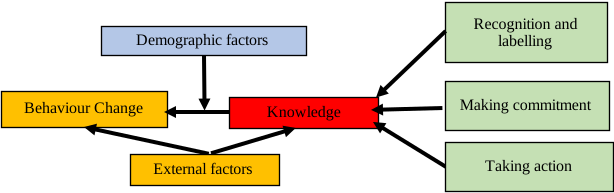
The framework above posits that behaviour is a function of knowledge and some external factors. While the external factors can directly lead to behaviour, they also affect the knowledge on HIV/AIDS. More so, the link between knowledge and behaviour change is mediated by demography of the persons involved. Using the theory of AIDS Risk Reduction Model, three factors affect the knowledge that an individual has about HIV/AIDS [36]. The amount of knowledge an individual has about HIV/AIDS and the extent to which such factors affect knowledge on HIV/AIDS and behaviour change.
2. Materials and Methods
It is noteworthy that different research strategies have their strengths and weaknesses and quantitative research approach, similar to other research methods, has the strength of allowing comparison and replication, observes and studies subject independently [37]. With quantitative research method, reliability and validity can be determined more objectively than qualitative, strong in estimating descriptive aspect of research. It emphasizes the need for the formulation of hypothesis for succeeding verification, as well as seek for casual explanations and fundamental laws and generally reduces the whole to the simplest possible elements in order to facilitate analysis [38]. In addition, quantitative research approach, under a limited resource environment, allows large scale-data collection and analysis at a reasonable cost and effort, as well as providing statistical proof [39]. Nevertheless, the failure of quantitative research approach to ascertain deeper underlying meanings and explanations to most research, as well as its inability to measure variables at a specific moment in time, contributes to the disadvantages or weaknesses of quantitative approach as a research method.
Cross sectional survey design was adopted for this study. This is because it was most suitable for obtaining data from a cross section of SHS students from Lower Manya Krobo Municipality at a particularly point in time for analysis. This design was chosen because it offered the opportunity to assess the knowledge and described the attitude towards the prevention methods of HIV and AIDS of SHS students in the Lower Manya Krobo Municipality of the Eastern Region of Ghana. A researcher maintains that in cross sectional survey research, accurate description of the activities, objects, processes and persons is the focus [40]. This design has the advantage of measuring current attitude or practices. It is also capable of receiving data in a short period of time [41]. However, the design has its own weaknesses as there is no manipulation of variable as in experimental designs [42].
The target population for this study consisted of all the students in the public Senior High Schools in Lower Manya Krobo Municipality in the Eastern Region of Ghana. According to the statistics from Lower Manya Krobo Municipal Education Office, there are four public SHSs in the municipality. The accessible population for this study comprised 2559 form three students in the four public SHSs in the municipality. The sample size for this study was 300 students which represent 11.72% of the accessible population of form three students in the four public SHSs in the LMKM. The sample size was determined using the Cochran’s sample size formula.
Where:
- Z2 is the abscissa of the normal curve that cuts off an area at the tails (1 - equals the desired confidence level at 95%). The value for Z found in statistical tables the area under the normal curve is 1.96
- p (0.5) is the estimated proportion of a characteristic that is present in the population,
- q is 1-0.5 is the estimated proportion of a characteristic that is not present in the population,
- e is the desired level of precision, in other words, it is the error level of that is like to be made in estimating the sample which is assumed to be 0.0032
Substituting the values into the formula produced a sample size of 300.125. For the purpose of simplicity, the calculated sample size which was assumed to be representative of the population was 300 SHSs students in LMKM. The simple random sampling procedure was used to draw the sample of 300 respondents for the study. The sample was drawn in such a way that it was representative of the entire population. To draw a representative sample, the probability sampling procedure was adopted. Using the lottery approach, the researcher designed ballot papers of same quantity with the inscription “yes” or “no” and they were neatly folded and placed in a box. The pieces of papers were mixed and put into a box and they were drawn out of the box in a random manner by students. With this method, each member of the population was strategically selected to participate in the study. Persons who chose “yes” were given the questionnaire while those chose “no” were not included in the sample.
A-37 item questionnaire which contained both closed-ended and open-ended questions was used as data collection instrument. Questionnaire as a set of written questions answered by a large number of people that is used to provide information. A questionnaire contains a series of questions, statements or items that are presented and the respondent is asked to answer, respond to or comment on them in a way she or he thinks best [43]. There is a clear structure, sequence and focus, but the format is closed-ended, enabling the respondent to respond in her or his own terms [44]. The first section of the questionnaire sought for demographic characteristic which included age, sex, religion and religious denomination.
Close-ended items require less effort to respond to, easy to score and promote objectivity on the part of the respondent. However, they are limited to only the areas indicated in the questionnaires, and do not give room for self-expression. Notwithstanding the lapse of close-ended items in restricting the responses of respondents, its adoption ensures effective editing and analysis of data. The close-ended items are also aimed at ensuring uniformity in the responses and thereby preventing subjectivity of any kind.
Questionnaire was used for this study because it is relatively quick and easy to create. With questionnaire, interpretation and analysis of data is easy as data entry and tabulation for nearly all surveys can be easily done with many computer software packages [46]. Again, questionnaire is familiar to many people, nearly every educated one has had some experience completing one and they do not make people apprehensive [47]. Above all, questionnaire is easy to standardize therefore reducing the amount of bias in the results as there is uniform question presentation. Questionnaire is widely used for data collection in educational research because it is developed to answer research questions [48]. It is very effective for securing factual information about practices and conditions of which the respondents are presumed to be knowledgeable of. It is also used for inquiring into the opinions and attitudes of subjects [46].
The sample size constituted 11.72% of the accessible population. The proportion of the sample in the accessible population was used to determine proportion of each school’s [population that must be included in the sample as shown in Table 1. The formula was used to estimate the sample proportions included the study.
(Researcher’s construct)
Where: N= Desired sample size, SP = Specific population per school, TP = Total population for all schools, Q= Questionnaires allocated per school
Face validity of the questionnaire was carried out by giving it to colleague M. Phil Social Studies students for peer review. Their comments and suggestions were considered for review of the questions. The content validity of the questionnaire was ensured by the research supervisor who scrutinized the items for their suitability before pre-test. Construct validity was ensured by critically developing the items or questions within established theoretical framework by employing accepted definitions and constructions of concepts and terms; operationalizing the research and its measures.
Internal validity check was conducted by ensuring agreements between different parts of the questions, data, and matching patterns of results. Ensuring that findings and interpretations derived from the data are transparent and that causal explanations are supported by the evidence (alone), and that trivial explanations and inferences have been weighed and found to be less acceptable than the explanation of inference made, again based on evidence. The current research ensured concurrent validity through the use of multiple sources and kinds of evidence to address research questions and to yield convergent validity.
To ensure reliability of the questionnaire, a pilot test was carried out on 40 SHS 3 students from Yilo Krobo Senior High School which has almost the same characteristics as those of Manya Krobo, but was not included in the main data. Reliability analysis was done using Cronbach’s alpha reliability model. A reliability coefficient (r) of equal to or more than 0.70 threshold is acceptable as a measure of reliability and stated that the acceptable values of alpha, ranges from 0.70 to 0.95 [49]. These ranges of reliability coefficient values are deemed as an acceptable measure of reliability because 0.70 is the threshold value of acceptability [50]. The reliability co-efficient for this study is 0.772.
In any systematic enquiry into the human condition, it is important to establish the truth value of the study. The study must be judged against certain criteria so as to ensure that the findings are a true reflection of the participants or reality [51]. Through criteria such as validity and reliability, the accurateness and completeness of a study can be ascertained. Trustworthiness is seen as a surrogate measure for validity and reliability in naturalistic inquiries [52].
A researcher states that before interpretation takes place, data should be analysed statistically and presented. Responses from respondents on the questionnaire were tallied in order to get the number of respondents who answered each set of items. The quantitative data were fed into the Statistical Product for Service Solutions (SPSS) version 25.0 software and they were analysed. Frequency count, percentage distributions, means and standard deviations of responses were generated according to each research question raised, and these were presented in tables.
3. Results
Descriptive statistics are brief descriptive coefficients that summarize a given data set, which can be either a representation of the entire or a sample of a population. Descriptive statistics are broken down into measures of central tendency and measures of variability (spread). Descriptive Statistics are used to present quantitative descriptions in a manageable form. Descriptive statistics help us to simplify large amounts of data in a sensible way. Descriptive statistics utilize statistical, numerical and graphical methods to look for patterns in a data set [54]. It usually provides the information in a data set by revealing the average indicators of the variables used in the study and conveniently present that information. This section therefore offers some descriptive statistics of the study variables which helps to understand the distribution of the variables in line with an earlier study that the central purpose of descriptive statistics is to summarize or reduce data [55]. Thus, descriptive statistics describes what the data shows based on the sample.
The research questions (Q1 & Q2) were analysed using descriptive statistics (means, standard deviation, frequencies and percentages). Using the standard deviations, a relatively standard deviation, the respondents’ responses were believed to be homogeneous (similar responses). On the other hand, a relatively large (within 1), the respondents’ responses were believed to be heterogeneous (dissimilar responses). A mean of 2.50 and above indicates that SHS students in the LMKM of Ghana have higher knowledge about HIV/AIDS whilst a mean of 2.49 and below indicates low knowledge of students about HIV/AIDS.
Research Question One: What is the knowledge level of SHS students in the LMKM on HIV/AIDS?
The main goal of this research question was to assess the knowledge level of SHS students in LMKM of the Eastern Region on HIV/AIDS. The knowledge level of respondents was assessed through their application of HIV/AIDS information. According to Trevethan (2017), there is no clear distinction between knowledge and awareness; any attempt to distinguish between the two concepts will be elusive. In reference to a previous study, awareness is equated to knowledge [56]. Therefore, the extent of awareness determines the knowledge of the individual. The accrued data was analysed using descriptive statistics.
The results displayed in Table 2 indicate the level of awareness of students about HIV/AIDS and the information students have received on HIV/AIDS. The results show that generally most of the students said they were aware of HIV/AIDS (n=294, 98.7%). Only few confirmed not to be aware of HIV/AIDS (n=4, 1.3%). Concerning whether the students have ever received information on HIV/AIDS, the results indicated that most of the students have received information on HIV/AIDS (n=291, 97.7%). Seven of the students representing only 2.3% asserted that they have not received information on HIV/AIDS.
To confirm the level of knowledge (awareness) of students about HIV/AIDS, questions were posed to students for responses on transmission sources of HIV/AIDS and the results are shown on Table 3.
As presented in Table 3, the results on the transmissions sources of HIV/AIDS are depicted. From the analysis, the maximum score on the questionnaire was 5.00 (max. =5.00) and the minimum score was 1.00 (min. =1.00). This implies that mean values must fall within the minimum and the maximum range (1.00-5.00). Inferring from the results, it is clear that the variables follow a normal distribution. This is based on the reason that the values were within the acceptable limit indicating that the data was normal. The results in Table 3 give evidence to believe that generally, SHS students are aware of some of the Transmissions Sources of HIV/AIDS.
For example, most of the SHS students pointed out that sexual intercourse is one of the transmissions sources of HIVAIDS (M=4.73 SD=0.667). Contact with blood of infected person was also found as one of the transmissions sources (M=4.68 SD=0.616). On the issues of casual contact with infected person (that is sharing food, cup, glass, handshake, hugging, clothes) most of the students were aware that, that cannot be one of the transmissions sources of HIVAIDS (M=2.54 SD=1.436). The practice of having sex without using condoms was found to be one of the transmissions sources of HIVAIDS among SHS students in the LMKM of the Eastern Region of Ghana (M=4.52, SD=0.788).
In a related result, it was revealed by most SHS students in the LMKM of the Eastern Region of Ghana that contact with infected person's toothbrush/shaving material serves as one of the transmissions sources of HIVAIDS (M=4.39, SD=.934). The results further show that during pregnancy a baby can contract HIV/AIDS. Most of the students agreed to the fact during pregnancy, HIV/AIDS can be transmitted (M=3.57, SD=1.118). On child birth, most of the students agreed to the fact that during child birth (labour), HIVAIDS can be transmitted (M=3.80, SD=1.042). Again, most of the students of the LMKM agreed that HIV can be transmitted through breast milk (M=3.90, SD=1.064). In furtherance to the above, blood transfusion was agreed by most Senior High School students in the LMKM of Ghana that it can transmit HIVAIDS (M=4.65, SD=0.695). Sharing syringes (during drug use), and use of razor blades were found as one of the modes of transmission of HIVAIDS (M=4.73, SD=0.589). Unclean Medical Equipment was not left out as one of the sources which SHS students in the LMKM of the Eastern Region of Ghana cited that it can transmit HIVAIDS (M=4.49, SD=.775). Finally, deep kissing was found to be one key means by which HIVAIDS can be transmitted (M=3.82, SD=1.088).
Research Question Two: What are the various sources of information on HIV/AIDS among SHS students in LMKM of the Eastern Region of Ghana?
The main goal of this research question was to examine the various sources of information on HIV/AIDS among SHS students in Lower Manya Krobo Municipality. Some of the pre-coded sources were Television, Radio, Newspapers, Pamphlet/Poster, Healthcare workers, Campaigns, Religious Leaders, Sexual Partners, in class at school, School health education, Peers, Family members and Internet. Table 4 shows results of the information on HIV/AIDS and how much information about HIV/AIDS students gain from selected sources.
The results from Table 4 show that most of the SHS students in the LMKM of the Eastern Region of Ghana get a lot of information from television (n=106, 35.6%). Little of the information is gotten from Radio stations (n=125, 41.9%).
In relation to newspapers, it was found that little of the information about HIVAIDS is gotten from newspapers (n=115, 38.6%). From Pamphlet/Poster, it was found that little is gotten from there (n=107, 35.9%). The results further suggest that a lot of the information is gotten from Healthcare workers to Senior High School students in the Lower Manya Krobo Municipality of the Eastern Region of Ghana (n=122, 40.9%). On Campaigns about HIVAIDS, most of the Senior High School students in the LMKM of Ghana asserted that they get some of the information from Campaigns (n=88, 29.5%).
In relation to Religious leaders, it was found that they do little in disseminating information on HIVAIDS to SHS students in the LMKM of the Eastern Region of Ghana (n=115, 38.6%). On internet source, it was found that more of the information about HIVAIDS is obtained from the internet (n=112, 37.6%). Enquiring about whether they get some of the information about HIVAIDS from their Sexual Partners, the results showed most do not get information about HIVAIDS from their sexual partners (n=109, 36.6%). In class at school, most of the SHS students in the LMKM of Ghana confirm that they get a lot of information about HIVAIDS from their class at school (n=100, 33.6%). In furtherance to the above, it was found that a lot of information about HIVAIDS is obtained from School Health Education (n=113, 37.9%). Peers were not left out as most of the SHS students in the LMKM of Ghana confirmed that they get some of the information from peers (n=116, 38.9%). In relation with family members, it was found that most of the SHS students in the LMKM of the Eastern Region of Ghana get little information about HIVAIDS from family members (n=100, 33.6%).
4. Discussion
As already stated in the literature, Knowledge, Attitudes and Practices (KAP) about HIV/AIDS are the cornerstones of the fight against HIV. Adequate knowledge about HIV/AIDS is an effective way to promote positive attitudes and safe practices [26]. Many prevention programmes have focused on improving knowledge about transmission, [27]. The findings of the study show that students’ knowledge on HIV/ AIDS is in contrast with some studies conducted around the world. That is, whilst the level of knowledge on HIV/AIDS of SHS students in the LMKM of the Eastern Region of Ghana is high, the same cannot be said of other countries. For example, a study conducted in Nigeria to determine knowledge of HIV infection among secondary school students in Port Harcourt revealed that only 7.1 per cent of the participants had adequate knowledge of HIV/AIDS. Apart from this, some other studies have been carried out in Africa and beyond to study KAP levels among students. These studies found that students' knowledge about HIV was medium to low, with misconceptions about high-risk practices among participants and negative attitudes towards PLWHIV. Misconceptions were also found in most KAP studies conducted among young people in different regions of Africa (Botswana, Gabon and other African countries) and beyond [16].
A study in Gabon which assessed the knowledge and attitudes of secondary school students about HIV showed that students were not sufficiently informed about HIV/AIDS transmission and prevention. Half of the respondents were aware of HIV transmission through sexual intercourse (55.7%), from mother to child (48.3%) and through needle or syringe sharing (51.8%), and 25% used condoms, while 15% were aware of unsafe HIV transmission practices [57]. In a similar study in Afghanistan, while 21% of respondents thought, for example, that HIV could be transmitted through toilet seats, 21% also said that people could become infected with the virus through mosquito bites [58]. A survey carried out in western Nigeria to assess the level of awareness, knowledge and attitude towards HIV/AIDS among secondary school students in the local administrative area of Atisbo, Nigeria, found out that secondary school students have reasonable knowledge of safe sex practices and a positive attitude towards sex [57].
Several other studies have observed high-risk sexual behaviours among young people in spite of their good knowledge and awareness of HIV/AIDS [59, 60]. A study among college students in the United States of America also found a mismatch between knowledge about sexual issues and sexual behaviour [61]. In studies conducted in nine African countries among sexually experienced adolescent girls and boys aged 15 to 19, between 40 to 87 per cent of respondents in seven countries believed that the amount of HIV/AIDS programmes are not enough to curb the menace [62]. In Ghana, it has been observed that the expected behavioural changes have not occurred in spite of the several programmes that have been undertaken to create awareness of the disease [64].
5. Key Findings
The following findings were established:
- The research question one which sought to find out the knowledge level of SHS students in LMKM of the Eastern Region of Ghana on HIV/AIDS and its transmission sources revealed that majority of SHS students in the municipality have high level of knowledge on the transmission sources of the disease. From the analysis, the maximum score on the questionnaire was 5.00(max=5.00 and the minimum was 1.00(min=1.00). The following results were obtained from the questions asked. On whether sexual intercourse was a transmission source of HIV/AIDS, the results was (M=4.73, SD=0.667). As to whether blood transfusion could serve as a source of contracting the disease: (M=4.65, SD=0.695). One can get HIV/AIDS from unclean medical equipment (M=4.49, SD=0.775). Sharing of needles is a medium through which one can get HIV/AIDS (M=4.73, SD=0.667). One can get HIV/AIDS through mosquito bites (M=2.19, SD=1.391). The above results show that the SHS students of LMKM have good knowledge on the transmission sources of HIV/AIDS.
- The research question two sought to examine the various sources of information on HIV/AIDS among SHS students in LMKM of the Eastern Region of Ghana. The findings indicate that most of the SHS students in the LMKM gain a lot of information from television (n=106, 35.6%), and little of the information is gotten from Radio stations (n=125, 41.9%). Also, the results suggest that a lot of the information is gotten from Healthcare workers to Senior High School students in the Lower Manya Krobo Municipality of the Eastern Region of Ghana (n=122, 40.9%). On the other hand, it was found that most of the SHS students in the LMKM of the Eastern Region of Ghana get little information about HIVAIDS from family members (n=100, 33.6%).
6. Conclusions
The HIV/AIDS menace has been a major source of concern to everyone, particularly, the people of Lower Manya Krobo Municipality as the area has always recorded higher rate of infections compared with other districts in Ghana. The study sought to assess HIV/AIDS knowledge of Senior High School students in the Lower Manya Krobo Municipality of the Eastern Region of Ghana. The obtained data were analysed using descriptive statistics (means, standard deviations, frequencies, and percentages). Religious leaders and other stakeholders’ must take active roles in the campaigns to reduce the rate of infections among the populace. They can help demystify the belief held by some students that HIV/AIDS is curse from the gods.
7. Recommendations
Based on the findings obtained and the conclusions reached, the following recommendations are made.
- The Ministry of Health in collaboration with other relevant educational agencies should intensify sex education to students and community members in order to strengthen awareness of HIV/AIDS in the LMKM of the Eastern Region. Also, more assistance should be provided to the SHS students who live with the condition in order to strengthen their health conditions by friends and families through their interactions with them. This is to improve their emotional health which might strengthen their physical functioning.
- Stakeholders such as religious leaders must take active roles in the campaigns to reduce the rate of infections among the populace. They can help demystify the belief held by some students that HIV/AIDS is curse from the gods.
Author Contributions: Conceptualization MO, EAN and IE; methodology, MO, EAN and IE; formal analysis MO, EAN and IE; investigation; MO, EAN and IE; Resources, IE; data curation MO, EAN and IE; writing-original draft preparation, MO, and IE; writing-review and editing, IE; visualisation, MO, EAN and IE; supervision IE; project administration, IE. Authors have read and agreed to the published version of the manuscript.
Funding: “This research received no external funding”
Data Availability Statement: Data is available on request from the corresponding author.
Acknowledgments: We acknowledge respondents for their time with us.
Conflicts of Interest: “The authors declare no conflict of interest.” “No funders had any role in the design of the study; in the collection, analyses, or interpretation of data; in the writing of the manuscript, or in the decision to publish the results”.
References
- UNAIDS (2010). Global report: UNAIDS report on the global AIDS epidemic 2010. Geneva: UNAIDS.
- Barnett, T., & Whiteside, A. (2002a). AIDS in the twenty-first century: Disease and globalization. New York: Springer.[CrossRef]
- WHO (2017). Guidelines for managing advanced HIV disease and rapid initiatio of anti- retroviral therapy. Geneva: World Health Organization.
- WHO (2018). Meeting of the implementation Core Group of WHO global task force on latent TB infection and country stakeholders on implementation tools and joint TB and HIV programming to scale up TB preventive treatment. Geneva: World Health Organization.
- Katjavivi, P. H., & Otaala, B. (2004, March). African higher education institutions responding to the HIV/AIDS pandemic. Paper presented at the AAU Conference of Rectors, Vice-Chancellors’ and President of African Universities (COREVIP), Mauritius.
- UNAIDS (2004).2004 Report on the Global AIDS Epidemic. Geneva: UNAIDS.
- Sibanda, A., Woubalem, Z., Hogan, D. P., & Lindstrom, D. P. (2003). The proximate determinants of the decline to below replacement fertility in Addis Ababa, Ethiopia. Studies in Family Planning, 34(1), 1-7.[CrossRef] [PubMed]
- Ghana AIDS Commission (2017). National and sub-national HIV and AIDS estimates and projections: 2017 report: Accra.
- Albarracín, D., Gillette, J. C., Earl, A. N., Glasman, L. R., Durantini, M. R., & Ho, M. H. (2005). A test of major assumptions about behavior change: a comprehensive look at the effects of passive and active HIV-prevention interventions since the beginning of the epidemic. Psychological Bulletin, 131(6), 856.[CrossRef] [PubMed]
- Ashford, L. S. (2007). Africa’s youthful population: Risk or opportunity. Washington DC: Population Reference Bureau.
- Ulasi, C. I., Preko, P. O., Baidoo, J. A., Bayard, B., Ehiri, J. E., Jolly, C. M., & Jolly, P. E. (2009). HIV/AIDS-related stigma in Kumasi. Ghana. Health and Place, 15(1), 255-262.[CrossRef] [PubMed]
- Ayranci, U. (2005). AIDS knowledge and attitudes in a Turkish population: An epidemiological study. BMC Public Health, 5(1), 95.[CrossRef] [PubMed]
- Ghana AIDS Commission (2014b). Status report. Accra: Ghana AIDS Commission
- Groce, N., Yousafzai, A., Dlamini, P., Zalud, S., & Wirz, S. (2006). HIV/AIDS and disability: a pilot survey of HIV/AIDS knowledge among a deaf population in Swaziland. International Journal of Rehabilitation Research, 29(4), 319-324.[CrossRef] [PubMed]
- Fiona, S. Katie, V., Eric, H., Marlise R., Prince, N., Sian M, & Chersich M. F. (2013) Human rights abuses and collective resilience among sex workers in four African countries: a qualitative study. Glob Health, 9, 33.[CrossRef] [PubMed]
- Nubed, C. K., & Akoachere, J.F. T. K. (2016). Knowledge, attitudes and practices regarding HIV/AIDS among senior secondary school students in Fako Division, South West Region, Cameroon. BMC Public Health, 16(1), 847.[CrossRef] [PubMed]
- Bahrin, F. K., Azman, A., Zainol, I. N. H., Yusof, M. M., & Shaed, M. M. (2018). The level of knowledge of secondary school students in Penang about HIV/AIDS: Pre and post intervention. International Journal of Asian Social Science, 8(8), 540-548.[CrossRef]
- Kharsany, A. B., & Karim, Q. A. (2016). HIV infection and AIDS in Sub-Saharan Africa: current status, challenges and opportunities. The open AIDS Journal, 10, 34-48.[CrossRef] [PubMed]
- Adeleke, I. T., Azeez, B. A., Aliyu, D., Ogundiran, L. M., Salami, A., & Adeoye, W. A. (2015). HIV/AIDS awareness among secondary schools’ adolescents in south-western Nigeria: A correlate to strengthen advocacy and strategic sexuality education programs. AJHR, 3(1- 1), 61-67.[CrossRef]
- Ghana AIDS Commission (2014a). Status report. Ghana Aids Commission, 1, 122.
- Agyemang, S., Buor, D., & Tagoe-Darko, E. (2012). The extent of knowledge about HIV/AIDS among young people in Ejura-Sekyedumase district of Ghana. Journal of AIDS and HIV Research, 4(11), 241-247.[CrossRef]
- Huda, M. N., & Amanullah, D. A. (2013). HIV/AIDS-related knowledge among secondary school students in Bangladesh: A cross-sectional study. Advances in Infectious Diseases, 3(4), 7.[CrossRef]
- Neupane, S., & Doku, D. T. (2012). Determinants of time of start of prenatal care and number of prenatal care visits during pregnancy among Nepalese. Women. Journal of Community Health, 37(4), 865-873.[CrossRef] [PubMed]
- Masood, M. S., & Alsonini, N. A. (2017). Knowledge and attitude about reproductive health and family planning among young adults in Yemen. International Journal of Population Research, 2, 1-9.[CrossRef]
- Chauraya, E. (2012). The African view on gender and its impact on implemented gender policies and programs in Africa. Journal of Sustainable Development in Africa, 14(3), 252-261.
- CDC (2015). Global Immunization Strategic Framework, 2011-2015. U.S. Department of Health and Human Services, Centers for Disease Control and Prevention http://www.cdc.gov/ncird/downloads/GID-strat-framewk.pdf
- CDC, (2013). CDC’s Public Health Framework for Health Systems Strengthening. U.S. Department of Health and Human Services, Centers for Disease Control and Prevention http://www.cdc.gov/globalhealth/pdf/HHS_one_pager_factsheet_press_quality.pdf
- Netshivhuyu, G. (2017). Knowledge, attitudes and behaviour towards HIV/AIDS among youth in Namakgale Township in Mopani District. Limpopo Province, South Africa.
- National AIDS Control Programme (2019). Annual Report. Accra: NACP.
- Njogu, W. & Martin, T. C. (2003). The persisting gap between HIV/AIDS knowledge and perception among Kenyan youth. GENUS., 62(2)135-168.
- Oppong, A. K., & Oti-Boadi, M. (2013). HIV/AIDS knowledge among undergraduate university students: Implications for health education programs in Ghana. African Health Sciences, 13(2), 270-277.[CrossRef] [PubMed]
- Appiah-Agyekum, N. N., & Suapim, R. H. (2013). Knowledge and awareness of HIV/AIDS among high school girls in Ghana. HIV/AIDS (Auckland, NZ), 5, 137.[CrossRef] [PubMed]
- Kabiru, C. W., & Orpinas, P. (2009). Factors associated with sexual activity among high school students in Nairobi, Kenya. Journal of Adolescence, 32(4), 1023-1039.[CrossRef] [PubMed]
- Gordon, M., & Inusah, F. (2003). Attitude and perception of university students on voluntary HIV Testing: A case of the University of Ghana. Unpublished Bachelor of Science Long Essay, School of Nursing, University of Ghana.
- Tagoe, M., & Aggor, R. (2009). Knowledge, behaviour, perceptions and attitudes of University of Ghana students towards HIV/AIDS: What does behavioural surveillance survey tell us? Journal of Health and Human Services Administration, 51-84.
- Catania, J. A., Kegeles, S. M., & Coates, T. J. (1990). Towards an understanding of risk behavior: An AIDS risk reduction model (ARRM). Health Education Quarterly, 17(1), 53-72.[CrossRef] [PubMed]
- McGrath, E. (1982). Dilemmatics: The study of research choices and dilemmas. In J.E., McGrath, J. Martin, & R. A. Kulka (Eds.), Judgement calls in research. Beverly Hills: CA: Sage.
- Easterby-Smith, M., & Malina, D. (1999). Cross-cultural collaborative research: Toward reflexivity. Academy of management Journal, 42(1), 76-86.[CrossRef]
- Amaratunga, D., Baldry, D., Sarshar, M., & Newton, R. (2002). Quantitative and qualitative research in the built environment: Application of 'mixed' research approach. Work Study, 51(1), 17-31.[CrossRef]
- Amedahe, F. K. (2002). Fundamentals of educational research methods. Cape Coast: University of Cape Coast.
- Creswell, J. W. (2012). Research design: Qualitative, quantitative, and mixed methods approach (3rd ed.). Thousand Oaks: Sage.
- Tamale, S. (Ed.). (2011). African sexualities: A reader. Cape Town: Pambazuka Press.
- Babikir, A., Gupta, R., Mwabutwa, C., & Owusu-Sekyere, E. (2012). Structural breaks and GARCH models of stock return volatility: The case of South Africa. Economic Modelling, 29(6), 2435-2443.[CrossRef]
- Cohen, L., Manion, L., & Morrison K. (2000). Research methods in education (5th ed.). London: Routledge Falmer.[CrossRef]
- Sarantakos, S. (2013). Social research (4th ed.). New York: Palgrave Macmillan.[CrossRef]
- Slote, M. (2007). The ethics of care and empathy. New York: Routledge.[CrossRef]
- Tuckman, B. (2006). Motivation in learning & teaching Educ. Policy and Leadership, 901. Columbus, Ohio: The Ohio State University.
- Kerlinger, F. N., & Lee, H. B. (2000). Foundations of behavioural research (4th ed.). Holt, NY: Harcourt College Publishers.
- Tavakol, M., Mohagheghi, M. A., & Dennick, R. (2008). Assessing the skills of surgical residents using simulation. Journal of Surgical Education, 65(2), 77.[CrossRef] [PubMed]
- Dörnyei, Z., & Taguchi, T. (2010). Questionnaires in second language research (2nd ed.). New York, NY: Routledge.[CrossRef]
- De Vos, M., Graafmans, W., Keesman, E., Westert, G., & van der Voort, P. H. (2007). Quality measurement at intensive care units: Which indicators should we use? Journal of Critical Care, 22(4), 267-274.[CrossRef] [PubMed]
- Guba, E. G. (1981) Criteria for assessing the trustworthiness of naturalistic inquiries. Educational Communication and Technology Journal, 29, 75–91.[CrossRef]
- Yin, R. K. (2003). Case study research: Design and methods (3rd ed.). Thousand Oaks, CA: Sage.
- Gujarati, D. N. (2012). Basic econometrics (4th ed.). New York: McGraw-Hill Companies.
- Adam, A. M. (2015). Statistics for business research, a guide for non- statisticians. Cape Coast: Global Research.
- Trevethan, R. (2017). Deconstructing and assessing knowledge and awareness in public health research. Frontiers in Public Health, 5(7), 194-202.[CrossRef] [PubMed]
- Netshivhuyu, G. (2017). Knowledge, attitudes and behaviour towards HIV/AIDS among youth in Namakgale Township in Mopani District. Limpopo Province, South Africa.
- Kumar, P., Pore, P., & Patil, U. (2012). HIV/AIDS-related knowledge, attitudes and practices among high-school students of municipal corporation school in Pune. An interventional study. Natl J Community Med., 3(1), 74-79.
- Adedimeji, A. A. (2005). Beyond knowledge and behaviour change: The social-cultural context of HIV/AIDS risk perception and protective behaviour among young urban slum inhabitants in Nigeria. Boston: Department of Population and International Health, Harvard School of Public Health.
- Anderson, K. G. & Beutel, A. N. (2004). Self-perceived risk among youth in Cape Town, South Africa. University of Oklahoma, presented at the Population Association of America Annual Meeting, Los Angeles, CA., April 2006.
- Castora, M., (2005). The assessment of university students’ knowledge, attitudes, and behaviours toward sex. University of Central Florida. Undergraduate Research Journal, 1.
- Waghid, Y. (2012). The decline of the university in South Africa: Reconstituting the place of reason. In: R. Barnett (Ed.), The future university: Ideas and possibilities (pp. 71-83). New York, London: Routledge.
- Anarfi, J. K. (2005). Under reaction to sexual behavioural change among the youth in Ghana in the Era of AIDS. In Agyei-Mensah, Casterline and Agyeman, (Eds.). Reproductive change in Ghana: Recent patterns and future prospects (pp. 225-242). Legon: Department of Georgraphy and Resource Development, University of Ghana,
- Kates, J. & Leggoe, A. W. (2005). The HIV/AIDS Epidemic in Ghana-fact sheet. Washington, DC: The Kaiser Family Foundation.