

This paper leverages gene and cell therapy research in diverse disorders ranging from monogenic to infectious diseases to cancer and emerging breakthroughs, where one can harness individual genes or a synthetic gene sequence designed based on a shared molecular pattern in infected cells to better fight various disorders [1]. A pivotal task is to predict the performances of candidate gene therapies to guide clinical translational research using methods such as retrospective bioinformatic analyses. Implementing them to a large-scale gene therapy database reveals that it is feasible to construct and apply well-performing interpretable, supervised learning models [2]. Preliminary evidence of machine learning approaches' statistical significance helps clinicians and biomedical researchers, market participants, and regulatory and economic experts derive relevant, practical applications, thereby enhancing the deployment of gene therapy and genomics to achieve positive, long-term growth for humanity while alleviating the ongoing worldwide economic burden precipitated by prolonged and recurring diseases. Deploying machine learning techniques to accelerate gene and cell therapy drug development and trials shall also mitigate the existing obstacle of limited patient access to emerging, transformative medical innovations such as gene therapy due to skyrocketing prices, which often herald gene therapy products as the world's most expensive medicines [3]. Moreover, in preventing patients from accessing effective, life-saving genetic medicines, there commonly exists a multidimensional access gap encompassing the availability, affordability, and quality or acceptability of these clinical treatments. The ensuing substantial gap has repeatedly been documented and mainly emanates from differential institutional and socio-political choices around resource allocation at international and domestic levels [4]. Particularly, it is also due to the stringent licensure and regulatory approval processes underpinned by insufficient evidence for novel safety and clinical efficacy profiles for genetic therapies in multiple micro-local diagnoses and subpopulations. We believe that a higher likelihood of gene therapy adoption shall result when the clinical evidence path contains adequate representation from the most diverse and relevant patient populations [5].
Leveraging AI, ML, and Generative Neural Models to Bridge Gaps in Genetic Therapy Access and Real-Time Resource Allocation
July 22, 2023
September 17, 2023
October 26, 2023
December 18, 2023
This is an Open Access article, distributed under the terms of the Creative Commons Attribution 4.0 International License (http://creativecommons.org/licenses/by/4.0/), which permits unrestricted use, distribution and reproduction in any medium or format, provided the original work is properly cited.
Abstract
1. Introduction
An advanced society is perpetually refinancing its discoveries to revolutionize and deliver high-quality healthcare [6]. Globally, advances in AI, ML, and ANN are beginning to enhance primary care across countries and medical experts. Recently, focus areas have expanded to include improvements in rare diseases and genetic therapies [7]. Thousands of genetic disorders have been discovered in many societies, but very few such disorders have available therapies. The disruptions during healthcare relocations have raised the proportion of infections and mineral diseases [8]. Many patients are experiencing side effects or progressions, mainly arising from immunological responses. Gaps in accessibility will restrict new IT-based therapeutic approaches in advancing the usage policy that maximizes patient trial abilities [9].
Medical expertise could not accurately predict the category to which the function was expected because neither of the models encountered would correspond to the technology. In this discussion, we address the issues that could be resolved through AI, ML, and Ophthalmology ANN that arise from Genetic Therapy approaches with a focus on bridging access with instant resource allocation [10]. Our most influential angle was the fact that clinics requested the need for genetic therapy, which is largely disabled based on outreach [11]. Individuals regularly wait between 8 to 10 years and can be terminated during this waiting period. It was reasoned that a generative ANN model would be ready to support this adaptive pregnancy case-by-case recommender to satisfy requests and integrate resources for a thorough delivery of clinics requiring genetic therapy. Practitioners are persuaded that this approach could qualify more financial resources for additional customer pickup to expand paternal benefits on answering status [12].
1.1. Background and Significance
Indigenous surgeons, healers, and biologists have sought to correct genetic lesions using crude genetic therapies and even cloning in recent centuries. Modern genetic therapy or gene therapy began only in 1942 with the first clinical record of replacement gene therapy in children suffering from adenosine deaminase enzyme deficiency, which caused severe combined immunodeficiency syndrome and offered no life expectancy to these children [13]. The encouraging results from early adaptive T-cell trials and long-term data in β-thalassemia and sickle cell patients have heralded the arrival of a revolution in medicine, particularly in genetic diseases [14].
VCS disorders have been targeted as they lack suitable treatments, and apart from some gene therapy trials and a very limited number of cell-based transplantation trials under a standard liver transplant, the discovery of access and treatment is primarily limited to lifelong supportive or palliative care in high-income countries. The gap between disease burden and the treatment algorithm poses an ethical and social challenge to the proponents of equity in disease management and care globally [15]. There exist a few case reports and studies eliciting improvements and latent effects due to technologies or predictions. Disparate services and education or increased susceptibility have caused differences in treatment modality guidelines and protocols. It has been estimated that to provide universal access to gene therapy, Africa needs an annual budget of 196 billion US dollars for health; a significant portion of this is projected to treat SCD patients. Only one religious organization and five of the 52 African countries can afford this cost for a single year. An MCB or a mix of them could be used to identify expressed mutations and design a one-shot gene therapy that can, at some level, cure up to 90% of SCD patients [16]. This MCB has been developed using AI. Clinical-grade protein replacement therapy could be developed for many lysosomal disorders.
1.2. Research Aim and Objectives
This chapter aims to elaborate on the research intent, which is concentrated on the development and deployment of suitable AI and ML methods that would improve access to genetic therapeutics [17]. The research focuses on patients providing lifesaving genetic therapy access but is currently hindered by the high costs and inflexible supply chains of genetic medicines. The primary problem addressed by the research inquiry is the potentially harmful real-time allocation of rare life-extending and/or saving access. The use of AI/ML technologies to solve the issues in this statement has several sub-goals, which act as research objectives. These include: analysis of previous academic work, as well as the positioning of discoveries that affected or generated barriers to be solved; selection of the most appropriate current technological approaches from the point of view of genetic therapy access; and promotion of interdisciplinary discussion between various stakeholder communities, informative healthcare, technological professionals, and authorities with regulation [18]. We are expected to generate flexible, ethical, and deontological suggestions that are either embraced or not at the strategy level and strategic vision of the necessary people by our research recommendations. The continuation of the interdisciplinary study concluded in this chapter will contribute to the analysis of immediately beneficial models and strategies; however, they do not deal with the cost problem of genetic therapy access or real-time resource allocation, which are two other perspectives on the principal problem. We plan to draw attention to the reading and the implementation of published material by providing briefs to report [19].
The first objective is to gain an analysis of the current literature to learn about the barriers that presently prevent the specification and recommendation of relevant data and quantifiable parameters for the scheduling and planning of the development, creation, and dispensing of personalized genetic therapies and other applications affecting real-time resource allocation [20]. The second objective is the choice of the most relevant and appropriate current technological solutions to be deployed in academic projects designed to improve the specification of relevant information required for direct and spillover planned parameters. The last objective of the study is to promote proposals at the intersection of healthcare, technology, and, in general, regulators, to gain real-time approval of the use of the evidence obtained from implementing recommendations at the earlier two levels [21].
Equation 1: Predictive Genetic Therapy Suitability
Where:
- = Genetic therapy suitability score
- = Weight matrix of the neural network
- = Patient genetic and clinical data
- = Bias term
- = Activation function (ReLU, Sigmoid)
2. Genetic Therapy and Its Challenges
Genetic therapy has garnered attention for its potential to treat an array of genetic disorders. These interventions may involve gene therapy or gene editing [22]. Such technologies are premised on the completion of the Human Genome Project and other scientific advancements that have allowed scientists to unravel the intricacies of genetic material. Genetic therapies have the potential, if proven effective, to transform existing healthcare through the implementation of preventive and restorative approaches. Such interventions will engage the affected persons and/or communities, facilitating their active participation, thereby making treatment accessible, affordable, and in most instances, diminishing the need for follow-up care [23].
The establishment of a significant database marked a significant step in genetic research. Since this time, sequencing of the human genome has been completed and characterized, allowing researchers to identify genetic changes impacting individuals and, in some cases, increasing susceptibility to different diseases. The cost of sequencing for an entire human genome has also significantly decreased [24].
Globally, the rapid decrease in the cost of genetic research in the last decade has prompted extensive discussion around genetic manipulation and advancements in this area [25]. Nonetheless, ethical unanimity in the use of advanced genetic therapy technologies has not yet been achieved, and policies to regulate gene-related research and treatments vary across countries. Despite being novel and appealing, their high cost and the existing scientific and technical unpredictabilities challenge the widespread application and access to genetic therapies [26]. Difficult ethical scenarios and the lack of consensus among researchers, clinicians, and the broader public are also significant inhibitors to its rapid adoption. Additionally, there are major regulatory hurdles when it comes to genetic therapy. Financial disincentives based on health insurance and the presence of discriminatory practices also act as barriers, particularly when it comes to serving people from lower socioeconomic classes [27]. The greatest challenge is when the rare disease is also life-threatening; if a patient is not quickly diagnosed, the timeliness of treatment can impact the success of gene therapies. The impact of these challenges leads to disparities in access to genetic therapy. These disparities can be either access to the technology itself or in the follow-up, rehabilitation, and monitoring stages, leading to one segment of the population being more advantaged due to the early availability of genetic therapies, particularly rare-disease subgroups based on the demographics of patient cohorts. The consequences are heaviest for marginal and vulnerable population groups [28].
2.1. Overview of Genetic Therapy
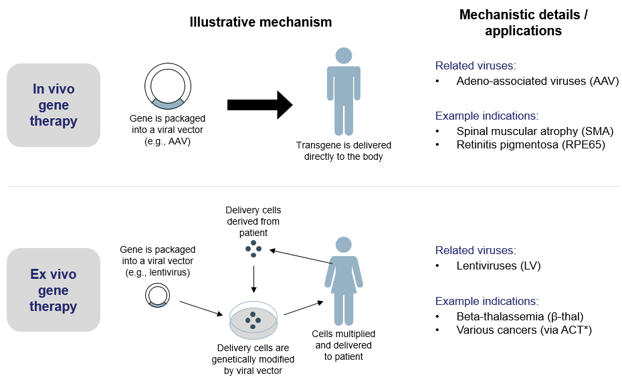
Genetic therapy, or gene therapy, involves the delivery and subsequent expression of a specific genetic sequence toward correcting a biological process impaired through the natural progression of certain diseases or disruption of normal physiology via disease-causing diagnosis in their human host [29]. In the simplest context, an ideal genetic therapy would involve a one-time administration of a specific molecule to revert a known "bad" polymorphism within or associated with the causative gene, namely for a monogenic instance. However, over the years, due to specific advances in genetics and genomics, differential diagnoses have catalyzed a new realm of therapeutic possibilities like chronic diseases such as cardiovascular disease, cystic fibrosis, neurological diseases, and cancer, each typically seen in patients harboring mutations in multiple genetic loci [30]. Furthermore, genetic therapy can be classified into various categories according to its mechanism of action and sought therapeutic outcome, including strategies such as gene replacement, gene editing, and gene silencing, as well as specifics in the pipelines such as therapies, systems, and, essentially, altering polypeptide sequences directly. At its core, gene therapy is indeed not a novel concept; bone marrow transplants have been conducted for decades to transplant "healthy" or "correct" cells into an ailing host [31]. However, since the conceptualization of a DNA molecule, the field of gene therapy has been making revolutionary strides, especially in recent years with the preeminence of the series. Additionally, genetic therapy could cause far-reaching beneficial consequences that can reduce the global burden of communicable and rare diseases with one-time curative interventions, reducing the strain on healthcare resources in developing countries and improving the overall healthcare system [32].
2.2. Challenges in Access and Resource Allocation
Greater problems in healthcare systems stem from massive global discrepancies between countries, states, cities, communities, and individual socioeconomic positions, collectively limiting access to new effective genetic therapies [33]. Hence, capitalistic commercial interests drive genetic therapeutics by targeting relatively small, wealthy urban populations in some of the wealthiest countries, further deepening wealth disparities by favoring certain ethnicities and easier-to-reach patients within a country. While rapid development has occurred, access and real-time efficient, ethical resource allocation challenges have barely begun to be addressed [34]. Practical engineering challenges include ineffective access and road infrastructure to deliver sensitive medications, patient education, delays in patient diagnosis, and patient refusal of treatment. Addressing the access challenge is necessary because it is ethically untenable to rely exclusively on a small number of people to decide which individuals with diseases are more deserving of scarce genetic treatments. Moreover, the faster the ethical distribution problem is addressed, the wider and more equitable the disease populations with limited economic resources can be reached [35].
Disparities in genetic medicine and therapeutics due to various social, economic, political, and scientific factors pose ethical challenges surrounding fair access to treatment. Access to many genetic therapies for rare genetic diseases is disproportionately distributed based on geographical scope and concentrates in high-income areas with developed healthcare infrastructure [36]. Waste particularly accompanies inflexibility in resource allocation in medical and healthcare systems. A single person dying of a rare disease is a tragedy, yet diseases or comorbidities with which millions of individuals struggle also pose challenges. Effective therapy that can reach the plasma, let alone the target cell, may not be possible for some genetic diseases. This paper acknowledges these fundamental problems and challenges and proposes potential solutions [37].
3. Artificial Intelligence and Machine Learning in Healthcare
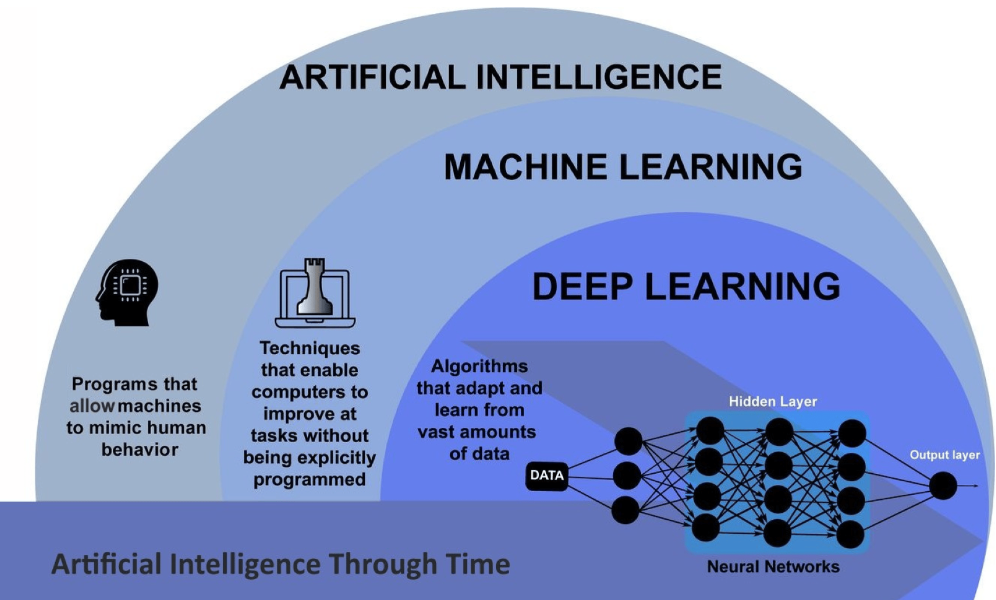
Thanks to its ability to perform non-linear abstraction of high-dimensional, noisy, and heterogeneous data and distinguish between critical indicators and their causes, risk factors, and moderating variables, machine learning (ML) is adding a new level of intelligence and objective decision-making capability to predictive medicine, individualizing treatment plans, and improving treatment outcomes [38]. In addition, ML can process vast amounts of data in epidemiological studies and clinical trials in the context of translational medicine, ranging from clinical science to real-world clinical settings. Workflows, the prioritization of resource scheduling research, and the personalization of hot-topic reports and recommendation systems may all benefit from ML technology. However, there is frustration and caution given the challenges and biases found in the application workflow of black-box systems and the use of data in a universal system, which drives the adoption and success rate of AI and ML technology in healthcare [39]. According to perceptions of utility and trust, ethical, legal, and social norms, this heightens an important contradiction.
In medical and health sciences, ML and AI technology have the potential to be revolutionary. They can power intelligent diagnostic systems that deliver robustness and automation considerations. They may enable individualized treatment plans, therapeutic agents, and robotic systems to be optimized. ML and AI can make the task of optimizing outputs significantly more effective and dramatically reduce computational time with compelling performance. They are making use of data-driven, evidence-based decision-making. AI can be used to develop and monitor rehabilitation protocols and benchmarks. It is possible to develop AI algorithms with the potential to imitate the human intelligence decision-making behind these strategies. This dynamic technology advances a new paradigm, developing and researching advanced treatment strategies for intractable or poorly regarded human conditions that are more in demand than accessible resources to improve healthcare and public health outcomes [40]. However, comparisons of technical capabilities do not reveal the need to customize AI with transparent rules that also follow overarching ethical standards to maintain digital and other trust in health and medicine.
3.1. Applications in Healthcare
Artificial Intelligence (AI) and Machine Learning (ML) have a broad set of potential applications in healthcare. Some of the key domains currently experiencing the use of AI and/or ML include clinical-adjacent research, diagnostics, clinical practice, clinical research, and datasets. Predictive analytical tools and AI-driven early warning systems are in use to forecast communicable and non-communicable outbreaks worldwide. Furthermore, this AI/ML-aided predictive modeling has been expanded beyond generic forecasting to evaluate the transmission risk of specific species and associations to potentially provide early warning systems to isolate and prevent emerging infectious diseases. ML algorithms are being integrated into clinical processes to optimize patient-specific treatment regimens and improve health outcomes. These decision support systems for evidence-based medicine are also being used for public policy regarding healthcare resource allocation [41].
A recent case report has been shown detailing the utilization of ML algorithms in East Africa to analyze antimalarial pharmacokinetics and treatment outcomes of pregnant mothers and their infants. Predictive treatment outcomes from mother-infant dyads can aid in clinical practice to reassure clinicians that a patient under their care is being prescribed medications that will effectively target the identified pathogen strain. Although AI has the potential to greatly impact the practice of medicine, translate data to knowledge, reduce duplicative and cold-start research, and optimize clinical resources, the implementation of the technology in clinical or translational settings is not without challenges [42]. Given the distributed nature of EMR data, the vast amounts of data available, and the barriers to full data integration and interoperability among proprietary systems and individual EMRs, a predictive model of the future of AI and ML in clinical care requires collaboration and strong analytical methods embedded in best practices. AI/ML’s potential to revolutionize genetic therapy access is still under assessment at this junction. In massively affected and impoverished regions of the globe, current clinical health practices are effective at addressing the majority of communicable disease burden and underscore the significant challenges in predicting the future global contribution of genetic therapy to patient healthcare. The viewpoint that the utilization of gene therapeutic innovations, especially in the acute humanitarian relief and sequence recognizer domains of aerosolized reagents, to meet the public health burden of genetic repair/emendation models is still in its infancy in the realm of theoretical modeling [43]. Preclinical and cost-benefit analyses of potential novel pathogen therapies in tandem with ergonomic knowledge of existing therapeutic techniques are feasible only after substantial investment in research and development, well beyond the effort of the present research in AI/ML.
3.2. Benefits and Limitations
The benefits that can come from integrating AI algorithms and ML systems into hospital operations, patient diagnostics, and treatment are numerous. AI systems are expected to outperform humans when it comes to diagnosing medical images, lab results, and pathology screening. ML models can also aid or automate repetitive processes, such as reducing the length of MRI or CT scans to 35 minutes by cutting image acquisition time by ten times and reducing the stages of image reconstruction from 150 to 1 [44]. ML and AI will also allow for the provision of better, more sustainable care options for patients, tailored to the patient’s specific requirements. Not only will the initiative save costs for the hospital and enhance patient satisfaction, but the plan will also reduce the risk of antibiotic-resistant infections. Ethical and data privacy concerns must be taken into account when introducing AI and ML. In general, findings from algorithmic outcomes are not often reliable. It is also possible for flaws to propagate. Situations may prevent benefiting from the model. AI must not use private information. If not sufficiently or properly designed, AI models might cause more challenges. AI models may also work on biased assumptions and in ways that do not account for the diversity of the population if the training data are not varied and rich enough [45].
Equation 2: AI-Optimized Resource Allocation for Genetic Therapy
Where:
- = Optimized resource allocation
- = Utility function of resources
- = Available medical resources
- = Demand for genetic therapy
4. Generative Neural Models
Generative neural models are advanced learning architectures under the umbrella of AI and machine learning that can create new data, such as images, speech, text, music, etc., by learning from a dataset of real-world examples. By capturing statistical patterns within the dataset, generative models can produce samples that appear to be drawn from the same distribution [46]. Generative neural models can be trained in a supervised, semi-supervised, or unsupervised way and can produce new content from either labeled or unlabeled datasets. There are several classes of generative neural models, such as generative adversarial networks, variational autoencoders, autoregressive models, and flow-based models, among others. Recently, generative models have made groundbreaking progress in generating natural-sounding speech and text, music, protein and biological sequence data, and molecular designs [47].
In the healthcare sector, generative models are considered to have immense potential, especially in fields related to personalized medicine, adaptive patient care, predictive analytics, etc. In particular, generative adversarial networks and variational autoencoders can be employed to generate synthetic patient data, such as electronic health records and histopathology images, to train machine-learning models without being impacted by snooping attacks. Generative adversarial networks and variational autoencoders are applied to generate hiPSC cell images from scalable genomics based on variation of genotypes, enabling the use of patients' genomics. By simulating genetic variations, researchers can comprehend the effect of alterations. Although generative AI can assist in transforming various fields in terms of resource management, it may not always be safe to use since it may partially open doors for cybercrime by facilitating the simulation of realistic, fake media [48]. Thus, we must be vigilant concerning the design and execution of generative AI to avoid potential drawbacks, taking into account the ethical and clinical aspects. Nevertheless, the emergence of such techniques encourages us to question their potential involvement in contemporary healthcare and, more broadly, how they may be featured in designing and delivering novel therapies, particularly the use of AI, machine learning, and, more specifically, generative models in improving accessibility to genetic therapy.
4.1. Understanding Generative Neural Models
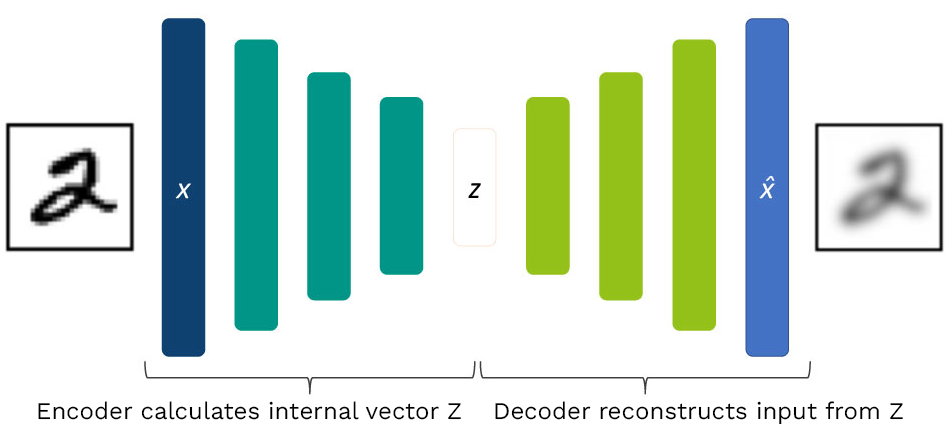
Generative Neural Models are an example of generative models that can replicate data in natural language processing or the speech recognition domain. The architecture of these models enables them to learn the data distributions from a given input and are capable of generating entirely new data points [49]. There are many different subtypes of generative models, which include Generative Adversarial Networks, Variational Autoencoders, Generative Autoencoders, Pixel-CNN or Pixel RNN, and autoregressive flows, among others. GAN is a two neural network that is trained simultaneously, where one of the networks called the Generator generates synthetic data while the other network called the Discriminator discriminates between samples from the original data and the synthetic data. The VAEs, in contrast, learn to encode and decode the data; they do so by assuming that data was generated via a latent distribution. As such, the VAE contains two parts: the Encoding Network, which learns to map the data into its latent distribution, and the Decoder, which maps the data back to the original samples of the given data distribution. One of the most significant components of training a generative model, like a VAE, is suitable training data containing enough diversity and complexity to simulate observations not available in the data set [50].
In recent years, especially in the imaging analysis communities, researchers have used GANs and VAEs to generate synthetic data as no publicly available data sets are available for research purposes. Synthetic images are known to be ideal in training deep network algorithms, especially if the images are ideally unguided so that the researcher has no control over the particular shapes or features present in the image. Importantly, clinical image datasets are known to contain a vast amount of variability and complexity [51]. The training of such deep machine learning algorithms can be challenging as the performance can be greatly affected by the amount of training available data and how diverse that data is. Generative models are now used to generate synthetic data to increase data availability and help account for the extensive variability and complexity of image and biological data present in medical imaging and the “-omics” systems. Advances in the ability of generative models to replicate data in the biological data space have enabled the inference of disease mechanisms and the identification of therapeutically targetable pathways [52]. Additionally, the use of generative models can generate multiple interpretations for model outputs. This feature helps clinicians and healthcare providers to justify, interpret, and provide patient-specific decision support abilities of their models. The diversity and quality of identified trade-offs are central to the clinical utility of the surrogate model [53].
With the advances in computational power, we can employ increasingly complex architectures and utilize algorithmic advances like self-attention layers. The “black box” model architectures reveal complex relations and biological structures that were previously elusive. This has come at a price [54]. Today, ML models based on generative models deliver state-of-the-art performance in most areas. When applying generative models on a large scale to healthcare-related issues, the increased structural complexity further complicates the understanding of such models; in the eyes of healthcare professionals, these models may not be regarded as interpretable.
4.2. Applications in Healthcare
Generative neural models produce synthetic data as output, an ability that complements their discriminative counterpart's ability to learn complex representations and make decisions on real data. In the absence of a guarantee of access to sufficient diverse, clean data in an image world of cancer, rare diseases, or rare pathogens, generative neural models have enormous potential for healthcare. Imaging studies are often conducted at a limited number of sites, with those images further concentrated in a few large cancer centers – quite possible opportunities to use generative models to create the data necessary to complement the very limited real data [55].
Deep learning can oversee raw values from images, reconstructing them into visually reasonable images, which presents considerable potential for constructing low-resolution images, data augmentation, hybrid/synthetic datasets using healthy subjects' data, and imputing missing data. Generative models offer more than a new imaging modality. They provide opportunities for real-time resource allocation, for example, in triaging which imaging studies radiologists attend to first. Where images can find anomalies, sophisticated generative neural models can leverage anomaly scores to concentrate the radiologist's attention [56]. This may keep reading radiologists from being overwhelmed in large-volume, high-precision diagnostic imaging centers and help catch unexpected findings that need immediate evaluation and investigation in low-volume practice settings. These are only some examples of how generative models would affect the exercise of medicine and public health – whether variability in individual response to therapy powered by data created from long time series data, or whether creating imaging findings for responder/non-responder subpopulations to a newly developed pharmaceutical representing relatively novel chemistries. Ethical considerations abound from the implications for privacy in creating highly realistic synthetic raw data to the implications of false model failure learning and generation occurring in both real images and radiologist-provided annotations [57].
5. Integration of AI, ML, and Generative Neural Models in Genetic Therapy
Artificial intelligence (AI) and machine learning (ML) are behind the curve, and employing generative models is the way to go these days. Until not very long ago, many AI researchers were fascinated by the capability of how a machine can learn what to determine using ML from examining a large dataset [58]. These exciting new frameworks seek to fill in the gaps by catching the data's basic principles directly, which can result in significantly more powerful ML algorithms, as displayed by various case studies in the health sector and in image processing [59]. Despite the growing demand for customized innovative medications, little to no study has been done on pharmacotherapeutics with synthetic virus vectors. Even when viruses are used, the findings are general and insufficient to inform cure methods. We posit that by integrating and advancing the capabilities of AI, ML, and generative models, some of these gaps and only partially represented resources may be bridged, propelling therapeutic genetic futures. AI, ML, and generative models may also provide a broad operational advantage to these types of intervention [60]. Gene therapy and, to a greater extent, oncology, are radically changing in terms of diagnostics, related technology, and resulting treatment plans, moving from simplified, one-size-fits-all solutions to increasingly complicated multimodal treatments that necessitate greater supervision and monitoring of clients over time. There may be opportunities to gain working insights, such as patient stratification and the allocation of real-time resources into dedicated treatment paths that require better insight into certain detailed patient-related parameters, in those practical areas where our suggested generative models are used as input [61].
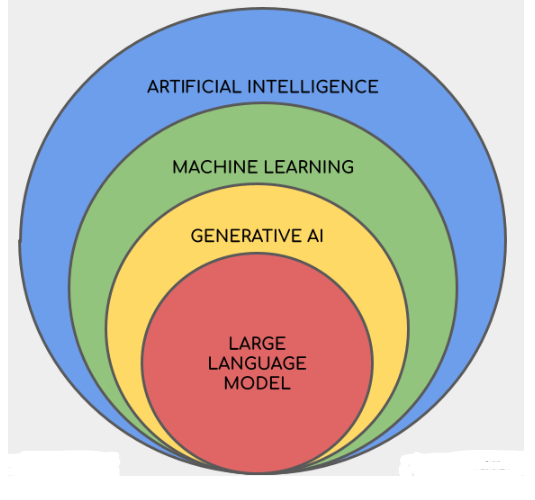
Within genetic therapy, there is a rising interest in the analysis of substantial and varied forms of human genetic variances that underpin drug reactions and material resistance. All introduced examples of convergence technologies currently have a mutual objective [62]. These models and their training need to be reasonably precise and reliable, capable of integrating and sharing data, and robust. The synthesis models are also very affordable in terms of operational accuracy compared to implementing their substitutes individually. Full success comes with many problems and tactical issues in converging standard design for each convergence example. To advance into practice, this requires significant cross-disciplinary team cooperation. However, the emerging results in converging AI, ML, and those models might be of substantial interest to various stakeholders involved in the development, preparation, and supply of gene therapies [63]. For example, concerning genetic therapies, we are interested in clinical and infrastructural organizations, as well as community members. The successful convergence of those technologies could facilitate genetic intervention availability for all. Our mini-reviews provide an overview of transformation in the making and exemplify shown convergence technologies in practical gene therapies for specialized patients. Our case studies provide us with background information and brief procedure summaries about the available customary genetic intervention for the given analysis, the constraints it presents, priorities for the personalized version, primary characteristics for any patient-specific system intended as a result, simple insight of implemented artificial intelligence (AI) methods, and at least potential first results originating in validated applications or some other evidence. Several AI, ML, and Generative Neural Models are integrated within these case studies: preprocessing data, methods, segmentation, etc., and patient stratification for personalized systems. Our community mini-reviews provide the state of the art on where we are today, offering practical guidance on these healthcare convergence technologies. Their use remains to be explored in the broader perspective applicable to this special issue [64].
5.1. Current Trends and Technologies
There are several off-the-shelf software, AI tools, and generative models for use by technologists, designers, and engineering research teams to artfully design genetic programs. Additionally, there are collaborations with well-known institutions and research centers to transform digital bioinformatics, pharmacology, machine learning, and AI innovations into surgical-grade, personalized genetic therapies. Companies also aim to reduce costs, waiting times, and manual labor needed for in-person interactions in accessible settings to improve patient outcomes. To serve a large and geographically distributed patient cohort, telemedicine and digital health tools are already in use, both of which show robust clinical results, financial savings, and customer satisfaction [65].
We are overhauling the means to provide genetic therapy by implementing an automated machine learning and data analytics solution. This software gathers multiple reports of patient care that are combined and reconciled in real-time using advanced business rule management system processing. The system then uses advanced AI and machine learning algorithms to analyze this data against our proprietary internal data, including outcomes analysis, donor/patient outcomes, quality scores, and much more to provide real-time decision-making actionable insights to our source hospital partners. This type of real-time resource allocation using technology and genetic data points would not exist without genetic interventions and is a feature of future advances in healthcare that we can look forward to. Such system architectures can be replicated to provide optimization algorithm tools for the world of cell therapies, accelerating logistics and scheduling. Continuing research is required to keep pace with this technological evolution and match regulatory considerations [66].
5.2. Case Studies and Success Stories
Several projects that use AI, ML, and other generative neural models are listed. These case studies and success stories demonstrate that: (a) AI, ML, neural networks, etc. can indeed be used effectively to significantly narrow the access gaps so that the people who are currently excluded get at least some access, and (b) patients who get access under the new strategies can, indeed, show meaningful clinical outcomes. These case studies present focused solutions to improve access through precision medicine across a gamut of settings: in low-, medium-, and high-resource settings; and settings at highly specialized centers of excellence as well as primary care settings. The case studies span across acute situations and chronic ones. These case studies cover low-, medium-, and high-throughput therapies, such as cellular therapies, gene therapies, and gene-modified cells. Finally, the case studies imply a range of different settings and administration modalities.
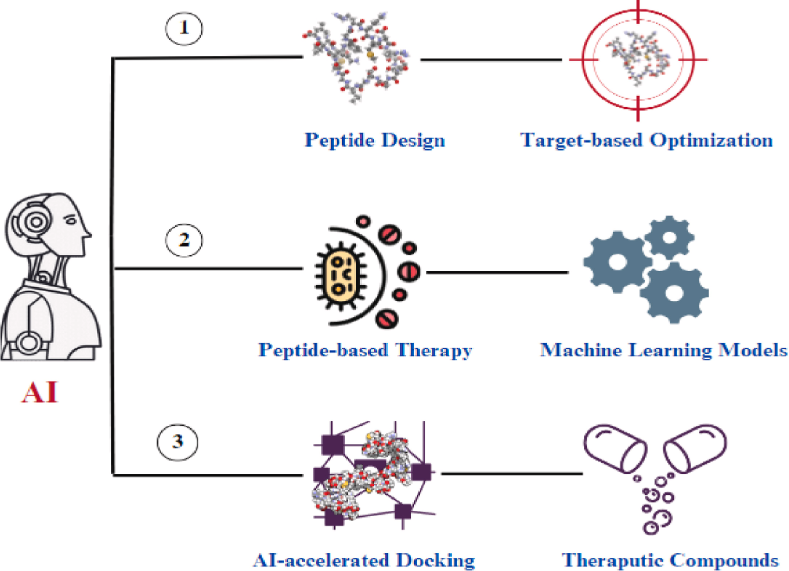
The projects include: a distributed federated learning project targeting the acceleration of peptide therapy designs; a pilot project to make gene therapies physically more accessible by automating the creation of viral vectors used for gene therapy manufacturing; partnerships to demystify the interpretation of genetic findings as well as design new ways to engage and leverage foundational genetic knowledge for translational applications; using AI and ML as supportive network-based platforms for genetic counseling and screening tests; a partnership to explore different dynamics of sharing data towards an initial goal of bridging the resource gap in often underserved Indian subpopulations; and applying common-sense machine learning to predicting patients who will be the best candidates for hybrid gene therapy. The leadership from each of these projects has disseminated their experience into a series of resource papers for stakeholders [67].
6. Real-Time Resource Allocation Strategies
More sophisticated healthcare facilities have strategic resource allocation plans with adaptive capacity in response to emergent patient needs or in light of knowledge created during care. Modern adaptive strategies include data analytics along with predictive modeling and tools that can offer decision support incorporating feedback during the resource allocation procedure. These tools help optimize resource utilization. Real-world applications, however, are hindered by several complexities as healthcare is a rapidly evolving space and patient demand rapidly fluctuates, which may lead to insufficient or overflow of healthcare resources. Moreover, patient demand may outstrip capacity, thus creating barriers to access. Other demands are elastic in that the only constraint is the time the patient is willing or able to wait to be seen. In addition, the supply may also be dynamic [68].
Optimal resource allocation of healthcare resources, therefore, minimizes barriers related to all the supply and demand complexities for a given disease or patient population, leading to improved patient outcomes with fixed or reduced costs. Other challenges could be the scarcity of trained genetic care providers, high costs, and lack of reliable reputation in the community. Moreover, individual physicians are not generally trained or culturally comfortable to act as stewards of these essential resources as care is delivered by a multidisciplinary team. These technologies help build collaborative strategies among clinicians, care teams, and institutions. Supply chain management systems allow for the just-in-time allocation of quality enhancement resources from a hub center to one where a need is identified. Methods such as machine learning and snake diagrams can be used to model and predict patient needs and eventually provide real-time resource allocation.
Equation 3: Real-Time Monitoring of Treatment Efficacy
Where:
- = Treatment efficacy at time
- = Real-time resource utilization
- = Patient response factor
- = Total time intervals analyzed
6.1. Need for Real-Time Allocation
The lack of intelligent real-time resource allocation is a hindrance, particularly in addressing access to genetic therapies. Traditional resource allocation methods are discretized into fixed periods. The problem with fixed interval assignment is that it results in a surge in the number of requests pending by the end of each time interval. This will result in continuous suboptimal service of the requests, such as long wait times. One alternative to real-time allocation would be closed-loop control, where there is continuous feedback about the system status. With the rapid advancements in health care, the pressure to bring the most new technologies to very broad patient populations argues for the development of substantially more agile and responsive healthcare systems. Today, it is possible to generate large amounts of data; thus, healthcare data silos and lack of technologies for their sustained management have become a major barrier to creating more agile and real-time healthcare optimization systems. Lack of data interoperability has been a bottleneck for fast adaptation of real-time personalized therapeutics. If these challenges are addressed, it would be possible to serve the patient population more effectively as well as improve real-time capacities for crisis response for pandemics or disasters, where the need for a resource is state-dependent.
The urgency of bridging current technological gaps is illustrated with case studies. In the event of a natural disaster, a robust and resilient healthcare delivery system would respond in real-time to the needs of the affected population. For example, during a natural disaster, logistical personnel used a variety of sourcing and optimization methods to provide continuous access to the community but forward deployed some services to areas of need and did not reopen or push some surgeries when critical care capacity was limited. Heart attack sufferers illustrate that time is muscle. Today, real-time treatment assignment has already become a standard of care in oncology. In cancer care, the combination of human judgment and computer algorithms is leveraged based on the urgency of the new treatment. Given the inability to fit all patients into available clinical trials at institutions, clinical trial treatment is only briefly delayed as long as it takes to manufacture a new treatment; otherwise, treatment continues in standard care.
6.2. Technological Solutions
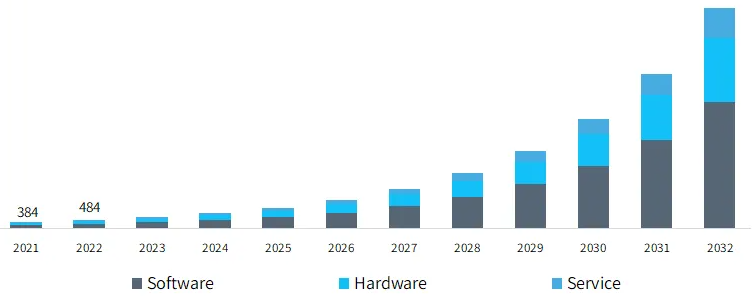
Practical resource allocation requires easily implemented and widely available computational solutions. Indeed, operational capacities to consolidate patient needs and resource availability will require, at a minimum, advances in technology. Many potential technological solutions, such as advanced data analytics, artificial intelligence, and machine learning, are likely capable of making moment-to-moment distribution a reality. Predictive analytics, for example, will be able to tell healthcare facilities what resources and services are likely to be needed shortly. These technologies allow for connections between new data fed into these systems and then acted upon swiftly. However, for these connections to be developed, real-time data is needed to be consistently and easily shared between multiple systems at once. Currently, most of the most advanced systems can only be used within one facility because of the culture of breeding competitive advantage.
The fundamental concept of a solution to distributing resources and services obtained in real-time requires a platform to connect and monitor all data and services, which can directly connect the healthcare facility and the patient. In recent years, such platforms have been used in healthcare. Many new platforms consist of significant teams to link the data from different electronic record methods. These platforms promote exploration and investment into these types of tools, providing computational infrastructure solutions that connect resources from various stores. Such platforms create a system where everyone knows 'the limits' of what can be exchanged at any given time. A user-friendly interface is also required so healthcare professionals may be familiar with all of the connected systems and perform compassionate resource allocation duties using actionable insights from these systems [69].
References
- Laxminarayana Korada. (2023). Role of 5G & Edge Computing in Industry 4.0 Story. International Journal of Communication Networks and Information Security (IJCNIS), 15(3), 366–377. Retrieved from https://www.ijcnis.org/index.php/ijcnis/article/view/7751
- Eswar Prasad G, Hemanth Kumar G, Venkata Nagesh B, Manikanth S, Kiran P, et al. (2023) Enhancing Performance of Financial Fraud Detection Through Machine Learning Model. J Contemp Edu Theo Artific Intel: JCETAI-101.
- Siddharth K, Gagan Kumar P, Chandrababu K, Janardhana Rao S, Sanjay Ramdas B, et al. (2023) A Comparative Analysis of Network Intrusion Detection Using Different Machine Learning Techniques. J Contemp Edu Theo Artific Intel: JCETAI-102.
- Vankayalapati, R. K., Sondinti, L. R., Kalisetty, S., & Valiki, S. (2023). Unifying Edge and Cloud Computing: A Framework for Distributed AI and Real-Time Processing. In Journal for ReAttach Therapy and Developmental Diversities. Green Publication. https://doi.org/10.53555/jrtdd.v6i9s(2).3348[CrossRef]
- Reddy, R. (2023). Predictive Health Insights: Ai And Ml's Frontier In Disease Prevention And Patient Management. Available at SSRN 5038240.
- Nampalli, R. C. R. (2023). Moderlizing AI Applications In Ticketing And Reservation Systems: Revolutionizing Passenger Transport Services. In Journal for ReAttach Therapy and Developmental Diversities. Green Publication. https://doi.org/10.53555/jrtdd.v6i10s(2).3280[CrossRef]
- Syed, S. (2023). Shaping The Future Of Large-Scale Vehicle Manufacturing: Planet 2050 Initiatives And The Role Of Predictive Analytics. Nanotechnology Perceptions, 19(3), 103-116.
- Korada, L. (2022). Using Digital Twins of a Smart City for Disaster Management. Journal of Computational Analysis and Applications, 30(1).
- Janardhana Rao Sunkara, Sanjay Ramdas Bauskar, Chandrakanth Rao Madhavaram, Eswar Prasad Galla, Hemanth Kumar Gollangi, et al. (2023) An Evaluation of Medical Image Analysis Using Image Segmentation and Deep Learning Techniques. Journal of Artificial Intelligence & Cloud Computing. SRC/JAICC-407.DOI: doi.org/10.47363/JAICC/2023(2)388[CrossRef]
- Kalisetty, S., Pandugula, C., & Mallesham, G. (2023). Leveraging Artificial Intelligence to Enhance Supply Chain Resilience: A Study of Predictive Analytics and Risk Mitigation Strategies. Journal of Artificial Intelligence and Big Data, 3(1), 29–45. Retrieved from https://www.scipublications.com/journal/index.php/jaibd/article/view/1202[CrossRef]
- Danda, R. R. Digital Transformation In Agriculture: The Role Of Precision Farming Technologies.
- Syed, S. Big Data Analytics In Heavy Vehicle Manufacturing: Advancing Planet 2050 Goals For A Sustainable Automotive Industry.
- Gagan Kumar Patra, Chandrababu Kuraku, Siddharth Konkimalla, Venkata Nagesh Boddapati, Manikanth Sarisa, et al. (2023) Sentiment Analysis of Customer Product Review Based on Machine Learning Techniques in E-Commerce. Journal of Artificial Intelligence & Cloud Computing. SRC/JAICC-408.DOI: doi.org/10.47363/JAICC/2023(2)38
- Sondinti, L. R. K., Kalisetty, S., Polineni, T. N. S., & abhireddy, N. (2023). Towards Quantum-Enhanced Cloud Platforms: Bridging Classical and Quantum Computing for Future Workloads. In Journal for ReAttach Therapy and Developmental Diversities. Green Publication. https://doi.org/10.53555/jrtdd.v6i10s(2).3347[CrossRef]
- Ramanakar Reddy Danda, Z. Y. (2023). Impact of AI-Powered Health Insurance Discounts and Wellness Programs on Member Engagement and Retention. Letters in High Energy Physics.
- Syed, S. (2023). Zero Carbon Manufacturing in the Automotive Industry: Integrating Predictive Analytics to Achieve Sustainable Production. Journal of Artificial Intelligence and Big Data, 3, 17-28.[CrossRef]
- Nagesh Boddapati, V. (2023). AI-Powered Insights: Leveraging Machine Learning And Big Data For Advanced Genomic Research In Healthcare. In Educational Administration: Theory and Practice (pp. 2849–2857). Green Publication. https://doi.org/10.53555/kuey.v29i4.7531[CrossRef]
- Polineni, T. N. S., abhireddy, N., & Yasmeen, Z. (2023). AI-Powered Predictive Systems for Managing Epidemic Spread in High-Density Populations. In Journal for ReAttach Therapy and Developmental Diversities. Green Publication. https://doi.org/10.53555/jrtdd.v6i10s(2).3374[CrossRef]
- Danda, R. R. (2023). AI-Driven Incentives in Insurance Plans: Transforming Member Health Behavior through Personalized Preventive Care. Letters in High Energy Physics.
- Nampalli, R. C. R. (2022). Neural Networks for Enhancing Rail Safety and Security: Real-Time Monitoring and Incident Prediction. In Journal of Artificial Intelligence and Big Data (Vol. 2, Issue 1, pp. 49–63). Science Publications (SCIPUB). https://doi.org/10.31586/jaibd.2022.1155[CrossRef]
- Syed, S. (2023). Advanced Manufacturing Analytics: Optimizing Engine Performance through Real-Time Data and Predictive Maintenance. Letters in High Energy Physics, 2023, 184-195.
- Patra, G. K., Kuraku, C., Konkimalla, S., Boddapati, V. N., & Sarisa, M. (2023). Voice classification in AI: Harnessing machine learning for enhanced speech recognition. Global Research and Development Journals, 8(12), 19–26. https://doi.org/10.70179/grdjev09i110003[CrossRef]
- Danda, R. R. (2023). Neural Network-Based Models For Predicting Healthcare Needs In International Travel Coverage Plans.
- Subhash Polineni, T. N., Pandugula, C., & Azith Teja Ganti, V. K. (2022). AI-Driven Automation in Monitoring Post-Operative Complications Across Health Systems. Global Journal of Medical Case Reports, 2(1), 1225. Retrieved from https://www.scipublications.com/journal/index.php/gjmcr/article/view/1225[CrossRef]
- Nampalli, R. C. R. (2022). Machine Learning Applications in Fleet Electrification: Optimizing Vehicle Maintenance and Energy Consumption. In Educational Administration: Theory and Practice. Green Publication. https://doi.org/10.53555/kuey.v28i4.8258[CrossRef]
- Syed, S. (2022). Towards Autonomous Analytics: The Evolution of Self-Service BI Platforms with Machine Learning Integration. In Journal of Artificial Intelligence and Big Data (Vol. 2, Issue 1, pp. 84–96). Science Publications (SCIPUB).https://doi.org/10.31586/jaibd.2022.1157[CrossRef]
- Sunkara, J. R., Bauskar, S. R., Madhavaram, C. R., Galla, E. P., & Gollangi, H. K. (2023). Optimizing Cloud Computing Performance with Advanced DBMS Techniques: A Comparative Study. In Journal for ReAttach Therapy and Developmental Diversities. Green Publication. https://doi.org/10.53555/jrtdd.v6i10s(2).3206[CrossRef]
- Mandala, G., Danda, R. R., Nishanth, A., Yasmeen, Z., & Maguluri, K. K. AI AND ML IN HEALTHCARE: REDEFINING DIAGNOSTICS, TREATMENT, AND PERSONALIZED MEDICINE.
- Kothapalli Sondinti, L. R., & Yasmeen, Z. (2022). Analyzing Behavioral Trends in Credit Card Fraud Patterns: Leveraging Federated Learning and Privacy-Preserving Artificial Intelligence Frameworks. Universal Journal of Business and Management, 2(1), 1224. Retrieved from https://www.scipublications.com/journal/index.php/ujbm/article/view/1224[CrossRef]
- Rama Chandra Rao Nampalli. (2022). Deep Learning-Based Predictive Models For Rail Signaling And Control Systems: Improving Operational Efficiency And Safety. Migration Letters, 19(6), 1065–1077. Retrieved from https://migrationletters.com/index.php/ml/article/view/11335
- Syed, S. (2022). Integrating Predictive Analytics Into Manufacturing Finance: A Case Study On Cost Control And Zero-Carbon Goals In Automotive Production. Migration Letters, 19(6), 1078-1090.
- Rajaram, S. K., Konkimalla, S., Sarisa, M., Gollangi, H. K., Madhavaram, C. R., Reddy, M. S., (2023). AI/ML-Powered Phishing Detection: Building an Impenetrable Email Security System. ISAR Journal of Science and Technology, 1(2), 10-19.
- Danda, R. R., Maguluri, K. K., Yasmeen, Z., Mandala, G., & Dileep, V. (2023). Intelligent Healthcare Systems: Harnessing Ai and Ml To Revolutionize Patient Care And Clinical Decision-Making.
- Kothapalli Sondinti, L. R., & Syed, S. (2021). The Impact of Instant Credit Card Issuance and Personalized Financial Solutions on Enhancing Customer Experience in the Digital Banking Era. Universal Journal of Finance and Economics, 1(1), 1223. Retrieved from https://www.scipublications.com/journal/index.php/ujfe/article/view/1223[CrossRef]
- Nampalli, R. C. R. (2021). Leveraging AI in Urban Traffic Management: Addressing Congestion and Traffic Flow with Intelligent Systems. In Journal of Artificial Intelligence and Big Data (Vol. 1, Issue 1, pp. 86–99). Science Publications (SCIPUB). https://doi.org/10.31586/jaibd.2021.1151[CrossRef]
- Syed, S. (2021). Financial Implications of Predictive Analytics in Vehicle Manufacturing: Insights for Budget Optimization and Resource Allocation. Journal of Artificial Intelligence and Big Data, 1(1), 111–125. Retrieved from https://www.scipublications.com/journal/index.php/jaibd/article/view/1154[CrossRef]
- Patra, G. K., Rajaram, S. K., Boddapati, V. N., Kuraku, C., & Gollangi, H. K. (2022). Advancing Digital Payment Systems: Combining AI, Big Data, and Biometric Authentication for Enhanced Security. International Journal of Engineering and Computer Science, 11(08), 25618–25631. https://doi.org/10.18535/ijecs/v11i08.4698[CrossRef]
- Danda, R. R. Decision-Making in Medicare Prescription Drug Plans: A Generative AI Approach to Consumer Behavior Analysis.
- Vankayalapati, R. K., Edward, A., & Yasmeen, Z. (2022). Composable Infrastructure: Towards Dynamic Resource Allocation in Multi-Cloud Environments. Universal Journal of Computer Sciences and Communications, 1(1), 1222. Retrieved from https://www.scipublications.com/journal/index.php/ujcsc/article/view/1222[CrossRef]
- Syed, S., & Nampalli, R. C. R. (2021). Empowering Users: The Role Of AI In Enhancing Self-Service BI For Data-Driven Decision Making. In Educational Administration: Theory and Practice. Green Publication. https://doi.org/10.53555/kuey.v27i4.8105[CrossRef]
- Sarisa, M., Boddapati, V. N., Kumar Patra, G., Kuraku, C., & Konkimalla, S. (2022). Deep Learning Approaches To Image Classification: Exploring The Future Of Visual Data Analysis. In Educational Administration: Theory and Practice. Green Publication. https://doi.org/10.53555/kuey.v28i4.7863[CrossRef]
- Danda, R. R. (2022). Application of Neural Networks in Optimizing Health Outcomes in Medicare Advantage and Supplement Plans. Journal of Artificial Intelligence and Big Data, 2(1), 97–111. Retrieved from https://www.scipublications.com/journal/index.php/jaibd/article/view/1178[CrossRef]
- Syed, S., & Nampalli, R. C. R. (2020). Data Lineage Strategies – A Modernized View. In Educational Administration: Theory and Practice. Green Publication. https://doi.org/10.53555/kuey.v26i4.8104[CrossRef]
- Sondinti, L. R. K., & Yasmeen, Z. (2022). Analyzing Behavioral Trends in Credit Card Fraud Patterns: Leveraging Federated Learning and Privacy-Preserving Artificial Intelligence Frameworks.[CrossRef]
- Syed, S. (2019). Roadmap for Enterprise Information Management: Strategies and Approaches in 2019. International Journal of Engineering and Computer Science, 8(12), 24907–24917. https://doi.org/10.18535/ijecs/v8i12.4415[CrossRef]
- Bauskar, S. R., Madhavaram, C. R., Galla, E. P., Sunkara, J. R., & Gollangi, H. K. (2022). PREDICTING DISEASE OUTBREAKS USING AI AND BIG DATA: A NEW FRONTIER IN HEALTHCARE ANALYTICS. In European Chemical Bulletin. Green Publication. https://doi.org/10.53555/ecb.v11:i12.17745[CrossRef]
- Danda, R. R. (2022). Deep Learning Approaches For Cost-Benefit Analysis Of Vision And Dental Coverage In Comprehensive Health Plans. Migration Letters, 19(6), 1103-1118.
- Maguluri, K. K., Yasmeen, Z., & Nampalli, R. C. R. (2022). Big Data Solutions For Mapping Genetic Markers Associated With Lifestyle Diseases. Migration Letters, 19(6), 1188-1204.
- Eswar Prasad Galla.et.al. (2021). Big Data And AI Innovations In Biometric Authentication For Secure Digital Transactions Educational Administration: Theory and Practice, 27(4), 1228 –1236Doi: 10.53555/kuey.v27i4.7592[CrossRef]
- Ramanakar Reddy Danda. (2022). Telehealth In Medicare Plans: Leveraging AI For Improved Accessibility And Senior Care Quality. Migration Letters, 19(6), 1133–1143. Retrieved from https://migrationletters.com/index.php/ml/article/view/11446
- Vankayalapati, R. K., & Syed, S. (2020). Green Cloud Computing: Strategies for Building Sustainable Data Center Ecosystems. Online Journal of Engineering Sciences, 1(1), 1229. Retrieved from https://www.scipublications.com/journal/index.php/ojes/article/view/1229[CrossRef]
- Venkata Nagesh Boddapati, Eswar Prasad Galla, Janardhana Rao Sunkara, Sanjay Ramdas Bauskar, Gagan Kumar Patra, Chandrababu Kuraku, Chandrakanth Rao Madhavaram, 2021. "Harnessing the Power of Big Data: The Evolution of AI and Machine Learning in Modern Times", ESP Journal of Engineering & Technology Advancements, 1(2): 134-146.
- Danda, R. R. (2020). Predictive Modeling with AI and ML for Small Business Health Plans: Improving Employee Health Outcomes and Reducing Costs. In International Journal of Engineering and Computer Science (Vol. 9, Issue 12, pp. 25275–25288). Valley International. https://doi.org/10.18535/ijecs/v9i12.4572[CrossRef]
- Vankayalapati, R. K., & Rao Nampalli, R. C. (2019). Explainable Analytics in Multi-Cloud Environments: A Framework for Transparent Decision-Making. Journal of Artificial Intelligence and Big Data, 1(1), 1228. Retrieved from https://www.scipublications.com/journal/index.php/jaibd/article/view/1228[CrossRef]
- Mohit Surender Reddy, Manikanth Sarisa, Siddharth Konkimalla, Sanjay Ramdas Bauskar, Hemanth Kumar Gollangi, Eswar Prasad Galla, Shravan Kumar Rajaram, 2021. "Predicting tomorrow’s Ailments: How AI/ML Is Transforming Disease Forecasting", ESP Journal of Engineering & Technology Advancements, 1(2): 188-200.
- Ganti, V. K. A. T., & Pandugula, C. Tulasi Naga Subhash Polineni, Goli Mallesham (2023) Exploring the Intersection of Bioethics and AI-Driven Clinical Decision-Making: Navigating the Ethical Challenges of Deep Learning Applications in Personalized Medicine and Experimental Treatments. Journal of Material Sciences & Manufacturing Research. SRC/JMSMR-230. DOI: doi. org/10.47363/JMSMR/2023 (4), 192, 1-10.[CrossRef]
- Chandrakanth R. M., Eswar P. G., Mohit S. R., Manikanth S., Venkata N. B., & Siddharth K. (2021). Predicting Diabetes Mellitus in Healthcare: A Comparative Analysis of Machine Learning Algorithms on Big Dataset. In Global Journal of Research in Engineering & Computer Sciences (Vol. 1, Number 1, pp. 1–11). https://doi.org/10.5281/zenodo.14010835
- Sondinti, L. R. K., & Syed, S. (2022). The Impact of Instant Credit Card Issuance and Personalized Financial Solutions on Enhancing Customer Experience in the Digital Banking Era. Finance and Economics, 1(1), 1223.[CrossRef]
- Vaka, D. K. (2023). Achieving Digital Excellence In Supply Chain Through Advanced Technologies. Educational Administration: Theory and Practice, 29(4), 680-688.[CrossRef]
- Sarisa, M., Boddapati, V. N., Patra, G. K., Kuraku, C., Konkimalla, S., & Rajaram, S. K. (2020). An Effective Predicting E-Commerce Sales & Management System Based on Machine Learning Methods. Journal of Artificial Intelligence and Big Data, 1(1), 75–85. Retrieved from https://www.scipublications.com/journal/index.php/jaibd/article/view/1110[CrossRef]
- Vaka, D. K. Empowering Food and Beverage Businesses with S/4HANA: Addressing Challenges Effectively. J Artif Intell Mach Learn & Data Sci 2023, 1(2), 376-381.[CrossRef]
- Gollangi, H. K., Bauskar, S. R., Madhavaram, C. R., Galla, E. P., Sunkara, J. R., & Reddy, M. S. (2020). Exploring AI Algorithms for Cancer Classification and Prediction Using Electronic Health Records. Journal of Artificial Intelligence and Big Data, 1(1), 65–74. Retrieved from https://www.scipublications.com/journal/index.php/jaibd/article/view/1109[CrossRef]
- Vaka, D. K. “Artificial intelligence enabled Demand Sensing: Enhancing Supply Chain Responsiveness.
- Manikanth Sarisa, Venkata Nagesh Boddapati, Gagan Kumar Patra, Chandrababu Kuraku, Siddharth Konkimalla, Shravan Kumar Rajaram.Navigating the Complexities of Cyber Threats, Sentiment, and Health with AI/ML. (2020). JOURNAL OF RECENT TRENDS IN COMPUTER SCIENCE AND ENGINEERING (JRTCSE), 8(2), 22-40. https://doi.org/10.70589/JRTCSE.2020.2.3[CrossRef]
- Vaka, D. K. (2020). Navigating Uncertainty: The Power of ‘Just in Time SAP for Supply Chain Dynamics. Journal of Technological Innovations, 1(2).
- Gollangi, H. K., Bauskar, S. R., Madhavaram, C. R., Galla, E. P., Sunkara, J. R., & Reddy, M. S. (2020).Unveiling the Hidden Patterns: AI-Driven Innovations in Image Processing and Acoustic Signal Detection. (2020). JOURNAL OF RECENT TRENDS IN COMPUTER SCIENCE AND ENGINEERING ( JRTCSE), 8(1), 25-45. https://doi.org/10.70589/JRTCSE.2020.1.3.[CrossRef]
- Dilip Kumar Vaka. (2019). Cloud-Driven Excellence: A Comprehensive Evaluation of SAP S/4HANA ERP. Journal of Scientific and Engineering Research. https://doi.org/10.5281/ZENODO.11219959
- Hemanth Kumar Gollangi, Sanjay Ramdas Bauskar, Chandrakanth Rao Madhavaram, Eswar Prasad Galla, Janardhana Rao Sunkara and Mohit Surender Reddy.(2020). “Echoes in Pixels: The intersection of Image Processing and Sound detection through the lens of AI and Ml”, International Journal of Development Research. 10,(08),39735-39743. https://doi.org/10.37118/ijdr.28839.28.2020.
- Manikanth Sarisa, Venkata Nagesh Boddapati, Gagan Kumar Patra, Chandrababu Kuraku, Siddharth Konkimalla and Shravan Kumar Rajaram. “The power of sentiment: big data analytics meets machine learning for emotional insights”, International Journal of Development Research, 10, (10), 41565-41573.