

There is a growing body of evidence that the number of individuals suffering from chronic and acute pain is under-reported and the burden of the veteran, aging, athletic, and working populations is rising. Current pain management is limited by our capacity to collaborate with individuals continuing normal daily functions and self-administration of pain treatments outside of traditional healthcare appointments and hospital settings. In this review, the current gap in clinical care for real-time feedback and guidance with pain management decision-making for chronic and post-operative pain treatment is defined. We examine the recent and future applications for predictive analytics of opioid use after surgery and implementing real-time neural networks for personalized pain management goal setting for particular individuals on the path to discharge to normal function. Integration of personalized neural networks with longitudinal data may enable the development of future treatment personalizations paired with electrical simulations.
Advancing Pain Medicine with AI and Neural Networks: Predictive Analytics and Personalized Treatment Plans for Chronic and Acute Pain Managements
August 11, 2022
October 16, 2022
December 21, 2022
December 27, 2022
This is an Open Access article, distributed under the terms of the Creative Commons Attribution 4.0 International License (http://creativecommons.org/licenses/by/4.0/), which permits unrestricted use, distribution and reproduction in any medium or format, provided the original work is properly cited.
Abstract
1. Introduction
Pain medicine benefits from a systems biology model, as differing pain generators, genetic responses, age, lifestyle, and underlying pain pathology exist within distinct pain subgroups. Predictive analytics using a systems approach with large data readily available in pain medicine offers the opportunity to develop automated predictive analytics tools leveraging big data and new machine learning methodologies. Prediction of opioid use, emergency room visits, response to treatments, and effectiveness of personalized treatment plans are needed for pain management. Increased precision in personalized treatment plans will decrease the number of visits needed to maximize pain control and curtail opioid use.
We first started our journey in predictive analytics through the development of a large complex neural network, which encompasses transcriptomic and biological connectivity for predictive modeling. Concurrently, we began our efforts to develop an artificial intelligence platform that incorporates deep learning on neural network-specific data. Precision medicine will become a tool to advance pharmacologic treatment and personalized treatment plans for pain medicine in the future. We will learn from the breadth of predictive analytics, artificial intelligence, and neural network applications to other diseases, and then move into a deep learning discussion specific to pain medicine. We will cover the current big data issues and solutions in addiction medicine, as they provide valuable lessons learned from this closely related area of expertise [1].
1.1. Background and Significance
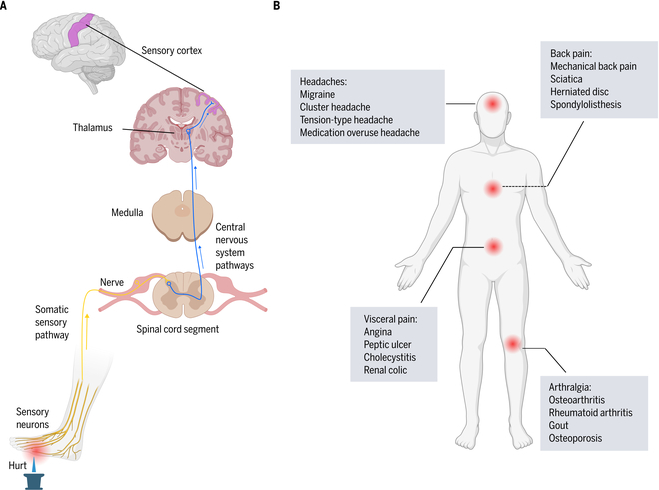
Pain is a significant public health issue, with devastating personal, societal, and economic consequences. It is one of the leading primary causes of disability, hindering numerous aspects of well-being, and thus contributes significantly to a reduced quality of life and individual and societal benefits. It has been reported that as high as one-fifth to one-third of any health-related encounters are for pain-related conditions. Moreover, it is a known fact that chronic pain exacts a huge economic toll. The financial impact encompasses direct social costs of healthcare and indirect costs due to lost productivity resulting from the secondary effects on the physical, financial, and social well-being of sufferers.
The usage of technologies in health and applied science fields is undeniably on the rise and is generating both qualitative and quantitative changes. The rapid advancements in deep learning, particularly the utilization of convolutional neural networks in imaging, graphics, and self-learning systems, are good examples of such changes. One area that is steadily receiving growing interest is the use of these technologies in the field of pain medicine. In keeping up with the pace and spread of these emerging trends and technologies, some are also contributing to significantly advancing pain medicine and research [2].
1.2. Research Aim and Objectives
The research aims to develop a diversified pain management model that will quickly resolve a painful sensation in a patient. This model is formed from a variety of neuroscientific-based predictive models to personalize interventional options in terms of standard treatment protocols and to indicate correlations between these management actions. The dualistic psychosocial nature of neural networks will ensure the accelerated personalization and enhancement of these predictive models, helping to consider all relevant subjective and objective facets of the identified personalized pain condition. The intention mentioned in this aim is expected to be reached through the implementation of a neural network system that simulates the overall pain sensation of a patient, including feelings and consequences. The research objectives include the generation of a Computational Pain Model based on bioinformatics and data science, and the use of this model to simulate virtual patients. Additionally, the formation of an original Flexibly Adaptive Neural Network system, based on the multi-agent problem environment description, will unify the capabilities of classic Artificial Neural Networks and modern cognitive Artificial General Intelligence architectures to process and optimize these individualized pain management models. This approach aims to instantaneously predict the occurrence of chronic pain, immediately alleviate acute pain, and provide shock treatment through the virtual emulation of a living organism’s nervous system, assuring the desired outcomes within the health service, personalized for each improved patient by taking into account their history, preferences, and satisfaction, as well as by delivering a functioning reflective approach. Such intelligence is planned to rid the AI system of current biases and discrimination issues by forcing it to work within a context of narrower utility for a patient in monitoring results instead of controlling humans. It is also expected to help humans maintain control over the system by understanding the input data and interpreting the useful learned models. This should underline and promote trustworthiness, reliability, and ethical and legal responsibility in the decision-making process [3].
Equation 1: Treatment Effectiveness Evaluation
2. AI and Neural Networks in Pain Medicine
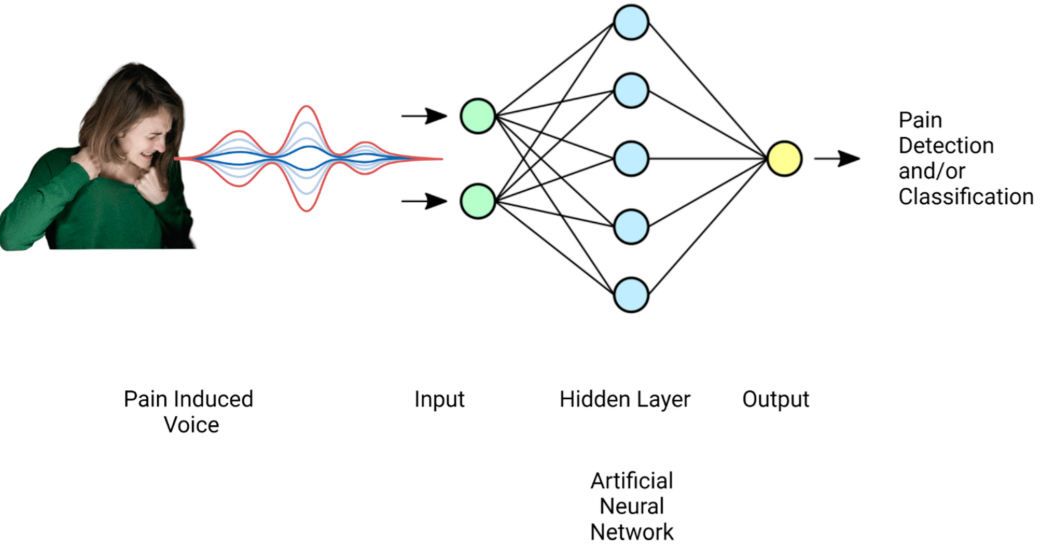
AI has made significant advances in many areas of medicine, including diagnostic radiology and predictive analytics for conditions such as sepsis. AI has also been used in efforts to decrease opioid use, including by identifying overuse and underuse of opioids, which occur commonly in medical routines, and predicting patient progression. Certain models now employ NLP, speech recognition, and other AI techniques to develop automated assessment tools to identify whether a patient's report of pain matches a clinician's observable behaviors suggesting pain. Model outcomes show the degree to which hospital staff at a given hospital or physician's clinic are correctly identifying pain.
No such studies have generated predictive models for monitoring and adjusting individual pain treatment plans to match disease-related nociceptive input or other sensory, affective, and cognitive factors in real-time. Addiction and misuse do not result from addressing a patient's individualized nociceptive and other pain dimensions. The opposite seems to be true. Undertreatment, based solely on the potential risk of addiction and misuse, leads to the real problem behind the opioid epidemic—undertreating a patient in actual pain. Machine learning has a prominent role in addressing the opioid crisis. Countless pain patients decrease their need for opioids when another personalized approach is used, including interventional procedures, physical therapy, chiropractic care, acupuncture, diet and exercise patterns, and a broad spectrum of opioids and other pain-modifying medications. Why, however, aren't there models using machine learning that leverage our existing knowledge to enhance the prediction of what will be effective in a given patient [4]?
2.1. Overview of AI and Neural Networks
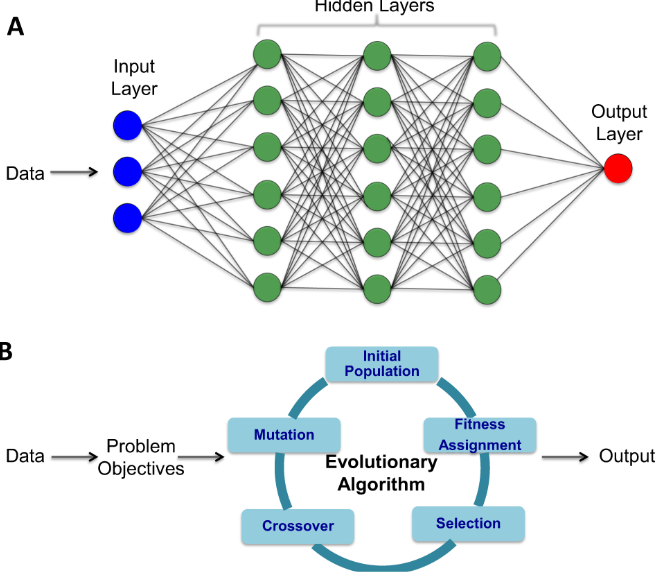
AI broadly refers to the capability of a machine to imitate intelligent human behavior, allowing the interpretation of complex data, learning from it, and using those learnings to achieve specific goals and tasks through flexible adjustment of performance. AI has the potential to revolutionize medical practice, offering a support system to decision-making and easing the workload from physicians, nurses, patients, and caregivers. Enhanced productivity from big data analytics could lead to improved patient outcomes. Also, healthcare services can be delivered at a lower cost, and healthcare resources can be utilized more efficiently. In pain medicine, AI can revolutionize our diagnosis and treatment of chronic pain. Neural networks are a class of models in machine learning that have gained considerable attention for their ability to model a diversity of phenomena. AI can provide real-time predictive analytics to quickly and more effectively identify patients with acute pain progressing to chronic pain and enable initiation and personalization of effective treatments. Such a game-changing development will impact individuals and families suffering from chronic pain throughout the world, reducing human suffering and the personal, societal, and economic costs associated with it. The discipline of pain medicine is rapidly evolving and embracing AI and machine learning to build reliable pain diagnostics, predict individual patient outcomes, and match patients with the most effective treatment [5].
2.2. Applications in Pain Management
Pain conditions are diverse, and clinical pain management is complex. Pain may originate from any bodily organ—visceral pain, from nerve injury—neuropathic pain, from tissue damage—inflammatory pain, as a modification of somatosensory inputs—functional pain, or from nociception—nociceptive pain. Imaging, medical examinations, clinical history, and often questionnaires help to infer the source and mechanism of pain, assess pain severity, and tailor treatment plans. Uncontrolled pain leads to suffering, decreases quality of life, and imposes social costs. The opioid epidemic that began in the late 1990s in the US, due to easy opioid prescriptions from poorly managed pain conditions, is the most recent and costly example that misguided policies for pain problems could generate in unsuitable environments, resulting in enormous suffering, deaths, damage to the medical field, and financial loss [6].
Currently, a pain specialist needs 10 to 30 minutes to infer the most suitable treatment option for a patient appointment. The Delphi method may stratify the treatment of non-cancer pain patients into four groups: holistic, drugs alone, drugs plus interventional procedures, and drugs plus surgery. However, current prognoses are usually manual and already incorporate pain clarifications, for example, a malignant pain situation and the consequent more severe prognosis. Nevertheless, pain specialists seek quantitative biomarkers and not only symptoms and disorders to personalize pain strategies and to predict treatment outcomes better. AI and neural networks can help to solve these problems [7].
3. Predictive Analytics for Pain Management
Predictive analytics focuses on the application of data, statistical algorithms, and machine learning techniques to predict the likelihood of future outcomes based on historical data. This has immense importance for chronic pain treatment, as there is currently a dearth of assessments and management plans driven solely by objective analyses informing individual provider decision-making that could lead to better outcomes.
Predictors of Chronic Pain Outcomes A significant emphasis has been placed on identifying effective interventions that optimize pain treatment and alleviate the significant personal, economic, and societal costs of chronic pain. Nevertheless, it has been abundantly demonstrated that there are critical sex and age disparities in the prevalence and impact of chronic pain, as well as limitations in the ability to identify which at-risk patients will undergo changes that reflect significant biopsychosocial pain recovery. Multiple patient reports of discrepancies between pain and functioning, as well as between pain and morphological abnormalities, emphasize our potential to enhance rehabilitation strategies with a better and deeper understanding of chronic pain's underlying neural and psychological mechanisms.
AI Models that Predict Chronic Pain In recent years, various AI models that predict life course chronic widespread pain initiation and persistence or resolution have been created. Painful symptoms that persisted in the locations and bodily areas and were frequently experienced at pain onset were predictors of high chronic pain likelihood. Additionally, multimodal data have been used to create individualized gene and neural network-driven pain signatures that identified women who develop chronic widespread body pain or painful temporomandibular disorder 15 years later. The identification of high and low pain groups from the pain signature was further complemented by documentation of an increased likelihood for multisite pain phenotypes, pain sensitivity, and poor mental and physical health. A pain network was used to create and test a high versus low sensitivity score that showed significant links with psychological traits in orofacial pain and high sensitivity, or enhanced objective assessment and greater cost-effectiveness for temporomandibular disorder symptoms. Additionally, the pain signature was used as a stand-in for other low-pain central traits in a model that identified local and regional hypersensitivity, reflected by reference values [8].
3.1. Importance and Benefits
Pain is the most common reason for seeking medical care and a major cause of employee absenteeism. The prevalence of chronic pain in the Western world is estimated at 25%, and of this population, about half rate their pain as moderate to severe. Patients with chronic pain report that they are often inadequately treated or outright ignored by medical professionals. Pain data in hospital settings suffer from many of the same shortcomings as most hospital data: high volume, high complexity, and variability in recorded symptoms and treatments. Pain management is one of the many conditions and diagnoses associated with drugs that can be improved. Severe chronic pain reduces quality of life, is associated with high direct and indirect costs, and most importantly, is significantly undertreated. Acute pain is also a major health issue, as about 60% of patients undergoing surgery suffer from moderate to severe postoperative pain. Such unrelieved symptoms can delay surgery recovery and provoke severe and chronic complications [9].
Epidemiologic studies have shown chronic pain to be a multivariate phenomenon, associated with psychological distress and reduced quality of life. Pain is both a symptom and a disease, as it can manifest as suffering or distress caused by actual or potential tissue damage. Pain has physiological, cognitive, and emotional components, and the interactions among them depend largely on pain sensitivity and the nervous system's modulation and integration capacity. Therefore, just focusing on the physical aspect of pain relief may not be the best method to reduce its impact on the individual's health and the healthcare system. Data accumulates yearly, and the era of available big data on medical information has come, which could contribute significantly to the field of predictive pain analytics with proper machine learning modeling. In the era of big data, predictive analytics and personalized medicine through AI have become popular. An important reason for the increasing trend toward personalized medicine is that medicine is getting closer to large-scale digitization [10].
3.2. Challenges and Limitations
Algorithm development for AI in pain management encounters many challenges. There are difficulties in creating accurate and effective rule-based multi-objective optimization methods for the monitoring of prolonged analgesic treatment. It is difficult to amalgamate research aimed at understanding the pain management process with practical settings due to the multiplicity of goals and objectives, as well as the complexity and constraints surrounding pain management. Current analysis and design methods for goal setting and implementation are laborious, error-prone, and produce incomplete, suboptimal results, which are small improvements over current practice. The pattern thinking innate in the mind of the health provider is critical but is not utilized by current optimization methods. In general, linear methods are ignorant of any cause-effect understanding regarding analgesic response or patient activity. The quality, effectiveness, and accuracy of existing goal-setting and implementation approaches vary widely. Mixed effect models are not clinically useful due to the difficulties and costs of model derivation and the existence of mixed effects that are not readily accessible or understandable. Random forest regression with feature interpretation is not clinically useful due to a lack of understanding of the relationship between mixed effects and response variables, and the inability to use feature importance for interpretation. The health provider of the patient has a great influence on patient activity, some of which have counterintuitive effects, and so variable models are not readily scalable [11].
4. Personalized Treatment Plans
The goal of outcome specification and optimization for a patient’s treatment plan is to selectively drive nationwide multisite research networks or big data into states concerning rigorously designed, goal-directed trials. In this effort, the approach centers on a comprehensive examination of patients’ clinical profiles that potentially reveal patterns of symptoms, organ dysfunctions, and pathologic processes. Using massive clinical resources, we generated complex clustering solutions that were designed to provide a clear separation of various phenotypes of patients with acute pain. Their analysis should cover patterns of patients’ endophenotypes within the established categories of syndromes. Such widespread knowledge should decisively contribute to successful research focused on uncovering patients’ hidden hierarchies.
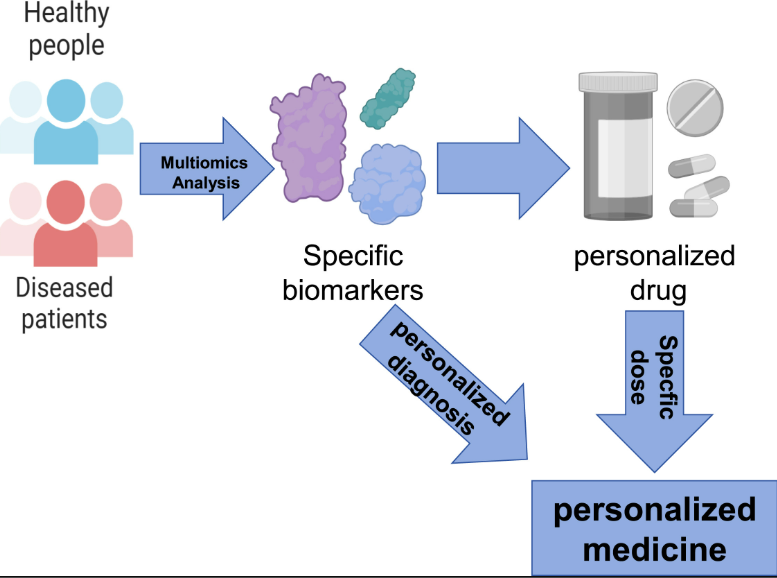
Based on the accumulated clinical and experimental evidence downstream of mediational genetic systems that drive individual-level pain perception, these should serve the development of individually tailored, personalized treatment modes. Of interest is whether the low-dimensional space of these immune markers and the more advanced machine-learning strategies could efficiently predict both the immediate clinical and endophenotypic criteria for selecting the best analgesic-accommodated subjects. In addition to cognitive symptoms signaling pain states, reliable imaging readouts of pain and trauma severity are necessary, especially when participants cannot communicate during neurodiagnostic trials. These courses are advantageous for using neural networks together with machine learning approaches that successfully identify participants’ acute pain states, including the concrete etiological underpinning influences [12].
4.1. Current Approaches and Their Limitations
Current and proposed techniques have serious drawbacks. Examples already mentioned include reliance on patients’ self-report, subjectivity of pain thresholds, long training processes, dependence on population means, hence ineffective with individuals, being symptom- and not cause-based, providing highly patient-specific treatments, lack of feedback to the software, and lack of adaptability. With current advances in AI, nearly all the limitations of non-invasive pain analysis can be overcome. AI can use the very complex and high-dimensional data of pain patients to recognize patterns and, in this way, establish objective subtypes of pain. This not only eases the data analysis but can, at the same time, lead to the identification of new factors influencing human pain perception and, in this way, provide new pain management rationales. AI can lead to a revolution of the cluster concept by providing objective classification and more reliable classifications of patients.
Personalized interventions – a treatment tailored to an individual – can significantly alleviate or often eliminate the chronically ill state of the patient and specifically lower the risk of disease. AI and neural network techniques can help establish these mechanisms by correlating multimodal outcomes of patient studies. This is greatly assisted by the meeting point of this work in machine learning and social neuroscience: deep neural networks and recurrent neural networks replicating brain activity from fMRI data can be used to motivate progress in personalized medicine and therapeutics. The response to stimuli of a patient with chronic pain can be significantly divergent from healthy individuals, and so the disease models from non-invasive monitoring can be established from fMRI in neuromorphic computing in living intact human brains. A causal framework can be used to establish causal intervention and treatment response. Repeated modulation of the brain circuits, and especially the dynamic connectivity of this circuit in terms of pain relief, can establish complete feedback and so direct and affect therapeutics – a truly personalized medicine experience [13].
4.2. Role of AI in Personalized Treatment Plans
Although pain is a universal experience, contemporary medical training is still somewhat less related to its diagnosis and treatment. Nevertheless, a growing body of work on clinical informatics, systems biology, and personalized treatment has suggested a gradual acceptance of the bioinformatics approach to advancing findings in pain science. The current situation offers unique opportunities to integrate and apply the expertise that is being developed in clinical informatics and machine learning across a variety of disciplines. The development of a neurobiology-informed personalized treatment plan for individuals based on preemptive modeling of factors influencing treatment effectiveness aims to study early interaction effects of treatment regimens and model neurobiological circuits activated by pain and pain-treatment stimuli [14].
Through a novel foundational model derived from systems biology that accounts for the dynamics of the information flow of various molecular pathways, we demonstrated the possibility of identifying a patient’s neural response profile corresponding to a given degree of reduction in pain perception. Furthermore, our study enriched current knowledge of the molecular and functional architecture of brain activity associated with electrical or natural stimuli. We believe that advances in neurobiology-informed personalized medicine will contribute constructively to the emerging culture that favors an individualized approach to pain patients, leveraging the unique perspective our results provide in maximizing the effectiveness of the treatment and minimizing potential misuse.
Equation 2: Personalized Treatment Plan Generation
5. Case Studies and Research Findings
Figure 1 illustrates the schematic of the intervention and corresponding layers in a trained model. The patient-facet components (input feature layers) include Pain Query, Pain Diagnosis, and Health Assessment. Pain Query is composed of multiple NLP-processed pain and opioid likelihood symptoms. This query, augmented with the context provided by the Pain Diagnosis, is then fed to the Pain Input layer, which includes additional condition-based feature selection. We use a gradient boosting model to preselect which symptoms contribute to the Pain Query for a PNP class before injecting this information into Dense Layers 1, 2, and 3. These layers are then converted to Patient Representation in layers Patient Layer 1 through Patient Layer 5. The Pain Diagnosis (i.e., Thoracic Pain, Lumbar Pain, Knee Pain, Tendonitis, or Neuropathy) is input to Diagnosed Pain layers, which inform the classifier architecture. Embedded into the Universal Pain Question is the demographic and medical history of the patient. It was tweeted by an individual of the same baseline feature vector, saving a one-hot encoding difference for the user's gender, self-reported pain measurements, diagnosis, and diagnosis history. The model then returned to the patient, learning the classification where the loss is the Pain/Med classifier, which is weighted to over-represent the patients with a medically diagnosed chronic pain condition [15].
5.1. Successful Implementations of AI in Pain Medicine
To provide a glimpse of where artificial intelligence is already being successfully implemented to support pain medicine in therapeutics, predictive analytics, and the advent of personalized treatment plans, we present findings from diverse studies. These reports represent only a few examples of how AI is currently being applied to both chronic and acute pain management. The findings from these studies, combined with previous historical experience, can nudge reluctant health practitioners and policymakers toward finding practical employment for AI in chronic and acute pain treatments [16].
To assist pain practitioners and biomedical researchers in more effectively applying AI and neural networks and to exponentially grow the number of published reports of successful implementations to manage both chronic and acute pain, the ongoing development of PAPAIN is designed to democratize the vast power of AI for pain medicine. Freely available innovative prototype clinical and research tools can help stimulate creativity, and newly designed affordable, and simplified systems operate on the front line, freeing experts to collect data to significantly further improve AI-enabled prediction, diagnosis, and therapy for the many complex conditions that manifest pain in humans and companion animals [14].
5.2. Key Research Findings and Their Implications
The innovations presented in this study hold important promise for advancing various aspects of pain medicine practice. Here we summarize their key scientific findings and potential implications:
- A novel predictive machine learning algorithm that can predict opioid overdose by up to two months in advance was built, opening up the possibility of identifying high-risk patients much earlier, enabling much-needed, targeted, timely overdose prevention programs.
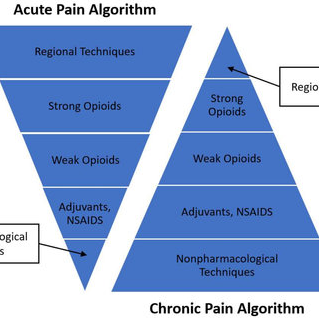
- The model also sheds light on what the key drivers are behind overdose: more severe chronic pain and higher need for opioids, in particular morphine and methadone. Practitioners can use the identification of these key drivers to actively combat them. Non-opioids, such as NSAIDs, and non-pharmacological methods, such as physical therapy and yoga, may play a valuable role in preventing opioid use in the first place or helping people whose dose has advanced to dangerously high levels to taper back to safer levels.
- A machine learning tool that can quickly detect the presence of previously established opioid misuse or abuse in patients’ EHRs was created. The findings suggest that monitoring with a machine learning tool throughout the patient’s stay could be a valuable aid in deciding opioid dosing. Conduct a confirmatory toxicology screen for at-risk individuals.
- While the final model achieved the most accurate performance, further optimizations showed that the detection rate of different subsets was very similar, demonstrating different trade-offs between specificity and sensitivity of detection. Currently, the multiple model approach seems to offer the best chance of correctly finding members in all sub-cohorts who could misuse opioids, but as current performance is quite close with different trade-offs, future work could examine potential ways to merge needed to create a 'best of all worlds' model [17].
6. Ethical and Regulatory Considerations
The findings are likely to be significant for clinical practitioners and will contribute to the development of personalized treatment plans, as well as advancing behavioral analytics for preventing the chronification of pain. However, implementing these new multimodal treatment recommendations could create challenges for clinical practice. The ethical and regulatory considerations promising to accelerate the adoption of AI-based therapeutics will be discussed in this section. Many of the models in persistent or chronic pain medicine focus on largely phenotypic clinical characteristics, but how the physiological characteristics of the patient will respond to the pharmacotherapy, with prior data collected over only a short amount of time or their readiness for change, often due to suboptimal wellness behaviors, is often overlooked, and these submissions are generally not included in the scientific literature [18].
When the practitioner's historical research repositories are full of data from the short-term acute care world but contain little real-world clinical data from normal, active, and ongoing patient lifestyles, particularly in the context outside chronic injury, the AI tools cannot learn to understand how patients are doing now and why. Data and explanations from the physiological characterization of the patient will become more important over time as research into the science of effective engagement becomes more established and patient readiness for change is explored as a risk factor for the chronification of acute to persistent pain. Guidance on how much the multidimensional data of the patient can individually be asked for and how this collection can be done efficiently and effectively should also be provided using existing work. The AI tools remain the tools for physicians to practice the healing arts within many emerging frameworks that offer guidelines and support to their medical institutions and a culturally adaptive new method for all pain therapies [19].
6.1. Ethical Issues in AI-Driven Pain Management
The use of AIs to develop diagnostic strategies seems likely to lead to new ethical debates associated with profit, equity, and data ownership. Where commercially developed and owned AI technologies are used for identifying and treating a public health issue like pain, ethical issues relating to profit from human suffering, the balance between social responsibility and profitable behavior, the responsible sharing of data, and algorithm transparency and bias become more prominent. The use of these technologies can lead to the generation of high-quality labeled data, which in turn can be utilized or sold back to clinical operations for clinical training and operational improvements, creating a supportive cycle between clinical and AI domains. Openness and transparency in the usage of AI technology are key to ensuring that new ethical challenges such as the governance over the algorithms and the consequences that arise from them and equitable access to care solutions are addressed. Moreover, the issue of healthcare AI redlining needs to be recognized and measured. The term AI redlining refers to the unfair practices of data use or technology applications that help to refuse lending services by considering certain factors such as poverty or minority race groups. Several patient or condition factors can lead to a discrimination effect within AI. Although complex, a data-driven inclusion approach is needed to develop AI tools that could have a global impact, giving guidance related to maximum generalization. Data scientists, healthcare professionals, ethicists, and policymakers all must develop and execute responsible guidelines to secure trust in AI technologies and handle the diversity sensitivity aspect. Ethicists, data scientists, and healthcare professionals should play an important role in ensuring this task [20].
6.2. Regulatory Frameworks and Compliance
The regulatory landscape could change in light of the proposed digital medicine innovation of a PMNL with neural network-enabled AI. Both the US and Europe are working on regulation and compliance changes. These changes are outlined in the US 21st Century Cures Act and the European Commissioner for Health and Food Safety. The U.S. law adopts the safety and efficacy of many digital health products and technologies, notably the Apple Watch’s arrhythmia monitoring and wearable patient-care activities. In Europe, a toolbox for the assessment of AI and machine learning-related applications was developed by the recent Commission Expert Group on behalf of the European Union. Both regions have established innovation initiatives to support digital health, and the International Medical Device Regulators Forum issues guidance that addresses premarket and postmarket requirements of AI or machine learning software used in HMD. It is important to note that the FDA framework and guidelines were designed without arbitrary thresholds.
The FDA has not always worked effectively. The FDA organizational structure has been criticized by various entities because of inadequate FDA organizational capacity and high turnover rates. With an increased flow of AI and machine learning in digital health and medical robotics, developers have requested unbridled access to clinical datasets that could relax the regulatory requirements for safety and effectiveness, and allow an accelerated approval process for FDA-cleared devices. Despite growing public and private initiatives that encourage the flow of digital medical technologies, there is ample evidence that many rules exist to protect patient privacy, healthcare system interoperability, and cybersecurity. Public perception of AI and machine learning algorithms, also known as black boxes, with non-transparent decision-making processes, is an obstacle, making them difficult to review by competent authorities. The FDA agreement to establish a Center of Excellence in Regulatory Science and Innovation has assisted in this area of focus. There are also post market demands, as demonstrated by the adverse event reporting in the FDA MAUDE database, due to some AI and machine learning models in digital health products that could cause death or serious injuries [21].
7. Future Directions and Conclusion
Now that we have described chronic pain, a use case for predictive analytics for acute pain, and how we propose that it be used in an intelligent clinical assistant for pain medicine, we will share the next steps. We next plan to validate that the image and text embeddings associated with decompression in the solution contain actual differences in pain and therapeutic mechanisms learned by the neural networks. We hypothesize that the image embeddings associated with decompression 1) include changes in geometric shape and 2) the image embeddings for spinal decompression differ in essentially the same way from each other as between the decompression and non-decompression sets.
Additionally, we hypothesize that the text embeddings associated with decompression 1) would contain differences in words learned from an accompanying smartphone app between postural elements of the spine during the exercises, where each word might reflect one or more of the postural elements that were learned, and 2) words learned from different types of spine stretches would occupy different parts of the word vector map of the spine. We follow this with a randomized control trial by distributing a randomly selected set of the words around the representation of the spine throughout some exercise text, ensuring that during each set of time epochs in the trial, the words used for sentences in each epoch pertain to exercises associated with each of the possible spine angles learned.
Equation 3: Resource Allocation for Pain Management
7.1. Emerging Trends in AI and Neural Networks for Pain Management
The United States is in an opioid crisis of epidemic proportions driven by overreliance on opioids to treat chronic pain. More than 2 million Americans are addicted to opioids, and opioid overdoses result in over 100 deaths each day. One of the key contributors to excessive opioid use and abuse is the lack of proper risk stratification in the chronic pain patient population. This is largely because our current methods for evaluating pain are both inefficient and inadequate. In addition to a long onset delay, chronic pain assessments only provide a clinical path to choosing among traditional analgesia options. These limitations not only inhibit our ability to improve patient outcomes but also reduce the cost of managing chronic pain, which is estimated to be more than $40 billion annually in the United States.
7.2. Conclusion and Key Takeaways
We eagerly anticipate the day when patients will engage with an AI coach to create personalized treatment plans for their specific pain, specific underlying pain mechanisms, specific pain-related conditions and comorbidities, and personal lifestyles and preferences. Patients will have a personalized coach tailored to their particular pain and psychological profiles and lifestyles, able to provide customized recommendations to fit their daily plans, as well as dynamically update and adapt treatments and coping strategies to meet their specific and changing needs. While we have highlighted many anticipated AI-powered pain management tools and applications, many requirements and considerations need to be addressed for successful implementation.
In the immediate future, AI techniques will be put into practice to develop robust and well-validated pain-predictive models tailored to the specific pain and psychological profiles of each individual; maximize patient engagement and adherence through effective, tailored measurement and interventions; optimize dosing regimens and multifaceted, multimodal, and personalized treatment plans by leveraging individual and pervasive digital patient data, as well as systematically explore and identify the optimal treatment options and interventions among large state-space strategies.
References
- Syed, S. (2022). Integrating Predictive Analytics Into Manufacturing Finance: A Case Study On Cost Control And Zero-Carbon Goals In Automotive Production. Migration Letters, 19(6), 1078-1090.
- Danda, R. R. (2022). Application of Neural Networks in Optimizing Health Outcomes in Medicare Advantage and Supplement Plans. Journal of Artificial Intelligence and Big Data, 2(1), 97–111. Retrieved from https://www.scipublications.com/journal/index.php/jaibd/article/view/1178[CrossRef]
- Nampalli, R. C. R. (2022). Machine Learning Applications in Fleet Electrification: Optimizing Vehicle Maintenance and Energy Consumption. In Educational Administration: Theory and Practice. Green Publication. https://doi.org/10.53555/kuey.v28i4.8258[CrossRef]
- Chintale, P., Korada, L., Ranjan, P., & Malviya, R. K. (2019). Adopting Infrastructure as Code (IaC) for Efficient Financial Cloud Management. ISSN: 2096-3246, 51(04).
- Chandrakanth R. M., Eswar P. G., Mohit S. R., Manikanth S., Venkata N. B., & Siddharth K. (2021). Predicting Diabetes Mellitus in Healthcare: A Comparative Analysis of Machine Learning Algorithms on Big Dataset. In Global Journal of Research in Engineering & Computer Sciences (Vol. 1, Number 1, pp. 1–11). https://doi.org/10.5281/zenodo.14010835
- Syed, S. (2022). Breaking Barriers: Leveraging Natural Language Processing In Self-Service Bi For Non-Technical Users. Available at SSRN 5032632.
- Lekkala, S., Avula, R., & Gurijala, P.(2022). Big Data and AI/ML inThreat Detection: A New Era ofCybersecurity. Journal of ArtificialIntelligence and Big Data, 2(1), 32–48.Retrieved fromhttps://www.scipublications.com/journal/index.php/jaibd/article/view/1125[CrossRef]
- Nampalli, R. C. R. (2022). Neural Networks for Enhancing Rail Safety and Security: Real-Time Monitoring and Incident Prediction. In Journal of Artificial Intelligence and Big Data (Vol. 2, Issue 1, pp. 49–63). Science Publications (SCIPUB). https://doi.org/10.31586/jaibd.2022.1155[CrossRef]
- Patra, G. K., Rajaram, S. K., Boddapati, V. N., Kuraku, C., & Gollangi, H. K. (2022). Advancing Digital Payment Systems: Combining AI, Big Data, and Biometric Authentication for Enhanced Security. International Journal of Engineering and Computer Science, 11(08), 25618–25631. https://doi.org/10.18535/ijecs/v11i08.4698[CrossRef]
- Rajesh Kumar Malviya , Shakir Syed , Rama Chandra Rao Nampalli , Valiki Dileep. (2022). Genetic Algorithm-Driven Optimization Of Neural Network Architectures For Task-Specific AI Applications. Migration Letters, 19(6), 1091–1102. Retrieved from https://migrationletters.com/index.php/ml/article/view/11417
- Syed, S., & Nampalli, R. C. R. (2021). Empowering Users: The Role Of AI In Enhancing Self-Service BI For Data-Driven Decision Making. In Educational Administration: Theory and Practice. Green Publication. https://doi.org/10.53555/kuey.v27i4.8105[CrossRef]
- Syed, S. (2021). Financial Implications of Predictive Analytics in Vehicle Manufacturing: Insights for Budget Optimization and Resource Allocation. Journal Of Artificial Intelligence And Big Data, 1(1), 111-125.[CrossRef]
- Danda, R. R. (2021). Sustainability in Construction: Exploring the Development of Eco-Friendly Equipment. In Journal of Artificial Intelligence and Big Data (Vol. 1, Issue 1, pp. 100–110). Science Publications (SCIPUB). https://doi.org/10.31586/jaibd.2021.1153[CrossRef]
- Syed, S. (2022). Leveraging Predictive Analytics for Zero-Carbon Emission Vehicles: Manufacturing Practices and Challenges. Journal of Scientific and Engineering Research, 9(10), 97-110.
- Chandrakanth Rao Madhavaram, Eswar Prasad Galla, Hemanth Kumar Gollangi, Gagan Kumar Patra, Chandrababu Kuraku, Siddharth Konkimalla, Kiran Polimetla. An analysis of chest x-ray image classification and identification during COVID-19 based on deep learning models. Int J Comput Artif Intell 2022;3(2):86-95. DOI: 10.33545/27076571.2022.v3.i2a.109[CrossRef]
- Rama Chandra Rao Nampalli. (2022). Deep Learning-Based Predictive Models For Rail Signaling And Control Systems: Improving Operational Efficiency And Safety. Migration Letters, 19(6), 1065–1077. Retrieved from https://migrationletters.com/index.php/ml/article/view/11335
- Danda, R. R. (2022). Deep Learning Approaches For Cost-Benefit Analysis Of Vision And Dental Coverage In Comprehensive Health Plans. Migration Letters, 19(6), 1103-1118.
- Sarisa, M., Boddapati, V. N., Kumar Patra, G., Kuraku, C., & Konkimalla, S. (2022). Deep Learning Approaches To Image Classification: Exploring The Future Of Visual Data Analysis. In Educational Administration: Theory and Practice. Green Publication. https://doi.org/10.53555/kuey.v28i4.7863[CrossRef]
- Nampalli, R. C. R. (2021). Leveraging AI in Urban Traffic Management: Addressing Congestion and Traffic Flow with Intelligent Systems. In Journal of Artificial Intelligence and Big Data (Vol. 1, Issue 1, pp. 86–99). Science Publications (SCIPUB). https://doi.org/10.31586/jaibd.2021.1151[CrossRef]
- Syed, S. (2022). Towards Autonomous Analytics: The Evolution of Self-Service BI Platforms with Machine Learning Integration. Journal of Artificial Intelligence and Big Data, 2(1), 84-96.[CrossRef]
- Ramanakar Reddy Danda. (2022). Telehealth In Medicare Plans: Leveraging AI For Improved Accessibility And Senior Care Quality. Migration Letters, 19(6), 1133–1143. Retrieved from https://migrationletters.com/index.php/ml/article/view/11446
- Venkata Nagesh Boddapati, Manikanth Sarisa, Mohit Surender Reddy, Janardhana Rao Sunkara, Shravan Kumar Rajaram, Sanjay Ramdas Bauskar, Kiran Polimetla. Data migration in the cloud database: A review of vendor solutions and challenges. Int J Comput Artif Intell 2022;3(2):96-101. DOI: 10.33545/27076571.2022.v3.i2a.110[CrossRef]