

Intestinal malrotation is an embryological abnormality modifying the classic anatomy of the small and large bowels, particularly the topographical one. Inflammatory bowel disease (IBD) is characterised by anatomical lesions with preferential intestinal tropism. These two conditions are rarely associated. They represent a real diagnostic and therapeutic challenge due to the overlap of non-specific symptoms and the complexity of the clinical management. We report the case of a young woman presenting with a flare-up of her IBD and a partial common mesentery syndrome. Clinicians should be aware of the potential pitfalls of the two entities to propose the adequate therapeutic strategy regarding the full understanding of the anatomy, notably when surgery is needed.
Inflammatory Bowel Disease associated with Intestinal Malrotation
December 01, 2023
December 31, 2023
January 02, 2024
January 03, 2024
This is an Open Access article, distributed under the terms of the Creative Commons Attribution 4.0 International License (http://creativecommons.org/licenses/by/4.0/), which permits unrestricted use, distribution and reproduction in any medium or format, provided the original work is properly cited.
Abstract
1. Introduction
Intestinal malrotation is a congenital abnormality occurring during embryogenesis and characterized by a defect in normal rotation of the middle digestive tract around the superior mesenteric artery and fixation in the peritoneal cavity [1]. Three main types of intestinal malrotation have been defined according to the Stringer’s classification: non-rotation, duodenal malrotation, combined duodenal and cecal malrotation [2]. Several clinical entities are thus listed: absence of rotation, complete common mesentery, incomplete common mesentery, and reverse rotation in the case of situs inversus [3].
The partial mesentery malrotation, characterized by malrotation of the primitive umbilical loop, combines a common meso to the entire intestinal loop and an extremely short root of the mesentery. This limited rotation to 180° gives a “pedunculated” appearance of the small intestine on its superior mesenteric vascular axis characterizing the syndrome known as “incomplete common mesentery” [3].
These abnormalities or their complications (the most serious and frequent being the intestinal volvulus) are most often highlighted during the neonatal period or at a pediatric age. It is estimated that the prevalence of these congenital malformations in adulthood is around 0.2% to 0.5%; very often, such malformations are asymptomatic and therefore under-diagnosed. At this age, the complete or incomplete common mesentery is often discovered, either accidentally or as part of a tumor or an inflammatory pathology of the digestive tract [4, 5].
Inflammatory bowel diseases are increasingly prevalent pathologies with diagnostic and therapeutic challenges. The non-specificity of their symptoms can delay the diagnosis. Also important is the therapeutic strategy that is becoming definitively personalized. Accordingly, the patient, its pathology and anatomy must be assessed well before considering any medical or surgical option.
In this case-report, a patient with inflammatory bowel disease presented with a flare-up highlighting an intestinal rotation abnormality.
2. Clinical Case
Mrs. MF is a 43-year-old woman, unemployed, married and mother of two children born by C-section on a didelphic uterus. She has no particular history apart from chronic constipation since childhood associated with mild and recurrent episodes of abdominal pain.
In 2019, the diagnosis of inflammatory bowel disease was made based on the appearance of bloody stools in a context of weight loss associated with a biological inflammatory syndrome and ulcerated rectosigmoid lesions on short colonoscopy. On oral mesalazine, the evolution of IBD was satisfactory.
Two years later, she was hospitalized for a moderate to severe flare-up of her inflammatory pathology combining mucus-bloody diarrhea, episodes of rectal bleeding, deep pain in the left iliac side and a sub-occlusive syndrome.
The physical exam found a patient with a body mass index of 21 kg/m², a WHO status of 0, a blood pressure at 100/65 mmHg and a heart rate at 78 bts /min. The patient had no fever. We observed a scarred abdomen with provocative pain in the left side. No extra-digestive manifestations or anoperineal lesions were found.
The biological assessment revealed an inflammatory anemia at 11.8 g/dl of Hb with blood platelets increased to 450.000 elements/mm3. No renal, hepatic, or metabolic abnormality was noted. The albumin level was at 38 g/l with a CRP at 0.6mg.
Upper digestive endoscopy showed no abnormality; the duodenal mucosa had a preserved villous relief (IEL-Intra-Epithelial Lymphocytes- < 10%).
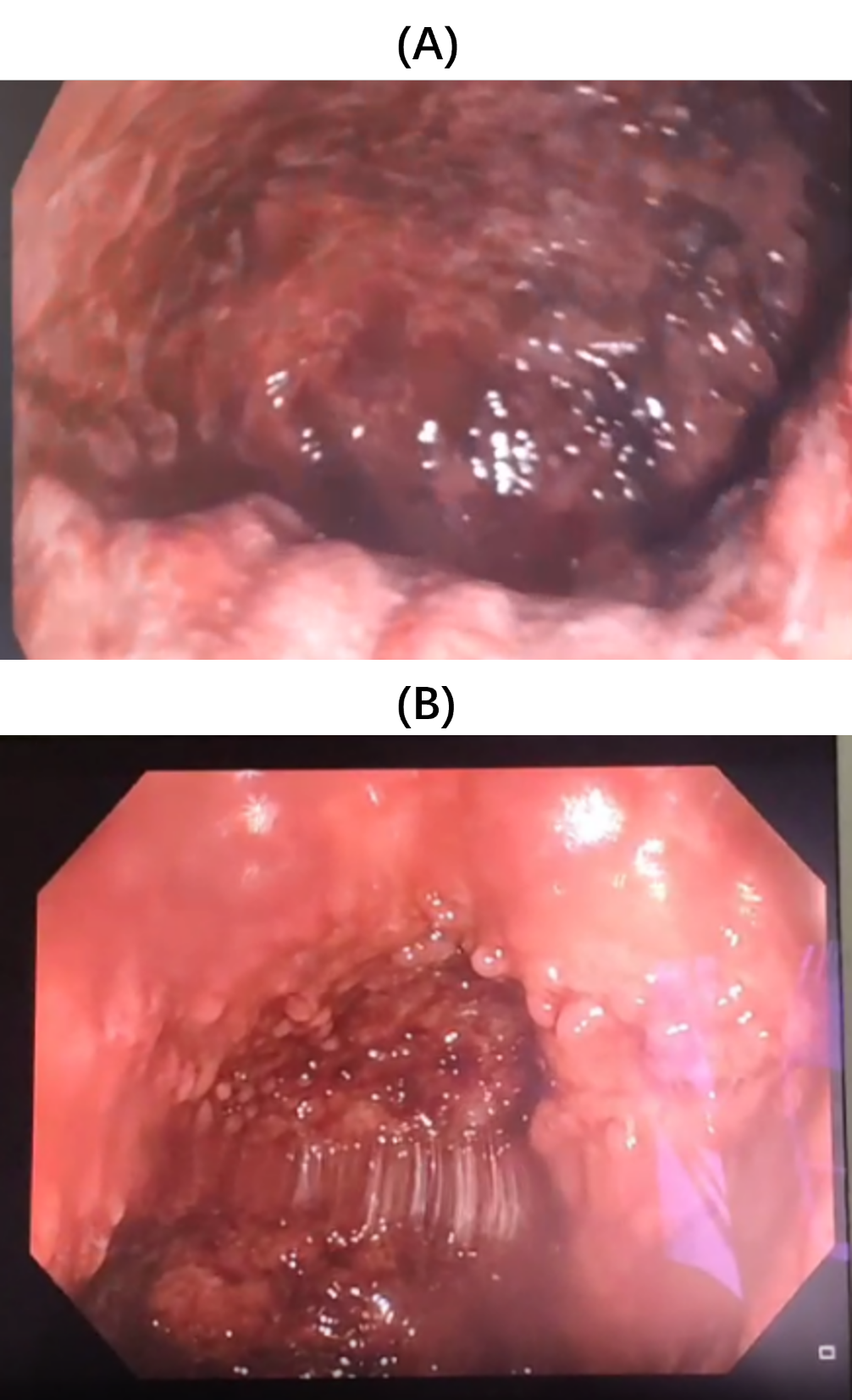
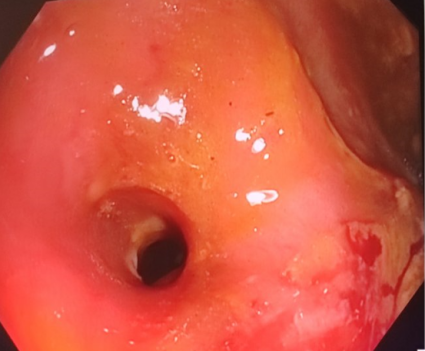
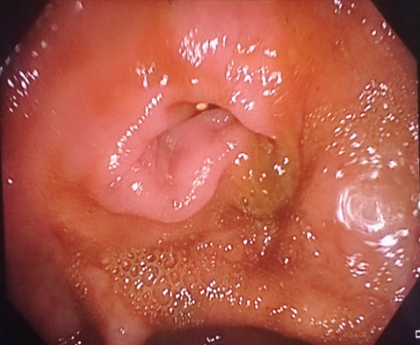
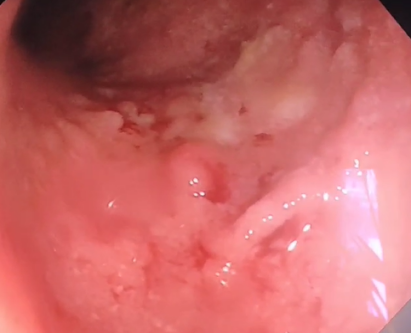
Ileocolonoscopy revealed a “pseudo-aneurysmal” pocket at 22 cm from the anal margin (AM) in the continuity of the pathological rectum, as an ulcerated and hemorrhagic whole, with marks of mucosal abrasion and presence of pseudo-polyps (Figure 1). At 7 cm from the AM, we noted a narrowed left lateral sigmoid passage (Figure 2) allowing rapid progression to the cecum with an ileo-cecal valve opening on the right lateral side (Figure 3). The terminal ileum was normal. The colonic mucosa showed an exulcerated appearance as a whole (Figure 4). This was suggestive of RCH-like disease or ischemic pancolitis. All mucosal specimens were affected at a variable level of intensity. Muco-secreting glands with cryptic abscesses were observed, with a loss of crypt alignment. The chorion was the site of an inflammatory infiltrate with multiple inflammatory cells. On one fragment, the inflammatory infiltrate extended beyond the muscular mucosa. There was no evidence of epitheloid granuloma or caseating necrosis or signs of malignancy.
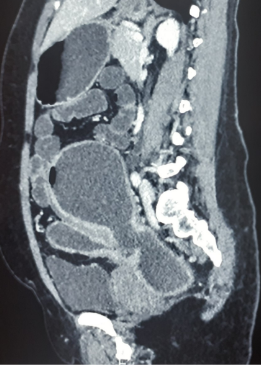
A radiological exploration carried out by CT scan showed a rectum in place with a short colon, a shortened sigmoid continuing an ascending colon with a lateral outlet and a blind loop in the left upper side. There was no visualization of the left colon. The cecum was at the right side. The jejunal loops were located on the right side with the Treitz angle.
We also noted a small and stenosing sigmoid at the junction with the ascending colon as well as parietal thickening with inflammatory signs. The rectum showed a fibrous parietal thickening, which was regular and circumferential.
Therefore, the radiological examination revealed a malformation of the colonic frame, reduced to a single segment joining the cecum from the subhepatic site to the rectum with a very distended pseudo-aneurysmal appearance and narrowing of the recto-sigmoid junction. The right and left colonic angles as well as the transversal colon were not visualised. Overall, the CT scan was suggestive of a partial mesenteric malrotation (Figure 5).
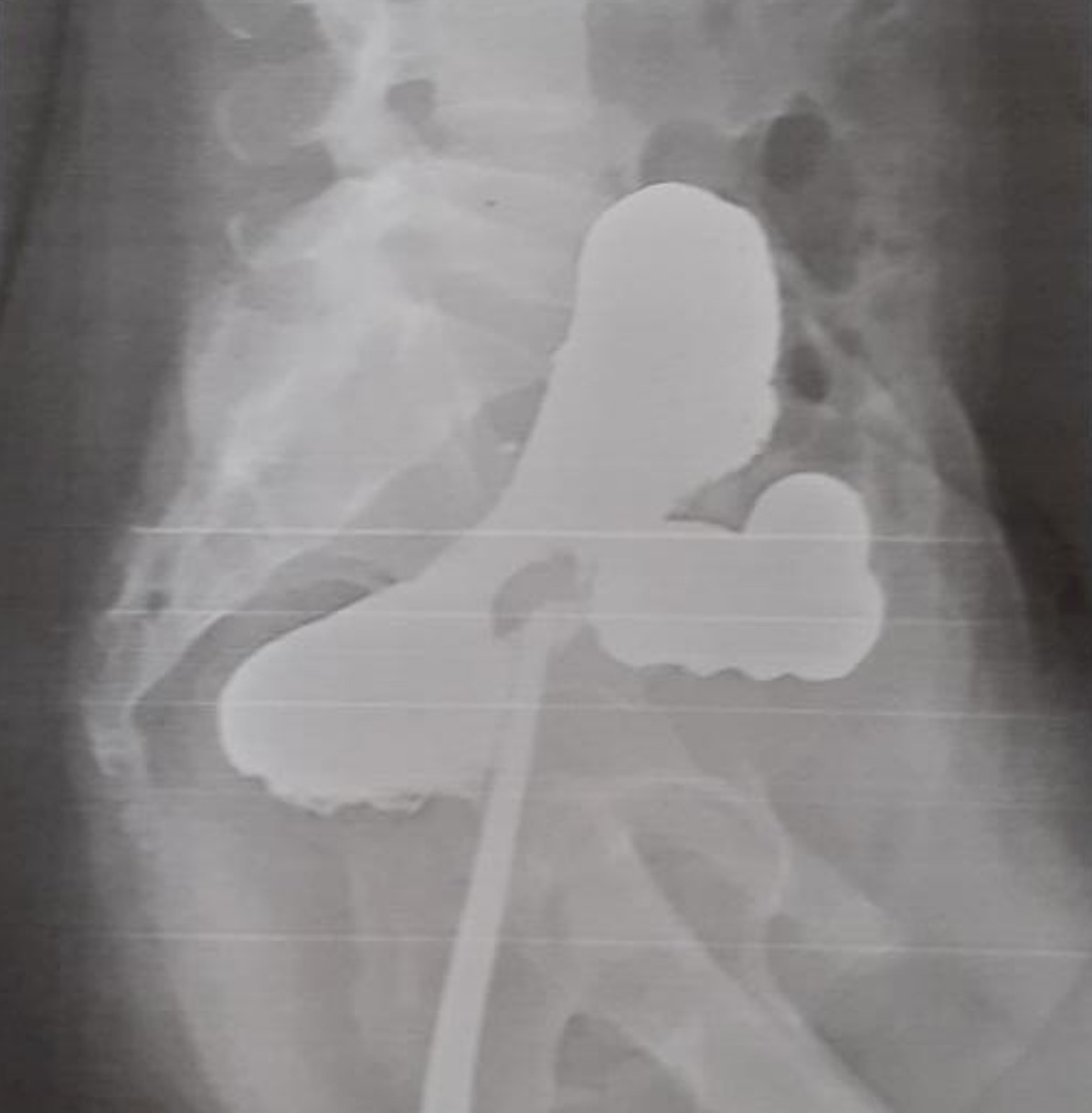
Additionally, a barium transit opacification of the bowel revealed a narrow inflammatory stenosis of the recto-sigmoid junction with rectal dilatation; a malrotation with shortness of the whole colon (Figure 6).
Oral corticosteroid therapy associated with immunosuppressive treatment (6Mercaptopurin) as well as intensive local treatment based on 5-aminosalycilate were initiated. Dietary support and appropriate symptomatic treatment were recommended. Complete clinical resolution was observed after four weeks of treatment. Regression of the endoscopic lesions was also seen; this improvement was moderate in the rectal pseudo-diverticular pocket presenting with numerous pseudo polyps (Figure 1).
At follow-up, the patient is under immunosuppressive therapy. Her inflammatory pathology is in clinical and endoscopic remission with resolution of her painful constipation under symptomatic treatment. She is followed on an outpatient basis.
3. Discussion
We report the case of a patient presenting with a flare-up of a pancolic chronic inflammatory bowel disease of the UC-like type without extra-digestive manifestations or anoperineal lesion occurring on the partial common mesentery syndrome discovered incidentally.
Different types of mesentery rotation abnormalities are defined based on the absence or cessation of rotation of the primitive intestinal loop during the embryonic development [3]. This particular anatomical abnormality is always congenital and most often discovered incidentally but is not necessarily symptomatic if the intestinal transit is possible. In some cases, this defect may result in acute intestinal obstruction due to a volvulus. In adults, this abnormality is most often seen during an ultrasound or a CT scan, and a water-soluble transit is relevant.
Two main types of intestinal malrotations should be remembered. Complete common mesentery after stopping the 90° rotation; a situation where the colon remains on the left, while the small intestine is placed to the right of the median line, and the cecum in an anterior position is median with the particularity of an appendage on its right side, and the duodenum does not pass through the aorto-mesenteric clamp. Incomplete common mesentery after cessation of rotation at 180°; the cecum is then moved upwards and to the right, and the last small intestinal cove is close to the angle of Treitz. Of note is the presence of a flange between the cecum and the right upper lateral abdominal wall. This peritoneal flange, well known by the surgeons, is commonly called “Ladd’s Flange”. It crosses the second duodenum and can be responsible for acute upper intestinal obstruction in a previously asymptomatic adult patient. Other variants exist, and Xiong et al. described 10 different anatomical variations of asymptomatic malrotations in adults based on the CT scan data [6].
As shown by the endoscopic and radiologic examination of our patient, the incomplete common mesentery is identified by the non-anatomical position of the cecum (and its possible links to the duodenum), the position of the Treitz angle to the right of the spine and the lack of connection of the mesentery presenting with a short root.The jejunal loops are located on the right side with proximity of the distal ileal loop and the last ileal loop. Owing to its shortness type, there is also a malformation of the totality of the bowel, which is reduced to a single segment joining the cecum of the subhepatic site to the rectum, with the absence of the right and left colic angles and the transverse colon.
The association IBD-incomplete common mesentery raises important questions about the causal relationships, the symptomatic overlap, and the therapeutic implications. Due to the non-specific overlapping symptoms, it is dramatically difficult to define the diagnostic relationship to each etiopathogenic and clinical entity.
Abdominal pain was the main complain of our patient since her childhood associated to deep constipation; a way of revealing IBD and common mesentery malrotation in 75% of patients. Real occlusive emergencies may be observed in both situations with a dramatic prognostic when it occurs following intestinal volvulus, the worst complication of intestinal malrotation [7].
However, uncomplicated, and incomplete common mesentery is often asymptomatic, and the diagnosis can be made in variable circumstances: incidentally during a radiological examination or, rarely, following a laparoscopic surgery. As it manifests as repeated abdominal pain with intestinal transit disorder, the diagnosis may be particularly difficult in patients with IBD. Awareness about several etiologies that may explain the same symptoms must be raised. A systematic discussion is required to propose the appropriate treatment [8].
The reference examination to best understand these rotation abnormalities, is the barium transit with a water-soluble enema to assess the positioning of the different intestinal segments and the dimensions of the digestive loops. Color-Doppler ultrasound is of great interest for visualizing vascular relationships and aberrations, particularly those of the superior mesenteric artery. Finally, the CT angiography (with CT enterography +/- CT colonography) is a decisive examination for assessing all the digestive and vascular aspects of the peritoneal cavity and for assessing possible complications. The place of magnetic resonance imaging (MRI), although less irradiating, remains to be clarified in the evaluation of intestinal rotation abnormalities. In IBD, however, MRI is essential for the assessment of intestinal damage [9, 10].
The association of the two clinical entities raises questions about the possibility of a common substratum or of a fortuitous nature of occurrence. Although the pathogenesis is unclear, the pathophysiological mechanisms underlying the occurrence of IBD involve, to varying degrees, dysregulation of the immune system, a genetic predisposition, disturbances in the patient's microbiota. All these above-mentioned factors are modulated by environmental conditions inducing, maintaining and perpetuating inflammatory activation pathways. Intestinal malrotation, for its part, seems to be the result of an embryogenesis abnormality only, without a hereditary character. Also, the IBD-intestinal malrotation association is likely fortuitous. To date, no mechanistic or causal theory can be put forward.
Of note, other abnormalities may be associated to digestive malrotation, which must be anticipated owing to the occurrence of complications or to modulate the therapeutic strategy; malformations including polysplenia, situs inversus, duodenal atresia or stenosis, diaphragmatic hernia, small bowel atresia, cardiac malformations, pancreatic cysts, anorectal malformations. Associations with irritable bowel syndromes have been also reported [11]. Of note, our patient presented with a didelphus uterus; a gynecological morphological abnormality, which impacted her obstetric life.
Furthermore, the association IBD and intestinal malrotation is very rarely reported in the literature. We mainly noted cases of Crohn's disease, most of which were discovered during surgical intervention or preoperative imaging.
Six cases of Crohn's disease [12, 13, 14, 15]: the first one published in 1954 [16], and the last one reported in 2022 in a 44-year-old woman with anatomical abnormalities (mesenteric cyst and pancreas divisum) [17]. Only one case of ulcerative colitis associated with intestinal malrotation has been reported in the literature in a 46-year-old patient operated on 20 years after the diagnosis of UC and after a total coloprotectectomy. This UC-malrotation association was discovered incidentally following a second surgical stage of an ileo-anal anastomosis [18]. Our case report is likely the first association of RCH-like pancolic with incidentally revealed intestinal anatomical abnormality.
The presence of an incomplete mesentery malrotation associated to IBD flare-up necessarily impacts the therapeutic management. On one hand, the chronic symptoms of the anatomical abnormality may excessively lead to a progressive escalation of the IBD treatment. On the other hand, the persistent and disabling symptoms linked to malrotation may impact the functional and vital prognosis if the surgical treatment is delayed.
The use of surgery is a frequent alternative in IBD patients with flare-up. If needed, in this particular IBD-malrotation association, the surgical decision must be discussed well. Knowledge of the anatomic abnormality before surgery is crucial [3]. A 3D virtual endoscopy may be used with MRI for spatial reconstruction allowing better anatomical understanding and surgical preparation [19]. Nevertheless, the discovery of intestinal malrotation is often incidental. Therefore, a systematic surgery remains controversial.
4. Conclusion
The association of Inflammatory Bowel Disease and Intestinal Malrotation is extremely rare. A mechanistic or causal relationship cannot currently be established. However, these morphological abnormalities must be recognized to better understand the pathogenesis with a personalized therapeutic approach, particularly if a surgical alternative is necessary for the underlying IBD.
References
- Torres AM, Ziegler MM. Malrotation of the intestine. World J Surg. 1993;17:326-331[CrossRef] [PubMed]
- Stringer DA, Babyn PS. Pediatric gastrointestinal imaging and intervention. 2nd ed. Hamilton, ON, Canada: B.C. Decker; 2000
- Peycelon M, Kotobi H. Complications des anomalies embryologiques de la rotation intestinale: prise en charge chez l'adulte. EMC-Techniques chirurgicales-Appareil digestif. 2012;7:1–12[CrossRef]
- Nehra D, Goldstein AM. Intestinal malrotation: varied clinical presentation from infancy through adulthood. Surgery. 2011; 149:386-393. 3[CrossRef] [PubMed]
- Nakatani K, Tokuhara K, Sakaguchi T, Yoshioka K, Kon M. Laparoscopic surgery for colon cancer with intestinal malrotation in adults: two case reports and review of literatures in Japan. Int J Surg Case Rep. 2017;38:86-90[CrossRef] [PubMed]
- Xiong Z, Shen Y, Morelli JN, Li Z, Hu X, Hu D. CT facilitates improved diagnosis of adult intestinal malrotation: a 7-year retrospective study based on 332 cases. Insights Imaging 2021;12:58[CrossRef] [PubMed]
- Langer JC. Intestinal rotation abnormalities and midgut volvulus. Surg Clin North Am 2017;97:147–59[CrossRef] [PubMed]
- Neville JJ, Gallagher J, Mitra A, Sheth H. Adult Presentations of Congenital Midgut Malrotation: A Systematic Review. World J Surg. 2020;44:1771-1778[CrossRef] [PubMed]
- Pickhardt PJ, Bhalla S. Intestinal malrotation in adolescents and adults: spectrum of clinical and imaging features. AJR Am J Roentgenol 2002;179:1429–35[CrossRef] [PubMed]
- Sotiropoulou M. Intestinal malrotation. Pathology of the gastrointestinal tract. Encyclopedia of pathology. Carneiro F, Chaves P, Ensari A, editors. Cham: Springer; 2017[CrossRef]
- Moldrem AW, Papaconstantinou H, Broker H, Negison S, Jeyarajah DR. Late presentation of intestinal malrotation: an argument for elective repair. World J Surg. 2008;32:1426 –143[CrossRef] [PubMed]
- Brown NM, Olson SA. Concurrent Crohn's disease and intestinal malrotation. Am Surg. 2011;77:E3-4[CrossRef]
- Fiorani C, Biancone L, Tema G, Porokhnavets K, Tesauro M, Gaspari AL, Sica GS. Laparoscopic ileocolic resection for Crohn's disease associated with midgut malrotation. JSLS. 2014;18:e2014.11192[CrossRef] [PubMed]
- Sapmaz F, Kalkan IH, Güliter S, Yilmaz S. A patient with ileocecal Crohn's disease who has intermittent umbilical and left lower abdominal quadrant pain. Wien Klin Wochenschr. 2015;127:922-3[CrossRef] [PubMed]
- Silverman J, Salwen B, Goren I, White I. Concomitant intestinal malrotation and Crohn's disease: a rare and surgically challenging anomaly. J Surg Case Rep. 2022 12;2022:rjac152[CrossRef] [PubMed]
- Fieber SS. Malrotation of the intestine with regional ileitis. Am J Surg. 1954;88:510-2[CrossRef] [PubMed]
- Cicero G, Mazziotti S. Unique coexistence of chronic midgut malrotation, mesenteric cyst, and pancreas divisum in a Crohn's disease patient: MR-enterography assessment. Radiol Case Rep. 2022;17:4280-4285[CrossRef] [PubMed]
- Ichikawa H, Ohnuma S, Imoto H, et al. A case of intestinal malrotation apparent after laparoscopically total proctocolectomy followed by ileal-pouch-anal anastomosis for ulcerative colitis. Asian J Endosc Surg. 2023;16:114‐117[CrossRef] [PubMed]
- Schreyer AG, Herfarth H, Kikinis R, Seitz J, Scholmerich J, Geissler A, et al. 3D Modeling and virtual endoscopy of the small bowel based on magnetic resonance imaging in patients with inflammatory bowel disease. Invest Radiol 2002;37:52[CrossRef] [PubMed]