

The construction industry remains one of the most hazardous sectors globally, with Nigeria experiencing a high incidence of workplace accidents despite the adoption of Occupational Health and Safety Management (OHSM) frameworks. This study evaluated the effectiveness of OHSM practices in improving workplace safety across construction companies in Nigeria’s coastal cities. A cross-sectional design was employed, combining quantitative surveys of construction workers (n = 1,400) with qualitative interviews of 35 managers and supervisors. Quantitative data were analyzed using SPSS version 28, while thematic analysis was applied to qualitative responses. Findings revealed a generally positive perception of OHSM, with 54.4% of workers rating OHS policy effectiveness as “Good” and 52.0% rating health outcomes as “Good.” However, accident frequency remained a concern, with 46.4% reporting accidents occurred “Occasionally” and 31.9% acknowledging them as “Frequent” or “Very Frequent.” Comparative analysis showed indigenous firms were rated higher in policy effectiveness and health outcomes but also reported slightly higher accident frequencies than international firms. Thematic analysis identified five key monitoring and evaluation strategies including routine inspections, regular training, audits, behavioural reinforcement, and access control, Also, five measures of OHSM effectiveness, including compliance observation, incident tracking, KPIs, employee feedback, and benchmarking. OHSM was found to positively influence project outcomes by reducing compensation costs, enhancing reputation, and improving supervision and quality of work. OHSM practices in Nigeria’s construction sector are perceived as effective in policy and health outcomes, yet accident rates remain a critical challenge. The study underscores the importance of continuous training, stricter enforcement, behavioural reinforcement, and systematic performance evaluation.
Evaluating the Effectiveness of Occupational Health and Safety Management Practices in Improving Workplace Safety in Nigerian Construction Sites
November 30, 2025
January 06, 2026
January 25, 2026
January 16, 2026
This is an Open Access article, distributed under the terms of the Creative Commons Attribution 4.0 International License (http://creativecommons.org/licenses/by/4.0/), which permits unrestricted use, distribution and reproduction in any medium or format, provided the original work is properly cited.
Abstract
1. Introduction
The construction sector is globally recognized as one of the most hazardous industries, contributing significantly to work-related accidents, illnesses, and deaths [1]. To address these risks, many companies adopt Occupational Health and Safety Management Systems (OHSMS), often aligned with frameworks such as ISO 45001 and OHSAS 18001 [2]. These systems provide structured processes for managing risks, meeting legal requirements, and promoting continuous safety improvements. However, simply adopting an OHSMS does not automatically translate into better safety outcomes. Assessing their effectiveness is therefore critical to ensure they deliver tangible results. OHSMS typically encompass risk assessments, hazard identification, workforce training, incident reporting, safety audits, inspections, and ongoing monitoring. Evaluating the performance of OHSMS within the construction industry is essential not only for safeguarding employees but also for ensuring compliance and strengthening corporate reputation. A well-structured evaluation process, incorporating both quantitative measures and qualitative feedback from stakeholders can confirm whether these systems are genuinely reducing risks and driving safety improvements. With increasing project complexity, safety management must become proactive, integrated, and dynamic to remain effective [3].
Globally, the construction industry consistently records high accidents and fatality rates. The International Labour Organization reports that construction workers face higher risks of occupational accidents than employees in other sectors, prompting wider adoption of OHSMS [4]. However, research indicates that system effectiveness is heavily influenced by organizational factors. For instance, research emphasize the importance of management support, worker engagement, and integration of safety practices into daily work routines. Leadership commitment has been identified as a crucial driver of success [5]. Equally, employee participation plays a critical role.
It has been determined that the construction industry, which includes the selected construction companies in Nigerian coastal cities, is a sector that requires a large amount of attention in terms of OHSM [6]. This is because construction work is inherently hazardous, posing risks that can lead to injuries, illnesses, and even fatalities. Concerns have been raised by several stakeholders in Nigerian industries regarding the efficiency of OHSM, particularly in the construction industry (Muhammad et al., 2021). Several models and methodologies, such as the OHSM systems (ISO45001) and the International Labour Organisation (ILO) Guidelines on OHSM Systems, have been established to evaluate OHS management in industries [8]. Nonetheless, there are still obstacles that limit the efficiency of OHS management in Nigerian companies despite the existence of these models.
Construction remains one of the riskiest work environments worldwide, with persistent high rates of injuries and fatalities. Despite regulatory progress and technological innovations, companies still face difficulties in maintaining effective health and safety practices [9]. OHSMS has been promoted as a comprehensive solution to minimize hazards, strengthen compliance, and encourage a culture of safety. Yet, the actual success of these systems varies across projects and organizations, influenced by leadership commitment, employee involvement, and implementation quality. This research is particularly relevant as it critically examines the real-world functioning of OHSMS in construction settings. By identifying strengths and shortcomings, the study provides important insights for managers, practitioners, policymakers, and scholars. These findings can ultimately reduce accidents, improve workers’ well-being, and support sustainable project delivery. This study evaluates the effectiveness of OHSM practices in improving workplace safety in the Nigerian construction site.
2. Materials and Methods
2.1. Research Design
This study adopted a mixed-methods research design, integrating both quantitative and qualitative approaches to comprehensively evaluate the effectiveness of Occupational Health and Safety Management (OHSM) practices in Nigerian construction sites. The quantitative component provided statistical evidence on workers’ perceptions of OHSM effectiveness and accident frequency, while the qualitative component captured in-depth insights from managers and supervisors regarding monitoring, evaluation, and the practical impact of safety practices. This triangulated approach enhanced the validity of findings and allowed for a multi-dimensional understanding of OHSM effectiveness in a high-risk sector such as construction.
2.2. Study Area and Population
The study was conducted across coastal cities in Nigeria, where large-scale indigenous and international construction companies are actively engaged in infrastructure development projects such as highways, ports, and rail mass transit systems. These sites are located in different states such as Lagos, Rivers, Delta, and Cross-River States. These sites were selected due to their high-risk environments and the presence of diverse organizational structures in OHSM implementation.
The study population comprised:
- Construction workers directly exposed to occupational hazards and beneficiaries of OHSM interventions.
- Supervisors and managers.
2.3. Sampling Technique and Sample Size
The study used a multistage sampling technique with three main steps:
- Site Selection (Purposive Sampling): Eight active construction sites were deliberately chosen from Nigeria’s coastal regions. Selection was based on being operational at the time of the study and representing different geographical settings (urban/rural, various coastal cities, and project types). This ensured the study reflected real and diverse construction activities in coastal areas.
- Worker Selection (Stratified Sampling): Workers at each site were grouped into categories such as labourers, engineers, supervisors, and specialized roles (e.g., safety officers, operators). This guaranteed that all types of workers were included, recognizing that each role faces different challenges and experiences.
- Random Sampling within Each Group: From each worker category, individuals were randomly selected. This made the process fair and unbiased, giving every worker an equal chance of being chosen. It also improved the accuracy and representativeness of the findings.
A total of 1,400 respondents participated in the quantitative survey, representing workers from both indigenous and international construction companies. For the qualitative component, 35 key informants were purposively selected based on their supervisory or managerial roles. These participants were deemed knowledgeable about OHSM practices, monitoring mechanisms, and policy evaluation within their organizations.
2.4. Data Collection Methods
2.4.1. Quantitative Data
A structured questionnaire was designed to measure workers’ perceptions of:
- The effectiveness of OHS policies in accident prevention,
- The impact of OHSM practices on health outcomes, and
- The frequency of accidents despite OHS measures.
The questionnaire employed a five-point Likert scale, ranging from “Poor” to “Excellent” for policy and health outcomes, and from “Never” to “Very Frequently” for accident frequency. The survey was administered in person by trained research assistants, ensuring that respondents understood each question.
2.4.2. Qualitative Data
Semi-structured interview guides were used for key informant interviews (KIIs) with managers and supervisors. Questions focused on:
- Monitoring and evaluation mechanisms for OHSM programs,
- Measurement strategies used to assess OHSM effectiveness, and
- Perceived positive impacts of OHSM on project outcomes.
Interviews were conducted face-to-face and recorded with participants’ consent. Notes were also taken to capture key points and non-verbal cues.
2.5. Data Analysis
Quantitative data were coded and analyzed using Statistical Package for the Social Sciences (SPSS, Version 28). Descriptive statistics (frequencies, percentages) were used to summarize workers’ responses on OHS policy effectiveness, health outcomes, and accident frequency. Comparative analysis was carried out between indigenous and international companies using cross-tabulations and percentage differentials to identify variations in OHSM effectiveness.
The interview data were transcribed in verbatim and analyzed using QDA Miner and thematic analysis was used to identify themes. Responses were coded into major themes reflecting monitoring and evaluation measures, OHSM measurement strategies, and project-level impacts. Themes were supported by direct quotations from respondents to maintain authenticity and provide contextual depth. Visual summaries were developed to illustrate the emergent themes.
2.6. Validity and Reliability
To ensure validity, the survey questionnaire was pre-tested on a small sample of workers outside the study sites to check for clarity and relevance. Feedback was incorporated to refine the instrument. Triangulation was also achieved by combining quantitative surveys with qualitative interviews. Reliability was maintained through consistent data collection procedures. For the quantitative survey, research assistants received training on administering the questionnaire uniformly. For the qualitative component, the use of a standard interview guide ensured comparability across respondents. Inter-coder reliability was established by having two researchers independently review interview transcripts and compare coding results.
2.7. Ethical Considerations
Ethical approval was obtained from the University of Port Harcourt through the research ethics committee office. Participation was voluntary, and informed consent was obtained from all respondents. Workers and managers were assured of anonymity and confidentiality, and responses were used strictly for research purposes. Interview recordings and transcripts were securely stored and accessible only to the research team.
2.8. Limitations
Despite its strengths, the methodology faced some limitations. First, the reliance on self-reported data from workers may have introduced response bias, as workers might overstate positive perceptions due to fear of employer reprisal. Secondly, the cross-sectional design limits the ability to establish causality between OHSM practices and observed health outcomes. Finally, qualitative insights were restricted to supervisory staff, excluding frontline workers’ voices in the thematic discussions.
3. Result
3.1. Sociodemographic characteristics of construction workers in Nigeria coastal cities
Table 1 presents the sociodemographic profile of respondents employed in different construction companies across coastal sites in Nigeria. The distribution shows that the largest proportion of respondents were from the Eko Atlantic City project (18.9%), followed by the Lagos-Calabar Coastal Highway (14.7%) and the Bodo-Bonny Road project (14.3%). In terms of age, over half of the participants were between 36–45 years (54.2%), while 37.0% were aged 26–35. The workforce was overwhelmingly male (96.8%), with women representing only 3.2%. Educationally, the majority held a Diploma (52.5%), while 35.6% had a bachelor’s degree and 7.4% had completed secondary school. Regarding work experience, most respondents had 1–5 years of experience (55.4%), followed by 31.8% with 6–10 years, and only 3.9% had more than 11 years. Geographically, most participants were based in Lagos State (43.9%), Rivers State (22.8%), and Cross River State (11.7%). For professional affiliations, 7.5% were members of COREN, 6.2% belonged to ISPON, and 4.0% were registered with IOSH. In terms of staff categorization, Labourers accounted for 53.6%, while Professionals made up 46.4% of the sample.
The Table 2 presents data on the effectiveness of OHSM in selected construction companies, revealing a generally positive perception. For OHS Policy Effectiveness, 54.4% (761 workers) rate it “Good,” 34.5% (483 workers) “Fair,” and 8.9% (125 workers) “Excellent,” with only 1.8% (25 workers) rating it “Poor,” indicating a strong belief in its accident prevention role. The Impact on Health Outcomes mirrors this trend, with 52.0% (728 workers) assessing it “Good,” 37.8% (529 workers) “Fair,” and 8.3% (116 workers) “Excellent,” and just 1.6% (22 workers) “Poor,” suggesting a positive influence on worker health. However, Accident Frequency Despite OHS shows a less favourable picture, with 46.4% (649 workers) reporting “Occasionally,” 26.2% (367 workers) “Frequently,” and 5.7% (80 workers) “Very Frequently,” alongside 20.1% (282 workers) “Rarely” and 1.6% (22 workers) “Never,” highlighting that while OHSM is effective, accidents still occur with notable regularity.
The Table 3 compares the effectiveness of Occupational Health and Safety Management (OHSM) between indigenous and international construction companies in Nigeria’s coastal cities, presenting data in terms of number of respondents and percentages. For OHS Policy Effectiveness, indigenous companies show a higher “Good” rating (61.1% or 488 workers) and “Excellent” (13.9% or 111 workers) compared to international companies, where “Fair” dominates (47.4% or 290 workers) and “Good” is lower (44.7% or 273 workers), with a higher “Poor” rate (2.9% or 19 workers). The Impact on Health Outcomes follows a similar pattern, with indigenous companies reporting “Good” at 59.4% (474 workers) and “Excellent” at 13.4% (107 workers), while international companies lean toward “Fair” (52.2% or 320 workers) and have a higher “Poor” rate (2.6% or 16 workers). Regarding Accident Frequency Despite OHS, both types report “Occasionally” as the most common (46.8% or 374 workers for indigenous, 44.9% or 275 for international), but indigenous companies have a higher “Very Frequently” rate (7.6% or 61 workers) compared to international (3.1% or 19 workers), suggesting a slight difference in accident prevalence despite OHS measures.
3.2. Monitoring and Evaluation Measures for Health and Safety Programs
Monitoring and evaluating the effectiveness of health and safety (HSE) programs is essential to ensuring that safety procedures are not only implemented but consistently followed. Continuous oversight enables organizations to identify gaps, correct unsafe behaviours, and adjust safety strategies in real time. Based on the perspectives of senior managers and supervisory staff across multiple infrastructure projects, several key mechanisms are in place to sustain safety performance and compliance. From the thematic analysis of the interview data shown in Figure 1, five major themes emerged: Routine Site Monitoring and Inspections, Regular Training and Drills, Audits, Reviews, and Safety Statistics, Behavioural Reinforcement (Reward and Sanction Systems), and Health and Access Control Monitoring.
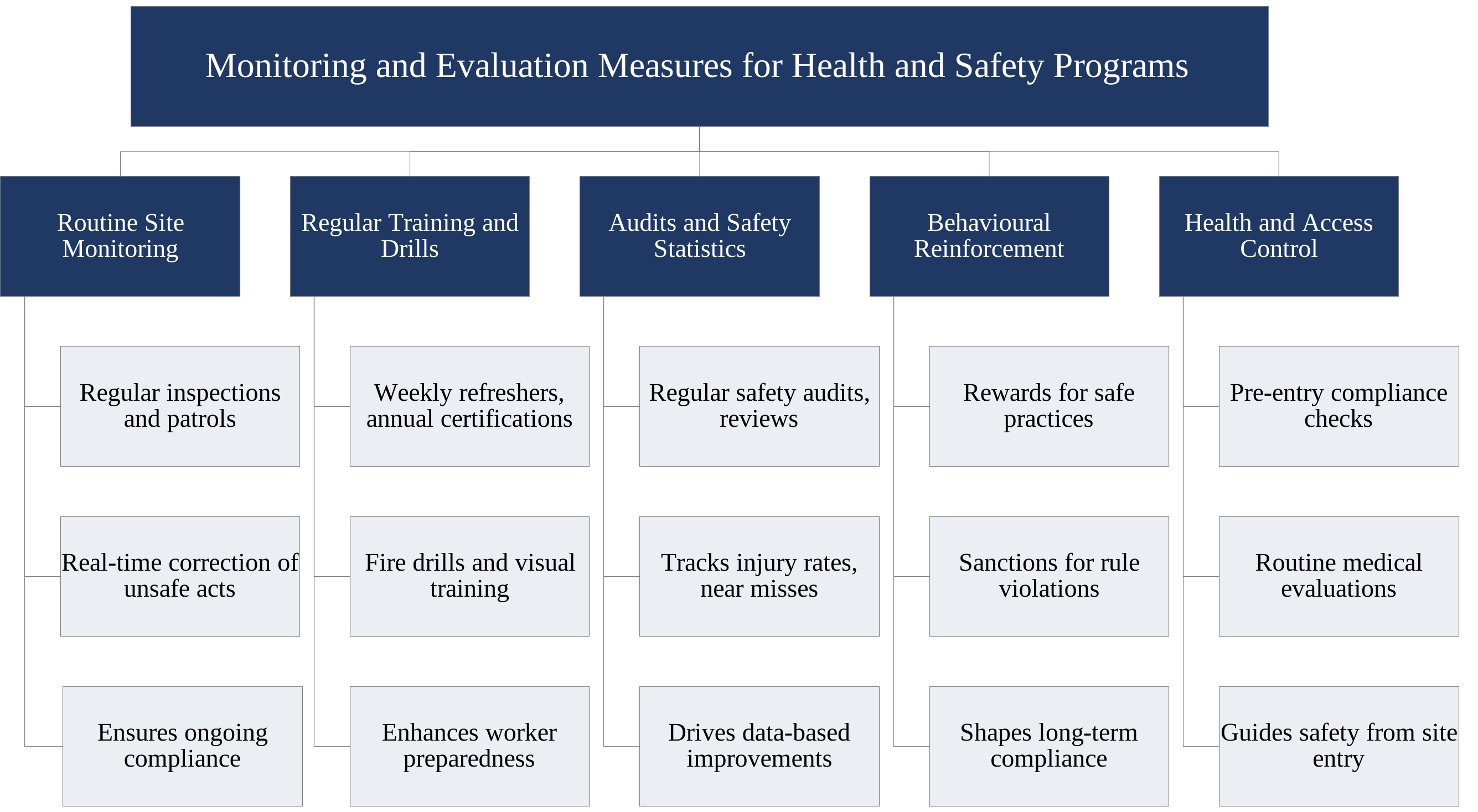
Theme 1: Routine Site Monitoring and Inspections Regular supervision and on-site inspections were frequently cited as the first line of defence in maintaining safety standards. These efforts involve constant patrolling, real-time enforcement, and immediate correction of unsafe behaviour.
“We always go out to monitor people… we move from kilometre zero to kilometre 13… Once we discover that they are going contrary, they are going to be sanctioned.” — HSE Manager, Lagos Calabar Coastal Highway “We have three sites, and we constantly monitor workers to ensure they are following safety protocols.”
- HSE Supervisor, Lagos Rail Mass Transit “Our safety officials are always on standby on construction sites to make sure all staff comply with our safety rules.”
- Quality Assurance, Lagos Rail Mass Transit This hands-on approach allows safety officers and supervisors to maintain visibility and correct behaviour before incidents occur.
Theme 2: Regular Training and Drills Training sessions (ranging from weekly safety refreshers to annual certification renewals) are used not only to educate but to evaluate worker readiness and response. Fire drills and video-based learning were particularly emphasized as impactful methods.
“We have weekly training programs in place… sometimes we use our projector… they will always remember these visuals.”
- HSE Manager, Lagos Rail Mass Transit “Currently, we have mandatory training for new employees and an annual renewal training… we do a weekly fire drill to prepare for emergencies.”
- Project Manager, Glory Drive, Airport Road to Imgbi Bayelsa These training measures serve both preventive and evaluative functions, ensuring that workers remain competent and alert to potential hazards.
Theme 3: Audits, Reviews, and Safety Statistics Formal evaluation processes, such as audits, safety briefings, and the use of injury data, are employed to assess the impact and effectiveness of safety interventions.
“We conduct regular safety audits, monitor injury rates, and safety reviews to ensure continuous improvement.”
- Human Resource, Bodo Bonny Road Project “We have programs… we look at the weekly safety statistics review… if we see near misses or incidents, we put more effort there.”
- HSE Manager, Port Harcourt Trans Kalabari Road “We carry out audits and evaluate our people… and we need more enlightenment to help workers remain safety conscious.”
- HSE Manager, Rehabilitation of Warri Port This data-driven monitoring allows organizations to track trends and adjust focus areas where incidents are more likely to occur.
Theme 4: Behavioural Reinforcement (Reward and Sanction Systems) To encourage positive safety behaviour, some organizations combine monitoring with motivational incentives and disciplinary consequences. This dual strategy helps shape long-term behaviour change.
“We reward you for good, and we reward you for bad… We motivate you to do more. And those not keeping to rules, we discipline them.”
- HSE Manager, Port Harcourt Trans Kalabari Road “We send them [HSE flagmen] out for site control and monitoring… if they see any workers taking alcohol, they let us know, and there will be a penalty.”
- Personnel Manager, Lagos Rail Mass Transit Incorporating behavioural reinforcement into safety systems reflects an organizational understanding that compliance is not only about rules but motivation and accountability.
Theme 5: Health and Access Control Monitoring Some organizations extend safety monitoring beyond the job site by integrating health surveillance and access control as part of their safety strategy. This includes pre-entry checks and medical evaluations.
“We have security guards to check people in. Anyone not in compliance is not permitted to enter. We also have a medical team that conducts routine checkups.”
- HSE Manager, Calabar Deep Sea Port “We have safety signage, speed bumps, and designated parking signs to guide behaviour from the point of entry.”
- Human Resource, Rehabilitation of Warri Port These systems demonstrate that monitoring begins before workers step onto the site, creating a layered approach to risk management.
The findings show that organizations are employing a comprehensive set of measures to monitor and evaluate the effectiveness of their health and safety programs. Real-time inspections, regular training, safety audits, behavioural management strategies, and access control systems work together to maintain a safe working environment. This multi-pronged approach ensures that safety is not only maintained but constantly assessed and improved. The integration of proactive supervision, data analytics, and behavioural reinforcement reflects a growing maturity in how organizations approach occupational health and safety. These measures are essential in high-risk industries like construction, where continuous oversight can mean the difference between prevention and disaster.
3.3. Measuring Effectiveness of OHSM Practices and Policies
Effectiveness of OHSM Practices and Policies is measured Evaluating the effectiveness of Occupational Health and Safety Management (OHSM) practices and policies is essential for continuous improvement and regulatory compliance. In high-risk sectors such as construction, robust measurement systems help determine whether safety interventions are working, identify areas of weakness, and guide decision-making. This section explores how senior managers, and key personnel assess the performance of OHSM efforts within their organizations. The thematic analysis of their responses revealed in Figure 2 shows five key measurement strategies: Observation of On-Site Compliance, Tracking Incidents and Accident Rates, Audits, KPIs, and Performance Reviews, Employee Feedback and Engagement, and Benchmarking and Comparative Metrics.
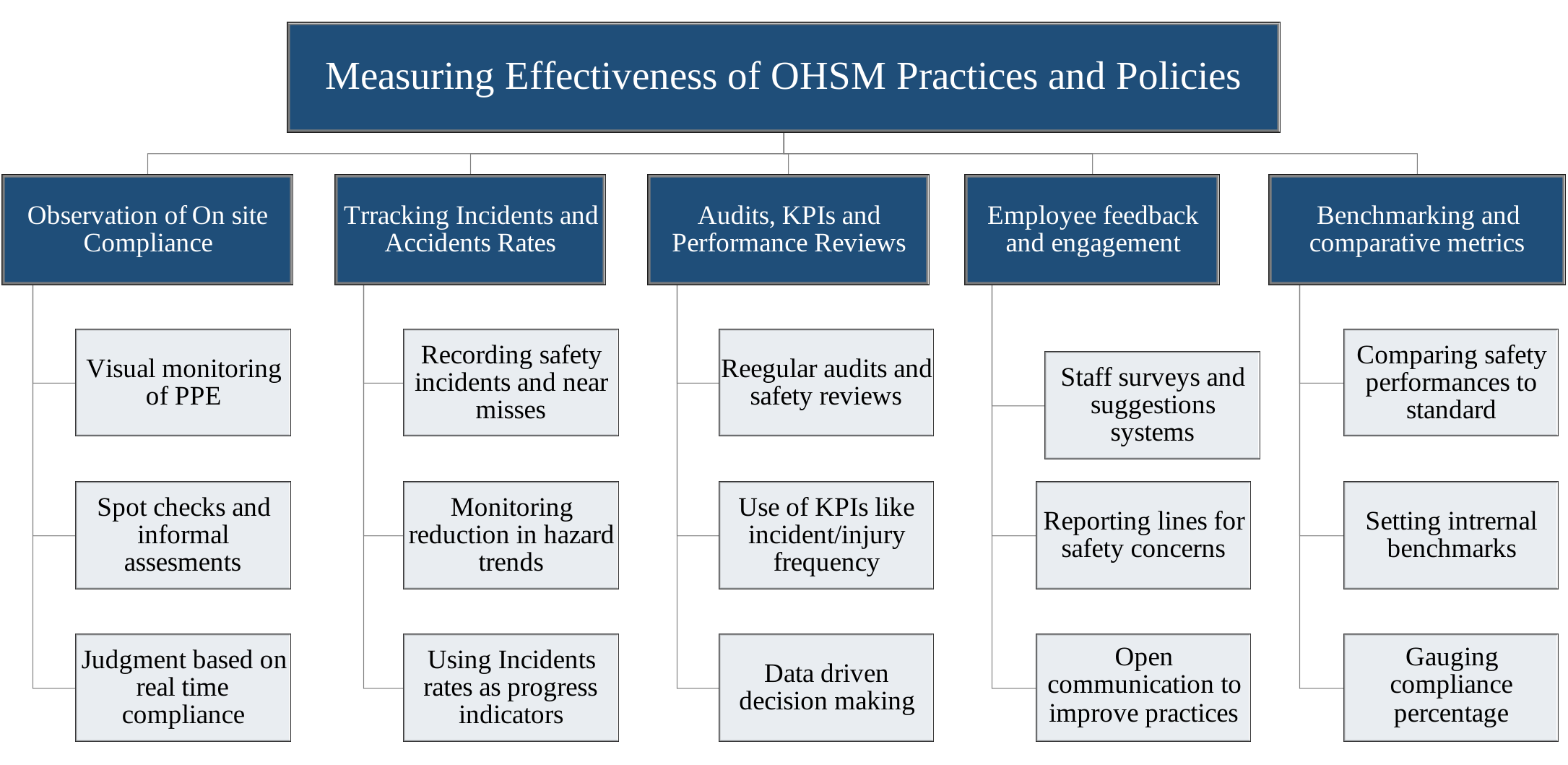
Theme 1: Observation of On-Site Compliance Direct observation of worker behaviour and compliance with PPE usage and safety protocols was commonly cited as an informal but powerful way to measure OHSM effectiveness. Visual checks provide immediate insight into whether safety training and policies are being followed on-site.
“If you go around, you will see people… always wearing their PPE. That is part of the measure that I can see.”
- HSE Manager, Lagos Calabar Coastal Highway “The safety officer always has an induction for them… We usually try to judge based on the number of accidents we have on site. If they reduce or more.”
- Personnel Manager, Lagos Rail Mass Transit This approach reflects a practical and experience-based understanding of compliance where visual indicators are seen as a proxy for policy success.
Theme 2: Tracking Incidents and Accident Rates Nearly all respondents emphasized the importance of tracking safety incidents, near misses, and accident rates as core metrics. Declining trends are interpreted as indicators of improved compliance and effective policy implementation.
“We do measure through incident or accident rates… For now, we have not been having anything like fatality or serious safety infringements.”
- HSE Manager, Rehabilitation of Warri Port “Currently now there is reduction of hazard and other near miss situation that cause harm to property and life.”
- Project Manager, Glory Drive, Airport Road to Imgbi Bayelsa “It is measured by tracking accident rates, feedback from safety audits and worker engagement in safety practices.”
- Human Resource, Bodo Bonny Road Project Incident tracking serves as a quantitative feedback loop that allows management to monitor both progress and areas of concern.
Theme 3: Audits, KPIs, and Performance Reviews Formal audits, safety scores, and the use of key performance indicators (KPIs) offer structured and standardized approaches to evaluating safety programs. These tools help translate OHSM performance into measurable outcomes.
“The effectiveness of our OHSM practices is ensured through KPIs such as incidents and injury rates, workers’ feedback, safety audit results…”
- Project Manager, Bodo Bonny Road Project “We review it every week… including the performance indices. After review, we make decisions to know where we need to improve.”
- HSE Manager, Port Harcourt Trans Kalabari Road “Performance metrics and benchmarking… We carry out audit and inspection.” — Human Resource, Calabar Deep Sea Port This structured approach is particularly valuable for internal reporting, external accountability, and regulatory compliance.
Theme 4: Employee Feedback and Engagement Involving employees in evaluating safety practices through surveys, feedback mechanisms, and open communication was another approach mentioned. This participatory strategy adds a qualitative layer to traditional measurement tools.
“We measure the effectiveness… by performance metrics and benchmarking. Then also employee feedback and survey.”
- HSE Manager, Calabar Deep Sea Port “We also use metric measurements… We ensure that staff report incidents.”
- Quality Assurance, Lagos Rail Mass Transit “When you see something, say something… to the nearest supervisor or following the reporting line.”
- HSE Supervisor, Lagos Rail Mass Transit Feedback mechanisms not only measure effectiveness but also reinforce safety ownership and transparency.
Theme 5: Benchmarking and Comparative Metrics Some respondents reported using benchmarking to compare internal safety performance with expected standards or industry averages. This provides context for interpreting metrics and setting improvement targets.
“We measure through performance metrics and benchmarking.”
- HSE Manager, Calabar Deep Sea Port “We are not 100% compliant, at least we should be around 80% compliant. So that means that we are successful.”
- Human Resource, Rehabilitation of Warri Port Benchmarking helps organizations understand where they stand and how far they must go to meet or exceed safety standards.
The analysis reveals that organizations employ a combination of observational, statistical, procedural, and participatory strategies to measure the effectiveness of their OHSM practices and policies. Core indicators such as PPE compliance, reduction in incident rates, safety audit results, and employee feedback serve as vital tools for ongoing evaluation. Importantly, managers recognize that effectiveness is not static but must be regularly reviewed, benchmarked, and adjusted in response to operational realities. These measurement practices not only ensure accountability but also provide the data needed to refine strategies and maintain a safe, productive workplace.
3.4. Supervisors
Positive Impacts of Effective Health and Safety Management on Project Outcomes
Effective health and safety management (OHSM) not only protects workers from harm but also significantly contributes to overall project success. Through strategic supervision, preventive protocols, and a culture of caution, organizations can avoid costly delays, maintain their reputation, and ensure operational efficiency. This section explores the views and real-life experiences of construction professionals on how effective safety practices have contributed to positive project outcomes. Figure 3 below identified five key benefits: Reduction in Accidents and Compensation Costs, Enhanced Organizational Reputation, Improved Supervision and Work Quality, Worker Caution and Responsibility, and Safe Work Interruptions and Timely Corrections.
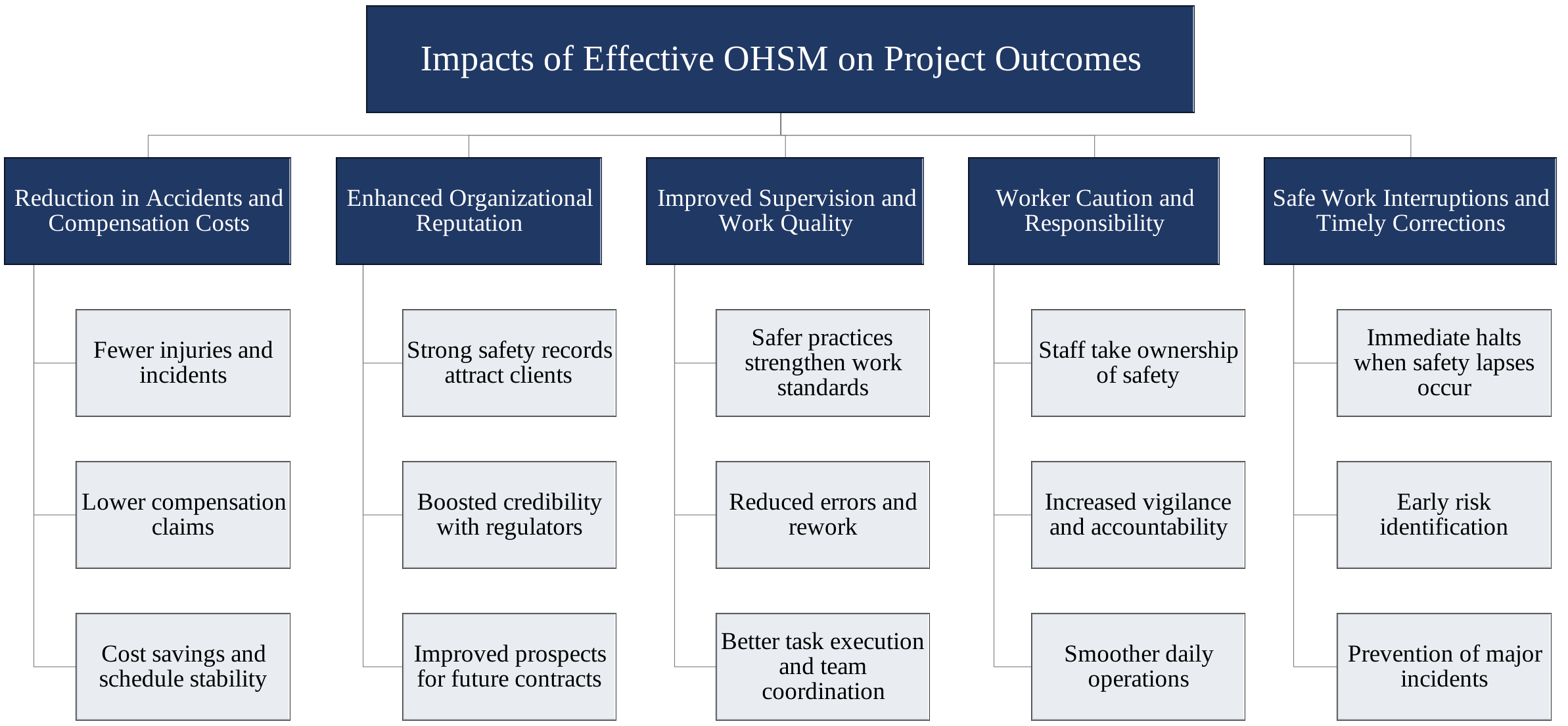
Theme 1: Reduction in Accidents and Compensation Costs One of the most immediate and tangible benefits reported was the reduction in workplace injuries, which in turn minimized compensation claims and associated financial burdens on the organization.
“If you don’t experience any accidents, it saves money. And number two, it promotes the company’s reputation… once the policy is maintained, there won’t be unnecessary compensation.”
- Site HSE Supervisor, Lagos Calabar Coastal Highway This insight reflects the strong link between preventive OHSM and reduced legal, medical, and insurance liabilities—an outcome that directly supports project budgets and schedules.
Theme 2: Enhanced Organizational Reputation Beyond cost savings, participants noted that a well-managed safety system enhances the company’s image, especially among clients and regulatory bodies. A strong safety record signals organizational competence and responsibility.
“If anyone in the company sustains injury today, and tomorrow, and further… the name of the company will be at stake by the international organization.”
- Site HSE Supervisor, Lagos Calabar Coastal Highway This reputational value becomes critical in securing future projects and maintaining positive relationships with stakeholders.
Theme 3: Improved Supervision and Work Quality Effective OHSM is deeply linked with quality supervision. Participants emphasized that good supervision ensures not only adherence to safety rules but also higher work standards, reduced errors, and timely task completion.
“Every job that is well supervised… you see the results; it will be good. If poorly supervised, the result will be bad. So, supervision is very important.
- HSE Supervisor, Port Harcourt Trans Kalabari Road “Supervision plays a critical role by setting an example… ensuring that workers understand the importance of following safety protocols.”
- Site Supervisor, Bodo Bonny Road Project This connection between safety enforcement and work quality reinforces the role of OHSM in overall project performance.
Theme 4: Worker Caution and Responsibility Several respondents pointed out that effective health and safety practices promote a sense of caution and personal responsibility among workers. Supervisors play a vital role in shaping this behaviour by constant reminders and checks.
“Supervision helps in installing caution at site… you have to caution your team workers in order for them to work in hand with you for the success of the company.”
- HSE Supervisor, Glory Drive, Airport Road to Imgbi Bayelsa “Once you supervise the workers, they will be able to maintain the safety policies. But when a supervisor is not there, they will be doing otherwise.”
- Survey Supervisor, Glory Drive, Airport Road to Imgbi Bayelsa A cautious workforce reduces the likelihood of unsafe acts and helps sustain daily operations without disruption.
Theme 5: Safe Work Interruptions and Timely Corrections Respondents also described scenarios where ongoing safety monitoring allowed work to be halted when standards were not met, preventing potentially serious accidents. Such interventions are viewed as essential to maintaining control over risk-prone environments.
“If we go there, we make sure we stop the work immediately… make sure the contractor provides all the safety gear. That’s how to ensure workers are safe.”
- Occupational Safety Officer, Rehabilitation of Warri Port This ability to intervene quickly demonstrates that effective OHSM empowers field teams to act in real time and protect workers without waiting for upper-level direction.
The insights provided by site personnel and supervisors affirm that effective health and safety management contributes meaningfully to project outcomes. From financial savings and risk reduction to reputation building and worker discipline, the benefits are both operational and strategic. Supervision, hazard awareness, and structured enforcement not only prevent accidents but also elevate the quality and reliability of construction work. These findings illustrate that OHSM, when properly implemented, is not an isolated safety function but an integral component of successful project delivery.
4. Discussion
4.1. Effectiveness of OHS Policy and Health Outcomes
The majority of respondents rated the effectiveness of Occupational Health and Safety policies as "Good" (54.4%), followed by "Fair" (34.5%), while only a small proportion considered them "Poor" (1.8%). This perception aligns with broader patterns in Nigeria’s formal construction sector where there is increasing institutional pressure to comply with international safety norms, especially on larger projects that attract external funding or government scrutiny. Similarly, the reported impact of OHSM on health outcomes was predominantly positive, with 52.0% selecting “Good” and another 8.3% rating it as “Excellent.” This reinforces the idea that while safety systems are not perfect, they are generally seen as effective in reducing occupational illnesses and improving overall worker health. These findings suggest that workers recognize OHS policies as instrumental in improving safety culture and minimizing occupational health risks. The alignment of positive ratings across both policy effectiveness and health outcomes supports the notion that effective safety policies translate into tangible improvements in workplace health. These findings are consistent with prior research, such as the work by Labaran et al. (2024), which observed that most construction firms in Nigeria, especially in urban centres, have implemented some form of OHS policy, often in response to both legal compliance and contractual obligations. However, the relatively high rating of “Fair” across both dimensions (OHS policy effectiveness and health impact) also reflects lingering gaps in consistency, enforcement, and worker engagement.
While policies and perceived health impacts appear strong, the frequency of workplace accidents remains a concern, with 46.4% of respondents reporting that accidents occur “Occasionally” and an additional 26.2% saying they happen “Frequently.” This suggests that while OHS policies are widely implemented, they may not always be effectively translated into on-ground practices. The fact that only 1.6% reported “Never” encountering accidents, and 5.7% reported “Very Frequently,” highlights the persistent challenge of enforcement, particularly in dynamic and high-risk environments like construction sites. These findings echo the conclusions of studies by [11], which found that Nigerian construction companies often struggle to enforce safety policies due to poor supervision, lack of continuous worker training, and the fast-paced, cost-driven nature of construction projects. It is possible that while policies exist on paper, site-level application is undermined by logistical constraints, workforce turnover, or insufficient buy-in from workers.
4.2. Comparative Analysis: Indigenous vs. International Companies
The comparative results between indigenous and international construction firms provide further insights. Indigenous companies received higher ratings for OHS policy effectiveness, with 61.1% reporting “Good” and 13.9% “Excellent,” compared to international companies, where 47.4% rated policies as “Fair” and only 4.7% as “Excellent.” Similarly, the impact on health outcomes was more favorable in indigenous firms, with 59.4% rating outcomes “Good” and 13.4% “Excellent,” whereas international firms were dominated by “Fair” assessments (52.2%). These findings suggest that indigenous companies may have developed stronger worker-centered approaches or better localized practices tailored to Nigeria’s construction context. This contrasts with an earlier study, which often suggested that multinational firms operating in developing economies typically exhibit stricter adherence to global OHS standards compared to local firms [12]. One possible explanation is contextual adaptation: indigenous firms may have developed OHS practices tailored to local regulatory environments and workforce characteristics, thereby yielding more positive worker perceptions. Conversely, international firms might rely on standardized global frameworks that do not fully align with local cultural or infrastructural realities, leading to a perception of reduced effectiveness. However, accident frequency presents a more complex picture. While both types of companies reported “Occasionally” as the most frequent response (46.8% indigenous, 44.9% international), indigenous companies reported a higher rate of “Very Frequent” accidents (7.6% compared to 3.1% in international companies). This indicates that although indigenous companies may demonstrate stronger policy perception and better health outcomes, they still face higher accident prevalence, likely due to systemic issues such as resource limitations, workforce training gaps, or weaker enforcement structures compared to international firms.
4.3. Monitoring and Evaluation of OHSM
The qualitative findings reinforce these patterns by demonstrating how companies attempt to sustain compliance through monitoring and evaluation measures. Routine site monitoring, regular training, audits, behavioral reinforcement, and health checks were consistently reported as strategies to ensure safety compliance. Importantly, the use of both preventive (training, inspections) and corrective (reward and sanction systems, access control) measures shows a comprehensive but varied approach across organizations. These mechanisms reflect a comprehensive approach that aligns with the best international practices. For example [13] emphasized the role of frequent training in reducing accidents, while [14] highlighted the importance of performance reviews and audits in ensuring continuous safety improvement. However, despite these efforts, the persistence of frequent accidents suggests that such measures may lack uniformity or depth of enforcement.
4.4. Measuring Effectiveness
The study further illustrates how managers assess OHSM effectiveness. Observation of compliance, tracking incidents, audits, employee feedback, and benchmarking were highlighted as the most common strategies. These practices provide a blend of quantitative and qualitative assessment, ensuring that safety programs are not only evaluated through statistical indicators (such as incident rates) but also through experiential insights from employees. Nonetheless, the continued occurrence of accidents underscores a gap between measurement and actionable intervention, suggesting that data-driven insights are not always fully translated into practical change. Direct observation allows for real-time assessment of workplace practices and identification of unsafe behaviors or conditions, while incident tracking provides data on accidents and near-misses, helping to identify trends and areas needing improvement [15]. Employee feedback is essential for understanding the safety climate and identifying gaps that may not be visible through formal metrics, and interventions based on such feedback can improve perceptions of safety culture [16].
4.5. Positive Impacts on Project Outcomes
Supervisory perspectives emphasized the tangible benefits of OHSM, including reduced accidents and compensation costs, enhanced reputation, improved supervision and work quality, increased worker caution, and timely correction of unsafe practices. These findings highlight OHSM’s dual role in protecting workers and advancing organizational success. For instance, reduced accident-related costs directly contribute to financial sustainability, while improved supervision enhances work quality and timely delivery. These findings support the argument that OHSM is not only a compliance requirement but also a strategic investment in project efficiency and competitiveness.
4.6. Strengths and Limitations of the Study
One of the key strengths of this study lies in its comprehensive mixed-method approach, which combined quantitative data from a large sample of construction workers with qualitative insights from managers and supervisors. This provided both breadth and depth, allowing for a more holistic understanding of OHSM practices in Nigerian construction sites. The comparative analysis between indigenous and international companies also adds value by highlighting contextual differences in safety management practices, an area that has received limited attention in previous research. Furthermore, the thematic analysis of monitoring, evaluation, and project outcomes enriches the findings by capturing the lived experiences of practitioners, which go beyond numerical indicators.
However, the study has some limitations. First, the reliance on self-reported data introduces the possibility of response bias, as workers and managers may overstate compliance or underreport accidents due to fear of reprisal or reputational concerns. Second, the cross-sectional design limits causal interpretations; while associations between OHSM practices and safety outcomes were identified, the study cannot establish cause-and-effect relationships. Third, the study focused only on construction sites in Nigeria’s coastal cities, which may limit the generalizability of the findings to inland regions or other sectors with different risk profiles. Lastly, while the qualitative component provided rich insights, it was limited to a relatively small number of managers and supervisors and thus may not capture the full diversity of experiences across the industry.
5. Conclusion
This study has shown that Occupational Health and Safety Management (OHSM) practices in Nigerian construction sites are generally perceived as effective, particularly in improving health outcomes and strengthening safety culture. The comparative analysis revealed that indigenous firms were rated more positively in policy effectiveness and health outcomes, though accident frequency remained a concern across both indigenous and international companies. The findings also highlight that while monitoring and evaluation mechanisms—such as routine inspections, training, audits, and behavioural reinforcement—are well established, gaps persist in translating policies into consistent accident reduction.
Overall, the results affirm that effective OHSM not only safeguards workers but also contributes to broader project success by reducing costs, enhancing organizational reputation, and improving supervision and work quality. However, persistent challenges such as frequent accidents and uneven implementation point to the need for stronger enforcement, continuous training, and integration of both behavioural and systemic safety strategies. Strengthening these areas will be critical for advancing workplace safety and achieving sustainable improvements in Nigeria’s construction sector.
Acknowledgments
We sincerely appreciate the contributions of all the authors to this study. Their dedication, expertise, and valuable insights were instrumental in shaping this work. Also, this study followed STROBE checklist guidelines. A STROBE checklist has been submitted as a Supplementary Digital Content (SDC).
Authors’ Contributions
- Ovuoderoye Okpan:Conceptualization, Methodology, Investigation, Data Curation, Writing – Review & Editing
- Innocent Okwose:Validation, Visualization, Writing, Review & Editing, Supervision,
- Henry Onyeneke-Edwards:Literature Review, Data Curation, Writing, Original Draft, Writing, Review & Editing
- Felix Olaniyi Sanni:Conceptualization, Formal Analysis, Software, Project Administration, Methodology, Writing, Original Draft, Writing, Review & Editing, Correspondence
Funding Statement
There is no external funding for this research.
Conflict of Interest
Authors have no conflict interest
Data Availability Statement
The data supporting the findings of this study were collected from construction workers, supervisors, and managers across selected coastal construction sites in Nigeria. Due to ethical restrictions and the need to protect participant confidentiality, the raw datasets, particularly interview transcripts and survey responses, cannot be publicly shared. De-identified quantitative data or summarized qualitative excerpts may be made available upon reasonable request to the corresponding author, subject to approval by the University of Port Harcourt Research Ethics Committee and in accordance with data protection guidelines.
References
- Milošević I, Stojanović A, Nikolić Đ, Mihajlović I, Brkić A, Perišić M, et al. Occupational health and safety performance in a changing mining environment: Identification of critical factors. Saf Sci 2025;184. https://doi.org/10.1016/j.ssci.2024.106745.[CrossRef]
- Karanikas N, Weber D, Bruschi K, Brown S. Identification of systems thinking aspects in ISO 45001:2018 on occupational health & safety management. Saf Sci 2022;148. https://doi.org/10.1016/j.ssci.2022.105671.[CrossRef]
- Nargiza U. Evaluating the effectiveness of Occupational Health and Safety Management Systems in the Construction Industry 2024;15:572–8.
- Kurniawan NK, Ngaliman Ngaliman, Ana Faizah. Evaluation of the Implementation of Occupational Safety and Health Management Systems in Building Construction Projects in the Public Works, Spatial Planning and Land Affairs Agency of Kepulauan Riau Province. Int J Manag Res Econ 2024;2:317–32. https://doi.org/10.54066/ijmre-itb.v2i4.2420.[CrossRef]
- Smith WT, Smith WT. Effective Leadership Strategies to Engage Employees Walden University This is to certify that the doctoral study by 2022.
- Egbele-Okoro KU. Examining health and safety through the Lean thinking lens: the case of the Nigerian construction industry. University of Huddersfield, 2020.
- Muhammad JA, Shittu AA, Mohammed YD, Idiake JE. REVIEWING THE NEED FOR IMPLEMENTATION OF SAFETY MEASURES FOR SMALL AND MEDIUM SIZED CONSTRUCTION FIRMS IN ABUJA , NIGERIA 2021:478–87.
- Olutuase SO. A Study of Safety Management in the Nigerian Construction Industry. IOSR J Bus Manag 2014;16:01–10. https://doi.org/10.9790/487x-16350110.[CrossRef]
- Debela MB, Deyessa N, Begosew AM, Azage M. Occupational health and safety practices and associated factors among workers in Ethiopia’s Metehara and Wonji sugar industries: a convergent parallel mixed design. BMJ Open 2023;13. https://doi.org/10.1136/bmjopen-2022-065382.[CrossRef] [PubMed]
- Labaran YH, Günal AY, Saini G. Occupational health and safety in the construction industry: a comprehensive review with emphasis on Nigeria. Turkish J Eng 2024;8:695–711. https://doi.org/10.31127/tuje.1471660.[CrossRef]
- Omolara O, Abiodun, Y., Olakunle, A. &, Oluwaseun A. Evaluation of Safety Measures, Compliance, and Compensation In Lagos State Government Building Construction Projects. J Archit Civ Eng Https//DoiOrg/1035629/8193-10027176 2025.
- Balasubramanian S, Shukla V. Foreign versus local firms: implications for environmental sustainability. Benchmarking 2020;27:1739–68. https://doi.org/10.1108/BIJ-12-2019-0526.[CrossRef]
- Estudillo B, Forteza FJ, Carretero-Gómez JM. Effectiveness of training in reducing accidents in construction companies. J Safety Res 2025;92:283–91. https://doi.org/10.1016/j.jsr.2024.12.005.[CrossRef] [PubMed]
- Nugroho DB, Latief Y, Wibowo MA, Arifuddin R, Lestari F, Akram MN. Development of a Framework for Risk-Based Integrated Safety Audit to Enhance Construction Safety Performance. Civ Eng J 2024;10:779–95. https://doi.org/10.28991/CEJ-2024-010-03-08.[CrossRef]
- Musungwa T, Kowe P. Effects of occupational health and safety management systems implementation in accident prevention at a Harare beverage company. Cogent Eng 2022;9. https://doi.org/10.1080/23311916.2022.2124638.[CrossRef]
- Almost J, Caicco Tett L, Vandenkerkhof E, Paré G, Strahlendorf P, Noonan J, et al. Leading Indicators in Occupational Health and Safety Management Systems in Healthcare: A Quasi-Experimental Longitudinal Study. J Occup Environ Med 2019;61:E486–96. https://doi.org/10.1097/JOM.0000000000001738.[CrossRef] [PubMed]