

Major depressive disorder is characterized, among other symptoms, by depressed mood and anhedonia associated with a high rate of suicidal ideation. In recent years, research has shown reduced expression of the brain-derived neurotrophic factor (BDNF) in limbic areas of individuals with depression. This reduction of BDNF is reversed by antidepressants in animal models of stress. Stress is one of the main triggers of mood disorders such as depression. Also, administration of BDNF increases the number of serotonergic fibers and serotonergic innervation, indicating an increase of serotonin in the synaptic cleft by this neurotrophin. Thus, BDNF appears to be one of the targets of antidepressant drugs for the increase of monoamines and remission of symptoms of major depression. The purpose of this review was to show the evidence that indicates BDNF as a molecular substrate for vulnerability to depression and the response of this substrate to the antidepressants.
BDNF, A Focus to Major Depression
October 02, 2021
November 17, 2021
November 22, 2021
November 23, 2021
This is an Open Access article, distributed under the terms of the Creative Commons Attribution 4.0 International License (http://creativecommons.org/licenses/by/4.0/), which permits unrestricted use, distribution and reproduction in any medium or format, provided the original work is properly cited.
Abstract
1. Introduction
Major depressive disorder is one of the most significant psychiatric disorders for public health worldwide. And it is predicted that this pathology, which is associated with morbidity and mortality [1, 2, 3], will become the first leading cause of disability and disease spending in developed countries until 2030 [4].
Major depression is not yet the target of pharmacological treatment that benefits all patients and therapeutic responses require weeks of treatment [5]. In addition, the pathophysiology of major depression is not well understood. However, new studies have been done in search of other treatments and mechanisms for this disease. One of the molecules that has been described to be part of one of these mechanisms is the Brain-derived neurotrophic factor (BDNF) [6].
BDNF is one of the members of the neurotrophin family that among other functions promotes the maintenance and survival of neuronal cells [7, 8]. And, this neurotrophin is reduced in depressed patients and in the post-mortem brain of victims of depression [9]. In addition, the data indicate that BDNF is intensely reduced in stress conditions, which is one of the main triggers of depression [9, 10, 11] and, in limbic areas such as hippocampus. On the contrary, its expression is increased with the use of antidepressive agents [12, 13, 14, 15].
The purpose of this review was to show the evidence that indicates BDNF as a molecular substrate for vulnerability to depression and the response of this substrate to antidepressants.
2. Major depressive disorder
Major depression, also known as unipolar depression [16] is one of the most common psychiatric disorders [17]. Its etiology is undefined, but there are several clues that it can be triggered by several factors. These include genetic factors [4, 18], disease such as cancers [19], recent stressful events such as divorce and grief [20, 21] or remote as childhood adversity - for example, sexual and physical abuse, neglect in food care and supportive as well as divorce itself and also grief [21, 22]. The diagnosis of major depression is subjective and is made according to the diagnostic criteria of the Diagnostic and Statistical Manual of Mental Disorders 5 (DSM-V). The criteria indicate that 5 out of 9 symptoms to be investigated should be present for a period of 2 weeks in a patient with this condition [23, 24, 25]. These symptoms are depressed mood, anhedonia, changes in appetite and weight loss, frequent insomnia, agitation or retardation, fatigue or loss of energy, feeling of worthlessness and excessive guilt. In addition, decreased ability to think, concentrate or decide [4, 25, 26, 27]. In addition to the DSM-V, there is also another form of diagnosis of the severity of depression, which is the Hamilton depression scale. This scale is highly validated for this purpose [3, 26, 27].
Major depression is known to be more prevalent in women and Caucasians [17]. But its pathophysiology is not completely understood [18]. However, it is well established that depression is implicated in a reduction of monoamines dopamine [28], noradrenaline [29] and in particular serotonin [30]. Clinical observation of the effects of antihypertensive reserpine led to the “monoaminergic hypothesis”, which consists in reducing these monoamines in depressed patients [31].
These monoaminergic neurotransmitters dopamine, 5-HT and norepinephrine are responsible for modulating emotional stimuli such as mood [32, 33]. From the theory of monoamines began the development of drugs that would increase the availability of monoamines, especially 5-HT [31]. The decisive mechanisms by which antidepressive agents efficacy occurs are not yet well established [6]. But evidence indicates that one of the effects of antidepressant drugs is to increase monoamine levels in the synaptic cleft [5, 31].
Treatment of major depression, which is associated with a high rate of suicidal ideation, resulting in about 15% death [3], includes electroconvulsive therapy, administration of psychoactive drugs such as lithium [34, 35], tricyclic antidepressants, monoamine oxidase inhibitors (MAO), selective serotonin reuptake inhibitors (SSRIs) [36, 37] and the use of certain substances such as L-tryptophan and L-5-hydroxytryptophan, which are present in some foods. Tryptophan is the precursor of serotonin (5-HT) [38]. 5-HT as well as norepinephrine are the main target monoamines of antidepressant drugs [39]. And, monoamine-based treatment remains the most recommended therapy for depression. But due to the clinical efficacy of antidepressant drugs arising after weeks of treatment or majority of patients failing to achieve complete remission, and as one third of them fail to respond to current drugs, new therapeutic targets are required for the clinical treatment of major depression disease [5].
3. Brain-derived neurotrophic factor
BDNF is one of the member of the neurotrophin family, which is also constituted of nerve growth factors (NGF), neurotrophin 3 (NT-3), and NT-4/5. They are proteins synthesized from a pro-protein, which cleaves to form mature neurotrophins and that these pro-proteins are about 32 kDa [40]. Mature BDNF weighs 14 kDa and is a 119-129 amino acid homodimeric [41]. After being translated into the rough endoplasmic reticulum, pro-BDNF is cleaved forming mature BDNF and transported to the Golgi complex. It is suggested that cleavage of pro-neurotrophins is mediated by proteases such as convertases and furin. These are found in the Golgi complex and in the vesicles themselves containing BDNF [41, 42]. Evidence indicates that neurotrophins including BDNF are addressed from the Golgi complex to vesicles from which they are secreted (Figure 1) [41].

BDNF which is a neuropeptide synthesized and released by neuronal and muscle cells [41, 43, 44] as well as by glial cells, astrocytes, microglia and oligodendrocytes45 can be secreted by a constitutive pathway, in which the vesicular content has its activity-dependent release and, by another pathway whose exocytosis is dependent on Ca2+ [41]. According to Lessmann and Brigadski (2009), after the release of BDNF, it can be re-endocytosed and vesiculated, restarting the secretion process.
In addition, pro-BDNF can also be released and perform functions distinct from mature BDNF. For example, while pro-BDNF has the function of initiating apoptosis, BDNF is involved in the process of neurogenesis. However, there are reports that mature BDNF is the main form to be released. On the contrary, it was also shown that half of the BDNF released in hippocampal cultures was pro-BDNF [41].
O BDNF is involved with cell growth, differentiation, maintenance and survival. In addition, it plays an important role in the synaptic function of the peripheral and central nervous system and synaptic plasticity during development and adulthood [7, 25, 46, 47]. Several studies indicate that BDNF also plays an important role in depression and in the mechanisms of antidepressants [6, 48]. It has been described as a probable biomarker of diagnostic for depression [49]. This neurotrophin was purified in 1982, from the pig brain, as a cell survival promoting factor for sensory neurons [3, 42].
To perform its functions, NGF binds to the receptor with tropomyosin type A kinase activity (TrkA), NT-3 binds to the TrkC receptor, and NT-4/5 and BDNF have TrkB as their receptor [46]. But NT-4/5 binds with low affinity to TrkB [5] whereas BDNF has high affinity for its tyrosine kinase receptor (Figure 2) [49].
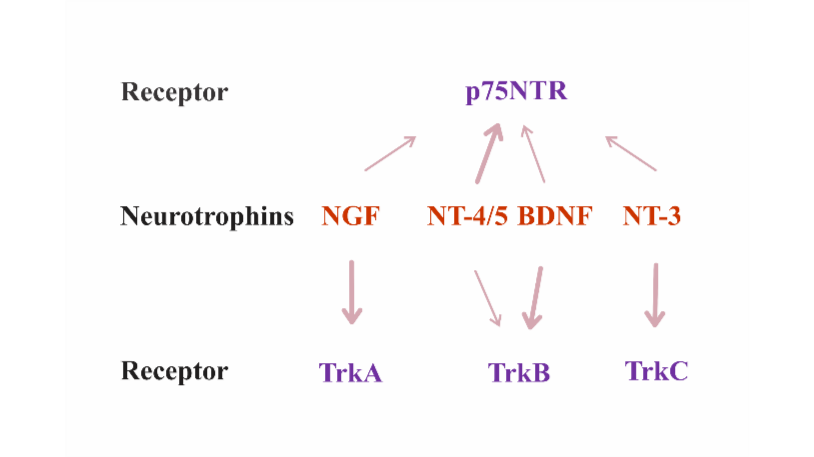
The TrkB receptor contains intrinsic tyrosine kinase activity located in an intracellular domain [50]. When activated, this receptor is dimerized and autophosphorylated and thus appears to regulate the signaling of several pathways. These include the mitogen-activated protein kinase (MAPKs), extracellular signal-regulated protein kinase (ERK2), phospholipase Cy (PLCy), and phosphatidylinositol-3-kinase (PI3K) pathways [51]. Neurotrophins also have one receptor in common, the low affinity nerve growth factor receptor or the p75 neurotrophin receptor (p75NTR), which regulates the same pathways [51, 52]. Pro-BDNF binds preferentially to this receptor more than TrkB [53].
Due to the negligible expression of BDNF mRNA in postsynaptic neurons, it has been indicated that this protein comes from presynaptic neurons [41]. According to some authors, BDNF vesicles are specifically located in the presynaptic terminals [54] and BDNF secretion has been demonstrated in both axons and dendrites of neurons in the hippocampus [55, 56].
There are reports that BDNF is one of the most widely expressed neurotrophins in the brain [9] with special abundance in the cerebral cortex and hippocampus [17, 57]. It is also present in the prefrontal cortex [7, 9], cerebellum [4], amygdala [58, 59, 60] and hypothalamus [4, 58]. These areas are involved with the pathophysiology of depression [61, 62, 63, 64].
In addition, it has been shown that BDNF mRNA is expressed in several other parts of the body such as the heart, lung, kidney, testicles [65] and in the serum of patients with major depression [57, 66]. BDNF reduction has been implicated with the pathophysiology of this disease [10, 24, 48].
Levels of mature BDNF can be measured in serum, plasma or whole blood and in blood cells, the platelets [57, 67]. But although BDNF is expressed in these and most tissues of the body, and at relatively high levels, it can come from the brain [57]. Regarding serum BDNF, it can be detected by means of a simple test and the simplicity of this test in investigating BDNF levels is one of the factors that would indicate this as a clinically useful molecule to diagnose in individuals with major depression [3, 57].
4. Brain-derived neurotrophic factor and Major Depressive disorder
Research has shown several evidence implying the involvement of BDNF in the pathophysiology of major depressive disorder. Studies have indicated that there is a reduction in serum BDNF levels in patients diagnosed with depression compared to control and that these levels are normalized after treatment with antidepressant drugs [54, 68], electroconvulsive therapy [69, 70] and physical activity [71, 72], which is indicated for depressive patients [25].
Also, the data has shown that there is a reduction of BDNF in the prefrontal cortex, amygdala and hippocampus of patients with this patology [7, 73, 74] as well as in post-mortem brain of victims of suicide and depression [9]. In addition, it has been observed that stress, one of the main triggers of mood disorders such as anxiety and depression [75, 76] induces a decrease in BDNF [10, 77]. In line with these data, exposure to stress factors, which is one of the most used approaches to model depression in experimental animals, promoted a decrease in the levels of BDNF and TrkB expression in the hippocampus, cortex and amygdala of animal models of stress such as social defeat, containment stress (immobilization) and maternal deprivation [75, 78, 79, 80].
Treatment with SSRI antidepressants has been shown to increase the expression of the BDNF gene in the hippocampus of animal models of stress [13, 81, 82] and, BDNF decreased may be one of the causes of atrophy of neurons vulnerable to stress in the hippocampus [62]. In this context, the SSRI was able to reverse the atrophy of this brain area [83] probably by a neurogenesis-dependent mechanism [84]. It has also been observed in normal animals that administration of tricyclic antidepressants including imipramine and desipramine, the MAO inhibitor, tranylcypromine and SSRIs such as fluoxetine, paroxetine and sertraline increased BDNF levels in the rat brain [12,13,36, 81,85]. However, there are studies demonstrating that the BDNF mRNA levels decrease shortly after antidepressants administration [86, 87].
The effects of antidepressants in BDNF knockout mice have also been observed. In addition to a blockage [88] or attenuation [74] of the effects of these substances, these animals exhibited similar behavior to anxiety and depression [89]. In another works, behavior similar to anxiety and depression was shown in heterozygous knockout mice for BDNF (BDNF +/-) after exposure to stress [6, 90]. Furthermore, BDNF +/- mice exhibit resistance to the effects of antidepressants in the forced swim test [88] which, is one of the most well-established tests used for screening antidepressants [39]. However, Lindholm and Castren (2014) point out that BDNF +/- mice, which were exposed to tail suspension and forced swimming tests, do not exhibit depression-like behavior [89].
Cognitive, attention and memory deficits are related by depressed patients and, a deficiency in long-term potentiation (LTP) appears to be correlated with a change in the BDNF level [91, 92]. According to Patterson et al. (1996), heterozygous knockout and knockout mice for BDNF showed suppression of LTP [92]. Also, knockout mice for TrkB subjected to trials of spatial memory task demonstrated decreased learning and a reduction in hippocampal LTP [93]. And, Martínez et al. (1998) report that a reduction in the number of synaptic structures was indicated in the hippocampus of TrkB knockout mice [94].
Also, the effects of BDNF administration in animals subjected to the forced swim test were observed. Hoshaw et al. (2005) indicated that BDNF, administered intracerebroventricular, unlike pharmacological antidepressants, which produce an acute effect in the forced swim test, induces a behavior similar to antidepressant (reduced immobility and increased swimming), which persists about 6 days after treatment [95]. In addition, it has been shown that both the chronic administration of BDNF peripherally, through the subcutaneous implantation of osmotic pumps [96] and centrally, through the administration of BDNF directly in the hippocampus and midbrain [89, 97, 98] promote behaviors similar to antidepressants in animal models of depression, such as the learned helplessness test, inescapable shock and forced swimming test.
In contrast, the infusion of BDNF to the nucleus accumbens (NAcc), an area of the brain involved in reward and hedonic behavior, increased shorter latency to immobility in the forced swim test, that is, depression-like behavior [25]. Also, direct injection of BDNF into the ventral tegmental area, which contains bodies of dopaminergic neurons, promoted depression-like behavior and blockade of BDNF signaling in the NAcc [99, 100, 101].
The NAcc can be considered as a receptor area for dopaminergic cell projections located in the ventral tegmental area [99], which acts as a convergence site for stimuli from the amygdala, hippocampus, anterior cingulate area and part of the temporal lobe. From this nucleus, efferents depart for the hypothalamus, anterior cingulate area and frontal lobes. Due to its afferent and efferent connections, NAcc plays a relevant role in the regulation of emotion, motivation and cognition [99, 102, 103, 104].
In addition, glutamatergic projections emerge from the medial prefrontal cortex, basolateral amygdala, and hippocampal formation, important regions for the emotional process and behavioral regulation and converge to the NAcc neurons, indicating that the NAcc can trigger an adequate emotional behavior [105].
Duman et al. (2007) point out that BDNF is implicated in antidepressant mechanisms [6]. In this context, there is an increase in the phosphorylation of TrkB in the hippocampus and cortex of rodents after the administration of antidepressants and this occurs in a period of hours [34, 88]. Furthermore, after chronic treatment with antidepressants, an increase in the levels of BDNF and TrkB mRNA was detected in the cerebellum of patients with depression [106]. In addition, BDNF activity increases the number of serotonergic fibers [50] and serotonergic innervation [88] indicating an increase in the serotonin activity in the synaptic cleft by this neurotrophin.
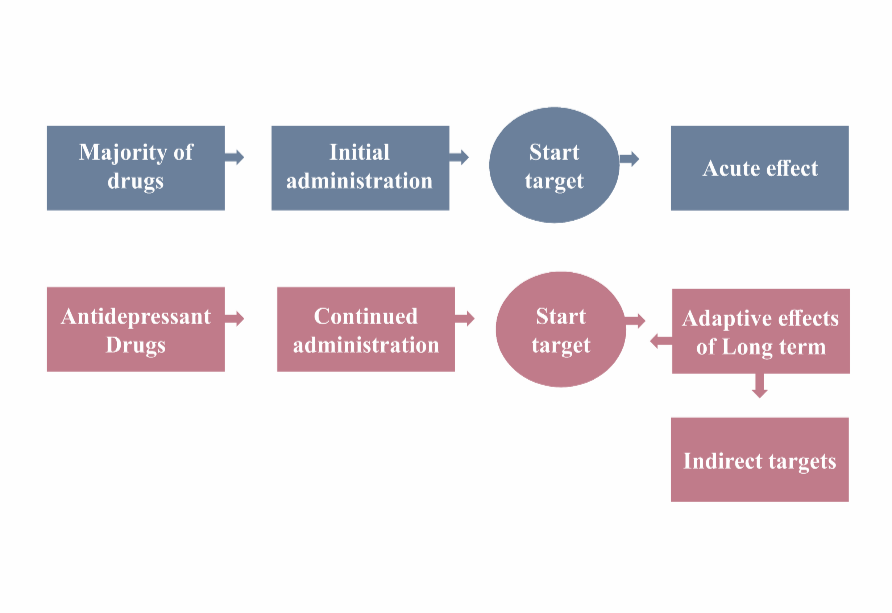
The vast majority of drugs after the initial administration reach an initial target and thus a consequent acute effect. Antidepressant drugs, on the other hand, require continued administration for several weeks for the therapeutic effect to appear. Probably, this is due to the fact that after administration of antidepressants, they reach an initial target, such as an increase of monoamines, but also other indirect targets, for example, increase of the BDNF, TrkB and synapses plasticity for the remission of patients symptoms to occur [50, 88], thus determining long-term adaptive effects (Figure 3).
The TrkB receptor mediates the growth and plasticity of serotonergic neurons by BDNF [33]. 5-HT and BDNF are two signaling systems that perform regulatory functions in many neuronal functions, including survival, neurogenesis and synaptic plasticity [101]. And there are reports that the administration of SSRI antidepressants agents increases the expression of the BDNF gene [12, 13, 36, 82, 85, 107]. And both acute and chronic administration of antidepressants promotes activation of TrkB [107].
In addition, it has been reported that the effects of antidepressants on TrkB and BDNF also imply their action on 5-HT. BDNF signaling increases the number of serotonergic fibers [50] and serotonergic innervation [88] and this suggests a consequent increase of activity of this monoamine in the synaptic cleft culminating in the improvement of the clinical condition of patients in particular with regard to symptoms of depressed mood and anhedonia.
5. Conclusion
The review results demonstrate the essential role of BDNF in the pathophysiology of depression and the increase in its levels in the face of different classes of antidepressants. All this indicates that the cause of depression is far from being just a deficiency of central monoamines and antidepressant drugs have another target in addition to monoamines which is BDNF. In addition, it appears to determine the long-term adaptive effects of these drugs. For this reason, since 30% of patients are unable to respond to current drugs and 70% do not reach complete remission [25], knowledge of the mechanisms that involve the pathophysiology of depression is important for the search for new pharmacological targets and most effective drugs for the treatment of this disease.
References
- Kessler, RC., McGonagle, K.A., Zhao, S., Nelson, C.B., Hughes, M., Eshleman, S., Wittchen, H.U., Kendler, K.S. Lifetime and 12-month prevalence of DSM-III-R psychiatric disorders in the United States. Results from the National Comorbidity Survey. Arch Gen Psychiatry. 1994;51:8-19. Doi: 10.1001/archpsyc.1994.03950010008002.[CrossRef] [PubMed]
- Carney, R.M., Freedland, K.E. Treatment-resistant depression and mortality after acute coronary syndrome. Am J Psychiatry. 2009;166:410-417. DOI:[CrossRef] [PubMed]
- Ai, M., Wang, J., Chen, J., Wang, W., Xu, X., Gan, Y., Li, X., Gou, X., Cao, J., Lv, Z., Chen, X., Wang, H., Qing, M., Kuang, L. Plasma brain-derived neurotrophic factor (BDNF) concentration and the BDNF Val66Met polymorphism in suicide: a prospective study in patients with depressive disorder. Pharmgenomics Pers Med. 2019;12:97–106. DOI: 10.1176/appi.ajp.2008.08081239.[CrossRef] [PubMed]
- Aldoghachi, A.F., Tor, Y.S., Redzun, S.Z., Lokman, K.A.B., Razaq, N.A.A., Shahbudin, A.F., Badamasi, I.M., Cheah, P-S., Stanslas, J., Veerakumarasivam, A., Rosli, R., Ibrahim, N., Lye, M.S., Ling, K-H. Screening of brain-derived neurotrophic factor (BDNF) single nucleotide polymorphisms and plasma BDNF levels among Malaysian major depressive disorder patients. PLoS One. 2019;1-19. DOI: 10.1371/journal.pone.0211241.[CrossRef] [PubMed]
- Rantamaki, T., Hendolin, P., Kankaanpaa, A., Mijatovic, J., Piepponen, P., Domenici, E., Chao, M.V., Mannisto, P.T., Castren, E. Pharmacologically diverse antidepressants rapidly activate brain-derived neurotrophic factor receptor TrkB and induce phospholipase-Cgamma signaling pathways in mouse brain. Neuropsychopharmacol. 2007;32:2152-2162. DOI: 10.1038/sj.npp.1301345.[CrossRef] [PubMed]
- Duman, C.H., Schlesinger, L., Kodama, M., Russell, D.S., Duman, R.S. A role for MAP kinase signaling in behavioral models of depression and antidepressant treatment. Biol Psychiatry. 2007;61:661-670. DOI: 10.1016/j.biopsych.2006.05.047.[CrossRef] [PubMed]
- Karege, F., Vaudan, G., Schwald, M., Perroud, N., Harpe, R.L. Neurotrophin levels in postmortem brains of suicide victims and the effects of antemortem diagnosis and psychotropic drugs. Brain Res Mol Brain Res. 2005;136:29-37. DOI: 10.1016/j.molbrainres.2004.12.020.[CrossRef] [PubMed]
- Satomura, E., Baba, H., Nakano, Y., Maeshima, H., Suzuki, T., Arai, H. Correlations between brain-derived neurotrophic factor and clinical symptoms in medicated patients with major depression. J Affect Disord. 2011;135:332-335. DOI: 10.1016/j.jad.2011.06.041.[CrossRef] [PubMed]
- Dwivedi, Y., Rizavi, H.S., Conley, R.R., Roberts, R.C., Tamminga, C.A., Pandey, G.N. Altered gene expression of brain-derived neurotrophic factor and receptor tyrosine kinase B in postmortem brain of suicide subjects. Arch Gen Psychiatry. 2003;60:804-815. DOI: 10.1001/archpsyc.60.8.804.[CrossRef] [PubMed]
- Fuchikami, M., Morinobu S., Segawa, M., Okamoto, Y., Yamawaki, S., Ozaki, N., Inoue, T., Kusumi, I., Koyama, T., Tsuchiyama, K., Terao, T. DNA methylation profiles of the brain-derived neurotrophic factor (BDNF) gene as a potent diagnostic biomarker in major depression. PLoS One. 2011;6:e23881.DOI: 10.1371/journal.pone.0023881.[CrossRef] [PubMed]
- Notaras, M., Van den Buuse, M. Neurobiology of BDNF in fear memory, sensitivity to stress, and stress-related disorders. Molecular Psychiatry. 2020. DOI: 10.1038/s41380-019-0639-2.[CrossRef] [PubMed]
- Rogoz, Z., Skuza, G., Legutko, B. Repeated treatment with mirtazepine induces brain-derived neurotrophic factor gene expression in rats. J Physiol Pharmacol. 2005;56:661-671.
- Russo-Neustadt, A., Beard, R.C., Cotman, C.W. Exercise, antidepressant medications, and enhanced brain derived neurotrophic factor expression. Neuropsychopharmacol. 1999;21:679-682. DOI: 10.1016/S0893-133X(99)00059-7.[CrossRef]
- Uint, L., Bastos, G.M., Thurow, H.S., Borges, J.B., Hirata, T.D.C., França, J.I.D., Hirata, M.H., Sousa, A.G.M.R. Increased levels of plasma IL-1b and BDNF can predict resistant depression patients. Rev Assoc Med Bras. 2019;65:361-369. DOI: 10.1590/1806-9282.65.3.361.[CrossRef] [PubMed]
- Zhang, E., Liao, P. Brain-derived Neurotrophic Factor and Post-Stroke Depression. J Neurosci Res. 2020;98:537-548. DOI: 10.1002/jnr.24510.[CrossRef] [PubMed]
- Engel-Yeger, B., Gonda, X., Muzio, C., Rinosi, G., Pompili, M., Amore, M., Serafini, G. Sensory processing patterns, coping strategies, and quality of life among patients with unipolar and bipolar disorders. Rev Bras Psiquiatr. 2016;38:207-215. DOI: 10.1590/1516-4446-2015-1785.[CrossRef] [PubMed]
- Verhagen, M., Van der Meij, A., Van Deurzen, P.A.M., , J.G.E., Arias-Vásquez, A., Buitelaar, J.K., Franke, B. Meta-analysis of the BDNF Val66Met polymorphism in major depressive disorder: effects of gender and ethnicity. Mol Psychiatry. 2010;15:260-271. DOI: 10.1038/mp.2008.109.[CrossRef] [PubMed]
- Kendler, K.S., Myers, J. The genetic and environmental relationship between major depression and the five-factor model of personality. Psychol Med. 2010;40:801-806. DOI: 10.1017/S0033291709991140.[CrossRef] [PubMed]
- Hewitt, M., Rowland, J.H. Mental health service use among adult cancer survivors: analyses of the National Health Interview Survey. J Clin Oncol. 2002;20:4581-4590. DOI: 10.1200/JCO.2002.03.077.[CrossRef] [PubMed]
- Hosang, G.M., Korszun, A., Jones, L., Jones, I., McGuffin, P., Farmer, A.E. Life-event specificity: bipolar disorder compared with unipolar depression. Br J Psychiatry. 2012;201:458-465. DOI: 10.1192/bjp.bp.112.111047.[CrossRef] [PubMed]
- Karg, K., Burmeister, M., Shedden, K., Sen, S. The serotonin transporter promoter variant (5-HTTLPR), stress, and depression meta-analysis revisited: evidence of genetic moderation. Arch Gen Psychiatry. 2011;68:444-454. DOI: 10.1001/archgenpsychiatry.2010.189.[CrossRef] [PubMed]
- Taliaz, D., Loya, A., Gersner, R., Haramati, S., Chen, A., Zangen, A. Resilience to chronic stress is mediated by hippocampal brain-derived neurotrophic factor. J Neurosci. 2011;31:4475-4483. DOI: 10.1523/JNEUROSCI.5725-10.2011.[CrossRef] [PubMed]
- Duclot, F., Kabbaj, M. Epigenetic mechanisms underlying the role of brain-derived neurotrophic factor in depression and response to antidepressants. J Exp Biol. 2015;218:21-31. DOI: 10.1242/jeb.107086.[CrossRef] [PubMed]
- Uher, R., Payne, J.L., Pavlova, B., Perlis, R.H. Major depressive disorder in DSM-5: implications for clinical practice and research of changes from DSM-IV. Depress Anxiety. 2014;31:459-471. DOI: 10.1002/da.22217.[CrossRef] [PubMed]
- Phillips, C. Brain-derived neurotrophic factor, depression, and physical activity: making the neuroplastic connection. Neural Plast. 2017;1-17. DOI: 10.1155/2017/7260130.[CrossRef] [PubMed]
- Le Noury, J., Nardo, J.M., Healy, D., Jureidini, J., Raven, M., Tufanaru, C., Abi-Jaoude, E. Restoring Study 329: efficacy and harms of paroxetine and imipramine in treatment of major depression in adolescence. BMJ. 2015;351:4320. DOI: 10.1136/bmj.h4320.[CrossRef] [PubMed]
- Li, S., Zhang, B., Guo, Y., Zhang, J. The association between alexithymia as assessed by the 20-item Toronto Alexithymia Scale and depression: A meta-analysis. Psychiatry Res. 2015;227:1-9. DOI: 10.1016/j.psychres.2015.02.006.[CrossRef] [PubMed]
- Pia, S.L. Monoamine's role in depression and possible consequences for the clinical management of the core symptoms of major depression. Riv Psichiatr. 2009;44:1-14.
- Espejo, E.F., Minano, F.J. Prefrontocortical dopamine depletion induces antidepressant-like effects in rats and alters the profile of desipramine during Porsolt's test. Neuroscience. 1999;88:609-615. DOI: 10.1016/s0306-4522(98)00258-9.[CrossRef]
- Gibney, S.M., McGuinness, B., Prendergast, C., Harkin, A., Connor, J.C. Poly I:C-induced activation of the immune response is accompanied by depression and anxiety-like behaviours, kynurenine pathway activation and reduced BDNF expression. Brain Behav Immun. 2013;28:170-181. DOI: 10.1016/j.bbi.2012.11.010.[CrossRef] [PubMed]
- Berton, O., Nestler, E.J. New approaches to antidepressant drug discovery: beyond monoamines. Nat Rev Neurosci. 2006;7:137-151. DOI: 10.1038/nrn1846.[CrossRef] [PubMed]
- Hu, H., Real, E., Takamiya, K., Kang, M.G., Ledoux, J., Huganir, R.L., Malinow, R. Emotion enhances learning via norepinephrine regulation of AMPA-receptor trafficking. Cell. 2007;131:160-173. DOI: 10.1016/j.cell.2007.09.017[CrossRef] [PubMed]
- Krishnan, V., Nestler, E.J. The molecular neurobiology of depression. Nature. 2008;455:894-902. DOI: 10.1038/nature07455.[CrossRef] [PubMed]
- Rantamaki, T., Knuuttila, J.E.A., Hokkanen, M-E, Castren, E. The effects of acute and long-term lithium treatments on trkB neurotrophin receptor activation in the mouse hippocampus and anterior cingulate córtex. Neuropharmacol. 2006;50:421-427. DOI: 10.1016/j.neuropharm.2005.10.001.[CrossRef] [PubMed]
- Sorri, A., Järventausta, K., Kampman, O., Lehtimaki, K., Bjorkqvist, M., Tuohimaa, K., Hamalainen, M., Moilanen, E., Leinonen, E. Effect of electroconvulsive therapy on brain‐derived neurotrophic factor levels in patients with major depressive disorder. Brain Behav. 2018;1-7. DOI: 10.1002/brb3.1101.[CrossRef] [PubMed]
- Balu, D.T., Hoshaw, B.A., Malberg, J.E., Rosenzweig-Lipson, S., Schechter, L.E., Luckia, I. Differential regulation of central BDNF protein levels by antidepressant and non-antidepressant drug treatments. Brain Res. 2008;1211:37-43. DOI: 10.1016/j.brainres.2008.03.023.[CrossRef] [PubMed]
- Chuang, H.Y., Chang, Y.H., Cheng, L.Y., Wang, Y.S., Chen, S.L., Chen, S.H., Chu, C.H., Lee, I.H., Chen, P.S., Yeh, T.L., Yang, Y.K., Lu, R.B. Venlafaxine, paroxetine and milnacipran for major depressive disorder: a pragmatic 24-week study. Chin J Physiol. 2014;57:265-270. DOI: 10.4077/CJP.2014.BAC209[CrossRef] [PubMed]
- Agazzi, A., De, P.F., De, G.R., Candura, S.M., Anselmi, L., Cervio, E., Di, N.A., Tonini, M. Review of the implications of dietary tryptophan intake in patients with irritable bowel syndrome and psychiatric disorders. Dig. Liver Dis. 2003;35:590-595. DOI: 10.1016/s1590-8658(03)00277-9.[CrossRef]
- Koponen, E., Rantamaki, T., Voikar, V., Saarelainen, T., MacDonald, E., Castren, E. Enhanced BDNF signaling is associated with an antidepressant-like behavioral response and changes in brain monoamines. Cell Mol Neurobiol. 2005;25:973-980. DOI: 10.1007/s10571-005-8468-z.[CrossRef] [PubMed]
- Lu, B., Pang, P.T., Woo, N.H. The yin and yang of neurotrophin action. Nat Rev Neurosci. 2005;6:603-614. DOI: 10.1038/nrn1726.[CrossRef] [PubMed]
- Lessmann, V., Brigadski, T. Mechanisms, locations, and kinetics of synaptic BDNF secretion: an update. Neurosci Res. 2009;65:11-22. DOI: 10.1016/j.neures.2009.06.004.[CrossRef] [PubMed]
- Barde, Y.A., Edgar, D., Thoenen, H. Purification of a new neurotrophic factor from mammalian brain. EMBO J. 1982;1:549-553.[CrossRef] [PubMed]
- Merighi, A. Costorage and coexistence of neuropeptides in the mammalian CNS. Prog Neurobiol. 2002;66:161-190. DOI: 10.1016/s0301-0082(01)00031-4.[CrossRef]
- Salio, C., Averill, S., Priestley, J.V., Merighi, A. Costorage of BDNF and neuropeptides within individual dense-core vesicles in central and peripheral neurons. Dev Neurobiol. 2007;67:326-338. DOI: 10.1002/dneu.20358.[CrossRef] [PubMed]
- Dougherty, K.D., Dreyfus, C.F., Black, I.B. Brain-derived neurotrophic factor in astrocytes, oligodendrocytes, and microglia/macrophages after spinal cord injury. Neurobiol Dis. 2007;574-585. DOI: 10.1006/nbdi.2000.0318.[CrossRef] [PubMed]
- Numakawa, T., Richards, M., Nakajima, S., Adachi, N., Furuta, M., Odaka, H., Kunugi, H. The role of brain-derived neurotrophic factor in comorbid depression: possible linkage with steroid hormones, cytokines, and nutrition. Front Psychiatry. 2014;5:136. DOI: 10.3389/fpsyt.2014.00136.[CrossRef] [PubMed]
- Li, Y., Jia, Y., Wang, D., Zhuang, X., Li, Y., Guo, C., Chu, H., Zhu, F., Wang, J., W.X., Wang, Q., Zhao, W., Shi, Y., Chen, W., Zhang, L. Programmed Cell Death 4 as an Endogenous Suppressor of BDNF Translation Is Involved in Stress-Induced Depression. Mol Psychiatry. 2020. DOI: 10.1038/s41380-020-0692-x.[CrossRef] [PubMed]
- Ghosal, S., Bang, E., Yue, W., Hare, B.D., Lepack, A.E., Girgenti, M.J., Duman, R.S. Activity-Dependent Brain-Derived Neurotrophic Factor Release Is Required for the Rapid Antidepressant Actions of Scopolamine. Biol Psychiatry. 2018;83:29-37. DOI: 10.1016/j.biopsych.2017.06.017.[CrossRef] [PubMed]
- Colucci-D’Amato, L., Speranza, L., Volpicelli, F. Neurotrophic Factor BDNF, Physiological Functions and Therapeutic Potential in Depression, Neurodegeneration and Brain Cancer. Int. J. Mol. Sci. 2020; DOI:10.3390/ijms21207777[CrossRef] [PubMed]
- Duman, R.S. Novel therapeutic approaches beyond the serotonin receptor. Biol Psychiatry. 1998;44:324-335. DOI: 10.1016/s0006-3223(98)00031-6.[CrossRef]
- Russo, S.J., Mazei-Robison, M.S., Ables, J.L., Nestler, E.J. Neurotrophic factors and structural plasticity in addiction. Neuropharmacol. 2009;56:73-82. DOI: 10.1016/j.neuropharm.2008.06.059.[CrossRef] [PubMed]
- Chao, M.V. Neurotrophins and their receptors: a convergence point for many signalling pathways. Nat Rev Neurosci. 2003;4:299-309. DOI: 10.1038/nrn1078.[CrossRef] [PubMed]
- Lee, R., Kermani, P., Teng, K.K., Hempstead, B.L. Regulation of cell survival by secreted proneurotrophins. Science. 2001;294:1945-1948. DOI: 10.1126/science.1065057.[CrossRef] [PubMed]
- Dieni, S., Matsumoto, T., Dekkers, M., Raukolb, S., Ionescu, M.S., Deogracias, R., Gundelfinger, E.D., Kojima, M., Nestel, S., Frotscher, M., Barde, Y.A. BDNF and its pro-peptide are stored in presynaptic dense core vesicles in brain neurons. J Cell Biol. 2012;196:775-788. DOI: 10.1083/jcb.201201038.[CrossRef] [PubMed]
- Matsuda, N., Lu, H., Fukata, Y., Noritake, J., Gao, H., Mukherjee, S., Nemoto, T., Fukata, M., Poo, M-M. Differential activity-dependent secretion of brain-derived neurotrophic factor from axon and dendrite. J Neurosci. 2009;29:14185-14198. DOI: 10.1523/JNEUROSCI.1863-09.2009.[CrossRef] [PubMed]
- Tongiorgi, E., Righi, M., Cattaneo, A. Activity-dependent dendritic targeting of BDNF and TrkB mRNAs in hippocampal neurons. J Neurosci. 1997;17:9492-9505. DOI: 10.1523/JNEUROSCI.17-24-09492.1997.[CrossRef] [PubMed]
- Sen, S., Duman, R., Sanacora, G. Serum brain-derived neurotrophic factor, depression, and antidepressant medications: meta-analyses and implications. Biol Psychiatry. 2008;64:527–532. DOI: 10.1016/j.biopsych.2008.05.005.[CrossRef] [PubMed]
- Conner, J.M., Lauterborn, J.C., Yan, Q., Gall, C.M., Varon, S. Distribution of brain-derived neurotrophic factor (BDNF) protein and mRNA in the normal adult rat CNS: evidence for anterograde axonal transport. J Neurosci. 1997;17:2295-2313. DOI: 10.1523/JNEUROSCI.17-07-02295.1997.[CrossRef] [PubMed]
- Ernfors, P., Wetmore, C., Olson, L., Person H. Identification of cells in rat brain and peripheral tissues expressing mRNA for members of the nerve growth factor family. Neuron. 1990;5:511-526. DOI: 10.1016/0896-6273(90)90090-3.[CrossRef]
- Guan, Z., Fang, J. Peripheral immune activation by lipopolysaccharide decreases neurotrophins in the cortex and hippocampus in rats. Brain Behav Immun. 2006;20:64-71. DOI: 10.1016/j.bbi.2005.04.005.[CrossRef] [PubMed]
- Drevets, W.C. Neuroimaging and neuropathological studies of depression: implications for the cognitive-emotional features of mood disorders. Curr Opin Neurobiol. 2001;11:240-249. DOI: 10.1016/s0959-4388(00)00203-8.[CrossRef]
- Nibuya, M., Morinobu, S., Duman, RS. Regulation of BDNF and trkB mRNA in rat brain by chronic electroconvulsive seizure and antidepressant drug treatments. J Neurosci. 1995;15:7539-7547. DOI: 10.1523/JNEUROSCI.15-11-07539.1995.[CrossRef] [PubMed]
- Sheline, Y.I. Neuroimaging studies of mood disorder effects on the brain. Biol Psychiatry. 2003;54:338-352. DOI: 10.1016/s0006-3223(03)00347-0.[CrossRef]
- Li, XX., Yu, Y., Lang, S.Y., Jiang, C.Y., Lan, R., Qin, X.Y. 2,3,5,4'-Tetrahydroxystilbene-2-O-β-d-glucoside Restores BDNF-TrkB and FGF2-Akt Signaling Axis to Attenuate Stress-induced Depression. Neuroscience. 2020;430:25-33. DOI: 10.1016/j.neuroscience.2020.01.025.[CrossRef] [PubMed]
- Katoh-Semba, R., Takeuchi, IK., Semba, R., Kato, K. Distribution of brain-derived neurotrophic factor in rats and its changes with development in the brain. J Neurochem. 1997;69:34-42. DOI: 10.1046/j.1471-4159.1997.69010034.x.[CrossRef] [PubMed]
- Huang, X., Huang, X., Zhou, Y., He, H., Mei, F., Sun, B., Soares, JC., Yang ZX. Association of serum BDNF levels with psychotic symptom in chronic patients with treatment-resistant depression in a Chinese Han population. Psychiatry Res. 2017;257:279-283. DOI: 10.1016/j.psychres.2017.07.076.[CrossRef] [PubMed]
- Polyakova, M., Stuke, K., Schuemberg, K., Mueller, K., Schoenknecht, P., Schroeter, M.L. BDNF as a biomarker for successful treatment of mood disorders: A systematic & quantitative meta-analysis. J Affect Disord. 2015;174C:432-440. DOI: 10.1016/j.jad.2014.11.044.[CrossRef] [PubMed]
- Matrisciano, F., Bonaccorso, S., Ricciardi, A., Scaccianoce, S., Panaccione, I., Wang, L., Ruberto, A., Tatarelli, R., Nicoletti, F., Girardi, P., Shelton, R.C. Changes in BDNF serum levels in patients with major depression disorder (MDD) after 6 months treatment with sertraline, escitalopram, or venlafaxine. J Psychiatr Res. 2009;43:247-254. DOI: 10.1016/j.jpsychires.2008.03.014.[CrossRef] [PubMed]
- Brunoni, A.R., Baeken, C., Machado-Vieira, R., Gattaz, W.F., Vanderhasselt, M-A. BDNF blood levels after electroconvulsive therapy in patients with mood disorders: A systematic review and meta-analysis. World J Biol Psychiatry. 2014;15:411-418. DOI: 10.3109/15622975.2014.892633.[CrossRef] [PubMed]
- Luan, S., Zhou, B.,Wu, Q., Wan, H., Li, H. Brain-derived neurotrophic factor blood levels after electroconvulsive therapy in patients with major depressive disorder: A systematic review and meta-analysis. Asian J Psychiatr. 2020. DOI: .[CrossRef] [PubMed]
- Murawska-Ciałowicz, E., Wiatr, M., Ciałowicz, M., Assis, G.G., Borowicz, W., Rocha-Rodrigues, S., Paprocka-Borowicz, M., Marques, A. BDNF Impact on Biological Markers of Depression—Role of Physical Exercise and Training. Int. J. Environ Res Public Health. 2021.
- Kandola, A., Ashdown-Franks, G., Hendrikse, J., Sabiston, C.M., Stubbs, B. Physical activity and depression: Towards understanding the antidepressant mechanisms of physical activity. Neurosci Biobehav Rev. 2019;107:525-539. doi: 10.1016/j.neubiorev.2019.09.040.[CrossRef] [PubMed]
- Bedel, H.A., Kencebay, M.C., Ozbey, G., Usta, C. The antidepressant-like activity of ellagic acid and its effect on hippocampal brain derived neurotrophic factor levels in mouse depression models. Nat Prod Res. 2017;1-4. DOI: 10.1080/14786419.2017.1385021.[CrossRef] [PubMed]
- Daws, L.C., Munn, J.L., Valdez, M.F., Frosto-Burke, T., Hensler, J.G. Serotonin transporter function, but not expression, is dependent on brain-derived neurotrophic factor (BDNF): in vivo studies in BDNF-deficient mice. J Neurochem. 2007;101:641-651. DOI: 10.1111/j.1471-4159.2006.04392.x.[CrossRef] [PubMed]
- Pizarro, J.M., Lumley, L.A., Medina, W., Robison, C.L., Chang, W.E., Alagappan, A., Bah, M.J., Dawood, M.Y., Shah, J.D., Mark, B., Kendall, N., Smith, M.A., Saviolakis, G.A., Meyerhoff, J.L. Acute social defeat reduces neurotrophin expression in brain cortical and subcortical areas in mice. Brain Res. 2004;1025:10-20. DOI: 10.1016/j.brainres.2004.06.085.[CrossRef] [PubMed]
- Song, X., Liu, B., Cui, L., Zhou, B., Liu, W., Xu, F., Hayashi, T., Hattori, S., Ushiki-Kaku, Y., Tashiro, S.I., Ikejima, T. Silibinin ameliorates anxiety/depression-like behaviors in amyloid beta-treated rats by upregulating BDNF/TrkB pathway and attenuating autophagy in hippocampus. Physiol Behav. 2017;179:487-493. DOI: 10.1016/j.physbeh.2017.07.023.[CrossRef] [PubMed]
- Losenkov, I.S., Mulder, N.J.V., Levchuk, L.A., Vyalova, N.M., Loonen, A.J.M., Bosker, F.J., Simutkin, G.G., Boiko, A.S., Bokhan, N.A., Wilffert, B., Hak, E., Schmidt, A.F., Ivanova, S.A. Association Between BDNF Gene Variant Rs6265 and the Severity of Depression in Antidepressant Treatment-Free Depressed Patients. Front Psychiatry. 2020;11:1-8. DOI: 10.3389/fpsyt.2020.00038.[CrossRef] [PubMed]
- Roceri, M., Hendriks, W., Racagni, G., Ellenbroek, B.A., Riva, M.A. Early maternal deprivation reduces the expression of BDNF and NMDA receptor subunits in rat hippocampus. Mol Psychiatry. 2002;7:609-616. DOI: 10.1038/sj.mp.4001036.[CrossRef] [PubMed]
- Ueyama, T., Kawai, Y., Nemoto, K., Sekimoto, M., Tone, S., Senba, E. Immobilization stress reduced the expression of neurotrophins and their receptors in the rat brain. Neurosci Res. 1997;28:103-110. DOI: 10.1016/s0168-0102(97)00030-8.[CrossRef]
- Duman, R.S., Deyama, S., Fogaça, M.V. Role of BDNF in the pathophysiology and treatment of depression: Activity-dependent effects distinguish rapid-acting antidepressants. Eur J Neurosci. 2021;53:126-139. DOI: 10.1111/ejn.14630.[CrossRef] [PubMed]
- Zetterstrom, T.S., Pei, Q., Madhav, T.R., Coppell, A.L., Lewis, L., Grahame-Smith, D.G. Manipulations of brain 5-HT levels affect gene expression for BDNF in rat brain. Neuropharmacol. 1999;38:1063-1073. DOI: 10.1016/s0028-3908(99)00022-2.[CrossRef]
- Ramesh, V., Venkatesan, V., Chellathai, D., Silamban, S. Association of Serum Biomarker Levels and BDNF Gene Polymorphism with Response to Selective Serotonin Reuptake Inhibitors in Indian Patients with Major Depressive Disorder. Neuropsychobiology. 2021;80:201-213. DOI: 10.1159/000507371.[CrossRef] [PubMed]
- Magarinos, A.M., Deslandes, A., McEwen, B.S. Effects of antidepressants and benzodiazepine treatments on the dendritic structure of CA3 pyramidal neurons after chronic stress. Eur J Pharmacol. 1999;371:113-122. DOI: 10.1016/s0014-2999(99)00163-6.[CrossRef]
- Taliaz, D., Loya, A., Gersner, R., Haramati, S., Chen, A., Zangen, A. Knockdown of brain-derived neurotrophic factor in specific brain sites precipitates behaviors associated with depression and reduces neurogenesis. Mol Psychiatr. 2010;15:80–92. DOI: 10.1038/mp.2009.67.[CrossRef] [PubMed]
- De Foubert, G., Carney, S.L., Robinson, C.S., Destexhe, E.J., Tomlinson, R., Hicks, C.A., Murray, T.K., Gaillard, J.P., Deville, C., Xhenseval, V., Thomas, C.E., O'Neill, M.J., Zetterström, T.S.C. Fluoxetine-induced change in rat brain expression of brain-derived neurotrophic factor varies depending on length of treatment. Neuroscience. 2004;128:597-604. DOI: 10.1016/j.neuroscience.2004.06.054.[CrossRef] [PubMed]
- Coppell, A.L., Pei, Q., Zetterström, T.S.C. Bi-phasic change in BDNF gene expression following antidepressant drug treatment. Neuropharmacol. 2003;44:903–910. DOI:10.1016/S0028-3908(03)00077-7[CrossRef]
- Kozisek, M.E., Middlemas, D., Bylund, D.B. Brain-derived neurotrophic factor and its receptor tropomyosin-related kinase B in the mechanism of action of antidepressant therapies. Pharmacol Ther. 2008;117,30–51. DOI: 10.1016/j.pharmthera.2007.07.001.[CrossRef] [PubMed]
- Saarelainen, T., Hendolin, P., Lucas, G., Koponen, E., Sairanen, M., MacDonald, E., Agerman, K., Haapasalo, A., Nawa, H., Aloyz, R., Ernfors, P., Castrén, E. Activation of the TrkB neurotrophin receptor is induced by antidepressant drugs and is required for antidepressant-induced behavioral effects. J Neurosci. 2003;23:349-357. DOI: 10.1523/JNEUROSCI.23-01-00349.2003.[CrossRef] [PubMed]
- Lindholm, J.S., Castren, E. Mice with altered BDNF signaling as models for mood disorders and antidepressant effects. Front Behav Neurosci. 2014;8:143. DOI: 10.3389/fnbeh.2014.00143.[CrossRef]
- Carola, V., Gross, C. BDNF moderates early environmental risk factors for anxiety in mouse. Genes Brain and Behav. 2010;9:379–389. DOI: 10.1111/j.1601-183X.2010.00572.x.[CrossRef] [PubMed]
- Lu, Y., Christian, K., Lu, B. BDNF: a key regulator for protein synthesis-dependent LTP and long-term memory? Neurobiol Learn Mem. 2008;89:312-323. DOI: 10.1016/j.nlm.2007.08.018.[CrossRef] [PubMed]
- Patterson, S.L., Abel, T., Deuel, T.A., Martin, K.C., Rose, J.C., Kandel, E.R. Recombinant BDNF rescues deficits in basal synaptic transmission and hippocampal LTP in BDNF knockout mice. Neuron. 1996;16:1137-1145. DOI: 10.1016/s0896-6273(00)80140-3.[CrossRef]
- Minichiello, L., Korte, M., Wolfer, D., Kuhn, R., Unsicker, K., Cestari, V., Rossi-Arnaud, C., Lipp, H.P., Bonhoeffer, T., and Klein, R. Essential role for TrkB receptors in hippocampus-mediated learning. Neuron. 1999;24:401-414. DOI: 10.1016/s0896-6273(00)80853-3.[CrossRef]
- Martinez, A., Alcantara, S., Borrell, V., Del Rio, J.A., Blasi, J., Otal, R., Campos, N., Boronat, A., Barbacid, M., Silos-Santiago, I., Soriano, E. TrkB and TrkC signaling are required for maturation and synaptogenesis of hippocampal connections. J Neurosci. 1998;18:7336-7350. DOI: 10.1523/JNEUROSCI.18-18-07336.1998.[CrossRef] [PubMed]
- Hoshaw, B.A., Malberg, J.E., Lucki, I. Central administration of IGF-I and BDNF leads to long-lasting antidepressant-like effects. Brain Res. 2005;1037:204-208. DOI: 10.1016/j.brainres.2005.01.007.[CrossRef] [PubMed]
- Schmidt, H.D., Duman, R.S. Peripheral BDNF produces antidepressant-like effects in cellular and behavioral models. Neuropsychopharmacol. 2010;35:2378-2391. DOI: 10.1038/npp.2010.114.[CrossRef] [PubMed]
- Siuciak, J.A., Lewis, D.R., Wiegand, S.J., Lindsay, R.M. Antidepressant-like effect of brain-derived neurotrophic factor (BDNF). Pharmacol Biochem Behav. 1997;56:131-137. DOI: 10.1016/S0091-3057(96)00169-4.[CrossRef]
- Ye, Y., Wang, G., Wang, H., Wang, X. Brain-derived neurotrophic factor (BDNF) infusion restored astrocytic plasticity in the hippocampus of a rat model of depression. Neurosci Lett. 2011;503:15-19. DOI: 10.1016/j.neulet.2011.07.055.[CrossRef] [PubMed]
- Koo, J.W., Chaudhury, D., Han, M-H., Nestler, E.J. Role of Mesolimbic Brain-Derived Neurotrophic Factor in Depression. Biol Psychiatry. 2019;86:738-748. DOI: 10.1016/j.biopsych.2019.05.020. Epub 2019 Jun 4.[CrossRef] [PubMed]
- Eisch, A., Bolanos, C., Wit, J., Simonak, R.D., Pudiak, C.M., Barrot, M., Verhaagen, J., Nestler, E.J. Brain-derived neurotrophic factor in the ventral midbrain-nucleus accumbens pathway: a role in depression. Biol Psychiatry. 2003;54: 994–1005. DOI: 10.1016/j.biopsych.2003.08.003.[CrossRef] [PubMed]
- Berton, O., McClung, C.A., Dileone, R.J., Krishnan, V., Renthal, W., Russo, S.J., Graham, D., Tsankova, N.M., Bolanos, C.A., Rios, M.R., Monteggia, L.M., Self, D.W., Nestler, E.J. Essential role of BDNF in the mesolimbic dopamine pathway in social defeat stress. Science. 2006;311:864–868, DOI: 10.1126/science.1120972[CrossRef] [PubMed]
- KELLEY, A.E. Ventral striatal control of appetitive motivation: role in ingestive behavior and reward-related learning. Neurosci Biobehav Rev. 2004;765-776.[CrossRef] [PubMed]
- Pagliusi Jr, M.O.F., Bonet, I.J.M., Dias, E.V., Vieira, A.S., Tambeli, C.H., Parada, C.A., Sartori, C.R. Social defeat stress induces hyperalgesia and increases truncated BDNF isoforms in the nucleus accumbens regardless of the depressive-like behavior induction in mice. Eur J Neurosci. 2018. DOI: 10.1111/ejn.13994.[CrossRef] [PubMed]
- Azogu, I., Plamondon, H. Inhibition of TrkB at the nucleus accumbens, using ANA-12, regulates basal and stress-induced orexin A expression within the mesolimbic system and affects anxiety, sociability and motivation. Neuropharmacol. 2017;125:129-145. DOI: 0.1016/j.neuropharm.2017.07.008.[CrossRef] [PubMed]
- Da Cunha, I.C., Lopez, A.P.F., Steffens, S.M., Ferraz, A., Vargas, J.C., Lima, T.C.M., Neto, J.M., Paschoalini, M.A., Faria, M.S. The microinjection of AMPA receptor antagonist into the accumbens shell, but not into accumbens core, induces anxiolysis in an animal model of anxiety. Behav Brain Res. 2008;193:243-247,. DOI: 10.1016/j.bbr.2007.10.023.[CrossRef] [PubMed]
- Bayer, T.A., Schramm, M., Feldmann, N., Knable, M.B., Falkai, P. Antidepressant drug exposure is associated with mRNA levels of tyrosine receptor kinase B in major depressive disorder. Prog Neuropsychopharmacol Biol Psychiatry. 2000;24:881-888. DOI: 10.1016/s0278-5846(00)00115-9.[CrossRef]
- Gaspar, P., Cases, O., Maroteaux, L. The developmental role of serotonin: news from mouse molecular genetics. Nat Rev Neurosci. 2003;4:1002-1012. DOI: 10.1038/nrn1256.[CrossRef] [PubMed]