

Background: Building Information Modelling (BIM) improves safety planning in construction by enabling visualization and simulation to identify and reduce risks. However, its adoption in Nigeria is limited. This study examines the application of BIM in enhancing safety and environmental performance on construction sites in Nigeria. Methodology: A quantitative cross-sectional survey was conducted using a structured online questionnaire distributed to professionals in Nigeria’s construction industry. A purposive sampling method was employed to target respondents with relevant BIM experience. Data were analysed using SPSS version 28, applying descriptive statistics, chi-square tests, and logistic regression at a 5% significance level. Result: Findings show that BIM was fully adopted by 7.0% of organizations, with only 19.8% of respondents using it to identify safety hazards during planning. While 76.8% reported no notable safety benefit, 19.5% identified improved risk management as the key benefit. Most respondents (80.2%) reported no noticeable environmental benefits. Among those who did, improved energy efficiency was the most cited benefit (16.4%). Respondents with 10 or more years of experience were significantly more likely to report enhanced safety and environmental outcomes (AOR = 4.555; p = 0.003) and adequate BIM utilization (AOR = 3.255; p = 0.023). Those with intermediate BIM experience were also more likely to report high enhancement (AOR = 2.857; p = 0.039) and effective tool use (AOR = 2.881; p = 0.050). Conclusion: This study revealed that BIM has the potential to improve construction outcomes in Nigeria if supported by training, experience, and structured implementation.
Application of Building Information Modelling (BIM) for Enhancing Safety and Environmental Performance on Construction Sites in Nigeria
September 17, 2025
October 20, 2025
November 03, 2025
November 09, 2025
This is an Open Access article, distributed under the terms of the Creative Commons Attribution 4.0 International License (http://creativecommons.org/licenses/by/4.0/), which permits unrestricted use, distribution and reproduction in any medium or format, provided the original work is properly cited.
Abstract
1. Introduction
The construction industry is vital, with substantial economic and social impacts. However, it faces challenges due to its dynamic nature, frequent worksite accidents, and the severity of these incidents [1]. Unsafe conditions can harm the reputation of those involved and impede further progress in construction projects [2]. Despite the presence of safety regulations like OSHA, NIOH, and HSE in developed countries, accidents remain a significant issue worldwide [3]. Contributing factors include the constantly changing work environment, worker behaviour, lack of coordination, and inadequate risk management [4]. To tackle these challenges, innovative solutions like Building Information Modelling (BIM) can be implemented [5]. BIM is a digital tool that creates accurate 3D models for construction projects, facilitating seamless information sharing and integration among stakeholders [5]. It offers a comprehensive view of a project, allowing stakeholders to identify potential safety hazards more effectively. The detailed 3D model includes various components, such as architectural, structural, mechanical, and electrical elements, providing a holistic understanding of the project [6, 7]. This enables stakeholders to visually assess spatial relationships and identify potential hazards during construction or operation [8, 9].
BIM is also a powerful tool that enhances safety planning in construction projects through visualization and simulation, allowing stakeholders to proactively plan for safety and mitigate risks [7]. This immersive experience helps identify potential safety hazards and visualize the flow of construction activities [3]. BIM has fundamentally transformed the planning, design, and execution stages of construction projects [10]. It is an intelligent digital platform that enables real-time collaboration, information exchange, and visualization within a three-dimensional environment [11]. Consequently, BIM has become essential for enhancing construction project efficiency, reducing errors, and improving building functionality [12].
Many developing countries have reportedly been slow to embrace and implement BIM [13]. The adoption of BIM in Nigeria faces significant challenges due to the extensive change management required, resistance to change, and a strong preference for traditional practices, making the transition to BIM a complex process [14, 15]. Like other developing nations, Nigeria's construction projects often encounter issues such as delays, cost overruns, project abandonments, corruption, disputes, and waste generation [16, 17]. Given these challenges, integrating and implementing BIM in the Nigerian construction sector is crucial for enhancing project execution [15, 18, 19]. Although BIM has demonstrated substantial benefits in developed and some developing nations, its adoption in Nigeria remains limited. However, it holds significant potential for transforming the Nigerian construction industry [20, 21]. Thus, there is a need to evaluate the potential advantages of BIM adoption in Nigeria, focusing on improving its application, advancing safety management, and promoting sustainable architecture in the country. This study examines the impact of BIM in enhancing safety and environmental performance on construction sites in Nigeria.
2. Materials and Methods
2.1. Research Design
This study employed a quantitative research design, using a structured online survey to gather numerical data from construction professionals in Nigeria. The research was structured to allow systematic collection, analysis, and interpretation of quantifiable data. This approach enables the researcher to evaluate patterns and correlations between BIM implementation and safety/environmental outcomes using statistical techniques. The focus on numeric data aligns with the study’s goal of producing generalizable findings applicable across the industry. Participants include a targeted group of professionals such as engineers, architects, project managers, and safety officers who have practical experience with BIM. These participants were selected using a purposive sampling method, which ensures that only respondents with relevant knowledge and direct experience in BIM-enabled construction projects were included. This strategic selection enhances the credibility and relevance of the study results. The study aims to generate evidence-based insights into how BIM contributes to improving safety protocols and environmental management on construction sites in Nigeria.
2.2. Study Area
Nigeria, situated on Africa's west coast, is the world's most populous Black nation. It spans 356,668 square miles (923,770 square kilometres), an area comparable to the combined size of California, Nevada, and Utah. Bordered by the North Atlantic Ocean, Benin, and Cameroon, Nigeria is home to a rich diversity of people and cultures [22]. The nation's geography ranges from arid to humid equatorial climates, reflecting its environmental variety [22]. Over 234 million people live in Nigeria, speaking hundreds of languages, including Yoruba, Igbo, Hausa, Fula, Edo, Tiv, and English [23]. Nigeria boasts abundant natural resources, particularly petroleum and natural gas. Nigeria was selected as the study area due to its diverse and growing construction sector. The country's geographic, demographic, and industrial contexts provide a rich background for assessing BIM integration.
2.3. Population of the Study
The population for this study includes professionals working in Nigeria's construction industry, particularly those involved in projects that utilize BIM. This includes project managers, architects, engineers, safety officers, and environmental managers.
2.4. Sampling Technique
A purposive sampling technique was employed to select participants for this study. Purposive sampling, also known as judgmental or expert sampling, is chosen for this study because it allows for the deliberate selection of participants who possess specific knowledge or experience related to the research topic. This approach ensures that the respondents are well-qualified to provide relevant and insightful data, which is critical for achieving the research objectives. Given the specialized nature of BIM and its application in the construction industry, it is important to target individuals who are directly involved in or familiar with these practices. This method is particularly useful in exploratory studies where the focus is on obtaining in-depth information from a specific group rather than generalizing the entire population. The purposive sampling technique ensures the inclusion of professionals with direct knowledge or experience of BIM in construction projects. This helps to capture expert insights relevant to the research objectives.
2.5. Data Collection Instrument
The primary data for this study was collected using a structured online questionnaire. The questionnaire was designed using a reliable online survey platform (Google Forms) to facilitate easy access and responses from participants. The survey instrument consists of closed-ended questions, including Likert scale items and multiple-choice questions, to quantify participants' views and experiences regarding BIM applications for safety and environmental performance. The online questionnaire was developed based on a thorough review of the literature on BIM, safety, and environmental performance in the construction industry. The questions were formulated to address key aspects of BIM application, such as the extent of use, perceived benefits, challenges, and impact on safety and environmental outcomes.
2.6. Variable Definition
2.6.1. Dependent Variables:
- Enhancement of Safety and Environmental Performance through BIM: Measured using a composite variable from 13 questionnaire items (Q14–Q26), combining dichotomous (Yes = 1, No/Not Sure = 0) and Likert-scale questions (SA/A = 1, N/D/SD = 0). Scores range from 0–13, with a 75% cut-off (≥10 points = High Enhancement, <10 points = Low Enhancement) for binary classification.
- Utilisation of BIM Tools: Assessed via six questions (Q8–Q13), each scored as Yes = 1 or No/Not Sure = 0, with a total score of 0–6. A 75% threshold (≥5 points = Adequate Utilisation, <5 points = Inadequate Utilisation) defines the binary classification.
2.6.2. Independent Variables:
- Role in the construction industry: Categorized as architect, engineer, HSE officer, or construction worker.
- Age Group: Divided into 18–24, 25–34, and ≥35 years.
- Years of Experience: Grouped as ≤5 years, 6–10 years, or >10 years.
- Level of Experience with BIM: Classified as no experience, beginner, intermediate, or advanced.
- Used BIM in the last 3 years: Binary (Yes/No).
2.7. Sample size
The sample size for this study was determined based on Cochran's formula below.
Where:
n is the required sample size,
Z is the Z-value (e.g., 1.96 for 95% confidence level),
p is the estimated prevalence of the outcome in the population,
d is the margin of error (precision).
n = required sample size
Z = Z-value (the number of standard deviations corresponding to the desired confidence level, typically 1.96 for a 95% confidence level)
p = estimated proportion of BMI usage in Nigeria (assumed 50% for maximum variability)
d = margin of error (usually set at 5%, or 0.05) Margin of Error (d): 5% (0.05)
Using Cochran's formula and assuming a 50% prevalence of BIM usage, the required sample size is calculated at approximately 384 participants for statistical significance.
2.8. Inclusion and Exclusion Criteria
2.8.1 Inclusion Criteria
The inclusion criteria for this study includes participants who are 18 years above and currently working in the construction industry in Nigeria, such as engineers, architects, project managers, safety officers, and environmental consultants with direct experience or substantial knowledge of BIM implementation. Participants must also have been involved in at least one construction project where BIM was utilized within the last three years, ensuring that their insights reflect recent and relevant practices.
2.8.2. Exclusion Criteria
Individuals under 18 years old and those lacking professional experience in the construction industry or who have not been directly involved with BIM applications were excluded from the study. Additionally, students, interns, and individuals whose experience with BIM is limited to academic or theoretical knowledge were excluded to maintain the focus on practical, field-based insights. These criteria are established to gather data from a well-defined and knowledgeable participant pool, thereby enhancing the study's validity and applicability to the industry context in Nigeria.
2.9. Data analysis
The statistical analysis was performed using IBM SPSS Statistics version 28. The data collected from the online survey was analyzed using descriptive and inferential statistical methods. Descriptive statistics (frequencies and percentages) summarized demographic characteristics and trends in BIM application for safety and environmental performance in Nigeria. Inferential tests, including chi-square and regression analysis, examined relationships between BIM usage, demographic factors, and predictors of BIM effectiveness, with cross-tabulations and regression models assessing its impact on safety and environmental outcomes, using diagnostic indicators (Crude Odds Ratio, Adjusted Odds Ratio, p-values) at a significance level of p < 0.05.
2.10. Ethical Considerations
Ethical approval for the study was obtained from the Nigerian Institute for Medical Research (NIMR). This study places a strong emphasis on protecting the privacy and confidentiality of all participants. Informed consent was obtained from all participants before they complete the online survey.
3. Results
3.1. Demographic Characteristics of the Construction Industry Workers
Table 1 presents the demographic profile of the construction industry workers who participated in the study. Most were construction workers, (71.6%), followed by HSE officers (13.8%) and architects (4.7%). Most respondents were aged 25–34 years (77.9%), followed by smaller proportions aged 35–44 years (15.4%) and 18–24 years (5.2%). Regarding years of experience, a large number had 6–10 years of experience (46.4%) followed by those with 3–5 years (37.2%). In terms of experience level, most of the respondents had no experience (78.1%), followed by beginners (7.3%), intermediate (9.1%) and advanced (5.5%). When asked about BIM usage in the last three years (79.9%) reported having used BIM, while (20.1%) had not.
3.2. Adoption and Use of BIM among Construction Workers
Table 2 summarizes the extent of BIM adoption and usage among construction workers in Nigeria. BIM had not been adopted in 82.0% of the organizations but partially adopted in 10.9% and fully embraced in 7.0%. The findings show that 78.4% of respondents did not use BIM at any project stage, while 1.8% reported its use during all phases of planning and design, 1.8% during construction, and 18.0% across all stages of construction, planning, and design. The findings indicate that among respondents using BIM software, 23.4% utilized Graphisoft ArchiCAD, Autodesk Revit, or SketchUp, 18.0% frequently used Bentley ProjectWise, Autodesk Navisworks, or Trimble Connect, 16.1% employed Autodesk BIM 360 or Vico Office for model-based quantity take-off and field collaboration, 16.1% used PlanGrid, Synchro, or Tekla Structures to update construction documents, 19.8% conducted energy analysis or sustainability assessments with IES VE, and 16.1% performed energy analysis integrated with BIM models using Green Building Studio.
3.3. Perceived Benefits of BIM for Enhancing Safety and Environmental Performance on Construction Sites in Nigeria
Table 3 highlights the perceived benefits of BIM among respondents who used the software for improving safety and environmental performance on construction sites in Nigeria. BIM was used by 19.8% to identify safety hazards during planning and design, while 18.0% found it effective for visualizing site logistics and safety planning. Another 18.0% used BIM to coordinate safety protocols, including access routes and emergency exits. Clash detection to prevent on-site accidents was noted as a benefit by 18.0%, and 21.6% reported improved construction workflow efficiency. Similarly, 21.6% experienced enhanced collaboration between project teams, while 19.8% observed reduced errors and rework during construction. Meeting project deadlines more effectively was reported by 23.4%, and the same percentage noted improvements in design and planning quality. A total of 21.6% indicated that BIM helped reduce overall project costs, and 19.8% acknowledged better communication and information sharing across stakeholders. Improved identification of safety hazards during both planning and construction was reported by 23.4%, and 19.8% observed better monitoring of compliance with environmental regulations.
3.4. Safety improvements attributed to using BIM
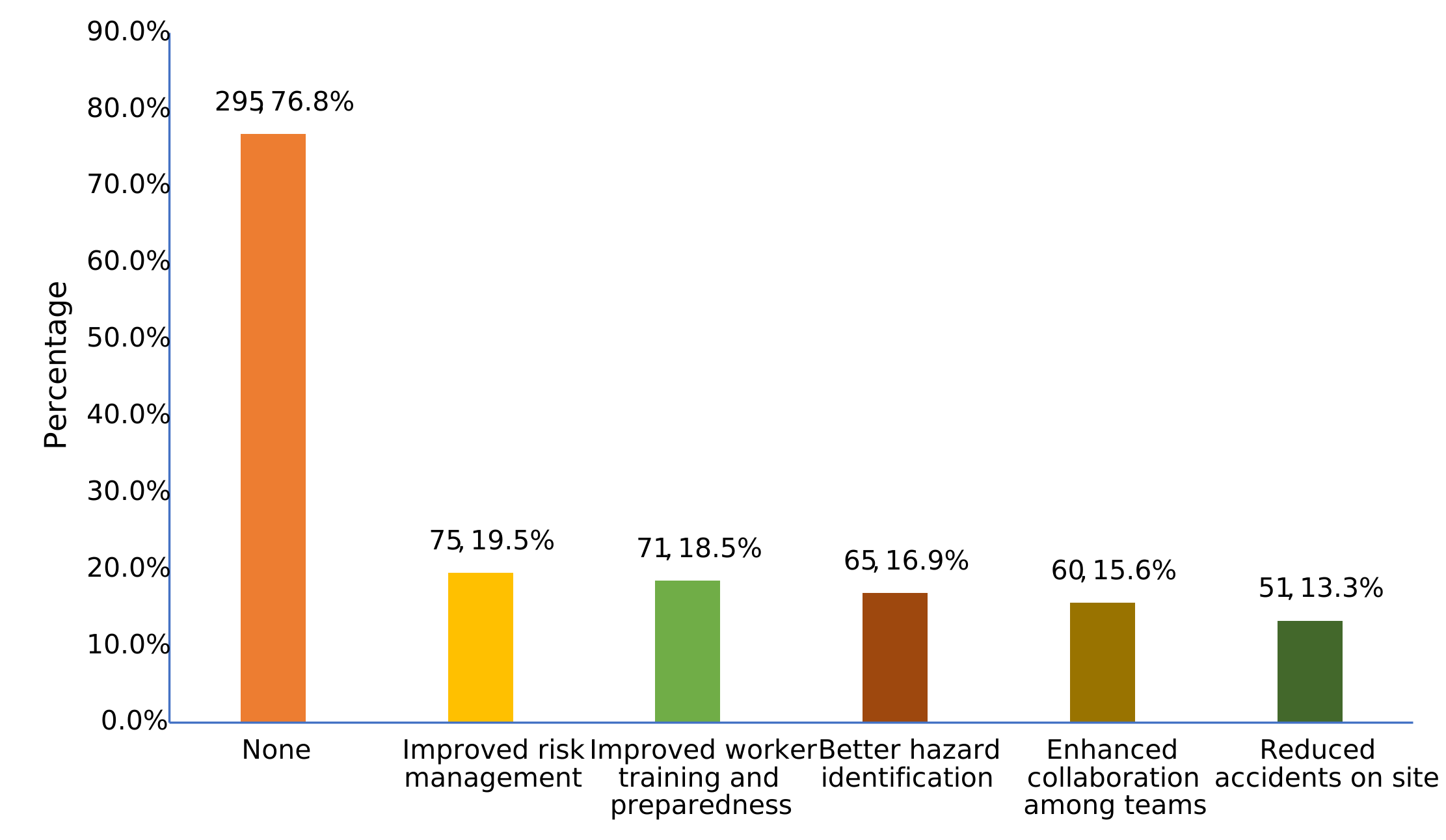
Figure 1 shows the distribution of perceived safety improvements from using BIM in construction projects. While 76.8% reported no notable safety gains, 19.5% identified improved risk management as the key benefit. This was followed by better worker training (18.5%), improved hazard identification (16.9%), enhanced team collaboration (15.6%), and reduced on-site accidents (13.3%).
3.5. Environmental improvements observed from using BIM
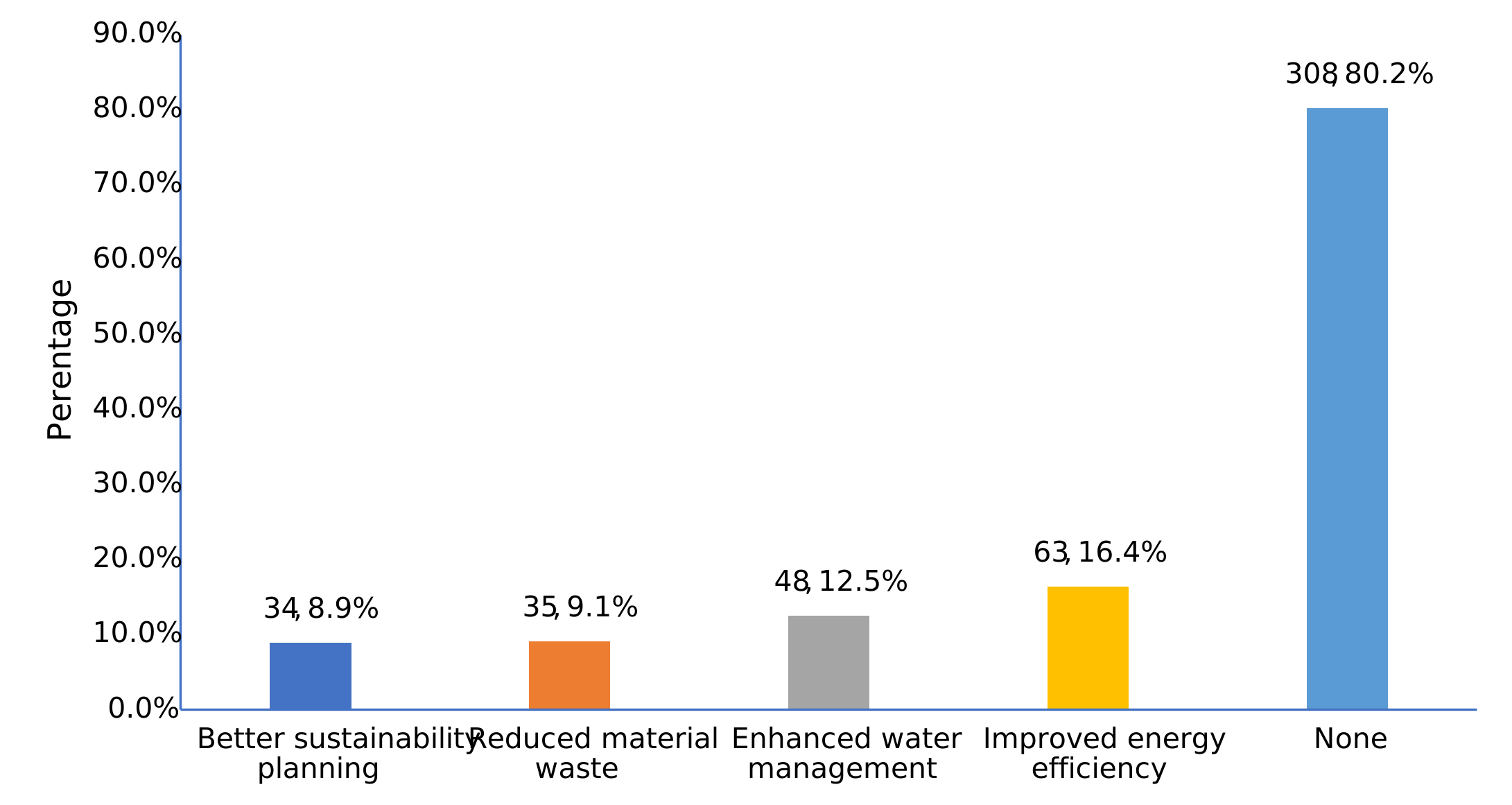
Figure 2 presents the environmental improvements associated with the use of BIM in construction projects. Most respondents (80.2%) reported no noticeable environmental benefits. Among those who did, improved energy efficiency was the most cited benefit (16.4%), followed by enhanced water management (12.5%), reduced material waste (9.1%), and better sustainability planning (8.9%).
3.6. Challenges in BIM Implementation
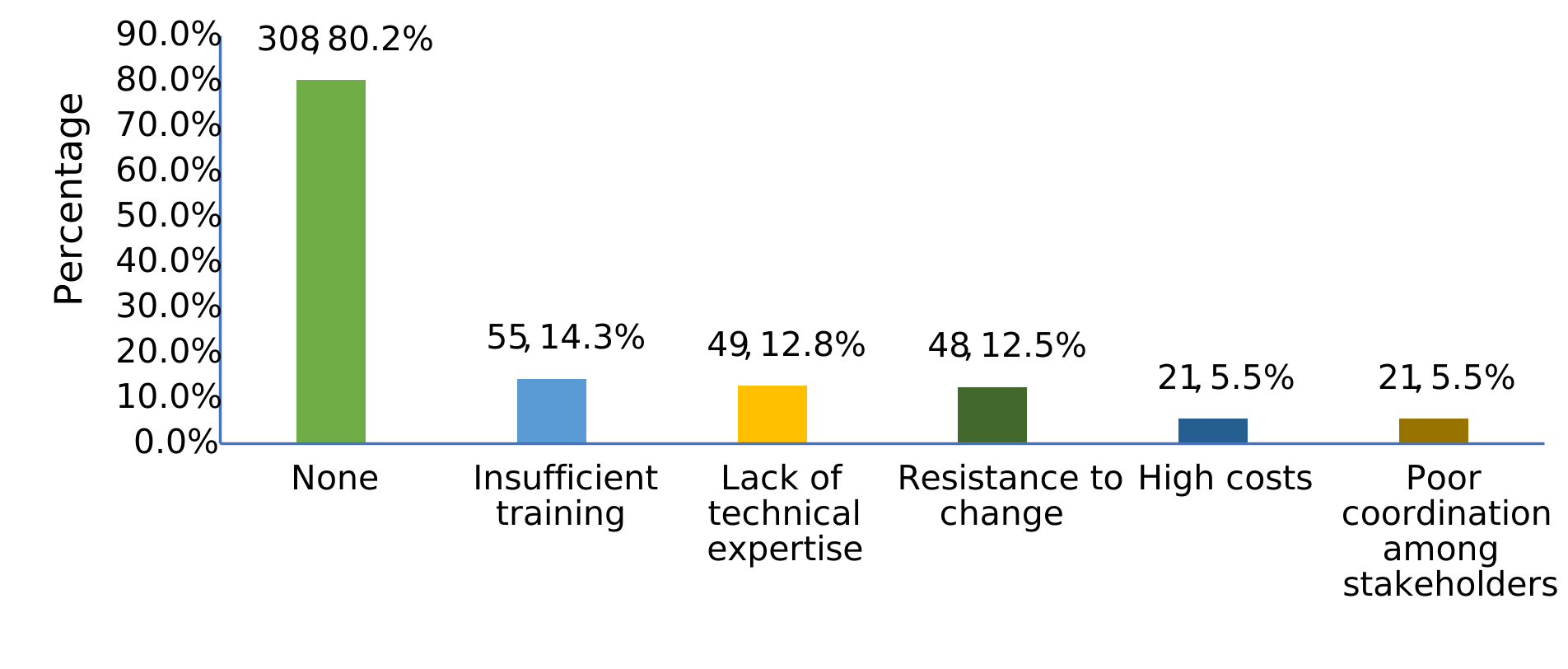
Figure 3 shows the challenges faced during BIM implementation among construction professionals in Nigeria. While 80.2% reported no major challenges, the most common issues among others were insufficient training (14.3%), lack of technical expertise (12.8%), and resistance to change (12.5%). Less frequent challenges included high costs and poor stakeholder coordination (5.5% each).
3.7. Predictors of Enhanced Safety and Environmental Performance through BIM Utilization among Construction Professionals in Nigeria
Table 4 illustrates the predictors of enhanced safety and environmental performance through BIM utilization among construction professionals in Nigeria. The prevalence of high enhancement was 19.8%, while 80.2% reported low enhancement. Respondents with 10 or more years of experience were significantly more likely to report high enhancement compared to those with 5 years or less (AOR = 4.555; p = 0.003). Those with intermediate BIM experience had significantly higher odds of reporting high enhancement compared to those with no expertise (AOR = 2.857; p = 0.039).
3.8. Factors Associated with the Utilisation of BIM Tools among Construction Professionals in Nigeria
Table 5 presents the factors associated with the utilisation of BIM tools among construction professionals in Nigeria. The overall prevalence of adequate utilisation of BIM tools was 16.1%, while 83.9% of respondents reported inadequate utilization. Professionals with ≥10 years of experience were significantly more likely to use BIM tools adequately compared to those with ≤5 years of experience (AOR = 3.255; p = 0.023). Additionally, individuals with intermediate-level experience in BIM were significantly more likely to use the tools effectively compared to those with no experience (AOR = 2.881; p = 0.050).
4. Discussion
BIM provides a digital framework to enhance safety and environmental performance on Nigerian construction sites through real-time visualization and data-driven decision-making. The low adoption rate of BIM among respondents suggests limited integration of digital construction practices. A probable reason could be a lack of adequate training and awareness, which aligns with previous studies indicating that insufficient technical expertise and resistance to change hinder BIM uptake [24, 25]. Additionally, high initial costs and lack of institutional support may also contribute to the slow adoption [10, 26]. Only a small percentage of respondents reported using BIM consistently throughout all phases such as planning, design, and construction. This fragmented usage may result from a lack of understanding of BIM’s full potential, absence of standard workflows, or organizational resistance to process overhaul [27, 28]. A 2017 study by Gerges et al. reported that many AEC professionals in developing countries use BIM primarily for visualization and clash detection, but not for scheduling, cost estimation, or facility management thereby limiting its benefits [4, 29].
The study also examined perceptions of BIM’s benefits for enhancing safety and environmental performance on construction sites in Nigeria. Only a small percentage of respondents reported using BIM tools to identify safety hazards during the planning and design phases. Likewise, few agreed that BIM-based simulations were effective for visualizing site logistics and safety planning [30]. Many stakeholders continue to perceive BIM primarily as a design tool, limiting its broader application across the project lifecycle (Aziz et al., 2024) [31]. Studies show that BIM can be used for safety risk management, including hazard identification, safety training, and the integration of safety measures from the design phase through construction, leading to better safety outcomes and more effective site management [31, 32, 33]. Additionally, only a small percentage of respondents agreed that BIM was helpful in coordinating safety protocols, such as access routes and emergency exits. Few also recognized its value for clash detection to prevent on-site accidents or for improving the overall efficiency of construction workflows. Contrary to the low perception of BIM’s value for clash detection and workflow efficiency, multiple studies highlight its significant benefits. For instance, a cost-benefit analysis of a major infrastructure project showed that using BIM for clash detection and resolution led to savings of up to 20% of the contract value by identifying and addressing design conflicts before construction began [7, 34]. Also, only a few respondents recognized BIM’s benefits in reducing errors, minimising rework, and improving project timelines, likely due to limited hands-on experience with its coordination features. However, studies have shown that BIM can reduce design errors by up to 30%, shorten project timelines by about 20%, and lower Requests for Information by 25%, leading to smoother and faster project delivery [35, 36]. In Saudi Arabia, BIM use reduced project delays by 14.55%, mainly through better site management and supervision [37]. The low perception of BIM’s role in cost reduction, communication, safety, and environmental compliance may stem from restricted use of collaborative platforms, absence of common standards, weak enforcement, and reliance on traditional project methods that treat BIM mainly as a visual design tool [38, 39].
Only a small number of respondents reported safety improvements through BIM, mainly in risk management and worker training, reflecting limited integration of BIM into safety planning [33, 40]. Embedding BIM in site workflows, such as 4D simulations and pre-construction training, is essential to enhance safety outcomes [41]. Awareness of BIM’s potential for environmental sustainability also appears low, as features like energy and water-use modelling remain underused [37, 42]. Major barriers include insufficient training and a lack of technical expertise, with most programs focusing on basic rather than practical [43]. Only 19.8% of professionals reported significant improvements in safety and environmental performance, compared to higher rates in Europe and China, where BIM integration has led to stronger compliance and better outcomes [32, 44, 45]. Addressing these gaps through targeted training and awareness could improve BIM’s effectiveness in Nigeria [46].
Construction professionals with 10 or more years of experience were significantly more likely to report high levels of safety and environmental enhancement from BIM utilization than those with five years or less experience. Senior professionals often hold supervisory or managerial roles, which allow them to directly engage with strategic planning, risk assessment, and implementation of BIM tools [46]. Integrating advanced BIM training into entry-level roles and academic curricula can ensure that younger professionals are equally equipped to recognize and utilize BIM’s full potential [43, 47]. Similarly, respondents with intermediate BIM experience were more likely to report high safety and environmental enhancement, likely due to greater confidence and practical engagement with BIM tools [4]. Professionals with 10 or more years of experience were significantly more likely to use BIM tools adequately, likely because they hold decision-making roles where BIM is more frequently applied [48]. Additionally, individuals with intermediate-level BIM experience were significantly more likely to use the tools effectively compared to those with no experience [4].
5. Conclusions
This study explored the use of BIM to improve safety and environmental outcomes on Nigerian construction sites, highlighting limited adoption largely due to inadequate practical experience and underuse of its broader capabilities. Although some professionals, especially those with intermediate BIM experience or over 10 years in the industry, acknowledged benefits like better risk management and energy efficiency, the overall impact was modest, hindered by insufficient training, technical gaps, and resistance to change. Those with greater experience or moderate BIM proficiency were more likely to report positive outcomes, underscoring the importance of both expertise and familiarity for effective BIM integration.
To strengthen the use of BIM in improving safety and environmental planning, there is a need to develop practical, hands-on training programs that equip professionals with real-world skills and experience. Additionally, BIM education should be integrated into construction-related academic curricula to help students build early expertise and familiarity with its tools and applications. Furthermore, establishing national policies and frameworks that support and incentivize BIM adoption across the construction industry will ensure consistent implementation and long-term sustainability of these practices.
Authors’ Contributions
- Conceptualization: Innocent Okwose, Ovuoderoye Okpan, Olaniyi Felix Sanni
- Methodology: Innocent Okwose, Ovuoderoye Okpan, Adewole Joshua Adepoju, Omogiate, Olaniyi Felix Sanni,
- Software: Charles Uzokwe, Harrison
- Validation: Obinna George Uwadileke, Adewole Ogunbase, Samuel Ugbebor
- Formal Analysis: Olaniyi Felix Sanni,
- Investigation: Innocent Okwose, Omogiate Precious Osagiemwangbon, Charles Uzokwe, Harrison Akamakusi
- Resources: Valentine Mmereole, Adewole Ogunbase, Joseph Ojahunwon Ejokpaezi
- Data Curation: Emmanuel Oleabhiele, Olaniyi Felix Sanni
- Writing—Original Draft Preparation: Innocent Okwose, Obinna George Uwadileke, Omogiate Precious Osagiemwangbon. Olaniyi Felix Sanni
- Writing—Review and Editing: Ovuoderoye Okpan, Olaniyi Felix Sanni, Valentine Mmereole
- Visualization: Charles Uzokwe, Harrison Akamakusi, Olajide Rufus Olaniran, Innocent Okwose.
- Supervision: Ovuoderoye Okpan, Olaniyi Felix Sanni
- Project Administration: Innocent Okwose, Adewole Joshua Adepoju, Olaniyi Felix Sanni
- Funding Acquisition: Valentine Mmereole, Innocent Okwose, Emmanuel Oleabhiele, Samuel Ugbebor, Omogiate Precious Osagiemwangbon, Ovuoderoye Okpan.
Funding
This research received no external funding
Data Availability Statement
The data that support the findings of this study are available from the corresponding author upon reasonable request.
Acknowledgments:
We sincerely appreciate the contributions of all the authors to this study. Their dedication, expertise, and valuable insights were instrumental in shaping this work.
Conflicts of Interest:
The authors declare no conflict of interest.
References
- Antwi-Afari MF, Li H, Pärn EA, Edwards DJ. Critical success factors for implementing building information modelling (BIM): A longitudinal review. Autom Constr 2018;91:100–10. https://doi.org/10.1016/j.autcon.2018.03.010.[CrossRef]
- Abbasnejad B, Moud HI. BIM and Basic Challenges Associated with its Definitions , Interpretations and Expectations. Int J Eng Res Appl 2013;3:287–94.
- Alrashed I, Kantamaneni K. A 5D building information model (BIM) for potential cost-benefit housing: A case of Kingdom of Saudi Arabia (KSA). Infrastructures 2018;3. https://doi.org/10.3390/infrastructures3020013.[CrossRef]
- Muhammad Yasir, Zanib Khurshid, Uzair Anwar Raja, Hafsa Khurshid, Abdul Manan Khan, Kenneth Lawani. The use of building information modelling (BIM) in the management of construction safety: The development towards automation hazard identification and assessment. Int J Sci Res Arch 2024;11:830–52. https://doi.org/10.30574/ijsra.2024.11.2.0518.[CrossRef]
- Datta SD, Tayeh BA, Hakeem IY, Abu Aisheh YI. Benefits and Barriers of Implementing Building Information Modeling Techniques for Sustainable Practices in the Construction Industry—A Comprehensive Review. Sustain 2023;15. https://doi.org/10.3390/su151612466.[CrossRef]
- Jiang Y, Liu X, Liu F, Wu D, Anumba CJ. An analysis of BIM web service requirements and design to support energy efficient building lifecycle. Buildings 2016;6. https://doi.org/10.3390/buildings6020020.[CrossRef]
- Latupeirissa JE, Arrang H. Sustainability factors of building information modeling (BIM) for a successful construction project management life cycle in Indonesia. J Build Pathol Rehabil 2024;9:1–15. https://doi.org/10.1007/s41024-023-00376-1.[CrossRef]
- Al-Haddad S, Verghote A, Goodrum P. The effects of spatial cognition on individual wayfinding performance. 6th CSCE-CRC Int Constr Spec Conf 2017 - Held as Part Can Soc Civ Eng Annu Conf Gen Meet 2017 2017;2:1395–404.
- Marmo R, Nicolella M, Polverino F, Tibaut A. A methodology for a performance information model to support facility management. Sustain 2019;11. https://doi.org/10.3390/su11247007.[CrossRef]
- Rathnasiri P, Jayasena S, Siriwardena M. Assessing the applicability of green building information modelling for existing green buildings. Int J Des Nat Ecodynamics 2021;15:763–76. https://doi.org/10.18280/ijdne.150601.[CrossRef]
- Waqar A, Khan MB, Shafiq N, Skrzypkowski K, Zagórski K, Zagórska A. Assessment of Challenges to the Adoption of IOT for the Safety Management of Small Construction Projects in Malaysia: Structural Equation Modeling Approach. Appl Sci 2023;13. https://doi.org/10.3390/app13053340.[CrossRef]
- Olawumi TO, Chan DWM. Development of a benchmarking model for BIM implementation in developing countries. Benchmarking 2019;26:1210–32. https://doi.org/10.1108/BIJ-05-2018-0138.[CrossRef]
- Danwata DD. Repositioning the construction industry for economic development, opinion. Daily Trust 2017.
- Saka AB, Olawumi TO, Chan. A Systematic Literature Review of Building Information Modelling in the Nigerian Architecture, Engineering, and Construction (AEC) Industry – The Case of Nigeria. Proc Environ Des Manag Int Conf 2019 (EDMIC 2019) Drivers Dyn Chang Built Environ 2016.
- Saka AB, Olaore FO, Olawumi TO. Post-contract material management and waste minimization: An analysis of the roles of quantity surveyors. J Eng Des Technol 2019;17:793–807. https://doi.org/10.1108/JEDT-10-2018-0193.[CrossRef]
- Bello AM, Saka AB. Impact of variation on project delivery in Oyo state ,. World Sci News 86 2017;86:265–82.
- Olugboyega O, Aina OO. Analysis of Building Information Modelling Usage Indices and Facilitators in the Nigerian Construction Industry. Olugboyega Aina / J Logist Informatics Serv Sci 2016;3:1–36.
- Abubakar M, Ibrahim YM, Kado D, Bala K. Contractors perception of the factors affecting building information modelling (BIM) adoption in the Nigerian construction industry. Comput Civ Build Eng - Proc 2014 Int Conf Comput Civ Build Eng 2014:167–78. https://doi.org/10.1061/9780784413616.022.[CrossRef]
- Kori SA, Kiviniemi A. Toward Adoption of Bim in the Nigerian Aec Industry; Context Framing, Data Collecting and Paradigm for Interpretation. 9th BIM Acad Symp Job Task Anal Rev 2015:7–8.
- Oladayo P, Olanipekun AO, Ipinlaye ON. A Review of Adoption of Building Information Modelling (BIM) for the Nigerian Building and Construction Industry. J Civ Eng Res Technol 2024;6:1–6. https://doi.org/10.47363/jcert/2024(6)156.[CrossRef]
- Falola TO. About Nigeria 2024. https://www.britannica.com/place/Nigeria (accessed December 23, 2024).
- Wordometer. Nigeria Population 2024. https://www.worldometers.info/world-population/nigeria-population/ (accessed December 23, 2024).
- Olanrewaju OI, Chileshe N, Babarinde SA, Sandanayake M. Investigating the barriers to building information modeling (BIM) implementation within the Nigerian construction industry. Eng Constr Archit Manag 2020;27:2931–58. https://doi.org/10.1108/ECAM-01-2020-0042.[CrossRef]
- Babatunde SO, Udeaja C, Adekunle AO. Barriers to BIM implementation and ways forward to improve its adoption in the Nigerian AEC firms. Int J Build Pathol Adapt 2020;39:48–71. https://doi.org/10.1108/IJBPA-05-2019-0047.[CrossRef]
- Babatunde SO, Udeaja C, Adekunle AO. Barriers to BIM implementation and ways forward to improve its adoption in the Nigerian AEC firms. Int J Build Pathol Adapt 2021;39:48–71. https://doi.org/10.1108/IJBPA-05-2019-0047.[CrossRef]
- Chowdhury M, Hosseini MR, Edwards DJ, Martek I, Shuchi S. Comprehensive analysis of BIM adoption: From narrow focus to holistic understanding. Autom Constr 2024;160:105301. https://doi.org/10.1016/j.autcon.2024.105301.[CrossRef]
- Arighnan G, Sindhu Vaardini U. An Empirical Study on Significance of BIM Adoption in Various Stages of Project Lifecycle. Int J Adv Res Sci Commun Technol 2023:785–90. https://doi.org/10.48175/IJARSCT-8919.[CrossRef]
- Gerges M, Austin S, Mayouf M, Ahiakwo O, Jaeger M. AN INVESTIGATION INTO THE IMPLEMENTATION OF BUILDING INFORMATION MODELING IN THE MIDDLE EAST Amr Saad BIM Implementation Consultant, BIM PROJECTS, Egypt; amrsaad@bimprojects.net Tamer-El Gohary Senior BIM and planning engineer. Pg 1 Middle East J Inf Technol Constr 2017;22:1–15.
- Whitlock K, Abanda FH, Manjia MB, Pettang C, Nkeng GE. 4D BIM for Construction Logistics Management. CivilEng 2021;2:325–48. https://doi.org/10.3390/civileng2020018.[CrossRef]
- Chatzimichailidou M, Ma Y. Using BIM in the safety risk management of modular construction. Saf Sci 2022;154:105852. https://doi.org/10.1016/j.ssci.2022.105852.[CrossRef]
- Aziz, R. M., Nasreldin, T. I., & Hashem, O. M. (2024). The role of BIM as a lean tool in design phase. Journal of Engineering and Applied Science, 71, Article 23. https://jeas.springeropen.com/articles/10.1186/s44147-023-00340-3[CrossRef]
- Fargnoli M, Lombardi M. Building Information Modelling (BIM) to Enhance Occupational Safety in Construction Activities: Research Trends Emerging from One Decade of Studies. Buildings 2020;10:98. https://doi.org/10.3390/buildings10060098.[CrossRef]
- Rodrigues F, Baptista JS, Pinto D. BIM Approach in Construction Safety – A Case Study 2021. https://doi.org/10.20944/preprints202111.0053.v1.[CrossRef]
- Chahrour R, Hafeez MA, Ahmad AM, Sulieman HI, Dawood H, Rodriguez-Trejo S, et al. Cost-benefit analysis of BIM-enabled design clash detection and resolution. Constr Manag Econ 2021;39:55–72. https://doi.org/10.1080/01446193.2020.1802768.[CrossRef]
- Das K, Khursheed S, Paul VK. The impact of BIM on project time and cost: insights from case studies. Discov Mater 2025;5:25. https://doi.org/10.1007/s43939-025-00200-2.[CrossRef]
- Wong JKW, Zhou JX, Chan APC. Exploring the linkages between the adoption of BIM and design error reduction. Int J Sustain Dev Plan 2018;13:108–20. https://doi.org/10.2495/SDP-V13-N1-108-120.[CrossRef]
- Alnaser AA, Alsanabani NM, Al-Gahtani KS. BIM Impact on Construction Project Time Using System Dynamics in Saudi Arabia’s Construction. Buildings 2023;13:2267. https://doi.org/10.3390/buildings13092267.[CrossRef]
- Papadonikolaki E. Loosely Coupled Systems of Innovation: Aligning BIM Adoption with Implementation in Dutch Construction. J Manag Eng 2018;34. https://doi.org/10.1061/(ASCE)ME.1943-5479.0000644.[CrossRef]
- Onungwa I, Olugu-Uduma N, Shelden DR. Cloud BIM Technology as a Means of Collaboration and Project Integration in Smart Cities. Sage Open 2021;11. https://doi.org/10.1177/21582440211033250.[CrossRef]
- Salzano A, Cascone S, Zitiello EP, Nicolella M. Construction Safety and Efficiency: Integrating Building Information Modeling into Risk Management and Project Execution. Sustainability 2024;16:4094. https://doi.org/10.3390/su16104094.[CrossRef]
- Afzal M, Shafiq MT. Evaluating 4D-BIM and VR for Effective Safety Communication and Training: A Case Study of Multilingual Construction Job-Site Crew. Buildings 2021;11:319. https://doi.org/10.3390/buildings11080319.[CrossRef]
- Cao Y, Kamaruzzaman S, Aziz N. Green Building Construction: A Systematic Review of BIM Utilization. Buildings 2022;12:1205. https://doi.org/10.3390/buildings12081205.[CrossRef]
- Nwankwo Uchechukwu F. Identification and Development of Skills and Competencies for Bim and Digital Construction Management in Nigeria 2023. https://doi.org/10.13140/RG.2.2.15815.06569.
- Liu Y, Pedrycz W, Deveci M, Chen Z-S. BIM-based building performance assessment of green buildings - A case study from China. Appl Energy 2024;373:123977. https://doi.org/10.1016/j.apenergy.2024.123977.[CrossRef]
- Cortés-Pérez JP, Cortés-Pérez A, Prieto-Muriel P. BIM-integrated management of occupational hazards in building construction and maintenance. Autom Constr 2020;113:103115. https://doi.org/10.1016/j.autcon.2020.103115.[CrossRef]
- Numan M. BIM and Risk Management: A Review of Strategies for Identifying, Analysing and Mitigating Project Risks. J Eng Res Sci 2024;3:20–6. https://doi.org/10.55708/js0301004.[CrossRef]
- Lara R, Dlask P. Incorporating BIM into the Academic Curricula of Faculties of Architecture within the Framework of Standards for Engineering Education. Int J BIM Eng Sci 2023;6:08–28. https://doi.org/10.54216/IJBES.060201.[CrossRef]
- Morin X, Romero-Torres A. How does building information modeling influence decision-making process in the project design? An input, process and output analysis. Proj Leadersh Soc 2024;5:100160. https://doi.org/10.1016/j.plas.2024.100160.[CrossRef]