

The principle of Undetectable = Untransmittable (U=U) posits that people living with the human immunodeficiency virus (HIV) who are able to achieve and maintain a viral load of <200 copies/mL by regularly taking antiretroviral drugs (ARVs) are considered virally suppressed and cannot transmit the HIV virus to other individuals through sex. This groundbreaking message has emerged as a key HIV prevention strategy for eliminating transmission risks and enhancing the quality of life of people living with HIV. This narrative review explores the clinical foundation of U=U, the level of awareness and acceptance of the message globally, and the psychosocial impact on people living with HIV. It has been discovered that this message minimizes stigma, improves mental health, promote treatment adherence and good disclosure behaviors among people living with HIV. Evidence has shown that despite the U=U revolution for HIV prevention, there are significant differences in awareness and acceptance of the message among different population groups. The challenges noted were poor communication by healthcare providers, limitations in the health system, and stigma issues. Nevertheless, the inclusion of U=U in mainstream HIV services has proven to increase awareness and enhance its adoption. The urgent need in the present review is to advocate for strategies to increase the equitable distribution of U=U to harness its full potential in public health.
Elimination of HIV Transmission Risks through Viral Suppression: Undetectable=Untransmittable and its Impact among People Living with HIV
November 16, 2025
December 19, 2025
December 28, 2025
December 30, 2025
This is an Open Access article, distributed under the terms of the Creative Commons Attribution 4.0 International License (http://creativecommons.org/licenses/by/4.0/), which permits unrestricted use, distribution and reproduction in any medium or format, provided the original work is properly cited.
Abstract
1. Introduction
1.1. Background on HIV Transmission and Treatment
Globally, more than 40 million people are living with the Human Immunodeficiency Virus (HIV), with low-and middle-income countries (LMICs) having the highest burden of infection [1]. Table 1 presents the estimated number of people living with HIV (PLHIV) globally from 2010 to 2024. HIV is transmitted primarily through unprotected sex, transfusion of infected blood, sharing of contaminated needles or sharp objects, and from mother to child during pregnancy, childbirth or breastfeeding [2]. The virus specifically attacks the immune system, targeting CD4+ T cells (the number of CD4 cells in the blood that help the body fight infections) and gradually weakens the ability of the body to fight diseases and infections [3]. If not treated, HIV can advance to Acquired Immunodeficiency Syndrome (AIDS). AIDS is the most severe stage of HIV infection, characterized by significant immune compromise and life-threatening, opportunistic infections.
Recent advancements in HIV treatment have made the infection treatable and manageable. What was once considered a terminal illness is now a manageable chronic condition [4]. HIV management involves the use of antiretrovirals (ARVs), which involve the combination of three or more drugs daily to suppress the virus, thereby preventing it from replicating, and halting the progression to AIDS. Table 2 shows the preferred first-line antiretroviral therapy (ART) regimen, following the Nigerian National HIV Treatment Guidelines [5].
The main objective of ART is to reduce the viral load in the body to a level where it can no longer be detected in the blood system, typically defined as ≤200 copies/mL. This state of viral suppression, in which the virus can no longer be detected, is referred to as "Undetectable." When the virus is no longer detectable, it cannot be sexually transmitted from one person to another. This is referred to as “untransmittable.” This forms the concept of "Undetectable=Untransmittable" (U=U), which posits that PLHIV who consistently maintain a viral load of <200 copies/mL, known as viral suppression, cannot transmit the virus to others [6]. It is on this scientific basis that U=U is supported.
1.2. Rationale and Objectives of the Study
U=U has become a global strategy for HIV prevention. The distribution of the U=U message with fairness is yet to be achieved worldwide; hence, its awareness and acceptance is still minimal. In various countries, most PLHIV lack adequate monitoring of their viral load, and their healthcare providers do not give them sufficient explanation about what U=U entails during routine clinic visits [7]. A study conducted by Onaya et al. (2023) in South African clinics found that the majority of PLHIV stated that their health was better when they took ART medication; however, they were not aware of U=U [8]. Additionally, acceptance of U=U has not been easily attained owing to the irregular communication of the message by health practitioners. In a survey conducted by Calabrese et al. (2025) in the United States, it was found that approximately half of the PLHIV with no prior knowledge of U=U had never been educated by a medical professional on the concept [9]. This review was conducted based on these gaps. We aimed to assess the level of awareness and acceptance, effectiveness of U=U messaging, and its impact on PLHIV to desire to attain viral suppression, decrease HIV transmission, and engage in care.
The objectives of the study are to examine the clinical and biomedical findings addressing viral suppression as the outcome of ART adherence, examine U=U as an HIV prevention approach, assess levels of awareness, understanding, and acceptance of U=U by PLHIV in different settings worldwide, examine the effectiveness of the communication strategies that enhance U=U dissemination, and assess its psychosocial impact.
2. Methodology
This study adopted a narrative review to discuss the concept of U=U, awareness and acceptance levels, impact of awareness on HIV transmission and prevention, adherence to treatment, and psychosocial outcomes among PLHIV.
2.1. Search Strategy
Data searches were performed in databases such as PubMed/Medline, Scopus, and Google Scholar. The included studies were published between January 2015 and November 2025 to ensure contemporary relevance. There was also a review of grey literature and reports by international health organizations like World Health Organization (WHO), Joint United Nations Programme on HIV/AIDS (UNAIDS) and Centers for Disease Control and Prevention (CDC) to include perspectives beyond those found in peer-reviewed studies. Search terms included “people living with HIV, PLHIV, viral suppression, Undetectable = Untransmittable, U=U, U=U awareness, U=U acceptance, HIV stigma, antiretroviral therapy, ART.”
The Boolean operators were as follows:
- ("viral suppression" OR “suppressed viral load”) AND ("Undetectable=Untransmittable" OR “U=U”)
- (“people living with HIV" OR PLHIV”) AND (“antiretroviral therapy" OR “ART”)
- ("U=U awareness" OR "U=U acceptance") AND ("stigma" OR "psychosocial effects")
A manual search was also performed to identify additional relevant literature. A total of 2,818 records were retrieved. After removing duplicates and applying screening and eligibility criteria for the abstracts and full texts, 60 studies were included in the final synthesis.
2.2. Inclusion Criteria
We included sources that met the following criteria: peer-reviewed research articles and grey literature focusing on PLHIV, U=U, HIV transmission and prevention, adherence to ART, and stigma, published between January 2015 and November 2025, with articles published in English only.
2.3. Exclusion Criteria
Sources were excluded if they did not focus on PLHIV, U=U, and HIV prevention or related intervention; were conference abstracts; were articles without full-text access; or were papers not published in English.
2.4. Data Extraction and Synthesis
A thematic synthesis method was employed. Sources were evaluated for their relevance to the following areas: biomedical evidence supporting U=U as an HIV prevention strategy, levels of awareness and acceptance of U=U, global distribution of U=U, psychosocial and behavioral impact of U=U messaging, communication strategies, role of healthcare providers in U=U messaging, and enablers and barriers to U=U implementation. The findings were narratively synthesized to emphasize patterns, gaps, and implications for research, practice, and policy.
Although the search strategy was structured, it was not exhaustive and may have missed some relevant studies, especially those published in non-English languages and regional databases. Owing to the heterogeneity of the included studies, they expanded the scope of the analysis; however, this might also have contributed to the variability in the methodological rigor of the reviewed studies. In addition, because the synthesis was thematic rather than statistical, it limited the ability to demonstrate causality. Instead, the focus was on mapping existing knowledge, identifying patterns, highlighting gaps in the evidence, and offering directions for future research.
3. Evidence, Awareness and Psychosocial Impact of U=U
3.1. Emergence, Significance and Clinical Evidence Underpinning U=U
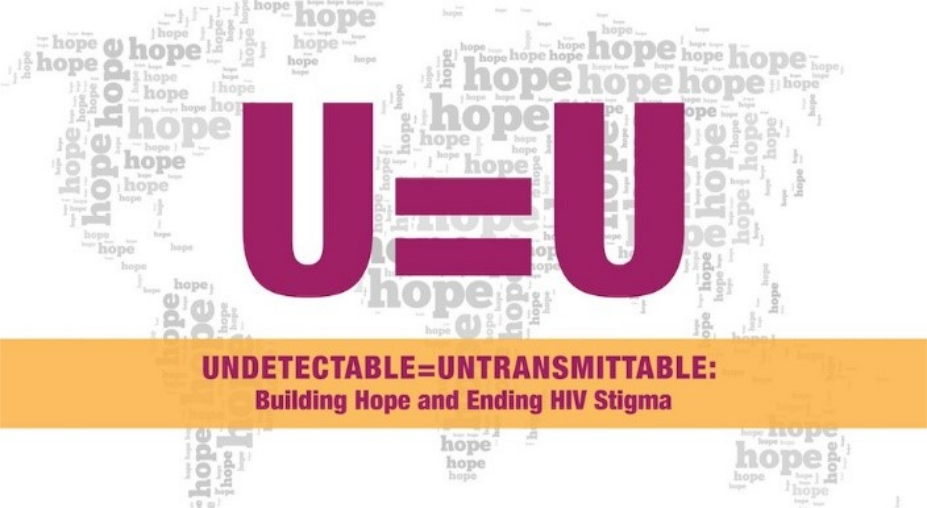
U=U was created based on a Swiss Statement made in 2008 and was initiated as an international campaign by the Prevention Access Campaign (PAC) in 2016. It has become one of the strategies adopted to curb HIV transmission from one individual to another. This has become a crucial public health strategy for preventing HIV transmission and subsequently ending the AIDS epidemic [10]. This is illustrated in Figure 1.
The scientific basis on which U=U is built opined that PLHIV who consistently adhere to ART reach a viral load level at which the virus can no longer be detected in the blood. As such, they do not pose any risk of HIV transmission to their sexual partners [12]. Many studies have confirmed this. Chen et al. (2023) revealed that there is significant reduction in HIV transmission rates among heterosexual serodiscordant couples who commenced ART early [13]. There was also a report showing zero-linked transmissions when both heterosexual and men who have sex with men (MSM) serodiscordant couples engaged in condomless sex, as long as the HIV-positive partner was virally suppressed for at least six months [14]. These new findings provide robust clinical support for the role of U=U in the prevention of HIV.
3.2. Awareness and Understanding of U=U among Urban and Rural Residents
It has been revealed that individuals in urban areas are more aware of U=U than those in rural areas. This was linked to better access to health information and technology. An example of this is found in a study conducted by Ibrahim et al. (2024), who found that PLHIV in urban cities are likely to be familiar with U=U and its significance due to the high presence of digital outreach and social media campaigns [15]. Yet, even though there is better awareness, the gaps in the urban population persist, especially in population groups with an established background of marginalization and mistrust in the medical systems [16].
Conversely, health information is not commonly exposed to many people in rural communities, which has led to decreased awareness and acceptance [17]. This is due to the lack of educational opportunities, continued HIV stigmatization, myths about sexual health, and the lack of proper training of healthcare workers. Places with low literacy levels encounter challenges in disseminating the message. These have been complicated by cultural and religious ideas of moral judgment about HIV, especially among the most vulnerable populations, such as MSM and female sex workers (FSW) [18]. Even when individuals in rural communities are exposed to U=U, misunderstandings are possible. Some people think that being undetectable means being cured and feel that ART is no longer required, thereby discontinuing treatment [19]. This highlights the need for interventions that are suitable for the particular contexts, are available in the local languages, and consider the cultural environment in which the people live.
3.3. Regional Contexts Analysis of U=U Awareness
Sub-Saharan Africa
The impacts of U=U messaging are extensive, though unequally distributed in sub-Saharan Africa (SSA), which records the highest rates of HIV cases worldwide. The overwhelming reason why U=U is unknown or lacks credibility among PLHIV is that the information display seemed to go against the prior prevention information they received. In South Africa, Agaku et al. (2022) discovered that the majority of HIV patients were poorly informed about U=U; nevertheless, upon counselling about the topic, they had a better understanding of it, developed a greater desire to adhere to treatment, and recorded better mental health than those who were not informed [20]. These are the same conclusions, made in Uganda and Kenya, where more confidence was observed in the relationships between partners who possessed knowledge of U=U [21]. However, the constraints facing health systems, including inadequate infrastructure, insufficient provider communication, suboptimal viral load monitoring, and biased practices by healthcare providers, continue to put many of them at risk of living in fear of having unsuppressed viral loads [22].
Latin America
Recent developments in Latin American countries have shown positive attitudes towards U=U among sexual and gender minorities, which has also given rise to increased self-esteem and better intimate relationships. In Brazil and Mexico, the level of awareness was very high (96%), whereas in Peru, it was low (64%) (Konda et al., 2024) [23]. The cause of this low level of awareness in Peru was lower levels of education and non-use of ART among PLHIV in Peru. The current research also found that those who were better informed about U=U experienced lower levels of internalized stigma, and more individuals talked about their HIV status with their partners. Despite these improvements, the stigma and conservative nature of cultural values and structures remain barriers to the widespread adoption of this message [24].
North America
In the United States, a recent study by Tadese et al. (2025) revealed significant gaps in the distribution and understanding of U=U among PLHIV [25]. Of the 781 participants in the study, over 54.5% reported a lack of knowledge of U=U. Moreover, 27.9 % of the participants stated that they had never been told that they were undetectable by their healthcare providers, and another 26.5% stated that their healthcare providers had never even described to them what it meant by undetectable. Within the context of some low-income communities, there are many people who are still uninformed about U=U or are skeptical about the message owing to systemic racism, medical mistrust, and unfair access to healthcare [26]. Nevertheless, penetration with U=U increased among urban LGBTQ + PLHIV communities, resulting in increased involvement with healthcare and an increase in their psychosocial well-being [27]. They reported fewer depressive symptoms and higher sexual self-esteem. In contrast, a recent Canadian study revealed a higher level of awareness and acceptance of U=U among participants. Of the 1,083 participants, 72% admitted having heard about U=U, the acceptance rate among participants was 67%, and discussion with a healthcare provider was 51% [28]. These findings reveal that gaps in U=U acceptance and acceptance still exist.
Asia-Pacific
A qualitative study conducted in five regions in Thailand discovered that there is already U=U awareness, but that cultural taboos about sex and HIV have hindered the implementation of U=U messages, especially among MSM [29]. In addition, the absence of a national public health message and the ongoing stigma attached to HIV still worsens the spread of the message. Most of the PLHIV continue to hide their status, and they live in fear of non-disclosure despite having been suppressed [30].
3.4. Psychosocial Impacts of U=U Messaging among PLHIV
The psychosocial advantages of U=U cannot be overestimated. Once PLHIV comprehend and believe in the U=U message, they experience advantages that improve their quality of life. The following are some of the psychosocial advantages that PLHIV experience, which result in improvement in their health outcomes.
Reduced Internalized Stigma
Internalized stigma is a situation in which persons form negative attitudes towards themselves due to their HIV status, and it usually manifests as shame, self-blame, and worthlessness. This kind of stigma, has in the past, obstructed the quality of life in general, and treatment adherence and disclosure of HIV status in most of the PLHIV [31]. For example, one of the respondents in a study by Sineke et al. (2023) in South Africa shared a similar internalized HIV stigma experience, stating that she was afraid to date because she was convinced that nobody would want to be with her due to her status [32]. This underscores the stigma that most PLHIV experience. Nevertheless, where the acceptance of U=U is high, particularly among well-informed PLHIV, it has been established to diminish internalized stigma, enhance self-esteem, and enhance social interactions [33]. U=U messaging directly challenges the stigma that presents PLHIV as potentially dangerous and allows them to view themselves beyond their diagnosis [34].
Enhanced Mental Health and Self-Esteem
Many other studies have revealed that U=U awareness is associated with improved mental health and emotional strength. When PLHIV put off the psychological load that they no longer pose a risk to their partners, they experience satisfaction and a better quality of life [28]. In addition, there was an increase in self-esteem among PLHIV who learned and believed in the U=U message and had a positive mindset towards their sexual identity. This change in self-image allows them to regain control over their lives.
Improved Treatment Adherence and Viral Suppression
The awareness that being virally suppressed eliminates the risk of spreading HIV has been proven to boost adherence to ART [35]. It offers a rationale for patients to remain involved in treatment, not only on behalf of their own health but also on behalf of their partners, which strengthens the purpose of treatment with a sense of social responsibility. Thomford et al. (2020) conducted a study in SSA which showed that possessing viral load knowledge and having sufficient counseling on U=U resulted in greater adherence to ART, reduced the number of treatment omissions and missed clinic visits, and suppressed viral loads [36].
Promote HIV Status Disclosure and Improve Relationship Dynamics
Despite the fact that the disclosure of HIV status is a very personal and risky act, which is often associated with fears of rejection or even violence, the U=U message provides PLHIV with the courage to be transparent about their HIV status with their partners [37]. The U=U message can make discussions about HIV status and prevention methods safer and more confident. Such openness enhances relationship bonds and can minimize anxiety towards the spread of HIV. Moreover, the information that U=U puts an end to the threat of HIV transmission, encourages sexual intimacy without fear and guilt, and helps serodiscordant couples enjoy better relationships [38, 39].
3.5. Role of Healthcare Providers in U=U Awareness
Medical practitioners are considered to be sources of health information. It has been found that in cases where patients are provided with adequate U=U information by their healthcare providers, they demonstrate a greater degree of trust, enhanced medication adherence, and better mental health outcomes [40]. Nevertheless, several studies have indicated that not all PLHIV have been informed about U=U by their medical service providers. A survey of sexual minority U.S. men with HIV showed that only 33% had heard the U=U message delivered by a healthcare professional [41]. This is because health workers are uncomfortable having provider-patient conversations on sexual health. In addition, certain providers fear that they would be promoting what they consider risky behavior, which is a manifestation of the persistence of stigmatization in the healthcare system.
4. Effective Strategies for Dissemination of U=U Message
The adoption of effective strategies for disseminating the U=U message is beneficial for creating awareness, enhancing adherence to ART, preventing HIV transmission, stopping stigma, and yielding better health outcomes in PLHIV [42]. Although there is a high level of scholarly support for the U=U message, its delivery in healthcare is uneven, especially in low-resource communities. Medical evidence also lacks a coincidence with the overall public awareness, which may occur due to the absence of systematic communication by reliable sources, particularly healthcare providers. Therefore, it is necessary to leverage tactics that are efficient in spreading the message.
The strategies below have been established to assist in the effective distribution of the U=U message.
Peer-Based and Community-Led Communication Strategies
Community-based education and peer counselling have been identified as extremely effective methods for disseminating the U=U message. A successful approach to communicating this message is to include PLHIV who have achieved viral suppression as peer educators in both clinical and community settings [43]. Peer counselors become more credible and reliable when they share their personal stories of the steps they took to achieve viral suppression. This is a very effective strategy, especially in places with limited resources, high stigma, and poor communication with healthcare providers. PAC has been using social networks and community forums to promote U=U through community-based organizations (CBOs). Such programs have not only raised awareness but also reformed the general discourse of HIV in the community, thus reducing stigmatization and enhancing positive identity.
Digital and Media-Based Dissemination
They have successfully used mobile health (mHealth) platforms, social media programs, and multimedia narrative to promote U=U messages successfully [19]. Exposure to U=U messages on social media was highly linked to a clearer understanding of the concept and decreased structural stigma. However, to gain traction and reach its objectives, especially in low-resource settings, digital distribution should be available and provided in several languages and forms.
Barriers to U=U Awareness
Numerous obstacles have prevented the dissemination and proper communication of U=U: poor knowledge of viral load and lack of good disclosure practices despite achieving viral suppression. This highlights the inconsistency of provider communication strategies and the fact that they are not effectively used to disseminate the U=U message. The lack of standardized communication protocols in healthcare systems is another serious problem. Poor knowledge of U=U, misunderstandings regarding the meaning of undetectable, and anxiety regarding transmission via other sources (e.g., through breastfeeding or injection drug use) are prevalent issues among PLHIV. To overcome these obstacles, unambiguous, extensive, and culturally appropriate communication by healthcare professionals and colleagues is essential [44]. The development of culturally relevant messaging tools, training of healthcare professionals on how to integrate U=U into routine HIV care, and peer-led activities can dramatically increase awareness and acceptance of U=U.
The barriers that have hindered global U=U adoption are examined herein. These barriers are individual, provider, social, cultural, structural and policy-related. These challenges constrain access and make it less credible [45].
Individual-Level Barriers: Internalized Stigma and previous trauma hinder acceptance of U=U. PLHIV who face feelings of guilt, shame, and fear as a consequence of discrimination and marginalization over a long period have difficulty embracing the message. Such mental burdens can inhibit the liberation and assurance that U=U provides to PLHIV. Moreover, in the case of PLHIV with mental health trauma, such as depression or post-traumatic stress disorder (PTSD), discussing topics regarding viral suppression and disclosure may be emotionally challenging and, in some instances, especially if the patient has been previously rejected or subjected to intimate partner violence (IPV) because of their status [46].
Provider-Level Barriers: Healthcare providers play a crucial role in communicating U=U to patients. Nonetheless, most providers complain that they feel uneasy, are not fully trained, or are doubtful of the message. Other providers do not even speak about U=U because they fear encouraging reckless behavior [39]. In addition, due to the lack of standard forms of training in all healthcare systems, there is a disparity in the degree of message consistency [47]. This erodes confidence in institutionalized healthcare.
Sociocultural Barriers: HIV stigma, related to race, sexuality, and class, continues to pose a significant barrier to U=U adoption. In areas where discussions about sexuality are taboo or where PLHIV face heavy criminalization, the U=U message is not readily accepted. However, when U=U is believed and accepted, anticipated stigma is reduced [48]. Misinformation further complicates acceptance. Studies in some Asia-Pacific regions have revealed that many people still believe that undetectable individuals can transmit HIV through sex, childbirth, or casual contact, despite evidence to the contrary [49]. These misconceptions are reinforced by cultural beliefs and community folklore.
Structural Barriers: In many LMICs, the limited availability of routine viral load testing impedes confirmation of an undetectable status, which is crucial for confidence in U=U. In most contexts, the lack of laboratory infrastructure to carry out viral load testing is a huge barrier. In some regions, viral load samples must be transported to other states or regional offices for analysis, and this is further compounded by bottlenecks, such as high transportation cost, long waiting times for result turnaround, and missing results, making it challenging for PLHIV to track their viral loads [50]. This inconsistency significantly limits effective counseling and follow-up on U=U. Similarly, Dadi et al. (2024) further highlighted that fragmented healthcare delivery prevents PLHIV from maintaining uninterrupted ART, thereby destabilizing viral suppression and trust in the U=U message [51].
Legal and Policy-Level Barriers: In certain regions, laws penalize the transmission of HIV or the failure to disclose one's status, even for those with undetectable viral loads. These legal systems do not align with the scientific basis of U=U and increase the fear of PLHIV. A UNAIDS (2024) report indicates that more than 150 countries still maintain HIV criminalization laws, which hinder status disclosure and the adoption of U=U education [52].
The barriers to implementing U=U messaging are complex and interrelated. While scientific consensus supports U=U's ability to prevent HIV transmission through sex, its psychological and behavioral effects remain inconsistent unless these individual, sociocultural, structural, and legal barriers are comprehensively addressed. Table 3 summarizes the barriers to U=U implementation.
5. Facilitators and Best Practices for U=U Messaging
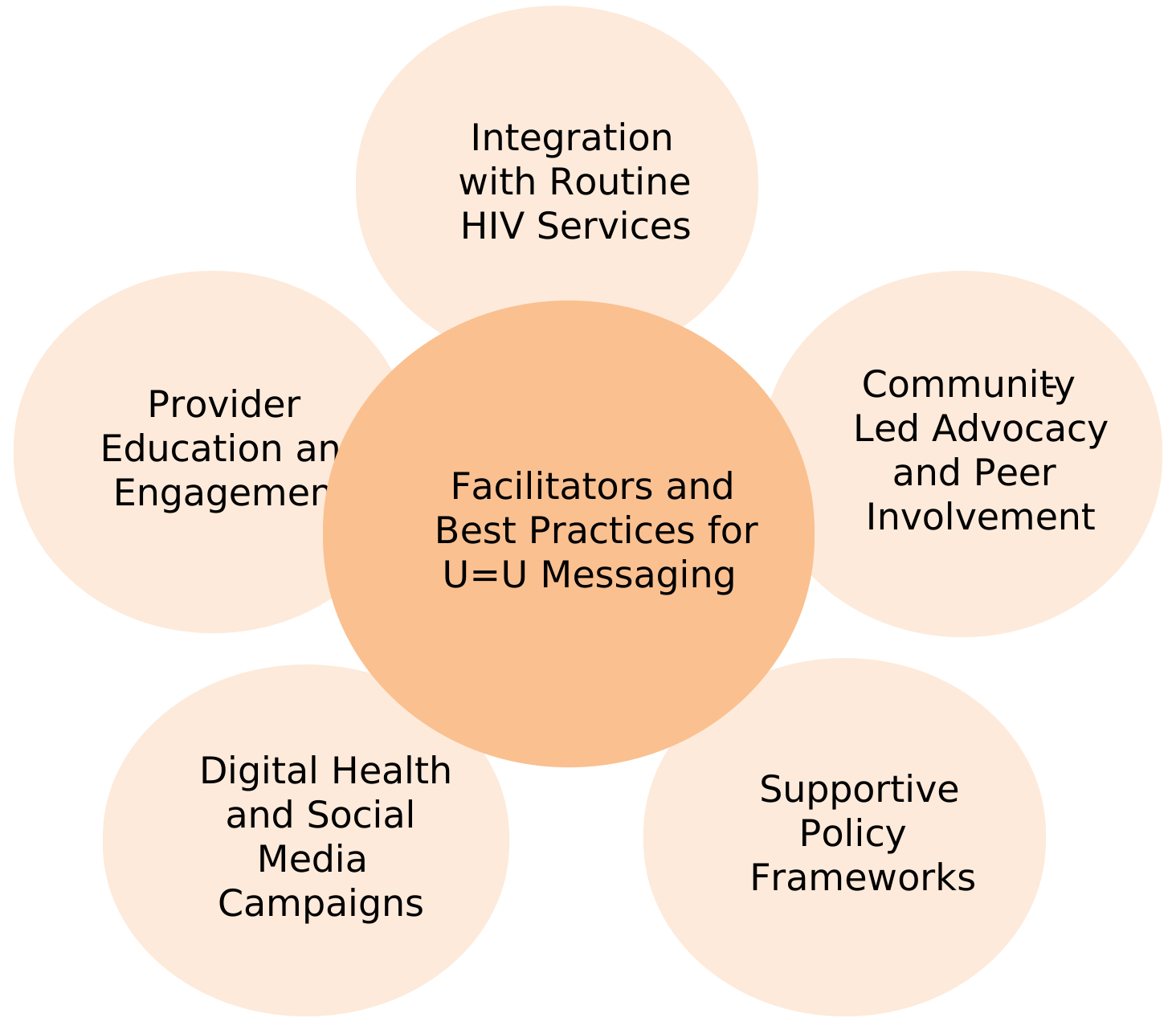
To fully realize the transformative potential of U=U messaging for PLHIV, it is crucial to identify and expand upon the factors that promote its effective implementation. The key factors that support the broad adoption of U=U and help dismantle ongoing stigma and barriers include integration with routine HIV services, community-led advocacy and peer involvement, provider education and engagement, digital health and social media campaigns, and policy frameworks.
Integration with Routine HIV Services
Integrating U=U messaging into routine HIV care increases awareness and adoption of the concept. This can be done at any point in the HIV care cascade, such as during counseling and testing, at the time of initiating new clients on ART, during viral load testing and result collection, during consultation with clinicians, and at the point of drug pick-up at the dispensary. These have proven to be good points for the effective dissemination of U=U [53]. Embedding U=U into clinical interactions enhances patients' trust in their treatment and promotes open dialogue about sexual behavior, disclosure, and emotional health. Routine integration also cultivates a culture of empowerment, making PLHIV redefine themselves as healthy individuals capable of leading full and meaningful lives rather than ostracized as disease carriers.
Community-Led Advocacy and Peer Involvement
Community-based organizations (CBOs) and networks of PLHIV are crucial for promoting U=U through peer education, storytelling, and creating safe spaces for disclosure. Peer-led initiatives, where PLHIV act as mentors, help translate biomedical information into lived experiences, which resonate more deeply than clinical narratives alone [54]. The PAC, which popularized the U=U slogan worldwide, notably demonstrated that grassroots movements, where community members lead the initiative, can significantly increase public awareness and acceptance of the message.
Provider Education and Engagement
Evidence-based and consistent message delivery by healthcare providers is essential for spreading the U=U. When clinicians effectively communicate the science of viral suppression, patients experience better mental health, reduced internalized stigma, and improved adherence to ART [55]. The use of training modules, continuing medical education (CME), and standardized U=U counseling guidelines has bolstered provider confidence and consistency in discussing U=U, especially in high-volume clinical environments.
Digital Health and Social Media Campaigns
Digital platforms provide a scalable and cost-efficient means to spread of U=U. Targeted social media approaches, especially those involving influencers, and video storytelling, have been successful in making discussions about HIV a normal thing, increase adherence to treatment, and improve sexual health in environments where stigma is prevalent [56, 57].
Supportive Policy Frameworks
With governments and international health authorities integrating U=U into their state policies, the framework will allow its implementation. For example, U=U is a principle of HIV prevention endorsed by both the WHO and UNAIDS [58].
In conclusion, U=U messaging is only effective when a collaborative effort is made by healthcare providers, PLHIV communities, policymakers, and media platforms. U=U can eliminate HIV transmission and change the experiences of PLHIV, thus fostering equity, dignity, and quality of life [59]. Figure 2 gives a picture of the facilitators and best practices of U=U messaging.
6. Conclusion
The U=U message has become one of the most revolutionary public health messages in the effort to eliminate the global AIDS epidemic. Its key message highlights an important scientific fact: PLHIV with a viral load <200 copies/mL do not pose any risk of transmitting the virus to others through sex. This has great implications for public health, not only to prevent HIV but also to reduce stigma, enhance mental health, and promote the dignity of PLHIV. This review examined the impact of U=U messaging in multiple aspects, such as level of awareness, acceptance, psychosocial impacts, geographical variations on awareness, the role played by healthcare providers in delivering the message, and the urgency to integrate effective communication strategies. The evidence reveals that widespread knowledge and acceptance of U=U results in low stigma, improved treatment adherence, and increased quality of life among PLHIV.
As countries are still striving to meet the 95-95-95 UNAIDS targets towards the global eradication of AIDS by 2030 (95% of the total number of people living with HIV worldwide have known their HIV status; 95% of those who know they are living with HIV take ART and remain in care; and 95% of people who take ART have suppressed viral load), U=U has become a primary component of prevention strategy as well as hope for PLHIV leading a high quality of life [60].
7. Future Directions and Policy Recommendations
The U=U message has transformed the paradigms of HIV prevention and care. Policy efforts should be bold and synchronized to achieve their full potential, with an emphasis on integration, education, equity, and sustainability worldwide. As part of future directions, we recommend policy interventions that institutionalize U=U into healthcare systems and mainstream society by integrating U=U into National HIV Programs. This should include revising national guidelines to be in accordance with the scientific validity that U=U offers. This type of integration promotes cohesion in programming and standardizes discussions across all healthcare systems. Additionally, healthcare providers should be trained to deliver U=U as part of routine HIV treatment. Quality assurance and performance metrics of healthcare providers should be incorporated into health systems to ensure standardized protocols for U=U education. In addition, the efforts of governments, civil society, influencers, and media outlets should be empowered to develop culturally applicable messaging on television, radio, and online platforms. Furthermore, viral load monitoring and access to ART should be improved. ART should be available and accessible to all, and viral loads should be frequently monitored. Finally, we recommend the allocation of resources for future empirical research to assess the long-term psychosocial and mental health impact of U=U adoption among PLHIV. Regular data collection and qualitative evaluations should be used to guide adjustments and strategies for scaling up the program.
Declarations
Ethical Approval: Not applicable.
Acknowledgements
The authors acknowledge all others who played a beneficial role in completing this manuscript.
Author contributions
Conceptualization, EF; Database search, EF and TD; Methodology, PGE; Writing-original draft preparation, EF, BNJ; Writing-review and editing, OO, POO, IK, AO and SNE. All authors have read and agreed to the published version of the manuscript
Funding: None
Competing interests: There are no competing interests among the authors
References
- World Health Organization (2025). “HIV/AIDS.” Date accessed: August 15, 2025. https://cdn.who.int/media/docs/default-source/hq-hiv-hepatitis-and-stis-library/who-ias-hiv-statistics_2025-new.pdf
- Karimi, K., Azizpour, Y., Shafaati, M. et al. (2025). Assessing HIV transmission knowledge and rapid test history among the general population in Iran. Sci Rep 15, 4944. https://doi.org/10.1038/s41598-025-88844-1[CrossRef] [PubMed]
- Ndubueze OD, Lawal OP, Fatawu RT, et al. (2025). CD4 profile of positive HIV/AIDS patients undergoing antiretroviral drug therapy attending general hospital Alkaleri, Bauchi State, Nigeria. J Hum Virol Retrovirol. 12(1):16‒21. file:///C:/Users/HP/Downloads/JHVRV-12-00282.pdf
- Ward, A. R., Mota, T. M., & Jones, R. B. (2021). Immunological approaches to HIV cure. Seminars in Immunology, 51, 101412. https://doi.org/10.1016/j.smim.2020.101412[CrossRef] [PubMed]
- Federal Ministry of Health, Nigeria (2020). National Guidelines for HIV Prevention, Treatment and Care. Date accessed: September 10, 2025. https://www.prepwatch.org/wp-content/uploads/2022/06/Nigeria-Guidelines-for-HIV-Prevention-Treatment-and-Care.pdf
- Sugi Min, Fizza S Gillani, Su Aung, Joseph M Garland, Curt G Beckwith (2020). Evaluating HIV Viral Rebound Among Persons on Suppressive Antiretroviral Treatment in the Era of “Undetectable Equals Untransmittable (U = U)”, Open Forum Infectious Diseases, Volume 7, Issue 12, ofaa529, https://doi.org/10.1093/ofid/ofaa529[CrossRef] [PubMed]
- Swain, S., Inman, E., Josipovic, D., Violari A., & Kidman R. (2024). Missed opportunity: low awareness of undetectable equals untransmittable (U = U) among adolescents living with HIV. AIDS Res Ther 21, 69. https://doi.org/10.1186/s12981-024-00659-8[CrossRef] [PubMed]
- Onoya D, Sineke T, King R, Mokhele I, Sharma S, Dukashe M, Cele R, Bokaba D, Inglis R, Sigasa S, Bor J. (2023). Designing effective U = U communication strategies considering the needs of PLHIV, their partners, and healthcare worker constraints in South African clinics. PLoS One. 18(12):e0295920. https://doi.org/10.1371/journal.pone.0295920[CrossRef] [PubMed]
- Calabrese SK, Holt M, Kalwicz DA, Flores JJ, Onochie KC, Bavinton BR, et al. (2025). Suboptimal Patient-Provider Communication About Undetectable = Untransmittable and HIV Transmission Risk in Australia and the US. AIDS Behav. https://doi.org/10.1007/s10461-025-04783-y[CrossRef] [PubMed]
- Prevention Access Campaign (2024). Date accessed: August 15, 2025. https://preventionaccess.com/
- The Well Project. (2024.). Undetectable equals untransmittable: Building hope and ending HIV stigma. Date accessed: August 20, 2025. https://www.thewellproject.org/hiv-information/undetectable-equals-untransmittable-building-hope-and-ending-hiv-stigma
- Gashema P, Ndahimana F, Saramba E, Musafiri T, Ishimwe E, Iradukunda PG, et al. (2025). Undetectable = Untransmittable (U = U): insights from people living with HIV attending health facilities in Rwanda. BMC Public Health. 25(1):68. https://doi.org/10.1186/s12889-024-21174-5[CrossRef] [PubMed]
- Chen, Y., Cao, Z., Li, J. et al. (2023). HIV transmission and associated factors under the scale-up of HIV antiretroviral therapy: a population-based longitudinal molecular network study. Virol J 20, 289. https://doi.org/10.1186/s12985-023-02246-1[CrossRef] [PubMed]
- Min Xi, Bullock, S., Mendelsohn, J. B., Moravan, V., Burchell, A. N., Tan, D. H. S., Lebouché, B., Routy, J.-P., Daftary, A., Thompson, T., & Calzavara, L. (2025). The impact of Undetectable = Untransmittable and viral suppression on condomless sex among mixed HIV-status couples in Canada. PLOS ONE. Advance online publication. https://doi.org/10.1371/journal.pone.0332926[CrossRef] [PubMed]
- Ibrahim K, Kahle EM, Christiani Y, Suryani S. (2024). Utilization of Social Media for the Prevention and Control of HIV/AIDS: A Scoping Review. J Multidiscip Healthc. 17:2443-2458. https://doi.org/10.2147/JMDH.S465905[CrossRef] [PubMed]
- Ferreira RC, Torres TS, Marins LMS, Ceccato MDGB, Bezerra DRB, Luz PM. (2022). HIV knowledge and its correlation with the Undetectable = Untransmittable slogan in Brazil. Rev Saude Publica. 56:87. https://doi.org/10.11606/s1518-8787.2022056004168[CrossRef] [PubMed]
- Okoli C, Van de Velde N, Richman B, Allan B, Castellanos E, Young B, et al. (2021). Undetectable equals untransmittable (U = U): awareness and associations with health outcomes among people living with HIV in 25 countries. Sex Transm Infect. 97(1):18-26. https://doi.org/10.1136/sextrans-2020-054551[CrossRef] [PubMed]
- Mahamboro DB, Fauk NK, Ward PR, Merry MS, Siri TA, Mwanri L. (2020). HIV Stigma and Moral Judgement: Qualitative Exploration of the Experiences of HIV Stigma and Discrimination among Married Men Living with HIV in Yogyakarta. Int J Environ Res Public Health. 17(2):636. https://doi.org/10.3390/ijerph17020636[CrossRef] [PubMed]
- Zhao, B., Hu, Y., Huang, Q. et al. (2025). Assessment of U = U knowledge and influencing factors among the population in Henan Province China based on an internet-based survey. Sci Rep 15, 38642. https://doi.org/10.1038/s41598-025-22600-3[CrossRef] [PubMed]
- Agaku I, Nkosi L, Gwar JN, Tsafa T. (2022). A cross-sectional analysis of U=U as a potential educative Intervention to mitigate HIV stigma among youth living with HIV in South Africa. Pan Afr Med J. 41:248. https://doi.org/10.11604/pamj.2022.41.248.33079[CrossRef]
- Ngure K, Ongolly F, Dolla A, Awour M, Mugwanya KK, Irungu E. et al. (2020). "I just believe there is a risk" understanding of undetectable equals untransmissible (U = U) among health providers and HIV-negative partners in serodiscordant relationships in Kenya. J Int AIDS Soc. 23(3):e25466. https://doi.org/10.1002/jia2.25466[CrossRef] [PubMed]
- Kubheka, S., Patel, R., Ramothwala, P., Moorhouse, M., Mohammed, P., DobladoMaldonado, A., & Okoli, C. (2024). Associations between exposure to the U=U message and perceived HIV stigma among both the HIV and nonHIV adult populations in South Africa. Population Medicine, 6(January), 3. https://doi.org/10.18332/popmed/182917[CrossRef]
- Konda, K.A., Qquellon, J., Torres, T.S. et al. (2024). Awareness of U = U among Sexual and Gender Minorities in Brazil, Mexico, and Peru: Differences According to Self-reported HIV Status. AIDS Behav 28, 2391–2402. https://doi.org/10.1007/s10461-024-04336-9[CrossRef] [PubMed]
- Silva KRO, Ferreira RC, Coelho LE, Veloso VG, Grinsztejn B, Torres TS, Luz PM. (2024). Knowledge of HIV transmission, prevention strategies and U = U among adult sexual and gender minorities in Brazil. J Int AIDS Soc. 27(2):e26220. https://doi.org/10.1002/jia2.26220[CrossRef] [PubMed]
- Tadese BK, Cambron-Mellott MJ, Arduino JM, Balkaran BL, Eslamimehr S, Zuniga JM. (2025). Lack of Knowledge and Understanding of Undetectable Equals Untransmittable (U = U) Among People Living with HIV in the United States: Results from a Cross-Sectional Survey. Journal of the International Association of Providers of AIDS Care (JIAPAC). 24. https://doi.org/10.1177/23259582251370236[CrossRef] [PubMed]
- Rivera, A. V., Carrillo, S. A., & Braunstein, S. L. (2021). Prevalence of U = U awareness and its association with anticipated HIV stigma among low-income heterosexually active Black and Latino adults in New York City, 2019. AIDS Patient Care and STDs, 36(1), 1–7. https://doi.org/10.1089/apc.2021.0070[CrossRef] [PubMed]
- Rendina HJ, Talan AJ, Cienfuegos-Szalay J, Carter JA, Shalhav O. (2020). Treatment Is More Than Prevention: Perceived Personal and Social Benefits of Undetectable = Untransmittable Messaging Among Sexual Minority Men Living with HIV. AIDS Patient Care STDS. 34(10):444-451. https://doi.org/10.1089/apc.2020.0137[CrossRef] [PubMed]
- Tran, A., Watson, J. R., Lo Hog Tian, J. M., McBain, K., Miller, A. D., Boni, A. R., … Rourke, S. B. (2025). Awareness, acceptance, and impact of undetectable equals untransmittable (U = U) among people living with HIV across Canada. AIDS Care, 1–12. https://doi.org/10.1080/09540121.2025.2562238[CrossRef] [PubMed]
- Phanuphak N, Siriphan J, Kumpitak A, Suwanpattana N, Benjarattanaporn P. (2023) Humanise and demedicalise Undetectable=Untransmittable in Thailand. Sexual Health 20, 250–254. https://doi.org/10.1071/SH23060[CrossRef] [PubMed]
- Thapinta D, Srithanaviboonchai K, Uthis P, Suktrakul S, Wiwatwongnawa R, Tangmunkongvorakul A, et al. (2022). Association between Internalized Stigma and Depression among People Living with HIV in Thailand. Int J Environ Res Public Health. 19(8):4471. https://doi.org/10.3390/ijerph19084471[CrossRef] [PubMed]
- Nabunya P, Namuwonge F. (2023). HIV-Related Shame, Stigma and the Mental Health Functioning of Adolescents Living with HIV: Findings from a Pilot Study in Uganda. Child Psychiatry Hum Dev. 54(6):1771-1778. https://doi.org/10.1007/s10578-022-01374-z[CrossRef] [PubMed]
- Sineke T, Onoya D, Mokhele I, Cele R, Sharma S, Sigasa P, et al. (2023). Dukashe M, Hansrod L, Inglis R, King R, Bor J. "I was scared dating… who would take me with my status?"-Living with HIV in the era of UTT and U = U: A qualitative study in Johannesburg, South Africa. PLOS Glob Public Health. 3(10):e0000829. https://doi.org/10.1371/journal.pgph.0000829[CrossRef] [PubMed]
- Randolph C.H. Chan, Fei Nga Hung, Winnie W.S. Mak (2025). Evolving experiences of HIV stigma and their impact on well-being: A serial cross-sectional study of people living with HIV in Hong Kong from 2012 to 2022. SSM – Mental Health, Volume 7, 100415. https://doi.org/10.1016/j.ssmmh.2025.100415[CrossRef]
- Georgiadis N, Katsimpris A, Halkitis PN, Kaba E, Tzanakaki G, Vassilakou T, et al. (2025). Undetectable = Untransmittable: A Cross-Population Systematic Review and Meta-Analysis on Awareness and Acceptance. Pathogens. 14(7):673. https://doi.org/10.3390/pathogens14070673[CrossRef] [PubMed]
- Cyrus, E., Okeke, D. A., Lavia, O., Trepka, M. J., Maragh-Bass, A., Duthely, L., … Edwards, J. (2025). A closer look: factors impacting HIV durable viral suppression among a cohort of clinic attendees in Trinidad & Tobago. HIV Research & Clinical Practice, 26(1). https://doi.org/10.1080/25787489.2024.2443886[CrossRef] [PubMed]
- Thomford NE, Mhandire D, Dandara C, Kyei GB. (2020). Promoting Undetectable Equals Untransmittable in Sub-Saharan Africa: Implication for Clinical Practice and ART Adherence. Int J Environ Res Public Health. 17(17):6163. https://doi.org/10.3390/ijerph17176163[CrossRef] [PubMed]
- Coyne R, Walsh JC, Noone C. (2022). Awareness, Understanding and HIV Stigma in Response to Undetectable = Untransmittable Messages: Findings from a Nationally Representative Sample in the United Kingdom. AIDS Behav. 26(12):3818-3826. https://doi.org/10.1007/s10461-022-03710-9[CrossRef] [PubMed]
- Foster-Pagaebi, E, Douglas, T., Motilewa, O.O., Ogundeko-Olugbami, O., Ajayi, O., Njoku, O., Douglas E. T., & Eziokwu, O. N. (2025). HIV Care and Treatment Among Serodiscordant Couples: A Systematic Review of Relationship Dynamics and Health Outcomes. Epidemiology and Health Data Insights, 1(4), ehdi013. https://doi.org/10.63946/ehdi/17083[CrossRef]
- Senkoro, E., Muwonge, T., Samson, L. et al. (2025). Experiences of undetectable = untransmittable among couples with different HIV serostatus: a qualitative study in Tanzania and Uganda. BMC Public Health 25, 2854. https://doi.org/10.1186/s12889-025-24120-1[CrossRef] [PubMed]
- Calabrese SK, Mayer KH. (2020). Stigma impedes HIV prevention by stifling patient-provider communication about U = U. J Int AIDS Soc. 23(7):e25559. https://doi.org/10.1002/jia2.25559[CrossRef] [PubMed]
- Geter, A., Herron, A. R., & Sutton, M. Y. (2018). HIV-related stigma by healthcare providers in the United States: A systematic review. AIDS Patient Care and STDs, 32(10), 418–424. https://doi.org/10.1089/apc.2018.0114[CrossRef] [PubMed]
- Grace, D., Stewart, M., Blaque, E., Ryu, H., Anand, P., Gaspar, M., Worthington, C., Gilbert, M., et al. (2022). Challenges to communicating the Undetectable equals Untransmittable (U = U) HIV prevention message: Healthcare provider perspectives. PLOS ONE, 17(7), e0271607. https://doi.org/10.1371/journal.pone.0271607[CrossRef] [PubMed]
- Øgård-Repål A, Berg RC, Fossum M. (2021). A Scoping Review of the Empirical Literature on Peer Support for People Living with HIV. J Int Assoc Provid AIDS Care. 20:23259582211066401. https://doi.org/10.1177/23259582211066401[CrossRef] [PubMed]
- Okamoto, E. E., Anam, F. R., Batiste, S., et al. (2024). Ending AIDS as a public health threat: the imperative for clear messaging on U=U, viral suppression, and zero risk. The Lancet HIV, 11(11), e783–e790. https://doi.org/10.1016/S2352-3018(24)00241-8[CrossRef] [PubMed]
- Sineke, T., Bor, J., King, R. et al. (2024). Integrating ‘undetectable equals untransmittable’ into HIV counselling in South Africa: the development of locally acceptable communication tools using intervention mapping. BMC Public Health 24, 1052. https://doi.org/10.1186/s12889-024-18471-4[CrossRef] [PubMed]
- Nsanzimana S, Rwibasira GN, Malamba SS, Musengimana G, Kayirangwa E, Jonnalagadda S, et al. (2022). HIV incidence and prevalence among adults aged 15-64 years in Rwanda: Results from the Rwanda Population-based HIV Impact Assessment (RPHIA) and District-level Modeling, 2019. Int J Infect Dis. 116:245-254. https://doi.org/10.1016/j.ijid.2022.01.032[CrossRef] [PubMed]
- Ferguson, L., Jardell, W., & Gruskin, S. (2022). Leaving no one behind: Human rights and gender as critical frameworks for U=U. Health Human Rights, 24(2), 1–11. https://pmc.ncbi.nlm.nih.gov/articles/PMC9790944/
- Calabrese SK, Kalwicz DA, Zaheer MA, Dovidio JF, Garner A, Zea MC. Et al. (2024). The Potential Role of Undetectable = Untransmittable (U = U) in Reducing HIV Stigma among Sexual Minority Men in the US. AIDS Behav. 28(2):741-757. https://doi.org/10.1007/s10461-023-04263-1[CrossRef] [PubMed]
- Lau LH, Lee MP, Wong BC, Kwong TS, Hui WM, Chan JM, Lee SS. (2024). HIV-related public stigma in the era of "Undetectable = Untransmittable": a population-based study in Hong Kong. BMC Public Health. 24(1):1517. https://doi.org/10.1186/s12889-024-18974-0[CrossRef] [PubMed]
- Tan, R. K. J., Lim, J. M., & Chan, J. K. W. (2021). Is “Undetectable = Untransmissible” good public health messaging? AMA Journal of Ethics, 23(5), E418–E422. https://doi.org/10.1001/amajethics.2021.418[CrossRef] [PubMed]
- Dadi, T.L., Wiemers, A.M.C., Tegene, Y. et al. (2024). Experiences of people living with HIV in low- and middle-income countries and their perspectives in self-management: a meta-synthesis. AIDS Res Ther 21, 7. https://doi.org/10.1186/s12981-024-00595-7[CrossRef] [PubMed]
- Joint United Nations Programme on HIV/AIDS. (2024). HIV criminalization (Human Rights Fact Sheet Series). UNAIDS. Date accessed: August 28, 2025. https://www.unaids.org/en/resources/documents/2021/01-hiv-human-rights-factsheet-criminalization
- Medina-Marino A, Sibanda N, Putt M, Joseph Davey D, Smith P, Thirumurthy H, Bekker LG, Buttenheim A. (2024). Improving HIV testing, linkage, and retention in care among South African men through U=U messaging: A study protocol for two sequential hybrid type 1 effectiveness- implementation randomized controlled trials. PLoS One. 19(11):e0309905. https://doi.org/10.1371/journal.pone.0309905[CrossRef] [PubMed]
- Meng X, Yin H, Ma W, Gu J, Lu Z, Fitzpatrick T, Zou H. (2023). Peer-Led Community-Based Support Services and HIV Treatment Outcomes Among People Living With HIV in Wuxi, China: Propensity Score-Matched Analysis of Surveillance Data From 2006 to 2021. JMIR Public Health Surveill. 9:e43635. https://doi.org/10.2196/43635[CrossRef] [PubMed]
- Katongole SP, Mukama SC, Nakawesi J, Bindeeba D, Simons E, Mugisa A, et al (2024). Enhancing HIV treatment and support: a qualitative inquiry into client and healthcare provider perspectives on differential service delivery models in Uganda. AIDS Res Ther. 21(1):47. https://doi.org/10.1186/s12981-024-00637-0[CrossRef] [PubMed]
- Ibrahim K, Kahle EM, Christiani Y, Suryani S. (2024). Utilization of Social Media for the Prevention and Control of HIV/AIDS: A Scoping Review. J Multidiscip Healthc. 17:2443-2458. https://doi.org/10.2147/JMDH.S465905[CrossRef] [PubMed]
- Evelyn Foster-Pagaebi, Kefas Paul Zawaya, Cephas Biya, Nneji Nmesomachukwu Eneda, Aliaa Mohammed Mahmoud Soliman & John Opeyemi Patrick. (2025). Community-Based Healthcare Systems: A Strategic Lever for Achieving Health Equity and Universal Health Coverage. Journal of Medicine and Health Research, 10(2), 142–157. https://doi.org/10.56557/jomahr/2025/v10i29632[CrossRef]
- UNAIDS (2022). Undetectable = Untransmittable = Universal Access (U=U=U): A foundational, community-led global HIV health equity strategy. NGO report. Geneva: UNAIDS PCB. Date accessed: August 28, 2025. https://www.unaids.org/sites/default/files/media_asset/PCB51_NGO_Report_Final_112322.pdf
- CDC (2024). Implementing and Scaling up Undetectable = Untransmittable (U=U): A Resource Guide. 1st ed. Centers for Disease Control and Prevention Division of Global HIV and TB, Atlanta, GA. Date accessed: August 28, 2025. https://www.cdc.gov/global-hiv-tb/media/pdfs/2024/06/U-U-Resource-Guide-July-2024_Final.pdf
- UNAIDS (2024). The urgency of now: AIDS at a crossroads. Geneva: Joint United Nations Programme on HIV/AIDS. Date accessed: August 28, 2025. https://www.unaids.org/sites/default/files/media_asset/2024-unaids-global-aids-update_en.pdf