Articles
Browse all published research articles
Symbolic Splendour: Integrating Adinkra Symbols in Ghana’s Most Beautiful Set Design
This study explores the integration of Adinkra symbols into the set design of Ghana’s Most Beautiful (GMB), a popular beauty pageant and reality TV show that has aired on TV3; a private television station in Ghana. GMB showcases beauty, intelligence, cultural knowledge, and traditional values, celebrating Ghana's rich cultural heritage through female contestants representing the country's diverse ethnic groups. In response to the lack of coherent Ghanaian artistic elements in previous set designs, this study employed an artistic methodology to incorporate four Adinkra symbols, Okɔdeɛ Mmɔwerɛ, Duafe, Dweninimmɛn, and Mate Masie, into the set design for the show’s eighth season. These symbols, signifying beauty, strength, wisdom, and unity respectively, were creatively integrated into a crown-like set design for the grand finale, harmonizing aesthetic trends with cultural significance. The design process was informed by rigorous research and stakeholder interviews, ensuring that the selected symbols conveyed the intended cultural messages. The results highlight the potential of traditional symbols to enhance both the cultural relevance and visual appeal of television productions. The project enriches the cultural depth of GMB production and offers a blueprint for incorporating indigenous symbols into contemporary set design. The study recommends that future productions continue exploring traditional symbols to deepen the appreciation of Ghanaian heritage and strengthen cultural identity through visual arts.
This study explores the integration of Adinkra symbols into the set design of Ghana’s Most Beautiful (GMB), a popular beauty pageant and reality TV show that has aired on TV3; a private television sta... Read more

Figure 1. Billboard advertising GMB season 8 (Source: From field work).

Figure 2. <i>Adinkra</i> symbols: <i>Ok</i><i>ɔ</i><i>de</i><i>ɛ</i><i> </i><i>Mm</i><i>ɔ</i><i>wer</i><i>ɛ</i><i> </i>(Talons of eagle); Source: www.adinkra.org

Figure 3. <i> Adinkra</i> symbol <i>Duafe</i> (Wooden comb); Source: www.adinkra.org

Figure 4. <i> Adinkra</i> symbol <i><b>Dweninimm</b></i><i><b>ɛ</b></i><i><b>n</b></i> (ram horn); Source: www.adinkra.org

Figure 5. <i> Mate Masie </i>(What I hear, I keep); Source: www.adinkra.org

Figure 6. Original <i>Ok</i><i>ɔ</i><i>de</i><i>ɛ</i><i> </i><i>Mm</i><i>ɔ</i><i>wer</i><i>ɛ</i><i> </i>(Talons of eagle) <i>Adinkra </i>symbol; Source: www.adinkra.org

Figure 7. Artistically rendered <i>Ok</i><i>ɔ</i><i>de</i><i>ɛ</i><i> </i><i>Mm</i><i>ɔ</i><i>wer</i><i>ɛ</i><i> </i>(Talons of eagle); Source: Researcher’s construct

Figure 8. Original <i>Duafe</i> (Wooden comb) <i>Adinkra </i>symbol; Source: www.adinkra.org

Figure 9. Artistically rendered <i>Duafe</i> (Wooden comb); Source: Researcher’s construct

Figure 10. <i> </i>Original <i><b>Dweninimm</b></i><i><b>ɛ</b></i><i><b>n</b></i> (ram horn) <i>Adinkra</i> symbol; Source: www.adinkra.org

Figure 11. Artistically rendered <i><b>Dweninimm</b></i><i><b>ɛ</b></i><i><b>n</b></i><i><b>; </b></i>Source: Researcher’s construct

Figure 12. <i> Mate Masie </i>(What I hear, I keep); Source: www.adinkra.org

Figure 13. Star; Source: shutterstock.com

Figure 14. artistically rendered <i>Ok</i><i>Ɔ</i><i>de</i><i>ɛ</i><i> </i><i>mm</i><i>Ɔ</i><i>wer</i><i>ɛ</i> and the <i>Duafe</i><i>; </i>Source: Researcher’s construct

Figure 15. Artistically rendered <i>Ok</i><i>Ɔ</i><i>de</i><i>ɛ</i><i> </i><i>mm</i><i>Ɔ</i><i>wer</i><i>ɛ</i>, <i>Duafe</i> and <i>Mate Masie </i>symbol; Source: Researcher’s construct

Figure 16. All four artistically rendered symbols: <i>Ok</i><i>Ɔ</i><i>de</i><i>ɛ</i><i> </i><i>mm</i><i>Ɔ</i><i>wer</i><i>ɛ</i>, <i>Duafe</i>, <i>Mate Masie </i>and <i>Dweninimm</i><i>ɛ</i><i>n</i><i>; </i>Source: Researcher’s construct

Figure 17. All four artistically rendered symbols: <i>Ok</i><i>Ɔ</i><i>de</i><i>ɛ</i><i> </i><i>mm</i><i>Ɔ</i><i>wer</i><i>ɛ</i>, <i>Duafe</i>, <i>Mate Masie </i>and <i>Dweninimm</i><i>ɛ</i><i>n</i><i> </i>with the eight stars; Source: Researcher’s construct

Figure 18. Final design; Source: Researcher’s construct

Figure 19. Working drawing for <i>Ok</i><i>Ɔ</i><i>de</i><i>ɛ</i><i> </i><i>mm</i><i>Ɔ</i><i>wer</i><i>ɛ</i><i>; </i>Source: Researcher’s construct

Figure 20. Working drawing for <i>Duafe</i><i>; </i>Source: Researcher’s construct

Figure 21. Working drawing for <i>Mate Masie</i><i>; </i>Source: Researcher’s construct

Figure 22. Working drawing for <i>Dweninimm</i><i>ɛ</i><i>n</i><i>; </i>Source: Researcher’s construct

Figure 23. Working drawing for the stars; Source: Researcher’s construct

Figure 24. Cutting out of the symbols on the polystyrene; Source: Researcher on field

Figure 25. Sideview of the set under construction; Source: Researcher on field

Figure 26. Front view of the set under construction; Source: Researcher on field

Figure 27. Construction team putting finishing touches to the set; Source: Researcher on field

Figure 28. Final set with the final contestants playing in front of the set; Source: Researcher on field
Textile Design and Product Innovations from Adinkra and Bogolanfini Ideographic Mergers
This study seeks to introduce an interactive design concept by merging Adinkra and Bogolanfini symbols into textile designs and convert them into utilitarian products. The qualitative research design method and the human-centred design approach were employed to identify, understand and assess how effective Adinkra and Bogolanfini ideographs can be adapted for textile designs and other product applications. The target samples for this study comprises variety of Adinkra symbols and Bogolanfini patterns. The significance of sampling in this study was to select suitable kinds of Adinkra and Bogolanfini patterns. Lines, shapes and texture were utilised to determine which particular symbols were included and which were not suitable. The CorelDraw vector software was used to convert and develop images of the Adinkra symbols and Bògòlanfini patterns and then manipulated into the final textile design. The design outcomes are indicative of the fact that varieties of Adinkra symbols and Bogolanfini patterns are prospective image resources for textile designs. The study recommends that textile design students and practitioners at various institutions and dispositions should be encouraged to explore the breadth of ideographs available across the West African sub-region for design ideas.
This study seeks to introduce an interactive design concept by merging Adinkra and Bogolanfini symbols into textile designs and convert them into utilitarian products. The qualitative research design ... Read more
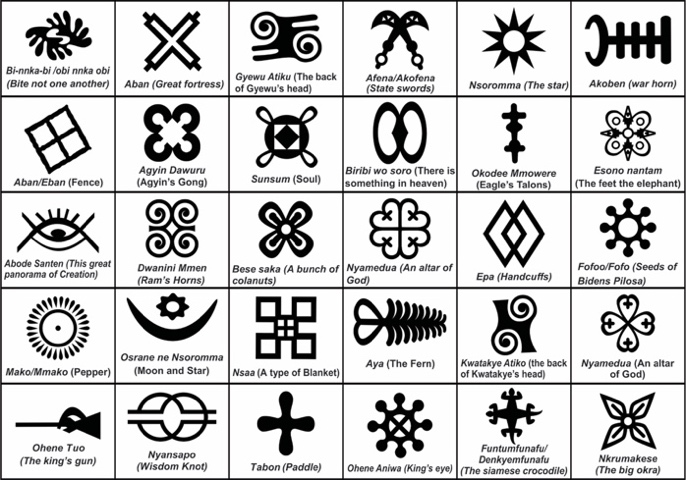
Figure 1. Adinkra symbols. Source: [10]
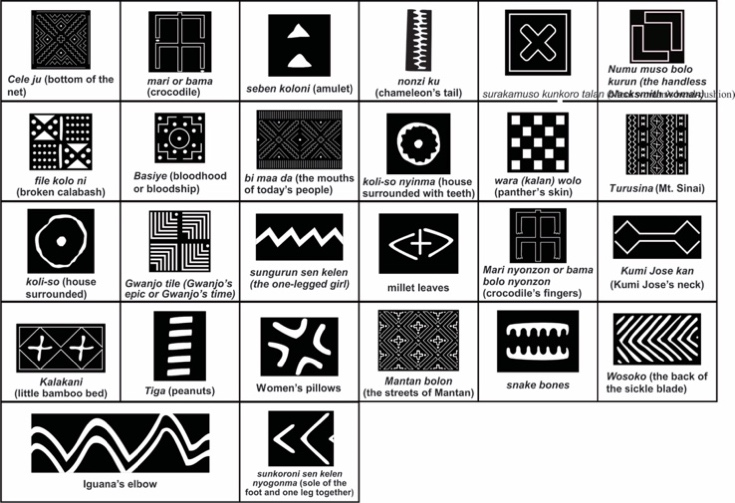
Figure 2. Bogolanfini patterns. Source: [11]
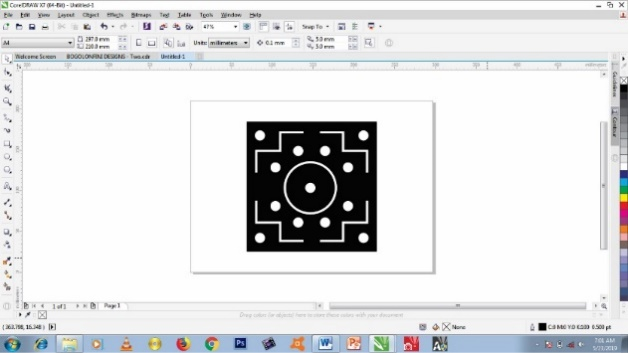
Figure 3. <i>Basiye</i> (Bloodhood or bloodship) opened in CorelDraw
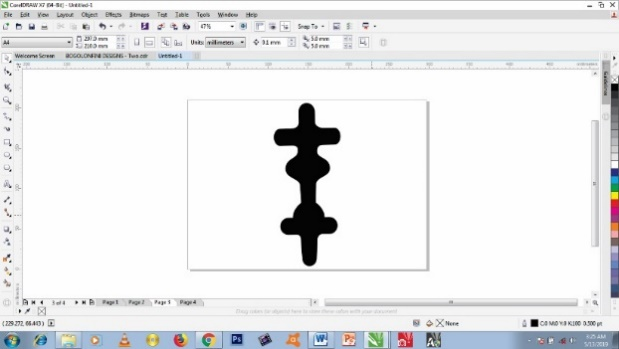
Figure 4. <i>Okodee</i><i> </i><i>Mmowere</i><i> </i>(Eagle’s Talons) opened in CorelDraw
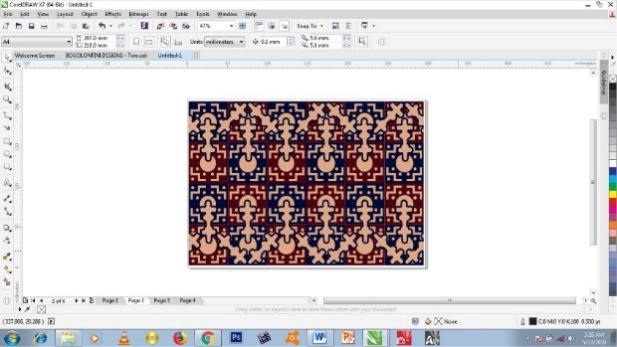
Figure 5. Final design as represented in CorelDraw
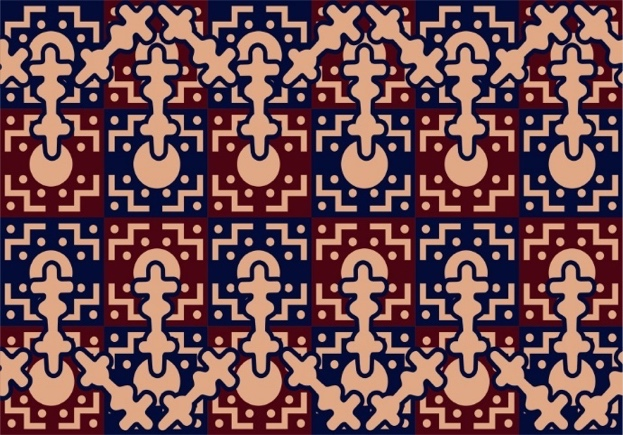
Figure 6. Final design
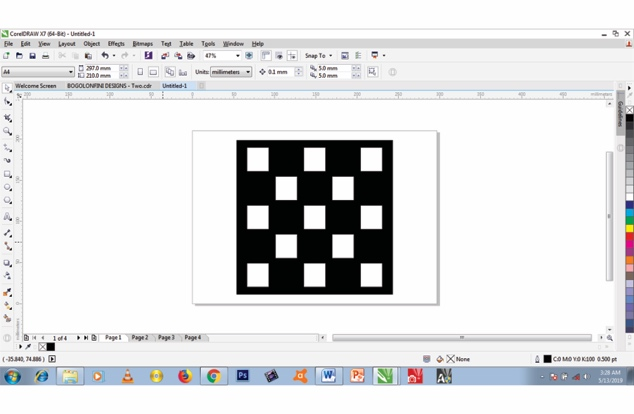
Figure 7. <i>Wara</i><i> (</i><i>kalan</i><i>) </i><i>wolo</i> (panther’s skin) opened in CorelDraw
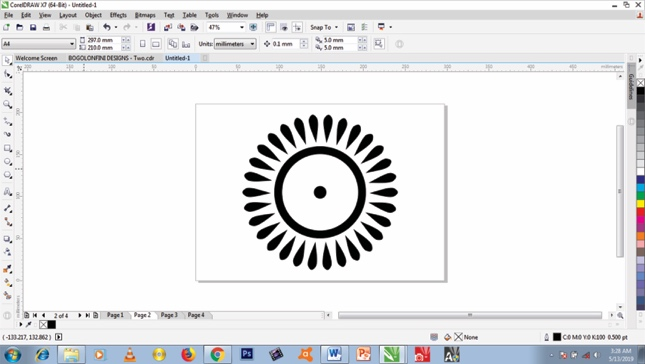
Figure 8. <i>Mako/</i><i>Mmako</i> (Pepper) opened in CorelDraw
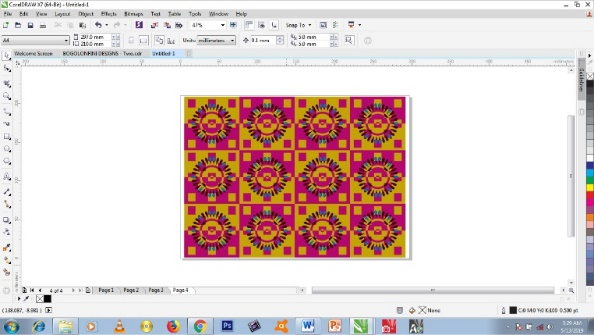
Figure 9. Final design as represented in CorelDraw
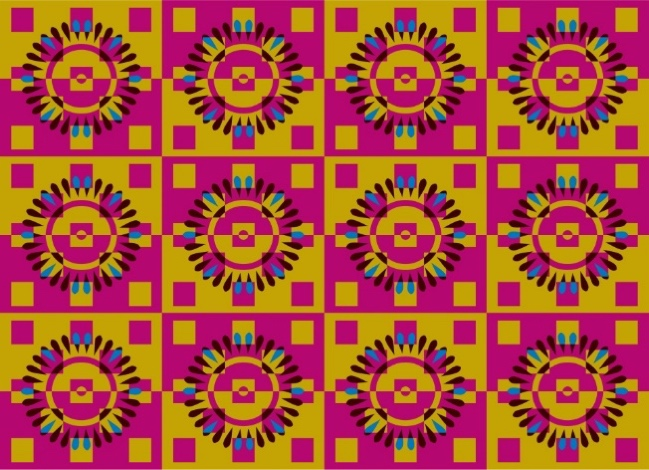
Figure 10. Final Design
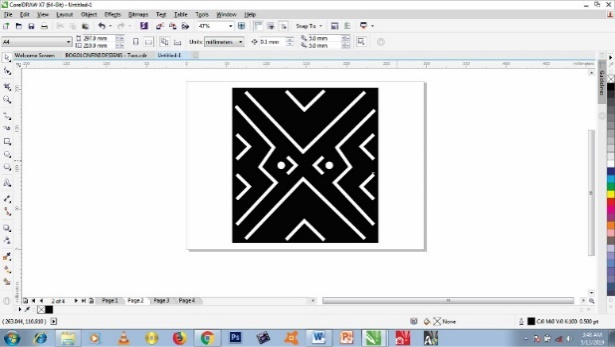
Figure 11. Juguru Fara (The feet of the tortoise) opened in CorelDraw
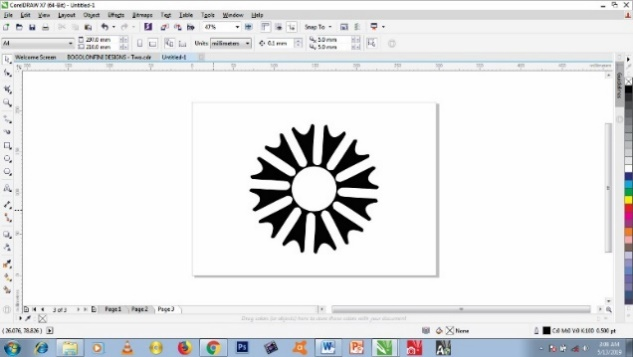
Figure 12. <i>Ohene </i>(King) opened in CorelDraw
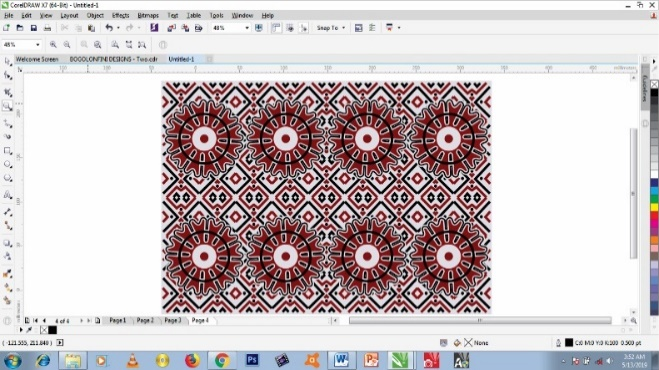
Figure 13. Final design as represented in CorelDraw
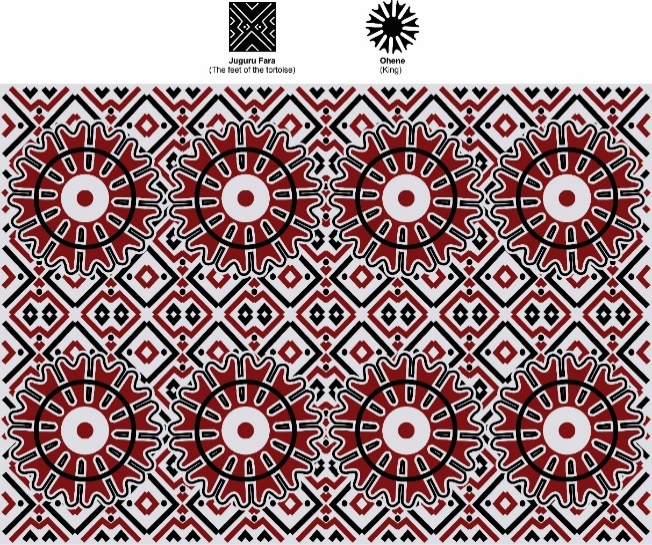
Figure 14. Final Design
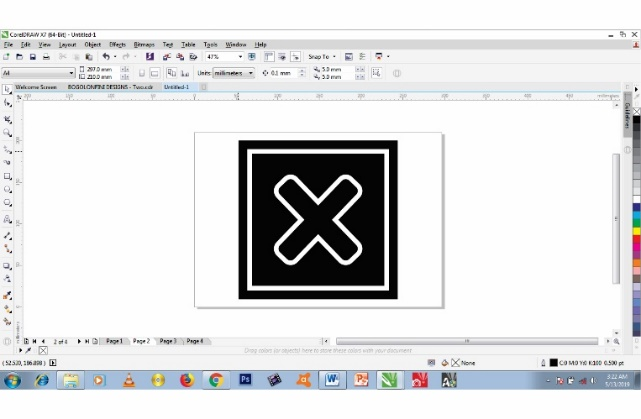
Figure 15. <i>Surakamuso</i><i> </i><i>kunkoro</i><i> </i><i>talan</i><i> </i>(Moor woman’s head-cushion) opened in CorelDraw
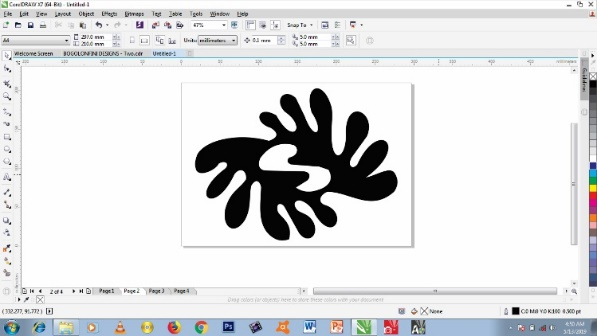
Figure 16. <i>Bi-</i><i>nnka</i><i>-bi /obi </i><i>nnka</i><i> obi </i>(Bite not one another) opened in CorelDraw
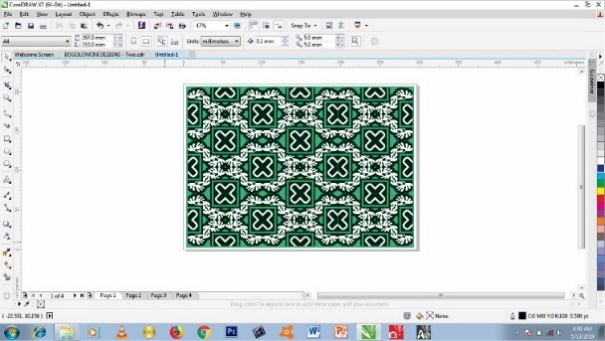
Figure 17. Final design as represented in CorelDraw
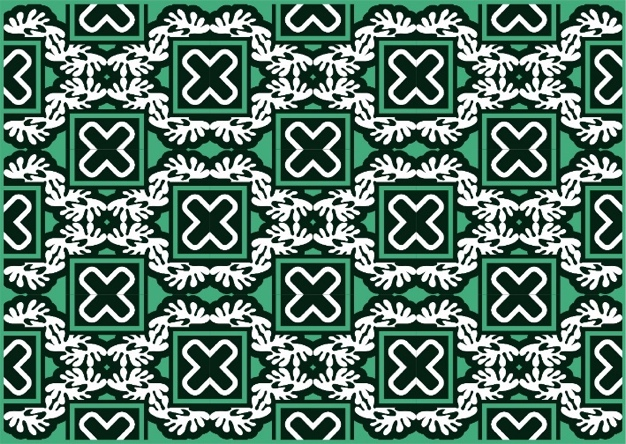
Figure 18. Final design
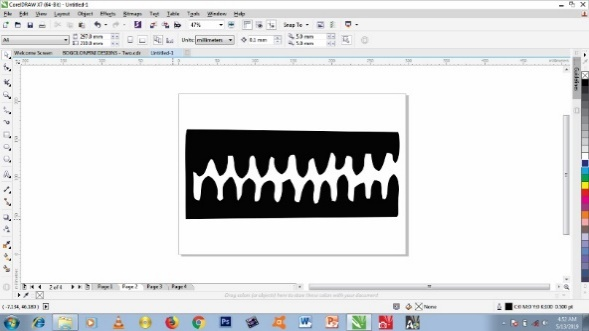
Figure 19. <i>Nonzi</i><i> </i><i>ku</i><i> </i>(chameleon’s tail) opened in CorelDraw
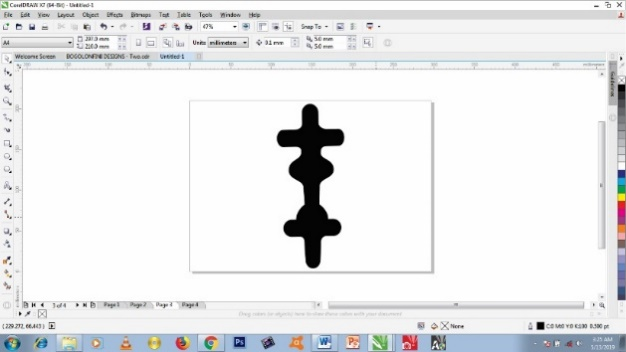
Figure 20. <i>Okodee</i><i> </i><i>Mmowere</i> (Eagle’s Talons) opened in CorelDraw
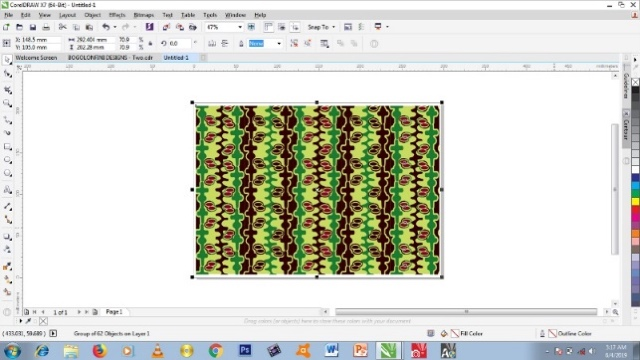
Figure 21. Final design as represented in CorelDraw
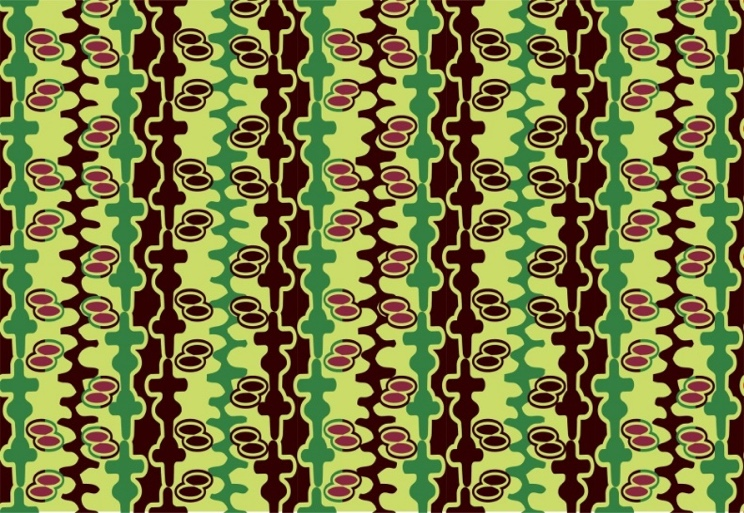
Figure 22. Final design
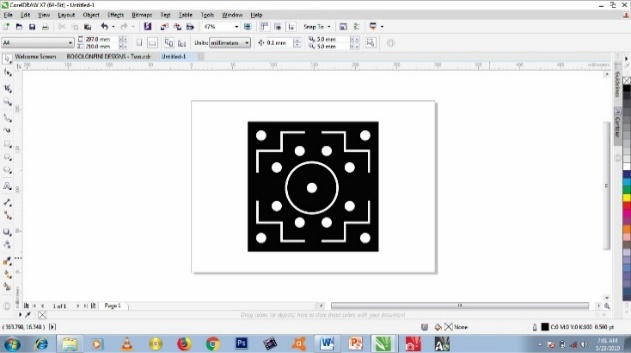
Figure 23. <i>Basiye</i> (bloodhood) - Bogolanfini pattern opened in CorelDraw

Figure 24. <i>Ohene </i>(King)<i> – </i>Adinkra symbol opened in CorelDraw
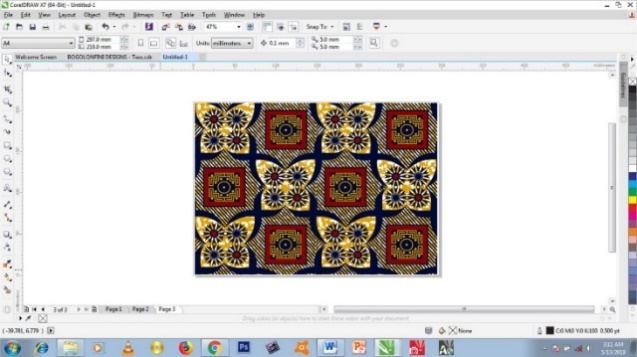
Figure 25. Final design opened in CorelDraw
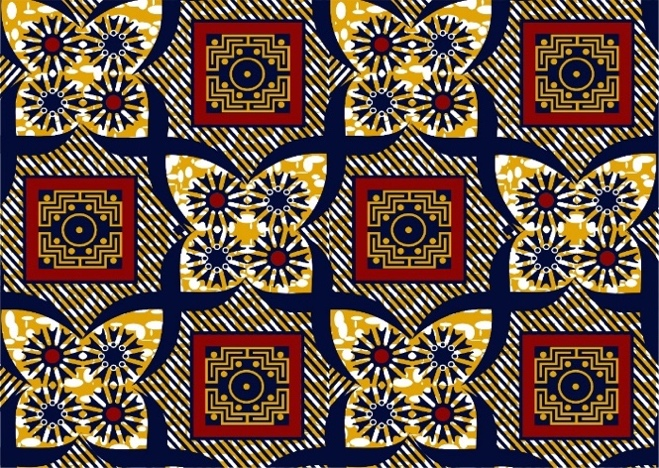
Figure 26. Final design
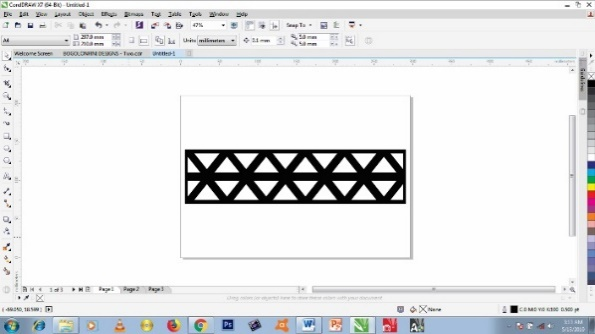
Figure 27. <i>Seben</i><i> </i><i>Koloni</i> (The small old amulet) - Bogolanfini pattern opened in CorelDraw
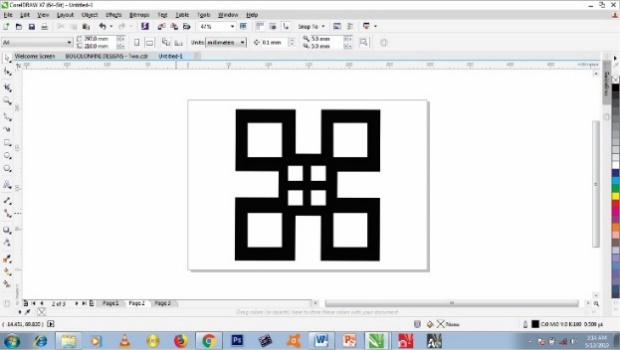
Figure 28. (A type of Blanket) - Adinkra symbol opened in CorelDraw
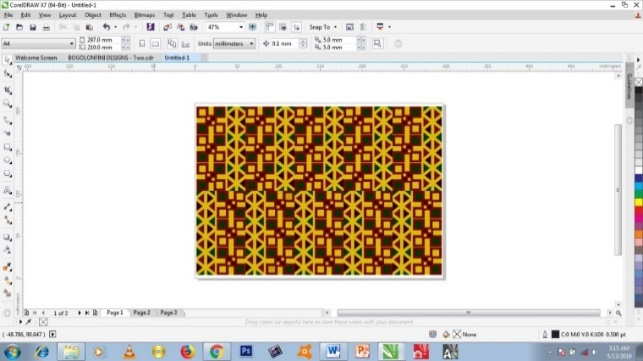
Figure 29. Final design opened in CorelDraw
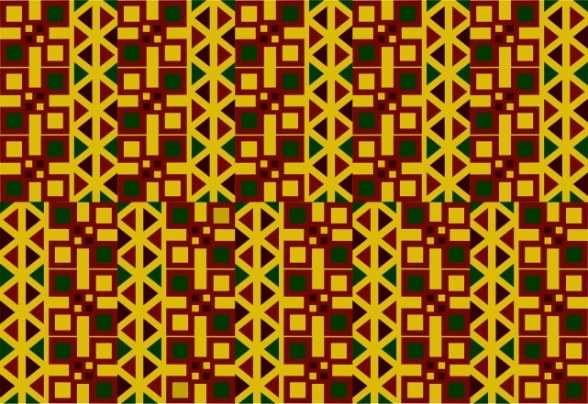
Figure 30. Final design
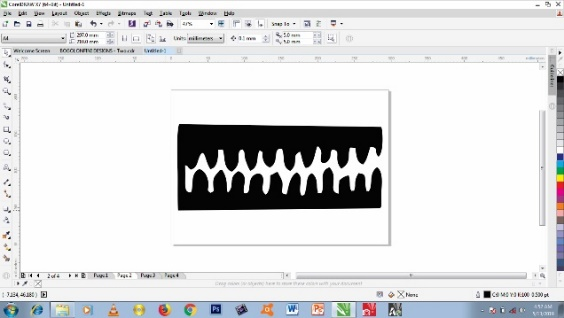
Figure 31. <i>Nonzi</i><i> </i><i>ku</i> (chameleon’s tail) - Bogolanfini pattern opened in CorelDraw
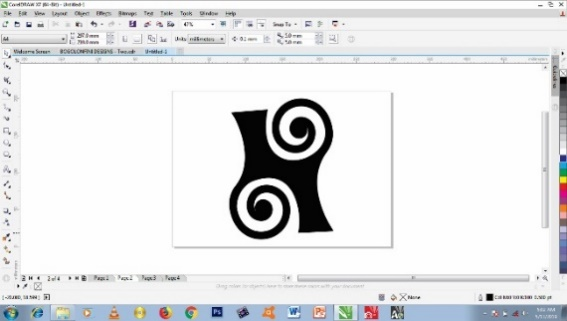
Figure 32. <i>Kwatakye</i><i> </i><i>Atiko</i> (the back of Kwatakye’s head) - Adinkra symbol opened in CorelDraw

Figure 33. Final design opened in CorelDraw
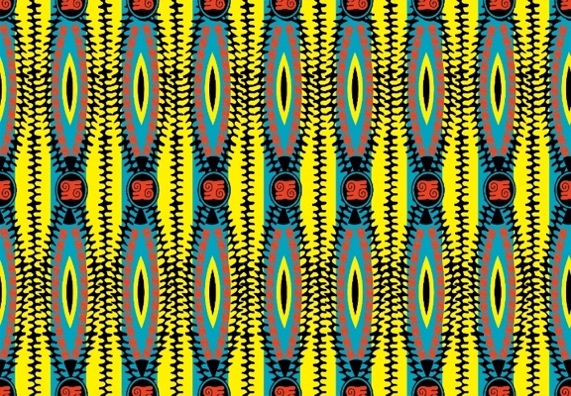
Figure 34. Final design
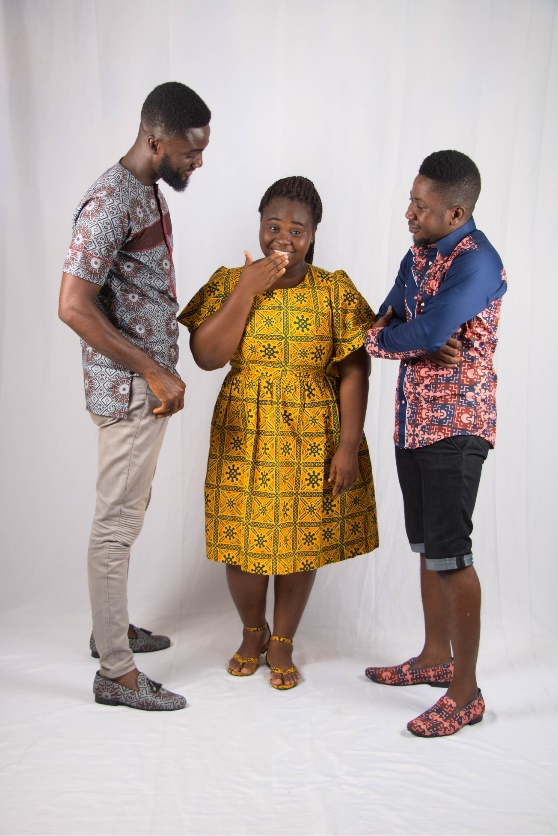
Figure 35. Men and Ladies apparel (Outsourced to Nii Addo’s Design, 2020)
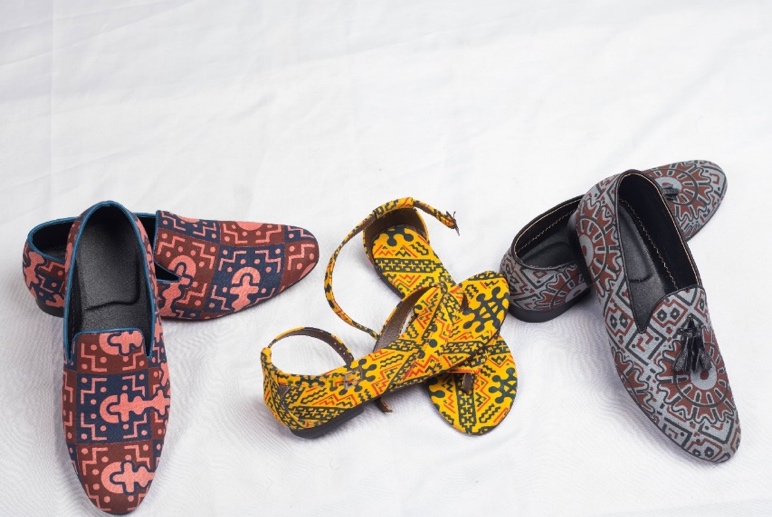
Figure 36. Men and ladies’ footwear (Outsourced to Edisef Enterprise, 2020)
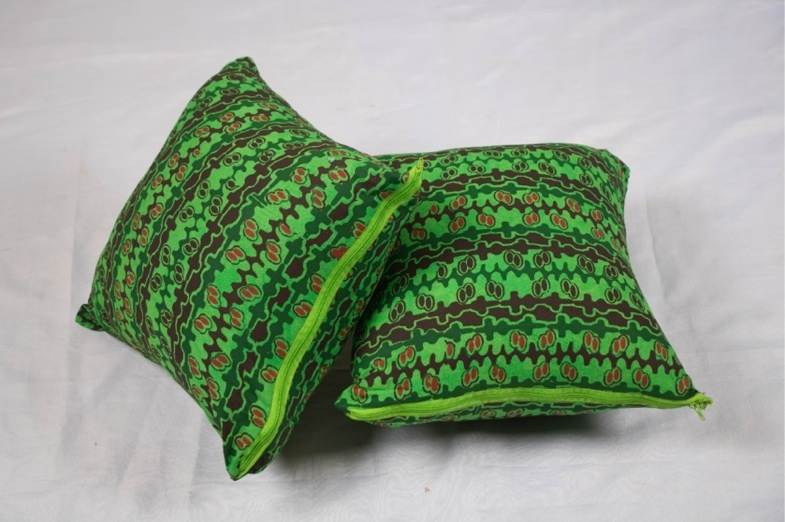
Figure 37. Armrest (Outsourced to Nii Addo’s Design, 2020)
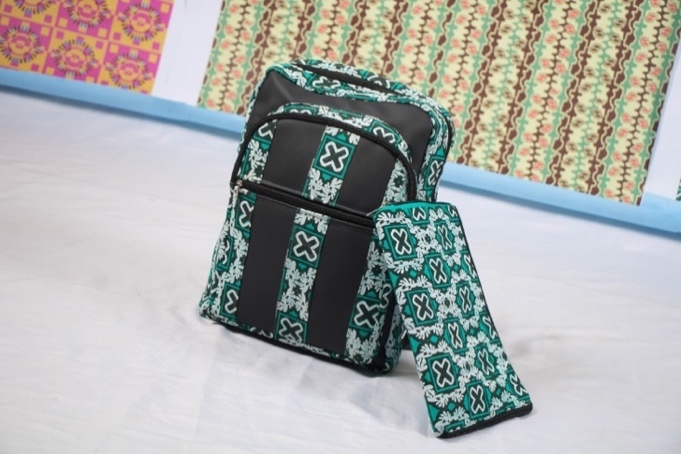
Figure 38. Bag pack and accessory (Outsourced to Galaxy Textile Collection, 2020)
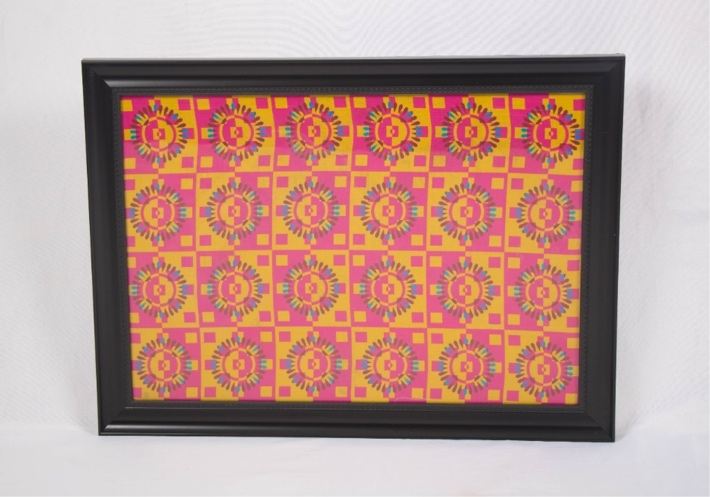
Figure 39. Wall hanging (Outsourced to Dignity Frames, 2020)