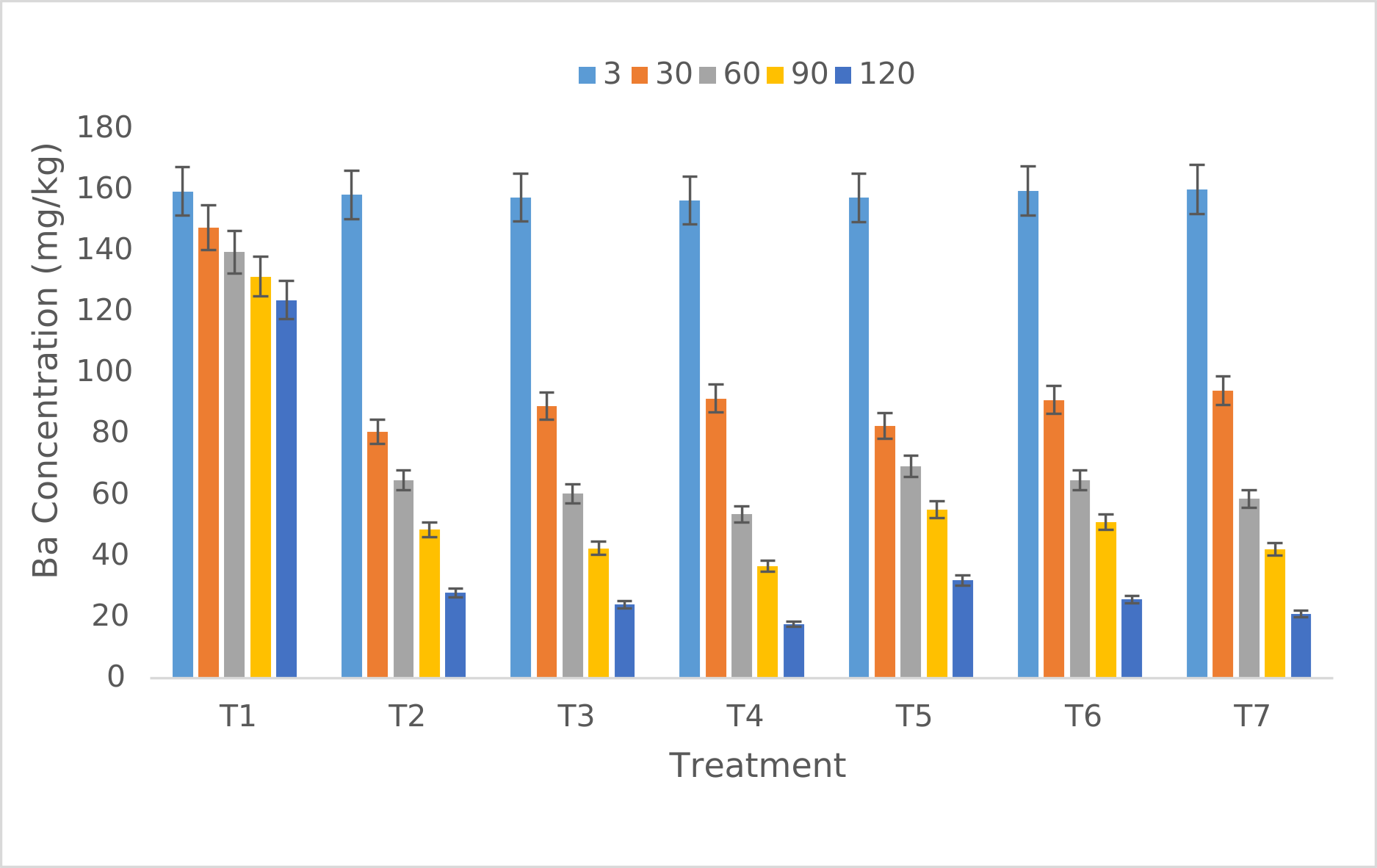
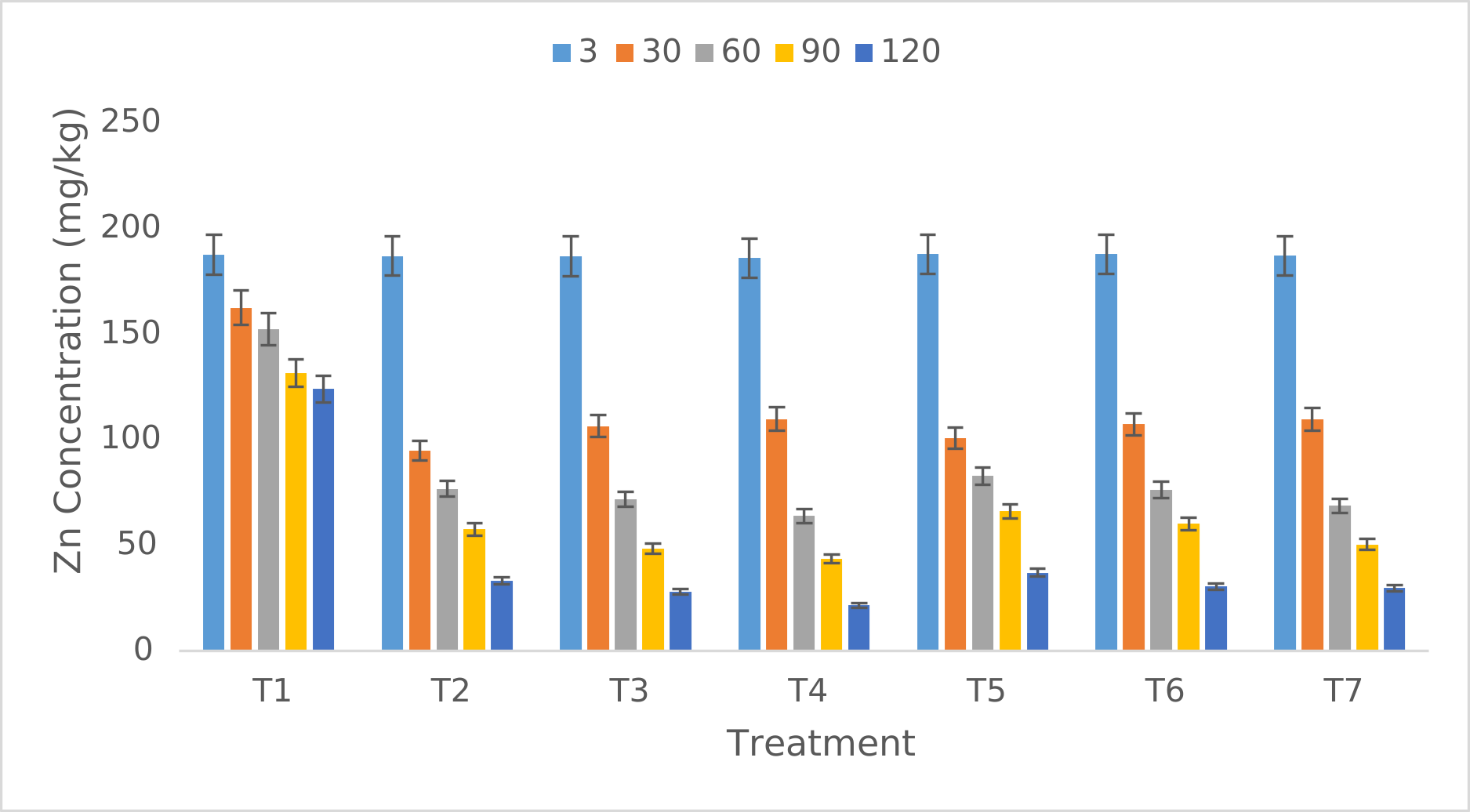
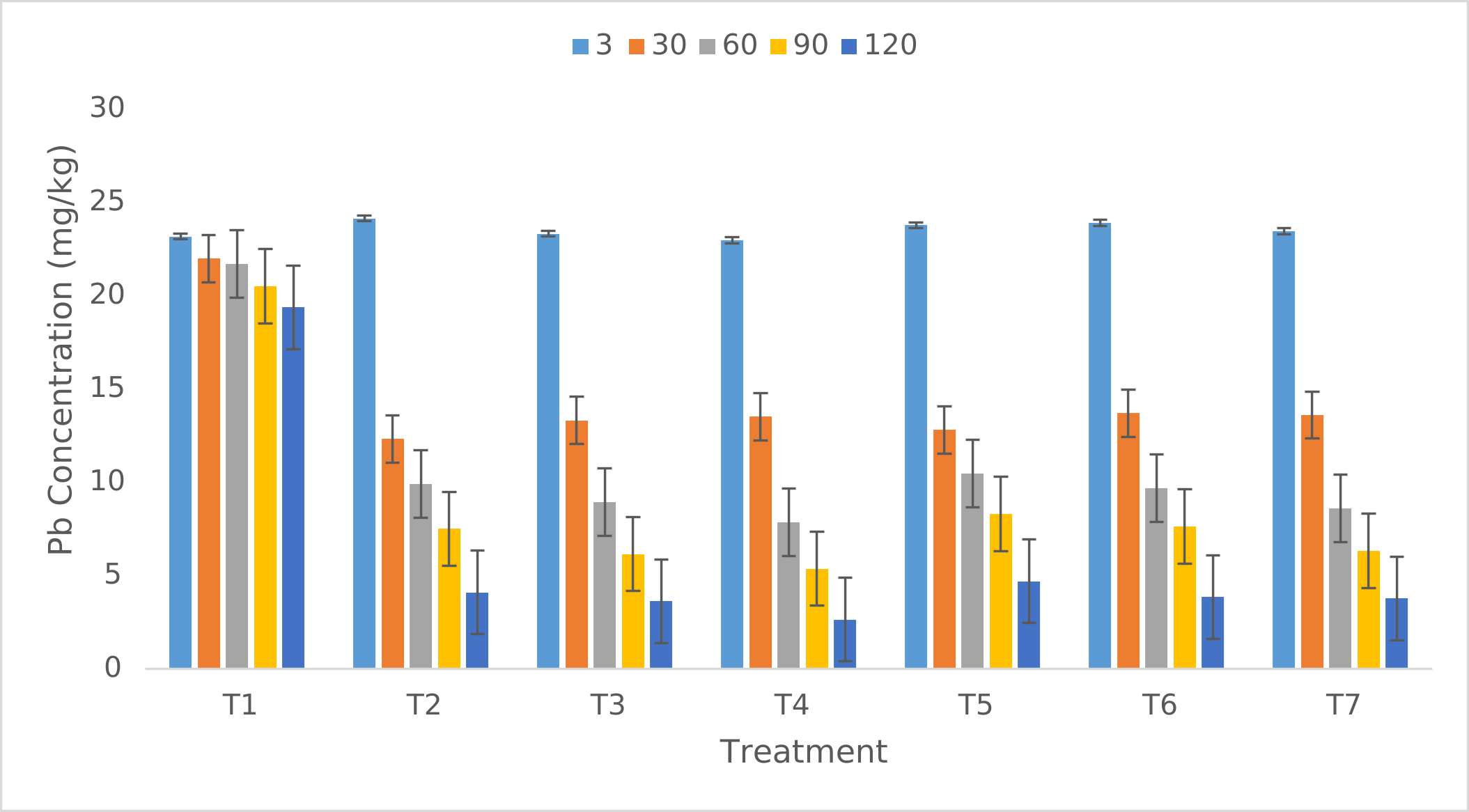
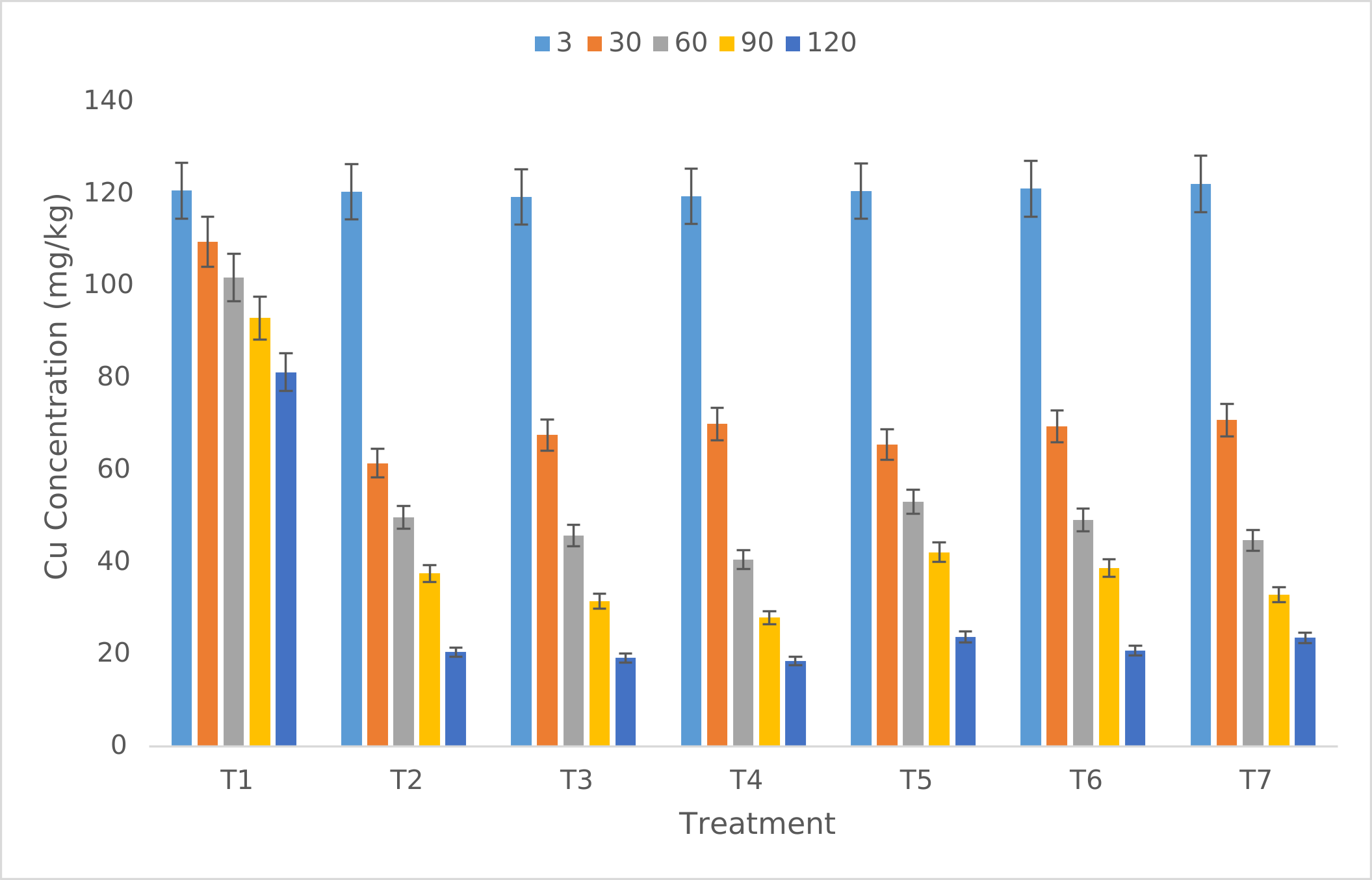
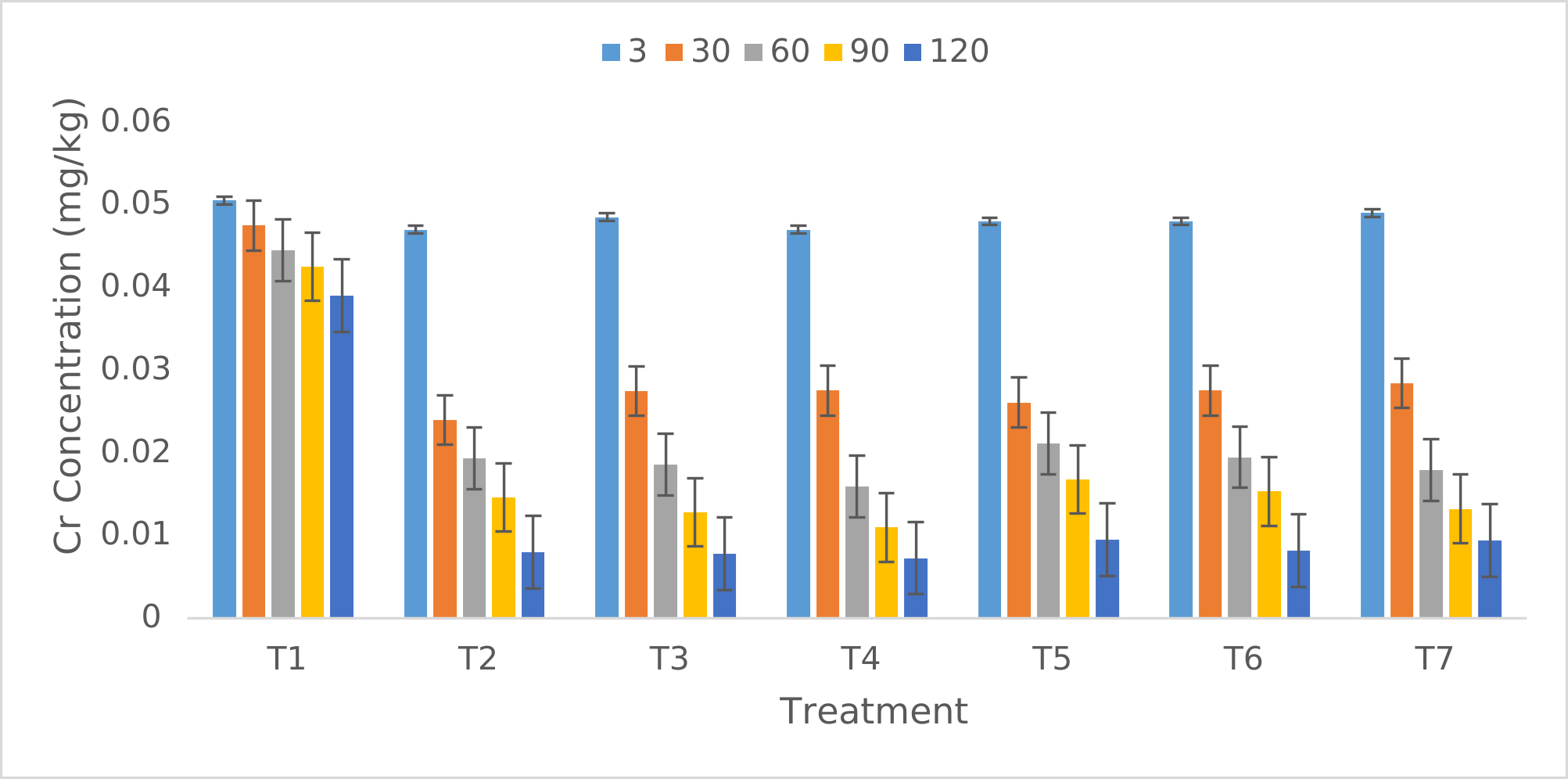
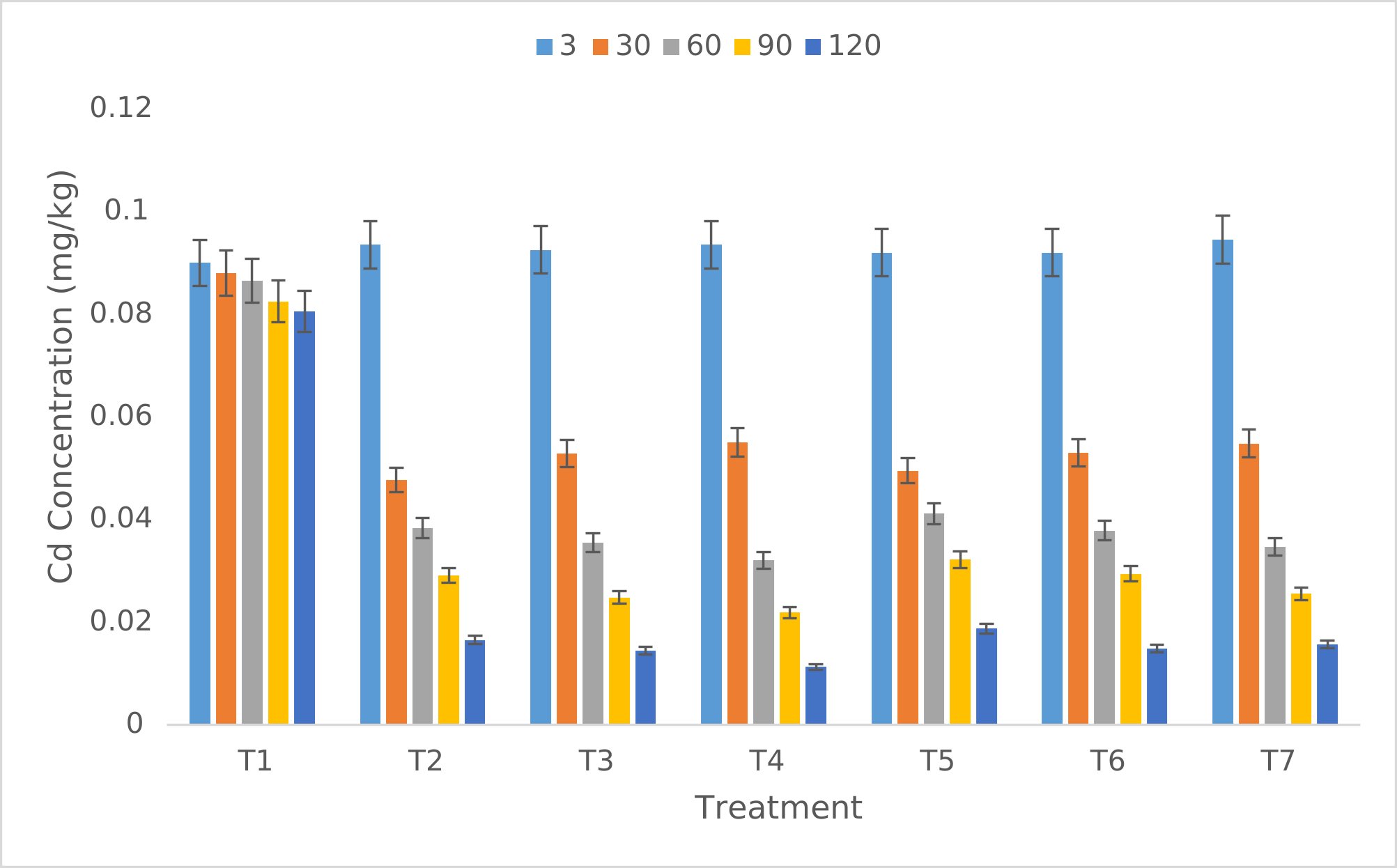
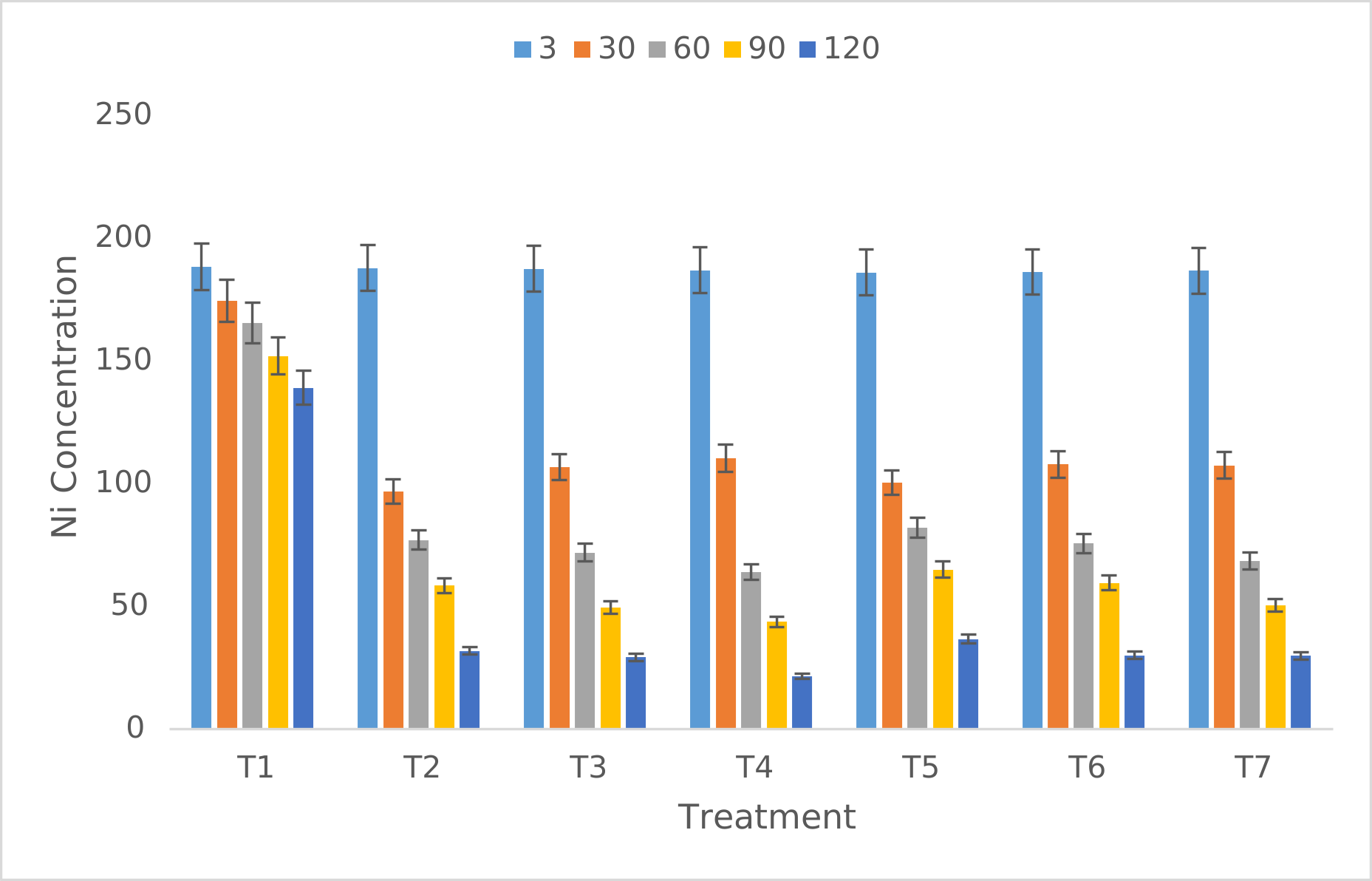
Costus afer and spent mushroom substrate (SMS) are abundantly available in the Niger Delta region of Nigeria. Their successful application in the remediation of heavy metal-contaminated sites would further demonstrate the effectiveness of organic amendments in removing harmful contaminants from the environment and improving both environmental quality and human health. This study investigated the remediation potential of Costus afer bagasse (CAB) and spent mushroom substrate (SMS) for the treatment of heavy metal-contaminated soil. Different amendment application rates of 0.5 kg, 1.0 kg, and 1.5 kg were evaluated for both CAB and SMS treatments (T2-T7) over a 120-day experimental period. To achieve this, 10 kg of oilfield drill cuttings-contaminated sandy loam soil was placed in plastic reactors and treated with the amendments in triplicate under three contamination scenarios representing low (C1), medium (C2), and high (C3) contamination levels. Additional untreated reactors at each contamination level served as controls (T1). Physicochemical parameters assessed included pH, moisture content (MC), organic matter (OM), organic carbon (OC), electrical conductivity (EC), particle size distribution (PSD), and the concentrations of barium (Ba), zinc (Zn), lead (Pb), copper (Cu), chromium (Cr), cadmium (Cd), and nickel (Ni). Sample collection, handling, and analysis were conducted in accordance with the standards of the Nigerian Upstream Petroleum Regulatory Commission (NUPRC). Multiple linear regression analyses for Ba, Zn, Pb, Cu, Cr, Cd, and Ni were performed using Minitab v.19. The results showed substantial reductions in heavy metal concentrations across all treated samples. Treatment T7 reduced Ba concentrations from initial values of 160.24, 159.59, and 156.51 mg/kg to 21.00, 25.77, and 17.69 mg/kg under C1, C2, and C3 contamination levels, representing reductions of 86.88%, 88.70%, and 88.70%, respectively. Similarly, treatments T3 and T4 demonstrated enhanced barium removal with increasing amendment application rates, reducing Ba concentrations from 157.42 to 24.08 mg/kg and from 156.51 to 17.69 mg/kg, corresponding to reductions of approximately 84.7% and 88.7%, respectively. All final concentrations remained below the intervention regulatory target value of 625 mg/kg and the target value of 200 mg/kg. Similar reduction patterns were observed for Zn, Pb, Cu, Cr, Cd, and Ni. Overall, the remediation effectiveness of the treatments was ranked as follows: 1.5 kg SMS (T4) > 1.0 kg SMS (T3) > 1.5 kg CAB (T7) > 0.5 kg SMS (T2) > 1.0 kg of SMS (T6) > 0.5 kg CAB (T5) > control (T1). Analysis of variance (ANOVA) using a completely randomized design (CRD) revealed statistically significant differences (P < 0.05) among treatments for Ba, Zn, Pb, Cu, Cr, Cd, and Ni. These findings demonstrate the effectiveness of both SMS and CAB as sustainable remediation amendments for heavy metal-contaminated sandy loam soils across low, medium, and high contamination levels. The adoption of these bioremediation strategies could substantially reduce both the cost and duration of remediation projects.