
Abstract
The management of supply chains is increasingly complex. This study provides a comparative analysis of the cost-benefit analysis for managing various risks. It identifies the financial implications of leveraging artificial intelligence in supply chains to better address risk. Empirical results show a business case for managing some sources of risk more proactively facilitated through predictive modeling techniques offered by AI. Across investigation streams, the use of AI results in an average total cost saving ranging from 41,254 to 4,099,617. Findings from our research can be used to inform managers and theorists about the implications of integrating AI technologies to manage risks in the supply chain. Our work also highlights areas for future research. Given the growing interest in studying sub-second forecasting, our research could be a point of departure for future investigations aimed at considering the impact of forecasting horizons such as an intra-day basis. We formulate a conceptual framework that considers how and to what extent performance evaluation metrics vary according to differences in the fidelity of predictive models and factor importance for identifying risks. We also utilize a mixed-method approach to demonstrate the applicability of our ideas in practice. Our results illustrate the financial implications of integrating AI predictive tools with business processes. Results suggest that real-world companies can circumvent inefficiencies associated with trying to manage many classes of risk via the use of AI-enhanced predictive analytics. As managers need to justify investment to top management, our work supports decision-making by providing a means of conducting a trade-off analysis at the tactical level.
1. Introduction
The shallow integration of artificial intelligence (AI) solutions into supply chain management processes requires scholarly and managerial attention. AI technologies enable and supplement predictive and prescriptive insights, therefore offering promising potential to harness disruptions. Generally, supply chain operations have become increasingly complex due to globalization and digitalization, where disruptions severely affect multifocal operations across manufacturing, retail, and service industries. In current times, supply chains have evolved into elongated, complex, and efficient systems to match the needs of revenue streams demanded by companies. Growing markets have viewed this topic, presenting a vast literature offering perspectives from strategic issues down to operational practices of supply chain management, with occasional interdisciplinary insights drawing from the field of risk and disaster management research. Though today’s supply chains are resilient and flexibly adapted for shorter lead times, troubling factors interject scheduled operations to create disturbances in the flow of materials, causing disruptions and harmful influences. Before these disruptions, supply chain managers developed long-term approaches to meet changes in demand and subsequent scheduled changes with their suppliers and manufacturers.
Despite the range of strategies, demands have emphasized the need for resilient supply chain strategies. This is because the focal sources of disturbances are intrinsically complex and uncertain and would not go away. Therefore, a noteworthy change documented in the recent literature highlights how practitioners often outline that “resilient” supply chains also function within an agile framework. To improve agile resilience, managers work with technology, including AI technologies, to inform matters in the pipeline, at the boundaries, and even within the individual SKU in an attempt to secure net resilience results. These managers may operate AI technologies as predictive analytics to showcase the likelihood of the risk occurring and, hence, create strategies to prevent, contain, and recover from this output. Thus, the predictive focus developed through artificial intelligence offers the potential for vulnerability reduction and risk mitigation. This research aims to evaluate how AI through predictive analytics serves to improve the prevention and recovery strategies in complex supply chains [1].
1.1. Background and Rationale
Research Context and Rationale
Resilience has become a critical issue for the mega global supply chains that are constantly at risk of global events and geopolitical shocks. These events are causing prolonged delays in global supply chains. Furthermore, the supply chain situations of various industries, such as microelectronics, automobiles, and other manufacturing and service industries, are now faced with asymmetric recovery. Indeed, it is considered necessary by supply chain executives to focus on 'making interconnected supply chain systems more resilient.' This is because 'a resilient supply chain may absorb a large-scale disruption while still maintaining a level of performance,' which in turn allows the entity to 'position itself above the supply chain average.'
To build a resilient supply chain, several options and strategies are available [2].
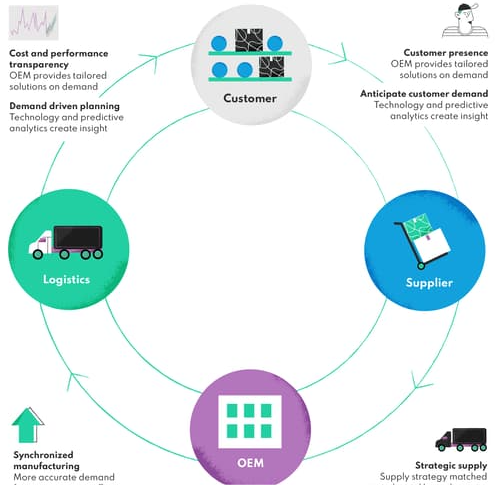
However, supply chain prediction based on the Artificial Intelligence of Things and predictive analytics has been viewed as a solution that could be implemented in locating warehouses and designing smart supply chains, as well as revealing insights on forecasting, predictive, and risk analysis. However, it is in a disparate nature that despite unpredictable events occurring across the globe for the past few years, including the ongoing pandemic, there is no persuasive evidence to suggest exploration of the predictive and risk side of the impacts of these unexpected shocks would carry on. In effect, there has been a widely accepted perspective from current literature that explores the predictive and risk side of the pandemic. As such, current work has attempted to bridge the gap by demonstrating the way to construct resilient supply chains across various sectors by integrating artificial intelligence in their future processes and applying predictive analytics and risk-based methodologies. Further, in this fast-moving, always-changing environment, where various micro-macro, exogenous, and endogenous factors can affect a supply chain, the resilient design will allow a supply chain to respond and adapt with the minimum possible response time to absorptive, adaptive transitions. In this paper, we aim to identify the contribution of predictive and risk-based analytics to designing resilient supply chains and to enhance the practical distribution of making resilient supply chains [3].
1.2. Research Aim and Objectives
The primary aim of this study is to explore how artificial intelligence can be used as an enabler to enhance supply chain resilience. A resilient supply chain can monitor and predict future risks, and as such, the specific objectives address this point. It is intended that this study will help companies to consider such an approach, which in turn will lead to a more robust and reliable system in the future. Specifically, it will provide the following outcomes: a review of predictive analytics applications for supply chain forecasting, and the analysis of potential strategies that can be used for supply chain resilience.
Research Objectives 1. To explore the utilization of predictive analytics in the forecasting of demand and supply fluctuations across the latest academic and practitioner-based literature. 2. To examine potential risk mitigation strategies that can be implemented to better manage the negative consequences that occur as a direct result of supply chain challenges. This research is in line with the growing interest in the broader area of artificial intelligence. Artificial intelligence and predictive analytics are seen as a main area of advancement in the coming years. Therefore, this research is designed to help meet industry needs and awareness in supply chain resilience research and conduct on managing systemic resilience. This research is aligned with the need for more research to be generated in the area of mitigating and managing risks within the nexus of supply network and chain operation management. Thus, it will contribute to both existing academic literature and will also have practical implications, driving behavior within the industry to improve supply chain resilience [4].
Equation 1: Predictive Demand Forecasting
2. Literature Review
Supply Chain Resilience. A review of current research on supply chain resilience showed that there is a call to bring together the many different definitions, terms, and constructs related to the topic of supply chain resilience. The most common constructs related to supply chain resilience are referenced in terms of vulnerability, robustness, flexibility, agility, and adaptive capacity. A more recent review of supply chain risk and resilience shows that the definitions of uncertainty, risks, and hazards are often used interchangeably across the supply chain literature. AI technologies have been a significant part of the evolution of supply chain risk, vulnerability, and resilience studies, especially in the last 10 years.
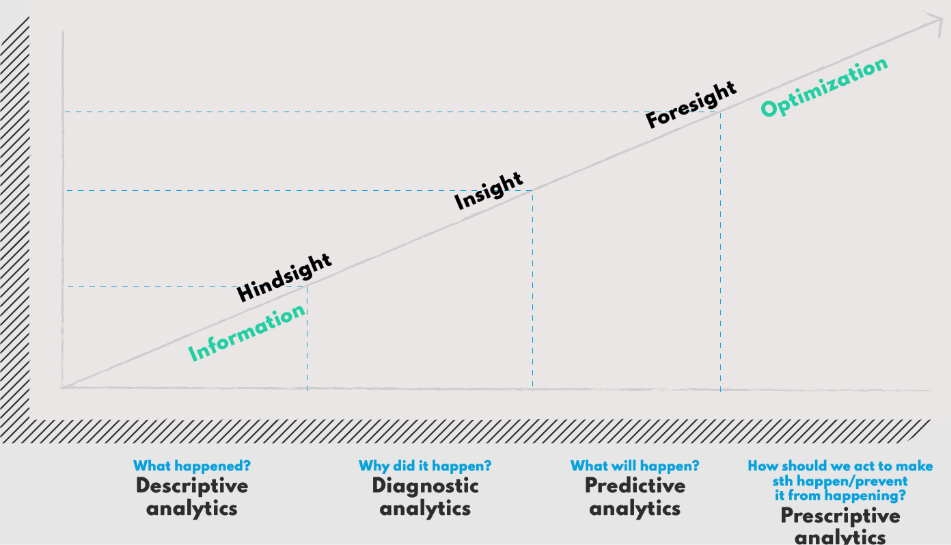
Artificial Intelligence. This review is focused on AI used in collaboration with data analytics and predictive analytics. Many businesses are utilizing AI, particularly machine learning and deep learning, in combination with data to move beyond traditional descriptive and diagnostic analytics into predictive and prescriptive data analytics. Modern supply chain management has developed from supply chain activities focused on reducing costs to managing data and information for improving agility, reliability, sustainability, and supporting ethical behaviors. In summary, supply chain management, logistics, and purchasing are now multidisciplinary, and many articles have explored the new and continuing trends in global logistics, transportation, sourcing, procurement, demand chain management, and public and humanitarian logistics. For this paper, the most relevant literature addresses how predictive analytics can be combined into broader supply chain predictive risk and prescriptive strategy [5].
2.1. Conceptual Framework of Supply Chain Resilience
The concept of resilience in supply chains refers to their ability to recover and continue performing in the event of a disruption. The literature on supply chain resilience identifies adaptability, flexibility, and robustness as its key components. It encompasses a broad range of internal and external functions, actions, and activities that a firm needs to perform in reacting to various risk types. It can be achieved in proactive ways, including risk management using advanced technologies. Predictive analytics tools can predict and guide the management of potential risk.
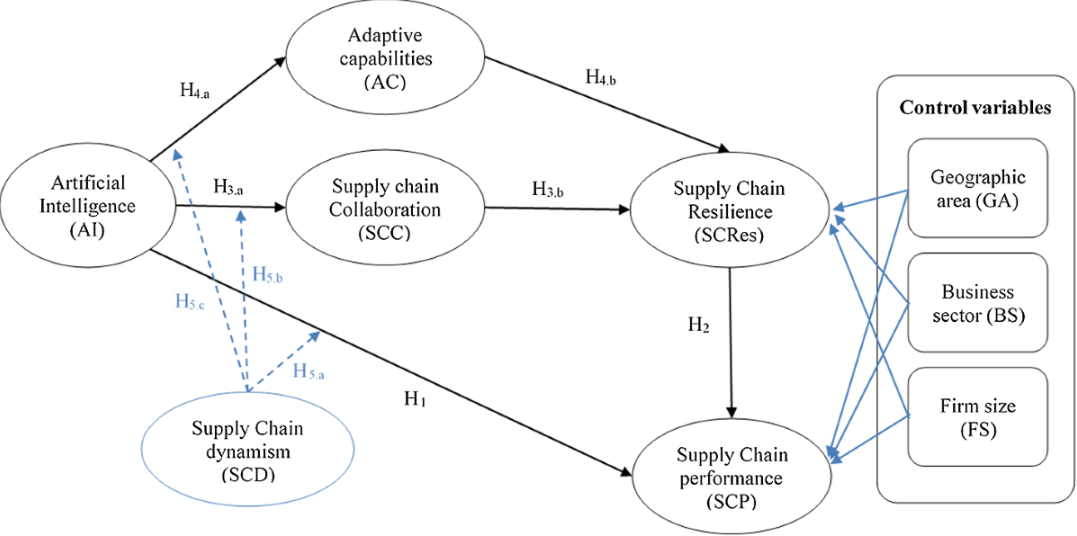
Supply chain resilience involves the ability to recover from operational disruptions and damage. Among researchers, there is a strong consensus regarding the factors that build supply chain resilience. While these attributes vary in different organizational perspectives, a resilient supply chain breaks organization-specific silos and integrates all associated organizations strategically in a shared mission of resiliency. Risk assessment and mitigation are linked to the identification and reduction of risks within the manufacturing facility, while external collaboration strategies focus on building resilience through institutions and networks both within the supply chain and outside the manufacturer. Role implications are critical, especially as pre-disruption activities. Risk assessment and mitigation involve preventive or predictive actions. A conceptual framework detailing the factors that impact a resilient supply network is analyzed by incorporating two theoretical models advocating that risk assessment, risk mitigation, and external relationships improve overall performance in different ways. By delineating the two mechanisms through which these relationships affect both risk management and performance, the text presents a foundation for empirical work. In summation, these outcomes suggest that there are several paths through which risk management and collaboration are associated. They can improve organizational performance directly, as well as indirectly through their association with a more resilient supply chain [6].
2.2. Role of Artificial Intelligence in Supply Chain Management
Artificial intelligence has been widely acclaimed as a revolutionary cutting-edge technology of the 21st century. It has enormous power to streamline processes through automation and optimize decision-making through sophisticated algorithms. AI includes a diverse set of technologies like machine learning, deep learning, predictive modeling, data analytics, and statistics that enable better prediction, classification, and automation of decision-making, thus enhancing accuracy, reducing manpower and timing needs, and generally optimizing operations. Supply chain management is rarely an exception to the powerful nature of data-driven decisions as well. While AI offers tremendous solutions, one domain where AI can significantly enhance supply chains is in providing forecasting and demand management capabilities and offering advanced reporting that simplifies intelligence functions and optimizes inventory management.
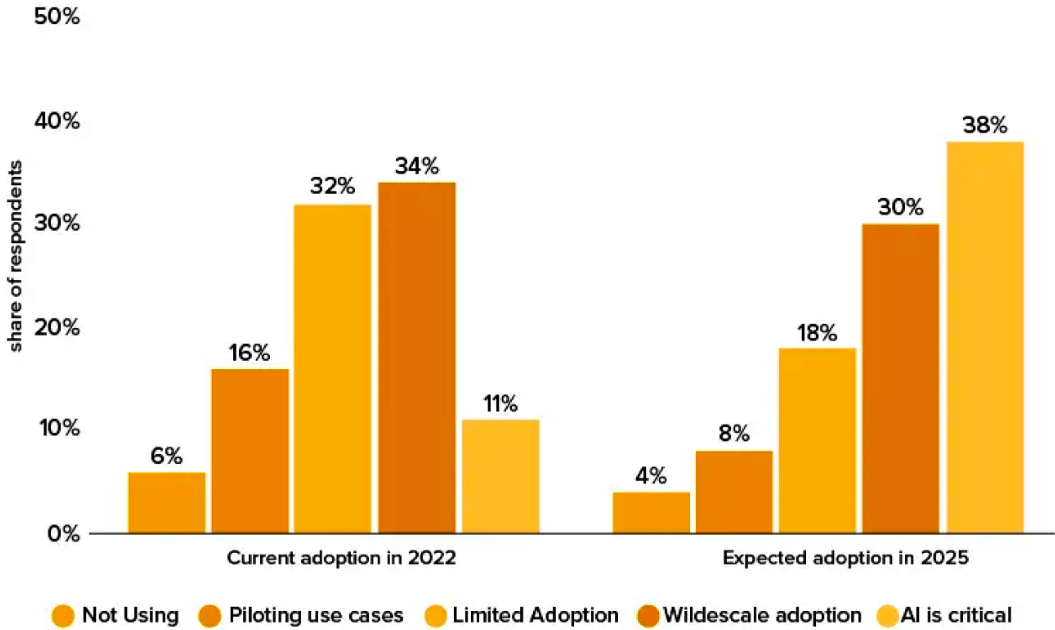
Demand forecasting and inventory optimization are traditionally two major business functions that could derive benefits from AI implementation. Often, they run using statistics and data science approaches, but utilizing AI could significantly reduce risks and bring a vital competitive edge. A variety of businesses have been taking advantage of the benefits of AI technologies in different application areas, particularly those related to increasing efficiency and productivity and enhancing the customer experience. The basic results of using advanced AI predictive analytics are to help decision-makers make better decisions. In operations, managers have been using AI to make firm and facility operations more efficient. For example, managers can manage and control inventory levels through predictive forecasting tools and replenishment models, employing AI and machine learning to forecast demand, model different scenarios to recognize future trends, and control stock levels to address anticipated needs. Managing inventory based on predictions can be significantly more efficient and convenient than regularly restocking items that already fill the shelves. A transition to AI-based predictions has led to an average reduction in understocking and overstocking items for retailers and manufacturers using AI-based predictive analytics [7].
3. Methodology
This study adopts a mixed-method approach, involving both qualitative and quantitative data collection and analysis. As a result of the low level of analysis on artificial intelligence in logistics and supply chain management, qualitative data was used to gather the necessary data for this exploratory study. In addition, a questionnaire-based survey was employed to evaluate the predictive data analytics best practices used—the prevalence and the performance in obtaining supply chain resilience, i.e., uninterrupted services and offerings.
As this research needed appropriate insight into the practices of supply chain managers concerning data analytics, the chosen method of data collection was qualitative. In delving into supply chain practices, the powerful involvement of surveys has been well recorded. Within the context of these exploratory case inquiries, examining subjects in depth can provide valuable and intellectually credible results. However, data was sought from only two organizations, which means that the reliability of the results is compromised. The fact that both member companies are part of a specific group can also be seen as a limitation of this research.
The data were dealt with according to established techniques, which advised the researcher to "assemble the responses of all your interviewees or examine the theme." Although some suggest that, when validity is important, a coding structure should be applied to interview or focus group research, the analysis served as a theme identification to investigate the insights and opinions of supply chain practitioners. Here, the viewpoints and opinions of supply chain professionals define the results. Though the fact that only two organizations agreed to take part in this research may be seen as a limitation, it should be noted that in each of these organizations, three to five respondents voluntarily participated. In addition, the main conclusion of this research was that executives of today are typically found to be less reliant on formal practices. Regarding data gathering, two semi-structured interviews were conducted and were transcribed and coded. Given the exploratory nature of seeking data on the best practices of logistics and supply chain managers in developing insights from big data to identify risk, the decision to opt for qualitative data is appropriate [8].
3.1. Research Design and Approach
In conducting this study, both qualitative and quantitative research design plans were adopted, as this allows us to meet our research objectives. Our choice of research design has both theoretical and practical justification. The objectives of the study require an understanding based on AI and resilience theories, and to expand scholarly research, the use of a mixed-methods approach was considered necessary. Through the adoption of such an approach, the study aims to build an understanding of how artificial intelligence is utilized in establishing supply chain resilience and how literature-based research can contribute through the exploration of how predictive analytics is adopted and its applications in mitigating risks in times of disruption [9].
A qualitative research design was used in collecting data via twenty-four semi-structured one-on-one interviews with experienced organizations in leveraging predictive analytics to improve supply chain resilience. Interview questions in the guide were built on the AI for supply chain resilience framework, the AI capabilities required for leveraging predictive analytics, and risk and uncertainty to be measured. The field study protocol is subject to good research practices and ethical standards. The research team revisited the interview guide and obtained the necessary feedback from a group of supply chain management and AI scholars to assess the content validity of the interview questions. Furthermore, to carry out a survey, the population frame was derived from a sampling frame, which included diversified organizations.
We chose to use survey-based research for various reasons: surveys usually sample a larger number of participants and reflect different sectors. This ensures a comprehensive viewpoint that represents the companies' use of predictive analytics across different fields. With a larger selection, we are also able to expand the sources and areas from which our sample is drawn, essential to stimulate debate and gain new insights. Moreover, despite inherent biases, they allow for generally somewhat more objective and relatively straightforward ticking/checking of the boxes of PTSR measures. However, while these larger sample sizes do provide unique breadth, they also raise issues of depth as we are unable to follow up on any issues as we could in interviews or any other non-structured analysis. Additionally, other studies and reports occasionally found contradictions, reflecting either confusion or different opinions within a company or among its members, stakeholders, or relatives [10].
3.2. Data Collection and Analysis Techniques
Broadly, several data collection techniques can be used, including surveys, interviews, secondary data, and experimental research. Likewise, several presentation techniques can be used, from statistical techniques to thematic coding. Statistically, the data collected can be analyzed through multiple regression, ANOVA, t-tests, and cross-tabs to seek statistical relationships. Alternatively, the interview data can be coded using thematic coding techniques, with relationships and patterns reported. Conducting thematic coding would be more appropriate in this case, considering the qualitative analysis. Research data was collected from multiple secondary sources, which included popular press reports and online content.
A variety of techniques have been used to validate the data and its interpretations. The validation techniques are meant to assess the reliability and validity of the study findings. Multiple data collection techniques were used to gather secondary and primary data, conducted online using survey and interview techniques. Multiple data analysis techniques, such as correlation analysis, logistic regression analysis, thematic coding system, and a software platform, were used in conjunction with the online survey. Ethical considerations have been met through the application of anonymity, the confidentiality of data privacy, and participant consent. Consideration is given to the theoretical biases of supply chain managers and S&OP practitioners that the study population represents [11].
4. Predictive Analytics in Supply Chain Resilience
Predictive analytics is a tool specifically designed to predict future probabilities. Its purpose is to enhance decision-making efforts by identifying potential outcomes based on historical data tendencies. Notably, whereas humans consider future outcomes based on existing information, predictive analytics mainly offers a more extensive database and computational power to examine more extensive variables in the extraction of crucial pieces of information to aid in proactively making decisions. Although forecasts are not always 100% predictable, they are highly reliable and offer invaluable guidance for proactive decision-making. Within any given supply chain context, predictive analytics is exceedingly beneficial to precisely forecast demand, the value of an input, and other metrics targeted for manufacturers, wholesalers, and retailers. It has proven to be an effective method of helping to establish efficient inventory levels and manage logistics operations effectively. In the case of delivery time, for example, companies predict the likelihood of a successful parcel delivery time between 5 PM and 6 PM, going as far as providing users with a map directly to the door of the recipient [12].
Predictive analytics tends to be used in a broader sense, embedded within data mining systems and often working in conjunction with big data analysis and machine learning, to churn larger volumes of data than an individual could reasonably manage. The output yields predictive insights that facilitate better decision-making and automation through a combination of data, machine learning, and human intelligence. As such, predictive analytics needs to be empowered by more comprehensive AI systems that go beyond big data to infer decisions by using a range of other mediums, such as incorporating data from logistics operations or social media interactions in performance management. Nevertheless, the use of these predictive algorithms, especially when operationalized on a broader field, comes with a series of barriers. Although predictive analytics and the systems that underpin it are rapidly modernized and becoming ever more sophisticated, the implementation of predictive analytics within supply chains remains challenging. That being said, some of the key steps to overcome common barriers include establishing a collaborative culture and verifying that sufficient data will be available and of sufficiently high quality to make the predictions a reality [13].
Using technology to empower planning and active response approaches rather than a reserve is considered the best practice for those looking to leverage predictive analytics for resilience. Firms should utilize the data produced in the industry to forecast whether there might be future disruptions in various sectors complementary to their activities and complement these with external products that include the possibility of weather-related disruptions. They should also consider potential risks related to the influx of data from third parties. To conclude, it is of vital importance for businesses to leverage predictive analytics. With the rapid and ever-progressing advent of technology, predictive analytics has the potential to transform supply chain strategies in many ways, including forecasting and risk mitigation [14].
4.1. Definition and Scope
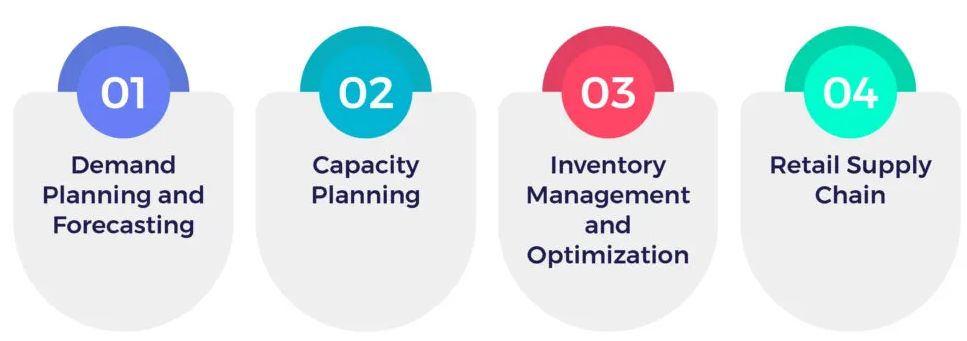
Predictive analytics is the umbrella term for various methodologies and tools to analyze and predict future events or behavior, including forecasting, classification, clustering, or regression. The prominent techniques to perform predictive analytics include statistical techniques such as regression or time series modeling, and machine learning algorithms such as deep learning, random forest, K-Nearest Neighbors, support vector machines, and gradient boosting. Methodologies often use artificial intelligence-generated models to learn from past data and automatically make predictions. Once models are built, they can be used to analyze large datasets at varying paces, including real-time [15].
This capability, resulting from the high-speed handling of large-scale data, combines predictive analytics with big data that helps to identify data from new source streams and perform predictive analytics with it. Hence, it allows businesses to anticipate customer demands and market trends. The benefit of predictive modeling is not confined to targeted marketing but can extend to managing risk, thereby providing the resilience needed for businesses. Predictive analytics was implemented in a semiconductor and electronics manufacturing company focusing on high-margin, high-reliability technology markets, to anticipate extreme phenomena that could disrupt their suppliers. A range of predictive analytic engines to predict political volatility, based on certain news data streams, and the likelihood of specific locations becoming volatile was developed to provide more insights for risk management. The tool has been combined with other quantitative and qualitative analyses and input from their business groups in a successful deployment [16].
Equation 2: Supply Chain Risk Mitigation Strategy
4.2. Applications in Demand Forecasting
Description One of the most prominent areas of applications of predictive analytics in the supply chain is demand forecasting. Demand forecasting is crucial to maintaining the inventory level in the supply chain and optimizing the distribution. It involves predicting future customer preferences and buying patterns. Time-series models, such as moving averages and exponential smoothing, and regression models are two of the most prevalent techniques for predicting future demand using historical data.
Real-World Case In practice, various organizations have achieved considerable success by using predictive analytics for demand forecasting. Walmart has made a notable supply chain impact by leveraging AI technologies to automate its demand forecasting. This transition has improved the store inventory accuracy from 63% to over 90%. Kraft Foods, a global food processing and manufacturing company, uses a demand sensing and inventory optimization solution to increase the accuracy of demand forecasting. Kraft Foods has been able to effectively measure daily demand signals to gain useful feedback and insights from accurate data on demand variability.
Effect of AI In this age of artificial intelligence, data scientists and machine learning experts use AI-based predictive analytics for demand forecasting to improve moving average methods and exponential smoothing techniques in terms of forecasting performance, computational speed, and accuracy of demand forecasts. Solutions powered by AI have been widely used to overcome the challenge of demand variability in dealing with supply chain uncertainty by addressing forecasting errors better than traditional methods, especially when forecasting intermittent demand.
Challenges Companies with inefficient data sourcing tend to struggle to effectively integrate new AI predictive analytics technologies into their supply chain, as the operational and statistical models are run on disparate, disjointed datasets; hence, the generated insights remain disparate and isolated. Deep and efficient predictive analytics require access to large volumes of data from multiple sources that are not only integrated into datasets but also made available in real time. In the demand forecasting literature, it has long been recognized that demand variability significantly impacts forecasting accuracy. Hence, to maximize forecasting accuracy, new trends in supply chain management such as the “demand-driven” strategy seek to influence the drivers of demand variability (e.g., product innovation, price, customer service, supply chain collaboration) and move toward what has been touted as the “ideal” scenario, where demand is shaped to match supply [17].
5. Risk Mitigation Strategies
A supply chain features an amalgamation of end-to-end business activities carried out by various firms, possessing a degree of complexity that resonates with operational challenges and certain types of risk. These could be further classified as category risks, subsuming strategic, operational, financial, and geopolitical risks. Each of these risk dimensions is contingent on the context and spans an extensive domain that may turn aggressive or disruptive, posing several threats to the operations and performance objectives of supply chains. Hence, to expedite the infusion of resilience into the entire range of network partnerships and associated resources, policy linkers are required to develop a comprehensive risk management framework to propose as a proactive remedy. Two fundamental facets are involved in orchestrating risk management, which could be said to revolve around aspects of risk identification and control by the first and second lines of barriers laid in the global supply chain network [18].
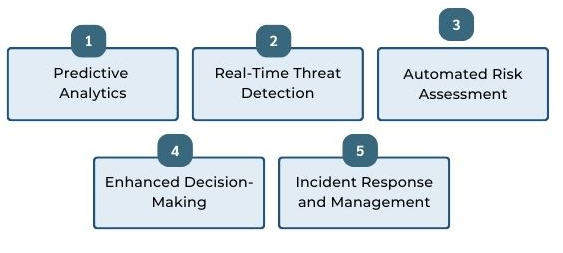
In an age dominated by the tug of technological innovation, strategic command centers employ predictive analytics to find out at the earliest juncture, when it is trivial or in the incipient stage, any event that may sink into the risk equation and veer into chancy proportions, thus providing an opportunity to do something about it, ameliorative in more than a limitation. Theoretically speaking, mirror suppliers deter supply chain disruption by mitigating simple doctrines: unity of supply and demand for customer requirement fulfillment and newsonism that emphasizes social appropriation nodes. The viability of risk bearers led to rumors. Supply chain disruption management stems from different risk outset priorities and contributes to how firms deal with supply chain risks. Seeking and arriving at a relevant risk mitigation strategy is the primary aim of supply chain managers. Though proposed and argued provocatively, risk mitigation strategies invite cognitive dissonance and they are plausible. Artificial intelligence can provide aid for effective risk mitigation strategy activation, besides endorsing it for decision-making and perpetrator apprehension. Several risk mitigation strategies are addressed here pragmatically to help the supply chain managers develop a practical approach to address the need-based empiricism as listed in the risk exposure model given in the succeeding section [19].
In the global supply chains of companies, risk will play a very crucial role. The most important challenge in risk management is to find an effective risk mitigation strategy. When a mitigation policy is congruent with a risk criterion, then that policy is a viable approach to managing the recognized particular risk. The viable risk mitigation strategies are derived when there is an existent associated risk value calculated from the above respective individual entropy worth assessing. When in live value the associated present risk goes to zero, a diversified risk reduction in heterogeneity proportions policy necessarily must be adopted, or 'Single' is worth pursuing; otherwise, if all these assessments are null and the total risk is zero, then the strategic control risk mitigation policy by taking strategic changes in supply chain locations and technology transfer strategy will allow the firm’s supply chain to cruise in any storm.
5.1. Identification of Supply Chain Risks
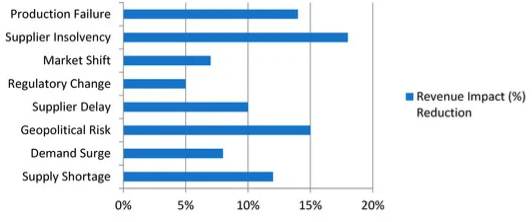
The process of identifying supply chain risks involves the identification of all possible risks that could occur in the entire supply chain. Categories of risks may differ, e.g., internal/external, probable/improbable, etc. Accordingly, due to globalization, suppliers and customers can be from all over the world. However, the strategy used for suppliers may vary from that used for customers who may be located in the global market. The focus here would be on risks that are internal and external to the organization. Internal risks may include demand variability, employee unions, organizational settings, and management issues, among others. External risks may include risks relating to the supply chain network, such as failures in intermediate products [20].
Several methodologies and tools can be used for the identification of risks in supply chain systems. This could include analyses, methods, etc., among many others. These methodologies and tools may be more significant in addressing real-world problems. However, different risks can be considered using some appropriate methods. Furthermore, the method of identifying risks is not only important for characterizing the supply chain structures but also serves as the basis for any proactive approach to managing risks. This means that given the known classes and types of risks, planning, and actions can be taken to reduce or mitigate the possible negative effects of these risks. This could include the use of protective actions and investments in resources for the different risks; insuring against risk; improving consequences of risks; and finally, the 'do nothing' approach due to the lack of information. There is also a need for continuous monitoring and identification of risks as the economic environment is changing. This will help managers update the priority-ranking list and take necessary or corrective actions when needed. Thus, the identification of risks can lead to a trustworthy risk management strategy in case of catastrophic moments in the supply chain. Several experiences and management strategies show that logistics risk management can create cost savings and added value for the asset owner. Some organizations focus on identifying and classifying the location or area of logistics-related risks and security. Additionally, the cooperation of all interested parties and stakeholders in the identification of these risks is significant, which would consequently demand readable risk assessment. Thus, the identification and analysis of risks should be the first step in any global supply chain risk management framework [21].
5.2. AI-Driven Risk Mitigation Techniques
AI and machine learning have proven to be of immense help in deciphering risk patterns in supply chains. The new age predictive modeling frameworks backed by these smart algorithms are capable of mining valuable insights from the structured and unstructured data generated in the recent past by identifying patterns, understanding the causation, and behavior of individuals, and then utilizing these learnings to build forecasting models for future defaults. AI, driven by machine learning, deep learning, and natural language processing, can assist risk professionals in tracking and interpreting a complex product flow throughout sourcing, logistics, warehousing, and customer channels. It significantly enhances the view into the supply chain to detect points where even minor variations may lead to big consequences. Machine learning makes it simpler to identify abnormalities as it develops risk models based on events and relationships instead of a predetermined rule set, analyzing a large volume of disparate structured and unstructured datasets. The power of machine learning to identify and forecast events before they happen makes it a perfect tool for facilitating quick, informed risk decisions to support sell-off strategies or to quickly assemble an execution team to manage risk in the supply chain [22].
AI can help in moving towards defining supply chains that are resilient and ready to adapt and assist in developing technologies of the future. By enabling smart and fast actions, AI could aid the creation of alert-based crisis management centers of the future with a continuous feedback loop for risk exposure, which is then used to refine the concept and the execution of the risk mitigation strategy. AI can certainly facilitate data-intensive methods and, more importantly, support the build-up of agile risk management methods that will prepare the entire supply chain to respond to unknown and unheard-of risks. Traditional risk management practices such as drafting contract clauses, insurance, step bounds, and monetary stake in the supply chain are practiced by various organizations, but keeping in mind the competitors staying ahead in business will implement AI technologies, which can help the organization stay ahead in the game. Using AI, the assessment and processes can be done effectively when compared to a group of people using their manpower to identify which risk factors may affect their environment. Several supply chain management organizations are speaking about using AI to mitigate their supply chain risk. The use cases provide us with a practical scenario as these firms are using AI-powered chatbots to manage their supply chain risk factors. A similar use case can be used by the organization or can build and upgrade the new AI-powered technique to mitigate the risk in the supply chain.
6. Case Studies and Empirical Evidence
EDF Energy is the UK’s largest producer of low-carbon electricity. It runs eight nuclear power stations, more than 35 wind farms, one gas, and one coal power station. It can generate 7,894 MW from nuclear and 6,248 MW from renewables across the UK. It is estimated that more than 40% of the UK’s supply chain is involved in the construction of Hinkley Point. Hinkley Point C is the first nuclear power station to be built in the UK in a generation. It has one of the longest supply chains of any UK construction project, with over 4,000 suppliers involved. As a consequence, it is important to evaluate potential impacts on the supply chain in times of crisis, with constrained suppliers offering unknown risks to the operator and the government.
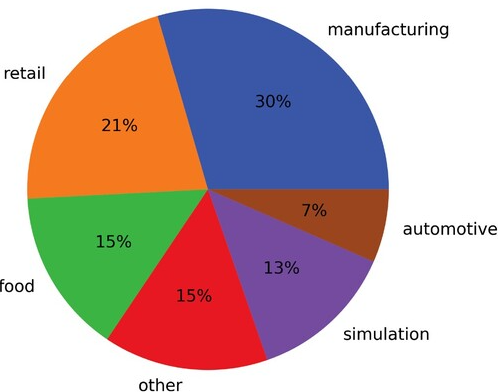
Jotun is a Norwegian multinational corporation dealing mainly with decorative paints and performance coatings. It has 37 production facilities in 21 countries. We looked at one of their supply chain scenarios in Turkey. TürkTraktor is the distributor of Jotun paints in Turkey. Jotun carries out regular sales forecasting for its paints to help them in their production planning process. We have estimated the demand uncertainty measures for Jotun for an A1 heavily automated factory using artificial neural networks. For a 12-month horizon, the errors in the sales forecast are reported. This case evaluates the performance of joint forecasting and the ordering system as compared to the traditional forecasting system used in the paints industry via TürkTraktor paint distribution to Jotun's customer base. It is evaluated across various demand patterns and shows that there is a possibility to reduce the supply chain vulnerability significantly if sales forecast errors are reduced using advanced predictive analytics. Overall, we provide a set of case studies of innovative predictive analytics being developed and tested to advance the state-of-the-art work on supply chain resilience and efficiency from theory into practice. Our empirical evidence is used to validate the operational resilience decision-making framework and to further assess this in terms of strategic supply chain management [23].
7. Discussion and Implications
This study introduces a new line of inquiry designed to offer not just a broader view of supply chain resilience applied to AI, but also clear ideas about the reasons behind the effectiveness of predictive analytics in identifying risks and adopting strategies. The cross-application of theories of intra-firm and inter-firm choice, as well as flexibility and rigidity on supply chain resilience, is consistent with the results from the introduction and serves to immortalize the framing of the research question and qualitative exploration to follow. On behalf of predictive analytics, the connection with intra-firm and inter-firm choice not only underpins the findings from resilience studies that consider AI in operations but also demonstrates how the strategic choice for resilience within and beyond a supply chain is influenced by the readiness mechanisms identified within the behavioral theory of the firm. There is also a sophisticated discussion of predictive analytics as a transformative potential and previous theory of flexibility and rigidity to build a case for why it is predictive and resilience-oriented.
The practical advantages of our typology and in-depth study were introduced by framing several key metrics derived from our ongoing findings that managers, who are the primary users of the predictive analytics outcomes, may use to check the readiness of risk analytics strategies. This creativity is essential to the practical utility of our findings in context. The previous sections on evidence and current status allow organizations to experiment, learn, and deploy AI solutions or integrate them as part of innovation ecosystems with other companies. By weaving all these insights together, it provides potential executives with a rich and practical synthesis of demand-side organization readiness for deploying AI for forecasting risks. Similarly, it provides a new and encompassing view for suppliers of how leading buyers collaborate as lead user partners, which is not possible based solely on conceptual understanding or the supply-side partners’ insights from industry analysis alone.
7.1. Theoretical Contributions
This paper was able to extend various theoretical bases. First, a strategic management perspective on supply chain resilience was discussed in downstream and upstream contexts. Here, the paper provides insights into the study of a reciprocal relationship through exploratory firm resources, especially regarding management aspects. It offers theoretical research on the artificial intelligence base that enhances resilience studies with a good scope in supply chains. It has filled the gap in the theoretical and practical aspects of the literature on management and behavior in the era of 'ilities.' The study also enhanced arguments on the supply chain upstream and flow chart. The methodology framework in the paper is extensive and adds new knowledge from earlier frameworks.
This paper was the first study to introduce the concept of predictive intelligence, thus providing a platform for future studies to combine knowledge in supply chain management with data fusion from other fields. In addition, this paper also chose the capability, capacity, and AI application theory in developing the predictive analytics-based supply chain resilience model. There is limited literature, or even non-existent literature, that combines expertise in the supply chain with expertise in big data and the real predictive side of risk management in supply chains. Therefore, this paper fills the gap in research by creating a predictive model of supply chain risks. The results of this study can be used by academics to promote further research, especially in the study of artificial intelligence in supply chains. The benefit for policymakers can be an alternative in determining an effective risk minimization strategy for supply chains. The practical implications for company management can be an option in utilizing artificial intelligence tools for supply chain risk mitigation strategies.
Finally, the research identifies a theoretical gap regarding the options that can be used to handle supply chain disruptions before they happen. The supply chain resilience management mathematical model is developed. This mathematical model makes it possible for supply chain managers to reduce the impact of disruptive events on both the upstream and downstream sides of the supply chain using predictive analytics [24].
Equation 3: AI-Driven Lead Time Prediction
7.2. Practical Implications for Supply Chain Managers
Given the forecast horizon and the accuracy of the predictive analytics outputs, the strategies practiced in industries point to several practical implications for supply chain managers. As part of the wider focus on digital transformation to enhance efficiency in operations, the case study observations suggest that more companies can make greater use of data for enhanced decision-making. The predictive analytics outputs could be used to support data-driven decisions where, as part of the development of a resilience strategy, companies seek to understand longer-term risks, particularly where these are around unexpected scenarios.
General practical approaches suggested for supply chain managers involve not only integration of AI technologies but also behavioral modification, as there is no silver bullet or one-size-fits-all AI technology solution to improve supply chain resilience. Considering the importance of the time horizon, four specific strategies have been proposed that supply chain managers can adopt based on the time horizon of their predictive data analytics system. AI technologies can assist supply chain managers in developing a system and strategy that can and will outlive or outperform unprecedented disruptions. Useful collaboration with other managers should also happen to develop the combined predictive analytics system or the perspective of the risk generated by the presence of any manager. Supply chain managers continuously develop AI-based flexible operations to adapt rapidly to the changing environment. Exceptions in operations are improving processes, resulting in reduced disruptions, or allowing functioning under higher disruption frequency.
8. Conclusion
In conclusion, the findings of this paper contribute to recent debates on the role of AI in operational resilience within organizations. Predictive analytics indeed plays an important role in supply chain resilience. Our findings also reveal that risk has an interactive effect with predictive analytics and that organizations use different risk mitigation strategies in parallel. We believe that these findings considerably advance our understanding of the important role of predictive analytics and corresponding risk mitigation strategies in enhancing the resilience of organizations. In this sense, the contribution of this study is twofold: methodologically, it adds to the recent literature on AI in operational resilience and, thematically, it adds to the growing body of research investigating AI in the context of supply chain management.
The results of this paper call on organizations and decision-makers to embrace outputs from predictive analytics and, where necessary, use them in conjunction with alternate risk mitigation mechanisms. This study encourages academics to combine machine learning and AI solutions research with decision-making processes, as it demonstrates that making sense of the results of predictive analytics and aligning them with risk mitigation strategies remains central. At a more operational level, the results of this paper invite supply chain professionals to reflect on their organizations' endeavors about their resilience orientation in their operations. We argue that researchers should continue exploring the role of AI solutions in different supply chain contexts. AI solutions will not suffice on their own as organizational operations and practices continue to evolve in response to the scope of technologies as well as methodological advances. We see an interesting avenue for research that attempts to align and investigate risk-taking in supply chains. It would be fair to examine the role of the level of connectedness within the network, the strategic role played by the firm, to what extent the firm operates in regulated and highly controlled industries, as well as its inherent resilience capabilities.
8.1. Future Research Directions
While this study and existing related research have contributed an increasingly deep insight into the intersection of AI and SCRM, this exploration also serves to identify trends and nascent technologies that warrant further attention from researchers and to identify areas that will be in demand in the future. We offer the following suggestions as ideas that researchers should be pursuing, not as areas that are fully defined: (1) Longitudinal studies: Replicate this research in 3-5 years to determine the success and limitations of current AI implementation and to identify and help firms navigate current limitations. (2) Interdisciplinary research: AI presents a unique opportunity to address big issues in SCRM due to the need for holistic views on risks, their impacts, and how they cascade through the supply chain. The use of AI requires both operations management and operations research approaches, but also technologies from computer science. Especially for deep learning, algorithms related to AI and big data lend themselves to statistical modeling. (3) Deeper in the IT/IS and Computer Science Space: This study identified some early attempts at using deep learning to address supply chain challenges. None of these were in the predictive framework, but given the increasing datafication and requirements for judgment in risk assessment and SCRM, this would appear to be a ripe area. Automated risk assessment or anticipation is yet another area. So is the potential for the use of prediction-oriented research in addressing SCRM matters and at arm’s length AI-specific issues. Additionally, the environment where big data and AI manifest concerns or can influence SCRM strategy deserves more scholarly attention. The ethical use of AI from an SCRM perspective and the relative longevity of AI as a useful mechanism for SCRM would likely benefit from more attention. (4) More on added value creation: Currently, the focus of AI for SCRM is on predictive analytics. Other forms of AI that could also have high impacts include AI that helps end customers make decisions. If a corporation ties this benefit to AI from how it offers first and near-first, this could have an amazing impact. This could in turn, of course, lead to a vast research area: AI on the value stream and customer-related matters. (5) REAP Framework: We have crafted a “proof of concept” AI in the SCRM syndemic using published research papers and are in the process of beginning Bracket 2 of the REAP framework. (6) Academic and Industry Collaborative Operations: There is a growing interest in forging deeper ties between industry and academia in the fields of AI and Supply Chain Management and Resilience. We recommend academics identify key problems and research interests and then reach out to government and businesses for inputs to make this research relevant to end users. (7) PROOFS for AI impact: Currently, the research on AI’s impact in AI can be summarized in PROOFS – a framework designed to identify mechanisms to prove the superiority of AI applications technologically. We need this kind of research for AI-related to SCRM. This paper marks an important contribution to the ongoing dialogue on supply chain resilience in the Fourth Industrial Revolution. It is shown that there is increasing interest in artificial intelligence and its potential to improve predictive analytics and risk management practices well before the broader conversations on resilient supply chains.
References
- Danda, R. R. (2023). AI-Driven Incentives in Insurance Plans: Transforming Member Health Behavior through Personalized Preventive Care. Letters in High Energy Physics.
- Nampalli, R. C. R. (2022). Machine Learning Applications in Fleet Electrification: Optimizing Vehicle Maintenance and Energy Consumption. In Educational Administration: Theory and Practice. Green Publication. https://doi.org/10.53555/kuey.v28i4.8258[CrossRef]
- Syed, S. (2023). Shaping The Future Of Large-Scale Vehicle Manufacturing: Planet 2050 Initiatives And The Role Of Predictive Analytics. Nanotechnology Perceptions, 19(3), 103-116.
- Gagan Kumar Patra, Chandrababu Kuraku, Siddharth Konkimalla, Venkata Nagesh Boddapati, Manikanth Sarisa, et al. (2023) Sentiment Analysis of Customer Product Review Based on Machine Learning Techniques in E-Commerce. Journal of Artificial Intelligence & Cloud Computing. SRC/JAICC-408.DOI: doi.org/10.47363/JAICC/2023(2)38
- Rajesh Kumar Malviya, Shakir Syed , Rama Chandra Rao Nampalli , Valiki Dileep. (2022). Genetic Algorithm-Driven Optimization Of Neural Network Architectures For Task-Specific AI Applications. Migration Letters, 19(6), 1091–1102. Retrieved from https://migrationletters.com/index.php/ml/article/view/11417
- Danda, R. R. (2022). Innovations in Agricultural Machinery: Assessing the Impact of Advanced Technologies on Farm Efficiency. In Journal of Artificial Intelligence and Big Data (Vol. 2, Issue 1, pp. 64–83). Science Publications (SCIPUB). https://doi.org/10.31586/jaibd.2022.1156[CrossRef]
- Nampalli, R. C. R. (2022). Neural Networks for Enhancing Rail Safety and Security: Real-Time Monitoring and Incident Prediction. In Journal of Artificial Intelligence and Big Data (Vol. 2, Issue 1, pp. 49–63). Science Publications (SCIPUB). https://doi.org/10.31586/jaibd.2022.1155[CrossRef]
- Syed, S. (2023). Zero Carbon Manufacturing in the Automotive Industry: Integrating Predictive Analytics to Achieve Sustainable Production.[CrossRef]
- Eswar Prasad G, Hemanth Kumar G, Venkata Nagesh B, Manikanth S, Kiran P, et al. (2023) Enhancing Performance of Financial Fraud Detection Through Machine Learning Model. J Contemp Edu Theo Artific Intel: JCETAI-101.
- Patra, G. K., Kuraku, C., Konkimalla, S., Boddapati, V. N., & Sarisa, M. (2023). Voice classification in AI: Harnessing machine learning for enhanced speech recognition. Global Research and Development Journals, 8(12), 19–26. https://doi.org/10.70179/grdjev09i110003[CrossRef]
- Malviya, R. K., Abhireddy, N., Vankayalapti, R. K., & Sondinti, L. R. K. (2023). Quantum Cloud Computing: Transforming Cryptography, Machine Learning, and Drug Discovery. International Journal of Engineering and Computer Science, 12(12), 25980–25997. https://doi.org/10.18535/ijecs/v12i12.4799[CrossRef]
- Danda, R. R. (2022). Application of Neural Networks in Optimizing Health Outcomes in Medicare Advantage and Supplement Plans. Journal of Artificial Intelligence and Big Data, 2(1), 97–111. Retrieved from https://www.scipublications.com/journal/index.php/jaibd/article/view/1178[CrossRef]
- Syed, S., & Nampalli, R. C. R. (2020). Data Lineage Strategies – A Modernized View. In Educational Administration: Theory and Practice. Green Publication. https://doi.org/10.53555/kuey.v26i4.8104[CrossRef]
- Syed, S. (2022). Towards Autonomous Analytics: The Evolution of Self-Service BI Platforms with Machine Learning Integration. Journal of Artificial Intelligence and Big Data, 2(1), 84-96.[CrossRef]
- Sunkara, J. R., Bauskar, S. R., Madhavaram, C. R., Galla, E. P., & Gollangi, H. K. (2023). Optimizing Cloud Computing Performance with Advanced DBMS Techniques: A Comparative Study. In Journal for ReAttach Therapy and Developmental Diversities. Green Publication. https://doi.org/10.53555/jrtdd.v6i10s(2).3206[CrossRef]
- Chintale, P., Korada, L., Ranjan, P., & Malviya, R. K. (2019). Adopting Infrastructure as Code (IaC) for Efficient Financial Cloud Management. ISSN: 2096-3246, 51(04).
- Danda, R. R. (2023). Neural Network-Based Models For Predicting Healthcare Needs In International Travel Coverage Plans.
- Syed, S., & Nampalli, R. C. R. (2021). Empowering Users: The Role Of AI In Enhancing Self-Service BI For Data-Driven Decision Making. In Educational Administration: Theory and Practice. Green Publication. https://doi.org/10.53555/kuey.v27i4.8105[CrossRef]
- Syed, S. (2022). Integrating Predictive Analytics Into Manufacturing Finance: A Case Study On Cost Control And Zero-Carbon Goals In Automotive Production. Migration Letters, 19(6), 1078-1090.
- Nagesh Boddapati, V. (2023). AI-Powered Insights: Leveraging Machine Learning And Big Data For Advanced Genomic Research In Healthcare. In Educational Administration: Theory and Practice (pp. 2849–2857). Green Publication. https://doi.org/10.53555/kuey.v29i4.7531[CrossRef]
- Chintale, P., Khanna, A., Desaboyina, G., & Malviya, R. K. DECISION-BASED SYSTEMS FOR ENHANCING SECURITY IN CRITICAL INFRASTRUCTURE SECTORS.
- Danda, R. R., Maguluri, K. K., Yasmeen, Z., Mandala, G., & Dileep, V. (2023). Intelligent Healthcare Systems: Harnessing Ai and Ml To Revolutionize Patient Care And Clinical Decision-Making.
- Nampalli, R. C. R. (2021). Leveraging AI in Urban Traffic Management: Addressing Congestion and Traffic Flow with Intelligent Systems. In Journal of Artificial Intelligence and Big Data (Vol. 1, Issue 1, pp. 86–99). Science Publications (SCIPUB). https://doi.org/10.31586/jaibd.2021.1151[CrossRef]
- Syed, S. (2022). Breaking Barriers: Leveraging Natural Language Processing In Self-Service Bi For Non-Technical Users. Available at SSRN 5032632.