
Abstract
The study aimed to establish the effect of Multicultural Teaching Competency (MTC) on the Culturally Responsive Teaching (CRT) of RME teachers in Cape Coast. The cross-sectional survey design was used. All 150 RME teachers in the 54 schools in Cape Coast were involved in the study through the census method and a 33-item close-ended structured questionnaire was used for the data collection exercise. Data were analysed using descriptive and inferential (Factorial ANOVA and PLS-SEM) statistics. Results revealed that RME teachers have a high level of MTC and CRT even though the students seem not to show interest in the subject leading to them failing in their final examinations. There was a statistically significant effect of RME teachers’ sex, academic qualification, teaching experience, and professional qualification on their MTC F (30, 4) = 7.142, p = .000, partial ƞ2 =.643 and CRT, F (30, 4) = 3.874, p = .000*, partial ƞ2 = .494. The result showed that RME teachers' MTC substantially explained 61.2% of the variation in their CRT. It was recommended that GES and the Metropolitan Education office should provide ongoing professional development opportunities specifically focused on translating MTC principles into actionable strategies.
1. Introduction
Teaching religion(s) in schools comes with many pressing issues that beat the minds and energy of scholars. These issues comprise forcing beliefs on learners, discriminating against others, stereotyping, and intolerance against other religions. Religious ways of operating emanate from the beliefs and practices of the believers. Religious subscribers' beliefs and practices are direct products of their culture and are highly esteemed. Schools, being the authority to pass on these holy conventions of beliefs to anticipated generations, come across learners from diverse cultural backgrounds. It is not surprising that Nyamekye, Zengulaaru, and Mutawakil (2024) [1] highlight that education is a social institution embedded in a certain culture and educational methods are heavily influenced by the sociocultural norms of the community in question. To that end, countries have come up with subjects that help with the easy transmission of their culture to their younger generation. For example, issues in subjects like Citizenship, Social Studies, Government, History, and Religious and Moral Education (RME) help to make learners tolerant of others in life. In the classroom, everyone needs to listen and be heard, despite the various cultural backgrounds. Teachers are, therefore, supposed to possess competencies that will make them confident enough to ensure equal representation of diverse cultures in their teaching practices and strategies. The temerity to do this has been referred to as Multicultural Teaching Competence (MTC) which metamorphoses to form Culturally Responsive Teaching (CRT).
MTC in the classroom constitutes an understanding of the cultural heritage of others by both educators and learners (Dusi, Rodorigo & Aristo, 2017) [2]. In the classroom, it is expected of both teachers and students to love all no matter how weak one’s culture may appear. The term connotes a wide range of concepts, including race, language, sex, handicap, social class, religious orientation, ethnicity, sexual orientation, and age, which are included in the phenomena of multiculturalism (Banks & Banks, 2010; Güven et al., 2022) [3, 4]. Multiculturalism also means that various cultures can live together and that every social group can maintain their existing cultures within the mainstream culture (Bulut & Başbay, 2014) [5]. Since students come into the classroom with different cultural backgrounds, it is expected of all teachers to ensure that the various cultures and their contents are held firmly when teaching. Hamilton (2016) [6] opines that MTC is understood in the context of the duty of educators and highlights the interactive aspect of multicultural competence, which calls on instructors to continuously evaluate their attitudes and level of understanding of various cultures, as well as the effects these aspects have on their students. According to Hamilton, for students' understanding of the cultural backgrounds of various cultures to increase, teachers should organise numerous activities to celebrate diverse cultural practices, have a firm grasp of culturally responsive pedagogy, and incorporate examples of the perspectives and experiences of racial and ethnic groups during school events. One of the MTC taxonomies based on the literature has its place in the work of Babayiğit (2022) [7].
After synthesising the MTC framework, Babayiğit (2022) [7] categorised these competencies into two: multicultural pedagogical competencies (MPC) and egalitarian competencies (EC). One of the fundamental goals of multicultural education is to ensure that every student succeeds, regardless of their differences. This is related to multicultural pedagogical competencies (Babayiğit, 2022) [7]. Egalitarian competencies are derived from the competencies and are associated with the capacity to possess the cognitive and affective foundation that multicultural education demands, such as the capacity to accept diversity and be democratic. However, one of the fundamental goals of multicultural education is to ensure that all students achieve, notwithstanding their differences. Hue and Kennedy (2014) [8] for example, carried out a comprehensive research of Hong Kong educators and looked into multiculturalism characteristics seen in local Chinese educators. They distinguished four primary components of multiculturalism: acknowledging the many learning styles of pupils, navigating cultural diversity, fostering positive interpersonal interactions, and developing surroundings that are culturally integrated (Leung, & Hue, 2020) [9]. When Hue and Kennedy asked participating teachers to rate their level of competency in the classroom, they said they felt more at ease in classes with just one type of student—local or non-local—and that they typically found it difficult to teach classes with both local and non-local students. This implies that the teachers feel highly confident in handling the students though they come from varied backgrounds. Importing this finding to teaching various religions, students from different faiths are probably going to be cordially embedded in the teaching process. Teachers being conscious of this necessity will then be competent enough to incorporate and be responsive to the students’ cultures when teaching RME.
According to Karatas (2020a) [10], to be a culturally responsive teacher, one must possess several personal and professional qualities, including the ability to avoid discrimination, respect cultural differences, act as a role model, have an empathetic tendency, be an effective communicator, and have a background in pedagogy. According to Banks (2008) [11], a learner's socioeconomic status, race/ethnicity, and religious beliefs are significant factors in explaining their behaviour. At this point, every aspect of education—including the curriculum, teacher preparation, and textbooks—should be organized in relation to the cultural backgrounds of the pupils (Karatas & Oral, 2019; Karatas, 2020a) [10, 12]. Uniform teaching methods in schools may overlook students' unique needs and characteristics. Karata revealed that culturally responsive teachers need to examine class materials for culturally appropriate images and themes. Students should be made to compare their culture with other people’s cultures and speak their native languages. Teachers should help students to work independently, and spend time outside of class learning about the cultures and languages of other students. This is where CRT shows up as a method that supports the idea that the educational process should take into account the cultural demands of the students. Gay (2018) [13] defines culturally responsive education as an endeavour to enhance the relevance and efficacy of learning activities for students by considering their cultural knowledge, prior experiences, reference framework, and performance styles. Teachers have demonstrated their response to cultural variations when they accept and accommodate the various groups. Keengwe (2010) [14] states that educators need to acknowledge the presence of diverse cultural backgrounds in today's classrooms and make the appropriate accommodations for these variances. Furthermore, teachers should go beyond the notion of a cultural mismatch for students' languages and cultures to be seen as equally powerful and valued. They should also set high standards for each student and meet them. It is expected of all instructors to comprehend the diversity of cultures represented in the classroom, to be ready for whatever obstacles they may encounter, and to be able to acquire and implement efficient teaching strategies that take into account the differences in their students. maximize their academic breakthrough.
The development of MTC and CRT in RME is a complex and multifaceted process. Mensah and Ampem (2023) [15] inferring from the provisions of the RME curriculum in NaCCA (2019) [16] highlight that there are three major religions (Christianity, African Traditional Religion, and Islam) practiced in Ghana. These religions have some cultural undertones, based on their origins. Therefore, students’ attitudes towards these religions are attached to these cultural undertones. Aside this, the students are from different ethnic groups with different cultures. Students from these religions and ethnic groups will go to schools with different cultural ideologies. This implies that RME teachers in the Cape Coast metropolis are expected to recognise and cater for the students coming from all these cultural backgrounds to pursue education. Because of this, CRTs may be utilised to manage diversity in the classroom and traverse these disparities.
It can be said that understanding cultural variations among students is crucial for RME teachers to provide successful instruction (Byrd, 2016; Maasum et al, 2014; Rudhumbu, & du Plessis, 2021) [17, 18, 19]. This means that there is a need for instructors to have a certain level of multicultural competence for them to be able to deal with issues of cultural diversity in their classrooms through the use of culturally responsive pedagogies (CRP). Ferguson (1999) [20] emphasises the importance of a constructivist paradigm and active participation in the learning process to enhance students’ knowledge and understanding of religious concepts. Prater and Devereaux (2009) [21] underscore the need for religious educators to be culturally responsive in their curricular content and pedagogy, suggesting that professional development in this area is crucial. Istiningsih (2016) [22] highlights the role of religious instructors in affirming tolerance in a plural society, emphasizing the need for a balanced and socially cohesive attitude. Roebben (2015) [23] further explores the role of the religious education teacher in fostering identity, celebrating diversity, and building community, underscoring the spiritual disposition of the teacher in this process. These studies collectively underscore the importance of a holistic approach to developing MTC and CRT.
MTC and CRT of RME teachers are indicated by other studies to be influenced by other factors. McNeal (2005) [24] found that teachers' previous experiences with diverse populations, their own high school experiences, and their backgrounds similar to their students all supported multicultural infusion. However, factors such as school structure, time constraints, racism, and tracking impeded this. Lopes-Murphy and Murphy (2016) [25] highlighted the need for more culturally competent educators, particularly in the context of a predominantly white, female, and middle-class teaching force. Kahn, Lindstrom, and Murray (2014) [26] emphasized the role of cross-cultural experiences, with teachers in the East having higher cultural competence scores, and those with foreign language skills, international experiences, and friends from other cultures scoring higher. Güven et al (2022) [4] found that the multicultural teacher competencies of primary school teachers differed in terms of sex, professional experience, and place of employment, which can intersect with culturally responsive teaching by emphasizing the importance of respecting diverse beliefs and promoting moral and ethical development.
To be called a multiculturally competent teacher, you need to show an understanding of the cultural origins of fellow students, show tolerance and respect for other cultures, show acceptance of students from minority groups, oppose prejudice, and adopt a democratic mindset as well as to have the ability to tolerate differences. Some pressing questions that need to be asked are; how do we ensure that all students are heard during RME lessons? What culturally responsive training has been given to RME teachers? Will every student's cultural needs be met during lessons in RME? Do teachers’ sex, academic, and professional qualifications, and years of teaching teachers have any significant influence on their competencies in teaching students from diverse religious and ethnic backgrounds?
1.1. Context and Purpose
It is commonly acknowledged that Hong Kong is a multicultural and multi-ethnic metropolis. Even though they currently only make up about 5% of the population, ethnic minority citizens' share has significantly increased. 11,204 students from ethnic minorities (EMSs) under the age of fifteen were enrolled in Hong Kong schools in 2001. This number increased to 13,472 by 20% in 2006. In 2007, there were 28,722 full-time students enrolled in Hong Kong schools. This number rose to 42,079 by 2011, a 50% rise (Hong Kong Census and Statistics Department, 2012) [27]. Since many of these pupils originate from low-income families, they frequently struggle academically. In Hong Kong, no regulations have been developed regarding multicultural education or education for ethnic minorities (Jackson, 2014; Poon-McBrayer, 2014) [28, 29]. Likewise, in Ghana, no such policies seem to have been promulgated to guide learners from different cultural backgrounds. The Ghanaian education system and curriculum require that RME should be taught based on the three major religions and on the need to have the various cultural undertones featured. However, the teachers struggle to be culturally responsive as observed in many lessons we have observed at micro-teaching supervision on the field. This has been a major contributing factor to students' lack of interest in RME despite it being a core subject. It is evident in the Chief Examiner’s reports (2022, 2023) [30, 31] that RME candidates’ performance in BECE was not good enough.
It needs to be stated emphatically that RME teachers need to possess the competencies to tolerate other religions since religions pick cultural elements of the believers so that the students will be encouraged to learn from others to improve their academic achievements. However, the attention of stakeholders and universities that prepare student-teachers has not been drawn to the fact that responding to the diverse cultures that influence academic performance is concerned with teaching RME. Owusu and Mensah (2023) and Mensah and Ampem (2023) [32, 33] have postulated that, as a result of unemployment, lack of qualified teachers and the religious background of teachers in the country, Head teachers are forced to assign teachers without a degree in religious education to teach the subject. The calibre of teachers without proper orientation on considering the various factors end up making the learners lose interests which reflect in their performance when they sit for BECE.
It is critical that learners who will shape society's future not only excel intellectually (which is difficult to achieve), but also learn fundamental principles such as democracy, human rights awareness, equality, respect for variations, and social justice. A ton of studies (Dusi, Rodorigo, & Aristo, 2017; Guven et al, 2022; Hamilton, 2016; Babayiğit, 2022; Hue, & Kennedy, 2014; Leung, & Hue, 2020; Karatas, & Oral, 2019; Jackson, 2014) [2, 4, 6, 7, 8, 9, 12, 28] have been conducted outside Ghana on the issues multicultural competence with only a few (Gay, 2018; Karatas, 2020b; Karatas, 2020c) [13, 33, 34] on culturally responsive teaching. It was Nyamekye et al. (2024) [1] who worked on “Culture, Critical Pedagogy, and Critical Thinking among ‘Children’ in Ghana” in the Ghanaian language. Works in RME are scanty and there has not been a single study blending MTC and CRT of RME instructors in Ghana. It is therefore necessary for the educational process and teachers to contribute to this vision of promoting education for all cultures. It is anticipated that educational approaches based on CRT will advance social and individual development at this time. It is required that RME teachers, who play a significant role in the educational system, possess the necessary knowledge, abilities, and CRT awareness. It is based on this that this current study purposed to examine MTC and CRT of religious and moral education teachers in Cape Coast via the questions below.
1.2. Research questions
- What is the level of MTC of RME teachers?
- What is the level of RME teachers’ CRT?
1.3. Hypotheses
H01. There is no statistically significant effect of RME teachers' demographics on their MTC.
H02. There is no statistically significant effect of RME teachers' demographics on their RME teachers’ CRT.
H03. There is no effect of RME teachers' MTC on their CRT.
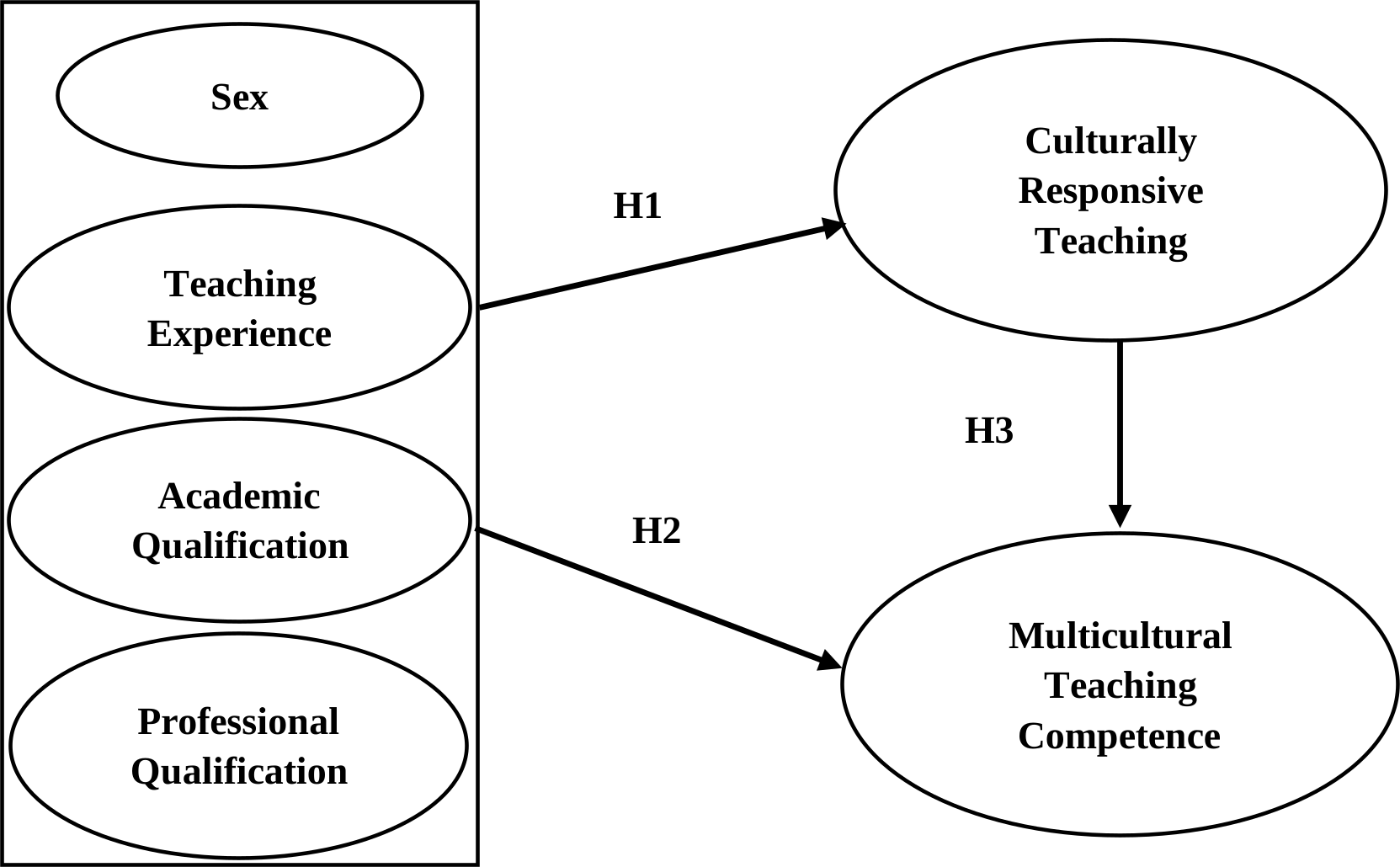
1.4. Conceptual Framework
The conceptual framework clearly shows the interrelatedness that exists between the constituents of the study. This presents the pictorial connotation of what the literature accentuates in conjunction with the researchers’ conceptualization of the relationships and the influence the variables have on themselves. Empirical evidence from studies (Dusi, Rodorigo, & Aristo, 2017; Guven et al, 2022; Hamilton, 2016; Babayiğit, 2022; Hue, & Kennedy, 2014; Leung, & Hue, 2020; Karatas, & Oral, 2019; Jackson, 2014) [2, 4, 6, 7, 8, 9, 12, 28] have juxtaposed that teacher’s cultural responsiveness is influenced by MTC while others are silent on it. There is a need to find an answer to research question one. Again, some scholars postulate that teachers' demographic characteristics have a significant influence on their ability to respond to different cultures in the classroom when teaching RME whereas Karatas (2020) [10] gives a different dimension that deviates from the rest. This calls for the testing of hypotheses 1 and 2 as shown in Figure 1. Having seen the relation will, therefore, indicate where to stress to make the RME teachers multiculturally competent and culturally responsive in the teaching of RME. The effect of MTC on CRT remains unknown although it is believed that teachers are in the MTC, the more they will be in practising MTC.
2. Methods
2.1. Procedures
The study followed the assumptions of the positivists’ paradigm of assessing a phenomenon. This study was to examine the MTC and CRT of RME teachers. Positivism, emphasizes the use of quantitative methods to establish causal relationships and generalisable findings. In the context of cross-sectional survey design, positivism involves the use of large quantitative data sets to establish general truths (Leavy, 2017, Mensah, Ansah, & Ampem, 2024) [36, 37]. Data on the said subject was collected from all RME teachers in the Cape Coast metropolitan to examine their level of MTC and CRT in teaching RME.
All Junior High School RME teachers in the Cape Coast metropolis had the chance to participate in the study. These teachers have been trained to teach RME, which involves teaching students from various multicultural backgrounds and being culturally responsive when teaching RME. There are 54 basic schools that are up to the JHS level in the metropolis. The participants of the study were 150 teachers who were involved in the study through the census method. A census is a procedure of systematically acquiring and recording information about the members of a given population (Antonie, Inwood, & Minns, 2020) [38]. The door-to-door survey type of census method was used to reach the teachers. Table 1 provides information on the characteristics of the teachers.
A rigorous adherence to ethical considerations was maintained. To make sure of this, an ethical clearance was sought from the Institutional Review Board at the University of Cape Coast. Further, a letter of introduction was requested from the Department of Arts Education, University of Cape Coast, to get official permission from the school administration to interact with the teachers. Confidentiality and anonymity were all guaranteed, and all ethical concerns were duly observed. The teachers were informed orally that their responses would not be tagged with their names. The RME teachers’ consent was sought verbally because after giving them additional information about the study's purpose they were all willing to participate fully. This is why written informed consent was not deemed necessary. They were also informed that they could freely provide information because it would only be used for academic purposes and that they could choose to withdraw from the study if they felt intimidated or coerced.
2.2. Measures
A close-ended structured questionnaire was used for the data collection exercise. It contained 33 items that were adapted to suit the context of the study and administered to the RME teachers. This enabled the researchers to obtain the necessary information from the teachers who teach RME. The instrument covered three sections. Section A solicited data on four RME teachers’ demographic characteristics, and B had 16 multicultural teaching competency items adapted from Spanierman et al. (2010) [39]. The researchers changed the aspect that contained racism and other issues that did not suit the Ghanaian context. It was measured on a six-point Likert scale 6=Strongly Agree, 5=Moderately Agree, 4=Slightly Agree, 3=Slightly Disagree, 2=Moderately Disagree and 1=Strongly Disagree. The last section, C contained 17 items adapted from Karatas (2020) [10] to measure CRT. Here, all changes dealt with the aspect that contained racism and other issues that did not suit the Ghanaian context. It was also measured on five-point frequency scale ranging from 5=Always, 4=Often, 3= Sometimes, 2=Rarely, and 1=Never.
2.3. Validity and Reliability
The instrument was subjected to content and face validity based on an assessment of experts and the researchers themselves. To ensure that the instrument meets the reliability test, Cronbach’s Alpha was established for the items on MTC and CRT. The overall alpha value obtained was .948 while the individual values were .935 and .894 respectively for MTC and CRT. Tavakol and Dennick (2011) [40] have indicated that an alpha value ranging from 0.70 to 0.95 is to be considered strong and accepted. Therefore, an alpha value of .948 within the threshold of .7 and .95 was deemed acceptable for the instrument to be used.
Test of the measurement model (outer model)
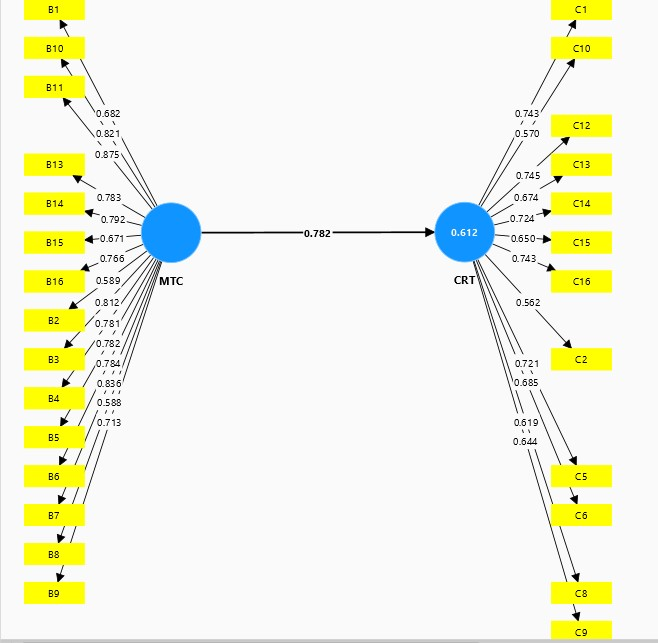
Measurement inconsistencies were investigated using construct reliability, convergent validity, and discriminant validity tests on the latent variable reflection measures (Hair, Ringle, & Sarstedt, 2013) [41]. Table 2 and Figure 2 show the results.
In Table 2, the factor loadings of the MTC construct ranged from 0.588-0.875. In addition, the loadings for CRT ranged from 0.562-0.745. These values were above 0.50 indicating the sign for convergent validity. Thus, all the items characterise the underlying constructs (Tavakol, M., & Dennick, 2011; Hair, et al 2013) [40, 41]. Further, the internal consistencies of the latent variables were good because their Cronbach’s alpha values ranged from 0.891 to 0.945 and amalgamated reliabilities (rho_a and rho_c) values ranged from 0.897 to 0.909 for MTC and the amalgamated reliabilities (rho_a and rho_c) values for CRT ranged from 0.949 to 0. 952. These reliabilities exceeded the required level of 0.7 (Hair, et al, 2013, Henseler, Ringle, & Sarstedt, 2015; Mensah, Tabiri, & Asare-Danso, 2024) [41, 42, 43]. Again, the average variance extracted (AVE) values ranged from 0.457 and 0.572, which were below the satisfactory threshold value of 0.5. However, if AVE is less than 0.5, but the amalgamated reliabilities (rho_a and rho_c) are higher than 0.6, the convergent validity of the construct can be tolerable (Hair, et al, 2013; Fornell, & Larcker, 1981) [41, 44]. Accordingly, the amalgamated reliabilities of MTC (0.897 and 0.909) and CRT (00.949 and 0. 952) are above 0.6 suggesting that convergent validity was established. Figure 2 presents the structure model after PLS-SEM Algorithm and Table 3 affords the results for discriminant validity using the Fornell-Larcker criterion besides Heterotrait-Monotrait Ratio (HTMT).
From Table 3, the discriminant validity of the model was established because the square roots of the AVE values (i.e., diagonal values in bold) for all the main constructs in the model are greater than the corresponding inter-construct correlations (i.e., all values below the bold values). The values of the square roots of the AVE were 0.676 for CRT and 0.782 for MTC [Hair, et al, 2013; Fornell, & Larcker, 1981) [41, 44]. Further, using the Heterotrait-Monotrait (HTMT) Ratio, confirmed discriminant validity because the HTMT ratio values were below the threshold of .838 or .90 (Collier, 2020; Henseler, Ringle, & Sarstedt, 2015) [41, 42].
2.4. Quantitative Treatment of Data
Data collected from the questionnaire were analysed quantitatively. The questionnaires were serially numbered for easy identification. The data collected were sorted out, organised and cleaned not necessarily changing responses to suit the researchers but to ensure that all missing data were dealt with according to present accurate data. All the responses for each item in the questionnaire were analysed using descriptive and inferential statistical tools, computed into the Statistical Product and Service Solutions (SPSS) version 27 and PLS-SEM. The items in the demographic section of the questionnaire were analysed using frequencies and percentages. The items relating to research questions one and two were analysed using frequencies, percentages means and standard deviations. Factorial ANOVA was used to test the corrected model (simultaneous effect) and variance in the MTC and CRT of RME teachers based on the teachers’ demographic characteristics (Hypothesis 1 and 2). Hypothesis three was analysed using PLS-SEM analysis to ascertain the effect of MTC on CRT of RME teachers.
3. Results
3.1. The level of RME teachers’ MTC
The question sought to establish the level of MTC of RME teachers. The concept of MTC plays an important role in the teachers' classroom practices. An empirical review of works indicates that all teachers with MTC can deal with issues of cultural diversity in their classrooms through the use of CRP which grabs students’ interest to excel in their learning process. The teachers were to indicate their agreement or disagreement with the items based on the scale: 6=Strongly Agree, 5=Moderately Agree, 4=Slightly Agree, 3=Slightly Disagree, 2=Moderately Disagree and 1=Strongly Disagree. The mean scores and overall mean were interpreted as 1.00- 2.7 (low), 2.8- 4.4 (moderate) and 4.5-6.0 (high). Results are shown in Table 4.
Results in Table 4 show that majority (n= 93, 62.0) of the teachers moderately agreed that they often include examples of the experiences and perspectives of ethnic groups during their classroom lessons (M= 5.35, SD= 1.10). Most (143, 95.3%) of them either strongly agreed or moderately agreed that they plan many activities to celebrate diverse cultural practices in their classroom (M= 5.20, SD= .91). Majority (86, 57.3%) of them moderately agreed that they consult regularly with other teachers or administrators to help them understand multicultural issues related to instruction (M= 5.10, SD= 1.32). Almost all (613, 88.7%) strongly agreed or moderately agreed that they integrate the cultural values and lifestyles of ethnic minority groups into their teaching (M= 5.06, SD= 1.09). Majority (127, 84.7%) strongly agreed or moderately agreed that they understand the various communication styles among different ethnic minority students in their classrooms (M= 4.89, SD= 1.40). Again, over half (77, 51.3%) of the teachers moderately agreed that they often promote diversity through the behaviours they exhibit (M= 4.98, SD= 1.10). Similarly, 124 82.6%) either strongly agreed or moderately agreed that they establish strong, supportive relationships with ethnic minority parents (M= 4.97, SD= 1.32). Almost half (65, 43.3%) of them moderately agreed that they have a clear understanding of culturally responsive pedagogy (M= 4.89, SD= 1.33). Here, over 61 (40.7%) of them moderately agreed that they are knowledgeable about the particular teaching strategies that affirm the ethnic identities of all students (M = 4.9, SD= 1.3). Majority (117, 78.0%) moderately agreed that they plan school events to increase students’ knowledge about the cultural experiences of various ethnic groups (M = 4.69, SD = 1.36). More than half (99, 66.0%) of them moderately agreed that their curricula integrate topics and events from ethnic minority populations (M= 4.67, SD= 1.40). Likewise, over 88 (58.6%) out of 150 teachers slightly agreed that they are knowledgeable about ethnic identity theories (M = 4.41, SD= 1.32). Also, majority (127, 84.6%) of them strongly agreed or moderately agreed that they are knowledgeable of how historical experiences of various ethnic minority groups may affect students’ learning (M = 4.71, SD= 1.27). Moreover, majority (118, 78.7%) of them either strongly agreed or moderately agreed that they make changes within the general school environment so ethnic minority students will have an equal opportunity for success (M = 4.67, SD= 1.48). Finally, more than half (91, 67.4%) moderately or slightly agreed that they rarely examine the instructional materials they use in the classroom for ethnic bias (M = 4.24, SD = 1.72).
An average mean score of 4.8 (SD=D1.3) was actualised indicating that the RME teachers have a high level of MTC despite the teacher’s inability to nurture and acknowledge students’ interests leading to poor academic performance. The finding here is congruent with other studies (Dusi, Rodorigo & Aristo, 2017; Banks & Banks, 2010; Güven et al, 2022; Babayiğit, 2022; Spanierman et al, 2010) [2, 3, 4, 7, 39] conducted out of Ghana and Africa as a whole on the concept and discovered that the educators involved in the study had high competencies. Similarly, Leung, and Hue (2020) [9] found participating teachers to rate their level of competency to be moderate as they said they felt more at ease in classes with just one type of student—local or non-local—and that they typically found it difficult to teach classes with both local and non-local students. So do teachers in Cape Coast Metropolis include examples of the experiences and perspectives of ethnic groups, plan many activities to celebrate diverse cultural practices and consult regularly with other teachers or administrators to help them understand cultural issues. This reveals how highly confident the RME teachers feel in handling the students though they come from varied backgrounds.
3.2. What is the level of RME teachers’ CRT?
This question sought to establish the level of RME teachers’ CRT. Scholars believe that teachers with a good knowledge of CRT can get the attention and interest of learners in the teaching and learning process which should reflect in the students’ performance. Teachers with this capability can learn words in other native languages, encourage speaking of native languages, work independently, select learning activities to reflect all cultures and spend time learning about cultures and languages. The teachers were to indicate their agreement or disagreement with the items based on the scale: “5=Always, 4=Often, 3= Sometimes, 2=Rarely, and 1=Never. The mean scores and overall mean were interpreted as 1.00- 2.6 (low), 2.7- 3.4 (moderate) and 3.5-5.0 (high). Table 5 details the results.
Results in Table 5 show that majority (n= 102, 68.0%) of the teachers indicated that they use peer tutors or student-led discussions (M= 4.0, SD= .9) and 79 (52.6%) said they often learn words in their student's native language (M= 4.0, SD= 1.2). More than half (105 70.0%) indicated that they always or often help students to work independently, selecting their learning activities (M= 3.97, SD= 1.18). Majority (103, 68.7%) said they always or often elicit students’ experiences in pre-reading and pre-listening activities (M= 3.7, SD= 1.1). Similarly, 84 (56.0%) of them indicated that they always or often examine class materials for culturally appropriate images and themes (M= 3.7, SD= 1.0). Majority (81, 44.0%) indicated that they often use mixed-language and mixed-cultural pairings in group work (M= 3.7, SD= 1.3) Again, more than half (89, 59.3%) provide rubrics and progress reports to students (M= 3.6, SD= 1.1) and 79 (52.7%) of indicated that they make an effort to get to know their students’ families and backgrounds (M= 3.6, SD= 1.0). However, majority (n= 73, 48.6%) sometimes or rarely include lessons about the acculturation process (M= 3.4, SD= 1.2), and they use surveys to find out about their students’ classroom preferences (M= 3.4, SD= 1.1). Majority (69, 46.0%) hinted that they often encourage students to speak their native languages with their children (M= 3.3, SD= 1.2). Again, 62 (41.4%) or 16 (10.7%) either sometimes or rarely encourage students to use cross-cultural comparisons when analysing material (M= 3.3, SD= 1.2) and majority (65, 43.3%) indicated that they ask for students’ input when planning lessons and activities (M= 3.1, SD= 1. 3). Majority (62, 41.4%) or 67 (44.6%) indicated that they spend time outside of class learning about the cultures and languages of my students (M= 3.1, SD= 1.3). Likewise, 94 (62.7%) of them agreed to sometimes or often include lessons about anti-immigrant discrimination or bias (M= 3.1, SD= 1.2). Moreover, 77 (51.3%) agreed they sometimes or often ask students to compare their culture with other cultures (M= 3.0, SD= 1.3). Finally, (131, 87.3%) indicated that they sometimes supplement the curriculum with lessons about international events (M= 3.0, SD= 1.3).
An average mean score of 3.5 (SD= 1.2) was obtained indicating that the teachers have a high level of CRT even though the students seem not to show interest in the subject leading them to fail in their final examinations. This finding corroborates with Karatas (2020a) [10] who found that teachers had high levels of CRT the educators knew how to avoid discrimination, respect cultural differences, be role models, have an empathic tendency, and have good communication skills. This finding supports Karatas and Oral (2019) [12] who found that the educators were highly competent and so the teachers helped to structure the school climate to the curriculum, from teacher competencies to textbooks, according to students’ cultural backgrounds. Kahn Lindstrom and Murray (2014) [26] highlighted the need for highly culturally competent educators, particularly in the context of a predominantly white, female, and middle-class teaching force to recognise all cultures equally. Lopes-Murphy and Murphy (2016) [25] emphasized the role of cross-cultural experiences, with teachers in the East having higher cultural competence scores, and those with foreign language skills, international experiences, and friends from other cultures scoring higher.
3.3. There is no statistically significant influence of RME teachers' demographics on their multicultural teaching competency.
The hypothesis sought to investigate the influence of RME teachers' demographics (sex, teaching experience, academic qualification and professional qualification) on their MTC. The literature provides insights into various factors that may influence teachers' MTC, which include gender, academic qualification, teaching experience, and professional qualification. However, the studies reviewed did not directly address the combined effect of these factors on the MTC of RME teachers. A factorial ANOVA was conducted to examine the effects of RME teachers’ demographic features on their MTC. The result is detailed in Table 6.
The results of the General Linear Model (GLM) corrected model in Table 6 shows a statistically significant effect of RME teachers’ sex, academic qualification teaching experience, and professional qualification on their MTC F (30,4) = 7.142, p = .000, partial ƞ2 =.643. There were statistically significant interactions between teaching experience and academic qualification F (1, 4) = 4.436, p = .037, partial ƞ2 = .036. There were no statistically significant interactions between sex and academic qualification F (2, 4) = .117, p = .890, partial ƞ2 = .002, sex and teaching experience F (2, 4) = .185, p = .831, partial ƞ2 = .003, sex and professional qualification F (2, 4) = .235, p = .791, partial ƞ2 = .004, academic qualification and teaching experience F (3, 4) = .351, p = .789, partial ƞ2 = .009 and academic qualification and professional qualification F (1, 4) = 1.508, p = .222, partial ƞ2 = .013. The results indicate that there was no statistically significant effect of teaching experience F (4, 4) = 2.351, p = .058, partial ƞ2 = .073, on their MTC. However, there was a statistically significant effect of Sex, F (1, 4) = 5.808, p = .017*, partial ƞ2 = .047, academic qualification F (4, 3) = 6.627, p = .000*, partial ƞ2 = .143, and professional qualification F (4, 4) = 13.309, p = .000*, partial ƞ2 = .309 on MTC of teachers.
This finding in congruence with Bamigbade et al (2021) [46] who found that teachers' academic qualifications, sex, and teaching experience significantly influence teachers teaching practices including being MTC. Harrison et al (2010) [47] found that teachers of colour (TOC) scored higher in multicultural teaching knowledge and skills than White teachers, indicating that racial or ethnic background, which may intersect with sex and professional experience, can be relevant to MTC. This study’s finding is in support of Güven et al (2022) [4] who found that the MTC of primary school teachers differed in terms of gender, age, professional experience and place of employment. According to Gay (2018) [13], culturally responsive education is an effort to make learning activities more relevant and more effective for students, taking into account the cultural knowledge, past experiences, reference framework and performance styles of ethnically diverse students. However, Antonie et al (2020) [38] reports no significant difference in MTC among secondary school teachers concerning personal variables like sex and educational qualification, suggesting that these factors may not influence MTC. The direct relationship between these factors and high MTC in RME teachers is not explicitly established in the reviewed literature. Further research is needed to specifically investigate the interplay of these variables in the context of RME teachers' MTC. Therefore, the current body of research provides a foundation for understanding potential influences on MTC.
3.4. There is no statistically significant influence of RME teachers' demographics on their CRT.
The hypothesis sought to investigate the influence of RME teachers' demographics (sex, teaching experience, academic qualification and professional qualification) on their CRT. The literature provides insights into various factors that may influence teachers' MTC, including sex, academic qualification, teaching experience, and professional qualification. However, the studies reviewed do not directly address the combined effect of these factors on the RME teacher's CRT. A factorial ANOVA analysis was conducted to examine the influences of RME teachers' demographics (sex, teaching experience, academic qualification and professional qualification) on their CRT. The result is detailed in Table 7.
The results of the General Linear Model (GLM) corrected model in Table 7 shows a statistically significant effect of RME teachers' demographics (teachers’ sex, teaching experience, professional qualification and academic qualification) on CRT, F (30, 4) = 3.874, p = .000*, partial ƞ2 = .494. There were no statistically significant interactions between teaching sex and academic qualification F (2, 4) = .132, p = .877, partial ƞ2 = .002, sex and teaching experience F (2, 4) = .101, p = .877, partial ƞ2 = .002, academic qualification and teaching experience F (2, 4) =1.501, p = .218, partial ƞ2 = .036 and academic qualification and professional qualification F (1, 4) = .101, p = .752, partial ƞ2 = .001. The results indicate that there was a statistically significant effect of sex F (1, 4) = 4.951, p = .028*, partial ƞ2 =.040, academic qualification F (3, 4) = 3.276, p = .024*, partial ƞ2 =.076, and teaching experience F (4, 4) = 4.401, p = .002*, partial ƞ2 =.129. There is no statistically significant effect of professional qualification F (4, 4) = 1.725, p = .149, partial ƞ2 =.055 on RME teachers’ CRT.
Results show that there is a statistically significant effect of RME teachers' demographics on their CRT. The available literature provides insights into various aspects of CRT across different educational contexts but does not directly address the relationship between RME teachers' demographics and their CRT practices. Appiah (2022) [48] explores the pedagogical knowledge base of RME teachers and their assessment methods but does not provide a direct examination of the impact of demographics on culturally responsive teaching. Similarly, Iita (2021) [49] investigated RME teachers' perceptions of the RME syllabus implementation in Namibia, highlighting the influence of teachers' personal religious and moral values on teaching, yet it does not quantify the effect of demographics on culturally responsive teaching (In the broader context of CRT, several studies emphasize the importance of teacher characteristics and background. For instance, Chu. (2014) [50] identify personal and professional variables as significant predictors of special educators’ CRT efficacy. Charoensilp (2024) [51] found a significant effect of teachers’ intercultural sensitivity on their culturally responsive teaching practices. However, these studies do not specifically focus on RME teachers' demographics. The specific impact of RME teachers' demographics on their CRT is not directly addressed in the provided context. Therefore, further research is needed to directly investigate the relationship between RME teachers' demographics and their CRT practices.
3.5. There is no statistically significant effect of RME teachers' MTC on their CRT
The study finally set out to determine if RME teachers' MTC on their CRT. Empirical evidence is abundant in the literature about how MTC predicts or affects CRT of teachers. Although the evidence is not conclusive in terms of the magnitude and direction of the effect, the general assumption in the literature is that a person with a high level of MTC will tend to have a high level of CRT. This study therefore hypothesised that teachers’ MTC levels (predictor variable) will affect their CRT levels (outcome variable). PLS-SEM statistics were used to analyse the effect that has been hypothesised.
Table 8 and Figure 3 present the results of structural model assessment after bootstrapping. The structural model was assessed through the coefficient of determination (R2), and the standardized beta coefficient (β) for hypothesized relationship. The significance of the effect was evaluated using bootstrapping (Hair, et al, 2013; Kock, 2015) [41, 52]. The coefficient of determination (R2) reflects the predictor variable’s (MTC) ability to influence the dependent variable (CRT). Accordingly, the R2 test in this study followed the category from (Chin, 1998) [53] which has the category of 0.67 (substantial), 0.33 (moderate), and 0.19 (weak). The effect size (f2) determines the extent of the influence of RME teachers' MTC on their CRT. In this study, the size effect (f2) is divided into three categories: small (0.02), medium (0.15), and large effect (0.35) (Hair, et al, 2013) [41].
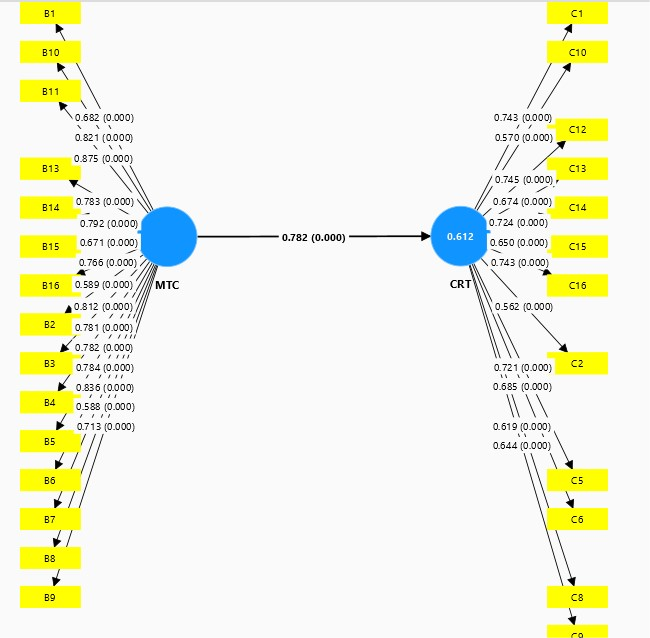
In Table 8, the R2 has a value of .612, meaning that RME teachers' MTC substantially explained 61% of the variation in their CRT. In Table 8 and Figure 3, it was observed that RME teachers MTC significantly and positively predicted their CRT (β = .782, t = 31.977, p < .000). The magnitude of the effect was substantial (f2 = 1.577). The positive standardized beta coefficient (β) suggests that a unit increase in RME teachers would increase their CRT by the same proportion.
There is a statistically significant effect of RME teachers' MTC on their CRT. To address this hypothesis, it is necessary to consider the findings and discussions presented in the provided papers. The studies collectively underscore the importance of culturally responsive teaching (CRT) and its impact on diverse educational settings. Chu (2014) demonstrates that preservice teachers can increase their awareness and skills in CRT through engagement with multicultural literature and hands-on projects. Norman and Zoncita (2019) [54] reflect on the need for CRT in higher education and its influence on students' servant leadership, suggesting that culturally sensitive instructors can effectively practice CRT. Patrick (2022) [55] discusses the complexity of teacher authority in diverse classrooms and the role of CRT in establishing this authority. Siwatu (2007) [56] while not directly addressing RME teachers, indicates that preservice teachers' self-efficacy in CRT can vary, particularly in communication with English Language Learners. Cheng (2022) [57] found that teachers' technology experiences positively affect their perception of CRT. Tyagi and Verma (2022) [58] advocate for CRT as a strategy to enhance student achievement and engagement. Seo (2022) [59] emphasizes the development of racial literacy and culturally responsive language teaching among pre-service English teachers in Korea. Twene (2020) [60] discuss the challenges faced by RME teachers in implementing a multicultural curriculum. Lastly, Appiah (2022) [48] concludes that RME teachers possess adequate pedagogical knowledge but may lack familiarity with certain contemporary instructional methods. While none of the papers directly test the hypothesis in question, they collectively suggest that multicultural competencies are integral to the practice of CRT across various educational contexts. The findings imply that RME teachers with MTC are likely to be more effective in CRT, although this relationship is not empirically tested in the previous literature.
4. Conclusions and Recommendation
It can be surmised that students are being taught by teachers who are knowledgeable of handling various cultures in the classroom despite their inability to nurture and acknowledge students' interests leading to poor academic performance suggests a gap between understanding cultural responsiveness and practical application in the classroom. Therefore, students’ low interest cannot be pinned on teachers not knowing other cultures. It can be concluded again that students are being taught by teachers who encourage and show their ability to incorporate diverse cultural perspectives into their pedagogical practices. The teachers foster CRT practices among RME educators to create inclusive and supportive learning environments for all students. This implies that other factors are responsible for students' low or lack of interest. It can be surmised that all the teachers have the right qualifications and experiences that recognise various cultures in the classroom without making learners uncomfortable. The teachers have the qualities to enhance MTC to make the learners’ cultures be seen in the classroom. Some teachers may not be using their skills and training leading to students’ loss of interest. Further, it can be said that a teacher’s sex, professional experience, academic background, and teaching experience enable educators to shape their methods of integrating cultural diversity in the classroom. It connotes that the dwindling nature of learners’ interest can be attributed to the fact that some of the teachers have not been trained in CRT. Lastly, it can be deduced that teachers can bridge the lacuna between theory and practice to ensure that MTC translates into effective support for students’ interest in learning. Therefore, the lack of interest leading to poor performance cannot be said that teachers do not capitalise on the competence in MTC to use CRT.
It is recommended that GES and the Metropolitan Education office provide ongoing professional development opportunities specifically focused on translating MTC principles into actionable strategies for supporting students' interests and academic performance. Curriculum developers should promote and celebrate CRT practices among RME and incorporate culturally relevant materials and resources into the curriculum to further support and reinforce culturally responsive teaching efforts. It is also suggested that school heads develop comprehensive professional development programs that address the diverse needs and backgrounds of RME teachers, considering factors such as sex, academic qualification, teaching experience, and professional qualification. Again, NaCCA should offer workshops and conferences specifically tailored to address the unique challenges and opportunities associated with teaching in multicultural contexts, taking into account the demographic profiles of RME teachers. Lastly, it is recommended that NaCCA and the Ministry of Education conduct further professional development initiatives that address the intersectionality of teachers' backgrounds, recognizing that individuals' identities and experiences may interact in complex ways to shape their teaching approaches. There is a need for further research to explore the specific ways in which demographic factors influence culturally responsive teaching practices among RME teachers, allowing for more targeted interventions and support.
Data availability
Data are available on request.
Limitations of the study
This study was purely quantitative in nature and thus, employed quantitative instruments to collect data and applied quantitative analysis. The use of closed-ended items limited the responses the participants gave. Qualitative instruments would have allowed them to express themselves and provide in-depth information that would have enriched the study. This implies that a mixed method approach that utilizes both quantitative and qualitative data could be employed to give a broader perspective.
Conflict of interest
The authors declare that they have no conflict of interest.
Acknowledgement
The Authors are grateful to RME teachers in the Cape Coast Metropolis for availing themselves during the collection of data for this study.
Funding
No funding was received.
Author contribution statement
Eric Mensah, PhD
I conceptualised the study, formulated the problem and determined the design for the study. I also contributed to the analysis and interpretation of the data collected and discussion of the findings. I did the critical revision for intellectual content and the final approval of the version to be published. I am accountable for all aspects of the work.
Isaac Obiri Ampem
I contributed to the conceptualization of the study, the drafting of the paper, writing the background to the study and initial literature review. I also went on the field to collect the data. I am accountable for all aspects of the work. I contributed to the development of the conceptual framework and interpretation of the results
Martin Owusu, PhD
I contributed to the conceptualization of the study, the drafting of the paper, writing the background to the study and initial literature review. I contributed the development of the conceptual framework and interpretation of the results. I also contribution to the critical revision for intellectual content and the final approval of the version to be published. I am accountable for all aspects of the work.
References
- Nyamekye, E., Zengulaaru, J., Addae, I., Mutawakil, A. R., & Ntiakoh, G. B. (2024). Culture, Critical Pedagogy, and Critical Thinking among ‘Children in Ghana: A Critical Discourse Analysis of Childhood Constructions in Ghanaian Proverbs. Journal of Asian and African Studies, 00219096241228773.[CrossRef]
- Dusi, P., Rodorigo, M., & Aristo, P. A. (2017). Teaching in our society: Primary teachers and intercultural competencies. Procedia-Social and Behavioral Sciences, 237, 96-102.[CrossRef]
- Banks, J. A., & Banks, C. A. M. (Eds.). (2010). Multicultural education: Issues and perspectives (7th ed.). John Wiley & Sons.
- Güven, M., Çam-Aktaş, B., Baldan-Babayiğit, B., Şenel, E. A., Kip-Kayabaş, B., & Sever, D. (2022). Multicultural teacher competencies scale for primary teachers: Development and implementation study. International Journal of Curriculum and Instructional Studies, 12(2), 441-472. doi: 10.31704/ijocis.2022.018
- Bulut, C., & Başbay, A. (2014). Determination of teachers’ multicultural competence perceptions. Kastamonu Eğitim Dergisi, 23(3), 957–978.
- Hamilton, M. Jo. (2016). Examining teacher multicultural competence in the classroom: further validation of the multicultural teaching competency scale. LSU Master‘s Theses. 4433. https://repository.lsu.edu/gradschool_theses/4433
- Babayiğit, B. (2022). The effect of multicultural education-based teaching principles and methods course on multicultural teacher competencies, universality-diversity orientation, and attitude towards the profession. (Unpublished doctoral dissertation). Anadolu University, Eskişehir, Turkey.
- Hue, M. T., & Kennedy, K. J. (2014). The challenge of promoting ethnic minority education and cultural diversity in Hong Kong schools: From policy to practice. Revista Española de Educación Comparada, 23, 117-134. https://doi.org/10.5944/reec.23.2014.12300[CrossRef]
- Leung, C., & Hue, M. (2020). Factor Structure of Multicultural Teaching Competency Scale for School Teachers in Hong Kong. Australian Journal of Teacher Education, 45(7). Retrieved from https://ro.ecu.edu.au/ajte/vol45/iss7/1[CrossRef]
- Karatas, K. (2020a). Öğretmenlik mesleğine kuramsal bir bakiş [A theoretical view of the teaching profession]. Electronic Journal of Education Sciences, 9(17), 39–56. https://dergipark.org.tr/en/pub/ejedus/issue/55652/704716
- Banks, J. A. (2008). An introduction to multicultural education.
- Karatas, K., & Oral, B. (2019a). Evaluating elementary teaching undergraduate programs in terms of culturally responsive elementary teacher training. Inquiry in education, 11(2), Article 6
- Gay, G. (2018). Culturally responsive teaching: Theory, research, and practice (3rd ed.). Teachers College Press.
- Keengwe, J. (2010). Fostering across cultural competence in preservice teachers through multicultural education experiences. Early Childhood Education Journal, 38(3), 197–204. https://doi.org/10.1007/s10643-010-0401-5.[CrossRef]
- Mensah, E., & Ampem, I. O. (2023). The actualisation of the aims of the Christian religious studies curriculum by senior high school students: The affective domain inquiry. African Journal of Empirical Research,4(1),1-10.[CrossRef]
- NaCCA, (2019) religious and moral education Curriculum for primary schools (BASIC 1 - 6) https://nacca.gov.gh/wp-content/uploads/2019/04/RELIGIOUS-AND-MORAL-EDUCATION-B1-B6.pdf
- Byrd, C. M. (2016). Does culturally relevant teaching work? An examination from student perspectives. Sage Open, 6(3), 2158244016660744.[CrossRef]
- Maasum, T. N. R. T. M., Maarof, N., & Ali, M. M. (2014). Addressing student diversity via culturally responsive pedagogy. Procedia-Social and Behavioral Sciences, 134, 101-108.[CrossRef]
- Rudhumbu, N., & du Plessis, E. (2021). Utilizing the Expectancy Value Theory to Predict Lecturer motivation to apply culturally responsive pedagogies in Universities in Botswana. International Journal of Learning, Teaching and Educational Research, 20(7), 192-209.[CrossRef]
- Ferguson, R. (1999). Strategies for teaching religion in colleges of education (Doctoral dissertation, Stellenbosch: Stellenbosch University).
- Prater, M. A., & Devereaux, T. H. (2009). Culturally responsive training of teacher educators. Action in Teacher Education, 31(3), 19-27.[CrossRef]
- Istiningsih, S. S. (2016). The New Paradigm of Tolerance-Character Building Based On Multiculturalism through Religion Education. IOSR Journal of Research & Method in Education (IOSR-JRME), 6(6), 38-45.
- Roebben, B. (2015). How much and which theology is in religious education? On the intimate place of theology in the public space of the school. Global perspectives on Catholic religious education in schools, 35-45.[CrossRef]
- McNeal, K. (2005). The influence of a multicultural teacher education program on teachers’ multicultural practices. Intercultural Education, 16(4), 405-419.[CrossRef]
- Lopes-Murphy, S., & Murphy, C. (2016). The influence of cross-cultural experiences & location on teachers’ perceptions of cultural competence. Journal of the Scholarship of Teaching and Learning, 16(3), 57-71.[CrossRef]
- Kahn, L. G., Lindstrom, L., & Murray, C. (2014). Factors contributing to preservice teachers' beliefs about diversity. Teacher Education Quarterly, 41(4), 53-70.
- Census and Statistics Department. (2012). 2011 population census. Summary results. Retrieved from http://www.census2011.gov.hk/pdf/summaryresults.pdf
- Jackson, L. (2014). Under construction: The development of multicultural curriculum in Hong Kong and Taiwan. The Asia-Pacific Education Researcher, 23(4), 885-893. https://doi.org/10.1007/s40299-014-0199-9[CrossRef]
- Poon-Mcbrayer, K. (2014). A call for multicultural special education in Hong Kong: Insights from a case study. Procedia - Social and Behavioral Sciences, 116, 409-414. https://doi.org/10.1016/j.sbspro.2014.01.231[CrossRef]
- Chief Examiner’s Report (2022). BECE Chief Examiners Reports for 2022 BECE RME Preparation. https://ghanaeducationnews.org/chief-examiners-report-on-april-2024-bece-home-mock-by-education-news-consult/
- Chief Examiner’s Report (2023). RME – EXAMINERS REPORT https://ntc.gov.gh/chief-examiners-report/
- Owusu, M., & Mensah, E. (2022). Out-of-field teaching: The bane of Christian religious education in senior high schools. Asian Journal of Humanities and Social Studies (ISSN: 2321-2799), 10(4), 108-114.[CrossRef]
- Mensah, E., & Ampem, I. O. (2023). Preparedness of Christian Religious Studies Teachers: Disclosures from Teachers and Students in Missions Senior High Schools in the Western Region of Ghana. African Journal of Empirical Research, 4(1), 25-34.[CrossRef]
- Karatas, (2020b). The Competencies of the Culturally Responsive Teacher: What, Why and How? i.e.: inquiry in education: 12(2). Retrieved from: https://digitalcommons. nl.edu/ie/vol12/iss2/2
- Karatas, K. (2020c). Culturally responsive teacher scale validity and reliability study. Electronic Journal of Social Sciences, 19(76), 1761–1775. https://doi.org/10.17755/esosder.735068[CrossRef]
- Leavy, P. (2017). Research Design. Quantitative, qualitative, mixed methods, arts-based, and community-based participatory research approaches 47, 124-163.
- Mensah, E., Ansah, S. A., & Ampem, I. O. (2024). Effect of Christian Religious Studies teachers’ knowledge of human development on their teaching practices. Influence of Demographic Characteristics. International Journal of Research and Innovation in Social Science (IJRISS) 8(4). 740-759.[CrossRef]
- Antonie, L., Inwood, K., & Minns, C. (2020). Social Science History, - cambridge.org. Selection bias encountered in the systematic linking of historical census records.[CrossRef]
- Spanierman, L.B., Oh, E., Heppner, P.P., Neville, H.A., Mobley, M., Wright, C.V., Dillon, F.R. & Navarro, R. (2010). The multicultural teaching competency scale (MTCS): Development and initial validation. Urban Education XX(X):1-25. Sage Publication. http://sage publications. com. https://doi.org/10.1037/t03949-000[CrossRef]
- Tavakol, M., & Dennick, R. (2011). Making sense of Cronbach's alpha. International journal of medical education, 2, 53.[CrossRef]
- Hair, J. F., Ringle, C. M., & Sarstedt, M. (2013). Partial least squares structural equation modelling: Rigorous applications, better results and higher acceptance. Long range planning, 46(1-2), 1-12.[CrossRef]
- Henseler, J., Ringle, C. M., & Sarstedt, M. (2015). A new criterion for assessing discriminant validity in variance-based structural equation modeling. Journal of the academy of marketing science, 43, 115-135.[CrossRef]
- Mensah, E., Tabiri, F., & Asare-Danso, S. (2024). University students’ religious literacy and religiosity. What is the place of academic discipline and religious affiliation? Cogent Education, 11(1), 2293487.[CrossRef]
- Fornell, C., & Larcker, D. F. (1981). Evaluating structural equation models with unobservable variables and measurement error. Journal of marketing research, 18(1), 39-50.[CrossRef]
- Collier, J. (2020). Applied structural equation modeling using AMOS: Basic to advanced techniques. Routledge.[CrossRef]
- Bamigbade, G.B., Amoo, O.K., Oluwadare, T.A. & Adedokun, J.O. (2021). Teachers’ academic qualification, gender and teaching experience as correlates of students’ academic performance in biology in Oyo State, Nigeria. Research on Humanities and Social Sciences, 11(9), 19-30. DOI: 10.7176/RHSS/11-9-03, ISSN 2224-5766 (Paper) ISSN 2225-0484 (Online)[CrossRef]
- Harrison, L., Carson, R. L., & Burden, J. (2010). Physical education teachers’ cultural competency. Journal of Teaching in Physical Education, 29(2), 184-198.[CrossRef]
- Appiah, S. (2022). Pedagogical Knowledge Base of Religious and Moral Education Teachers in Assessing Students’ Academic Performance. Open Journal of Educational Research, 262-273.[CrossRef]
- Iita, H. (2021). Challenges faced by learner-mothers in schools in Omuthiya circuit of Namibia (Doctoral dissertation, University of Namibia).
- Chu, S. Y., & Garcia, S. (2014). Culturally responsive teaching efficacy beliefs of in-service special education teachers. Remedial and Special Education, 35(4), 218-232.[CrossRef]
- Charoensilp, P. (2024). Intercultural Sensitivity as a Factor in Perceived Culturally Responsive Teaching of Teachers in Northern Thailand. reflections, 31(1), 90-117.[CrossRef]
- Kock, N. (2015). PLS-based SEM algorithms: The good neighbor assumption, collinearity, and nonlinearity. Information Management and Business Review, 7(2), 113-130.[CrossRef]
- Chin, W. W. (1998). The partial least squares approach to structural equation modeling. Modern methods for business research, 295(2), 295-336.
- Norman, Ph D., & Zoncita. D. (2019). Understanding the Influence of Culturally Responsive Pedagogy on Students' Servant Leadership." Available at SSRN 3420494[CrossRef]
- Patrick, S. K. (2022). Organizing schools for collaborative learning: School leadership and teachers’ engagement in collaboration. Educational Administration Quarterly, 58(4), 638-673.[CrossRef]
- Siwatu, K. O. (2007). Preservice teachers’ culturally responsive teaching self-efficacy and outcome expectancy beliefs. Teaching and teacher education, 23(7), 1086-1101.[CrossRef]
- Cheng, K. K., Lam, T. H., & Leung, C. C. (2022). Wearing face masks in the community during the COVID-19 pandemic: altruism and solidarity. The Lancet, 399(10336), e39-e40.[CrossRef]
- Tyagi, N., & Verma, S. (2022). Culturally responsive teaching: A suggestive pedagogical framework. In Handbook of Research on Social Justice and Equity in Education (pp. 312-331). IGI Global.[CrossRef]
- Seo, Y. (2022). Pre-Service English Teachers' Reflections on Culturally Responsive Teaching in Teacher Education. English Teaching, 77(4), 159-176.[CrossRef]
- Twene, C. K., Adam, K., & Amedorme, D. (2020). Teacher Professional Learning in Religious and Moral Education: Conditions Affecting its Effectiveness at St. Ambrose College of Education in Ghana. Journal of Curriculum and Teaching, 9(1), 86-95.