
Abstract
Background: Dysphagia is a common functional impairment in elderly populations, often leading to severe complications such as malnutrition and aspiration pneumonia, significantly increasing healthcare burdens. Currently, effective prognostic assessment tools are lacking. The absolute lymphocyte count (ALC), a biomarker reflecting immune-nutritional status, has potential predictive value in this context, though its role in dysphagia prognosis remains unclear. Methods: This retrospective cohort study included 253 dysphagic patients who received percutaneous endoscopic gastrostomy (PEG) or total parenteral nutrition (TPN) between 2014 and 2017. Five patients with missing ALC were excluded. Cox regression models assessed the association between ALC and mortality. ALC was analyzed as both continuous variable (using restriocted cubic splines) and categorical tertiles, with additional threshold analyses to assess non-linearity. Kaplan–Meier survival curves and subgroup analyses were also performed. Results: Lower ALC was associated with poorer nutritional status, higher inflammatory markers, and greater comorbidity burden. Higher ALC was independently associated with reduced mortality (adjusted HR: 0.60; 95% CI: 0.44–0.83; p = 0.002). Patients in the highest tertile had significantly better survival than those in the lowest (HR: 0.37; 95% CI: 0.23–0.59; P < 0.001). A non-linear threshold effect was identified at ALC = 1.899×10⁹/L (p for non-linearity = 0.009). Kaplan–Meier analysis confirmed improved survival with higher ALC (p < 0.0001). Subgroup analyses showed the protective effect of higher ALC was consistent across age, sex, BMI, PEG use, and comorbidity strata, with no significant interactions. Conclusions: ALC is an independent, non-linear predictor of mortality in older dysphagic patients and may aid clinical risk stratification across diverse patient subgroups.
1. Introduction
Dysphagia is a common functional disorder in aging populations [1], particularly prevalent among patients with chronic neurological diseases such as stroke, Parkinson's disease, and dementia [2]. Studies indicate that dysphagia occurs in up to 60% of hospitalized elderly individuals [3]. Its clinical risks and disease burdens have attracted widespread attention. The condition significantly increases risks of complications such as malnutrition and aspiration pneumonia [4], leading to higher hospitalization rates and mortality, imposing a heavy burden on global healthcare systems. Currently, clinical treatment primarily relies on invasive procedures such as percutaneous endoscopic gastrostomy (PEG) and total parenteral nutrition (TPN) [5], but the lack of effective individualized prognostic tools makes it difficult to accurately identify high-risk patients. This clinical dilemma highlights the urgent need for reliable biomarkers to optimize treatment decisions and improve patient outcomes.
Current research on prognostic assessment for dysphagia has significant limitations. Most existing indicators are either too complex for clinical application or lack sufficient specificity. Although inflammatory markers such as C-reactive protein and nutritional indicators like prealbumin have been attempted for risk stratification, these typically reflect only a single dimension of the disease [6, 7].
Recently, absolute lymphocyte count (ALC), an important indicator reflecting immune and nutritional status [8], has increasingly attracted attention from researchers. Existing evidence suggests ALC is closely related to prognosis in various chronic diseases [9], potentially influencing disease progression by modulating systemic inflammation and metabolic homeostasis [10]. Particularly in elderly populations, lymphopenia is often considered a marker of "immune-senescence" associated with various adverse clinical outcomes [11]. ALC might integrate information on both immune status and nutritional status [8], holding potential as an ideal prognostic marker. However, large-scale studies specifically validating the association between ALC and mortality in elderly dysphagia patients are currently lacking.
Our study aims to provide a simple, economical, and reliable risk assessment tool for clinical practice, ultimately achieving individualized precision management for dysphagia patients. The findings are expected to offer new evidence-based approaches to improve clinical outcomes for this vulnerable population.
2. Materials and methods
2.1. Data Source
This study utilized publicly available data obtained from the Dryad Digital Repository(https://datadryad.org/dataset/doi:10.5061/dryad.gg407h1), an open-access platform that allows users to freely access and download research datasets. In accordance with Dryad’s terms of use, we used the dataset titled “Comparison of long-term outcomes between enteral nutrition via gastrostomy and total parenteral nutrition in older persons with dysphagia: A propensity-matched cohort study”. The findings based on this dataset were originally published in 2019 [12].
2.2. Study Design and Participants
This single-center retrospective cohort study evaluated elderly dysphagia patients (mean age 83.1±9.3 years) who underwent either PEG or TPN between January 2014 and January 2017. Dysphagia diagnosis was established through comprehensive clinical assessments conducted by a multidisciplinary team of physicians and nurses. Only patients with confirmed severe dysphagia were included. Exclusion criteria involved those with terminal-stage cancer, patients receiving PEG for gastric decompression, or those who had undergone PEG prior to January 2014. As the data used were anonymized, informed consent was not required. The study followed ethical standards and was approved by the Ethical Review Board of Miyanomori Memorial Hospital, which granted a waiver for informed consent.
2.3. Procedures
The selection of PEG or TPN as the nutritional support method was determined through thorough discussions between healthcare providers and the patients or their families. Nutritional interventions were prescribed according to clinical assessments by medical staff. Patient data—including age, sex, and major comorbidities such as cerebrovascular disease, severe dementia, aspiration pneumonia, ischemic heart disease (IHD), and PEG status—were retrieved from medical records. Laboratory parameters were collected from blood tests conducted within seven days prior to the initiation of PEG or TPN. The study primarily aimed to assess mortality outcomes following the initiation of nutritional support during the follow-up period. The median follow-up duration for censored cases was 601 days (range: 404–823). We perform a secondary analysis of the cohort study data to evaluate whether there is a link between ALC and mortality among participants in Japan. Five cases with missing ALC data were excluded, reducing the sample size from 253 to 248. Additionally, for variables with missing values—such as the 12 cases of total cholesterol—missing data were imputed using median substitution. The formula used in this study was as follows: ALC=TLC/1000×109/L. Patients were stratified into tertiles based on baseline ALC levels: T1 (0.112-0.970 × 10⁹/L), T2 (0.989-1.421 × 10⁹/L), and T3 (1.435-6.240 × 10⁹/L).
2.4. Statistical Analysis
Continuous variables were presented as mean ± SD or median (IQR), and categorical variables as counts and percentages. Group differences were assessed using ANOVA, Kruskal–Wallis, or chi-square tests, as appropriate. A significance level of p < 0.05 was used.
To examine the association between ALC and mortality, Cox proportional hazards models were constructed. Four models were applied: Model 1 (unadjusted), Model 2 (adjusted for age, sex, and BMI), Model 3 (additionally adjusted for PEG use and major comorbidities), and Model 4 (further adjusted for nutritional and inflammatory markers such as albumin, hemoglobin, CRP, and total cholesterol). ALC was analyzed as both a continuous and categorical (tertile) variable.
Non-linear associations were evaluated using restricted cubic splines, and a threshold effect was explored using piecewise Cox regression with likelihood ratio testing. Survival differences among tertiles were visualized via Kaplan–Meier curves and compared with the log-rank test. Subgroup analyses were conducted with interaction testing to assess consistency across clinical characteristics. All the analysis were performed with R,version 4.3.1(http://www.R-project.org, The R Foundation) and Free Statistics software versions 2.0.
3. Results
3.1. Baseline Demographic and Clinical Characteristics
Among the 248 patients with dysphagia, baseline characteristics differed significantly across tertiles of ALC, indicating distinct clinical profiles (Table 1). Patients in the lowest tertile (T1) had significantly lower serum albumin, hemoglobin, and BMI compared to higher tertiles (p < 0.001 for all), reflecting poorer nutritional status. Inflammatory markers followed an inverse pattern, with CRP levels highest in T1 and lowest in T3 (p < 0.001), suggesting greater systemic inflammation among those with lymphopenia. Clinical comorbidities also varied. Chronic heart failure (CHF) and chronic kidney disease (CKD) were significantly more common in T1 (p = 0.002 and p = 0.006, respectively). Aspiration pneumonia was notably higher in T1 (49.4%) and declined with increasing ALCs (p = 0.014), while cerebrovascular disease (CI) was more frequent in T3 (p = 0.012). The proportion of patients receiving PEG was lower in T1 than in the other groups (p = 0.02), possibly reflecting clinical caution in frailer individuals. These findings suggest that low ALC is associated with nutrition, inflammation, and a greater burden of comorbidity, highlighting its potential as a prognostic marker in dysphagic patients.
The abbreviations used are as follows: Alb, serum albumin (g/dL); ALC, absolute lymphocyte count (×10⁹/L); asp, aspiration pneumonia; BMI, body mass index (kg/m²); CHF, chronic heart failure; CI, cerebrovascular diseases; CKD, chronic kidney diseases; CRP, C-reactive protein (mg/dL); dement, severe dementia; Hb, hemoglobin (g/dL); IHD, ischemic heart diseases; liver, chronic liver diseases; lung, chronic lung diseases; NMD, neuromuscular diseases; PEG, percutaneous endoscopic gastrostomy; and TC, total cholesterol (mg/dL).
3.2. Multiple Cox Regression Analysis
The Cox regression analysis demonstrated a consistent and significant inverse association between ALC and mortality across all models (Table 2). In the unadjusted model (Model 1), higher ALC was associated with a 48% reduction in mortality risk (HR = 0.52, 95% CI: 0.38–0.72, p < 0.001). This association remained robust after sequential adjustments for demographic, clinical, and laboratory variables. In the fully adjusted model (Model 4), the protective effect persisted with an adjusted HR of 0.60 (95% CI: 0.44–0.83, p = 0.002). When ALC was categorized into tertiles, both the middle (T2) and highest (T3) groups showed significantly lower mortality risks compared to the reference group (T1), with HRs of 0.51 and 0.37, respectively (p < 0.01 in all models). The trend analysis further confirmed a significant dose–response relationship between increasing ALC and reduced mortality, with trend HRs ranging from 0.54 to 0.60 and p < 0.001 in all models. These findings suggest that ALC is an independent and robust predictor of survival in patients with dysphagia.
3.3. Nonlinear Association Between ALC and Mortality
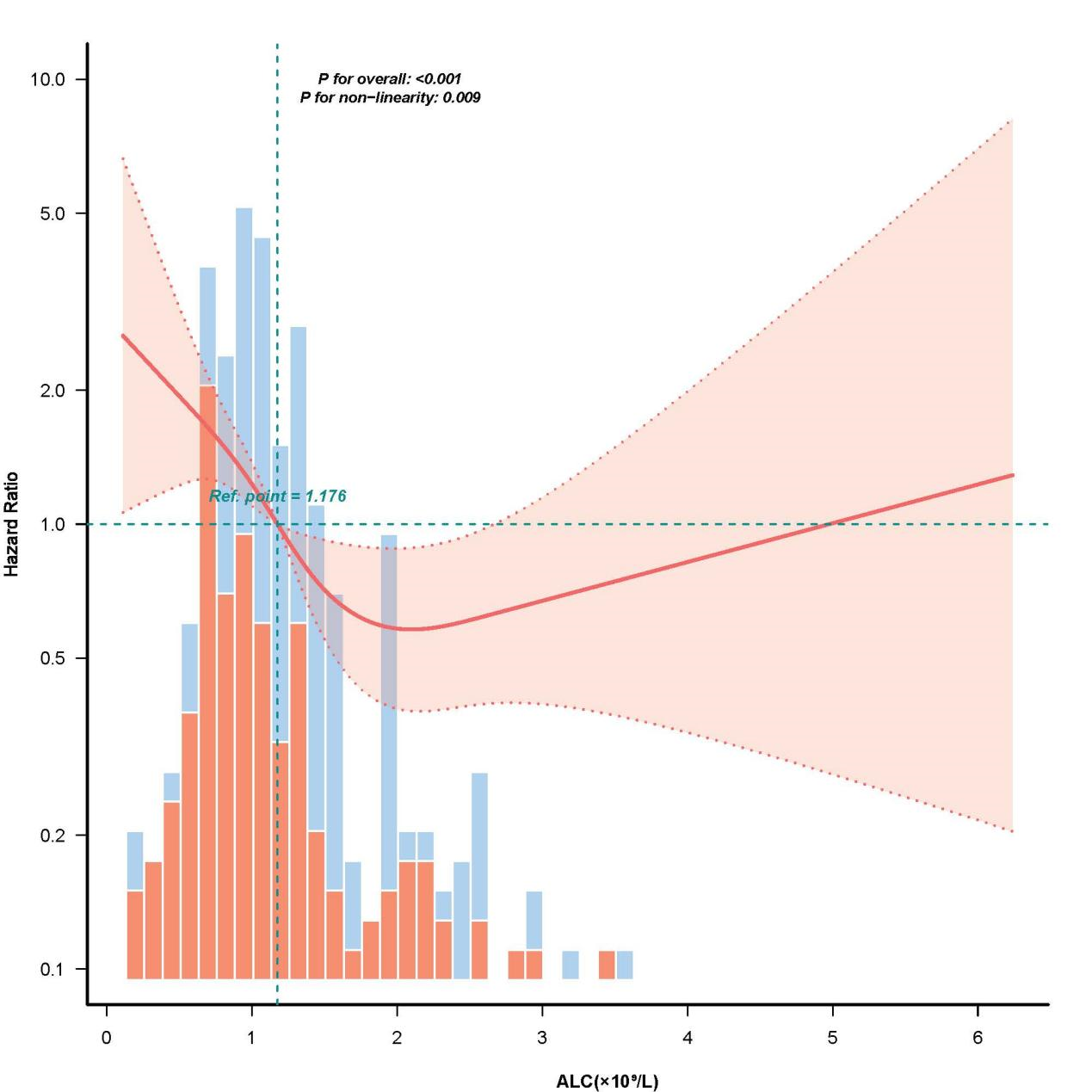
Figure 1 illustrates a nonlinear inverse relationship between ALC and mortality risk in patients with dysphagia. Using a Cox proportional hazards model with spline smoothing, the analysis showed that mortality risk declined sharply as ALC increased from low levels, then gradually plateaued beyond a reference point of ALC = 1.176×10⁹/L.
This association remained significant after full adjustment for demographic, clinical, and biochemical covariates, including age, sex, BMI, PEG status, comorbidities, albumin, hemoglobin, CRP, and TC. The overall trend was statistically significant (p < 0.001), with evidence supporting a nonlinear relationship (p = 0.009), suggesting that the protective effect of ALC is most pronounced at lower ranges.
3.4. Threshold Effect of ALC on Mortality
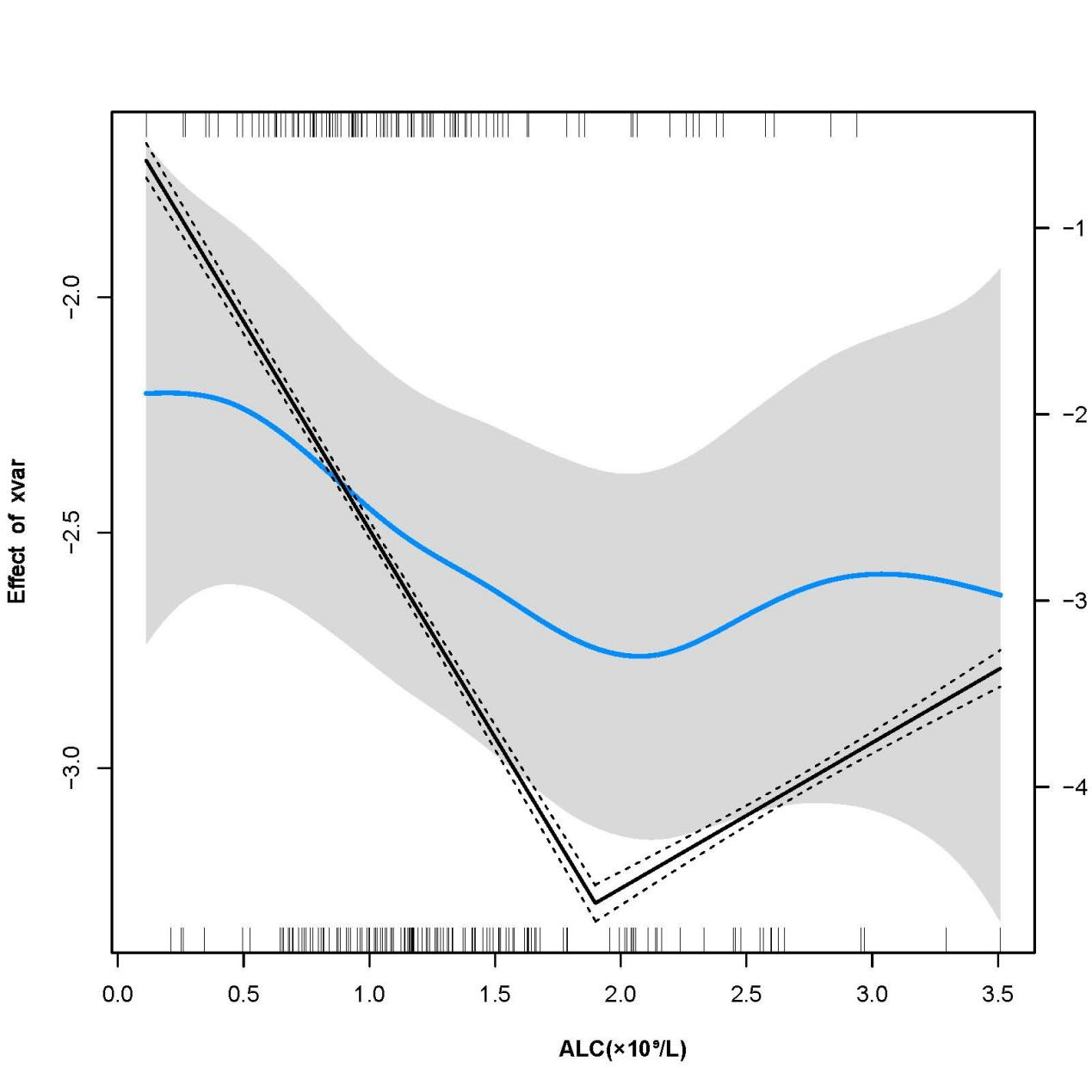
A threshold relationship between ALC and mortality was observed using a piecewise Cox regression model, with an inflection point identified at ALC = 1.899×10⁹/L (Figure 2, Table 3). Below this threshold, increasing ALC was significantly associated with a reduced risk of mortality (slope1 HR = 0.465, 95% CI: 0.257–0.843, p = 0.012), indicating a strong protective effect. In contrast, above the threshold, the association was no longer statistically significant (slope2 HR = 0.904, 95% CI: 0.072–11.38, p = 0.938), suggesting a plateau in the survival benefit. The likelihood ratio test supported the superiority of the two piecewise model over a linear model (p = 0.024), confirming the presence of a threshold effect. While formal non-linearity tests did not reach statistical significance (p = 0.085 and p = 0.152), the overall pattern supports a biologically meaningful cutoff, with the greatest mortality risk reduction observed among individuals with initially low ALC.
3.5. Survival Outcomes Stratified by ALC Tertiles
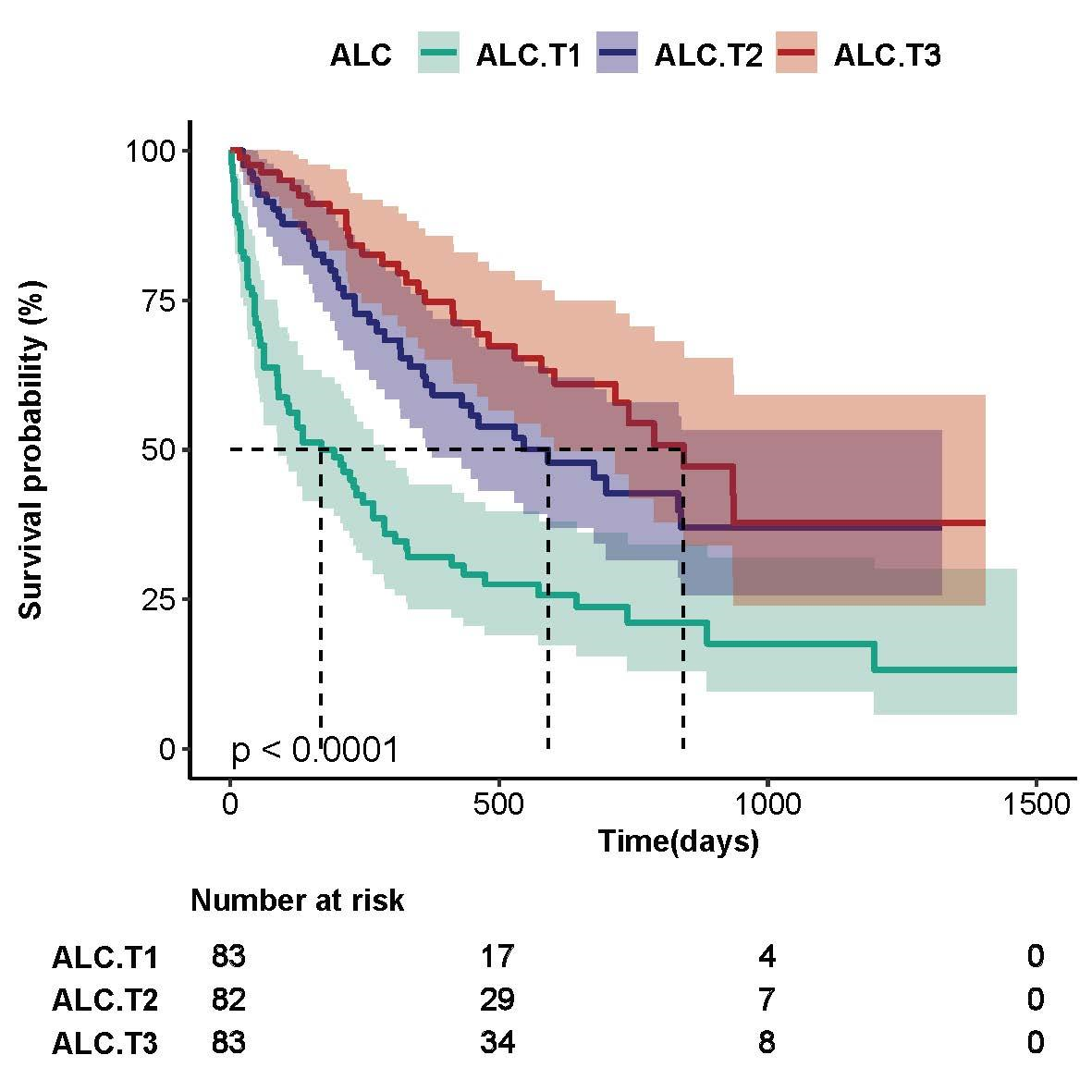
Kaplan–Meier survival analysis stratified by ALC tertiles revealed significant prognostic differences in patients with dysphagia (p < 0.0001; Figure 3). The cohort demonstrated a clear dose-dependent survival advantage with increasing ALC levels: the highest tertile (T3) exhibited superior survival outcomes compared to intermediate (T2) and lowest (T1) tertiles. This graded relationship suggested ALC may serve as an important prognostic biomarker in dysphagia patients.
3.6. Subgroup Analysis of ALC and Mortality
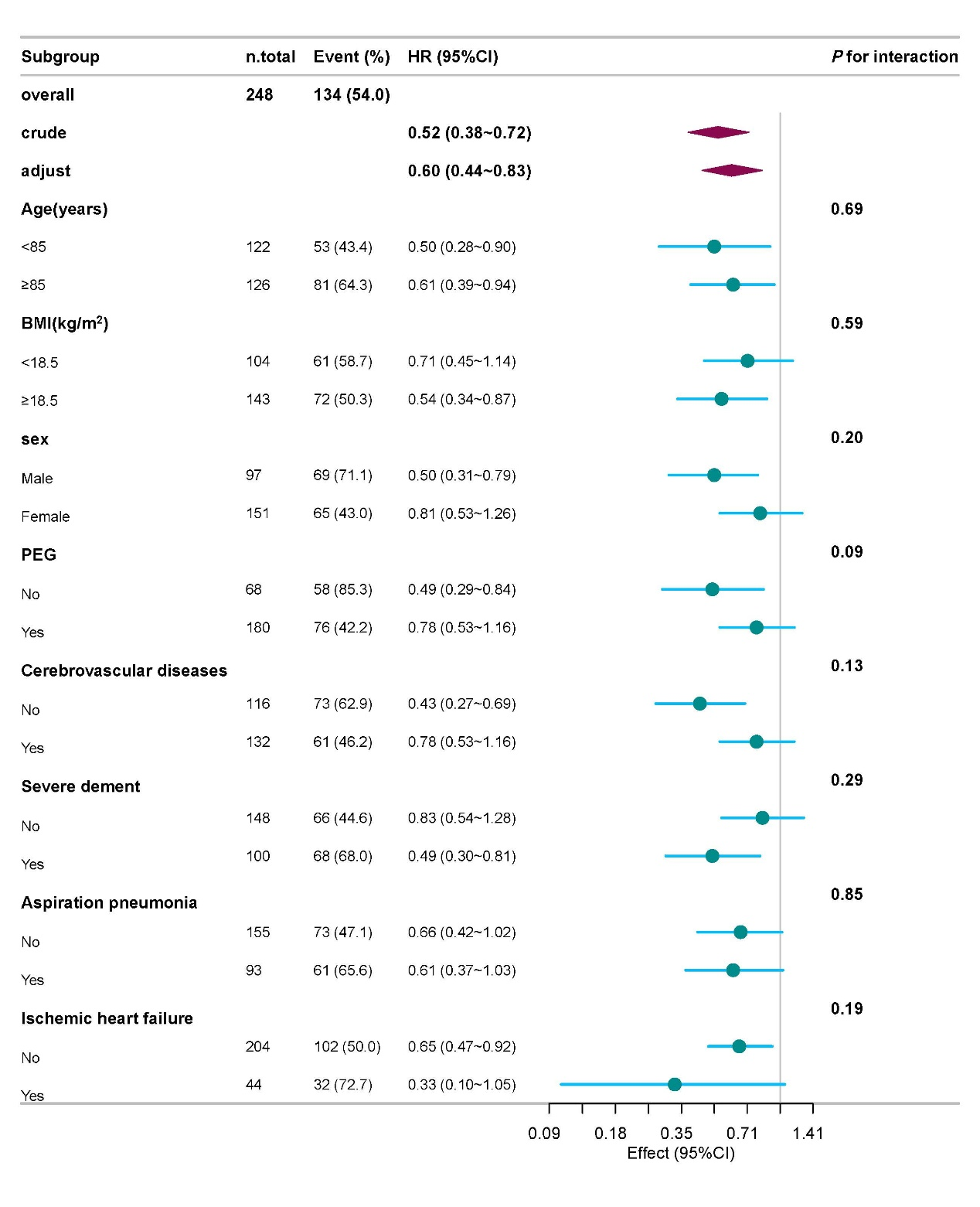
The protective association between ALC and reduced mortality remained consistent across all prespecified subgroups (Figure 4). In stratified analyses by age (<85 vs ≥85 years), sex, BMI (<18.5 vs ≥18.5 kg/m²), PEG use, and comorbidities (including CI, dement, asp, IHD), the hazard ratios consistently favored higher ALC levels (all points estimates <1.0). Formal interaction testing revealed no significant effect modification by any of these variables, demonstrating the robustness of ALC’s prognostic value across diverse clinical populations. These findings suggest that the inverse ALC-mortality relationship is independent of key patient characteristics in this dysphagia cohort.
4. Discussion
Dysphagia, a prevalent functional disorder among elderly populations, poses significant clinical and economic burdens due to its association with severe complications such as malnutrition and aspiration pneumonia, which markedly increase hospitalization rates, mortality, and strain on healthcare systems worldwide. This study is the first to systematically evaluate the prognostic value of ALC in elderly dysphagia patients, addressing a critical gap in biomarker research for this population. Our findings reveal strong correlations between ALC and key inflammatory-nutritional markers, including CRP and albumin (both p < 0.001), suggesting ALC’s potential as a surrogate marker for the malnutrition-inflammation complex to streamline clinical assessment. Given its routine availability in standard blood tests, cost-effectiveness, and simplicity, ALC is particularly viable for resource-limited primary care settings. Through restricted cubic spline modeling, we identified an optimal prognostic ALC threshold (1.899 × 10⁹/L) with superior risk-stratification utility. Multivariate Cox regression confirmed ALC’s independent predictive value after adjusting for confounders (HR = 0.60, p = 0.002), offering clinicians a more objective and reliable tool than traditional nutritional assessments. Consequently, we recommend incorporating ALC into routine monitoring and implementing stepwise nutritional interventions guided by ALC threshold to optimize patient management.
Our findings are highly consistent with numerous previous studies. In acute critical illnesses and infectious diseases, ALC has been widely reported as a predictor of mortality. A study showed that decreased ALC in patients with community acquired pneumonia was not only associated with prolonged hospital stays but also increased the incidence of complications [13]. Jiang et al. further indicated that combining ALC levels with SOFA scores could enhance the accuracy of predicting early mortality risk in patients with sepsis [14], highlighting its value in acute systemic inflammatory responses. Jemaa et al. found in hospitalized COVID19 patients that the combined use of ALC and neutrophil to lymphocyte ratio effectively improved the identification of severe outcomes, revealing the broad potential of ALC in prognostic evaluation of emerging infectious diseases [15]. In oncology populations, ALC has also been validated as an independent prognostic factor in multiple studies. Afghahi et al. demonstrated that lower ALC in breast cancer patients was significantly associated with decreased five years overall survival rates [16], emphasizing its critical role in antitumor immune surveillance. Saito et al.'s study on gastric cancer patients found that low preoperative ALC significantly increased postoperative recurrence risk [17]. In populations with geriatric syndromes, ALC also holds significant predictive value. Rokni et al. provided further support for this conclusion, showing that an ALC lower than 1100/μL had good sensitivity and specificity for predicting mortality risk among elderly hospitalized patients with acute illnesses, making it practically valuable in clinical settings [18]. Andreu et al. noted that in elderly hypertensive patients with malnutrition, low ALC significantly correlated with in hospital mortality, indicating sensitivity in assessing immune-nutritional interactions [19].
Notably, previous studies have incorporated ALC into risk prediction models for elderly patients with dysphagia, achieving favorable outcomes. Wang et al. developed a prognostic scoring system specifically for elderly East Asian dysphagia patients by incorporating seven key clinical variables: ALC, age, gender, PEG use, chronic heart failure, caloric intake, and severe pneumonia. Using LASSO regression for variable selection followed by Cox proportional hazards modeling, they constructed a robust predictive model demonstrating excellent discriminatory ability, with AUC values of 0.833 for 1-year survival, 0.871 for 2-year survival, and 0.886 for 3-year survival. These results highlight ALC’s particularly strong value within this comprehensive scoring system for this vulnerable population [20]. Building on this foundation, our study significantly advanced the field by performing nonlinear analyses on the same cohort to identify optimal prognostic threshold for ALC in dysphagia patients. Through piecewise Cox regression and restricted cubic spline modeling, we established a precise ALC cutoff value of 1.899×10⁹/L that demonstrated maximal discriminatory power for mortality risk. Comprehensive survival analyses revealed significantly divergent outcomes across this threshold, with consistent protective effects observed across all evaluated subgroups without significant interaction effects. These findings not only validated ALC's robust association with mortality but also enhance its clinical utility by providing population-specific prognostic thresholds that overcome the limitations of conventional linear modeling approaches. The identified cutoff offers improved precision for risk stratification and represents a practical tool for clinical decision-making in East Asian elderly populations with dysphagia.
In terms of biological mechanisms, reduced ALC may contribute to increased mortality risk via multiple pathways. Firstly, T lymphocytes, particularly CD4+ and CD8+ subsets, play crucial roles in adaptive immune regulation, anti-infective, and antitumor responses [21]. Lymphocytopenia leads to immune surveillance defects, predisposing patients to severe infections such as pneumonia and bacteremia [22]. Secondly, decreased ALC often coincides with an imbalance between proinflammatory factors (e.g., IL6, TNFα) and immunosuppressive factors (e.g., IL10, TGFβ) [23], impairing pathogen clearance and potentially triggering systemic inflammatory response syndrome and multiple organ dysfunction. Thirdly, inflammation and stress responses can activate apoptosis pathways, increase caspase3 expression [24], suppress BCL2 [25], and induce extensive lymphocyte apoptosis. Meanwhile, thymic involution and reduced hematopoietic stem cell reserves in elderly individuals limit immune cell regeneration [26]. Additionally, gut microbiota dysbiosis may further weaken host immunity by compromising mucosal barriers and inducing systemic inflammation [27]. These mechanisms collectively form a vicious cycle of "immune paralysis—infection—inflammatory dysregulation", ultimately elevating mortality risk [28].
While this study provides important insights into ALC’s prognostic value in dysphagia, several limitations warrant consideration. First, the retrospective design inherently limits control for potential confounders such as medication regimens (e.g., immunosuppressants or immunomodulators) and undocumented clinical complications, which may influence both lymphocyte counts and mortality outcomes. Second, although the sample size (n=248) met minimum requirements for primary analyses, the precision of subgroup estimates-particularly for the identified ALC threshold (ALC=1.899×10⁹/L)—remains vulnerable to type II errors, requiring validation in larger, multicenter cohorts. Third, as all data originated from a single-center database, the generalizability of findings to other populations (e.g., non-elderly patients or different healthcare systems) remains unverified. Finally, as this was a secondary analysis of existing registry data, we had no control over the original data collection process or study design.
Methodologically, our reliance on baseline ALC measurements fails to capture dynamic immunological changes during disease progression, potentially overlooking critical temporal relationships. Furthermore, while we established a robust statistical association, the study lacks mechanistic exploration—future research should integrate multiomics approaches (e.g., paired cytokine profiling and nutritional biomarkers) to elucidate whether the ALC-mortality relationship reflects causal pathways or represents an epiphenomenon of systemic inflammation.
5. Conclusion
In conclusion, this study provides the first evidence that ALC serves as an independent, nonlinear predictor of mortality in elderly dysphagia patients, with threshold effects providing quantitative evidence for clinical risk stratification. Despite methodological limitations, as a low cost and easily accessible indicator, ALC offers new perspectives for individualized nutritional intervention decisions. Prospective studies are needed to validate its predictive efficacy and explore the potential value of immune-nutritional combined treatment strategies based on ALC to improve patient outcomes.
Funding:
This work was supported by Clinical and Research Foundation of The Seventh Affiliated Hospital, Sun Yat-sen University (NO. ZSQYLCKYJJ202319).
References
- Smukalla SM, Dimitrova I, Feintuch JM, Khan A. Dysphagia in the elderly. Current treatment options in gastroenterology. 2017;15:382-96.[CrossRef] [PubMed]
- Takizawa C, Gemmell E, Kenworthy J, Speyer R. A systematic review of the prevalence of oropharyngeal dysphagia in stroke, Parkinson’s disease, Alzheimer’s disease, head injury, and pneumonia. Dysphagia. 2016;31(3):434-41.[CrossRef] [PubMed]
- Aslam M, Vaezi MF. Dysphagia in the elderly. Gastroenterology & hepatology. 2013;9(12):784.
- Carrión S, Costa A, Ortega O, Verin E, Clavé P, Laviano A. Complications of oropharyngeal dysphagia: malnutrition and aspiration pneumonia. Dysphagia: Diagnosis and treatment. 2019:823-57.[CrossRef]
- Rahnemai-Azar AA, Rahnemaiazar AA, Naghshizadian R, Kurtz A, Farkas DT. Percutaneous endoscopic gastrostomy: indications, technique, complications and management. World journal of gastroenterology: WJG. 2014;20(24):7739.[CrossRef] [PubMed]
- Guo C, Zheng P, Chen S, Wei L, Fu X, Fu Y, et al. Association between the C-reactive protein/albumin ratio and mortality in older Japanese patients with dysphagia. Frontiers in nutrition. 2024;11:1370763.[CrossRef] [PubMed]
- Li G, Zhou X, Hou X, Luo Y, Li D, Fan T. Association between serum albumin and mortality in Japan older people with dysphagia. Scientific reports. 2022;12(1):12089.[CrossRef] [PubMed]
- Zahorec R. Neutrophil-to-lymphocyte ratio, past, present and future perspectives. Bratisl Lek Listy. 2021;122(7):474-88.[CrossRef] [PubMed]
- Imtiaz F, Shafique K, Mirza SS, Ayoob Z, Vart P, Rao S. Neutrophil lymphocyte ratio as a measure of systemic inflammation in prevalent chronic diseases in Asian population. International archives of medicine. 2012;5(1):1-6.[CrossRef] [PubMed]
- Brestoff JR, Artis D. Immune regulation of metabolic homeostasis in health and disease. Cell. 2015;161(1):146-60.[CrossRef] [PubMed]
- Wang Y, Dong C, Han Y, Gu Z, Sun C. Immunosenescence, aging and successful aging. Frontiers in immunology. 2022;13:942796.[CrossRef] [PubMed]
- Masaki S, Kawamoto T. Comparison of long-term outcomes between enteral nutrition via gastrostomy and total parenteral nutrition in older persons with dysphagia: A propensity-matched cohort study. PloS one. 2019;14(10):e0217120.[CrossRef] [PubMed]
- Cilloniz C, Peroni HJ, Gabarrús A, García-Vidal C, Pericàs JM, Bermejo-Martin J, et al., editors. Lymphopenia is associated with poor outcomes of patients with community-acquired pneumonia and sepsis. Open Forum Infectious Diseases; 2021: Oxford University Press US.[CrossRef] [PubMed]
- Jiang W, Zhong W, Deng Y, Chen C, Wang Q, Zhou M, et al. Evaluation of a combination “lymphocyte apoptosis model” to predict survival of sepsis patients in an intensive care unit. Bmc Anesthesiology. 2018;18:1-10.[CrossRef] [PubMed]
- Jemaa AB, Salhi N, Othmen MB, Ali HB, Guissouma J, Ghadhoune H, et al. Evaluation of individual and combined NLR, LMR and CLR ratio for prognosis disease severity and outcomes in patients with COVID-19. International immunopharmacology. 2022;109:108781.[CrossRef] [PubMed]
- Afghahi A, Purington N, Han SS, Desai M, Pierson E, Mathur MB, et al. Higher absolute lymphocyte counts predict lower mortality from early-stage triple-negative breast cancer. Clinical Cancer Research. 2018;24(12):2851-8.[CrossRef] [PubMed]
- Saito H, Kono Y, Murakami Y, Shishido Y, Kuroda H, Yamamoto M, et al. Prognostic significance of pre-and postoperative lymphocyte counts in patients with gastric cancer. Digestive surgery. 2019;36(2):137-43.[CrossRef] [PubMed]
- Rokni M, Ahmadikia K, Asghari S, Mashaei S, Hassanali F. Comparison of clinical, para-clinical and laboratory findings in survived and deceased patients with COVID-19: diagnostic role of inflammatory indications in determining the severity of illness. BMC infectious diseases. 2020;20:1-11.[CrossRef] [PubMed]
- Andreu-Ballester JC, Pons-Castillo A, González-Sánchez A, Llombart-Cussac A, Cano MJ, Cuéllar C. Lymphopenia in hospitalized patients and its relationship with severity of illness and mortality. PloS one. 2021;16(8):e0256205.[CrossRef] [PubMed]
- Wang J, Huang S, Huang L, Tang Y. Dynamic Prognostic Score to Predict Survival in East Asian Elderly Populations with Dysphagia. Gerontology. 2023;69(12):1404-13.[CrossRef] [PubMed]
- Liu Z, Lv J, Dang Q, Liu L, Weng S, Wang L, et al. Engineering neoantigen vaccines to improve cancer personalized immunotherapy. International journal of biological sciences. 2022;18(15):5607.[CrossRef] [PubMed]
- Adrie C, Lugosi M, Sonneville R, Souweine B, Ruckly S, Cartier J-C, et al. Persistent lymphopenia is a risk factor for ICU-acquired infections and for death in ICU patients with sustained hypotension at admission. Annals of intensive care. 2017;7:1-10.[CrossRef] [PubMed]
- Luo Y, Lin H. Inflammation initiates a vicious cycle between obesity and nonalcoholic fatty liver disease. Immunity, inflammation and disease. 2021;9(1):59-73.[CrossRef] [PubMed]
- Gu W, Zhang Q, Yin W, Li C. Caspase-3–mediated splenic lymphocyte apoptosis in a porcine model of cardiac arrest. The American journal of emergency medicine. 2014;32(9):1027-32.[CrossRef] [PubMed]
- Singh R, Letai A, Sarosiek K. Regulation of apoptosis in health and disease: the balancing act of BCL-2 family proteins. Nature reviews Molecular cell biology. 2019;20(3):175-93.[CrossRef] [PubMed]
- Shevyrev D, Tereshchenko V, Berezina TN, Rybtsov S. Hematopoietic stem cells and the immune system in development and aging. International Journal of Molecular Sciences. 2023;24(6):5862.[CrossRef] [PubMed]
- Stolfi C, Maresca C, Monteleone G, Laudisi F. Implication of intestinal barrier dysfunction in gut dysbiosis and diseases. Biomedicines. 2022;10(2):289.[CrossRef] [PubMed]
- Nakamori Y, Park EJ, Shimaoka M. Immune deregulation in sepsis and septic shock: reversing immune paralysis by targeting PD-1/PD-L1 pathway. Frontiers in immunology. 2021;11:624279.[CrossRef] [PubMed]