

Background: Epigenetic aging, measured through various DNA methylation-based clocks, may have implications for predicting disease risk. However, the sensitivity of different epigenetic clocks that have emerged as biomarkers for biological aging and in predicting physical and mental health outcomes remains uncertain. This study examines the age and sex-adjusted associations between multiple epigenetic age acceleration measures and three key health indicators, including self-rated health, depressive symptoms, and body mass index (BMI), in a nationally representative sample of U.S. middle-aged and older adults. Methods: We analyzed data from 4,018 adults in the 2016 wave of the Health and Retirement Study (HRS), which included several epigenetic age acceleration measures: HORVATH, HANNUM, LEVINE, HORVATHSKIN, LIN, WEIDNER, VIDALBRALO, YANG, ZHANG, BOCKLANDT, GARAGNANI, and GRIMAGE. Linear regression models were used to assess the associations between epigenetic age acceleration and self-rated health (poor health), depressive symptoms, and BMI, adjusting for age and sex. Results: We found significant positive associations between epigenetic age acceleration and worse self-rated health, higher depressive symptoms, and increased BMI. However, these associations varied across different epigenetic clocks, with some measures potentially having more consistent utility for specific health outcomes than others. Conclusion: Epigenetic age acceleration is linked to poorer self-rated health, greater depressive symptoms, and higher BMI, but choosing which epigenetic clock(s) to use is also important. These findings underscore the need to consider multiple epigenetic aging markers when assessing health risks and highlight the potential for particular clocks to serve as more sensitive indicators of physical and mental health outcomes.
Depression, Subjective Health, Obesity, and Multimorbidity are Associated with Epigenetic Age Acceleration
January 02, 2025
February 19, 2025
March 05, 2025
April 03, 2025
This is an Open Access article, distributed under the terms of the Creative Commons Attribution 4.0 International License (http://creativecommons.org/licenses/by/4.0/), which permits unrestricted use, distribution and reproduction in any medium or format, provided the original work is properly cited.
Abstract
1. Introduction
Epigenetic changes, particularly DNA methylation, have emerged as critical biomarkers of aging and disease susceptibility [1, 2, 3, 4]. Unlike genetic variations, which are largely static, epigenetic modifications are dynamic and influenced by both biological and environmental factors [1, 2, 3, 4, 5, 6, 7, 8, 9, 10]. These changes can regulate gene expression without altering the DNA sequence, playing a crucial role in development, aging, and disease processes [11]. Several DNA methylation-based clocks, such as Horvath’s [12, 13] and Hannum’s [14] epigenetic clocks, have been developed to estimate biological age and provide insight into individual differences in health trajectories. However, the effects of epigenetic aging are nuanced, with some clocks more predictive of specific health outcomes than others [15, 16, 17].
Epigenetic aging is closely linked to chronological age [18], with DNA methylation levels at specific CpG sites serving as robust predictors of biological aging. Generally, older individuals exhibit greater epigenetic drift, which is associated with increased disease risk and mortality. However, sex differences in epigenetic patterns are also well-documented [19, 20]. Women tend to have lower epigenetic age acceleration than men, which may partially explain their longer life expectancy. Additionally, sex hormones influence DNA methylation patterns, potentially contributing to sex-based disparities in health outcomes [21, 22].
Growing evidence suggests that epigenetic alterations are associated with key physical health indicators, including body mass index (BMI) [23, 24, 25] and self-rated health [26, 27, 28]. DNA methylation patterns have been linked to metabolic dysregulation, with accelerated epigenetic aging correlating with higher BMI and increased risk of obesity-related diseases [29, 30]. Additionally, individuals with higher epigenetic age acceleration tend to report poorer self-rated health, even after adjusting for age and sex [18, 31]. These findings highlight the potential utility of epigenetic biomarkers in understanding disparities in physical health outcomes.
Epigenetic modifications are also implicated in mental health outcomes, particularly depression [32, 33]. Studies suggest that individuals with greater epigenetic age acceleration exhibit higher depressive symptoms, potentially due to dysregulated stress-response systems and inflammation [32, 33]. DNA methylation changes in stress-related genes, such as NR3C1 (glucocorticoid receptor) and SLC6A4 (serotonin transporter), have been associated with increased susceptibility to mood disorders [34]. Importantly, these associations persist even after controlling for age and sex [20, 35, 36, 37], suggesting an independent role of epigenetic aging in mental health vulnerability such as anxiety [38] and suicidality [39, 40, 41].
1.1. Aims and Hypotheses
Using data from the 2016 wave of the Health and Retirement Study (HRS) [42, 43, 44, 45, 46, 47, 48], this study aims to examine the association between epigenetic changes and health outcomes across multiple domains. The first aim is to investigate the relationship between epigenetic changes and physical health indicators, specifically BMI and self-rated health, after adjusting for age and sex. It is hypothesized that higher epigenetic age acceleration will be associated with higher BMI and worse self-rated health. The second aim is to examine the association between epigenetic changes and mental health, focusing on depressive symptoms while controlling for age and sex. It is expected that greater epigenetic age acceleration will be linked to higher depressive symptoms. The third aim is to explore whether different epigenetic clocks exhibit differential associations with physical and mental health outcomes. Some epigenetic clocks may be more strongly predictive of physical health, while others may be more relevant to mental health outcomes. By analyzing these relationships, this study seeks to enhance our understanding of how epigenetic aging contributes to disparities in physical and mental health among older adults. The findings may have implications for the early identification of at-risk individuals and the development of targeted interventions to mitigate health deterioration associated with accelerated epigenetic aging.
2. Methods
2.1. Data Source
This study utilized data from the Health and Retirement Study (HRS) [42, 43, 44, 45, 46, 47, 48], a nationally representative longitudinal cohort study of individuals aged 50 and older. The HRS (Health and Retirement Study) is sponsored by the National Institute on Aging (grant number NIA U01AG009740) and is conducted by the University of Michigan. Detailed information on the study’s design and methodology has been previously documented [42, 43, 44, 45, 46, 47, 48].
Established in 1992, HRS conducts biennial interviews to collect data on physical and mental health, employment status, family dynamics, and financial status. In 2006, HRS introduced the Psychosocial and Lifestyle Questionnaire, also known as the Leave Behind Questionnaire (LBQ), which is administered to a randomly selected 50% of the total HRS sample at each biennial wave. This self-reported survey gathers data on well-being, social relationships, and lifestyle factors.
In 2016, participants who completed an HRS interview were invited to take part in the Venous Blood Study (VBS; n=9,934), an ancillary study that collected biological samples. DNA methylation was analyzed for a subset of individuals who provided blood samples (n=4,018). For this analysis, the sample was further restricted to 2,689 participants who had complete data on psychosocial stress (from the 2010 or 2012 waves), all covariates, and DNA methylation from the 2016 wave.
2.2. DNA Methylation and Epigenetic Aging
We used public HRS data for this study [49]. DNA methylation (DNAm) is a biological mechanism that links exposure to environmental and life stressors with health outcomes, particularly those associated with aging. DNAm occurs through the addition of a methyl group to CpG sites in DNA, influencing gene expression without altering the genetic sequence. Researchers have identified specific genomic regions where methylation patterns are correlated with chronological age and, more recently, with age-related health conditions.
Epigenetic clocks, which typically incorporate methylation data from 100 to 500 CpG sites, estimate biological aging by comparing DNA methylation age to chronological age. These clocks are measured in epigenetic years, with deviations from chronological age suggesting either accelerated or decelerated aging. A total of 13 epigenetic clocks have been developed using Health and Retirement Study (HRS) data. To ensure reliability, 11 of these clocks were constructed by both Morgan Levine (Yale) and HRS staff. The GrimAge clock was developed by Jonah Fisher at HRS with assistance from Steve Horvath, while the DunedinPoAm38 clock was created by Thalida Arpawong (University of Southern California) with support from Karen Sugden (Duke University). A detailed comparison of 11 of these clocks, including their CpG characteristics, tissue specificity, and gene regulatory networks, has been documented by Levine and colleagues (Liu, Leung, & Levine, 2019).
2.3. HRS Methylation Sample and Blood Collection
DNA methylation assays were conducted on a non-random subset of 4,104 individuals who participated in the 2016 Venous Blood Study (VBS). This sample includes all participants from the 2016 Healthy Cognitive Aging Project (HCAP) who provided blood samples, younger individuals designated for future HCAP assessments, and a selection of non-HCAP participants. The final analytical sample consists of 4,018 individuals who passed quality control measures.
The sample is 58% female, with a median age of 68.7 years. It is racially diverse, including 66.4% Non-Hispanic White (n = 2,669), 16.4% Non-Hispanic Black (n = 658), 14.1% Hispanic (n = 567), and 3% Non-Hispanic individuals of other racial backgrounds (n = 124). Socioeconomic diversity is also reflected in the educational attainment of participants: 16.8% had less than a high school education, 52.1% completed high school or obtained a GED, 5.9% attended some college, and 24.1% completed a college degree or higher.
The 2016 VBS blood collection was managed by Hooper Holmes Health & Wellness. Participants who provided consent were contacted to schedule an appointment for blood collection. Phlebotomists received collection materials before their visits and aimed to collect blood samples within four weeks of the HRS core interview. Although fasting was recommended, it was not mandatory, and fasting status was recorded for each participant. A total of 50.5 mL of blood was collected in six tubes, including one CPT tube (8 mL), three serum separator tubes (SST, 10 mL each), one EDTA whole blood tube (10 mL), and one PAXgene RNA tube (2.5 mL). SST tubes were centrifuged in the field before overnight shipment to the CLIA-certified Advanced Research and Diagnostic Laboratory at the University of Minnesota. Samples were processed within 24 hours of arrival at the laboratory, ensuring they remained viable for analysis. DNA methylation analysis was performed using DNA extracted from the EDTA tube.
2.4. DNA Methylation Processing and Quality Control
DNA methylation data were generated using the Infinium MethylationEPIC BeadChip at the University of Minnesota. To ensure accuracy and minimize bias, samples were randomized across plates based on demographic characteristics, including age, sex, race/ethnicity, educational attainment, and cohort membership. A total of 40 blinded duplicate pairs were included in the analysis, with duplicate sample correlations exceeding 0.97 across all CpG sites. Data preprocessing and quality control were conducted using the minfi package in R. Probes were excluded if they exhibited suboptimal performance based on a detection p-value threshold of 0.01. Of the original 866,091 probes, 3.4% (n = 29,431) were removed due to poor performance. Additionally, 58 samples were excluded due to low-quality methylation data. Further exclusions included sex-mismatched samples and control samples (e.g., cell lines and blinded duplicates). High-quality methylation data were available for 97.9% of participants (n = 4,018). Prior to epigenetic clock estimation, missing beta values for methylation probes were imputed using the mean beta value for that probe across all samples.
2.5. Weighting and Sample Adjustments
To account for differential participation in the Venous Blood Study, individuals with at least one valid VBS measurement (VBS16VALID) were assigned a sample weight. These weights were adjusted for varying probabilities of participation by dividing the HRS 2016 sample weight by the predicted probability of providing a valid venous blood sample among community-dwelling HRS respondents born before 1960, excluding members of the LBB cohort. Interim weights were trimmed at the 1st and 99th percentiles before being post-stratified to the entire 2016 HRS sample based on age, sex, and race/ethnicity. Two respondent-level weights were developed for the VBS 2016 Innovative Subsample.
2.6. DNA Methylation Data
DNA methylation was assessed from whole blood samples using the Illumina Infinium HumanMethylationEPIC BeadChip in a socioeconomically and racially diverse subset of HRS participants. To minimize confounding due to demographic variability, samples were randomized across assay plates based on key variables such as age, sex, education, and race/ethnicity. Quality control procedures included removing sex mismatches and probes with low median intensity (<8.5). Probes with missing data in more than 5% of samples were excluded, as were those with detection p-values exceeding 0.01. Additionally, cross-reactive probes targeting repetitive sequences were removed to ensure specificity. Following these quality control measures, 789,656 CpG sites across 4,018 samples were retained for analysis. Methylation levels at each CpG site were quantified using beta values, which represent the proportion of methylation at a given site, making them biologically interpretable. To minimize the influence of extreme values, methylation levels exceeding three times the interquartile range (IQR) were winsorized. The Houseman Method was employed to estimate white blood cell proportions and account for potential confounding by cell composition. Thirteen DNA methylations used in this study included HORVATH, HANNUM, LEVINE, HORVATH-SKIN, LIN, WEIDNER, VIDALBRALO, YANG, ZHANG, BOCKLANDT, GARAGNANI, and GRIMAGE.
Demographic Covariate Data: Following previous research, key covariates included in regression models were age and sex (categorized as male or female). These variables were derived from baseline measurement.
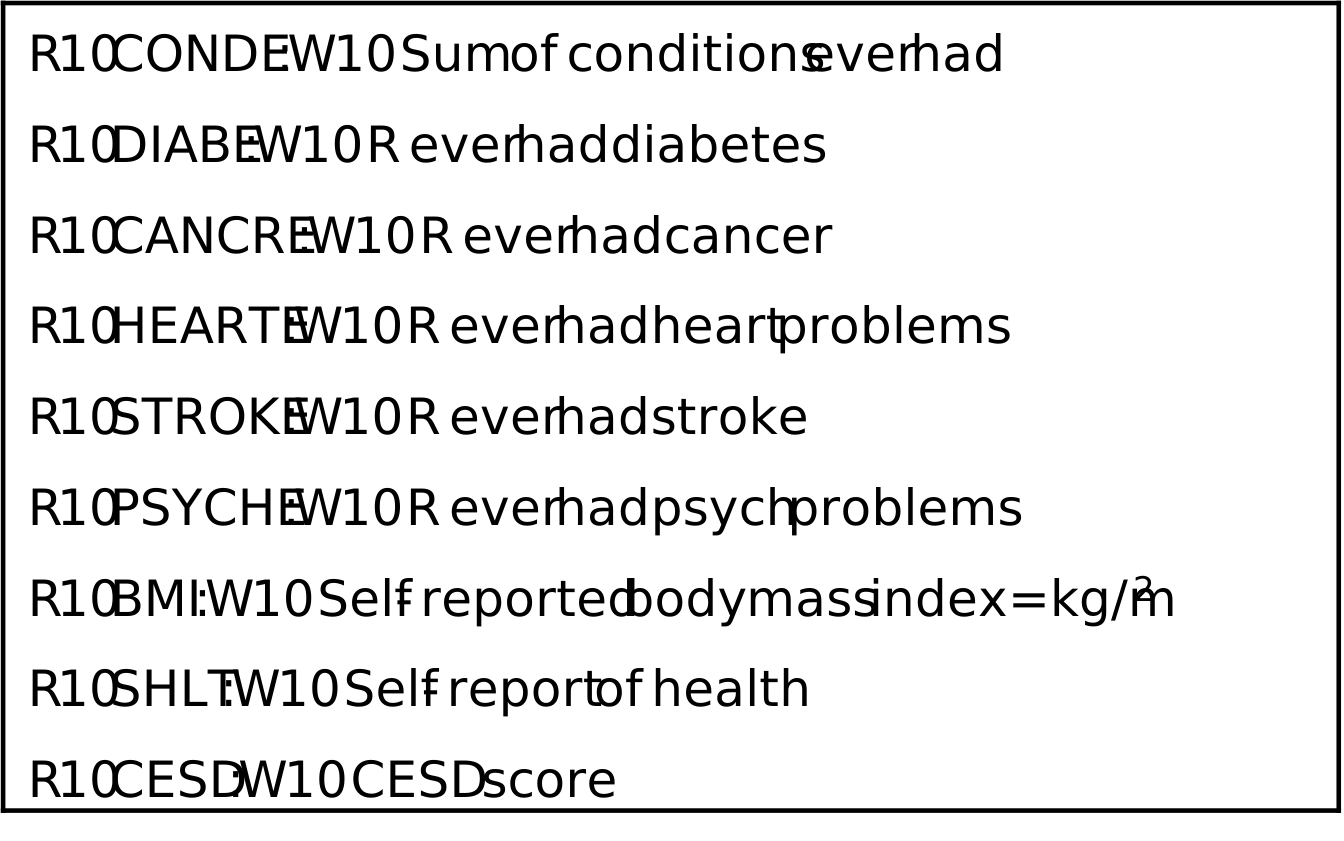
Chronic Conditions: At Wave 10 (W10), the total number of chronic conditions ever diagnosed was assessed as a continuous count variable based on self-reported responses. Participants indicated whether they had been diagnosed with specific health conditions over their lifetime, with higher values representing a greater burden of chronic illness. (Table 1)
Diabetes: A dichotomous self-reported measure was used to assess whether respondents had ever been diagnosed with diabetes at W10. Participants were asked if a doctor had ever informed them that they had diabetes, with responses coded as 1 for "yes" and 0 for "no." (Table 1)
Cancer: Cancer history was evaluated as a dichotomous self-reported variable at W10. Participants indicated whether they had ever been diagnosed with cancer, with responses coded as 1 for "yes" and 0 for "no." (Table 1)
Heart Disease: A dichotomous self-reported measure was used to assess whether respondents had ever experienced heart problems at W10. Participants reported whether they had ever been diagnosed with any form of heart disease, with responses coded as 1 for "yes" and 0 for "no." (Table 1)
Stroke: At W10, participants were asked whether they had ever been diagnosed with a stroke. This self-reported measure was coded dichotomously, with 1 indicating a history of stroke and 0 indicating no history of stroke (Table 1).
Psychological Disorders: A dichotomous self-reported measure assessed whether participants had ever been diagnosed with a psychological disorder at W10. Respondents indicated whether they had been told by a doctor or health professional that they had a mental health condition, with responses coded as 1 for "yes" and 0 for "no." (Table 1)
Body Mass Index (BMI): BMI was calculated using participants’ self-reported height and weight at W10. Higher BMI scores indicate greater body mass, with BMI measured in kg/m² (Table 1).
Self-Rated Health (SRH): Self-rated health (SRH) was assessed using a conventional five-category scale ranging from "excellent" to "poor" at W10. Participants rated their overall health status based on their perceptions, with responses categorized as excellent, very good, good, fair, or poor (Table 1).
Depressive Symptoms: Depressive symptoms were measured using the Center for Epidemiologic Studies Depression Scale (CESD) at W10. The CESD scale consists of eight yes/no items assessing the presence of depressive symptoms over the past week. Scores range from 0 to 8, with higher values indicating greater depressive symptom severity (Table 1).
Table 1. Health variables used in the study
2.7. Statistical Analysis
Analyses were conducted in two stages. First, bivariate associations between epigenetic age acceleration and health outcomes were examined without adjusting for covariates. Pearson correlation tests were used to assess these relationships. Next, partial correlation analyses were conducted, controlling for relevant covariates to account for potential confounding. A heatmap was generated to visually depict the correlation patterns among epigenetic age acceleration measures and health outcomes.
3. Results
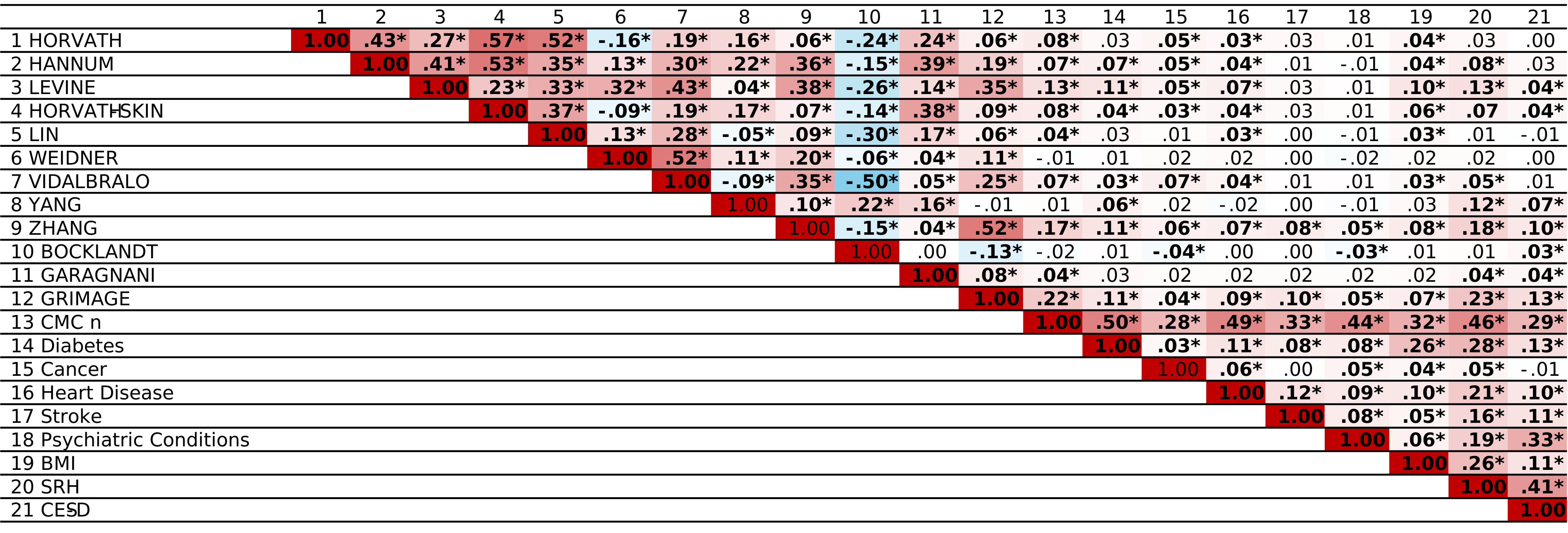
Table 2 summarizes our partial correlation test results that controlled for age and sex. This analysis examined the associations between multiple epigenetic age acceleration measures and key health outcomes, including self-rated health, depressive symptoms, and BMI, while adjusting for age and sex. The findings indicate significant associations between several epigenetic clocks and health measures, although the strength and consistency of these associations varied across different clocks.
Epigenetic age acceleration, as measured by HORVATH DNAm Age, HANNUM DNAm Age, and LEVINE DNAm Age, was positively associated with poorer self-rated health, higher depressive symptoms, and increased BMI. The associations were particularly strong for HORVATH_DNAMAGE, which demonstrated the highest correlations with BMI (r=.24), self-reported poor health (r=.30), and depressive symptoms (r=.20). Similarly, HANNUM DNAm Age was associated with BMI (r=.26), self-rated health (r=.28), and depressive symptoms (r=.13). LEVINE DNAm Age also showed consistent associations across these outcomes, though the magnitude of correlations was slightly lower than HORVATH and HANNUM clocks.
Other epigenetic clocks showed more variable associations. HORVATHSKIN DNAm Age and LIN DNAm Age were generally weaker predictors of health outcomes, with some associations reaching significance but at lower magnitudes. For example, LIN DNAm Age showed a moderate correlation with BMI (r=.17) but weaker associations with self-rated health (r=.10) and depressive symptoms (r=.05). Similarly, WEIDNER DNAm Age was significantly correlated with BMI (r=.22) but showed weaker relationships with mental health outcomes.
VIDALBRALO DNAm Age demonstrated unique associations, with strong correlations with BMI (r=.35) and self-rated health (r=.25), but a notably negative correlation with history of stroke (r=−.50), suggesting potential differences in how certain epigenetic clocks capture aging-related health risks. In contrast, DNAMGRIMAGE had significant correlations with BMI (r=.23), self-rated health (r=.13), and depressive symptoms (r=.06), but its associations were generally weaker compared to HORVATH and HANNUM clocks.
Regarding disease history, several epigenetic clocks were significantly correlated with chronic conditions such as diabetes, heart disease, and psychological disorders. Notably, HORVATH DNAm Age, HANNUM DNAm Age, and LEVINE DNAm Age were all positively associated with the number of chronic conditions ever reported (r=.43,.41,.33, respectively). These associations suggest that accelerated epigenetic aging is linked to a greater burden of chronic illness. Additionally, depressive symptoms, as measured by CESD /scores, were significantly correlated with HORVATH DNAm Age (r=.20), HANNUM DNAm Age (r=.13), and DNAMGRIMAGE (r=.06), further supporting the role of epigenetic aging in mental health outcomes.
Table 2. Heatmap showing age and sex-adjusted associations
4. Discussion
This study aims to investigate the associations between multiple measures of epigenetic age acceleration and key health indicators, including self-rated health, depressive symptoms, and BMI, in a nationally representative sample of U.S. middle-aged and older adults. Specifically, we seek to determine whether accelerated epigenetic aging, as measured by various DNA methylation-based clocks, is consistently associated with poorer physical and mental health outcomes after adjusting for age and sex. Additionally, we aim to assess the variability in predictive strength across different epigenetic clocks to identify which measures may serve as the most reliable indicators of health risks.
Our findings indicate that accelerated epigenetic aging is significantly associated with poorer self-rated health, higher depressive symptoms, and increased BMI. These associations persist even after controlling for age and sex, suggesting that biological aging, as captured through DNA methylation patterns, plays a critical role in shaping both physical and mental health. However, not all epigenetic clocks demonstrated equal sensitivity in predicting these outcomes. Some clocks exhibited more consistent associations with specific health indicators, reinforcing the importance of selecting appropriate epigenetic aging measures when evaluating health risks. These results highlight the potential utility of epigenetic clocks as biomarkers for health disparities and aging-related diseases, suggesting that further research is needed to refine their application in clinical and epidemiological settings.
For example, the HORVATH clock did not exhibit any correlation with depression, psychological disorders, or self-rated health (SRH) and demonstrated only weak correlations with BMI. In contrast, the Zhang clock showed the strongest correlation with the number of chronic medical conditions. Notably, the number of chronic medical conditions was the only health indicator that was significantly associated with all epigenetic clocks. The first multi-tissue epigenetic clock, named Horvath, [50] was developed using 8,000 samples from 82 Illumina DNA methylation array datasets, incorporating data from [51] healthy tissues and cell types to estimate DNA methylation age across diverse biological systems. This clock is based on DNA methylation at 353 CpG sites, forming an aging clock that exhibits a strong correlation with chronological age (r=0.96−0.97). Horvath et al. reported that DNA methylation age acceleration, as measured by this clock, is associated with multiple types of cancer [50].
The concept of "accelerated aging" [51] refers to instances where an individual's biological age, as estimated by DNA methylation patterns, exceeds their chronological age [52]. This phenomenon is often assessed using epigenetic clocks, which are mathematical models that predict biological age based on specific DNA methylation sites [53]. Notably, Horvath developed a widely used multi-tissue epigenetic clock, known as the Horvath clock, which estimates biological age across various tissues and cell types [50]. After Horvath, many other epigenetic clocks have been developed and utilized [8, 54].
Identifying and validating molecular targets for interventions that extend the human health span and lifespan has been a persistent challenge, as most clinical biomarkers fail to capture the fundamental mechanisms of aging. A significant breakthrough in this area has been the development of DNA methylation-based biomarkers, commonly referred to as epigenetic clocks, which provide accurate estimates of biological age across various tissues and throughout the life course. These clocks offer a crucial link between developmental and maintenance processes and biological aging, contributing to a more unified understanding of aging trajectories. By quantifying age-related changes in DNA methylation, epigenetic biomarkers provide a powerful tool to investigate the mechanisms underlying aging and its associated health risks. They have potential applications not only in aging research but also in broader fields such as epidemiology, public health, and personalized medicine. The ability of epigenetic clocks to reflect both genetic and environmental influences on aging makes them particularly valuable for addressing fundamental questions, including why individuals age at different rates and how social and biological factors interact to shape disparities in health and longevity [13].
One of the key applications of epigenetic research is explaining the interaction between genes and the environment in shaping health outcomes. Epigenetics and gene-environment (G × E) interactions have been extensively explored to identify plausible markers, genes, and variants associated with the risk of developing various health conditions. Recent advancements in genomic research on epigenetics and G × E interactions suggest that DNA methylation and other environmentally induced epigenetic changes may play a significant role in these interactions. These mechanisms help explain variations in the effects of the same genetic predisposition on health outcomes. Reviews have highlighted evidence of epigenetic mechanisms, including DNA methylation, microRNAs, and histone modifications, in influencing health and disease [55].
Research utilizing these epigenetic clocks has demonstrated associations between accelerated epigenetic aging and mortality [68, 69]. For example, a study found that increased epigenetic age acceleration, as measured by four different epigenetic clocks, was associated with lower odds of survival to age 90, suggesting a link between accelerated epigenetic aging and reduced longevity [69]. Additionally, studies have documented the performance of epigenetic clocks at birth and identified biological and sociodemographic correlates of epigenetic age acceleration, highlighting the influence of early-life factors on epigenetic aging processes [70, 71]. Furthermore, researchers found that self-rated health—long recognized as a robust predictor of mortality and widely used in studies of health disparities and social determinants of health—is associated with biomarkers across multiple biological systems [85]. These findings suggest that such accelerated aging may be one of the mechanisms behind the social patterning of illness, mortality, and health disparities.
Importantly, because genetic predispositions and environmental exposures shape DNA methylation patterns, epigenetic clocks may offer an integrated biological signal capturing the cumulative aging processes dictated by G × E across the life course. This is illustrated by studies that have shown associations between accelerated epigenetic aging and various health outcomes, including heart disease [12, 56, 57, 58, 59], obesity [60, 86, 87], HIV infection [61], cancer [62, 63, 64, 65], and depression [55, 88, 89], as well as health behaviors [66] such as smoking [67]. In one study, researchers found widespread DNA methylation changes in adipocytes from individuals with extreme obesity, with evidence suggesting that these alterations—particularly in enhancer regions—may be contributing to the development of obesity, type 2 diabetes, and lipid traits through the regulation of key metabolic genes [86]. Additionally, studies have shown that lifestyle factors such as diet, physical activity, smoking, and alcohol consumption have a more pronounced impact on DNA methylation patterns than obesity itself [87], with lifestyle and metabolic indicators significantly associated with epigenetic age acceleration [66].
The utility of epigenetic clocks also extends to psychosocial domains, with research linking depressive symptoms and early-life adversity to biological aging as measured by DNA methylation. Comtois-Cabana et al. [88] found that DNA methylation partially mediated and moderated the relationship between childhood maltreatment and depressive symptoms in emerging adulthood, highlighting the ability of epigenetic clocks to capture the long-term biological imprint of early environmental exposures. Similarly, a study reported that depressive symptoms in adults over 50 were initially associated with accelerated DNA methylation aging [89]. However, these associations weakened after accounting for health behaviors—highlighting the potential mediating role of lifestyle in the relationship between mental health and epigenetic aging [89]. Together, these findings reinforce the broader applicability of epigenetic clocks for detecting the biological consequences of complex and interacting social, behavioral, and psychological influences across the life course.
These studies, among others [72, 73], underscore the utility of age-adjusted DNA methylation measures as proxies for biological aging [74]. By controlling for chronological age, or by calculating the difference between chronical and biological age [75], researchers can isolate epigenetic changes that reflect deviations from expected biological aging processes [76, 77]. This approach facilitates investigations into the relationships between epigenetic aging and various health outcomes [1], offering insights into potential mechanisms linking social and environmental exposures to disparities in aging-related health risks [4, 5, 78, 79, 80, 81, 82, 83, 84].
4.1. Limitations
While this study provides valuable insights into the relationship between accelerated epigenetic aging and key health outcomes, several limitations should be acknowledged. First, many of the health measures, including self-rated health and depressive symptoms, rely on self-report data, which may be subject to recall bias and social desirability bias. Second, not all participants in the HRS were selected at random, which may introduce selection bias and limit the generalizability of our findings to the broader U.S. population. Third, our analysis does not include SES, a critical determinant of both health and aging. SES influences access to healthcare, exposure to stress, and lifestyle factors such as diet and physical activity, all of which may affect epigenetic aging. The absence of SES data limits our ability to examine potential social determinants of accelerated aging. Additionally, while we assessed multiple epigenetic clocks, we did not explore potential interactions with genetic, behavioral, or environmental factors that may further influence health outcomes. Future studies should incorporate these variables to provide a more comprehensive understanding of the mechanisms linking epigenetic aging to physical and mental health.
4.2. Next Research Steps
Future research should build on these findings by addressing key gaps and expanding our understanding of the relationship between epigenetic age acceleration and health outcomes. Several critical directions for further study include. This study utilized cross-sectional data, limiting our ability to assess causal relationships between epigenetic age acceleration and health outcomes. Longitudinal studies tracking changes in epigenetic aging over time could provide valuable insights into whether accelerated epigenetic aging precedes declines in physical and mental health, or whether poor health itself contributes to accelerated aging. Such studies could also help clarify the reversibility of epigenetic aging with behavioral or medical interventions. Not all epigenetic clocks demonstrated equal predictive power for self-rated health, depressive symptoms, and BMI. Future research should explore why certain clocks better detect specific health outcomes. This may involve examining differences in the biological pathways captured by each clock, the tissues from which they were derived, or their sensitivity to environmental exposures. While this study relied on self-reported chronic disease, future studies should incorporate validated clinical measures such as physician-diagnosed conditions, biomarkers of inflammation, and neuroimaging data to strengthen the reliability of findings. Including objective health assessments will reduce potential biases associated with self-reported data. Epigenetic clocks provide valuable insight into biological aging, but other biomarkers—such as telomere length, inflammatory markers, and mitochondrial function—may also contribute to aging-related health risks. Future research should explore how these biomarkers interact with epigenetic aging to influence disease susceptibility. There is growing evidence that the effects of accelerated epigenetic aging may vary across different demographic and social groups. Future studies should investigate whether these associations differ by race, ethnicity, gender, SES, and other identity markers. This could help clarify how structural inequalities shape biological aging and contribute to disparities in health outcomes. Finally, Given the well-documented effects of socioeconomic adversity and chronic stress on health, future research should incorporate measures of SES, neighborhood conditions, environmental exposures, and psychosocial stress. Understanding how these social determinants interact with epigenetic aging may help identify pathways through which structural and environmental factors contribute to accelerated biological aging and health disparities. By addressing these research priorities, future studies can enhance the predictive utility of epigenetic aging markers, refine their application in clinical and public health settings, and deepen our understanding of the complex interplay between biological, environmental, and social factors in shaping health outcomes over the life course.
4.3. Implications for Clinical Practice and Research
The findings suggest that epigenetic age acceleration could serve as a valuable biomarker for identifying individuals at higher risk for poor physical and mental health outcomes. In clinical settings, integrating epigenetic aging measures with traditional health assessments may improve early detection of age-related conditions and facilitate personalized interventions aimed at mitigating health risks. Additionally, recognizing that different epigenetic clocks vary in their predictive utility underscores the need for standardization in selecting biomarkers for health assessments.
For research, this study highlights the importance of using multiple epigenetic clocks to capture different aspects of biological aging. Future studies should explore the interaction between epigenetic aging and social determinants of health, particularly SES, to better understand disparities in aging and health outcomes. Longitudinal studies examining changes in epigenetic age acceleration over time could provide insights into the causal pathways linking biological aging to disease risk. Furthermore, research integrating genetic, behavioral, and environmental data could help elucidate the complex mechanisms driving accelerated aging, ultimately informing public health strategies aimed at promoting healthy aging across diverse populations.
5. Conclusion
Accelerated epigenetic aging, as measured by various DNA methylation-based clocks, is associated with poorer self-rated health, greater depressive symptoms, and higher BMI among middle-aged and older adults in the U.S. These associations remained significant even after adjusting for age and sex, suggesting that biological aging processes contribute to both physical and mental health outcomes. However, the strength and consistency of these associations varied across different epigenetic clocks, underscoring the importance of selecting appropriate biomarkers when assessing health risks. Our findings highlight the potential of epigenetic age acceleration as a useful tool for identifying individuals at higher risk for adverse health outcomes. The variability in predictive utility across different clocks suggests that certain epigenetic measures may be more sensitive to specific health domains. Future research should focus on refining these biomarkers to enhance their accuracy and applicability in clinical and public health settings. Additionally, investigating the underlying mechanisms linking accelerated epigenetic aging to health disparities could provide valuable insights for interventions aimed at mitigating age-related health risks. Given the growing interest in epigenetic markers as predictors of health and longevity, our study reinforces the need for a multidimensional approach to aging research. Incorporating multiple epigenetic clocks into epidemiological studies may improve our understanding of biological aging and its impact on health outcomes, ultimately informing strategies to promote healthy aging and reduce health disparities.
Author Contributions:
Conceptualization: SA; Methodology: SA; Literature Review: JAP; Formal Analysis: SA; Resources: SA; Data Curation: SA; Writing—Original Draft: SA; Writing—Review & Editing: JAP; Project Administration: SA. Both authors have read and approved the final version of the manuscript.
Data Access:
The data used in this study were publicly available and downloaded from the Inter-university Consortium for Political and Social Research (ICPSR) at the University of Michigan. The HRS (Health and Retirement Study) is sponsored by the National Institute on Aging (grant number NIA U01AG009740) and is conducted by the University of Michigan. This analysis uses Early Release data from the Health and Retirement Study, Epigenetics Data, sponsored by the National Institute on Aging (grant number NIA U01AG009740) and conducted by the University of Michigan. These data have not been cleaned and may contain errors that will be corrected in the Final Public Release version of the dataset.
Ethics Statement (IRB):
As this study utilized fully identified, publicly available data from ICPSR at the University of Michigan, it was exempt from full IRB review and classified as non-human subject research.
Author Funding: John Ashley Pallera is supported by funds from the National Institutes of Health, National Institute on Drug Abuse Substance Abuse Research Training (SART) program (1R25DA050723) and National Institute on Minority Health and Health Disparities grant to the Urban Health Institute (S21 MD000103).
References
- Bernabeu E, McCartney DL, Gadd DA, et al. Refining epigenetic prediction of chronological and biological age. Genome Medicine. 2023;15(1):12.[CrossRef] [PubMed]
- Bollati V, Baccarelli A. Environmental epigenetics. Heredity. 2010;105(1):105-112.[CrossRef] [PubMed]
- Bozack AK, Rifas-Shiman SL, Gold DR, et al. DNA methylation age at birth and childhood: performance of epigenetic clocks and characteristics associated with epigenetic age acceleration in the Project Viva cohort. Clinical Epigenetics. 2023/04/12 2023;15(1):62. doi:10.1186/s13148-023-01480-2[CrossRef] [PubMed]
- Skinner MK. Environmental Epigenetics 2023 update. Environ Epigenet. 2023;9(1):dvad004. doi:10.1093/eep/dvad004[CrossRef] [PubMed]
- Joyce BT, Gao T, Koss K, et al. Impact of paternal education on epigenetic ageing in adolescence and mid-adulthood: a multi-cohort study in the USA and Mexico. International journal of epidemiology. 2022;51(3):870-884.[CrossRef] [PubMed]
- Kim K, Yaffe K, Rehkopf DH, et al. Association of Adverse Childhood Experiences With Accelerated Epigenetic Aging in Midlife. JAMA Network Open. 2023;6(6):e2317987-e2317987. doi:10.1001/jamanetworkopen.2023.17987[CrossRef] [PubMed]
- Kular L, Kular S. Epigenetics applied to psychiatry: clinical opportunities and future challenges. Psychiatry and clinical neurosciences. 2018;72(4):195-211.[CrossRef] [PubMed]
- Levine ME, Lu AT, Quach A, et al. An epigenetic biomarker of aging for lifespan and healthspan. Aging (Albany NY). Apr 18 2018;10(4):573-591. doi:10.18632/aging.101414[CrossRef] [PubMed]
- Protsenko E, Yang R, Nier B, et al. “GrimAge,” an epigenetic predictor of mortality, is accelerated in major depressive disorder. Translational psychiatry. 2021;11(1):193.[CrossRef] [PubMed]
- Ryan CP. “Epigenetic clocks”: Theory and applications in human biology. Am J Hum Biol. May 2021;33(3):e23488. doi:10.1002/ajhb.23488[CrossRef] [PubMed]
- Gibney E, Nolan C. Epigenetics and gene expression. Heredity. 2010;105(1):4-13.[CrossRef] [PubMed]
- Horvath S, Gurven M, Levine ME, et al. An epigenetic clock analysis of race/ethnicity, sex, and coronary heart disease. Genome biology. 2016;17:1-23.[CrossRef] [PubMed]
- Horvath S, Raj K. DNA methylation-based biomarkers and the epigenetic clock theory of ageing. Nature reviews genetics. 2018;19(6):371-384.[CrossRef] [PubMed]
- Hannum G, Guinney J, Zhao L, et al. Genome-wide methylation profiles reveal quantitative views of human aging rates. Mol Cell. Jan 24 2013;49(2):359-367. doi:10.1016/j.molcel.2012.10.016[CrossRef] [PubMed]
- Teschendorff AE. A comparison of epigenetic mitotic-like clocks for cancer risk prediction. Genome Medicine. 2020;12:1-17.[CrossRef] [PubMed]
- Fang F, Zhou L, Perng W, et al. Evaluation of pediatric epigenetic clocks across multiple tissues. Clinical Epigenetics. 2023;15(1):142.[CrossRef] [PubMed]
- Armstrong NJ, Mather KA, Thalamuthu A, et al. Aging, exceptional longevity and comparisons of the Hannum and Horvath epigenetic clocks. Epigenomics. 2017;9(5):689-700.[CrossRef] [PubMed]
- Maddock J, Castillo-Fernandez J, Wong A, et al. DNA methylation age and physical and cognitive aging. The Journals of Gerontology: Series A. 2020;75(3):504-511.
- Singmann P, Shem-Tov D, Wahl S, et al. Characterization of whole-genome autosomal differences of DNA methylation between men and women. Epigenetics & chromatin. 2015;8:1-13.[CrossRef] [PubMed]
- Boks MP, Derks EM, Weisenberger DJ, et al. The relationship of DNA methylation with age, gender and genotype in twins and healthy controls. PloS one. 2009;4(8):e6767.[CrossRef] [PubMed]
- Harbs J, Rinaldi S, Keski-Rahkonen P, et al. An epigenome-wide analysis of sex hormone levels and DNA methylation in male blood samples. Epigenetics. 2023;18(1):2196759.[CrossRef] [PubMed]
- Shepherd R, Bretherton I, Pang K, et al. Gender-affirming hormone therapy induces specific DNA methylation changes in blood. Clinical Epigenetics. 2022;14(1):24.[CrossRef] [PubMed]
- Samblas M, Milagro FI, Martínez A. DNA methylation markers in obesity, metabolic syndrome, and weight loss. Epigenetics. 2019;14(5):421-444.[CrossRef] [PubMed]
- Sayols-Baixeras S, Subirana I, Fernández-Sanlés A, et al. DNA methylation and obesity traits: An epigenome-wide association study. The REGICOR study. Epigenetics. 2017;12(10):909-916.[CrossRef] [PubMed]
- Heikkinen A, Bollepalli S, Ollikainen M. The potential of DNA methylation as a biomarker for obesity and smoking. Journal of internal medicine. 2022;292(3):390-408.[CrossRef] [PubMed]
- Li DL, Hodge AM, Southey MC, Giles GG, Milne RL, Dugué P-A. Self-rated health, epigenetic ageing, and long-term mortality in older Australians. GeroScience. 2024;46(6):5505-5515.[CrossRef] [PubMed]
- Perna L, Zhang Y, Matias-Garcia PR, et al. Subjective mental health, incidence of depressive symptoms in later life, and the role of epigenetics: results from two longitudinal cohort studies. Translational psychiatry. 2020;10(1):323.[CrossRef] [PubMed]
- Vyas CM, Hazra A, Chang S-C, et al. Pilot study of DNA methylation, molecular aging markers and measures of health and well-being in aging. Translational psychiatry. 2019;9(1):118.[CrossRef] [PubMed]
- Dick KJ, Nelson CP, Tsaprouni L, et al. DNA methylation and body-mass index: a genome-wide analysis. The lancet. 2014;383(9933):1990-1998.[CrossRef] [PubMed]
- Richmond RC, Sharp GC, Ward ME, et al. DNA methylation and BMI: investigating identified methylation sites at HIF3A in a causal framework. Diabetes. 2016;65(5):1231-1244.[CrossRef] [PubMed]
- Liu L, Van Groen T, Kadish I, et al. Insufficient DNA methylation affects healthy aging and promotes age-related health problems. Clinical epigenetics. 2011;2:349-360.[CrossRef] [PubMed]
- Beydoun MA, Beydoun HA, Hooten NN, et al. Epigenetic clocks and their association with trajectories in perceived discrimination and depressive symptoms among US middle-aged and older adults. Aging (Albany NY). 2022;14(13):5311.[CrossRef] [PubMed]
- Bollettini I, Melloni EM, Aggio V, et al. Clock genes associate with white matter integrity in depressed bipolar patients. Chronobiol Int. 2017;34(2):212-224. doi:10.1080/07420528.2016.1260026[CrossRef] [PubMed]
- Bakusic J, Vrieze E, Ghosh M, Bekaert B, Claes S, Godderis L. Increased methylation of NR3C1 and SLC6A4 is associated with blunted cortisol reactivity to stress in major depression. Neurobiology of Stress. 2020;13:100272.[CrossRef] [PubMed]
- Marioni RE, Shah S, McRae AF, et al. DNA methylation age of blood predicts all-cause mortality in later life. Genome biology. 2015;16:1-12.[CrossRef] [PubMed]
- Yusipov I, Bacalini MG, Kalyakulina A, et al. Age-related DNA methylation changes are sex-specific: a comprehensive assessment. Aging (Albany NY). 2020;12(23):24057.[CrossRef] [PubMed]
- Huen K, Yousefi P, Bradman A, et al. Effects of age, sex, and persistent organic pollutants on DNA methylation in children. Environmental and molecular mutagenesis. 2014;55(3):209-222.[CrossRef] [PubMed]
- Uddin M, Sipahi L, Li J, Koenen KC. Sex differences in DNA methylation may contribute to risk of PTSD and depression: a review of existing evidence. Depression and anxiety. 2013;30(12):1151-1160.[CrossRef] [PubMed]
- Haghighi F, Xin Y, Chanrion B, et al. Increased DNA methylation in the suicide brain. Dialogues in clinical neuroscience. 2014;16(3):430-438.[CrossRef] [PubMed]
- Murphy TM, Mullins N, Ryan M, et al. Genetic variation in DNMT3B and increased global DNA methylation is associated with suicide attempts in psychiatric patients. Genes, Brain and Behavior. 2013;12(1):125-132.[CrossRef] [PubMed]
- Policicchio S, Washer S, Viana J, et al. Genome-wide DNA methylation meta-analysis in the brains of suicide completers. Translational psychiatry. 2020;10(1):69.[CrossRef] [PubMed]
- Juster FT, Suzman R. An overview of the Health and Retirement Study. Journal of Human Resources. 1995:S7-S56.[CrossRef]
- Langa KM, Ryan LH, McCammon RJ, et al. The health and retirement study harmonized cognitive assessment protocol project: study design and methods. Neuroepidemiology. 2020;54(1):64-74.[CrossRef] [PubMed]
- Moon M, Juster FT. Economic Status Measures in the Health and Retirement Study. The Journal of Human Resources. 1995;30:S138-S157. doi:10.2307/146281[CrossRef]
- Ofstedal MB, Weir DR. Recruitment and retention of minority participants in the health and retirement study. The Gerontologist. Jun 2011;51(suppl_1):S8-S20. doi:10.1093/geront/gnq100[CrossRef] [PubMed]
- Shim H, Ailshire J, Zelinski E, Crimmins E. The Health and Retirement Study: Analysis of Associations Between Use of the Internet for Health Information and Use of Health Services at Multiple Time Points. J Med Internet Res. May 25 2018;20(5):e200. doi:10.2196/jmir.8203[CrossRef] [PubMed]
- Sonnega A, Faul JD, Ofstedal MB, Langa KM, Phillips JW, Weir DR. Cohort Profile: the Health and Retirement Study (HRS). Int J Epidemiol. Apr 2014;43(2):576-85. doi:10.1093/ije/dyu067[CrossRef] [PubMed]
- Wallace RB, Herzog AR. Overview of the health measures in the Health and Retirement Study. Journal of Human Resources. 1995:S84-S107.[CrossRef]
- University of Michiga I, Health and Retirement Study H. Health and Retirement Study, Epigeneticd data public use dataset. Produced and distributed by the University of Michigan with funding from the National Institute on Aging (grant number NIA U01AG009740). Ann Arbor, MI, 2025. University of Michigan; 2025.
- Horvath S. DNA methylation age of human tissues and cell types. Genome Biol. 2013;14(10):R115. doi:10.1186/gb-2013-14-10-r115[CrossRef] [PubMed]
- Gallicchio L, Brick R, Tesauro G, Page L, Green P, Guida JL. Cancer and Accelerated Aging Research at the National Institutes of Health, 2013-2023: A Grant Portfolio Analysis. J Am Geriatr Soc. Feb 21 2025;doi:10.1111/jgs.19414[CrossRef] [PubMed]
- Harvanek ZM, Sehgal R, Borrus D, et al. Multidimensional Epigenetic Clocks Demonstrate Accelerated Aging Across Physiological Systems in Schizophrenia: A Meta-Analysis. medRxiv. Oct 30 2024;doi:10.1101/2024.10.28.24316295[CrossRef]
- Baldelli L, Pirazzini C, Sambati L, et al. Epigenetic clocks suggest accelerated aging in patients with isolated REM Sleep Behavior Disorder. NPJ Parkinsons Dis. Mar 30 2023;9(1):48. doi:10.1038/s41531-023-00492-2[CrossRef] [PubMed]
- Hernandez Cordero AI, Yang CX, Li X, et al. The Blood DNA Methylation Clock GrimAge Is a Robust Surrogate for Airway Epithelia Aging. Biomedicines. Dec 1 2022;10(12)doi:10.3390/biomedicines10123094[CrossRef] [PubMed]
- Lin E, Tsai SJ. Epigenetics and Depression: An Update. Psychiatry Investig. Sep 2019;16(9):654-661. doi:10.30773/pi.2019.07.17.2[CrossRef] [PubMed]
- Mendelson MM. Epigenetic age acceleration: a biological doomsday clock for cardiovascular disease? : Lippincott Williams & Wilkins Hagerstown, MD; 2018. p. e002089.[CrossRef] [PubMed]
- Roetker NS, Pankow JS, Bressler J, Morrison AC, Boerwinkle E. Prospective study of epigenetic age acceleration and incidence of cardiovascular disease outcomes in the ARIC study (Atherosclerosis Risk in Communities). Circulation: Genomic and Precision Medicine. 2018;11(3):e001937.[CrossRef] [PubMed]
- Fransquet PD, Wrigglesworth J, Woods RL, Ernst ME, Ryan J. The epigenetic clock as a predictor of disease and mortality risk: a systematic review and meta-analysis. Clinical epigenetics. 2019;11:1-17.[CrossRef] [PubMed]
- Mendelson MM. Epigenetic Age Acceleration: A Biological Doomsday Clock for Cardiovascular Disease? Circ Genom Precis Med. Mar 2018;11(3):e002089. doi:10.1161/circgen.118.002089[CrossRef] [PubMed]
- Horvath S, Erhart W, Brosch M, et al. Obesity accelerates epigenetic aging of human liver. Proc Natl Acad Sci U S A. Oct 28 2014;111(43):15538-43. doi:10.1073/pnas.1412759111[CrossRef] [PubMed]
- Horvath S, Levine AJ. HIV-1 Infection Accelerates Age According to the Epigenetic Clock. J Infect Dis. Nov 15 2015;212(10):1563-73. doi:10.1093/infdis/jiv277[CrossRef] [PubMed]
- Yu M, Hazelton WD, Luebeck GE, Grady WM. Epigenetic aging: more than just a clock when it comes to cancer. Cancer research. 2020;80(3):367-374.[CrossRef] [PubMed]
- Valencia CI, Saunders D, Daw J, Vasquez A. DNA methylation accelerated age as captured by epigenetic clocks influences breast cancer risk. Frontiers in Oncology. 2023;13:1150731.[CrossRef] [PubMed]
- Yang Z, Wong A, Kuh D, et al. Correlation of an epigenetic mitotic clock with cancer risk. Genome biology. 2016;17:1-18.[CrossRef] [PubMed]
- Xiao C, Miller AH, Peng G, et al. Association of epigenetic age acceleration with risk factors, survival, and quality of life in patients with head and neck cancer. International Journal of Radiation Oncology* Biology* Physics. 2021;111(1):157-167.[CrossRef] [PubMed]
- Quach A, Levine ME, Tanaka T, et al. Epigenetic clock analysis of diet, exercise, education, and lifestyle factors. Aging (Albany NY). Feb 14 2017;9(2):419-446. doi:10.18632/aging.101168[CrossRef] [PubMed]
- Breitling LP, Yang R, Korn B, Burwinkel B, Brenner H. Tobacco-smoking-related differential DNA methylation: 27K discovery and replication. Am J Hum Genet. Apr 8 2011;88(4):450-7. doi:10.1016/j.ajhg.2011.03.003[CrossRef] [PubMed]
- Fransquet PD, Wrigglesworth J, Woods RL, Ernst ME, Ryan J. The epigenetic clock as a predictor of disease and mortality risk: a systematic review and meta-analysis. Clin Epigenetics. Apr 11 2019;11(1):62. doi:10.1186/s13148-019-0656-7[CrossRef] [PubMed]
- Jain P, Binder AM, Chen B, et al. Analysis of Epigenetic Age Acceleration and Healthy Longevity Among Older US Women. JAMA Network Open. 2022;5(7):e2223285-e2223285. doi:10.1001/jamanetworkopen.2022.23285[CrossRef] [PubMed]
- Song AY, Bulka CM, Niemiec SS, et al. Accelerated epigenetic age at birth and child emotional and behavioural development in early childhood: a meta-analysis of four prospective cohort studies in ECHO. Epigenetics. 2023/12/31 2023;18(1):2254971. doi:10.1080/15592294.2023.2254971[CrossRef] [PubMed]
- Paniagua U, Lester BM, Marsit CJ, et al. Epigenetic age acceleration, neonatal morbidities, and neurobehavioral profiles in infants born very preterm. Epigenetics. 2023/12/31 2023;18(1):2280738. doi:10.1080/15592294.2023.2280738[CrossRef] [PubMed]
- Belsky DW, Caspi A, Corcoran DL, et al. DunedinPACE, a DNA methylation biomarker of the pace of aging. Elife. 2022;11:e73420.[CrossRef] [PubMed]
- Nishitani S, Smith AK, Tomoda A, Fujisawa TX. Data Science Using the Human Epigenome for Predicting Multifactorial Diseases and Symptoms. Epigenomics. 2024/03/01 2024;16(5):273-276. doi:10.2217/epi-2023-0321[CrossRef] [PubMed]
- Moqri M, Herzog C, Poganik JR, et al. Validation of biomarkers of aging. Nature medicine. 2024;30(2):360-372.[CrossRef] [PubMed]
- Li S, Wong EM, Joo JE, et al. Genetic and Environmental Causes of Variation in the Difference Between Biological Age Based on DNA Methylation and Chronological Age for Middle-Aged Women. Twin Res Hum Genet. Dec 2015;18(6):720-6. doi:10.1017/thg.2015.75[CrossRef] [PubMed]
- Ryan CP. “Epigenetic clocks”: theory and applications in human biology. American Journal of Human Biology. 2021;33(3):e23488.[CrossRef] [PubMed]
- Oblak L, van der Zaag J, Higgins-Chen AT, Levine ME, Boks MP. A systematic review of biological, social and environmental factors associated with epigenetic clock acceleration. Ageing research reviews. 2021;69:101348.[CrossRef] [PubMed]
- Assari S, Zare H. Race, Poverty Status at Birth, and DNA Methylation of Youth at Age 15. Global journal of epidemiology and infectious disease. 2024;4(1):8.[CrossRef] [PubMed]
- Elbasheir A, Katrinli S, Kearney BE, et al. Racial discrimination, neural connectivity, and epigenetic aging among black women. JAMA Network Open. 2024;7(6):e2416588-e2416588.[CrossRef] [PubMed]
- Korous KM, Surachman A, Rogers CR, Cuevas AG. Parental education and epigenetic aging in middle-aged and older adults in the United States: a life course perspective. Social Science & Medicine. 2023;333:116173.[CrossRef] [PubMed]
- Assari S, Dezfuli M, Peyrovinasab A, Zare H. The Long Shadow of Early Poverty: Poverty at Birth, Epigenetic Changes at Age 15, And Youth Outcomes at Age 22. Current research in public health. 2024;4(1):26.[CrossRef] [PubMed]
- Assari S, Zare H. Poverty Status at Birth Predicts Epigenetic Changes at Age 15. Journal of biomedical and life sciences. 2024;4(1):989.[CrossRef] [PubMed]
- Rogers L. Epigenetic Biomarkers of Long-term Psychosocial Stress and their Relationships with Cardiometabolic Risk Factors. 2024.
- Opsasnick LA, Zhao W, Ratliff SM, et al. Epigenome-wide mediation analysis of the relationship between psychosocial stress and cardiometabolic risk factors in the Health and Retirement Study (HRS). Clinical Epigenetics. 2024;16(1):180.[CrossRef] [PubMed]
- Kananen L, Enroth L, Raitanen J, et al. Self-rated health in individuals with and without disease is associated with multiple biomarkers representing multiple biological domains. Scientific Reports. 2021;11(1):6139.[CrossRef] [PubMed]
- McAllan L, Baranasic D, Villicaña S, et al. Integrative genomic analyses in adipocytes implicate DNA methylation in human obesity and diabetes. Nature Communications. 2023;14(1):2784.[CrossRef] [PubMed]
- Klemp I, Hoffmann A, Müller L, et al. DNA methylation patterns reflect individual's lifestyle independent of obesity. Clinical and Translational Medicine. 2022;12(6):e851.[CrossRef] [PubMed]
- Comtois-Cabana M, Barr E, Provençal N, Ouellet-Morin I. Association between child maltreatment and depressive symptoms in emerging adulthood: The mediating and moderating roles of DNA methylation. PLoS One. 2023;18(1):e0280203.[CrossRef] [PubMed]
- Wang H, Bakulski KM, Blostein F, et al. Are depressive symptoms associated with biological aging in a cross-sectional analysis of adults over age 50 in the United States? Psychology and Aging. 2024;39(8):946-959. doi:10.1037/pag0000860.[CrossRef] [PubMed]