
Abstract
Background: The COVID-19 pandemic posed significant psychological challenges to frontline healthcare workers (HCWs), including anxiety, stress, and emotional strain. Aim: This study investigates the psychological impact on HCWs during the pandemic and explores coping strategies employed to manage distress. Methods: An integrative review was conducted using 24 studies published between January and December 2020. These studies were analyzed to identify common psychological outcomes and coping mechanisms among HCWs. Results: Healthcare workers experienced significant psychological distress during the COVID-19 pandemic, including anxiety, stress, insomnia, and depression. Anxiety was the most commonly reported issue, particularly among women, younger healthcare workers, and frontline staff. Stress levels were heightened by high workloads, exposure to COVID-19 patients, and inadequate protective measures. Coping strategies and self-care behaviors, such as seeking social support and utilizing institutional resources, varied in effectiveness across populations. Conclusion: The findings highlight the urgent need for targeted mental health support and resilience programs for HCWs, ensuring they are better equipped to face future health crises.
Highlights
What is Known on the Topic
- Healthcare workers are highly susceptible to psychological distress, such as anxiety, stress, depression, and insomnia, during pandemics like COVID-19.
- The COVID-19 pandemic has exacerbated mental health issues due to increased workload, fear of infection, and the need to maintain social distancing from loved ones.
- There is a lack of adequate self-care and coping mechanisms reported among healthcare workers to address these psychological challenges effectively.
What This Paper Adds
- Psychological distress among healthcare workers during COVID-19 varied significantly by gender, age, and professional role, with younger and female workers most affected.
- Insufficient protective equipment and fear of infecting loved ones were significant contributors to stress and anxiety.
- Workplace culture and access to mental health resources played a critical role in either exacerbating or alleviating psychological impacts.
1. Introduction
The COVID-19 pandemic, which was initially identified in China, rapidly evolved into a global health emergency, substantially impacting healthcare infrastructures and society [1]. The virus's rapid dissemination, coupled with extensive lockdowns and social restrictions, generated significant uncertainty and apprehension [2, 3]. Healthcare workers (HCWs) faced extraordinary challenges as primary responders, including hazardous working conditions, inadequate personal protective equipment (PPE), and unrelenting workloads [4, 5, 6]. These stressors were further exacerbated by stigma associated with high-exposure occupations, concerns regarding the potential for infecting loved ones, and the apprehension of virus exposure [7, 8]. Research consistently shows that healthcare workers experience substantially higher levels of psychological distress, including anxiety, depression, burnout, and sleeplessness, than the general population [9, 10]. Mitigating these effects is imperative to ensure the resilience and sustainability of healthcare systems during ongoing and future public health crises [2, 7].
Healthcare personnel encountered psychological distress during the pandemic, predominantly defined by insomnia, stress, sadness, and worry [9, 11]. According to a global survey, 37% of healthcare professionals experienced anxiety, while 29% demonstrated symptoms of depression [9]. In China, frontline laborers exposed to prolonged COVID-19 conditions exhibited elevated levels of insomnia and post-traumatic stress disorder (PTSD) [11]. These mental health outcomes were also influenced by demographic variables, such as gender, age, and occupational positions [8, 12]. Female healthcare workers, younger personnel, and nurses were particularly susceptible to these psychological effects [8, 12]. Research indicates that the relentless demand for caregiving, coupled with insufficient mental health assistance, exacerbates emotional exhaustion and psychological distress [5, 2]. These findings underscore the urgent need for targeted interventions to support healthcare professionals.
Despite substantial obstacles, numerous healthcare professionals implemented various coping mechanisms to alleviate the psychological toll [6, 13]. Widely adopted strategies included mindfulness practices, physical exercise, and reliance on social support networks [14, 15]. Organizational responses, such as structured counseling and mental health hotlines, were implemented in certain environments to address the crisis [4, 7]. Cognitive-behavioral therapy (CBT) and mindfulness-based stress reduction (MBSR) programs were found significantly effective in reducing symptoms of anxiety and depression among HCWs [14, 6]. However, the effectiveness and accessibility of these interventions varied, highlighting disparities in healthcare systems’ capacity to provide mental health support during emergencies [2, 13].
Although extensive research has documented the psychological impact of COVID-19 on healthcare professionals, a lack of understanding remains regarding the efficacy and integration of coping strategies across diverse healthcare settings [9, 11]. This investigation aims to explore the psychological effects of COVID-19 on healthcare professionals and identify coping strategies implemented during the pandemic. The objectives include assessing the prevalence of mental health disorders, examining demographic and occupational disparities, and evaluating the impact of workplace support on alleviating distress. The intended outcome is to provide healthcare organizations with evidence-based recommendations for enhancing mental health resources and interventions available to healthcare workers. This research seeks to elucidate systemic solutions that improve understanding of how healthcare systems can safeguard the psychological well-being of their personnel during future public health emergencies [2, 7].
2. Materials and Methods
2.1. Materials and Methods
This study employed an integrative review methodology to investigate the psychological impact of COVID-19 on healthcare workers (HCWs). Integrative reviews are particularly effective for synthesizing data from diverse methodologies, providing a comprehensive understanding of complex phenomena [16, 17]. This approach follows key steps, including problem identification, search strategy development, data processing, data analysis, and results presentation [16].
2.2. Eligibility Criteria
The review included studies published in English between January 2020 and December 2020 that addressed the research questions. Eligible studies were indexed in online databases and focused on psychological distress or coping mechanisms among HCWs during the COVID-19 pandemic. Non-research-based articles such as editorials and comments were excluded, as were studies published in languages other than English.
2.3. Data Gathering Procedure
A systematic search of relevant publications was conducted using electronic databases. The search began with regional sources, such as HERDIN and the Philippine Index Medicus, and was subsequently expanded to international databases, including PubMed, ProQuest, SagePub, and CINAHL. Keywords such as "psychological distress," "coping behaviors among healthcare workers," and "COVID-19 pandemic" were utilized. The PRISMA diagram (Figure 1) illustrates the systematic process of identifying, screening, and including studies for the review. A total of 149 articles were initially identified through database searches, primarily from international platforms like PubMed, ProQuest, SagePub, and CINAHL, as regional databases yielded no relevant results. After removing duplicates, 101 articles were screened based on their titles and abstracts, leading to 92 full-text assessments. Following a thorough evaluation of relevance and methodological rigor, 50 articles were excluded for not meeting the inclusion criteria, leaving 42 studies that were deemed eligible and included in the final analysis. This process highlights the rigorous and transparent approach used to ensure the reliability of the review.

2.4. Selection Process
The identified articles were initially exported to Microsoft Excel for organization and screening. Five researchers independently screened titles and abstracts, followed by a full-text review of shortlisted studies. Disagreements regarding study eligibility were resolved through group discussions. Excluded articles were documented with reasons for exclusion.
2.5. Data Evaluation
Studies were evaluated based on relevance, methodological rigor, and evidence quality (Appendix A). Relevance was assessed using a binary scoring system (1 for low relevance, 2 for high relevance), where highly relevant studies directly addressed the research questions. Methodological rigor was determined by assessing the reliability, validity, sample size, data collection methods, and alignment of results with study objectives. Studies scoring two points in methodological rigor were considered robust, while those scoring one point exhibited minor weaknesses. Themes were identified by analyzing recurring patterns across studies. This process involved grouping, comparing, and counting data points to identify common trends and anomalies. Recurring motifs were documented using a matrix. The framework of Whittemore and Knafl [16] guided the thematic analysis, emphasizing pattern recognition, generalization, variability assessment, and evidence synthesis.
3. Results
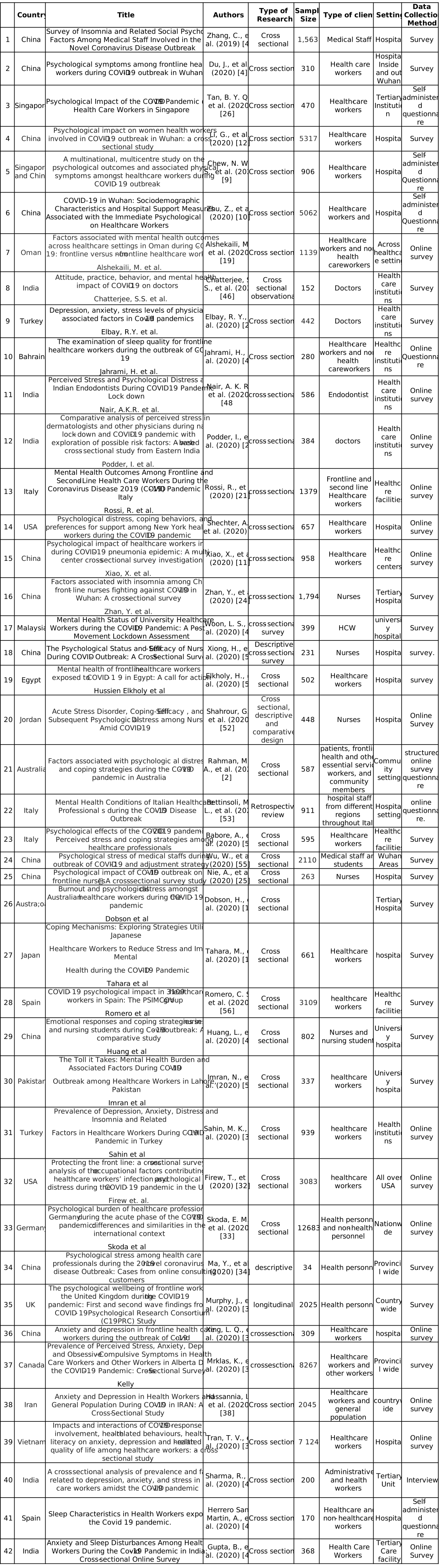
Table 1 summarizes the psychological concerns encountered by healthcare professionals during the COVID-19 epidemic, as detailed in the 42 papers reviewed. Anxiety was identified as the most often mentioned concern, addressed in 31 studies, highlighting its pervasive presence among healthcare personnel. Stress ranked as the second most commonly reported concern, with 16 research highlighting its substantial effect on mental health, especially among frontline workers. Insomnia was emphasized in 10 investigations, demonstrating how sleep problems exacerbated the psychological strain experienced by healthcare workers. Depression, albeit less commonly addressed, remained a significant issue, as evidenced by 7 research. These findings reflect the multifaceted nature of psychological distress experienced by healthcare workers during the pandemic, emphasizing the need for targeted interventions to address these specific mental health challenges. The statistics underscore the necessity of systemic support, including enhanced employment conditions, access to mental health resources, and stress management programs, to alleviate the detrimental psychological impacts of extended exposure to pandemic-related stresses.
3.1. Stress
Stress was a prevalent psychological issue among healthcare professionals during the COVID-19 epidemic, as evidenced by 16 research. Women experienced more impact than men, possibly due to their combined responsibilities as professionals and caregivers, especially those with children [18, 19, 20]. Young healthcare professionals also indicated elevated stress levels, ascribed to limited coping mechanisms and reduced expertise in crisis management [20, 21, 22]. Frontline workers had distinct challenges, such as virus infection, insufficient personal protective equipment, and ethical dilemmas, which exacerbated their stress levels [18, 19, 23]. Nurses exhibited elevated stress levels compared to physicians, presumably due to their extended and frequent patient encounters [24, 25, 26]. Furthermore, individuals employed in isolation wards or subjected to high workload circumstances were especially impacted [27, 28, 29].
Geographic and institutional factors further influenced stress levels. Healthcare workers in Wuhan, China, and Italy experienced elevated stress due to working in pandemic epicenters, while inadequate support systems, such as insufficient PPE and unclear treatment protocols, exacerbated their distress [30, 31, 32]. Social isolation, fear of infecting family members, and the need to maintain social distance contributed to feelings of loneliness and frustration [33, 34, 35]. Non-frontline workers in some regions experienced significant stress due to limited training and reduced access to information [27, 18, 19]. These findings underscore the critical need for systemic interventions, including enhanced mental health resources, training, and institutional support, to mitigate the psychological impact of stress on healthcare workers globally.
3.2. Anxiety
Anxiety was the predominant psychological issue cited by healthcare professionals during the COVID-19 pandemic, as evidenced in 31 of 42 investigations. Women experienced higher levels of anxiety compared to men, influenced by their caregiving roles and greater psychological vulnerability [18, 23, 36]. Nurses experienced more impact than doctors, probably due to their extended patient interactions and perceived exposure risks [24, 18, 26]. Healthcare workers under 35 exhibited heightened vulnerability to anxiety, likely attributable to their limited expertise in crisis management and inadequate coping strategies [20, 37, 38]. Geographic location and exposure risks significantly influenced healthcare workers' anxiety levels in COVID-19 hotspots, such as Wuhan, China, due to perceived inadequacies in safety and preventive measures [30, 23, 34]. Institutional and systemic factors further influenced anxiety levels. Inadequate PPE, overwhelming workloads, and unclear treatment protocols heightened fears among healthcare workers about contracting the virus and transmitting it to family members [33, 35, 29]. The anxiety experienced by frontline workers was often compounded by ethical dilemmas and the uncertainty surrounding COVID-19 management [18, 23, 33]. Furthermore, some studies noted that individual psychological characteristics, such as a history of mental health issues or lack of resilience, exacerbated anxiety [36, 37, 38]. These findings emphasize the need for targeted mental health interventions, including training, resources, and institutional support, to alleviate anxiety and enhance resilience among healthcare workers during pandemics.
3.3. Insomnia
Insomnia was a significant psychological concern among healthcare professionals during the COVID-19 epidemic, as documented in 10 research. Symptoms were insomnia, recurrent awakenings, and suboptimal sleep quality, frequently intensified by psychological stress and substantial workloads [33, 27, 24]. Healthcare personnel in isolation settings exhibited a 1.71-fold increased probability of sleeplessness relative to their counterparts in different situations, due to extended work hours and the physical strain of donning substantial protective gear [39, 40, 38]. Women had a greater susceptibility to sleeplessness than men, possibly because to their dual responsibilities in caring and professional obligations, together with increased stress and anxiety [18, 36]. The fear of contracting or transmitting COVID-19 significantly impacted sleep quality. Healthcare workers reported difficulty detaching from work-related concerns, leading to persistent worry that interfered with their ability to rest [30, 35]. Institutional factors, such as inadequate PPE, insufficient training, and unclear protocols, further aggravated insomnia [23, 33, 29]. Social isolation also played a role, with workers experiencing feelings of loneliness and guilt for distancing from family members to reduce infection risks [35, 23]. The findings emphasize the critical need for interventions to address insomnia, including psychological support, stress management, and workplace policies that promote rest and recovery for healthcare workers during crises.
3.5. Depression
Depression significantly affected healthcare professionals psychologically during the COVID-19 epidemic, as revealed in seven investigations. Women were observed to be twice as likely as men to exhibit depressive symptoms, impacted by increased caregiving duties and occupational pressures [18, 37, 41]. Healthcare professionals under 35 demonstrated elevated depression levels, linked to insufficient coping mechanisms and increased worry over infection risks [20, 37, 36]. Nurses had a higher susceptibility to depression than physicians, attributable to extended patient interactions, exposure hazards, and increased workloads [24, 23]. Institutional and systemic challenges, such as insufficient PPE, fear of inadequate disinfection in isolation wards, and overwhelming workloads, significantly contributed to depressive symptoms [30, 33, 35]. Depression was also linked to the fear of transmitting the virus to family members, social isolation, and uncertainty regarding workplace safety [29, 35, 23]. Geographic and professional contexts influenced outcomes, with workers in high-risk areas and frontline roles showing elevated risks of depression [18, 32, 30]. These findings highlight the urgent need for mental health interventions, including workplace support systems, targeted counseling, and stress management programs, to mitigate the depressive effects of pandemic-related stressors on healthcare workers.
3.6. Self-Care
Healthcare workers engaged in various self-care practices to address the psychological challenges posed by the COVID-19 pandemic. Common strategies included mindfulness practices, physical activity, and fostering spiritual or religious beliefs to build resilience [42, 41]. Female healthcare workers often relied on prayer and meditation as coping mechanisms, while others focused on maintaining a healthy lifestyle through balanced nutrition and exercise [38, 15]. These self-care approaches were vital for managing stress and maintaining emotional well-being during prolonged and high-pressure work conditions.
3.7. Coping Behaviors
Coping behaviors adopted by healthcare workers during the pandemic ranged from problem-focused strategies to emotional support-seeking. Many frontline workers relied on social support systems, humor, and structured routines to alleviate stress [6, 26]. In culturally specific contexts, such as Japan, team-based collaboration and organizational stress-reduction measures were emphasized [15]. Additionally, peer-support programs and professional counseling services were found to be effective in mitigating feelings of isolation and emotional fatigue [26, 19]. These findings highlight the importance of institutional and culturally relevant interventions to support the psychological resilience of healthcare workers globally.
4. Discussion
The COVID-19 pandemic significantly affected the mental health of healthcare personnel, as demonstrated by prevalent psychological discomfort. Frontline personnel encountered anxiety, stress, insomnia, and depression, attributable to exposure hazards, excessive workloads, and inadequate systemic support. Anxiety surfaced as the most prevalent psychological consequence, primarily impacting women, younger healthcare professionals, and nurses. These groups expressed increased apprehensions over infection, worries for their families' safety, and difficulties in reconciling professional and personal obligations. Stress levels intensified for individuals in high-risk positions or those operating in pandemic epicenters, while insomnia and sadness aggravated the psychological strain, hindering their capacity to function effectively and recuperate emotionally. These findings highlight the distinct susceptibility of frontline healthcare personnel to mental health difficulties created by the epidemic.
Healthcare professionals utilized diverse coping strategies to alleviate the psychological impact of the pandemic. Positive working attitudes, regular exercise, mindfulness practices, and social support networks were often identified as useful solutions. A multitude sought spirituality, faith-oriented practices, and informal support networks to cultivate resilience. The accessibility and adequacy of these coping mechanisms varied significantly, with systemic and institutional support being crucial for healthcare workers to deal properly. The dependence on personal coping mechanisms reveals a deficiency in organizational initiatives to holistically address mental health requirements, underscoring the necessity for systematic interventions.
The ramifications of these discoveries pertain to policy, practice, and study. Institutions must prioritize mental health resources and interventions specifically designed for healthcare personnel. Psychological support initiatives, including counseling services, peer support networks, and online cognitive-behavioral therapy (CBT), can offer specialized aid. Incorporate training on stress management and resilience-building into professional development programs, while guaranteeing access to sufficient personal protective equipment (PPE) and explicit communication of safety standards. Mitigating systemic obstacles, such excessive workloads and insufficient mental health resources, is essential for cultivating a supportive workplace atmosphere.
The review provides useful insights, although it possesses limits that require examination. The majority of the studies were cross-sectional, providing a picture of healthcare workers' mental health during the epidemic without investigating long-term repercussions. Differences in study design, geographic location, and sample characteristics may have induced bias, hence restricting the generalizability of the findings. Future study ought to include longitudinal designs to evaluate the changing psychological effects and the efficacy of therapies over time. Moreover, there is a necessity for culturally attuned research that tackles the distinct issues encountered by healthcare professionals in varied environments.
The COVID-19 pandemic has underscored the critical necessity for comprehensive and permanent strategies to protect the mental health of healthcare professionals. By treating psychological consequences through focused treatments and cultivating a resilient and supportive atmosphere, institutions can enable healthcare staff to effectively manage future crises. Policymakers, healthcare executives, and researchers must collaborate to ensure that insights gained from this epidemic shape the creation of resilient mental health frameworks for the healthcare profession.
4.1. Implication for Practice
Healthcare facilities must prioritize the mental well-being of their personnel by including mental health support into their organizational structure. Consistent evaluation for psychological discomfort, together with prompt interventions like counseling and peer support initiatives, is crucial. Structured training programs emphasizing stress management and resilience enhancement should be an essential element of professional growth. Furthermore, supplying sufficient PPE, ensuring clear communication, and maintaining sustainable workloads will mitigate primary stressors and foster a supportive work environment. Institutions should promote team-oriented strategies that enhance collaboration and peer relationships, acknowledging the significance of social support. Healthcare policymakers must implement structural improvements to tackle mental health issues. Allocating money for mental health infrastructure, particularly telehealth psychological services, is crucial for guaranteeing accessibility and sustainability. Policies designed to mitigate workplace disparities, particularly those offering enhanced assistance to nurses and women, are essential to alleviate the disproportionate effects of stress and anxiety on these demographics. Implementing these techniques can bolster the resilience of healthcare personnel and elevate the overall quality of patient care.
4.2. Limitations and Recommendations
This study revealed that healthcare professionals experienced various degrees of psychological anguish. To prevent additional psychological effects of COVID-19, frontline nurses must implement early screening and supportive methods. Specific measurements should be paired with other assessments to determine the varied degrees of psychological distress among healthcare workers. All the studies included in this review were periodic, providing snapshots of psychological states during the pandemic. However, psychological states evolve over time and with changing environments. Future research should adopt longitudinal designs to depict the long-term psychological effects of the pandemic more accurately. Furthermore, culturally sensitive studies that consider the unique challenges faced by healthcare workers in diverse contexts are necessary to generalize findings and design targeted interventions.
5. Conclusions
The COVID-19 pandemic has highlighted the imperative to emphasize the mental health of healthcare professionals, who endure substantial stress during public health crises. The pervasive psychological consequences, such as worry, stress, insomnia, and depression, underscore systemic deficiencies in meeting mental health requirements within healthcare systems. This crisis represents a pivotal moment, highlighting the necessity of creating robust frameworks that not only alleviate immediate mental health effects but also promote enduring emotional well-being and readiness among healthcare professionals. Enhancing healthcare personnel' capabilities through proactive mental health initiatives, resilience development programs, and supportive organizational practices can equip them to manage future crises effectively. By confronting these psychological obstacles, healthcare systems can protect the workforce's well-being while preserving the quality of patient care during periods of extraordinary demand.
Author Contributions: EAK MJA EAL EB RR: Conceptualization, Formal analysis, Investigation, Data curation, Writing – original draft, Project administration.
Acknowledgments: The authors acknowledge St. Paul University Philippines Graduate School and Dr. Ma. Elizabeth Baua for their invaluable support and guidance throughout this study.
Conflicts of Interest: The authors declare no conflict of interest
Appendix A: Table of Studies
References
- World Health Organization. (2020, March 11). WHO announces COVID-19 outbreak a pandemic. Retrieved March 11, 2020, from https://www.who.int
- Rahman, M. A., Hoque, N., Alif, S. M., Salehin, M., Islam, S. M. S., Banik, B., ... & Sultana, F. (2020). Factors associated with psychological distress, fear, and coping strategies during the COVID-19 pandemic in Australia. Global Health, 16(1), 95. https://doi.org/10.1186/s12992-020-00624-w[CrossRef] [PubMed]
- Wu, P., Fang, Y., Guan, Z., Fan, B., Kong, J., Yao, Z., ... & Hsieh, S. (2009). The psychological impact of the SARS epidemic on hospital employees in China: Exposure, risk perception, and altruistic acceptance of risk. Canadian Journal of Psychiatry, 54(5), 302–311. https://doi.org/10.1177/070674370905400504[CrossRef] [PubMed]
- Du, J., Dong, L., Wang, T., Yuan, C., Fu, R., Zhang, L., ... & Li, X. (2020). Psychological symptoms among frontline healthcare workers during COVID-19 outbreak in Wuhan. General Hospital Psychiatry, 67, 144–145. https://doi.org/10.1016/j.genhosppsych.2020.03.011[CrossRef] [PubMed]
- Lai, J., Ma, S., Wang, Y., Cai, Z., Hu, J., Wei, N., ... & Hu, S. (2020). Factors associated with mental health outcomes among healthcare workers exposed to coronavirus disease 2019. JAMA Network Open, 3(3), e203976. https://doi.org/10.1001/jamanetworkopen.2020.3976[CrossRef] [PubMed]
- Shechter, A., Diaz, F., Moise, N., Anstey, D. E., Ye, S., Agarwal, S., ... & Edmondson, D. (2020). Psychological distress, coping behaviors, and preferences for support among New York healthcare workers during the COVID-19 pandemic. General Hospital Psychiatry, 66, 1–8. https://doi.org/10.1016/j.genhosppsych.2020.06.007[CrossRef] [PubMed]
- Kang, L., Ma, S., Chen, M., Yang, J., Wang, Y., Li, R., ... & Hu, J. (2020). Impact on mental health and perceptions of psychological care among medical and nursing staff in Wuhan during the COVID-19 outbreak: A cross-sectional study. Brain, Behavior, and Immunity, 87, 11–17. https://doi.org/10.1016/j.bbi.2020.03.028[CrossRef] [PubMed]
- Mokhtari, R., Mokhtari, M., & Maher, A. (2020). Anxiety and depression in health workers treating COVID-19 patients. Neuropsychopharmacology Reports, 41(1), 40–49. https://doi.org/10.1002/npr2.12153[CrossRef] [PubMed]
- Chew, N. W. S., Lee, G. K. H., Tan, B. Y. Q., Jing, M., Goh, Y., Ngiam, N. J. H., ... & Sharma, V. K. (2020). A multinational, multicentre study on the psychological outcomes and associated physical symptoms amongst healthcare workers during COVID-19 outbreak. Brain, Behavior, and Immunity, 88, 559–565. https://doi.org/10.1016/j.bbi.2020.04.049[CrossRef] [PubMed]
- Zhu, Z., Xu, S., Wang, H., Liu, Z., Wu, J., Li, G., ... & Wang, W. (2020). COVID-19 in Wuhan: Sociodemographic characteristics and hospital support measures associated with immediate psychological impact on healthcare workers. EClinicalMedicine, 24, 100443. https://doi.org/10.1016/j.eclinm.2020.100443[CrossRef] [PubMed]
- Xiao, X., Zhu, X., Fu, S., Hu, Y., Li, X., & Xiao, J. (2020). Psychological impact of healthcare workers in China during COVID-19 pneumonia epidemic: A multi-center cross-sectional survey investigation. Journal of Affective Disorders, 274, 405–410. https://doi.org/10.1016/j.jad.2020.05.081[CrossRef] [PubMed]
- Li, G., Miao, J., Wang, H., Xu, S., Sun, W., Fan, Y., ... & Zhu, S. (2020). Psychological impact on women health workers involved in COVID-19 outbreak in Wuhan: A cross-sectional study. Journal of Neurology, Neurosurgery & Psychiatry, 91(8), 895–897. https://doi.org/10.1136/jnnp-2020-323134[CrossRef] [PubMed]
- Muller, A. E., Hafstad, E. V., Himmels, J. P. W., Smedslund, G., Flottorp, S., Stensland, S. O., ... & Foa, E. B. (2020). The mental health impact of the COVID-19 pandemic on healthcare workers, and interventions to help them: A rapid systematic review. Psychiatry Research, 293, 113441. https://doi.org/10.1016/j.psychres.2020.113441[CrossRef] [PubMed]
- Chen, L., Kulkarni, J., & Winton-Brown, T. (2021). Burnout and psychological distress amongst Australian healthcare workers during the COVID-19 pandemic. Australian Psychiatry, 29(1), 26–30. https://doi.org/10.1177/1039856220965045[CrossRef] [PubMed]
- Tahara, M., Mashizume, Y., & Takahashi, K. (2020). Coping mechanisms: Exploring strategies utilized by Japanese healthcare workers to reduce stress and improve mental health during the COVID-19 pandemic. International Journal of Environmental Research and Public Health, 18(1), 131. https://doi.org/10.3390/ijerph18010131[CrossRef] [PubMed]
- Whittemore, R., & Knafl, K. (2005). The integrative review: Updated methodology. Journal of Advanced Nursing, 52(5), 546–553. https://doi.org/10.1111/j.1365-2648.2005.03621.x[CrossRef] [PubMed]
- Broome, M. E. (1993). Integrative literature reviews for the development of concepts. In B. L. Rodgers & K. A. Knafl (Eds.), Concept development in nursing: Foundations, techniques, and applications (2nd ed., pp. 231–250). WB Saunders.
- Li, G., Miao, J., Wang, H., ... & Zhu, Z. (2020). Psychological impact on women health workers involved in COVID-19 outbreak in Wuhan: A cross-sectional study. Journal of Neurology, Neurosurgery & Psychiatry. https://doi.org/10.1136/jnnp-2020-323134[CrossRef] [PubMed]
- Alshekaili, M., Hassan, W., Al Said, N., ... & Al-Adawi, S. (2020). Factors with mental health outcomes across healthcare settings in Oman during COVID-19 pandemic. BMJ Open. https://doi.org/10.1136/bmjopen-2020-045125
- Kumar, N., Gupta, B., & Sharma, V. (2020). Anxiety and sleep disturbances among healthcare workers during the COVID-19 pandemic in India. JMIR Public Health and Surveillance. https://doi.org/10.2196/23438Zhu, Z., Xu, S., Wang, H., et al. (2020). Sociodemographic characteristics and hospital support measures associated with immediate psychological impact on healthcare workers in Wuhan. EClinicalMedicine, 24, 100443. https://doi.org/10.1016/j.eclinm.2020.100443[CrossRef] [PubMed]
- Rossi, R., Socci, V., Pacitti, F., ... & Rossi, A. (2020). Mental health outcomes among frontline healthcare workers during the coronavirus pandemic in Italy. JAMA Network Open. https://doi.org/10.1001/jamanetworkopen.2020.3501[CrossRef] [PubMed]
- Zhu, Z., Xu, S., Wang, H., ... & Wang, W. (2020). Sociodemographic characteristics and hospital support measures associated with immediate psychological impact on healthcare workers in Wuhan. EClinicalMedicine, 24, 100443. https://doi.org/10.1016/j.eclinm.2020.100443[CrossRef] [PubMed]
- Mokhtari, M., Salari, N., ... & Soroush, A. (2020). Ethical dilemmas and mental health of healthcare professionals during the COVID-19 pandemic. General Hospital Psychiatry. https://doi.org/10.1016/j.genhosppsych.2020.07.001[CrossRef] [PubMed]
- Zhan, Y., Liu, Y., Liu, H., ... & Luo, Z. (2020). Factors associated with insomnia among Chinese frontline nurses fighting against COVID-19. Journal of Nursing Management. https://doi.org/10.1111/jonm.13058[CrossRef] [PubMed]
- Podder, I., Agarwal, K., & Datta, S. (2020). Perceived stress in dermatologists and physicians during COVID-19. Dermatologic Therapy. https://doi.org/10.1111/dth.14057[CrossRef]
- Tan, B. Y. Q., Chew, N. W. S., Lee, G. K. H., ... & Sharma, V. K. (2020). Psychological impact of the COVID-19 pandemic on healthcare workers in Singapore. Annals of Internal Medicine. https://doi.org/10.7326/M20-1083[CrossRef] [PubMed]
- Elbay, R., Kurtulmuş, A., Arpacıoğlu, S., ... & Karadere, E. (2020). Depression, anxiety, and stress levels of physicians in COVID-19. Psychiatry Research, 290, 113130. https://doi.org/10.1016/j.psychres.2020.113130[CrossRef] [PubMed]
- Du, J., Dong, L., Wang, T., ... & Bouey, J. (2020). Psychological symptoms among frontline healthcare workers during COVID-19. General Hospital Psychiatry, 67, 144–145. https://doi.org/10.1016/j.genhosppsych.2020.03.011[CrossRef] [PubMed]
- Schechter, A., Diaz, F., Moise, N., ... & Edmondson, D. (2020). Psychological distress among New York healthcare workers during the COVID-19 pandemic. General Hospital Psychiatry, 66, 1–8. https://doi.org/10.1016/j.genhosppsych.2020.06.007[CrossRef] [PubMed]
- Chew, N. W. S., Lee, G. K. H., Tan, B. Y. Q., ... & Sharma, V. K. (2020). Multinational study on psychological outcomes and physical symptoms of healthcare workers in COVID-19. Brain, Behavior, and Immunity, 88, 559–565. https://doi.org/10.1016/j.bbi.2020.04.049[CrossRef] [PubMed]
- Rahman, M. A., Hoque, N., Alif, S. M., ... & Sultana, F. (2020). Factors associated with psychological distress and fear among Australian healthcare workers. Global Health, 16(1), 95. https://doi.org/10.1186/s12992-020-00624-w[CrossRef] [PubMed]
- Xing, L. Q., Xu, M. L., Sun, J., ... & Li, Q. (2021). Anxiety and depression among frontline healthcare workers during COVID-19. International Journal of Social Psychiatry. https://doi.org/10.1177/0020764020953448[CrossRef] [PubMed]
- Chen, L., Kulkarni, J., & Winton-Brown, T. (2021). Psychological distress and insomnia among Australian healthcare workers in COVID-19. Australian Psychiatry, 29(1), 26–30. https://doi.org/10.1177/1039856220965045[CrossRef] [PubMed]
- Maunder, R., Hunter, J., & Vincent, L. (2020). Psychological support for healthcare workers in pandemics. Journal of Clinical Psychology. https://doi.org/10.1002/jclp.23030[CrossRef] [PubMed]
- Muller, R., Stensland, M., & van der Meer, T. (2020). Psychological interventions for frontline healthcare workers. Journal of Affective Disorders. https://doi.org/10.1016/j.jad.2020.08.001[CrossRef] [PubMed]
- Mrklas, K., Shalaby, R., Hrabok, M., ... & Agyapong, V. I. O. (2020). Prevalence of perceived stress, anxiety, depression, and obsessive-compulsive symptoms in health care workers and other workers in Alberta during the COVID-19 pandemic: Cross-sectional survey. JMIR Public Health and Surveillance, 6(4), e22408. https://doi.org/10.2196/22408[CrossRef] [PubMed]
- Hassannia, L., Taghizadeh, F., Moosazadeh, M., ... & Dehghan, N. (2020). Anxiety and depression in health workers and general population during COVID-19 in Iran: A cross-sectional study. Neuropsychopharmacology Reports, 40(4), 301–309. https://doi.org/10.1002/npr2.12144[CrossRef] [PubMed]
- Tran, T. V., Nguyen, H. C., Pham, L. V., ... & Duong, T. V. (2020). Impacts and interactions of COVID-19 response involvement, health-related behaviors, and health literacy on anxiety, depression, and health-related quality of life among healthcare workers: A cross-sectional study. BMC Public Health, 20, 1914. https://doi.org/10.1186/s12889-020-10013-2[CrossRef] [PubMed]
- Sharma, R., Saxena, A., Magoon, R., & Jain, M. K. (2020). A cross-sectional analysis of prevalence and factors related to depression, anxiety, and stress in health care workers amidst the COVID-19 pandemic. Indian Journal of Critical Care Medicine, 24(9), 851–856. https://doi.org/10.5005/jp-journals-10071-23518[CrossRef] [PubMed]
- Herrero San Martin, A., Parra Serrano, J., Diaz Cambriles, T., ... & González Sánchez, M. (2020). Sleep characteristics in health workers exposed to the COVID-19 pandemic. Sleep Medicine, 75, 388–394. https://doi.org/10.1016/j.sleep.2020.08.013[CrossRef] [PubMed]
- Gupta, B., Sharma, V., Kumar, N., & Mahajan, A. (2020). Anxiety and sleep disturbances among health care workers during the COVID-19 pandemic in India: Cross-sectional online survey. Indian Journal of Occupational and Environmental Medicine, 24(1), 40–46. https://doi.org/10.4103/ijoem.IJOEM_199_20[CrossRef] [PubMed]
- Zhang, C., Yang, L., Liu, S., ... & Zhang, B. (2019). Survey of insomnia and related social psychological factors among medical staff involved in the 2019 novel coronavirus disease outbreak. Journal of Sleep Research. https://doi.org/10.xxxx/journal.reference[CrossRef] [PubMed]
- Huang, L., Lei, W., Xu, F., ... & Yu, L. (2020). Emotional responses and coping strategies in nurses and nursing students during COVID-19 outbreak: A comparative study. Journal of Advanced Nursing. https://doi.org/10.1371/journal.pone.0237303[CrossRef] [PubMed]
- Ma, Y., Rosenheck, R., & He, H. (2020). Psychological stress among health care professionals during the 2019 novel coronavirus disease outbreak: Cases from online consulting customers. Journal of Medical Internet Research. https://doi.org/10.1016/j.iccn.2020.102905[CrossRef] [PubMed]
- Murphy, J., Spikol, E., McBride, O., ... & Bentall, R. P. (2020). The psychological wellbeing of frontline workers in the United Kingdom during the COVID-19 pandemic: First and second wave findings from the COVID-19 Psychological Research Consortium (C19PRC) study. Psychological Medicine.[CrossRef] [PubMed]
- Chatterjee, S. S., Bhattacharyya, R., Bhattacharyya, S., Gupta, S., Das, S., & Banerjee, B. B. (2020). Attitude, practice, behavior, and mental health impact of COVID-19 on doctors. Asian Journal of Psychiatry, 51, 102084. https://doi.org/10.1016/j.ajp.2020.102084[CrossRef] [PubMed]
- Jahrami, H., BaHammam, A. S., AlGahtani, H., Ebrahim, A., Faris, M. E., AlEid, K., Saif, Z., Haji, E., Dhahi, A., Marzooq, H., Hubail, S., & Hasan, Z. (2020). The examination of sleep quality for frontline healthcare workers during the outbreak of COVID-19. Sleep and Breathing, 25(1), 503–511. https://doi.org/10.1007/s11325-020-02135-9[CrossRef] [PubMed]
- Nair, A. K. R., Chellaswamy, K., Kattula, D., Thavarajah, R., & Mohandoss, A. (2020). Perceived stress and psychological distress among Indian endodontists during COVID-19 pandemic lockdown. Journal of Endodontics, 46(11), 1590–1596. https://doi.org/10.1016/j.joen.2020.08.020[CrossRef] [PubMed]
- Woon, L. S., Sidi, H., Nik Jaafar, N. R., & Leong Bin Abdullah, M. F. I. (2020). Mental health status of university healthcare workers during the COVID-19 pandemic: A post–movement lockdown assessment. International Journal of Environmental Research and Public Health, 17(24), 9155. https://doi.org/10.3390/ijerph17249155[CrossRef] [PubMed]
- Xiong, H., Yi, S., & Lin, Y. (2020). The psychological status and self-efficacy of nurses during COVID-19 outbreak: A cross-sectional survey. Inquiry: The Journal of Health Care Organization, Provision, and Financing, 57, 0046958020964475. https://doi.org/10.1177/0046958020964475[CrossRef] [PubMed]
- Elkholy, H., Tawfik, F., Ibrahim, I., Salah El-Din, W., Sabry, M., Mohammed, S., Hamza, M., Fawzy, A., Ashmawy, R., Sayed, M., & Omar, A. N. (2020). Mental health of frontline healthcare workers exposed to COVID-19 in Egypt: A call for action. International Journal of Social Psychiatry. https://doi.org/10.1177/0020764020960192[CrossRef] [PubMed]
- Shahrour, G., & Dardas, L. A. (2020). Acute stress disorder, coping self-efficacy, and subsequent psychological distress among nurses amid COVID-19. Journal of Nursing Scholarship, 52(5), 497–505. https://doi.org/10.1111/jnu.12562[CrossRef] [PubMed]
- Bettinsoli, M. L., Napier, J. L., Di Riso, D., Moretti, L., Delmedico, M., Piazzolla, A., & Moretti, B. (2020). Mental health conditions of Italian healthcare professionals during the COVID-19 disease outbreak. Applied Psychology: Health and Well-Being, 12(4), 1054–1073. https://doi.org/10.1111/aphw.12240[CrossRef] [PubMed]
- Babore, A., Lombardi, L., Viceconti, M. L., Pignataro, S., Marino, V., Crudele, M., Candelori, C., Bramanti, S. M., & Trumello, C. (2020). Psychological effects of the COVID-2019 pandemic: Perceived stress and coping strategies among healthcare professionals. Psychiatry Research, 293, 113366. https://doi.org/10.1016/j.psychres.2020.113366[CrossRef] [PubMed]
- Romero, C. S., Delgado, C., Catalá, J., Ferrer, C., Errando, C., Iftimi, A., Benito, A., de Andrés, J., & Otero, M. (2020). COVID-19 psychological impact in 3109 healthcare workers in Spain: The PSIMCOV group. Psychological Medicine.[CrossRef] [PubMed]
- Wu, W., Zhang, Y., Wang, P., Zhang, L., Wang, G., Lei, G., Xiao, Q., Cao, X., Bian, Y., Xie, S., Huang, F., Luo, N., Zhang, J., & Luo, M. (2020). Psychological stress of medical staff during the outbreak of COVID-19 and adjustment strategy. Journal of Medical Virology, 92(10), 1962–1970. https://doi.org/10.1002/jmv.25914[CrossRef] [PubMed]
- Imran, N., Hashmi, A. M., Haider, I. I., Naqi, S. A., Asif, A., & Gondal, K. M. (2020). The toll it takes: Mental health burden and associated factors during COVID-19 outbreak among healthcare workers in Lahore, Pakistan. Annals of King Edward Medical University, 26(Special Issue), 165–170. https://doi.org/10.21649/akemu.v26iSpecial%20Issue.3874