
Abstract
Background: Malawi has a rudimentary NHS providing government-funded haemodialysis for approximately 100 patients. Aim: To explore the feasibility of establishing a peritoneal dialysis (PD) service in Malawi. Methods: An explorative, qualitative design was used. Face-to-face interviews collected data from 16 patients and 9 healthcare professionals. Interviews were audio-recorded, transcribed verbatim, and analyzed using reflexive thematic analysis. Results: Understanding of dialysis was excellent. Many of the nurses had provided PD in the past. Lack of surgical and community expertise; risk of infections when living conditions are poor and availability of affordable consumables were identified as potential barriers. Patients were self-motivated and welcomed a home-based regimen with cost-savings on travel. PD was viewed as an opportunity to expand dialysis provision, especially for those who live remotely. Conclusion: There is need and willing to expand renal services in Malawi. Accurate, transparent records of renal disease and allocation of dialysis provision are essential. This must be prioritized in plans to improve renal care. PD could provide an effective dialysis modality. Concerns regarding education, sanitation and consumables are not unsurmountable.
1. Introduction
End stage renal disease (ESRD) in Africa presents a growing public health crisis. It primarily affects young, economically productive adults with late presentation, lack of resources and dual burden of communicable and non-communicable disease providing a challenge for healthcare systems [1]. Access to kidney replacement therapy (KRT) is limited with hemodialysis (HD) being the primary modality where available. Peritoneal dialysis (PD) is a home-based alternative, which has proven cost-effectiveness in developed countries. Adoption in sub-Saharan Africa (SSA) is limited out with South Africa [2].
Malawi is a small country in southeastern Africa with a population of approximately 22 million. It is one of the poorest countries in the world, with nearly three-quarters of the population living below the international poverty line [3]. Malawi has a government-funded National Health Service (NHS) that is free for all Malawians at the point of delivery [4]. However, the NHS does not function well owing to lack of manpower, overpopulation, lack of equipment and technology, lack of skills and expertise, and insufficient funds [4, 5].
Renal care in Malawi has been sporadic. There are only two nephrologists in the country [6]. Referral to renal services is haphazard. There is a lack of transparency and consistency regarding the provision of KRT [7, 8]. Many patients die while waiting for dialysis. However, the true numbers are unknown because no formal records of chronic kidney disease (CKD) are maintained9. Currently, there is no access to transplantation or maintenance PD [9].
Kamuzu Central Hospital (KCH) in Lilongwe, is the largest of the two publicly funded dialysis units in Malawi [6]. At the time of writing, there were 12 dialysis machines providing outpatient HD for 65 patients. Fewer than half of dialysis machines are functional [4]. The patients were dialyzed twice a week. The average patient age is 42 years, and many patients spend more than 10 years on HD [8].
The aims of this project were 3-fold: firstly, to evaluate the current dialysis and vascular access provision in Malawi; second, to assess the feasibility of PD as a KRT modality in Malawi; and third, to evaluate potential barriers and enablers to PD provision.
2. Methods
2.1. Study Design
An explorative, descriptive, qualitative design was used to contextualize the current KRT provision within Malawi and explore healthcare providers (HCPs) and patients’ understanding of various dialysis modalities, with particular interest in the utilization of PD.
2.2. Setting
Patients were recruited from the HD unit at Kamuzu Central Hospital in Lilongwe, Malawi.
2.3. Sampling and participants
Semi-structured interviews were conducted with 16 hemodialysis patients and 9 staff members closely associated with renal service. Patients were eligible to participate if they were on HD and HCPs if they currently or previously worked with patients with ESRD. Purposive sampling of patients was performed to ensure a representative sample with regard to sex, dialysis access modality, and socioeconomic status. Prior to the initiation of the study, we intended to interview 30 patients and 15 staff members; however, it was evident that saturation of responses was achieved after 16 patient interviews. All participants were approached in person by one of the researchers, and written informed consent was obtained. Each patient was offered an incentive of 10,000MKW for participation.
2.4. Data collection and management
One-to-one semi-structured interviews lasting 45-60 minutes were conducted. Several relevant themes (cost, sanitation, and availability of resources) were hypothesized prior to data collection based on the researchers’ own observations and other data from low- and middle-income countries (LMICs) [9, 10]. Common themes (comprehension, acceptability, practicality, cost, resource allocation, perceived barriers, and motivations) were explored in all the interviews. However, given that views on KRT have never been explored within an LMIC with a publicly funded healthcare system before, an inductive, explorative approach was also taken based on participant responses to allow the exploration of novel themes and avoid preconceived opinions of the researchers that significantly impacted the themes derived (Appendix 1). Interviews with staff members were conducted in English by a Scottish researcher (EA). The interviews were conducted at secure teleconferencing facilities. All the interviews were audio-recorded on secure Dictaphones, anonymized and transcribed verbatim. EA had no prior relationship with the interviewees. Interviews with patients were conducted by Malawian dialysis nurses (MK, EM, VC, and MM), either in English or Chichewa. If interviews were conducted in Chichewa, the bilingual interviewer translated the interview into English at the time of the transcription. Some dialysis nurses had known the interviewees for several years. All interviewers were female and had extensive prior knowledge of renal failure and dialysis modalities. No repeat interviews were conducted, and the interview notes were not returned to the participants for review or comment.
2.5. Data analysis
Given the lack of existing data on the subject, a reflexive thematic approach to analysis was chosen for analysis because of its simplicity and flexibility. Reflexive thematic analysis considers the researcher’s interpretive analysis of the data, theoretical assumptions of the analysis, and analytical skills/resources of the researcher [11, 12]. Researchers from both the UK and Malawi were involved in collecting, coding, and analyzing the results to ensure that a range of perspectives were considered. A COREQ-32 checklist was utilizing for reporting purposes.
All interviews were translated into English where necessary and transcribed verbatim. Wherever possible, the data were transcribed orthographically; however, due to language barriers and the need for translation, this was not always possible. On occasion, where there was dubiety as to the exact translation, both words were noted, and clarity was sought by the interviewee. In cases where cultural nuances were not fully understood, additional clarification was sought by Scottish and Malawian researchers (EA and MK). All transcripts were anonymized prior to the analysis.
The transcripts then underwent iterative analysis using the six-step process described by Braun and Clarke (2006): familiarization with data, indicative preliminary coding, review of codes, charting a themed framework using the codes, defining and naming themes, and interpretation [10, 13]. Three individuals were involved in coding (two Scottish researchers–a doctor and a nurse (EA, LB) and a Malawian nurse (MK)). It was hoped that by utilizing coders from a variety of backgrounds, multiple perspectives should be considered. Coding software was not used for the analysis. Coding was initially undertaken independently before the interpretation of the data were considered together. In line with the ethos of reflexive thematic analysis, complete concordance between analyses is neither anticipated nor necessary. A summary of the common themes is reported, as well as any discrepancies in interpretation.
2.6. Ethical considerations
Necessary approval was obtained from the institutional research committee at Kamuzu Central Hospital 19th June 2024), and the National Health Service of Malawi Research Committee (NHSRC) (Approval No: 4471, 17th February 2025). All participants provided written informed consent. The research was conducted in adherence to World Medical Association Declaration of Helsinki principles.
3. Results
3.1. Participants
Sixteen patients and nine healthcare professionals (HCPs) were approached to participate in the study. All participants provided consent and completed semi-structured interviews. Originally, there were plans to interview up to 40 participants, but data saturation was achieved in 16 patients. The mean patient age was 35 years (range: 25-55). Eleven patients (69%) were male. All patients received hospital hemodialysis (62.5%) via a catheter. Only one patient had prior experience with another dialysis modality. Eight patients (50%) were employed in some form of work (three informally); one was retired, two were housewives, and one was a full-time student. Four patients (25%) were unemployed.
Ten of the patients (62.5%) lived in Lilongwe, and the remainder travelled up to 100 km (6-hour round trip) for each dialysis session. The costs of travel to and from dialysis were met by the patients. On average, patients spent 6,650 MKW (4 USD) (range: 2000-21000 MWK) to travel to each dialysis session. (This equates to the equivalent of a quarter of the average patient’s monthly salary [14]).
Eleven patients (69%) had electricity in their homes; the remainder used candles for lighting or solar power to charge their mobile phones. Eight patients (50%) had running water in their homes. Five utilized burr holes/communal pumps for drinking water and three purchased bottled water at kiosks.
3.2. Existing renal care within Malawi
The dialysis unit at XXX is one of the two publicly funded dialysis units within Malawi. It has 12 dialysis machines (in mid-September 2024, only 5 of which were fully functional). 65 patients were currently undergoing dialysis at KCH. The patients were dialyzed twice per week. Peritoneal dialysis has previously been available, but no patient currently receives maintenance PD. Malawi nominally agreed with the Indian government for transplantation. However, no one has yet been transplanted into the public sector. Two trained nephrologists were present in Malawi. There were no vascular surgeons or interventional radiologists in the study.
No formal records are available regarding the number of patients with chronic kidney disease (CKD) or end-stage renal disease (ESRD). One nurse commented, “No records are kept so we don’t even know how many patients have CKD. The nephrologists see some in clinics but that only scratches the surface.” There is a large waiting list for hospital hemodialysis spaces, “but with no transplantation, many of our patients spend over 10 years (on hospital haemodialysis), so spaces don’t become available often” (Nurse 2). HCPs acknowledge that “many die because we don’t have any dialysis spaces” (Nurse 2).
3.3. Preliminary coding
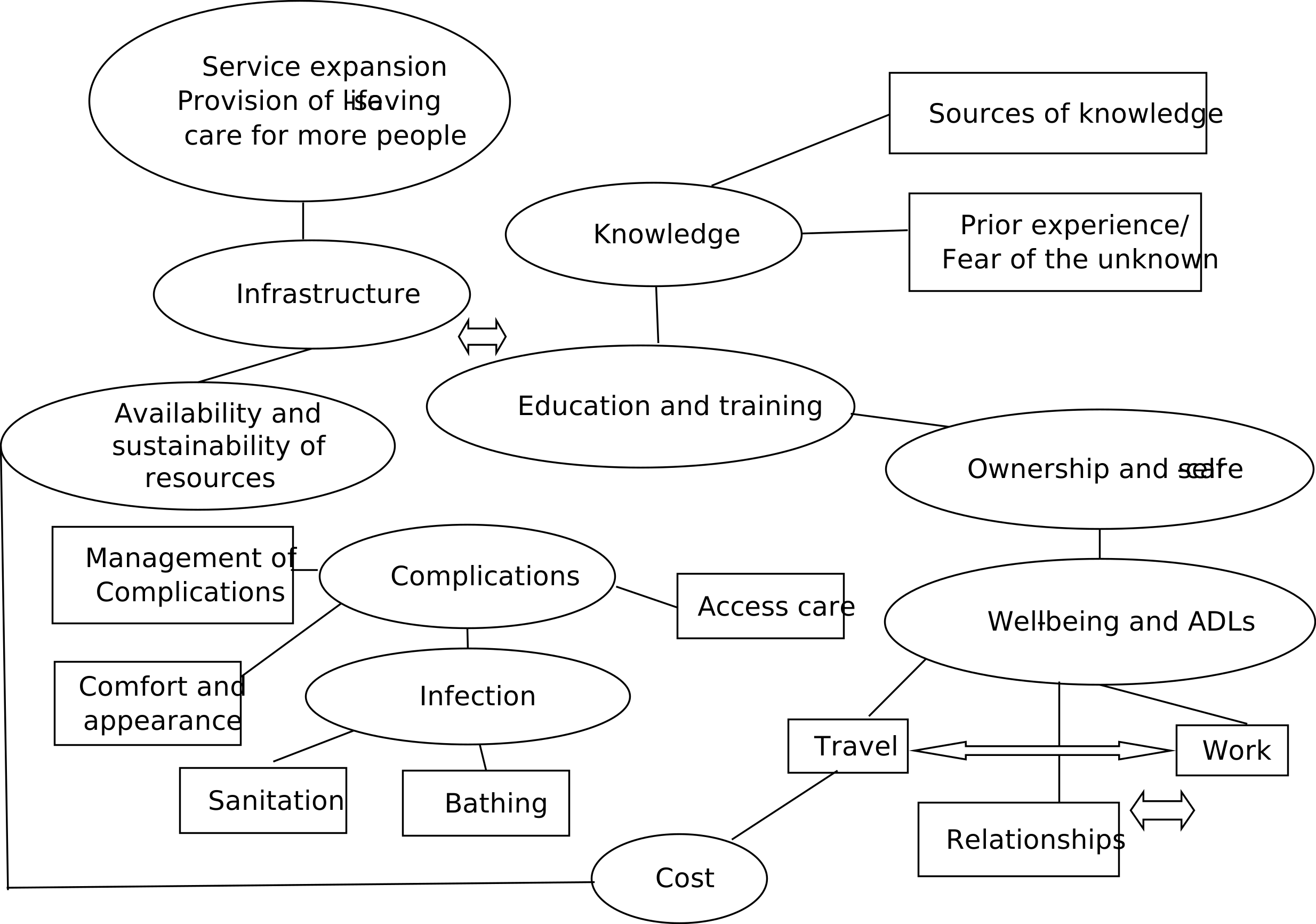
Figure 1 provides a diagrammatic representation of the initial coding, major, and minor themes identified from the interviews, along with interrelationships. Three iterations were required to derive Figure 1.
3.4. Major themes
3.4.1. Knowledge
All three coders agreed that the patients’ understanding of HD was excellent. Almost all patients mentioned “cleansing the blood” or “removing waste products” (Supplementary Appendix). Notably, only one patient underwent transplantation. Most patients were well informed about fistulae and catheters, although there were some minor misconceptions (Supplementary Appendix).
Eleven (69%) patients had heard of PD. Only one patient had a personal experience. Five more had met someone who had previously been diagnosed with PD. Of those patients who had heard of PD, most described it as “another type of dialysis”. More than half referred to “a tube in the stomach”. Five patients made specific reference to PD as home-based therapy with “training” mentioned by many patients within their initial definition. A few patients had misconceptions such as “it’s a tube into the kidney (blood) vessels” (Patient 6) or that it was a modality that should only be used “when all other options have failed”. All the nursing staff interviewed had prior experience of providing PD, although they acknowledged “we have not done it for some years”. The nephrologist had basic experience in prescribing and delivering PD; however, none of the surgeons had any experience in inserting PD catheters.
If given the choice, 11 patients (69%) preferred KRT modality as HD via a fistula, 1 would choose HD via a catheter, and 4 (25%) of the patients’ first choice KRT would be PD. Two additional patients reported that they would consider PD a suitable second-line option if a fistula was not available. Eight patients (50%) reported that they would not want to undergo PD under any condition. Concerns about “infection”, “inadequate education and training” and prior observed experience of “poor outcomes” were most cited as reasons for patients not wanting to undergo PD. “Fewer hospital visits” and “cost savings on transport” were the principal motivators. HCPs were universally positive for PD, primarily as a means to expand dialysis capacity (Supplementary Appendix).
3.4.2. Infrastructure and sustainability
The need for a well-established infrastructure (both at the hospital and national levels) was identified as essential for providing quality renal service. Several HCPs highlighted that the current lack of quality records limited understanding of true resource need e.g. “One of the biggest issues is that we just don’t know how many people there are in conservative care (Low Clearance CKD care). There are no records of those people who are admitted to hospital with renal failure but who aren’t referred for dialysis.” (HCP 2) (Table 1).
Many HCPs expressed a desire to improve their services. One surgeon, asked how elective renal surgery would be balanced against other emergency surgery demands, stated: “Where there’s a will there’s a way. We just want what’s best for the patient” (HCP 7). Nevertheless, it was evident that when attempts had been made to expand services previously, lack of engagement made sustained infrastructure problematic. For example, one HCP referenced attempting trying to develop a renal service within the north of Malawi and expressed frustration that learning was not implemented or sustained beyond their visit e.g. “(We) made attempts to provide upskilling at the local hospitals but its implementation that’s the problem. We went up there for many weeks and we educated, and we trained. We took nurses and doctors and dieticians and trained the local team. That was nearly two years ago. And what’s happened since.... nothing!” (HCP 1).
The patients also reported concerns regarding resources (including dressings, soap, and antibiotics) and sustainability within the local service. Many patients recognized that additional financial resources would likely be required to establish PD services. Interestingly, no HCPs provided a similar reference.
3.4.3. Education and training
Almost everyone interviewed mentioned the need for additional education if a new PD service was to be implemented successfully. For example, “The procedure should be done by experts who have adequate training” (Patient 8); “Capacity building by training our medical personnel so that they should learn how it works, how to fix and how to remove it.” (Patient 15).
3.4.4. Ownership and self-care
Both Scottish researchers were struck by the ownership that the patients took for their own care. Notably, this was not commented on by the Malawian researcher, who assumed that this would be the case. For example, Patient 6 stated “you give the person authority over their condition, they understand it better”. The need for personal ownership of complications was considered especially important when considering home-based therapy, such as PD. e.g. “You need to be extra smart with PD. The nurses teach you to perform the dialysis at home” (Patient 2). Researchers felt that there was a good level of understanding of the personal responsibilities that would come with the PD process among the patients.
3.4.5. Complications and management
Almost all interviewees mentioned infection. The prevailing opinion was that infection would be more common within the Malawian population due to poor sanitation in the home e.g. “Hygiene will be a very big challenge because of the rooms (houses) we use. It is very hard to maintain good hygiene in most homes due to poor economic status” (Patient 11); challenges keeping prosthetic clean whilst bathing e.g. “you can’t bathe properly; it easily gets infections” (Patient 4) and dusty living conditions e.g. “For me, I am in construction, and I deal a lot with dust. There might be problems.” (Patient 9). One patient reported that their previous observed experience of PD in Malawi was negative due to high rates of infection. “The longest time a PD patient has lived for in Malawi is 4 years. They all die in a short space of time’ (Patient 9). This prior experience dissuades him from utilizing PD. Others considered the risk of infection to be worth taking. “Why not use PD? We need to try again. Everyone is worried about infection but we need to try” (HCP 6).
3.5.6. Wellbeing and Activities of Daily Living
Many patients continue to work while on dialysis. Minimal upheaval is therefore an essential characteristic of any dialysis modality. There was recognition from HCPs that dialysis simply had to become part of daily life e.g. “The average age of a patient on dialysis at KCH currently is 42 years. The average life expectancy of a dialysis patient in Malawi is 57 years. It means that many of our patients are on haemodialysis for over 10 years. It’s a way of life for them” (HCP 1).
It was very evident patients’ responses that dialysis has negatively impacted on activities of daily living (ADLs) including schooling, employment, relations etc. For example:
“It negatively affected school …. and I dropped out after standard eight” (Patient 1).
“It is difficult to work effectively when spitting sputum mixed with blood” (Patient 3)
“I rely on others to purchase my spare parts (to repair phones). They sometimes lie to me. And my finances are reduced due to dialysis demands” (Patient 13).
Some patients expressed an access preference based on ADLs e.g. “The catheter allows me the freedom to do a lot of activities like washing clothes and carrying heavy groceries since I am a girl” (Patient 10). Conversely, two women expressed concerns about the aesthetic appearance of fistulae and catheters, preferring a PD catheter that they felt would be easier to conceal under clothing.
3.5.7. Cost
Although basic hemodialysis care is provided free of charge within the Malawian NHS, travel to and from dialysis is not funded. This can be prohibitively expensive, especially if dialysis affects an individual’s ability to work. Financial challenges were evident in many of the interviews with patients e.g. “I am living a life of dependency on other people…..Even if I had finished school, it would be difficult to be employed.” (Patient 8). HCPs were sympathetic of the challenges faced by patients but very pragmatic in their outlook e.g. “Some people can’t afford to travel to dialysis. These people die.” (HCP 1).
The fact that PD is a home-based treatment was a major factor in many patients’ positive reflections on the modality e.g. “You can be at home buying fish with the money (otherwise used for transport costs)” (Patient 10). There was also a perception that the flexibility of PD would provide better time management to allow patients to work and earn an income, for example, “you dialyze in your own free-time which allows you to travel long distance because it can be done anywhere” (Patient 14).
Several patients also commented that there were people (particularly those who lived remotely) who currently denied dialysis due to prohibitive transport costs. For these patients, the provision of PD could be life-saving e.g. “I believe it can help a lot of people especially those who stay very far away.” (Patient 3).
3.5.8. Barriers and enablers to provision of a PD service in Lilongwe
Patients and HCPs were universally in favor of the re-establishment of a PD service in Lilongwe. The principal reasons given were that it is a home-based therapy that provides greater flexibility with regard to work and reduction in travel costs. (Table 2). There was also recognition of the role that PD could have in the expansion of the KRT service (offering dialysis to more people who currently die from a lack of access to KRT). Several other patients expressed a preference for PD because they considered it to be more “natural” than haemodialysis e.g. “Since it is done every day, it is like the kidney is working normally.” (Patient 8).
Lack of education, infection risk, and infrastructure both within the hospital setting and within the country (particularly in relation to living conditions, availability of a reliable clean water source, and electricity) were identified as potential barriers (Table 2). Patients proposed that education could be implemented via the use of a “buddy” system and/or regular monthly updates to ensure that all were well. There was also a recommendation from HCPs that training community-based nurses would also be valuable.
Practically, if a service were to be implemented, staff reported that PD fluid would need to be sourced from South Africa or India and delivered directly to patients’ houses once a month. HCPs believed that these aspects of care could be provided within NHS costs. One HCP highlighted that PD fluid was currently available, but indicated that sourcing catheters had proven challenging in the past: “We’ve got loads of PD fluid!..... It’s in the basement going out of date!.....It’s the catheters that we desperately need.” (HCP 1).
Several HCPs referenced the resourcefulness of staff when problems needed to be solved, and considered this an important factor in the successful implementation of PD. e.g. “We need to be resilient and creative and innovative and try things. For example, when our dialysis lines got broken we went to the basement and routed around in boxes” (HCP 2); “(We could use) the mini-solar power (lots of families who don’t have mains electricity utilize mini-solar panels to provide small amounts of electricity)” (HCP 4); “We even made our own PD fluid (in the past)…. when we couldn’t access the manufactured stuff” (HCP 1).
4. Discussion
This study is the first of its kind to qualitatively explore the views of patients with ESRD and HCPs in Malawi. It is hoped that this approach will provide more in-depth insight into potentially modifiable factors that might serve as barriers for the future provision of PD within Malawi. Most HCPs and patients were in favor of providing a PD service, although reservations about infection risk, the need for training, and provision of sustainable infrastructure were articulated. There is acknowledgment that many currently die from ESRD in Malawi because of the lack of availability of HD. PD was considered an option to expand “lifesaving” dialysis provision.
Chronic kidney disease and AKI are the leading causes of mortality and morbidity in sub-Saharan Africa (SSA). CKD is estimated to account for 4 million disability-adjusted life-years (DALYs) lost across the continent annually [15]. This is likely to exponentially increase over the next decade as the prevalence of hypertension and diabetes increases. Infective diseases (particularly malaria and HIV) continue to play a role in both AKI and CKD in Malawi. Undoubtedly, a strong rationale exists for extending access to KRT, as patients with ESRD are at high risk of catastrophic health expenditure and death. At present, however, a very small proportion of patients with ESRD in Malawi are offered dialysis [16], with rationing often dictated by socioeconomic rather than medical factors.
This work is timely given the recently published WHO document acknowledging the burden of CKD as a global health problem and seeking to inform policymakers about priority setting [17]. The process through which treatment decisions are made and followed should be explicit, transparent, and accountable. If African countries opt to provide dialysis, they should seek to control costs by implementing interventions for early detection, considering the WHO “Best Buy” options, and reducing consumable costs [15]. Notably, there are no existing data on the cost-effectiveness of the various KRT modalities within LMICs; however, PD is more cost-effective than in-center HD in both the USA and UK [18, 19]. While there is some concern that consumables may be more expensive in LMICs [20], our work highlights the potential cost savings and avoidance of travel costs associated with home-based therapy.
Two similar recent studies explored the views of patients and HCPs in Ghana [21] and Kenya [22]. The Kenyan study primarily focused on practical challenges to PD provision, identifying obesity, cognition, and health literacy as the major barriers to PD [22]. These observations are in stark contrast to our findings in Malawi, where we observed a well-educated and empowered dialysis population. In Ghana, CKD care is a bit more evolved than in Malawi (with routine monitoring of renal function and urine in at-risk patients); nevertheless many of the challenges reported were similar. Patients presented late and those geographically isolated from major cities had particularly poor outcomes [21]. In Ghana, the National Health Service does not fund dialysis; therefore, the financial burden on the individual may be even greater than that in Malawi.
Our study is the first of its kind in Malawi, the first within a universal health system in SSA and benefits from the unique perspective of a multinational team both conducting and analysis the research permitting consideration of the data from multiple perspectives. It is, however, limited by a relatively small sample size and potential for subtleties of language and culture to be lost in the translation between Chichewa and English. Sample size was limited by data saturation. However, it is possible that, given all patients dialyzed together (and indeed all HCPs worked together in some capacity) that there was an element of “group think” and shared-experience. Repeating the research in another institution would be necessary to eliminate such biases and improve generalizability of findings.
Many HCPs and patients consider PD a means to expand KRT options, particularly for patients who live remotely. Unlike other SSA countries, Malawi has a National Health Service that provides free hospital hemodialysis treatment. However, the cost of travel for many patients, especially for those living rurally, is prohibitive. Home-based therapy has the potential to reduce costs and enable more equitable KRT provision. This study has demonstrated that PD is acceptable to patients and HCPs. Full economic analysis from a societal perspective is now necessary to determine if opportunity costs make it viable for Malawi as a country.
The ethical and practical challenges of providing any form of KRT in SSA are well documented, including financial feasibility, clinical optimization, and questions of distributional equity of access [23, 24]. Malawi has specific challenges around transparent allocation of provision, given that accurate records of the population “at need” are limited. The lack of renal registries makes it incredibly challenging to make a cost-effectiveness (or otherwise) argument for dialysis in SSA. Financial constraints, coupled with high opportunity costs and trade-offs, raise questions regarding the legitimacy of dialysis (HD or PD) as a viable treatment in resource-limited settings. A recent systematic review indicated that the heavy financial burden for patients resulted in 59% of people in SSA stopping dialysis, while it was still indicated, with mortality rates from hospital hemodialysis approaching 80% [25]. Interestingly, this is not observed in Malawi. Many patients on dialysis continue to hold down jobs and contribute positively to the country’s economy. Hemodialysis outcomes are good, with many patients living over ten years.
The authors recognize that arguments for extending dialysis provision towards PD in Malawi side-step crucial questions of opportunity cost, distributional equity, and how to balance dialysis alongside other preventive or treatment services in health benefit packages; the recommendations of our study need to be interpreted within this context. Dialysis has the potential to consume a disproportionate amount of healthcare resources, and it would be unaffordable to not accept the provision of dialysis to all sub-Saharan African countries. (One recent estimate suggested that providing dialysis care for all who needed it within SSA would consume between 8-37% of a country’s total domestic health expenditure) [26]. In practice and in keeping with cost-effectiveness studies from elsewhere [27], these estimates mean that the opportunity costs of wholesale dialysis expansion in Africa are too great to be easily justifiable from a population health perspective. Conversely, it should also be acknowledged that hospital hemodialysis is currently very successful, provided to a (albeit small) proportion of the Malawian population. There is a need, desire, and skill sets to provide high-quality care. If we are to assume that RRT will continue within Malawi, we should strive to optimize the quality, access to provision, and cost-effectiveness of any therapy provided.
Ultimately, African governments must define the criteria they use to make decisions regarding dialysis provision, including a clear consideration of trade-offs with other preventive or palliative interventions. Dialysis must be considered a part of transparent, evidence-based, and fair processes to agree with the overall package of interventions to be provided. Enhancing strategies for the prevention and control of kidney disease rather than expensive dialysis might warrant increased investment, leading to increased and more equitable benefits for health and poverty prevention. The findings of this study must be interpreted in this context.
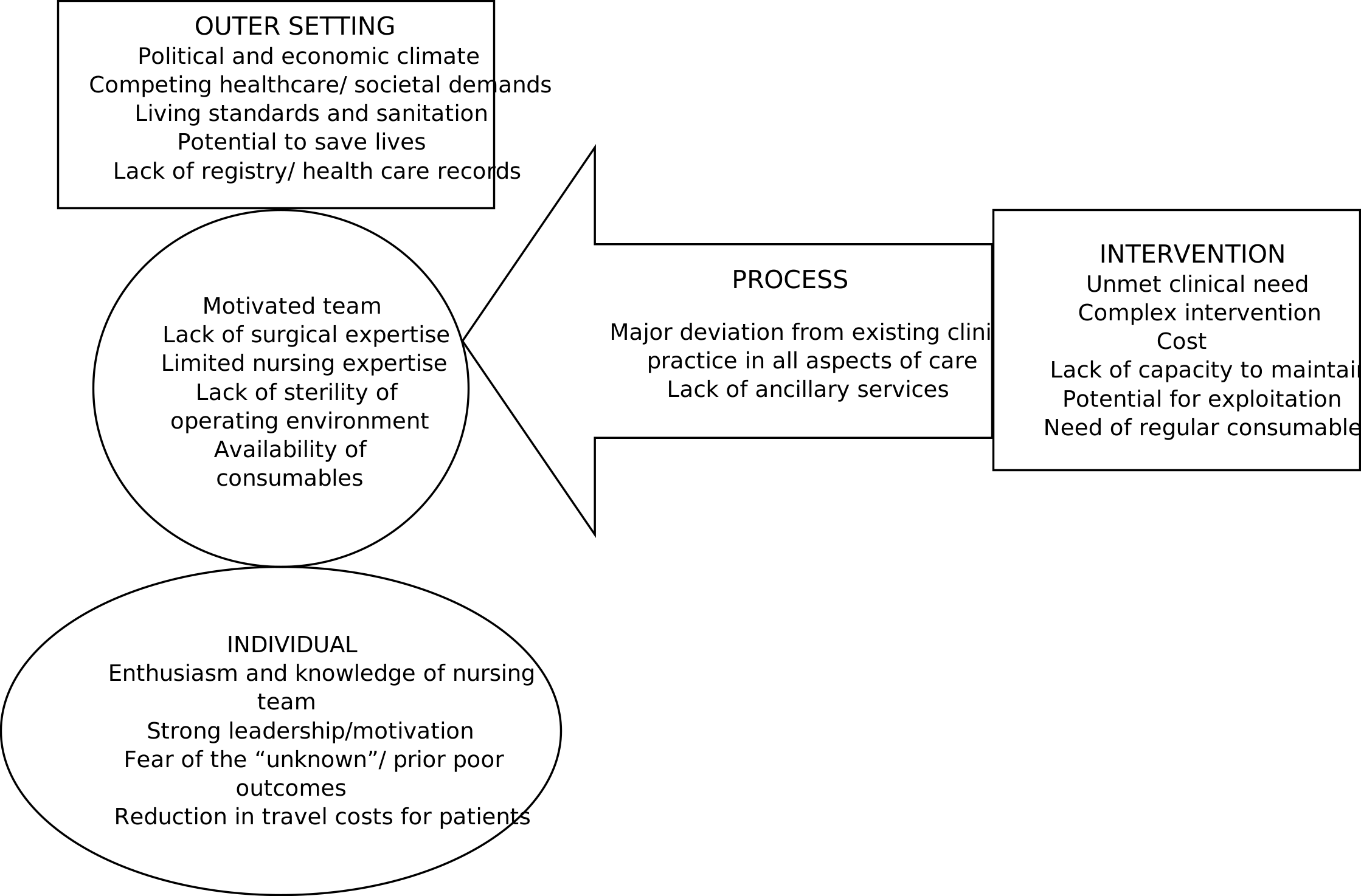
Implementation science is a novel area of research that seeks to understand why an intervention succeeds or fails [28]. Many interventions fail despite well-developed plans for execution because contextual factors can be powerful forces acting against real-world implementations [27]. This is particularly the case for dynamic, complex interventions, in which the reasons for success or failure are often multifactorial. It is hoped that qualitative work, such as this, will help determine the root causes of implementation failure, allowing them to be addressed in the planning phases of any intervention. The Consolidated Framework for Implementation Research (CFIR) can be utilized to understand and address the facilitators of implementation [29]. Figure 2 outlines the barriers and enablers identified in this study that would need to be addressed within the CFIR framework and domains. We have added to this table the potential mitigators e.g. local manufacturing/ supply chains; community educators and support nurses; “buddy schemes”; ready availability of basic sanitation tools e.g. soap and basins. It is evident that some factors extend well beyond the health care system, therefore early engagement of policymakers will be needed to demonstrate the potential value compared to opportunity costs. With this in mind, we consider the next steps towards successful implementation of a PD service in Malawi are:
- Establishment of a national renal registry to permit accurate statistics on prevalence of renal disease
- Population-based screening strategies for ESRD to be included within non-communicable disease intervention plan to permit early detection
- Wider engagement with governmental, community and industry stakeholders about feasibility of implementation (supply chains etc.)
- Comprehensive cost-effectiveness analysis of KRT, including PD, in Malawi
5. Conclusion
In summary, following the WHO’s statement on non-communicable diseases last year, there has been an increased focus on the cost-effective provision of renal care within LMICs. Our work demonstrates that re-establishment of a PD service within Malawi is an important next step to expand high-quality home-based renal care, minimizing travel costs, especially for those living remotely. Potential barriers (risk of infection due to living conditions, reliable supply of consumables, and training) were not insurmountable. However, political buy-in is essential for capacity building and creating a sustainable infrastructure. It is hoped that future collaboration between our units will help facilitate this.
Author contributions
EA and DC designed the study. EA conducted interviews, analyzed results and prepared final manuscript. EA, LB and MK analyzed results. MK, MM, VC and EM conducted interviews with patients. All authors reviewed and contributed to the final manuscript.
Conflict of interest
The authors have no conflict of interest to declare.
Funding
This research was supported by an Investigator Led small project grant from Vantive Healthcare.
References
- Yakubu AO, Olusesi OT, Lawal FI et al. Economic cost of end-stage renal disease in Africa: a systematic review. BMC Nephrol 2025; 26: 551. DOI: 10.1186/s12882-025-04478-5[CrossRef] [PubMed]
- Tannor EK, Davidson B, Nlandu YM et al.. Global Disparities in Access and Utilization of Dialysis - Africa, the Disadvantaged Continent. Adv Kidney Dis Health 2025; 32: 241-248. DOI: 10.1053/j.akdh.2024.11.002[CrossRef] [PubMed]
- Poverty and Equity Brief: Malawi, The World Bank, April 2020. Available online at: https://databankfiles.worldbank.org/public/ddpext_download/poverty/33EF03BB-9722-4AE2-ABC7-AA2972D68AFE/Global_POVEQ_MWI.pdf. Accessed 12th May 2025
- Healthcare in Malawi, Wikipedia, 5th March 2025 Available online at: https://en.wikipedia.org/wiki/Healthcare_in_Malawi. Accessed 12th May 2025
- Learn about Healthcare in Malawi, Ripple Africa, 2023. Available online at: https://rippleafrica.org/healthcare-in-malawi-africa/#:~:text=Malawi%20has%20very%20few%20doctors%20%28only%20one%20for,Assistants%20%28trained%20for%20a%20minimum%20of%20three%20years.% Accessed 12th May 12 2025
- Maya Khomba, personal communication, 12th April 12, 2025
- Msungeni L, Matandika LM, Mukaka M. Renal Services in Major Hospitals in Malawi: A survey of health facilities. DOI: 10.21203/rs.3.rs-1357712/v1[CrossRef]
- Khomba M (2024). Renal Care in Malawi. Poster presentation at The South African Renal Congress, 2024
- Elias MA, Van Damme W, Ku GMV, Kadammanavar M, Wouters E. Lived experiences of people with chronic kidney disease on maintenance dialysis: a systematic review and thematic synthesis of qualitative studies. BMC Nephrol 2025; 26: 22. DOI: 10.1186/s12882-025-03952-4[CrossRef] [PubMed]
- Teerawattananon Y, Chavarina KK, Phannajit J et al. The Access to Dialysis in Low- and Middle-Income Countries Commission: lessons for universal health coverage. Nat Med 2025; 31: 19-21. DOI: 10.1038/s41591-024-03448-y[CrossRef] [PubMed]
- Braun, V., Clarke, V., Hayfeld, N., Terry, G. Answers to frequently asked questions about thematic analysis, 2019 Available online at: https://cdn.auckland.ac.nz/assets/psych/about/our-research/documents/Answers%20to%20frequently%20asked%20questions%20about%20thematic%20analysis%20April%202019.pdf Accessed: 7th June 7 2025
- Braun V, Clarke V. Using thematic analysis in psychology. Qualitative Research in Psychology 2006; 3: 77-101. DOI: 10.1191/1478088706qp063oa[CrossRef]
- Byrne D. A worked example of Braun and Clarke’s approach to reflexive thematic analysis. Qual Quant 2022; 56: 1391-1412. DOI: 10.1007/s11135-021-01182-y[CrossRef] [PubMed]
- Average Salary in Malawi 2024. Timecamp 2024 Available online at https://statistics.timecamp.com/average-salary/malawi/ Accessed: 8th June 2025
- Vos, T Abajobir, AA Abate, KH et al. Global, regional, and national incidence, prevalence, and years lived with disability for 328 diseases and injuries in 195 countries, 1990-2016: a systematic analysis for the Global Burden of Disease Study 2016 Lancet. 2017; 390:1211-1259
- Liyanage T, Ninomiya T, Jha V, et al. Worldwide access to treatment for end-stage kidney disease: a systematic review. Lancet 2015; 385: 1975-1982. DOI: 10.1016/S0140-6736(14)61601-9[CrossRef] [PubMed]
- WHO Reducing the burden of noncommunicable diseases through promotion of kidney health and strengthening prevention and control of kidney disease 3rd February 3, 2025. Available at: https://apps.who.int/gb/ebwha/pdf_files/EB156/B156_CONF6-en.pdf. Accessed 30th July 2025
- Klomjit N, Kattah AG, Cheungpasitporn W. The Cost-effectiveness of Peritoneal Dialysis Is Superior to Hemodialysis: Updated Evidence From a More Precise Model. Kidney Med 2021; 3: 15-17. DOI: 10.1016/j.xkme.2020.12.003[CrossRef] [PubMed]
- NHS Blood and Transplant (2009) Cost effectiveness of transplantation. Available online at: https://nhsbtmediaservices.blob.core.windows.net/organ-donation-assets/pdfs/Organ_Donation_Registry_Fact_Sheet_7_21337.pdf Accessed: 20th September 2025
- Okpechi IG, Jha V, Cho Y et al. The case for increased peritoneal dialysis utilization in low- and lower-middle-income countries. Nephrology (Carlton) 2022; 27: 391-403. DOI: 10.1111/nep.14024[CrossRef] [PubMed]
- Iddrisu AA, Boateng EA. A qualitative study on the perceived barriers to accessing haemodialysis for patients with kidney failure (KF) in Northern Ghana: perspectives of healthcare providers. BMC Nephrol 2025; 26: 263. DOI: 10.1186/s12882-025-04190-4[CrossRef] [PubMed]
- Abdulkarim S, Shah J, Twahir A, Sokwala AP. Eligibility and patient barriers to peritoneal dialysis in patients with advanced chronic kidney disease. Perit Dial Int 2021; 41: 463-471. DOI: 10.1177/0896860821998200[CrossRef] [PubMed]
- Jha V, Martin DE, Bargman JM, et al. International Society of Nephrology Ethical Dialysis Task Force. Ethical issues in dialysis therapy. Lancet 2017; 389: 1851-1856. DOI: 10.1016/S0140-6736(16)32408-4[CrossRef] [PubMed]
- Barsoum RS, Khalil SS, Arogundade FA. Fifty years of dialysis in Africa: challenges and progress. Am J Kidney Dis 2015; 65: 502-512. DOI: 10.1053/j.ajkd.2014.11.014[CrossRef] [PubMed]
- Crosby L, Baker P, Hangoma P, Barasa E, Hamidi V, Chalkidou K. Dialysis in Africa: the need for evidence-informed decision making. Lancet Glob Health 2020; 8: e476-e477. DOI: 10.1016/S2214-109X(20)30058-9[CrossRef] [PubMed]
- Afiatin, Khoe LC, Kristin E, et al. Economic evaluation of policy options for dialysis in end-stage renal disease patients under the universal health coverage in Indonesia. PLoS One 2017; 12: e0177436. DOI: 10.1371/journal.pone.0177436[CrossRef] [PubMed]
- Kirchner JE, Smith JL, Powell BJ, Waltz TJ, Proctor EK. Getting a clinical innovation into practice: An introduction to implementation strategies. Psychiatry Res 2020; 283: 112467. DOI: 10.1016/j.psychres.2019.06.042[CrossRef] [PubMed]
- Nilsen P, Bernhardsson S. Context matters in implementation science: a scoping review of determinant frameworks that describe contextual determinants for implementation outcomes. BMC Health Serv Res 2019; 19: 189. DOI: 10.1186/s12913-019-4015-3[CrossRef] [PubMed]
- Damschroder LJ, Reardon CM, Widerquist MAO, Lowery J. The updated Consolidated Framework for Implementation Research based on user feedback. Implement Sci 2022; 17: 75. DOI: 10.1186/s13012-022-01245-0[CrossRef] [PubMed]