
Abstract
This study proposes an integrated approach combining geographic information systems (GIS) and geotechnical analyses to assess the stability of the Oued Ayda mountain lake dam, located in the Siliana Governorate, northwestern Tunisia. The mechanical properties of the embankment and foundation materials were integrated into a Mohr-Coulomb geomechanical model, while the pore water pressure distribution was simulated for various representative hydromechanical scenarios: end of construction, normal operation, rapid drainage, and short- and long-term empty reservoir conditions. The stability analysis, performed using the Morgenstern-Price method with the SLOPE/W software (GeoStudio), reveals high safety factors on the upstream side (SF > 3 in the short term and SF ≥ 2 in the long term), indicating good resistance of this slope to hydraulic and mechanical stresses. Conversely, the results show that the downstream slope exhibits significantly lower safety factors, ranging from 1.335 to 1.338 under long-term conditions, particularly during normal operating and rapid drainage scenarios. These reduced values indicate a high vulnerability of this slope to persistent saturation and adverse hydraulic gradients. In conclusion, although the dam exhibits satisfactory overall stability, the downstream slope remains the most vulnerable area of the structure. The results underscore the need for rigorous management of water level fluctuations and suggest reinforcing the drainage system or implementing targeted stabilization measures to ensure the long-term safety and durability of the structure.
1. Introduction
Hillside reservoirs, also referred to as mountain lakes, are small hydraulic structures constructed in areas of moderate relief to mobilize, store, and regulate surface water resources. They play a strategic role in semi-arid environments characterized by high rainfall variability, strong evapotranspiration, and irregular seasonal precipitation patterns [1, 2, 3]. These infrastructures contribute significantly to groundwater recharge, agricultural irrigation, water supply security, and the attenuation of extreme hydrological events such as droughts and floods [4, 5, 6, 7, 8]. Recent studies emphasize that, under climate change conditions, small reservoirs play a crucial role in enhancing water resilience and adapting local water management strategies, particularly in semi-arid and Mediterranean regions [9, 10, 11, 12, 13].
The long-term sustainability and hydraulic efficiency of hillside reservoirs are closely dependent on the geotechnical stability of the earth dams that constitute their retaining structures. The stability of embankment dams is governed by a combination of factors including dam geometry, material properties, moisture conditions, degree of saturation, pore water pressure distribution, and reservoir level fluctuations [14, 15, 16, 17]. Recent investigations have shown that hydrological extremes such as rapid filling, sudden drawdown, or intense rainfall events can significantly modify seepage regimes and destabilize embankment structures [18, 19, 20, 21, 22]. Furthermore, accelerated sedimentation processes, increasingly observed in small reservoirs, reduce storage capacity and alter hydraulic loading conditions, thereby indirectly affecting dam stability [23, 8, 13].
Several recent studies underline that neglecting the spatial variability and uncertainty of geotechnical parameters remains one of the principal causes of instability in homogeneous or zoned earth dams [24, 25, 26]. Contemporary research increasingly incorporates probabilistic and numerical approaches to better account for such variability, particularly in semi-arid contexts where soil heterogeneity and moisture dynamics are pronounced [27, 21, 22]. In parallel, artificial intelligence and machine learning techniques have recently been introduced to enhance slope stability prediction and early warning capabilities for earth dams, offering promising results compared to conventional deterministic methods [28].
Traditionally, embankment dam stability assessment has been conducted using limit equilibrium methods, such as those proposed by Fellenius (1935) [14], Bishop (1955) [15], and Janbu (1973) [29], which provide estimates of safety factors along potential failure surfaces. While these approaches remain widely used in engineering practice, recent studies highlight their limitations in capturing complex hydromechanical interactions, three-dimensional geometry, and watershed-scale hydrological influences [30, 31, 32]. Consequently, recent research increasingly favors the integration of numerical modeling, probabilistic frameworks, and spatial analysis tools to overcome these limitations [33, 28].
In this context, geographic information systems (GIS) have emerged as essential tools for integrating geological, topographical, hydrological, and environmental data within a unified spatial framework [34, 35, 36, 37]. Recent GIS-based studies have demonstrated their effectiveness in mapping erosion processes, sediment transport, and silting impacts on small reservoirs in semi-arid regions, thereby supporting dam safety and maintenance planning [38]. Moreover, the coupling of GIS with geotechnical and numerical models enables more realistic simulations of embankment behavior under variable hydrological and climatic scenarios [39, 40, 41, 33, 42].
This GIS–geotechnical integration now constitutes a robust operational framework for dam safety assessment, monitoring, and sustainable management in semi-arid environments. It supports stability zoning, identification of failure-prone areas, and decision-making related to maintenance and risk mitigation strategies [43, 44, 45]. Within this framework, recent advances in geospatial databases and monitoring technologies further enhance the capacity to assess dam behavior at both local and catchment scales [46]. Accordingly, the present study aims to assess the stability of the Oued Ayda hillside reservoir dam through an integrated approach combining conventional geotechnical analyses with advanced GIS-based modeling tools. This methodology seeks to evaluate the current structural condition, identify critical instability zones, and propose a monitoring strategy adapted to the long-term and sustainable management of this hydraulic infrastructure.
2. Materials and Methods
2.1. Study Area
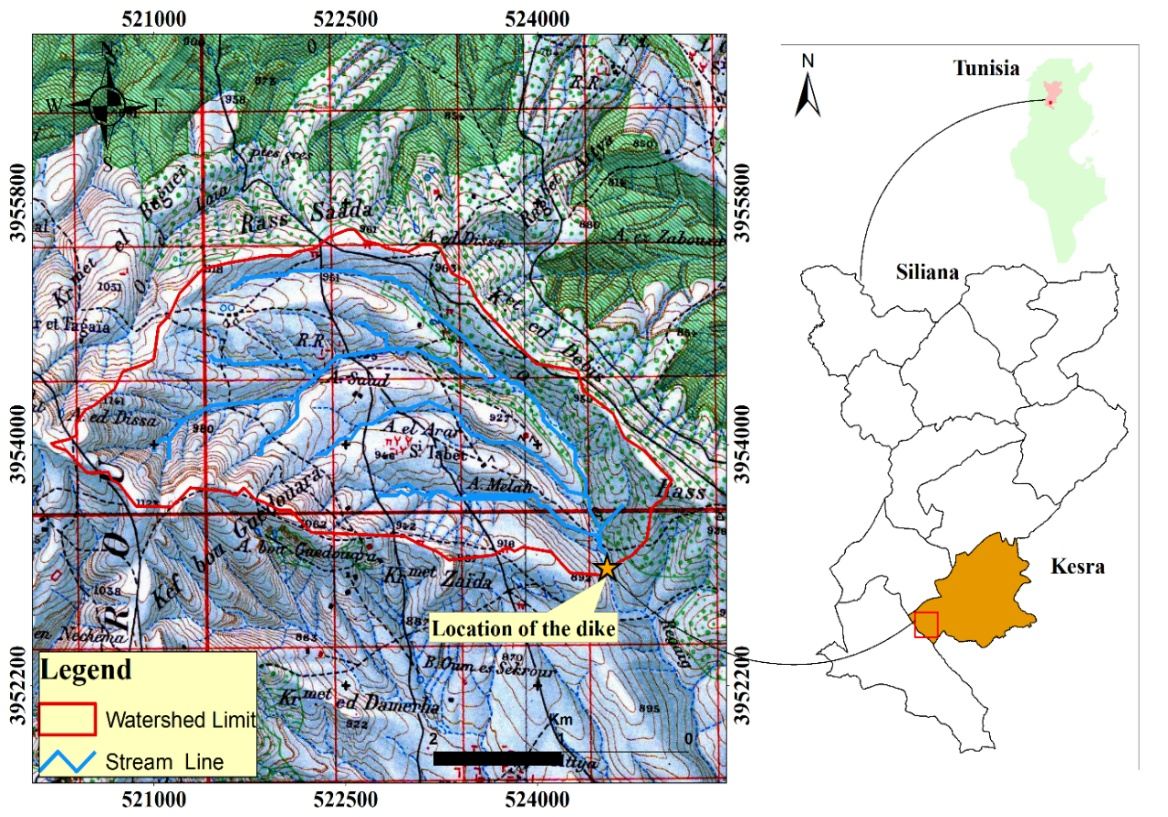
The Oued Ayda hill reservoir dam is planned in the Ellouza region, within the Kesra delegation, in the Siliana Governorate. Its geographical position was established using the Djebel Barbrou topographic map (sheet no. 61, scale 1:50.000) and corresponds to the following Carthage UTM coordinates: X = 524,542.14 m and Y = 3,953,095.86 m (Figure 1). The catchment area supplying the reservoir covers an area of 7.3 km² and has a perimeter of approximately 12.36 km. The region is subject to a semi-arid, low-altitude climate, with cold winters and highly irregular rainfall. Water withdrawals, often significant and concentrated, are generally predominant in September, significantly influencing the reservoir's hydrological regime.
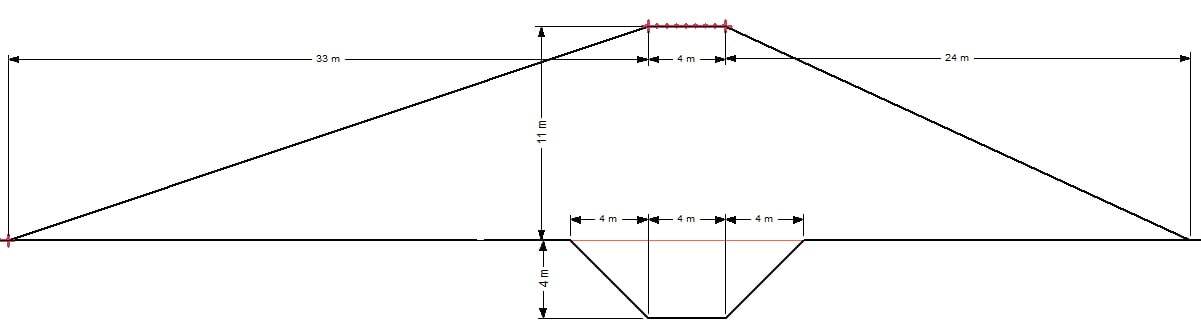
From a geological perspective, the lower part of the Oued Ayda watershed rests primarily on alluvial terraces composed of lumachelle clays and calcareous gravels. These formations overlie laminated brown-green clays, interspersed with nodular limestone, thus ensuring the lithological continuity of the Rass El Fejja and Koudiet Znida hills. This lithological configuration influences soil stability and the dynamics of water erosion in the lower zone. The structure consists of a homogeneous earth dike, with a maximum height of 11 m, slopes of 1V:3H upstream and 1V:2.5H downstream, and a crest width of 4 m (Figure 2).
2.2. Methodology
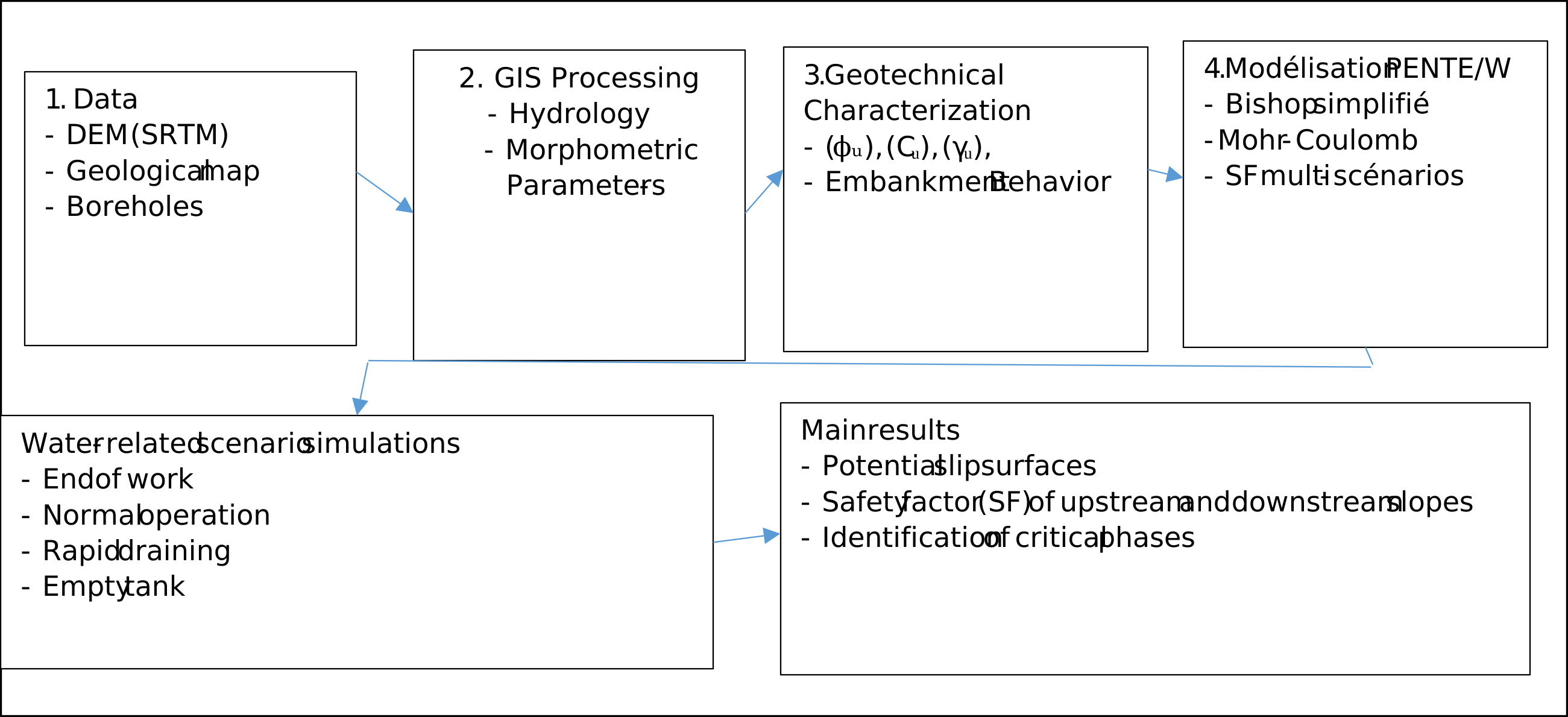
The methodology is based on an integrated approach combining GIS tools and geotechnical analyses to assess the stability of the Oued Ayda hill lake dam (Figure 3). It is structured in four complementary steps. The first step consists of gathering, verifying, and georeferencing all topographic, geological, and pedological data, particularly from the SRTM DEM, as well as the results of geotechnical surveys and tests carried out on-site and in the laboratory. The second step utilizes the spatial analysis capabilities of GIS to organize the information, extract the morphological parameters of the watershed, and identify areas likely to be sensitive to hydrological processes. The third step focuses on the geotechnical characterization of the embankment and foundation through laboratory tests to determine the essential mechanical properties of the soil (Table 1), such as the friction angle (ϕᵤ), cohesion (Cᵤ), and density (γᵤ), in the short and long term. These parameters are then used to define a Mohr-Coulomb type behavioral model consistent with the principles of soil mechanics. Finally, the dam's stability is simulated using the SLOPE/W software by applying the simplified Bishop method to calculate the safety factor under different hydraulic scenarios (completion of construction, normal operation, rapid drainage, empty reservoir). The results obtained provided an initial assessment of the structure's overall stability and serve as a basis for guiding management, monitoring, and potential reinforcement measures.
3. Results
The stability assessment of the Oued Ayda mountain lake dam revealed significant variations in the safety factor (SF) during the different simulated hydromechanical phases. The results show a clear contrast between the upstream and downstream slopes, highlighting the crucial role of saturation, stress redistribution, and hydraulic gradients on the overall stability of the structure.
3.1. Short-Term Analysis
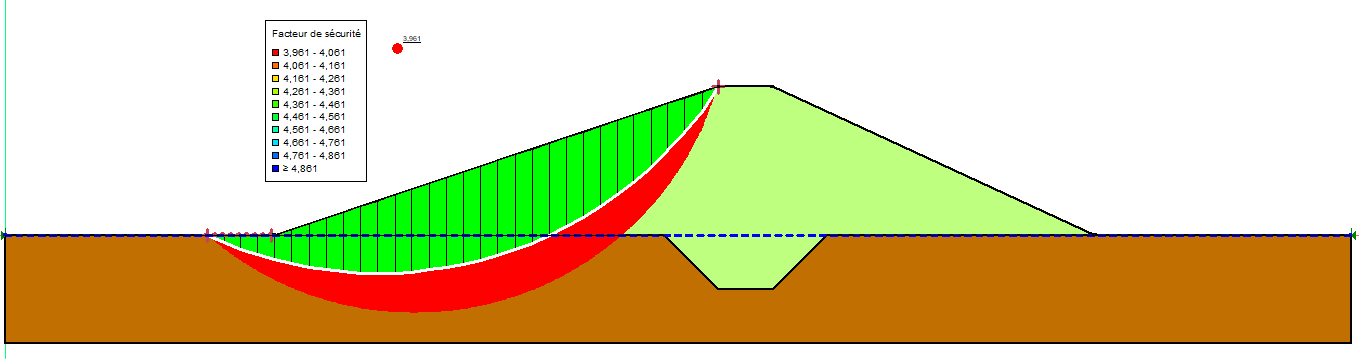
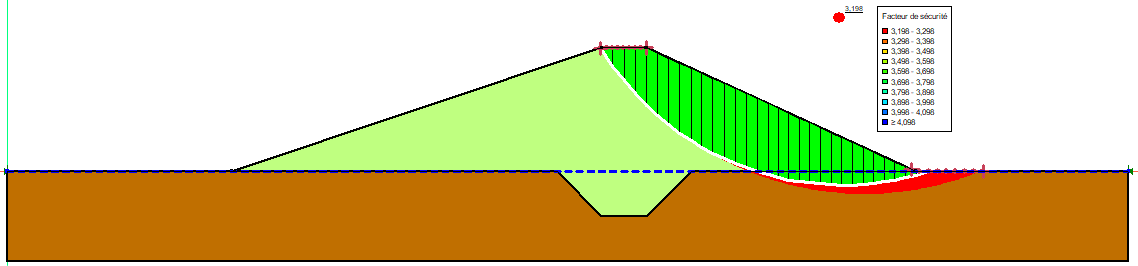
At the end of construction, the upstream slope had an SF of 3,961 (Figure 4), while the downstream slope had a value of 3,198 (Figure 5). These high values are explained by the low saturation of the embankment, a characteristic of recently compacted materials. The absence of significant pore water pressures allows for maximum mobilization of shear strength, which corresponds to the behavior generally observed for new embankments.
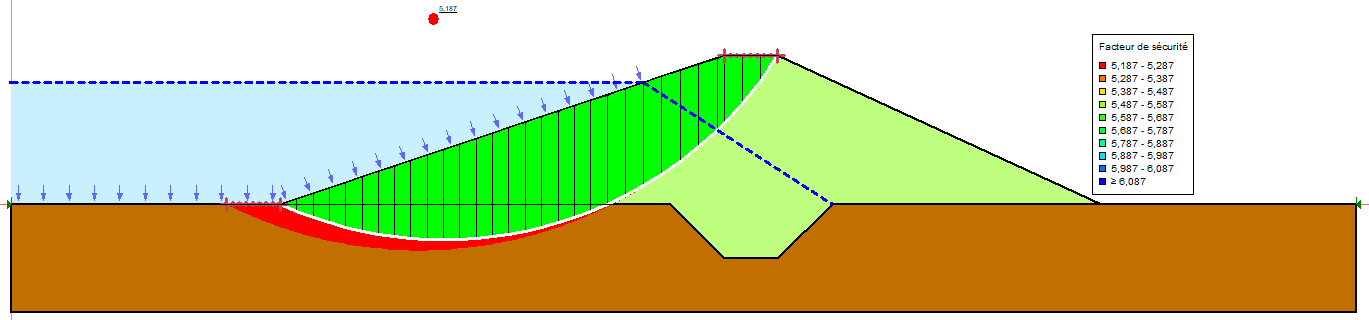
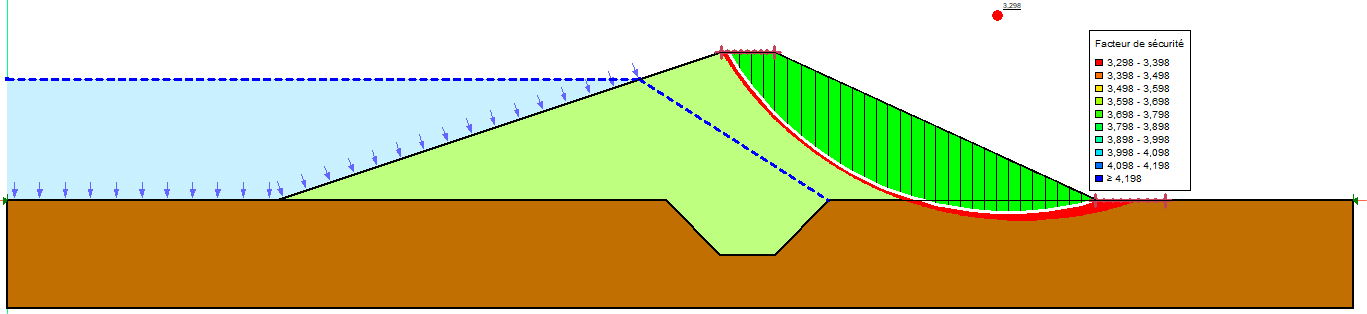
Under normal operating conditions, the results show a significant improvement in the safety factor (SF) upstream, reaching 5.187 (Figure 6), while downstream it stands at 3.298 (Figure 7). This increase, particularly marked upstream, reflects the consolidation of materials after the flood as well as the stabilization of the piezometric level. The downstream slope, on the other hand, remains less stable, which corresponds to the expected behavior when internal drainage is not optimal.
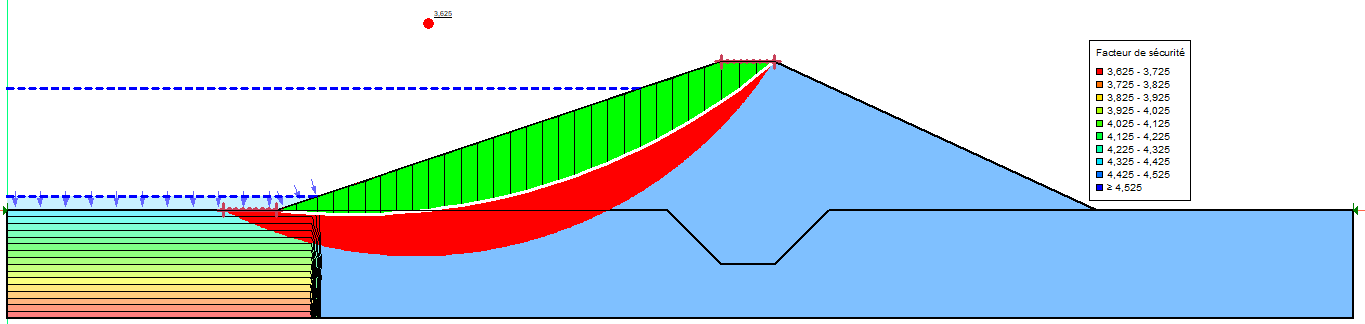
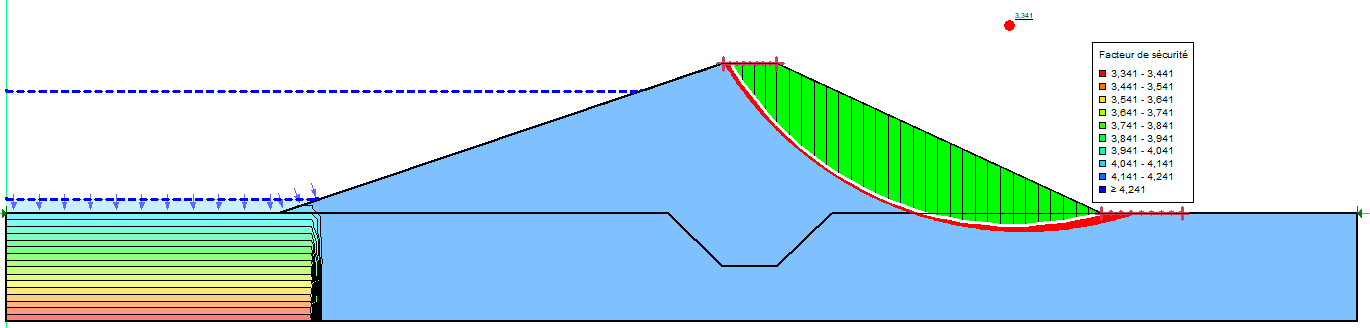
During a rapid drainage event, a slight decrease in the SF (Safety Factor) is observed: 3.625 for the upstream side (Figure 8) and 3.341 for the downstream side (Figure 9). This decrease is linked to the occurrence of a reverse hydraulic gradient during the rapid drop in water level. Nevertheless, these values remain well above the minimum threshold required in the short term, indicating satisfactory resistance of the structure under these conditions.
3.2. Long-term analysis
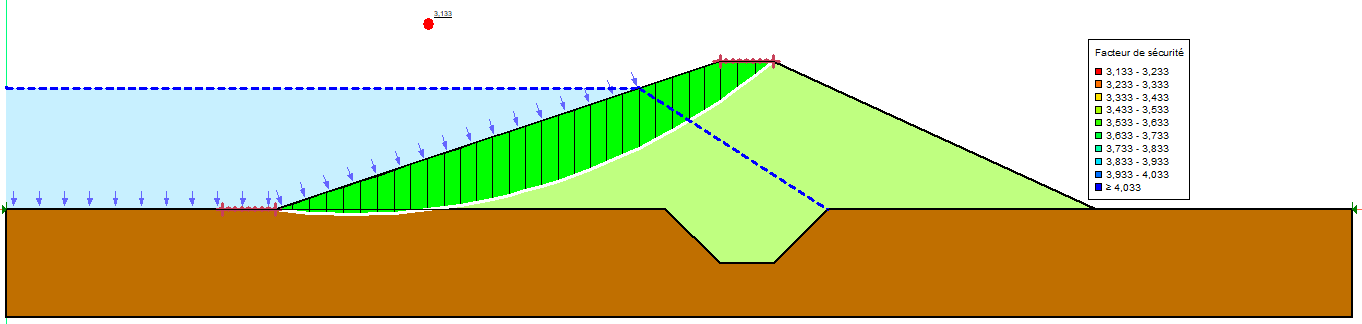
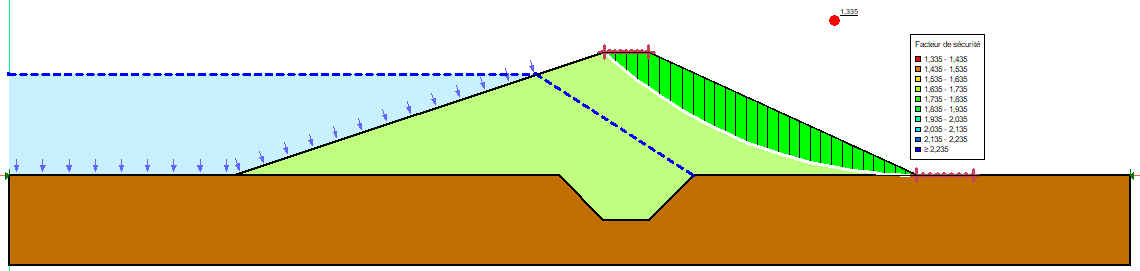
Under consolidated conditions, the situation becomes more critical, especially for the downstream slope. Under normal operating conditions, the upstream slope (Figure 10) maintains adequate stability (SF = 3.133), while the downstream slope drops to 1.335, close to the minimum safe operating threshold (Figure 11). This decrease is due to accumulated saturation and a reduction in effective stresses, which decreases shear strength.
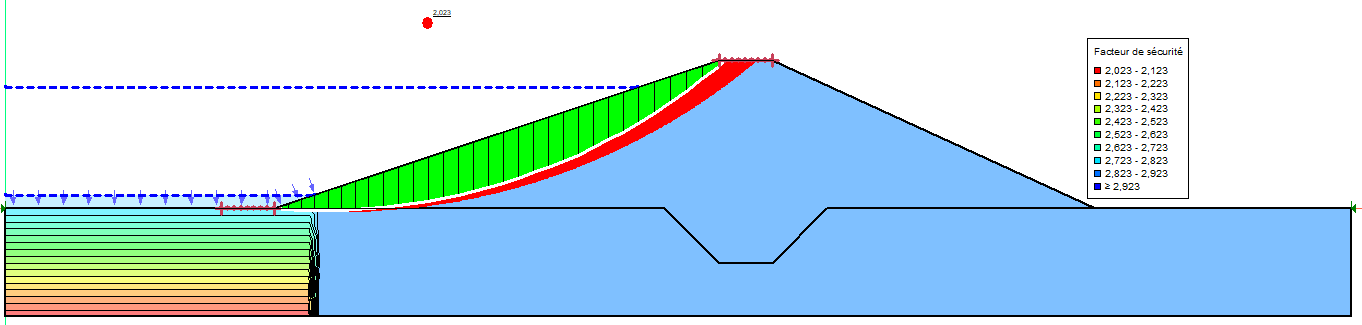
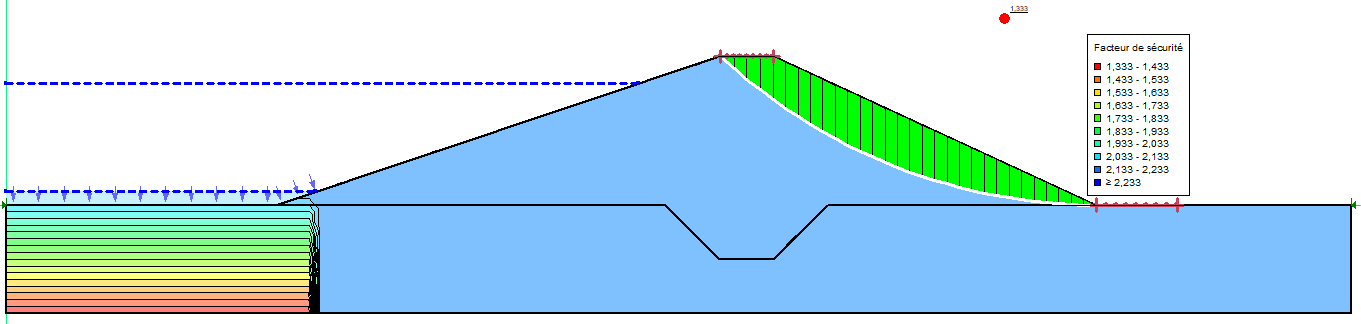
Rapid long-term drainage is the most critical phase: the upstream slope has a safety factor (SF) of 2.023, which is still acceptable (Figure 12), while the downstream slope remains weak (SF=1.333), indicating potential instability (Figure 13). The persistence of pore water pressure in the downstream embankment, combined with an unfavorable hydraulic gradient, explains this behavior.
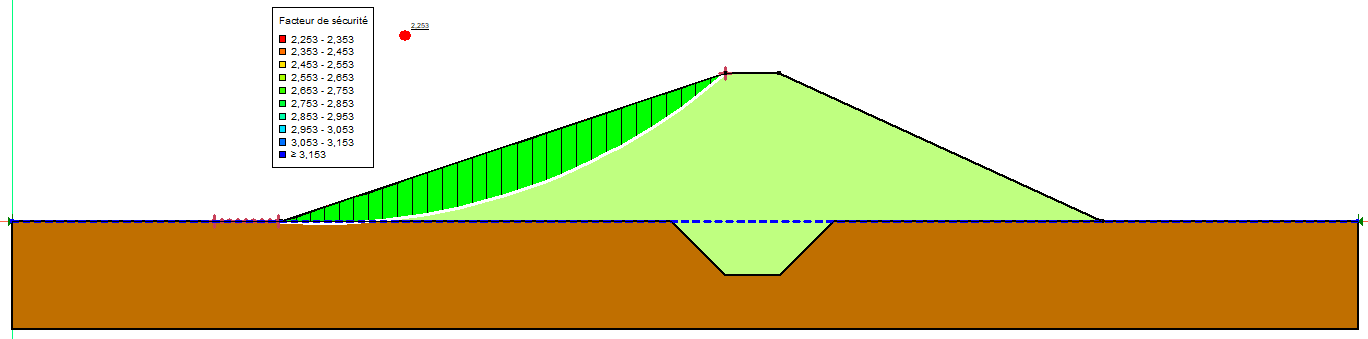
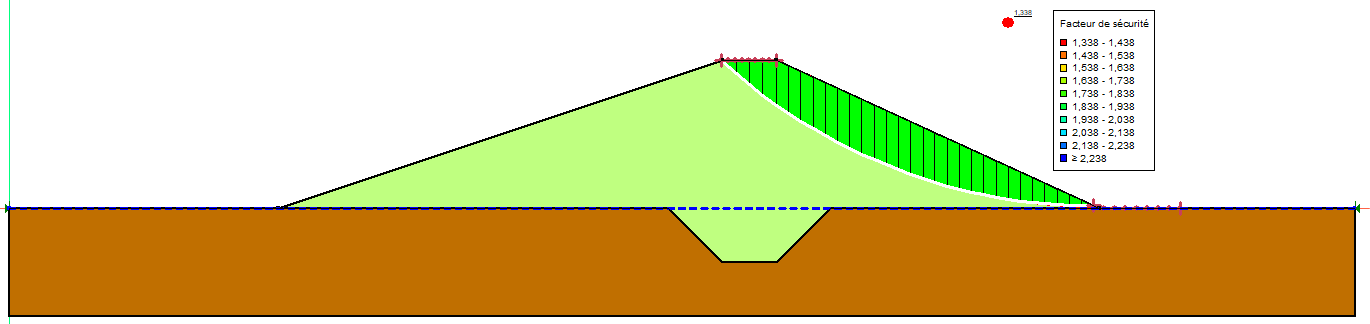
During the dry phase, the values increase slightly upstream (2.253) (Figure 14), while they remain low downstream (1.338) (Figure 15). The absence of water alone is therefore insufficient to restore optimal stability, demonstrating that the structural fragility of the downstream slope is influenced more by material and hydrogeological conditions than by the hydraulic regime alone.
The results show that the upstream slope maintains satisfactory short- and long-term stability, thanks to efficient drainage and rapid consolidation of the materials. In contrast, the downstream slope represents the critical zone of the structure, with safety factors close to the minimum threshold (≈ 1.33) in the long term, requiring particular attention (Table 2). The main causes of this fragility are:
- High saturation of the downstream embankment and persistent pore water pressures.
- Insufficient internal drainage, limiting the removal of pore water.
- The mechanical properties of the downstream soil, reducing the effective shear strength.
These results highlight the importance of regular hydromechanical monitoring and appropriate drainage measures, particularly on the downstream slope, to ensure the long-term safety of the dike.
4. Conclusion
The stability study of the Oued Ayda hill lake dam, based on the Morgenstern-Price method, allowed for the evaluation of the structure's mechanical behavior under various hydrological conditions and for two time horizons: short-term and long-term. The simulations covered several representative scenarios, including the end of construction, normal operation, rapid drainage, and an empty reservoir, in order to account for all possible stresses on the structure.
The results show that the upstream slope of the dam exhibits satisfactory overall stability, with safety factors greater than 3 in the short term and greater than 2 in the long term, indicating high resistance to hydraulic variations and mechanical stresses. Conversely, the downstream slope exhibits lower safety factors, between 1.33 and 1.34 in the long term, particularly under rapid drainage and steady-state conditions. These values reveal the sensitivity of this slope to persistent pore water pressures, reversed hydraulic gradients, and the limitations of the existing drainage system. The analysis highlights that, despite the absence of an immediate risk of failure, the functional stability of the structure is highly dependent on water level management and hydrological dynamics. Targeted corrective measures, such as localized reinforcement of the downstream slope, improved internal drainage, and progressive control of discharges, are necessary to mitigate the risks associated with prolonged saturation and adverse gradients. This study provides a sound scientific framework for decision-making and planning preventive interventions, contributing to the long-term safety and sustainability of the dike.
Funding: “This research received no external funding”
Conflicts of Interest: “The authors declare no conflict of interest.”
References
- Nasri, S., Albergel, J., & Chebbi, A. (2004). Small hill reservoirs in Tunisia: Hydrological functioning and impact. Hydrological Sciences Journal, 49(5), 835–849. https://doi.org/10.1623/hysj.49.5.835.[CrossRef]
- Ben Mammou, A., & Louati, M. H. (2007). Contribution of hill reservoirs to groundwater recharge in semi-arid Tunisia. Hydrological Sciences Journal, 52(6), 1179–1190. https://doi.org/10.1623/hysj.52.6.1179.[CrossRef]
- Bouanani, A., Benaabidate, L., & Nasri, S. (2021). Small hill reservoirs and water resource management in semi-arid regions. Water Resources Management, 35(4), 1203–1218. https://doi.org/10.1007/s11269-020-02761-4.
- Albergel, J., & Rejeb, N. (1997). Les lacs collinaires en Tunisie : enjeux, contraintes et perspectives. Sécheresse, 8(2), 77–84.
- Mekki, I., Jacob, F., & Marlet, S. (2013). Managing water resources in semi-arid Tunisia. Agricultural Water Management, 117, 95–103. https://doi.org/10.1016/j.agwat.2012.10.006.[CrossRef]
- Khatri, K. B., & Vairavamoorthy, K. (2007). Challenges for urban water supply in developing countries. Water Science and Technology, 55(1–2), 191–199.
- Boufaroua, M., Jarraya, M., & Zairi, M. (2019). Role of small reservoirs in climate change adaptation in North Africa. Water Resources Management, 33(5), 1701–1716. https://doi.org/10.1007/s11269-019-02230-5.
- Chebbi, A., Nasri, S., & Boufaroua, M. (2020). Hydrological efficiency and sedimentation of hill lakes in semi-arid environments. Journal of Arid Environments, 176, 104123. https://doi.org/10.1016/j.jaridenv.2020.104123.
- Dakhlaoui, H., Ruelland, D., Tramblay, Y., & Bargaoui, Z. (2020). Climate change impacts on water resources in Mediterranean semi-arid regions. Science of the Total Environment, 703, 134680. https://doi.org/10.1016/j.scitotenv.2019.134680.[CrossRef] [PubMed]
- IPCC. (2021). Climate change 2021: The physical science basis. Cambridge University Press. https://doi.org/10.1017/9781009157896.[CrossRef]
- De Stefano, L., Petersen-Perlman, J. D., & Sproles, E. A. (2018). Small dams and sustainable water management. Sustainability, 10(11), 3964. https://doi.org/10.3390/su10113964.[CrossRef]
- Zhang, Y., He, B., & Wang, J. (2022). Small reservoirs and climate resilience. Journal of Hydrology, 610, 127865. https://doi.org/10.1016/j.jhydrol.2022.127865.[CrossRef]
- Sedláček, J., Müller, M., & Hanel, M. (2025). Reconstruction of reservoir water level–storage volume relationships considering sedimentation effects. Hydrology and Earth System Sciences, 29, 6631–6648. https://doi.org/10.5194/hess-29-6631-2025.[CrossRef]
- Fellenius, W. (1935). Calculation of the stability of earth dams. Transactions of the 2nd Congress on Large Dams, 4, 445–463.
- Bishop, A. W. (1955). The use of the slip circle in the stability analysis of slopes. Géotechnique, 5(1), 7–17. https://doi.org/10.1680/geot.1955.5.1.7.[CrossRef]
- Johansson, F., Bengtsson, P. E., & Johansson, J. (2007). Hydraulic behaviour and failure mechanisms of embankment dams. Engineering Geology, 91(2–4), 199–210. https://doi.org/10.1016/j.enggeo.2007.03.004.[CrossRef]
- Duncan, J. M., & Wright, S. G. (2005). Soil strength and slope stability. John Wiley & Sons.
- Qiao, Y., Zhang, L., & Chen, Y. (2018). Stability analysis of earth dams under water level fluctuations. Computers and Geotechnics, 102, 72–83. https://doi.org/10.1016/j.compgeo.2018.06.005.[CrossRef]
- Abdelrazek, E., El-Ramly, H., & Fattah, M. Y. A. (2019). Stability analysis of earth dams under rapid drawdown conditions. Alexandria Engineering Journal, 58(2), 487–499. https://doi.org/10.1016/j.aej.2019.04.003.[CrossRef]
- Cheng, Y. M., Lansivaara, T., & Wei, W. B. (2020). Two-dimensional slope stability analysis for nonhomogeneous slopes. Computers and Geotechnics, 118, 103336. https://doi.org/10.1016/j.compgeo.2019.103336.[CrossRef]
- Du, C., Tao, H., & Yi, F. (2024). Seepage stability analysis of geogrid-reinforced tailings dams. Scientific Reports, 14, 52472. https://doi.org/10.1038/s41598-024-52472-y.[CrossRef] [PubMed]
- Zhang, L., Chen, Q., & Li, Z. (2020). Stability analysis of earth dams under fluctuating reservoir water levels. Computers and Geotechnics, 123, 103604. https://doi.org/10.1016/j.compgeo.2020.103604.[CrossRef]
- Morris, G. L., & Fan, J. (1998). Reservoir sedimentation handbook. McGraw-Hill.
- Phoon, K. K., & Kulhawy, F. H. (1999). Characterization of geotechnical variability. Canadian Geotechnical Journal, 36(4), 612–624. https://doi.org/10.1139/t99-038.[CrossRef]
- Fenton, G. A., & Griffiths, D. V. (2008). Risk assessment in geotechnical engineering. John Wiley & Sons.[CrossRef]
- Griffiths, D. V., Huang, J., & Fenton, G. A. (2011). Influence of spatial variability on slope reliability. Géotechnique, 61(12), 1037–1051. https://doi.org/10.1680/geot.9.P.010.[CrossRef]
- Baecher, G. B., & Christian, J. T. (2003). Reliability and statistics in geotechnical engineering. John Wiley & Sons.
- Samui, P., Karthikeyan, R., & Kim, D. (2024). Enhancing earth dam slope stability prediction using artificial intelligence. Applied Soft Computing, 146, 110799. https://doi.org/10.1016/j.asoc.2024.110799.
- Janbu, N. (1973). Slope stability computations. In R. C. Hirschfeld & S. J. Poulos (Eds.), Embankment-dam engineering (pp. 47–86). Wiley.
- Griffiths, D. V., & Lane, P. A. (1999). Slope stability analysis by finite elements. Géotechnique, 49(3), 387–403. https://doi.org/10.1680/geot.1999.49.3.387.[CrossRef]
- Zhang, L., Wu, X., & Li, Y. (2016). Limit equilibrium and numerical approaches for slope stability analysis. Engineering Geology, 203, 14–25. https://doi.org/10.1016/j.enggeo.2015.12.005.[CrossRef]
- Duncan, J. M., Wright, S. G., & Brandon, T. L. (2014). Soil strength and slope stability (2nd ed.). John Wiley & Sons.
- Pham, B. T., Prakash, I., & Tien Bui, D. (2021). Hybrid GIS-based slope stability modeling. Environmental Earth Sciences, 80, 140. https://doi.org/10.1007/s12665-021-09478-7.
- Sidle, R. C., & Ochiai, H. (2006). Landslides: Processes, prediction, and land use. American Geophysical Union.[CrossRef]
- Mhawej, M., Fayad, A., & Darwish, T. (2018). GIS-based assessment of slope stability. Environmental Earth Sciences, 77(7), 259. https://doi.org/10.1007/s12665-018-7427-5.
- Chen, W., Pourghasemi, H. R., & Naghibi, S. A. (2021). GIS-based spatial modeling for geohazard assessment. Environmental Earth Sciences, 80(2), 1–17. https://doi.org/10.1007/s12665-020-09316-6.
- Kefeni, K. K., Msagati, T. A. M., & Mamba, B. B. (2022). GIS-based geotechnical hazard analysis. Journal of African Earth Sciences, 185, 104405. https://doi.org/10.1016/j.jafrearsci.2021.104405.
- Djoukbalaa, L., Hamlat, A., & Zeggaf, A. (2024). A geospatial approach-based assessment of soil erosion impacts on dam silting in semi-arid regions. Geomatics, Natural Hazards and Risk, 15(1), 225–244. https://doi.org/10.1080/19475705.2024.2311567.[CrossRef]
- Wang, G., Zhang, L., & Li, T. (2014). GIS-based slope stability modeling under variable hydrological conditions. Engineering Geology, 175, 55–67. https://doi.org/10.1016/j.enggeo.2014.03.015.[CrossRef]
- Lee, S., & Pradhan, B. (2007). Landslide hazard mapping using GIS and geotechnical data. Engineering Geology, 90(3–4), 187–208. https://doi.org/10.1016/j.enggeo.2006.12.004.[CrossRef]
- Youssef, A. M., Pradhan, B., & Sabtan, A. A. (2015). Coupling GIS with geotechnical modeling. Arabian Journal of Geosciences, 8(6), 3569–3585. https://doi.org/10.1007/s12517-014-1451-1.
- Hamlat, A., Djoukbalaa, L., & Zeggaf, A. (2024). GIS-based multi-criteria decision analysis for groundwater dam site selection in arid regions. Groundwater for Sustainable Development, 25, 101092. https://doi.org/10.1016/j.gsd.2024.101092[CrossRef]
- ICOLD. (2018). Risk assessment in dam safety management. International Commission on Large Dams.
- Pourghasemi, H. R., Rossi, M., & Tien Bui, D. (2019). GIS-based landslide susceptibility mapping. Geomorphology, 338, 1–23. https://doi.org/10.1016/j.geomorph.2019.04.001.[CrossRef]
- Pradhan, B., Sameen, M. I., & Lee, S. (2020). GIS-based dam risk assessment. Remote Sensing, 12(17), 2734. https://doi.org/10.3390/rs12172734.[CrossRef]
- Evangelista, A., Margottini, C., & Bianchi, C. (2025). A new geospatial database for dam safety assessment at catchment scale. EGU General Assembly Proceedings.