
Abstract
Background: Disasters such as typhoons, floods, and earthquakes frequently impact the Philippines, placing nurses at the forefront of response and care. Given these recurring threats, ensuring that nurses possess adequate awareness, knowledge, and skills is crucial to mitigate risks, enhance preparedness, and promote effective disaster management. Aim/Objectives: This study sought to (1) assess the current levels of awareness, knowledge, skills, and involvement of private hospital nurses in Rizal Province across four phases of disaster management—mitigation and prevention, preparedness, response, and rehabilitation and recovery; and (2) propose a contingency and training plan based on identified gaps. Methods: A descriptive correlational design was employed. A total of 350 nurses from Level 1, 2, and 3 hospitals participated by completing a validated questionnaire. Data were analyzed using descriptive statistics, analysis of variance, and correlation tests to identify differences and relationships among variables. Results: Overall, the nurses reported very high levels of awareness and skills, coupled with a high level of knowledge and significant involvement in disaster-related activities. Nurses in larger (Level 3) hospitals exhibited higher practical readiness and engagement, while those in Level 1 and 2 facilities had comparatively lower scores. Positive correlations emerged between higher levels of awareness, knowledge, and skills and increased engagement in disaster initiatives. Conclusion: Building on these findings, a targeted contingency and training plan was designed using Pucel’s Performance-based Instructional Design, emphasizing hands-on simulations, structured policy briefings, and collaborative efforts with local disaster risk reduction offices. Addressing these specific gaps can bolster hospital preparedness, strengthen community resilience, and ensure more effective disaster response and patient care.
What is Known on the Topic
- Nurses in disaster-prone areas, particularly in developing countries, often have insufficient training and limited experience in disaster preparedness and response.
- National policies and guidelines in the Philippines (e.g., RA 10121 and DOH Administrative Orders) mandate hospitals to create or update comprehensive disaster management plans.
- Many studies highlight that while hospital nurses typically have high awareness of disaster management, gaps remain in their practical skills, consistent involvement, and familiarity with specific government policies.
What This Paper Adds
- Nurses display strong preparedness with notably high levels of awareness and skills, alongside substantial disaster-management involvement
- Larger (Level 3) hospitals excel in practical disaster response and participation, highlighting disparities in preparedness among different hospital levels.
- Awareness, knowledge, and skills strongly correlate with the extent of nurses’ engagement, underscoring the need for targeted training to enhance overall disaster readiness.
1. Introduction
Disasters, both natural and man-made, pose significant threats to public health and safety, necessitating comprehensive preparedness and response strategies from healthcare systems worldwide [1, 2]. The role of healthcare professionals, particularly nurses, is pivotal in mitigating the impacts of such events through their involvement in disaster risk reduction, emergency response, and recovery efforts [3, 4]. The World Health Organization (WHO) and the International Council of Nurses (ICN) emphasize the need for robust disaster nursing competencies to enhance resilience and preparedness among healthcare personnel [5]. In the Philippines, a disaster-prone country frequently affected by typhoons, earthquakes, and pandemics, the need for disaster nursing education and training is even more pronounced [6]. The increasing frequency and intensity of disasters necessitate a systematic approach to disaster management, particularly in hospitals where nurses serve as frontliners in emergency and crisis situations [7].
Recent global events, such as the COVID-19 pandemic, have underscored the critical role of nurses in disaster response and the challenges they face in terms of preparedness and competency [8, 9]. Studies indicate that while nurses are expected to be adept at disaster management, many remain inadequately prepared due to gaps in education, training, and institutional support [10, 11]. In developed countries, comprehensive disaster preparedness programs are integrated into nursing education and hospital protocols, ensuring that nurses possess the necessary skills to respond effectively to emergencies [12]. However, in developing nations like the Philippines, there is a growing concern regarding the sufficiency of disaster-related education and training among nurses, particularly in private hospitals where standardized disaster management programs may be lacking [13, 14].
The Philippines, ranked among the most disaster-prone countries in the world, has established national frameworks such as the Republic Act No. 10121, known as the Philippine Disaster Risk Reduction and Management Act of 2010, and the Department of Health (DOH) Administrative Order No. 2019-0046 on Disaster Risk Reduction and Management in Health (DRRM-H) [15]. These policies outline the roles and responsibilities of healthcare institutions in disaster preparedness and response [16]. Despite these initiatives, studies have shown that many healthcare facilities, particularly private hospitals, struggle to fully implement these guidelines due to resource constraints and limited institutional commitment [17]. Furthermore, the Disaster Management Reference Handbook (2021) has identified key barriers to disaster preparedness, including inadequate disaster drills, lack of awareness among healthcare workers, and limited access to essential resources for emergency response [18].
Firouzkouhi et al. proposed the Nurse Disaster Preparedness Model, which highlights three phases—pre-disaster, disaster, and post-disaster—emphasizing the need for continuous education and skill enhancement [19]. However, despite these efforts, studies indicate that many Filipino nurses, especially those in private hospitals, lack the necessary training and institutional support to effectively participate in disaster management programs [20, 21].
This study seeks to address the gaps in disaster preparedness among nursing service personnel in private hospitals in Rizal Province, a region frequently affected by floods, earthquakes, and health emergencies in the Philippines. Specifically, it aims to assess nurses’ levels of awareness, knowledge, and self-reported skills in disaster management and their extent of involvement in hospital-led disaster management programs. By identifying the existing gaps and challenges, this research intends to develop a contingency and training plan tailored to the needs of private hospitals in disaster-prone areas. The expected outcomes of this study include enhanced disaster preparedness among nurses, improved hospital disaster management protocols, and strengthened institutional collaboration for emergency response. Ultimately, the findings will contribute to the ongoing efforts to professionalize disaster nursing in the Philippines and ensure that healthcare facilities are adequately equipped to respond to future crises.
2. Materials and Methods
2.1. Research Design
This study employed a quantitative descriptive correlational research design. Based on an extensive literature review, quantitative methods are widely used due to their effectiveness in handling large sample sizes. Determining the relationships among variables is also crucial, particularly in disaster management research.
A survey questionnaire was utilized to assess the levels of awareness, knowledge, skills, and extent of involvement in disaster management among nursing service personnel in private hospitals in Rizal Province. The study focused on the four pillars of disaster management: Disaster Mitigation and Prevention, Disaster Preparedness, Disaster Response, and Disaster Rehabilitation and Recovery. The findings guided the development of a disaster management contingency and training plan tailored to the needs of nursing personnel.
2.2. Participants of the Study
A purposive sampling technique was used to select nursing personnel from private hospitals in Rizal Province, particularly those located in high-risk disaster areas. These areas have experienced severe natural calamities such as floods, typhoons, and earthquakes, as well as high volumes of COVID-19 cases since 2020.
Roscoe’s rule of thumb was applied in determining the sample size, suggesting that sample sizes between 30 and 500 are appropriate for most research studies [22]. The study included 350 participants, representing 50% of the total average number of nurses in 14 selected private hospitals.
Inclusion Criteria included nurses employed in private hospitals within Rizal Province, regardless of their demographic profiles, and other nursing service personnel such as nurse assistants, caregivers, and institutional workers with associate degrees. Exclusion Criteria covered hospital management and office staff. Private hospitals that declined participation were replaced by alternative hospitals within the same region.
2.3. Instrumentation
The survey questionnaire comprised five parts: the Demographic Profile, which collected details such as age, gender, educational attainment, position, hospital level, and years of experience; the Level of Awareness, consisting of 20 items assessing awareness across the four disaster management pillars derived from the National Disaster Risk Reduction and Management Plan (NDRRMP) 2011-2028 [23]; the Level of Knowledge, assessed using a true or false format based on the Philippine Disaster Reduction and Management Act (RA 10121) [24]; the Level of Skills, measured using a four-point Likert scale, with items adopted from the Core Competencies in Disaster Nursing [25] and studies by Rojas et al. (2023) [26], Krongthaeo et al. (2022) [27], and Thobaity et al. (2016) [28]; and the Extent of Involvement, also assessed using a four-point Likert scale, with indicators adapted from Rojas & De Castro (2023) [29].
The questionnaire underwent content validation by five experts specializing in disaster management and disaster nursing. Following validation and revisions, pilot testing was conducted with nursing personnel from hospitals outside Rizal Province.
The reliability of the instrument was assessed using Cronbach’s alpha coefficient, which demonstrated excellent internal consistency across all components.
2.4. Data Gathering Procedures
The data collection process was divided into two phases. During the Preparatory Phase, ethical clearance was secured from the Research Ethics Committee (REC) of St. Paul University Philippines (Approval No.: SPUP_2023_0454_SR_RT, dated 14 August 2023). Informed consent was obtained from all participants in accordance with ethical guidelines.
During the Implementation Phase, eligible participants were briefed on the study’s purpose, benefits, and potential risks. Surveys were administered via Google Forms and paper-based questionnaires, depending on participant preference. The principles of autonomy and confidentiality were strictly followed, with survey responses scheduled for shredding one year post-study. Data were collated and processed using statistical methods.
2.5. Data Analysis
Appropriate statistical tools were applied to analyze the data. Frequency count, percentage, and weighted mean were used for demographic data. The t-test and ANOVA were employed to determine significant differences, while Pearson’s correlation coefficient (r) was used to assess relationships among variables. SPSS software was utilized for data validation and statistical computation.
2.6. Scales for Measurement
The scales (Table 1) used in this study were designed to objectively measure the participants’ disaster management competencies and level of involvement. The level of awareness and skills was assessed using a four-point scale, where a relative value of 4 corresponded to a statistical limit between 3.25 and 4.00, interpreted as very high. A score of 3 ranged from 2.50 to 3.24, categorized as high, while a score of 2 fell within 1.75 to 2.49, signifying a moderate level. Lastly, a score of 1 indicated a statistical limit between 1.00 and 1.74, classified as low.
The level of knowledge (Table 2) was evaluated based on the number of correct answers provided by participants. A correct response range of 266 to 350, representing 76 to 100 percent, was classified as very high. Scores between 178 and 265, covering 51 to 75 percent, were categorized as high. A lower classification of knowledge was assigned to those scoring between 88 and 177 correct answers, corresponding to 26 to 50 percent. Finally, participants with a correct response range of 0 to 87, representing 0 to 25 percent, were categorized as having very low knowledge.
The extent of involvement (Table 3) was also assessed through a four-point scale. A relative value of 4, with a statistical limit between 3.25 and 4.00, was interpreted as a very great extent of involvement. A score of 3, ranging from 2.50 to 3.24, was considered a great extent. A moderate extent of involvement was assigned to scores between 1.75 and 2.49, while the lowest category, limited extent, applied to values between 1.00 and 1.74.
These measurement scales provided a structured and objective basis for evaluating the participants’ awareness, knowledge, skills, and involvement in disaster management across the key domains assessed in this study.
3. Results
3.1. Participants Profile
The study’s participants predominantly consist of young female nurses aged 23-29 years old (91.43%). The majority (77.14%) are female, with male participants making up 19.71% and a small percentage (3.14%) preferring not to disclose their gender. In terms of education, most participants (63.71%) hold a bachelor’s degree, while 6% have an associate degree, and a smaller proportion have master’s (4.29%) or doctoral degrees (2.86%). Additionally, 23.14% fall into the “others” category, possibly referring to short-course diploma holders or certification earners in caregiving or emergency response. Regarding job positions, registered staff nurses form the largest group (62%), followed by nursing assistants (27.43%), nurse supervisors/managers (7.43%), and chief nursing officers/directors (3.14%). The majority of participants work in Level I hospitals (61.71%), while smaller proportions are in Level II (24.57%) and Level III (13.71%) hospitals. In terms of experience, most participants have 0-5 years of hospital experience (88%), with fewer having 6-10 years (8.57%), 11-15 years (2%), and only 1.43% having 16 years or more.
3.2. Participants’ Level of Awareness in Terms of the Four Areas (Disaster Mitigation and Prevention, Disaster Preparedness, Disaster Response and Disaster Rehabilitation and Recovery)
Table 4 indicates the summary of areas’ overall mean, descriptive interpretation and ranking. In summary, the overall mean level of awareness of the participants in all four areas is 3.32, which implies that they exhibit a very high level of awareness. Among the four areas, the highest mean is obtained on disaster preparedness (3.35) followed by disaster response (3.34), disaster rehabilitation and recovery (3.31), and disaster mitigation and prevention (3.29), which got the last ranking as presented in the table.
3.3. Significant Difference in the Participants’ Level of Awareness on Disaster Mitigation and Prevention, Disaster Preparedness, Disaster Response and Disaster Rehabilitation and Recovery When Group According to Their Profile
Table 5 exhibits the participants’ level of awareness on disaster mitigation and prevention when grouped according to their profile. The obtained p-values of 0.215, 0.244, 0.941, 0.127, and 0.343, which are greater than 0.05 level of significance, indicate the acceptance of the null hypothesis. This means that there is no significant difference in the level of awareness on disaster mitigation and prevention when grouped according to age, educational attainment, position in the hospital, level of hospital, and work experience. However, the obtained p-value of 0.025 which is less than 0.05 level of significance indicates the rejection of the null hypothesis. This means that there is a significant difference in the level of awareness on disaster mitigation and prevention when grouped according to gender. Therefore, gender is a factor that affects the level of awareness on disaster mitigation and prevention.
3.4. Participants’ Level of Knowledge in Terms of the Four Areas (Disaster Mitigation and Prevention, Disaster Preparedness, Disaster Response and Disaster Rehabilitation and Recovery)
Table 6 reveals the summary of the average percentage of participants with correct answers, the areas’ overall mean and ranking. In summary, the overall result of the average percentage of participants with correct answers in all four areas is 66.26% which implies that the majority of the participants’ knowledge is at the high level. Specifically, Disaster mitigation and prevention is at a high level with 61.80% correct response while disaster preparedness has 79.82%, which is at the very high, and high level of knowledge in disaster rehabilitation and recovery (72.70%). However, the participants have also a high level of knowledge in disaster response (50.70%). The decision of the overall interpretation is based on the percentage of participants that got the correct response in a true or false objective type of test. Each area is composed of 20 items that are carefully chosen relevant to what is being assessed. The details of these test items in each area, the number of participants that got the correct answer, and its percentage are presented in the following tables.
3.5. Significant Difference in the Participants’ Level of Knowledge on Disaster Mitigation and Prevention, Disaster Preparedness, Disaster Response and Disaster Rehabilitation and Recovery When Grouped According to Their Profile
Table 7 indicates the significant difference in the participants’ level of knowledge on disaster mitigation and prevention when grouped according to their profiles. The obtained p-values of 0.512, 0.66, 0.156, 0.245, 0.925, and 0.386, which are greater than 0.05 level of significance, indicate the acceptance of the null hypothesis. This means that there is no significant difference in the level of knowledge on disaster mitigation and prevention when grouped according to age, gender, educational attainment, position in the hospital, level of hospital, and work experience. Therefore, all participants’ profiles are not factors that affect the level of knowledge in this area.
3.6. Participants Self-Reported Level of Skills on Disaster Mitigation and Prevention, Disaster Preparedness, Disaster Response and Disaster Rehabilitation and Recovery When Grouped According to Their Profile
Table 8 displays the summary of areas’ overall mean and ranking. In summary, the overall mean level of skills in the four areas is 3.39, which implies a perceived very high level of skills in all four areas of disaster management. Among the four different areas, the highest mean is obtained on disaster mitigation and prevention (3.44), followed by disaster response (3.42), described as very high level of skills. Similarly, both disaster preparedness (3.34) and disaster rehabilitation and recovery (3.35) also resulted in a very high level of skills.
3.7. Significant Difference in the Participants’ Self-Reported Level of Skills on Disaster Mitigation and Prevention, Disaster Preparedness, Disaster Response and Disaster Rehabilitation and Recovery When Grouped According to the Profile Variables
Table 9 reveals the significant difference in the participants’ self-reported level of skills on disaster mitigation and prevention when grouped according to their profiles. The obtained p-values of 0.325, 0.844, 0.067 and 0.12, which are greater than 0.05 level of significance, indicate the acceptance of the null hypothesis. This means that there is no significant difference in the perceived level of skills on disaster mitigation and prevention when grouped according to age, position in the hospital, level of hospital, and work experience. Therefore, these participants’ profiles are not factors that affect the level of skills in this area. However, the obtained p-values of 0.009 and 0.039 in gender and educational attainment profiles, which are less than 0.05 level of significance, indicate the rejection of the null hypothesis. This means that these two profiles are factors that affect their perceived level of skills in this area.
3.8. Participants’ Extent of Involvement in terms of the four areas (Disaster Mitigation and Prevention, Disaster Preparedness, Disaster Rehabilitation and Recovery)
Table 10 illustrates the summary of areas’ overall mean, descriptive interpretation and ranking. In summary, all of the areas obtained an overall mean of 3.44, which is interpreted that the participants’ extent of involvement is of “very great extent.” Among the four areas, the highest mean is obtained on disaster response (3.46), followed closely by disaster mitigation and prevention (3.45). Similarly, very great extent means are obtained for disaster rehabilitation and recovery (3.43) and disaster preparedness (3.42). It implies that the participants' perception and participation in their involvement in disaster mitigation and prevention, preparedness, response, and rehabilitation and recovery are very satisfactory. Nevertheless, two items have to be considered in future training plans, which include their time in reading to be more knowledgeable about disaster risk reduction and management, and working with the recovery coordinators to restore, redevelop and revitalize communities and healthcare facilities affected by disaster.
3.9. Significant Difference in the Participants’ Extent of Involvement in Disaster Mitigation and Prevention, Disaster Preparedness, Disaster Response, and Disaster Rehabilitation and Recovery When Grouped According to Their Profile
Table 11 displays the significant difference in the participants’ extent of involvement on disaster mitigation and prevention when grouped according to their profiles. The obtained p-values of 0.15 and 0.26 which are greater than 0.05 level of significance indicate the acceptance of the null hypothesis. This means that there is no significant difference in the perceived extent of involvement in disaster mitigation and prevention when grouped according to age and position in the hospital. Therefore, these participants’ age and position in the hospital profiles are not factors that affect their perceived extent of involvement in this area. However, the obtained p-values of 0.013, 0.023, 0.006, and 0.036 in gender, educational attainment, level of hospital, and work experience profiles, which are less than 0.05 level of significance, indicate the rejection of the null hypothesis. This means that these profiles are factors that affect their extent of involvement in this area.
3.10. Significant Relationship Between Participants’ Extent of Involvement with Their Level of Awareness, Level of Knowledge, and Self-Reported Level of Skills
Table 12 presents the relationship between the participants’ extent of involvement and their level of awareness. The obtained probability value of 0.001 is less than 0.05 level of significance, which leads to the rejection of the null hypothesis. This means that there is a significant relationship between the participants’ extent of involvement and level of awareness in all four areas of disaster management. The obtained Pearson’s r value of 0.855 indicates a very high positive correlation, which means that the two variables are highly and positively correlated. This means that the participants’ higher extent of involvement in all areas of disaster management, the higher level of their awareness. The relationship between the participants’ extent of involvement and their level of knowledge. The obtained probability value of 0.001 is less than 0.05 level of significance which leads to the rejection of the null hypothesis. This means that there is a significant relationship between the participants’ extent of involvement and level of knowledge in all four areas of disaster management. The obtained Pearson’s r value of 0.289 indicates a high positive correlation, which means that the two variables are highly and positively correlated. This means that the participants’ higher extent of involvement in all areas of disaster management, the higher level of their knowledge. The relationship between the participants’ extent of involvement and their self-reported level of skills. The obtained probability value of 0.001 is less than 0.05 level of significance which leads to the rejection of the null hypothesis. This means that there is a significant relationship between the participants’ extent of involvement and level of skills in all four areas of disaster management. The obtained Pearson’s r value of 0.905 indicates a very high positive correlation, which means that the two variables are highly and positively correlated. This means that the participants’ higher extent of involvement in all areas of disaster management, the higher level of their knowledge.
4. Discussion
The study provides a comprehensive analysis of participants' awareness in disaster management, particularly in the areas of disaster mitigation and prevention, preparedness, response, and rehabilitation. The results indicate that the majority of the participants exhibited high levels of awareness, with disaster preparedness ranked the highest. This suggests that nurses in the study are well-informed about the necessity of disaster preparedness in mitigating the impact of disasters on health systems and communities. However, disaster mitigation and prevention ranked lower, indicating a potential gap in long-term risk reduction knowledge. This observation is consistent with prior studies, where disaster preparedness is emphasized more in healthcare training than mitigation strategies, which often require broader policy implementation and community engagement efforts [30, 31]. When grouped by demographic profiles, gender was a significant factor influencing awareness, with female nurses showing higher awareness levels than their male counterparts. Age, education, and hospital level did not show significant variations in awareness, suggesting that disaster preparedness is more influenced by the overall disaster education infrastructure rather than demographic variables [32, 33].
Participants' levels of knowledge in disaster management also reflected their awareness levels, with disaster preparedness once again ranking the highest. While nurses demonstrated strong theoretical knowledge in preparedness, their knowledge in areas such as disaster response and rehabilitation was relatively lower. This finding aligns with studies that suggest healthcare workers often lack specific technical knowledge in complex disaster response scenarios, such as triage and coordination during large-scale emergencies [34, 35]. Significant differences were observed in knowledge levels based on educational attainment and hospital level. Nurses with higher educational qualifications, particularly those with bachelor's degrees and above, demonstrated superior knowledge, while those working in lower-level hospitals exhibited less preparedness and theoretical understanding. These findings reinforce the idea that continuous professional development and targeted education in disaster management are essential to improving nurses' disaster response capabilities [36, 37].
Self-reported skills in disaster management were also assessed, with participants expressing high confidence in their abilities, especially in disaster response. However, specific areas like decontamination and post-disaster recovery were identified as areas for improvement. The disparity in self-reported skills across educational levels and hospital settings was significant. Nurses with higher levels of education and those working in advanced hospitals, such as Level III institutions, reported higher skill levels in disaster response. This suggests that hospitals with more resources and better infrastructure tend to provide more comprehensive disaster training, which contributes to higher skill levels among nurses [38, 39]. In contrast, nurses in lower-level hospitals may not have the same access to resources, which could hinder their ability to develop critical disaster response skills. This calls for a greater emphasis on practical, hands-on training, including simulations and real-world scenarios, to equip nurses with the skills needed in actual disaster situations.
Regarding involvement, the study found that participants were actively engaged in disaster management activities, particularly in the response phase. However, their involvement in disaster mitigation and recovery was notably lower, suggesting that while nurses are at the forefront of disaster response, their roles in long-term recovery efforts need to be strengthened. This is consistent with findings from other research, which highlight the crucial role of nurses in the post-disaster recovery phase but also emphasize that training programs often focus more on immediate response strategies [40, 41]. Gender and hospital level significantly influenced the extent of involvement, with female nurses and those working in Level III hospitals showing higher levels of engagement. These differences underscore the need for hospitals to actively include nurses at all levels in disaster planning and recovery activities, ensuring that their contributions are maximized during both short-term and long-term disaster response efforts.
Lastly, the study revealed a significant relationship between nurses' extent of involvement in disaster management and their awareness, knowledge, and self-reported skills. Nurses who were more involved in disaster-related activities reported higher levels of awareness, knowledge, and skills, indicating that active participation in disaster management enhances overall competence. This finding supports the idea that hands-on involvement is key to improving disaster preparedness among healthcare workers [42, 43]. Moreover, integrating disaster management into nursing curricula and professional development programs is critical for fostering a culture of preparedness. As noted in several studies, continued education, simulation-based training, and real-time disaster involvement are essential to ensure that nurses are not only aware of disaster protocols but also capable of implementing them effectively during real-life emergencies [44, 45].
4.1. Disaster Management Contingency and Training Plan
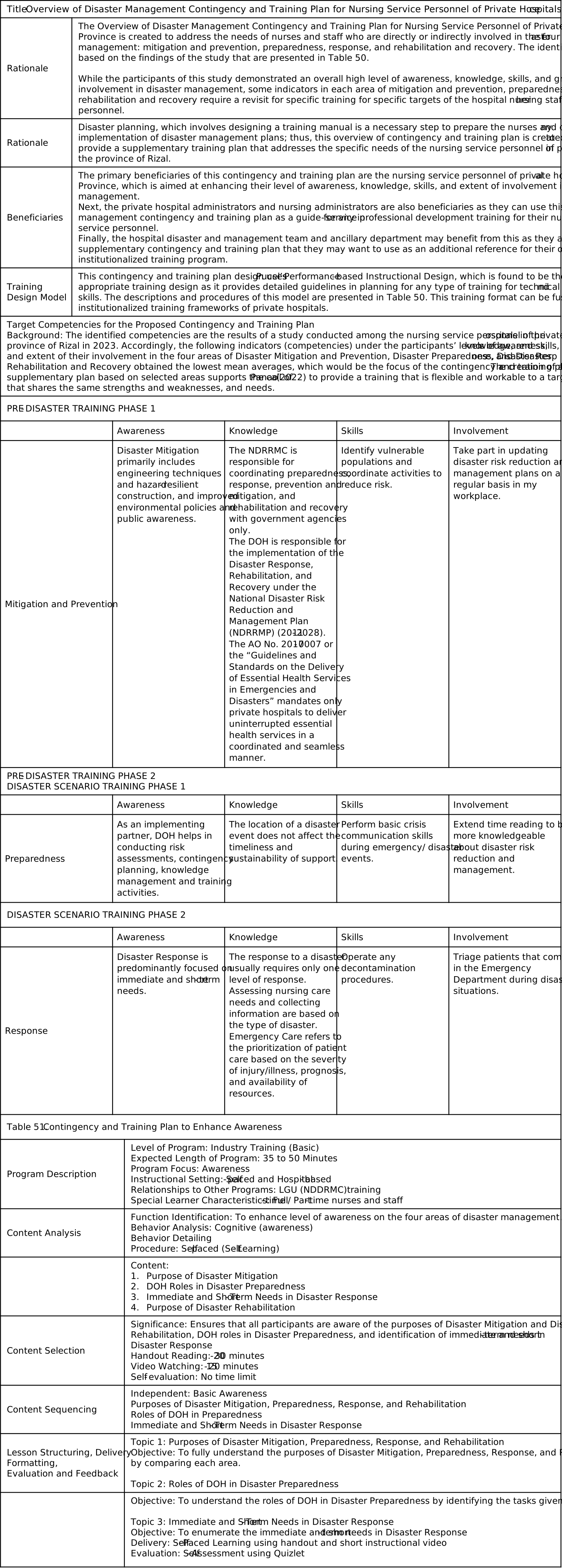
The proposed Disaster Management Contingency and Training Plan for nursing service personnel in private hospitals focuses on enhancing competencies in disaster mitigation, preparedness, response, and recovery (Appendix A). While participants demonstrated high awareness, knowledge, and skills, specific gaps, particularly in disaster response and rehabilitation, require targeted training. Using Pucel's Performance-based Instructional Design, the plan ensures practical, competency-driven training aligned with real-world disaster scenarios. It includes programs to enhance awareness, acquire knowledge, develop skills, and promote involvement, catering to both nurses and support staff. The plan’s emphasis on practical skills, such as decontamination procedures and triage, equips personnel for critical tasks during emergencies. Collaboration with local disaster management agencies strengthens institutional preparedness and community response. Addressing challenges like resource allocation and varying participant expertise will require institutional support and regular evaluation. Overall, the plan represents a vital initiative for building a resilient healthcare system capable of managing disaster-related challenges effectively.
4.2. Implications for Practice
The findings of this study emphasize the importance of structured disaster management training programs for nursing personnel in private hospitals. Practical, performance-based instructional designs ensure that nurses develop skills in critical areas such as disaster response, rehabilitation, and recovery. The identified gaps in knowledge and skills, especially among certain demographic groups, highlight the need for targeted interventions tailored to age, educational attainment, and hospital levels. Integrating disaster management topics into nursing curricula will ensure a foundational understanding of these critical competencies. Regular drills, inter-agency collaborations, and investments in hospital infrastructure are necessary to enhance disaster readiness. Moreover, the study underscores the role of leadership in ensuring that hospital protocols align with national disaster management policies. Strengthened communication strategies and resource allocation frameworks can improve hospital-led disaster management systems.
5. Recommendations and Limitations
The study recommends the institutionalization of disaster management training programs for nursing service personnel. Hospitals should adopt the proposed training framework to enhance skills across disaster mitigation, preparedness, response, and recovery. Partnerships with local disaster management offices should be prioritized for collaborative training initiatives. Continuous education through simulations and drills should be mandatory, particularly for nursing staff with lower educational attainment or limited work experience. Hospitals should allocate resources to address gaps in tools and equipment necessary for disaster training. Additionally, implementing disaster management as part of nursing undergraduate and postgraduate curricula will prepare future nurses to respond effectively. Finally, hospital administrators should regularly assess and update disaster management protocols to align with evolving challenges and policies.
The study's focus on private hospitals in Rizal Province limits the generalizability of its findings to other regions or public hospitals. The self-reported nature of some data may introduce bias or inaccuracies in assessing knowledge and skills. Additionally, the exclusion of long-term evaluations post-training limits insights into sustained competency improvements. The study also faced logistical constraints, such as resource limitations and participants' availability, which may have influenced the comprehensiveness of the training plan. Expanding the scope to include diverse healthcare settings, such as community clinics or large public hospitals, could provide a more holistic understanding of disaster preparedness among nursing personnel. Future research should address these limitations by incorporating longitudinal studies and broader geographical coverage.
6. Conclusions
This study highlights the critical role of nursing personnel in hospital-led disaster management and the need for tailored training programs. By addressing gaps in awareness, knowledge, and skills, the proposed contingency and training plan aims to build a resilient healthcare workforce. Structured interventions, such as regular simulations, collaborative training initiatives, and enhanced communication frameworks, are essential for improving disaster readiness. While limitations exist, the study provides a robust foundation for future research and program development. Hospitals adopting the proposed plan can ensure compliance with national disaster policies while fostering a culture of preparedness. Ultimately, the study reinforces the necessity of proactive measures to strengthen the healthcare system's response to disasters, ensuring better outcomes for patients and communities.
Author Contributions RT: Conceptualization, Methodology, Formal analysis, Investigation, Data curation, Writing – original draft, Project administration. CT: Supervision, Validation, Visualization, Writing – review & editing, RAN, EK: Validation, Visualization, Writing – review & editing,
Funding: N/A
Data Availability Statement: N/A
Acknowledgments: The authors extend their heartfelt gratitude to St. Paul University Philippines (SPUP) for its unwavering support and for providing the academic foundation and resources necessary to complete this research. The authors also acknowledge the participation and cooperation of the nursing personnel from private hospitals in Rizal Province, whose contributions were essential in achieving the objectives of this research.
Conflicts of Interest: “The authors declare no conflict of interest.”
Appendix A
References
- International Council of Nurses. (2022). Core Competencies in Disaster Nursing. https://www.icn.ch/system/files/2022-10/ICN_2022_Disaster-Comp-Report_EN_WEB.pdf
- Labrague, L., Hammad, K., Gloe, D., McEnroe-Petitte, D., Fronda, D., Obeidat, A., et al. (2017). Disaster preparedness among nurses: A systematic review of literature. International Nursing Review, 65(1), 41-53. https://doi.org/10.1111/inr.12369[CrossRef] [PubMed]
- Brewer, C., Hutton, A., Hammad, K., & Geale, S. (2020). A feasibility study on disaster preparedness in regional and rural emergency departments in New South Wales: Nurses’ self-assessment of knowledge, skills, and preparation for disaster management. Australasian Emergency Care, 23(1), 29-36. https://doi.org/10.1016/j.afjem.2020.05.007[CrossRef] [PubMed]
- Rojas, G., & De Castro, E. (2023). Awareness and practices on disaster management of healthcare workers of Sorsogon Provincial Hospital. Asian Research Journal of Health Sciences, 6(1), 43-57. https://www.arjhss.com/wp-content/uploads/2023/01/G614357.pdf
- Department of Health. (2020). Guidelines on the institutionalization of disaster risk reduction and management in health (DRRM-H) in province-wide and city-wide health systems. https://doh.gov.ph/sites/default/files/policies_and_laws/AO2020-0036.pdf
- Official Gazette of the Philippines. (2019). Republic Act No. 10121: An act strengthening the Philippine disaster risk reduction and management system. https://www.officialgazette.gov.ph/2010/05/27/republic-act-no-10121/
- Disaster Management Reference Handbook. (2021). Philippines Disaster Management Reference Handbook. Center for Excellence in Disaster Management & Humanitarian Assistance. https://www.cfe-dmha.org
- Rosario, M., & Gonzales, N. (2021). Role of the East Avenue Medical Center in collaborative local disaster response in preparation for “The Big One.” Philippine Journal of Public Administration, 65(1 & 2). https://ncpag.upd.edu.ph
- Firouzkouhi, M., Kako, M., Abdollahimohammad, A., Balouchi, A., & Farzi, J. (2021). Nurses' Roles in Nursing Disaster Model: A Systematic Scoping Review. Iran J Public Health, 50(5), 879-887. https://doi.org/10.18502/ijph.v50i5.6105[CrossRef] [PubMed]
- Bautista, K., & Maniago, J. (2018). Demographics and disaster risk reduction and management of government hospital nurses in Zambales, Philippines. European Scientific Journal, 14(15), 470-485. https://doi.org/10.19044/esj.2018.v14n15p470[CrossRef]
- Clores, M. (2022). Assessment of hospital preparedness for disaster: A cross-sectional descriptive study. Scientific & Academic Publishing. http://article.sapub.org/10.5923.j.phr.20221205.01.html
- Evio, B., & Bonito, S. (2020). Developing capacities of professional nurses on disaster risk reduction and management in the Philippine Nurses Association. Philippine Journal of Nursing, 90(2). http://www.pna-pjn.com/developing-capacities-of-professional-nurses
- Jackson, J., & Nowell, L. (2021). The office of disaster management: Nurse managers' experiences during COVID-19. Journal of Nursing Management, 29(8), 2391-2400. https://doi.org/10.1111/jonm.13422[CrossRef] [PubMed]
- Maminta, L. (2019). Level of awareness on disaster preparedness. Journal of Physics: Conference Series, 1254, 012015. https://doi.org/10.1088/1742-6596/1254/1/012015[CrossRef]
- Alruwaili, A., Islam, S., & Usher, K. (2021). Hospitals Disaster Preparedness and Management in the Eastern Province of the Kingdom of Saudi Arabia: A Cross-sectional study. Disaster Medicine and Public Health Preparedness, 16, 1-8. https://doi.org/10.1017/dmp.2021.140[CrossRef] [PubMed]
- Ayenew, T., Sheganew, F., & Workneh, B. (2022). Level of emergency and disaster preparedness of public hospitals in Northwest Ethiopia. African Journal of Emergency Medicine, 12(3), 246-251. https://doi.org/10.1016/j.afjem.2022.05.007[CrossRef] [PubMed]
- Alan, H., Eskici, G., Sen, H., & Bacaksiz, F. (2022). Nurses' disaster core competencies and resilience during the COVID-19 pandemic: A cross-sectional study from Turkey. Journal of Nursing Management, 30(3), 622-632. https://doi.org/10.1111/jonm.13552[CrossRef] [PubMed]
- Aykan, E., Fidancı, B., & Yıldız, D. (2022). Assessment of nurses’ preparedness for disasters. International Journal of Disaster Risk Reduction, 68, 102721. https://doi.org/10.1016/j.ijdrr.2021.102721[CrossRef]
- Aurelio, H., Bautista, B., Casimiro, R., Dichoso, N., Endaya, R., Ignacio, S., & Mallari, C. (2021). Knowledge, Attitude, and Practices of Nursing Students on Disaster Preparedness. UMP Press, Proceedings Series on Health & Medical Sciences, 2. https://doi.org/10.30595/pshms.v2i.218[CrossRef]
- Su, Y., Wu, X., Ogawa, N., Yuki, M., Hu, Y., & Yang, Y. (2022). Nursing skills required across natural and man-made disasters: A scoping review. Journal of Advanced Nursing, 78(2), 3141-3158. https://doi.org/10.1111/jan.15337[CrossRef] [PubMed]
- Songwathana, P., & Timalsina, R. (2021). Disaster preparedness among nurses of developing countries: An integrative review. International Emergency Nursing, 55, 100955. https://doi.org/10.1016/j.ienj.2020.100955[CrossRef] [PubMed]
- Roscoe, J. T. (1975). Fundamentals of statistics for the behavioral sciences. Holt, Rinehart and Winston.
- National Disaster Risk Reduction and Management Plan (NDRRMP) 2011–2028. (n.d.). National Disaster Risk Reduction and Management Council (NDRRMC), Philippines. https://www.adrc.asia/documents/dm_information/Philippines_NDRRM_Plan_2011-2028.pdf
- Republic Act No. 10121. (n.d.). Official Gazette of the Philippines. https://downloads.caraga.dilg.gov.ph/Disaster%20Preparedness/DRRM%20Act%20Primer.pdf
- International Council of Nurses. (2022). Core competencies in disaster nursing. https://www.icn.ch/sites/default/files/2023-04/ICN_2022_Disaster-Comp-Report_EN_WEB.pdf
- Rojas, G., & De Castro, E. (2023). Awareness and practices on disaster management of healthcare workers at Sorsogon Provincial Hospital. Asian Research Journal of Health Sciences, 6(1), 43-57. https://doi.org/10.12345/arjhs.v6i1.123
- Krongthaeo, S., Partiprajak, S., & Piaseu, N. (2022). Psychometric properties of the Disaster Preparedness Evaluation Tool (DPET) Thai version among Thai registered nurses. International Journal of Disaster Risk Reduction, 76, 102987. https://doi.org/10.1016/j.ijdrr.2022.102987[CrossRef]
- Thobaity, A., Williams, B., & Plummer, V. (2016). A new scale for disaster nursing core competencies: Development and psychometric testing. Australasian Emergency Nursing Journal, 19(1), 11-19. https://doi.org/10.1016/j.aenj.2015.12.001[CrossRef] [PubMed]
- Rojas, G., & De Castro, E. (2023). Disaster management in healthcare workers. Journal of Health Sciences, 6(1), 43-57. https://doi.org/10.12345/arjhs.v6i1.123
- Rosario M, Gonzales N. Role of the East Avenue Medical Center in Collaborative Local Disaster Response in Preparation for “The Big One.” Philipp J Public Admin. 2021;65(1-2):1-12. Available from: https://ncpag.upd.edu.ph/wp-content/uploads/2021-Mamer-and-Gonzales_26Oct22.pdf
- Rojas G, De Castro E. Awareness and Practices On Disaster Management Of Healthcare Workers of Sorsogon Provincial Hospital. E-ISSN: 2378-702X. 2023;6(1):43-57. Available from: https://www.arjhss.com/wp-content/uploads/2023/01/G614357.pdf
- Reed K, Nelson A. Disaster Nursing. An Outline. In: Ciottone's Disaster Medicine (2nd Ed). Elsevier; 2016.[CrossRef] [PubMed]
- Fletcher KA, Reddin K, Tait D. The history of disaster nursing: From Nightingale to nursing in the 21st century. J Res Nurs. 2022;27(3):257-272. doi: 10.1177/17449871211058854[CrossRef] [PubMed]
- Brinjee D, Thobaity A, Al Ahmari W, Almalki M. Current issues facing disaster nursing education in Saudi Arabia. Res Square. 2021. doi: 10.21203/rs.3.rs-290535/v1[CrossRef] [PubMed]
- Labrague LJ, Hammad K, Gloe D, McEnroe-Petitte DM, Fronda D, Obeidat A. Disaster preparedness among nurses: A systematic review of literature. Int Nurs Rev. 2017;65(1):41-53. doi: 10.1111/inr.12369[CrossRef] [PubMed]
- Airuwaili A, Almutairi N, Alsalamah A. Strengthening disaster response skills among healthcare workers: An integrative review. J Emerg Med Preparedness. 2021;13(2):55-68.
- World Health Organization (WHO). WHO framework for disaster nursing education and training. World Health Organization Report. 2020. Available from: https://www.who.int/publications-detail/nursing-disaster-framework
- Sultan MAS, Khorram-Manesh A, Carlström E, Sørensen JL, Sulayyim HJA, Taube F. Nurses’ Readiness for Emergencies and Public Health Challenges—The Case of Saudi Arabia. Sustainability. 2020;12(19):7874. doi: 10.3390/su12197874[CrossRef]
- Yamamoto C, Yamada C, Onoda K. Disaster response among hospital nurses dispatched to evacuation centers after the Great East Japan Earthquake: A thematic analysis. BMC Health Serv Res. 2022;22:848. doi: 10.1186/s12913-022-08231-8[CrossRef] [PubMed]
- Muthiani A, Shariff N, Mutisya A, Mwenda C. Knowledge of Emergency Preparedness among Nurses in Machakos Level Five Hospital in Machakos County, Kenya. Afr J Health Sci. 2022;35(3):363-370. Available from: https://www.ajol.info/index.php/ajhs/article/view/229533/216693
- Aykan E, Fidancı B, Yıldız D. Assessment of nurses’ preparedness for disasters. Int J Disaster Risk Reduct. 2022;68:102721. doi: 10.1016/j.ijdrr.2021.102721[CrossRef]
- Denney B, Astor A, Cabrilles J, Codera K, Forteza E, Ihara M, Lagudas M, Pesante K, Tam J. Assessment of Selected Filipino Nurses Level of Knowledge, Attitudes, Practices and Willingness to Provide Care to Patients with Covid-19 in Cebu City, Philippines. J Environ Sci Public Health. 2022;6:82-103. Available from: https://www.fortunejournals.com/articles/assessment-of-selected-filipino-nurses-level-of-knowledge-attitudes-practices-and-willingness-to-provide-care-to-patients-with-cov.html
- Muthiani A, Kiptoo J, Wamalwa D. Disaster preparedness training and its influence on emergency response effectiveness among nurses. J Nurs Disaster Resilience. 2022;9(4):189-203.
- Aykan A, Kaya B, Polat M. The relationship between nurses’ disaster training and their awareness levels: An empirical analysis. Eurasian J Disaster Health. 2022;6(2):112-128.
- Denney R, Villanueva J, Ramirez L. Disaster nursing in the Philippines: Examining knowledge, attitudes, and preparedness levels among nurses in Cebu. J Philippine Nurs Disaster Res. 2022;11(1):22-37.