

Background: Cyclophosphamide (CPA) induces acute inflammation of the urinary bladder, renal damage, and liver damage, thereby limiting its therapeutic use. Objectives: The present study aimed to evaluate the hepatorenal toxicity induced by cyclophosphamide and amelioration by 5-fluorouracil in male albino rats. Materials and Methods: Twenty-eight male adult rats were grouped randomly into four groups (n=5 for each group). Group I (control): Rats were injected with saline intraperitoneally and at a dose of 1.0 ml/kg b.w. for 14 days. Group II cyclophosphamide (CPA): Cyclophosphamide at a dose of 10 mg/kg day by day through i.p. to rats for 14 days. Group III Fluorouracil (5-FU): 5-Fluorouracil at a dose of 10 mg/kg day by day in saline was given through i.p. to rats for 14 days. Group IV (CPA+5-FU): Rats were given CPA followed by 5-FU at a dose of 10 mg/kg per day (day by day) through i.p. to rats for 14 days. At the end of the experimental period, rats were anesthetized using light ether. Blood samples were taken and prepared for biochemical measurements. Results: Serum total protein, albumin, and globulin concentration significantly reduced in animal groups that received cyclophosphamide. 5-FU and CPA combination reduced the changes in total protein, albumin, and globulin compared to CPA treated group. A significant increase in LDH serum concentration was found in CPA, 5-FU, and their combination-treated animals. The mean values of the combination of chemotherapy were above that in CPA followed by 5-FU treatment. Administration of CPA, 5-FU resulted in a significant increase in serum AST, ALT, ALP, and bilirubin compared to the control. Co-treatment 5-FU with CPA significantly attenuated the increase in serum AST, ALT, ALP, and bilirubin when compared to CPA – treated rats. Compared to controls, urea and creatinine levels were increased in CPA-treated rats, while uric acid was reduced in CPA, 5-FU, and their combination. The changes in urea and creatinine produced by the chemotherapy were restored when rats received CPA in combination with 5-FU. Conclusion: It could be concluded that the treatment of mammals with chemotherapy is associated with the production of free radicals that lead to hazardous alterations in biochemical parameters. However, 5-FU and CPA combination could produce a significant amelioration in most cases for these changes, and it may be considered as a potentially useful candidate in the combination chemotherapy with CPA to combat oxidative stress-mediated non-target organ injury even if it was not complete protection. Future work should consider combined chemotherapy regimens, as two or more mechanisms of action of chemotherapeutic drugs could be more powerful than one mechanism. Toxicological studies must be performed before using drugs as a combination before application. Further research is required on the toxicological impacts of drugs and pollutants mixtures.
Cyclophosphamide Induces Hepatorenal Toxicity and Attenuation by 5-fluorouracil in Male Albino Rats
September 01, 2022
October 05, 2022
October 13, 2022
October 15, 2022
This is an Open Access article, distributed under the terms of the Creative Commons Attribution 4.0 International License (http://creativecommons.org/licenses/by/4.0/), which permits unrestricted use, distribution and reproduction in any medium or format, provided the original work is properly cited.
Abstract
1. Introduction
Chemotherapy agents can be divided into several categories: alkylating agents (e.g., cyclophosphamide), antibiotics that affect nucleic acids (e.g., doxorubicin, bleomycin), platinum compounds (e.g., cisplatin), mitotic inhibitors (e.g., vincristine), antimetabolites (e.g., 5-fluorouracil), camptothecin derivatives (e.g., topotecan), biological response modifiers (e.g., interferon), and hormone therapies (e.g., tamoxifen). The agents most noted for creating cellular damage by initiating free radical oxidants are the alkylating agents, the tumor antibiotics, and the platinum compounds [1].
The use of CPA, an anti-cancer and immunosuppressant drug, is accompanied by several side effects [2]. Rats injected with a single dose of CPA (200 mg kg−1 body weight) showed an increase in the levels of serum glutamate-oxaloacetate transaminase, serum glutamate-pyruvate transaminase, glucose-6-phosphate dehydrogenase, and creatine phosphokinase isoenzyme by 53, 24, 55 and 135%, respectively. The author suggested that CPA induced cardio and hepatotoxicity by increasing heart and liver inner mitochondrial membrane permeability to Ca2+ [2]. Toxicity due to drugs used for neoplastic disorders is extensively documented. Cyclophosphamide is a widely used antineoplastic drug, which could cause toxicity of normal cells due to its toxic metabolites [3].
The clinical utility of CPA as an anticancer drug is limited by its urotoxicity and nephrotoxicity and to a lesser extent by its hepatotoxicity. The present study was undertaken to find out the reason why the liver is the least susceptible of the three organs to CPA-induced damage although it is the major site for drug activation and metabolism. Adult female Wistar rats weighing 200–250 g were administered a single intraperitoneal injection of CPA at the dose of 150 mg/kg body weight and sacrificed at various time intervals 6, 16, or 24 h after the dose of CPA. The control rats were administered saline alone. Hepatotoxicity was assessed by measuring plasma ALT activity and histopathology of the liver. The liver was used for the assay of reduced glutathione; activity of paraoxonase (PON1) malondialdehyde – a marker of lipid peroxidation. Serum was used for the assay of ALT activity and PON1 activity. The level of reduced glutathione in the liver of CPA-treated rats was increased by 22% and 57% at 16 and 24 h, respectively. Interestingly, a marked increase in the activity of PON1 (122%) was observed in the livers of CPA-treated rats 24 h after treatment. This was accompanied by a significant increase in PON1 activity (23%) in the serum. No significant alteration in hepatic malondialdehyde level was observed at any time after treatment. Serum ALT activity was increased slightly 24 h after treatment with CPA. Mild liver damage was observed histologically only 24 h after treatment with the drug. They concluded that an increase in antioxidant levels in the liver may be a defense mechanism to prevent/minimize CPA -induced liver damage [4].
Antimetabolite drugs work by inhibiting essential biosynthetic processes, or by being incorporated into macromolecules, such as DNA and RNA, and inhibiting their normal function. The fluoropyrimidine 5-fluorouracil (5-FU) does both. Fluoropyrimidines were developed in the 1950s following the observation that rat hepatomas used the pyrimidine uracil- one of the four bases found in RNA- more rapidly than normal tissues, indicating that uracil metabolism was a potential target for antimetabolite chemotherapy [5].
5-FU has been used for more than 40 years in the treatment of colorectal cancer. 5-FU is given intravenously and has been used in a variety of different schedules to determine the optimum dose and mode of administration. The overall response rate for 5-FU as a single agent in advanced colorectal cancer is quite limited (approximately 10–15%) [6]; however, over the past 20 years, important modulation strategies have been developed to increase the anticancer activity of 5-FU and to overcome clinical resistance. As a result, 5-FU has remained the main agent for the treatment of both advanced and early-stage colorectal cancer. Strategies that have been explored to modulate the anticancer activity of 5-FU include decreasing 5-FU degradation, increasing 5-FU activation and increasing the TS binding activity of FdUMP.
Taken together, despite continuous improvements in cancer therapy and prolonged survival of treated patients, complete remissions and cure of cancer are rare and anti-cancer drugs, which selectively affect tumor cells whilst sparing normal cells, are still being searched extensively.
2. Objective
The present study aimed to evaluate the hepatorenal toxicity induced by cyclophosphamide and amelioration by 5-fluorouracil in male albino rats.
3. Materials and Methods
The present research was conducted in the Environmental Toxicology Laboratory, Department of Environmental Studies, Institute of Graduate Studies and Research, Alexandria University, Egypt.
3.1. Chemicals
Cyclophosphamide and 5-fluorouracil were purchased from Sigma Chemical Company (Saint Louis, USA). Chemical Name is 2-[Bis (2-chloroethyl)amino]tetrahydro-2H-1,3,2-oxazaphosphorine 2-oxide Cyclophosphamide monohydrate. This substance is listed as a known human carcinogen.
3.2. Animals
Twenty-eight male adults rats (Sprague Dawley) with an average body weight of 180±10 g were obtained from the Faculty of Agriculture, Alexandria, and acclimatized for two weeks before the experiment. They were assigned to four groups and housed in Universal galvanized wire cages at room temperature (22-25°C) and in a photoperiod of 12h/day. Animals were provided with a balanced commercial diet.
3.3. Experiential protocol
Twenty male adult rats were grouped randomly into four groups (n=5 for each group). Group I (control): Rats were injected with saline intraperitoneally at a dose of 1.0 ml/kg b.w. for 14 days. Group II cyclophosphamide (CPA): Cyclophosphamide at a dose of 10 mg/kg day by day through i.p. to rats for 14 days [7]. Group III Fluorouracil (5-FU): 5-Fluorouracil at a dose of 10 mg/kg day by day [8] in saline was given through i.p. to rats for 14 days. Group IV (CPA+5-FU): Rats were given CPA followed by 5-FU at a dose of 10 mg/kg per day (day by day) through i.p. to rats for 14 days.
At the end of the experimental period, rats were anesthetized using light ether. Blood samples were taken from the vena cava of the rat heart. Tubes were used to compile blood drawn from the heart directly; 3 ml of the blood was collected in glass tubes for coagulation and serum formation, blood was allowed to set for 30 min at 4oC to clot, then centrifuged for 5 minutes at 1000 xg. Packed cells were discarded and the supernatant serum samples were decanted and stored into capped sterile polyethylene tubes at -20oC until used (within 24 hours).
3.4. Biochemical analysis
3.4.1. Determination of total protein, albumin, and globulin concentrations
Protein was determined by calorimetric determination of total protein according to the method described by Lowery et al. [9]. Serum albumin was determined according to the method described by Doumas et al. [10].
Serum globulin concentration = serum total protein concentration- serum albumin concentration
3.4.2. Determination of alanine aminotransaminase (ALT), aspartate aminotransaminase (AST), and alkaline phosphatase (AlP) activities
Serum alanine aminotransaminase and aspartate aminotransaminase activities were determined according to the method described by Bergmeyer [11, 12] using commercial kits obtained from BioM`erieux, France. Serum alkaline phosphatase activity was determined according to the method described by Rosalki et al. [13].
3.4.3. Determination of serum urea, uric acid, and creatinine concentration
Urea was determined using a commercially available kit (Urea-kit S 180, bioMeriex Vitek, Inc. USA) according to the method described by Patton and Crouch, [14]. Uric acid was determined using a commercially available kit (Uric acid-kit, Cat. No. 10690. Human Geselschaft, Taunusstein, Germany) according to the method described by Guder et al. [15]. Creatinine was determined using a commercially available kit (CREA-kit MPR3 124192 Boenringer Mannheien) according to the method described by Henry [16].
3.5. Statistical Analysis
The values are expressed as mean ± SEM. All values are expressed as mean±standard error of the mean (). The Kolmogorov-Smirnov test was used to assess the normality of distribution of continuous variables. Comparisons between the treatment groups and pathogenic control group were performed by analysis of variance (ANOVA) followed by the Tukey- test. P<0.05 was considered as significant [17].
4. Results
4.1. Total protein, albumin, and globulin
Serum total protein, albumin, and globulin concentrations were significantly reduced in animal groups that received cyclophosphamide. 5-FU and CPA combination reduced the changes in total protein albumin and globulin compared to CPA treated group (Table 1; Figure 1, Figure 2 and Figure 3).


4.2. Serum LDH, ALT, AST, and AL of rat treated with cyclophosphamide and/or 5-fluorouracil
A significant (p<0.05) increases (p<0.05) in LDH serum concentration found in CPA, 5-FU and their combination treated animals. Mean values of combination of chemotherapy were above that in CPA followed by 5-FU (Table 2; Figure 4).
Administration of CPA, 5-FU resulted in significant increase (p<0.05) in serum AST, ALT, ALP and bilirubin compared to control. Co-treatment 5-FU with CPA significantly attenuated the increase in serum AST, ALT, ALP and bilirubin when compared to CPA – treated rat (Table 2; Figure 5, Figure 6, Figure 7 and Figure 8).


4.3. Serum urea, creatinine, and uric acid concentrations of rat treated with cyclophosphamide and/or 5-fluorouracil
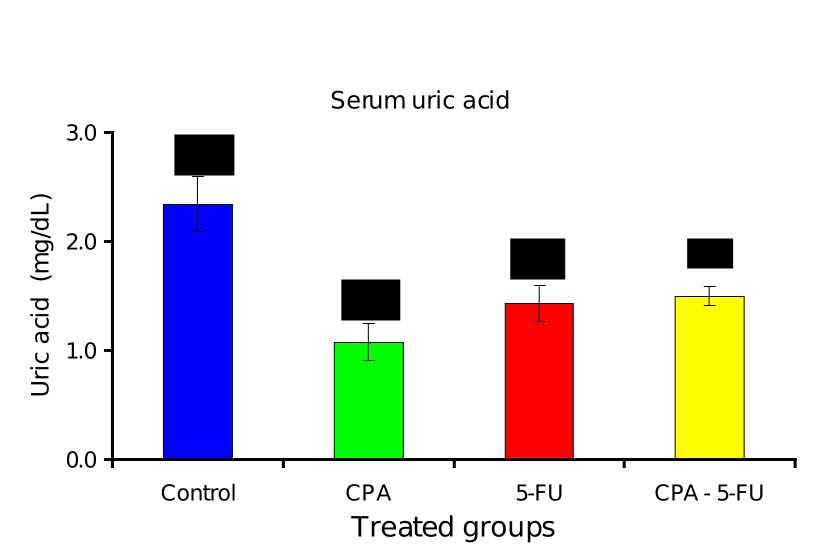
Compared to controls, urea and creatinine levels were increased in CPA treated rats, while uric acid was reduced in CPA, 5-FU and their combination. The changes in urea and creatinine produced by the chemotherapy were restored when rats received CPA in combination with 5-FU (Table 3; Figure 9, Figure 10 and Figure 11).


5. Discussion
Proteins include albumin and globulin; the former of which is synthesized in the liver [18]. Globulin is made up of fractions of α1, α2, β, and γ globulins, which are considered as the source of almost all the immunologically active protein in the blood [19].
Decrease in serum albumin and globulin globulin possibly suggests kidney problems, chronic infections, inflammation, cirrhosis etc [20]. The relatively lower total protein, albumin and globulin concentration in the CPA treated groups, suggesting that some level of hepatocellular injury may be occur following chemotheraby exposure. The use of albumin as antioxidant in scavenging metals oxide nanoparticles reactive oxygen species may have contributed to its apparent reduction in the intoxicated groups. Normally, the reduction of albumin level indicates a liver disease. This reduction could be attributed to changes in the protein and free amino acid metabolism and their synthesis in the liver [21].
The reduction of protein may be due to dysfunction of hepatic protein synthesis mechanisms and the hyperactivity of hydrolytic enzymes [22]. In accordance with our results the protein levels were also altered of exposure of alkylating agents [23]. Similarly, in our experiment CPA administration caused hypoproteinemia, which agrees with findings from previous studies [24]. The decreased levels of protein and creatinine contents suggested that cyclophosphamide may induce hepatic and renal toxicity by interfering metabolic activities and protein synthesis. Combination of 5-FU and CPA mitigated the changes in the protein by regulating the metabolic activities and protein synthesis induced by CPA due to antagonistic interaction of both chemotherapy.
Many tissues, including the liver, red blood cells and the brain, produce LDH, an enzyme normally found in the blood. The fact that tumor growth is frequently associated with an increase in LDH serum levels is already known, and this protein can be considered as a tumor marker [25, 26]. Also, LDH, as well as AST, are protein markers associated with different types and degrees of cardiac damage [27].
The aetiopathologenesis of CPA induced cardiotoxicity is not yet fully unraveled. However, toxicity of CPA was postulated to be mediated by oxidative stress [28] which may have deleterious effects on the heart. Moreover, it is thought to involve direct endothelial damage, with extravasation of plasma proteins, high concentration of CPA and erythrocytes into the myocardial interstitium and muscle cells, resulting in damage of myocardial cells. Due to the damage produced, the enzymes (LDH, AST and ALT) leak from the necrotic heart cells to the serum, which are important measures of cardiac injury. These enzymes are not specific for myocardial injury individually; however, evaluation of these enzymes together may be an indicator of myocardial injury [29, 30].
Major function of liver is to detoxify xenobiotics and toxins [31]. The toxic metabolites formed after the administration of CPA includes acrolin and phosphoramide mustard, induces liver toxicity in animals [32, 33, 34].
It is well established that increased activities of ALP, ALT, and AST enzymes in the serum are known diagnostic indicators of hepatotoxicity. In the present study, CPA administration caused significant increase in the serum ALP, ALT, and AST levels in rats. The increased levels of these enzymes and metabolites in the serum could be attributed to the activity of acrolein. Acrolein causes a breach in antioxidant defense system resulting in proliferative production of reactive oxygen species (ROS), which in turn may attack hepatocytes membrane disrupting its structure and function, a leakage of these enzymes into the blood circulation [35].
Earlier studies [34, 36, 37] also showed that intraperitoneal injection of CPA resulted as increase in above serum biomarker enzymes and metabolites for liver function.
Administration of chemotherapeutic drugs could leads to Single Nucleotide Polymorphisms (SNPs) in chemotherapeutic drug metabolizing enzymes that are responsible for adverse drug reactions (ADR) like alopecia, nausea, vomiting et al. with abnormal liver functions [38]. Cytochrome p450 group of enzymes have extensive functions in liver that includes the detoxication of xenobiotics [39]. In the present study, elevation of serum marker enzymes followed by CPA intoxication reflected the damage caused to liver. Hepatopathy could leads to the leakage of marker enzymes such as AST, ALT, ALP and LDH into the blood in conformity with the extent of liver damage [40]. Also, decreased levels in liver tissues and increased serum levels of both AST and ALT could be due to toxic compounds affecting the integrity of liver cells [34]. The increased activity of plasma ALP, ALT, AST and level of bilirubin in the CPA and 5-FU–treated rats is a manifestation of induced hepatocellular damage. Increases in the ALP and bilirubin are generally associated with impairment of intrahepatic and extrahepatic bile flow (cholestatis), hepatobiliary injury, erythrocyte destruction or altered bilirubin metabolism [41, 42, 43]. Prolonged destruction of hepatic cells results in more hepatic release that caused an elevation in serum levels of ALP, LDH [44]. This could be the reason for the increased serum levels of marker enzymes in the present study, while the reduction of liver function when rats treated with the combination of 5-FU and CPA is due to the antagonistic effect.
The detection and diagnosis of acute kidney injury currently require the use of conventional markers of kidney function, specifically, serum creatinine and urea levels and, less frequently, other urinary tests. Creatinine is an amino acid as a waste product of creatine, an important energy storage substance in muscle metabolism [45].
Chemotherapy-induced renal dysfunction has been reported previously and generally include damage to vasculature or structures of the kidneys, haemolytic uraemic syndrome and prerenal perfusion deficits [46, 47]. Elevated blood urea is known to be linked with an increased protein catabolism to urea as a result of increased synthesis of arginase enzyme involved in urea production [48]. In this study, increased serum creatinine and urea levels reflect the diagnosis of renal failure, while 5-FU cane be used as antagonist for changes in urea and creatinine produced by CPA.
6. Conclusion
It could be concluded that treatment of mammals with chemotherapy is associated with the production of free radicals that lead to hazardous alterations in biochemical parameters. However, 5-FU and CPA combination could produce a significant amelioration in most cases for these changes, and it may be considered as a potentially useful candidate in the combination chemotherapy with CPA to combat oxidative stress mediated non target organs injury even if it was not a complete protection.
Future work should consider combined chemotherapy regimens, as two or more mechanisms of action of chemotherapeutic drugs could be more powerful than one mechanism. Toxicological studies must be performed before using drugs as combination before application. Further research is required on toxicological impacts of drugs and pollutants mixtures.
Refferences
- Lamson, D.W. and Brignall, M.S. (1999). Antioxidants in cancer therapy; their actions and interactions with oncologic therapies, Altern Med Rev 4(5): 304-29.
- Al-Nasser, I.A. (1998). In vivo prevention of cyclophosphamide-induced Ca2+ dependent damage of the rat heart and liver mitochondria by cyclosporin A. Comparative Biochemistry and Physiology Part A: Molecular & Integrative Physiology, 121(3): 209-214.[CrossRef]
- Senthilkumar, S., Devaki, T., Manohar, N.M. and Babu, M.S. (2006). Effect of squalene on cyclophosphamide-induced toxicity. Clinica Chimica Acta, 364(1–2): 335-342[CrossRef] [PubMed]
- Abraham, P. and Sugumar, E. (2008). Increased glutathione levels and activity of PON1 (phenyl acetate esterase) in the liver of rats after a single dose of cyclophosphamide: A defense mechanism?. Exp. and Toxicol. Pathol., 59(5): 301-306.[CrossRef] [PubMed]
- Rutman, R. J., Cantarow, A. and Paschkis, K. E. (1954). Studies on 2- acetylaminofluorene carcinogenesis: III. The utilization of uracil- 2-C14 by pre–neoplastic rat liver. Cancer Res. 14, 119.
- Johnston, P. G. and Kaye, S. (2001). Capecitabine: a novel agent for the treatment of solid tumors. Anticancer Drugs 12: 639–646.[CrossRef] [PubMed]
- Muralikrishnan G, Amalan Stanley V, Sadasivan Pillai K (2001). Dual role of vitamin C on lipid profile and combined application of cyclophosphamide, methotrexate and 5-fluorouracil treatment in fibrosarcoma-bearing rats. Cancer Lett 169:115–120.[CrossRef]
- Subramaniam S, Shyamala Devi CS (1995) Vitamin E protects intestinal basolateral membrane from CMF-induced damages in rat. Indian J Physiol Pharmacol 39:263–266
- Lowery, O.H., Rosebrough, N.J., Farr, A.L. and Randhll, R.J. (1951). Protein measurement with the Folin-phenol reagent. J. Biol. Chem., 193:265-275.[CrossRef]
- Doumas, B.T., Ard Watson, W. and Biggs, H.G., (1971). Albumin standards and the measurement of serum albumin with bromcresol green. Clinica Chimica Acta 31: 87-96.[CrossRef]
- Bergmeyer, H.U., M. Herder and R. Rej (1986a). International Federation of Clinical Chemistry (IFCC) Scientific Committee, Analytical Section: Approved recommendation (1985) on IFCC methods for the measurement of catalytical concentration of enzymes, Part 2. IFCC method for aspartate aminotransferase. J. Clin. Chem. Clin. Biochem., 24: 497-510.
- Bergmeyer, H.U., Horder, M. and Rej, R. (1986b). International Federation of Clinical Chemistry (IFCC) Scientific Committee, Analytical Section: Approved recommendation (1985) on IFCC methods for the measurement of catalytic concentration of enzymes part 3. IFCC method for alanine aminotransferase. J. Clin. Chem. Clin. Biochem., 24: 481-495.
- Rosalki, S.B., Foo, A.Y. and Burlina, A. (1993). Multicenter evaluation of iso-ALP test kit for measurement of bone alkaline phosphatase activity in serum and plasma. Clin. Chem., 39: 648-652.[CrossRef] [PubMed]
- Patton, C.J. and Crouch, S. R. (1977). A simple and rapid micro-Kjeldahl method for total nitrogen analysis. Anal. Chem., 49: 464-469.[CrossRef]
- Guder, W.G., Narayanan, S., Wisser, H. and Zawta, B. (1996). List of Analytes pre analytical Variables. Brochure in Samples: From the patient to the laboratory. Darmstadt: GIT
- Henry, R.J. (1974). Clinical chemistry. Principles and techniques. 2nd Edition. Harper and Row. Pp. 525-531.
- Howell, D.C. (1995): Fundamental statistics for the behavioral sciences (3rd ed.). Duxbury press. An imprint of Wads Worth publishing company Belmont. California. pp. 163-166.
- Sandnes, K., Lie, O. and Waagbo, R. (1988). Normal ranges of some blood chemistry parameters in adult farmed Atlanic salmon, Salmo salar, J. Fish Biol., 32: 129-136.[CrossRef]
- Jha, A.K., Pal, A.K., Sahu, N.P., Kumara, S. and Mukherjeea, S.C. (2007). Haematoimmunological responses to dietary yest RNA, w-3 fatty acid and ß-carotene in Catla catla juveniles, Fish Shellfish Immunol., 23: 917-927.[CrossRef] [PubMed]
- Jeremy, M.B., Tymoczko, L.J. and Lubert, S. (2001). The Immune System. Biochemistry.5th Edition, Freeman and Company, NY, 2001, 926–945.
- Ncibi, S., Ben Othman, M., Akacha, A., Krifi, M.N. and Zourgui, L. (2008). Opuntia ficus indica extract protects against chlorpyrifos-induced damage on mice liver. Food Chem. Toxicol., 46: 797-802.[CrossRef] [PubMed]
- Sivaprasada, K., Sombasiva, K.R. and Ramana, K.V. (1983). Effect of parathion on tissue ionic changes fish channa punctatus Geobios. Jodhpur, 10:60-62.
- Fleming, R.A. (1997). An overview of cyclophosphamide and ifosfamide pharmacology. Pharmacother, 17:146S-154S.
- Ambali, S.F. (2009). Ameliorative effect of vitamins C and E on neurotoxicological, hematological and biochemical changes induced by chronic chlorpyrifos in Wistar rats [Ph.D Dissertation]. Ahmadu Bello Univ, Zaria, 356 pp.
- Jagannath, S, Velasquez, WS, Tucker, SL., Fuller, L.M., Mclaughlin, P.W., Manning, J.T., North, L.B. and Cabanillas, F.C. (1986). Tumor burden assessment and its implication for a prognostic model in advanced diffuse large-cell lymphoma. J. Clin. Oncol., 4: 859–865.[CrossRef] [PubMed]
- Schuster, J.J., McWilliams, N.B., Castleberry, L., Nitschke, R., Smith, E.I., Altshuler, G., Kun, L., Brodeur, G., Joshi, V. and Vietti, T. (1992). Serum lactate dehydrogenase in chilhood neuroblastoma. A Pediatric Oncology Group recursive partitioning study. Am. J. Clin. Oncol., 15:295–303.[CrossRef] [PubMed]
- Ryberg, M., Nielsen, D., Osterlind, K., Skovsgaard, T. And Dombernowsky, P. (2001). Prognostic factors and long-term survival in 585 patients with metastatic breast cancer treated with epirubicin-based chemotherapy. Ann. Oncol., 12:81–87.[CrossRef] [PubMed]
- Lee, L.K., Harman, G.S., Hohl, R.J. and Gingrieh, R.D. (1996). Fatal cyclophosamide cardiomyopathy: Its clinical course and treatment. Bone Marrow Transplant, 18(3):573-577.
- Appelbaum, F.R., Strauchen, J.A., Graw, Jr R.G., Savage, D.D., Kent, K.M., Ferrans, V.J. and Herzig, G.P. (1976). Acute lethal caditis caused by high-dose combination chemotherapy: A unique clinical and pathological entity. Lancet, 1(7950):58-62.[CrossRef]
- Fraiser, L.H., Knekel, S. and Kehrer, J.P. (1991). Cylophosamide toxicity: Characterizing and avoiding the problem. Drugs, 42(5):781-795.[CrossRef] [PubMed]
- Mitra, S.K., Venkataranganna, M.V., Syndaram, R. and Gopumadhavan, S. (1998). Protective effect of HD-O3, a herbal formulation, against various hepatotoxic agents in rats. J. Ethnopharmacol., 63:181-186.[CrossRef]
- Andrade, R.J., Robles, M., Fernandez-Castaner, A., Lopez-Ortega, S., Lopez-Vega, M.C. and Lucena, M.I. (2007). Assessment of drug-induced hepatotoxicity in clinical practice: A challenge for gastroeterologists. World J. Gastroenterol., 13:329-340.[CrossRef] [PubMed]
- Arundel, C. and Lewis, J.H. (2007). Drug-induced liver disease in 2006. Curr. Opin. Gastroentrol., 23:244-254.[CrossRef] [PubMed]
- Senthilkumar, S., Ebenezar, K.K., Sathish, V., Yogeeta, S. and Devaki, T. (2006). Modulation of tissue defense system by squalene in cyclophosamide induced toxicity in rats. Arch. Med. Sci., 2:94-100.
- Oboh, G., Akomolafe, L.T., Adefegha, A.T. and Adetuyi, O.A. (2011). Inhibition of cyclophosphamide induced oxidative stress in rat brain by polar and non-polar extracts of Annatto (Bixa orellana) seeds. Exp. Toxicol. Pathol., 63:257–62.[CrossRef] [PubMed]
- Mythili, Y., Sudharsan, P.T., Sudhahar, V. and Varalakshmi, P. (2004). Protective effect of DL-alpha-lipoic acid on cyclophosphamide induced oxidative cardiac injury. European Journal of Pharmacology. 543: 92–96.[CrossRef] [PubMed]
- Ludeman, S.M. (1999). The chemistry of the metabolites of cyclophosphamide. Curr Pharm Des., 5:627–43.
- Khan, S., Jamil, K., Das, G.P., Vamsy, C.M. and Murthy, S. (2007). Polymorphic sites (1236 and 3435) in multi drug resistance gene 1 influencing drug response in breast cancer patients. Int. J. Pharmacol., 3: 453-460.[CrossRef]
- Tirona, R.G., Lee, W., Leake, B.F., Lan, L.B. and Cline, C.B. et al. (2003). The orphan nuclear receptor HNF4-alpha PXR-and CAR-mediated xenobiotic induction of CYP3A4. Nature Med., 9: 220-224.[CrossRef] [PubMed]
- Nkosi, C.Z., Opoku, A.R. and Terblanche, S.E. (2005). Effect of pumpkin seed (Cucurbita pepo) protein isolate on the activity levels of certain plasma enzymes in CCl4-induced liver injury in low-protein fed rats. Phytother. Res., 19:341-345.[CrossRef] [PubMed]
- Singh, K.C., Kaur, R. and Marar, T. (2011). Ameliorative effect of Vitamin E on Chemotherapy Iduced Side Effects in Rat Liver. J. Phamacol. Toxicol., 10: 39-43.
- Dufour, D.R., Lott, J.A., Nolte, F.S., Gretch, D.R., Koff, R.S. and Seeff, L.B. (2000). Diagnosis and monitoring of hepatic injury II recommendations for use of laboratory tests in screening diagnosis and monitoring. Clin. Chem., 46: 2050–2068.[CrossRef] [PubMed]
- Burt, A.D. and Day, C.P. (2002). Pathophysiology of the liver In R.M.N. MacSween, A.D. Burt, B.C. Portmann, K.G. Ishak, P.J. Scheuer, P.P. Anthony eds Pathology of the Liver 4th ed London UK Churchill Livingstone. Pp 67–106.
- Schmidt, E. (1978). Strategy and Evaluation of Enzyme Determinations in Serum in Disease of Liver and the Biliary System. In: Evaluation of Liver Function: A Multifacted Appproarch to Clinical Diagnosis, Demers, L.M. and L.M. Shaw (Eds.). Urban and Schwarzenberg, Baltimore, MD., USA., pp: 79-101
- Djousse, L., Levy, D., Cupples, L.A., Evans, J.C., D’Agostino, R.B. and Ellison, RC. (2001). Total serum bilirubin and risk of cardiovascular disease in the Framingham offspring study. Am. J. Cardiol., 2001; 87: 1196–1200.[CrossRef]
- Kintzel. P.E. (2001). Anticancer drug-induced kidney disorders. Drug Saf., 24: 19-38.[CrossRef] [PubMed]
- Lameire, N., Kruse, V. and Rottey, S. (2011). Nephrotoxicity of anticancer drugs--an underestimated problem? Acta Clin Belg., 66(5): 337-345.
- Yanardag, R. and Sacan, O.O. (2007). Combined effects of vitamin C, vitamin E, and sodium selenate supplementation on absolute ethanol-induced injury in various organs of rats. Int. J. Toxicol., 26: 513–523.[CrossRef] [PubMed]