
Abstract
The Surif area, located in the northwestern part of the Hebron Governorate, is a significant component of the Mediterranean vegetation in southern Palestine, owing to its diverse topography, climatic conditions, and geological formations, as well as its long history of human land use. Furthermore, its location situated in a transitional zone between the Mediterranean, Irano-Turanian, and Saharo-Arabian biogeographic regions contributes to substantial plant diversity and the coexistence of species with distinct ecological and geographical affinities. Materials and Methods: A vegetation survey was conducted in seven representative areas of Surif, southern Palestine, using the Braun-Blanquet method. A total of 266 tree and shrub species were analyzed using cluster analysis, Euclidean distance, and Detrended Correspondence Analysis (DCA) to assess floristic relationships. Taxonomic classification was verified against international botanical databases. Results and Discussion: One major plant community was identified the Pinus halepensis–Cupressus sempervirens association characterized by Mediterranean pines and broad-leaved tree species. Phanerophytes were the dominant life form (36.09%), followed by chamaephytes (28.19%). Thirteen endemic or regionally restricted species (4.88%) highlighted the area's conservation significance. The vegetation composition reflected climatic, edaphic, topographic, and anthropogenic influences. Conclusion: Surif is characterized by rich Mediterranean forest vegetation. Habitat protection, maintaining connectivity, regulating grazing, and monitoring endemic species are essential for biodiversity conservation and sustainable ecosystem management.
1. Introduction
Palestine lies in one of the most geographically and ecologically diverse regions of the Eastern Mediterranean and Western Asia, with exceptionally rich vegetation. Its location at the crossroads of three continents, combined with marked variations in topography, climate, geology, and soil characteristics, has created a complex mosaic of habitats supporting plant species with diverse biogeographical affinities [1]. Southern Palestine, particularly the Hebron Governorate, serves as a crucial ecological transition zone separating Mediterranean environments from more arid ones; the area encompasses mountains, highlands, valleys, plains, and agricultural landscapes, resulting in significant diversity in environmental conditions and vegetation patterns. Its geographical location further enhances its ecological significance, as the Dead Sea borders it to the east; the Sinai and Negev deserts and the Red Sea to the south; and the Palestinian coastal plain, the Mediterranean Sea, and the north to the west [1, 2, 3].
Environmental diversity in southern Palestine has given rise to varied vegetation, comprising elements from the Mediterranean, Irano-Turanian, and Saharo-Arabian phytogeographical regions, among others. Palestine boasts over 2,780 plant species spanning approximately 872 genera and 144 families including numerous endemic or regionally restricted varieties [4, 5, 6, 7, 8, 9, 10, 11, 12, 13, 14]. This botanical richness underscores the importance of studying not only species diversity but also the organization, composition, and ecological relationships of plant communities.
Phytosociology provides a crucial framework for understanding vegetation structure and the relationships between plant species within specific habitats. By identifying and classifying plant communities based on their floristic composition and species abundance, studies in this field yield valuable insights into vegetation dynamics, habitat differentiation, environmental gradients, and plant-environment interactions. Such information is particularly significant in areas where natural vegetation is increasingly impacted by factors such as agricultural expansion, grazing, urbanization, habitat fragmentation, and other forms of human-induced disturbance. Consequently, providing detailed data on plant communities can serve as a fundamental ecological reference for assessing biodiversity, planning conservation programs, and sustainably managing natural vegetation [1, 3]. Several studies have contributed to the understanding of plant diversity and plant communities in southern Palestine and the Hebron Governorate. Research conducted in areas such as Idhna, Beit Jibrin, Al-Dawayima, Wadi Al-Quff, and other parts of the Hebron region has documented significant plant diversity and revealed distinct plant communities associated with variations in topography, climate, soil, and land-use patterns [15, 16, 17, 18, 19]. These studies provide an important regional framework for interpreting vegetation patterns in the town of Surif, while also demonstrating that relatively small geographical areas within the Hebron Governorate can harbor markedly different botanical and phytosociological characteristics.
However, numerous studies have been conducted in the Mediterranean region regarding plant vascular and phytosociology [18, 20, 21, 22, 23, 24, 25, 26, 27]. Surif, located in the northwestern part of the Hebron Governorate, is an ideal site for detailed vegetation research due to its diverse topography and varied environmental conditions. Situated at an elevation of approximately 600 meters above sea level, the area encompasses mountainous terrain, woodlands, open lands, pastures, and agricultural habitats. Its temperate Mediterranean climate is characterized by hot, dry summers and cold, rainy winters. The average annual temperature is approximately 18°C, while annual precipitation averages around 560 mm; most rainfall occurs between October and April, with the highest levels typically recorded in January and February [28, 29]. Together, these factors climatic variability, topographical differences, diverse soil characteristics, and land-use patterns create favorable conditions for the emergence and development of diverse plant communities.
Despite these studies, the vegetation in southern Palestine still lacks sufficient documentation at the local level. Variations in elevation, slope, soil characteristics, moisture availability, land use, and climatic conditions can lead to significant differences in plant community composition over relatively short geographical distances. Consequently, findings from specific sites cannot necessarily be generalized to other areas within the Hebron region; hence, there is a need for detailed local-level studies to identify plant communities, characterize their floristic composition, and elucidate their relationships with environmental conditions.
Accordingly, the present study aims to investigate the phytosociological characteristics of plant communities in the Surif area.
2. Materials and methods
2.1. Study area
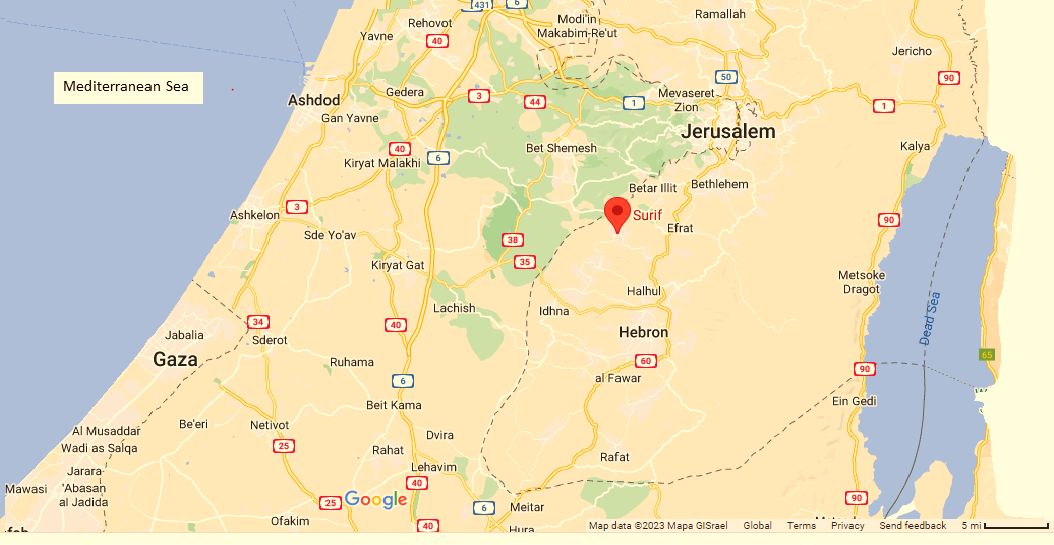
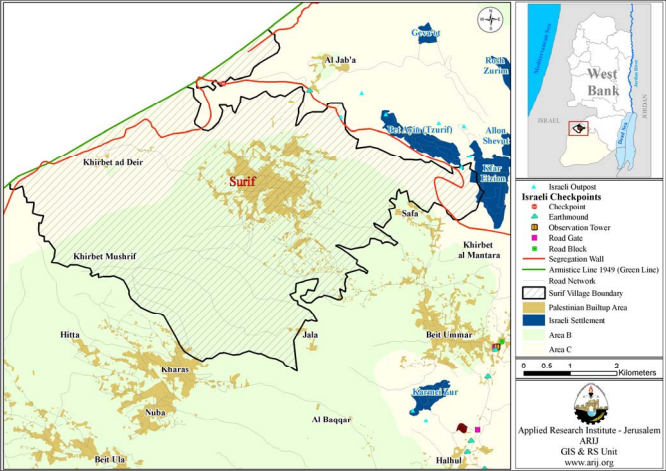
Surif is a Palestinian town located in the northwestern part of the Hebron Governorate, approximately 20 km northwest of the city of Hebron and 32 km south of Jerusalem. Surif has held a strategic location since the Roman era, situated on a mountain ridge rising about 600 meters above sea level. The area was first inhabited during the Roman period and saw the minting of Roman coins, highlighting its historical economic importance [30]. The town’s total land area is approximately 31,600 dunums, comprising 13,500 dunums of agricultural land, 400 dunums of woodland, and 9,700 dunums of open land and pasture [28]. Its geographical coordinates are 31.6495695° N and 35.0734668° E [31]. Surif is bordered to the north by the village of Al-Jaba' (Bethlehem Governorate); to the south by the villages of Kharas and Halhul; to the east by the town of Beit Ummar; and to the west by the villages of Beit Nattif and Beit Shemesh [30], as shown in Figures 1 and 2.
2.2. Vegetation and data collection
Approximately 270 plant samples were selected from the study area, and data were collected on 266 woody plant species found in the forests, hills, and mountains surrounding the town of Surif. The sampling and study sites included the villages of Al-Deir and Jabla; Khirbet Jamrin (home to the shrine of the Companion Abu Ubaidah Amir ibn al-Jarrah and numerous historical houses estimated to be over 350 years old); Khirbet Mushrif; Khirbet Deir Musa; Khallat Ali Ghunaim; Khirbet Abu Shuk; Khirbet 'Alin; Karabin; and other neighboring areas, as illustrated in Figure 3.
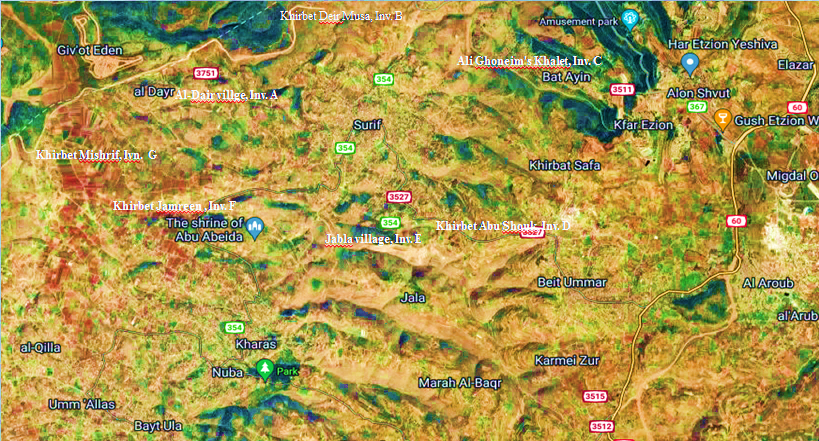
In addition, several shrub-covered areas were selected for biological sampling, including plant species representing both traditional and thermophilous vegetation types (Table 1). Vegetation data were collected using the Braun-Blanquet method [32], and cover-abundance values were converted according to the scale proposed by Van der Maarel (1979) [33]. The study area was divided into three plots (A–C), as shown in Table 1.
To convert the Braun-Blanquet phytosociological cover-abundance values to the Van der Maarel ordinal scale, a 266 × 3 data matrix was constructed. The conversion was performed as follows: Braun-Blanquet values (+, 1, 2, 3, 4, and 5) were converted to Van der Maarel values (2, 3, 5, 5, 6, and 7), respectively. The Braun-Blanquet cover-abundance categories are defined as follows:
5: Species covering more than three-quarters (>75%) of the sample area.
4: Species covering between one-half and three-quarters (50–75%) of the sample area.
3: Species covering between one-quarter and one-half (25–50%) of the sample area.
2: Species covering at least 5% of the sample area.
1: Species abundant in number but with low cover value.
+: Species with very low abundance and minimal cover.
In addition to applying the International Code of Phytosociological Nomenclature to characterize newly defined syntaxa, Euclidean distance measures, cluster analysis, and Detrended Correspondence Analysis (DCA) were employed to examine patterns in plant community composition and address potential gaps in the overall vegetation analysis [34, 35, 36, 37, 38]. Statistical analyses were performed using XLSTAT integrated with Microsoft Excel.
Furthermore, the results of plant species identification and taxonomic verification were cross-referenced with data from several internationally recognized botanical databases and online resources, including JSTOR Global Plants, the Kew World Checklist of Selected Plant Families (WCSP), Plants of the World Online (POWO), World Flora Online (WFO), The Plant List (TPL), Lebanon Flora, and Flora of Israel Online.
The study of vegetation in the Hebron region encompassed plant species found in Palestine, Syria, Lebanon, Jordan, the Negev Desert, the Sinai Desert, and the Mediterranean coastal region [15, 16, 17, 18, 39, 40, 41]. Various approaches were employed to analyze the vegetation, drawing upon the works of Scientifics botanicals [32, 33, 36, 37, 38, 42, 43, 44, 45, 46].
2.3. Statistical Analyses
The data were organized into an Excel spreadsheet comprising 266 rows (representing plant species) and 3 columns (representing vegetation survey samples or "relevés") to calculate similarity and distance metrics using a correlation-based approach. Based on this dataset, a Euclidean distance matrix was generated and used as input for Detrended Correspondence Analysis (DCA). Following the construction of correlation and covariance matrices, ordination analysis via DCA was performed to analyze patterns in plant community composition; statistical software facilitated this process by providing a clear classification and ordering of the plant communities.
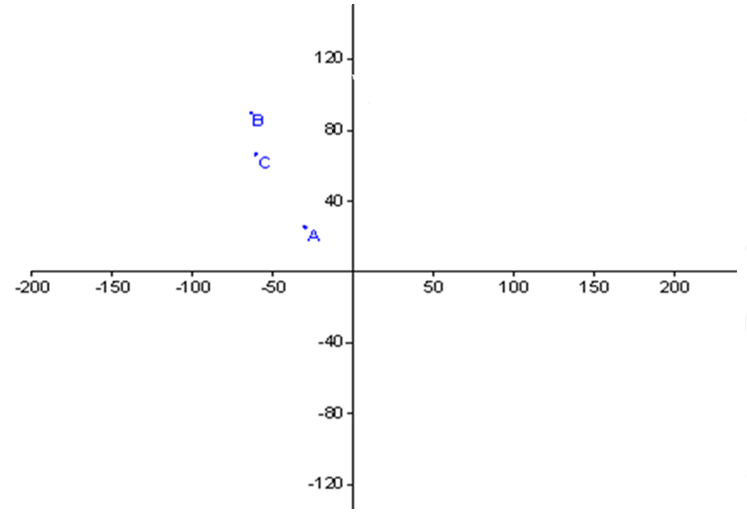
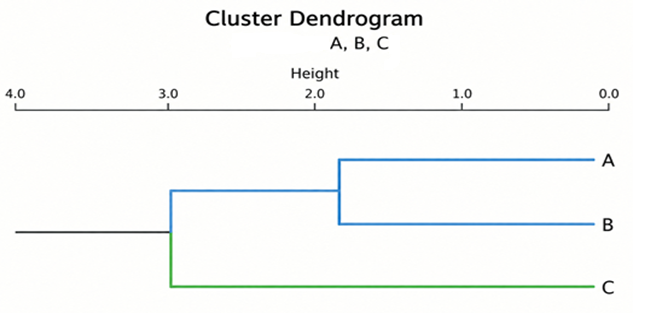
The analyses identified a single plant association, designated as "Association 1" (ASL1). This association comprises forest vegetation samples from groups A, B, and C, which were grouped together based on the results of cluster analysis and Detrended Correspondence Analysis (DCA).
3. Results
3.1. Steppe vegetation, maquis, and macchie forests
3.1.1. Pino halepensis-Cupression sempervirenti
The majority of the listed species in the inventories (A, B, and C) belonged to Pinus halepensis (L.) Miller (commonly known as Jerusalem pine or Aleppo pine), Cupressus sempervirens L., Cupressus arizonica Greene, Pinus pinea L., Pinus brutia Tenore, Juniperus deltoides R.P. Adams (synonymous with Juniperus oxycedrus L.), and Juniperus turbinata Guss. (also known as Juniperus phoenicea L.). Retama raetam (Forssk.) Webb. & Berthel., Spartium junceum L., Thuja occidentalis L., Glycyrrhiza glabra L., Ceratonia siliqua L., Cersis siliquastrum L., Acacia dealbata Link., Acacia salicina Lindl., Acacia cyanophylla Lindl., Calicotome villosa (Poir.) Link., Genista monspessulana (L.) O. Bolós & Vigo., Acacia radiana Savi., Ficus cariaca L., Retama rhodorhizoides (Webb. & Berthel.), Scop., Ficus microcarpa L. F., Prosopis farcta (Banks et Sol.), Morus nigara L., Olea europaea L., Anonis natrix (L.), Morus alba L., Olea europaea var. sylvestris, Quercus calliprinos Webb. or Quercus palaestina Kotschy or Quercus coccifera L., Quercus rotundifolia Lam., Quercus boissieri Reut. or Quercus infectoria Olivier, Quercus inthaburensis Decne., Pistacia saportae Burnat., Rhus tripartita (Ucria) Grande Pistacia khinjuk Stocks, Rhus coriaria L., Schinus molle L., Schinus terebinthifolius Raddi, Rhamnus alaternus L., Sageretia thea (Osbeck) M. C. Johnst., Rhamnus disperma Ehrenb. ex. Boiss., Ziziphus jujuba Miller, Searsia tripartita (Ucria) Moffett, Zizyphus Lotus (L.) Lam., Paliurus spina-christi Miller, Zizyphus Spina-christi (L.) Desf., Populus alba L., Populus euphratica Oliv., Salix alba L., Atraphaxis spinosa L., Sarcopoterium spinosum (L.) Spach, Crataegus oriana (L.) DC., Amygdalus ramonensis Danin, Prunus arabica (Olivier) Meikle., Crataegus monogyna Jacq., Prunus dulcis (Miller) D. A. Webb., Mespilus germanica L., Crataegus azarolus L., Lycium shawii Roem., Malus communis Desf., Prunus korshinskyi Hand. Mazz., Prunus ursina Kotschy, Solanum incanum L., Salvia officinalis L., Lycium europaeum L., Schult., Ballota undulata (Sieber ex. Fresen.) Bentham, Bassia arabica (Boiss.) Maire & Weiller, Lycium depressum Stocks, Phlomis brachyodon (Boiss.) Zohary, Phlomis pungens Willd., Phlomis chrysophylla Boiss., Phlomis platystegia Post., Ballota philistaea Bornm., Lycium schweinfurthii Dammer, Phlomis viscosa Poiret., Teucrium capitatum L., Lycium barbarum L., Salvia fruticosa Miller, Satureja thymbrifolia Hedge & Feinbrun, Stachys palaestina L., Thymbra spicata L., Capparis aegyptia Lam., Satureja thymbra L., Salvia aegyptiaca L., Teucrium creticum L., Salvia palaestina Benth., Thymbra capitata (L.) Cav., Haloxylon salicornicum (Moq.) Bunge ex Boiss., Sarcocornia fruticosa (L.) A. J. Scott., Suaeda palaestina Eig. & Zohary, Salsola cyclophylla Baker, Atriplex halimus L., Haloxylon persicum Bunge, Hyoscyamus aureus L., Iphiona maris-mortui Feinbrun, Echinops philistaeus Feinbrun & Zohary, Cota tinctoria (L.) J. Gay, Crepis reuteriana Boiss., Alkanna tinctoria (L.) Tausch, Doellia bovei (DC.) Anderb., Crepis hierosolymitana Boiss., Achillea aleppica DC., Alkanna strigosa Boiss. & Hohen., Artemisia monosperma Delile, Artemisia sieberi Besser, Alkanna galilaea Boiss., Periploca aphylla Decne., Artemisia arborescens L., Euphorbia hirta L., Heliotropium arbainense Fresen., Alkanna orientalis (L.) Boiss., Euphorbia hierosolymitana Boiss., Echium glomeratum Poir., Heliotropium bacciferum Forssk., Echium angustifolium Miller, Podonosma orientalis (L.) Feinbrun, Euphorbia hirsuta L., Echiochilon fruticosum Desf., Heliotropium rotundifolium Lehm., Erysimum crassipes Fisch. & C. A. Mey., Festuca arundinacea Schreb., Fibigia clypeata (L.) Medik, Glaucium flavum Crantz., Hordeum bulbosum L., Iris vartanii Foster, Verbascum sinaiticum Benth., Gladiolus italicus Mill., Juncus subulatus Forssk., Iris palaestina (Bak.) Boiss., Kickxia aegyptiaca (L.) Nabelek, Capparis sicula Duh., Iris atropurpurea Baker, Juncus acutus L., Clematis cirrhosa L., Capparis spinosa L., Convolvulus dorycnium L., Clematis flammula L., Ipomoea cairica (L.) Sweet, Fagonia orientalis C. Presl., Ferula biverticillata J. Thieb., Convolvulus lanatus Vahl., Fagonia bruguieri DC., Ipomoea imperati (Vahl.) Griseb., Foeniculum vulgare Miller, Fagonia arabica L., Ferula tingitana L., Balanites aegyptiaca (L.) Delile, Fagonia mollis Delile, Ferula orientalis L., Ferula communis L., Conium maculatum L., Ferulago syriaca Boiss., Glaucium grandiflorum Boiss. & A. Huet, Glaucium arabicum Fresen., Cistus creticus L., Fumana thymifolia (L.) Webb., Tamarix nilotica (Ehrenb.) Bunge, Asparagus palaestinus Baker, Parkinsonia aculeata L., Ochradenus baccatus Delile, Styrex officinalis L., Azolla filiculoides Lam., Paeonia mascula (L.) Miller, Melia azedarach L., Ephedra aphylla Forskal, Thymelaea hirsuta (L.) Endl., Erodium arborescens (Desf.) Willd., Rubia tinctorum L., Jacaranda mimosaefolia D. Don., Erodium acaule (L.) Becherer & Thell., Verbascum fruticulosum Post., Erodium crassifolium L'Her., Arbutus andrachne L., Juglans regia L., Globularia arabica Jaub. & Spach, Vitex agnus-castus L., Hibiscus micranthus L., Brachychiton populneus (Schott & Endl.) R.Br., Verbena officinalis L., Arundo micrantha Lam., Arundo donax L., Arundo micrantha Lam. (Arundo mediterranea Danin), Heptaptera anisoptera (DC.) Tutin, Cynodon dactylon (L.) Pers., and Dittrichia viscosa (L.) Greuter, accompanied by Pistacia lentiscus L., Rhamnus palaestinus Boiss. (Rhamnus lycioides L.), Pistacia palaestina Boiss., Pistacia atlantica Desf., Crataegus monogyna Jacq., Rhamnus disperma Ehrenb. ex Boiss., Quercus species, and numerous herbaceous plant species. Additionally, a rich herbaceous layer was recorded, comprising species belonging to the Asteraceae, Lamiaceae, Fabaceae, Brassicaceae, Boraginaceae, and Poaceae families, alongside other taxonomic groups characteristic of the Eastern Mediterranean vegetation.
The plant communities were distributed across Mediterranean bioclimatic belts (meso-Mediterranean and thermo-Mediterranean) under bioclimatic conditions ranging from dry to sub-humid and humid. The vegetation was characterized by Mediterranean forest formations, shrublands, and remnant "maquis" formations, growing on limestone-derived soils, including brown Rendzina and Terra Rossa soils, with pH values approaching neutrality [3, 25].
This plant community (association) occurred at a mean elevation of approximately 586 meters above sea level. Vegetation height ranged from 5 to 20 meters, with an average of about 10 meters. The sites were situated on slopes ranging from 5% to 30%, and the average vegetation cover density was approximately 75%. Based on floristic composition, physiognomy, ecological characteristics, and the results of phytosociological analyses, the vegetation was classified within the Pino halepensis-Cupressetum sempervirentis association. This association belongs to the Eastern Mediterranean region of Southwest Asia and is characteristic of the inframediterranean, thermomediterranean, and mesomediterranean bioclimatic belts (Figures 4-6; Table 2, ASL1, Lists A-C, Typus Group 1). Accordingly, the newly proposed association has been named Pino halepensis-Cupressetum sempervirentis.
Abbreviations: T.: tree; Phan: phanerophyte, Phan. Shrubs: phanerophyte shrubs, Phan. shrubs vine: phanerophyte shrubs vine; Phan. vine: phanerophyte vine; Phan. dwarf shrubs: phanerophyte dwarf shrubs; Cham.: chamaephyte; Cham. semi-shrubs: chamaephyte semi-shrubs; Cham., chamaephyte; Cham. Shrubs: chamaephyte shrubs; Hem.: hemicryptophyte; Geo.: geophyte, Geo. vine: geophyte vine; H.: Helophyte. Percentage of plant species present in the sample studies and communities: V = 100%, IV = 60.1-80%, III = 40.1-60%, II = 20.1-40% and I = 0.1-20%. N: native, E: endemic, ASL: Association, and ASL1: association 1.
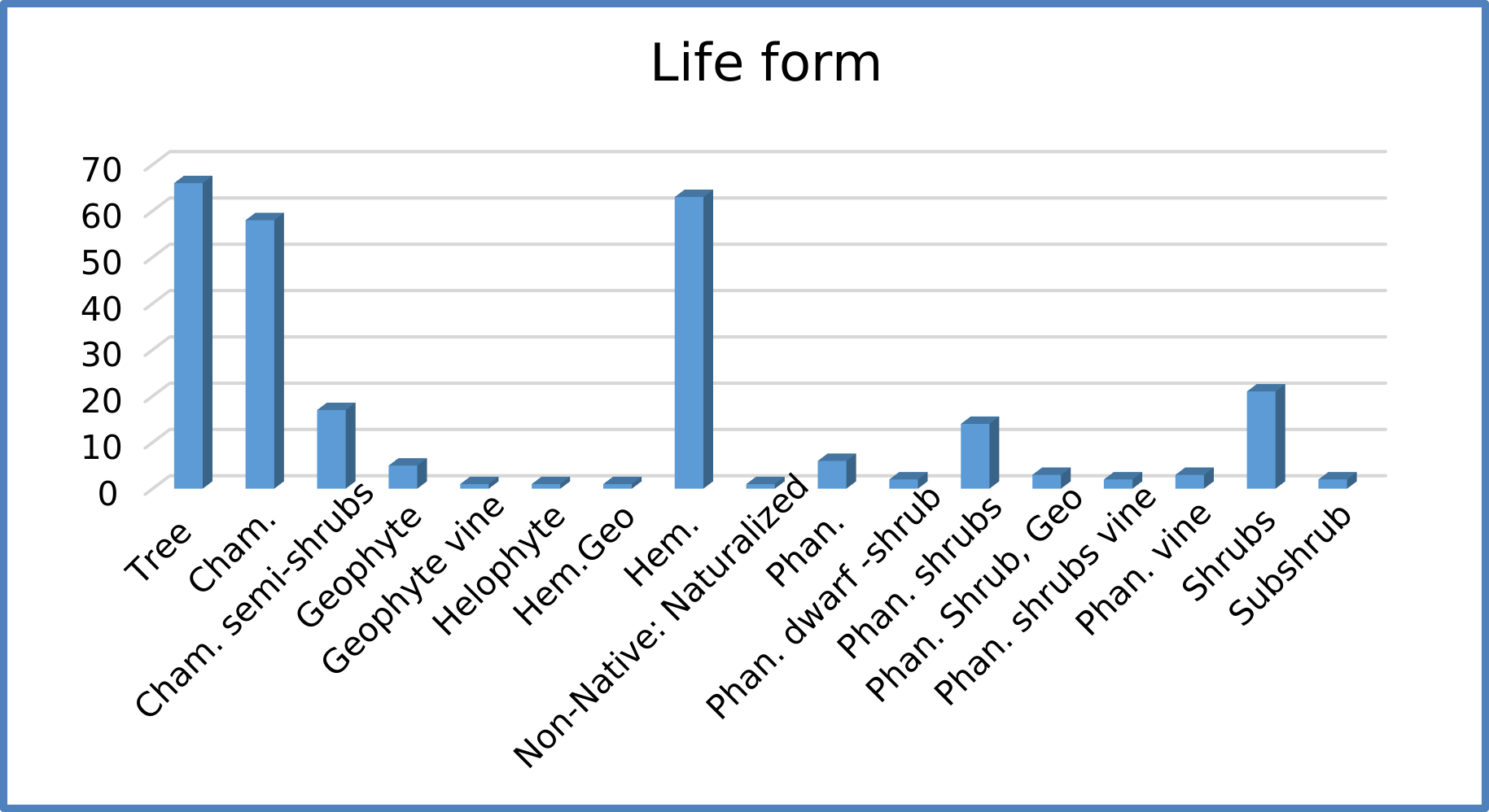
Furthermore, a total of 266 plant species were identified within this plant community. Phanerophytes predominated, accounting for 36.09% of the total; this category included 66 tree species (24.81%), 14 phanerophytic shrub species (5.26%), 3 geophytic phanerophyte species, 3 phanerophytic climber species, 2 shrubby phanerophytic climber species (0.74%), and 2 dwarf phanerophytic shrub species (0.74%). Shrubs constituted 23 species (8.64%).
The Chamaephyte category comprised 75 species (28.19%), including 17 species of chamaephytic shrubs or sub-shrubs (6.39%). Hemicryptophytes were represented by 64 species (24.06%), including two geophytic hemicryptophyte species (0.74%), while Geophytes accounted for 6 species (2.25%), comprising five geophyte species and one geophytic climber species (0.37%). Finally, Helophytes were represented by a single species (0.37%). Figure 6 illustrates the distribution of these life-form categories.
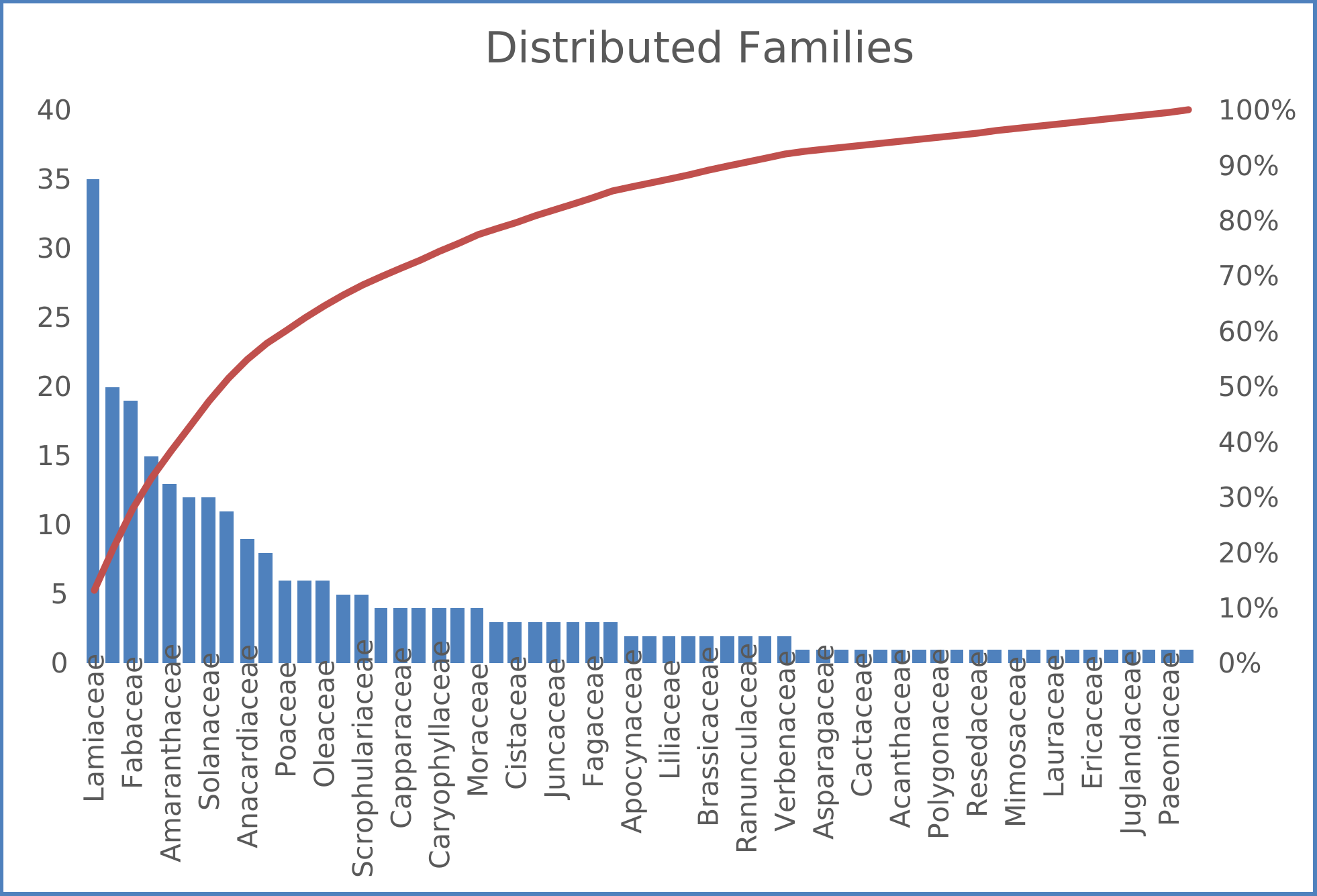
A total of more than 58 plant families were recorded within this plant assemblage. The families with the highest species richness were: Lamiaceae (35 species, 13.15%), Asteraceae (20 species, 7.51%), Fabaceae (19 species, 7.14%), Rosaceae (15 species, 5.63%), Amaranthaceae (13 species, 4.88%), Boraginaceae (12 species, 4.51%), Solanaceae (12 species, 4.51%), Apiaceae (11 species, 4.13%), Anacardiaceae (9 species, 3.38%), and Rhamnaceae (8 species, 3%), among others. The percentages for the remaining families are shown in Figure 7.
Among the approximately 600 plant species recorded in the Surif area, 266 were woody species. Of these woody varieties, 13 species (4.88%) were endemic, including four sub-endemic species. Herbaceous species were excluded from this study because the research focused specifically on woody plants and shrubs.
Analysis of the Pino halepensis–Cupressetum sempervirentis association revealed strong floristic similarities with a comparable plant community previously described from the western Hebron region, particularly the Beit Jibrin area [18]. The principal species shared between the two communities include Pinus halepensis, Pinus pinea, Pinus brutia, Cupressus sempervirens, Cupressus arizonica, Juniperus deltoids, and among other characteristic Mediterranean species.
The study area supports several species of Pinus, including P. halepensis, P. pinea, and P. brutia, together with Cupressus sempervirens L., Juniperus deltoides, and Juniperus turbinata. These species are characteristic of dry, subhumid, and humid Mediterranean bioclimatic zones and are associated with the order Pinetalia halepensis Biondi et al. (2014) [47] and the class Junipero phoeniceae–Pinetea acutisquamae A.V. Pérez & Cabezudo (1988), as revised by Rivas-Martínez et al. [43]. From a syntaxonomic perspective, this plant community is associated with the classes Quercetea calliprini or (Quercetea palaestini) and Quercetea ilicis Br.-Bl. (e.g., A. & O. Bolòs, 1958) [36]. It belongs to the order Pinetalia halepensis [47] and falls within the Pino halepensis-Cupression sempervirentis alliance [18].
The syntaxonomic interpretation of these associations is presented as follows:
Maquis and forest vegetation:
Class: Quercetea ilicis Br.-Bl. ex. A.& O. Bolòs 1950
Class: Quercetea calliprini or palaestini [18]
Order: Pinetalia halepensis [47]
Alliance: Pino halepensis-Cupressus sempervirentis [18]
Association: Pino halepensis-Cupressetum sempervirentis
The Surif area, home to more than 266 species of plants and forest shrubs examined in this study is distinguished by a unique pattern of forest vegetation and biodiversity compared to other Palestinian regions. Situated at a favorable elevation above sea level, the area encompasses steppe landscapes, oak forests, shrublands, and a variety of other plant species. It is characterized by arid climatic conditions, with thermal properties spanning the Inframediterranean, Thermomediterranean, and Mesomediterranean zones, and an annual rainfall ranging from 350 to 600 mm.
4. Discussion
This study provides a comprehensive characterization of the phytosociological attributes of the woody vegetation in the Surif area, located in the north-western part of the Hebron Governorate, Palestine. The results reveal a distinct Mediterranean forest plant community dominated by Pinus halepensis L. and Cupressus sempervirens L., accompanied by a diverse array of woody and herbaceous species. The identification of this plant community classified as Pino halepensis-Cupressetum sempervirentis highlights the ecological significance of the Surif area as a representative site for Mediterranean vegetation in southern Palestine.
The floristic composition of this plant community reflects Palestine’s transitional biogeographical location among four phytogeographical regions: Mediterranean, Irano-Turanian, Saharo-Arabian, and Sudanian. This unique geographical position has long been considered a key factor contributing to the remarkable plant diversity found in Palestine [4, 5, 13, 18, 19]. The coexistence of Mediterranean species such as Pinus halepensis M., Cupressus sempervirens L., Pistacia lentiscus L., Quercus calliprinos W., and Arbutus andrachne L. with species characteristic of the more arid Saharo-Arabian environments such as Retama raetam L., Ziziphus spina-christi L., and Haloxylon salicornicum highlights the distinctive nature of the study area and its high level of ecological heterogeneity.
The dominance of phanerophyte trees (36.09%) within the life-form spectrum indicates the arboreal or forest-like character of this plant community. According to Raunkiaer’s life-form theory, phanerophytes typically predominate in regions characterized by relatively stable climatic conditions and sufficient moisture to support the growth of perennial woody vegetation [48]. Furthermore, the high proportions of chamaeophytes (28.19%) and hemicryptophytes (24.06%) reflect adaptation to Mediterranean climatic conditions, particularly seasonal drought and grazing pressure. Similar life-form patterns have been recorded in other ecosystems within the Mediterranean region of Palestine and neighboring countries [15, 16, 17, 18, 19].
The dominance of plant families such as Lamiaceae, Asteraceae, Fabaceae, Rosaceae, Boraginaceae, and Amaranthaceae aligns with patterns documented across the Eastern Mediterranean basin. These families are key contributors to Mediterranean biodiversity, owing to their ecological resilience, drought tolerance, and adaptive strategies for survival under fluctuating environmental conditions [13, 49]. The high species diversity observed within the Lamiaceae family in this study is particularly noteworthy, as species from this family constitute a major and distinctive component of the shrubland vegetation and "maquis" communities across the Mediterranean region.
Furthermore, the presence of approximately 13 endemic and sub-endemic woody species underscores the biological value of the Surif area for biodiversity conservation; endemic species are a vital component of Mediterranean biodiversity and often serve as indicators of long-term ecological stability and historical biogeographical processes [49]. The presence of endemic plant taxa within the study area supports earlier findings indicating that Palestine serves as a significant center of plant diversity and endemism in the Eastern Mediterranean region [3, 5, 6, 7, 8, 9, 12, 13, 50, 51].
Phytosociological analyses including cluster analysis and Detrended Correspondence Analysis (DCA) identified a single major plant association encompassing the survey sites (A-C). This result indicates a relatively homogeneous vegetation structure across the studied sites, despite local environmental variation. The clustering of vegetation survey samples (relevés) further suggests that dominant environmental factors, including climate, geology, soil characteristics, and land-use history, exert similar influences throughout the study area. Similar vegetation patterns have been documented in neighboring areas within the Hebron Governorate, such as Wadi Al-Quff, Idhna, Beit Jibrin, and Al-Dawayima [17, 18, 19]. The environmental characteristics of this plant association closely align with those described for Mediterranean pine and cypress forests across the Levant. The dominance of Aleppo pine (Pinus halepensis M.) and evergreen cypress (Cupressus sempervirens L.) reflects an adaptation to dry summer conditions, moderate annual rainfall, and calcareous soils. These species are known for their high tolerance to seasonal drought, high temperatures, and relatively poor soils, enabling them to survive and thrive under Mediterranean climatic conditions [51, 52]. Furthermore, the presence of associated species such as Pistacia palaestina B., Pistacia lentiscus L., Quercus calliprinos W., and Crataegus Aronia L. reinforces the classification of this vegetation within the ecological complex of Mediterranean forests and "maquis" shrublands.
A comparison with the vegetation described in the Beit Jibrin area [18] revealed strong floristic similarities, particularly regarding the dominance of species such as Aleppo pine (Pinus halepensis M.), Mediterranean cypress (Cupressus sempervirens L.), and Juniperus deltoides, alongside other woody Mediterranean species. These similarities suggest that the Pino halepensis-Cupressetum sempervirentis association may represent a broader vegetation unit distributed across several areas of the Hebron Governorate. These findings support the syntaxonomic placement of this association within the Pinetalia halepensis order and underscore the importance of Mediterranean pine forests as a key vegetation type in southern Palestine.
From a conservation perspective, however, the study area serves as a vital refuge for native woody Mediterranean vegetation; increasing urbanization, agricultural intensification, overgrazing, frequent fires, and climate change pose significant threats to Mediterranean ecosystems throughout the Levant [49, 53]. Furthermore, the relatively high species diversity and the presence of endemic taxa recorded in the Surif area highlight the need for long-term conservation and sustainable management strategies aimed at protecting these valuable plant communities. Overall, the results confirm that the Surif area harbours a distinctive Mediterranean forest association characterized by high plant diversity, significant ecological stability, and notable phytogeographical importance. The proposed association (Pino halepensis-Cupressetum sempervirentis) contributes to enhancing the understanding of plant diversity in Palestine and provides a vital foundation for future studies in phytosociology, ecology, and conservation efforts within the Eastern Mediterranean region.
5. Conclusion
Overall, the study demonstrates that the Surif area harbors Mediterranean forests and woodlands of high botanical and ecological value, characterized primarily by a community of Aleppo pine and evergreen cypress. The documentation of 266 plant species including 13 that are endemic or have a restricted regional distribution highlights significant botanical richness and underscores the area's critical importance for conservation. This plant assemblage reflects the interplay of Mediterranean climate, calcareous soil, topography, moisture availability, and historical land use; furthermore, its floristic resemblance to plant communities in Beit Jibrin suggests a broader botanical diversity across the Hebron region. These findings provide a vital foundation for vegetation classification, biodiversity assessment, and conservation planning in southern Palestine. To maintain the ecological integrity of the Surif area, the study recommends protecting forest patches, preserving habitat connectivity, practicing sustainable grazing, preventing unnecessary vegetation removal, and monitoring endemic species. Future research should expand the scope of surveys and incorporate quantitative measurements of soil characteristics, elevation, slope, aspect, precipitation, grazing intensity, disturbances, and land-use history to better understand the relationships between plant communities and environmental gradients. Ongoing botanical surveys and long-term monitoring will be essential for preserving the native Mediterranean vegetation and biological heritage of Surif and the Hebron governorate at large. Overall, Surif’s study underscores the significant botanical and ecological importance of Mediterranean forest vegetation in the Hebron Governorate.
Taxonomical scheme:
Class: Quercetea ilicis Br.-Bl. ex A. Bolòs et O. de Bolòs in A. Bolòs y Vayreda 1950 [54]
Class: Quercetea calliprini or palaestini nova. (Ighbareyeh et al., 2022) [18]
Order: Quercetalia calliprini Zohary 1960 [55]
Order: Quercetalia ilicis Br.-Bl. ex Molinier 1934 [56]
Order: Pinetalia halepensis Biondi et al. (2014) [47]
Alliance: Pino halepensis-Cupressus sempervirentis [18] (Ighbareyeh et al., 2022)
Alliance: Querco - Pistacion lentisci all. nova [18] (Ighbareyeh et al., 2022)
Association: Pino halepensis-Cupression sempervirenti *
Class: Quercetea ilicis Br.-Bl. ex A. Bolòs et O. de Bolòs in A. Bolòs y Vayreda 1950 [54]
Order: Quercetalia calliprini Zohary 1960 [54]
Alliance: Ceratonio-Pistacion lentisci Zohary ex Zohary et Orshan 1959 [57]
Alliance: Querco - Pistacion lentisci all. nova [18] (Ighbareyeh et al., 2022)
Ceratonio siliquae - Quercion calliprinae [17] (Jehad et al., 2021)
Pino halepensis-Cupression sempervirenti [17] (Jehad et al., 2021)
Associations:
Ceratonio siliquae-Quercetum callipinii. [17] (Jehad et al., 2021)
Pino halepensis-Cupressetum sempervirentis [17] (Jehad et al., 2021); [58] Ighbareyeh, 2026)
* Associations in which olive cultivation is possible.
Acknowledgements
I would like to thank everyone who helped us reach the study area, especially those from the local community.
Author Contributions
This research was conducted solely by the author.
Conflicts of Interest
The authors declare that there are no conflicts of interest.
Funding
This research received no external funding.
Data Availability
Datasets were generated or analysed during the current study.
References
- Ali-Shtayeh, MS.; Jamous, RM. Biodiversity: Value and conservation. Biodiversity and Environmental Sciences Studies 2002, 1, 1–38.
- Ali-Shtayeh, MS.; Jamous, RM. “Red List of Threatened Plants” of the West Bank and Gaza Strip and role of botanical gardens in their conservation. Biodiversity and Environmental Sciences Studies 2002a, 2, 1–47.
- Ighbareyeh, J.M.H.; Cano-Ortiz, A.; Cano, E. Endemic plant species in the west of Hebron, Palestine. European Journal of Applied Sciences 2021, 9(3) 368-385.[CrossRef]
- Zohary, M. Plant Life of Palestine, Ronald Press Company. New York,1961.
- Zohary, M. Flora Palaestina. Part 1, Text Equisetaceae to Moringaceae. Israel Academy of Sciences and Humanities, Jerusalem 1966, pp. 346.[CrossRef] [PubMed]
- Zohary, M. Flora Palaestina, Volume II. Israel Academy of Sciences and Humanities, 1972.
- Zohary, M. Geobotanical Foundations of the Middle East, Vols. I and II. Gustav Fisher Verlag, Stuttgart 1973, 739 pp.
- Zohary, M. Flora Palaestina. Volume IV. Israel Academy of Sciences and Humanities, 1986.
- Zohary, M. Flora Palaestina, Volume III. Israel Academy of Sciences and Humanities, 1987.
- Dothan, FN. Flora Palaestina, part three, text Ericaceae to Compositae. Israel Academy of Science and Humanities, Jerusalem 1978, PP. 481.
- Dothan, FN. Flora Palaestina, part four Plates, text Alismataceae to Orchidaceae. Academy of Science and Humanities, Jerusalem 1986, PP. 525.
- Feinbrun-Dothan, N.; Danin, A. Analytical flora of Eretz-Israel. Jerusalem: CANA. 1998, ISBN 978-0715305393.
- Danin, A. Distribution Atlas of plants in the Flora Palaestina area. 2nd Edn., Academy of Science and Humanities, Jerusalem 2004, PP. 520. ISBN: 9652081671.
- Jehad, M.H.I. Classified Plant Al-Dhahiriya in the South of Palestine. Indian Journal of Advanced Botany (IJAB) 2024, ISSN: 2582-9475 (Online), Volume-4 Issue-2. Retrieval Number: 100.1/ijb.B103504021024, DOI: 10.54105/ijab.B1035.04021024[CrossRef]
- Ighbareyeh, J.M.H.; Cano-Ortiz, A.; Cano–Carmon, E.; Suliemieh, A.A.A.; Ighbareyeh, M.M.H. Flora endemic rare and bioclimate of Palestine. Open Access Library Journal 2017, 4:e3977. Available: https://DOI:10.4236/oalib.1103977[CrossRef]
- Ighbareyeh, J.M.H.; Carmona, EC. A phytosociological of plant communities and Biodiversity in the East-South of Idna Village, Hebron, Palestine. International Journal of Geosciences 2018, 9, 44–58.[CrossRef]
- Jehad, M.H.I.; Suliemieh, A.A.A.; Abu Ayash, M.A.; Sheqwara, N.M.; Cano-Ortiz, A.; Cano, C.E. Biodiversity and Phytosociological Analysis of Plants in Wadi Al-Quf Nursery Reserve North - Western of Hebron City in Palestine. J. of Plant Sci. 9, 1, pp. 13-24. doi: 10.11648/j.jps.20210901.13.[CrossRef]
- Ighbareyeh, J.M.H., Cano-Ortiz, A., Cano, E. Phytosociology and Vegetation of Plants of Beit Jibrin in Palestine. Land 2021, 11, 264. https://doi.org/ 10.3390/land11020264[CrossRef]
- Ighbareyeh, J.M.H.; Suliemieh, A.A-R.A; Sheqwarah, M.; Cano-Ortiz, A.; Carmona, EC. Flora and Phytosociological of Plant in Al-Dawaimah of Palestine. Research Journal of Ecology and Environmental Sciences 2022a, 2(1), 58–91. Retrieved from https://www.scipublications.com/journal/index.php/rjees/article/view/202[CrossRef]
- Musarella, C.M.; Mendoza‐Fernández, A.J.; Mota, J.F.; Alessandrini, A.; Bacchetta, G.; Brullo, S.; Caldarella, O.; Ciaschetti, G.; Conti, F.; Martino, L.; et al. Checklist of gypsophilous vascular flora in Italy. PhytoKeys 2018, 103, 61–82.[CrossRef] [PubMed]
- Musarella, C.M.; Cano-Ortiz, A.; Piñar Fuentes, J.C.; Navas-Ureña, J.; Pinto Gomes, C.J.; Quinto-Canas, R.; Cano, E.; Spampinato, G. Similarity analysis between species of the genus Quercus L. (Fagaceae) in southern Italy based on the fractal dimension. PhytoKeys 2018a, 113, 79–95.[CrossRef] [PubMed]
- Musarella, C.M.; Paglianiti, I.; Cano-Ortiz, A.; Spampinato, G. Ethnobotanical study in the Poro and Preserre Calabresi territory (Vibo Valentia, S-Italy). Atti Soc. Toscana Sci. Nat. Mem. Ser. B 2019, 126, 13–28.
- Cano-Ortiz, A.; Piñar Fuentes, J.C.; Ighbareyeh, J.M.H.; Quinto Canas, R.; Cano, E. Aspectos Didácticos en la Enseñanza de Conceptos Geobotánicos. IJHSSE 2021, 8(4), 1-6. https://doi.org/10.20431/2349-0381.0804008.[CrossRef]
- Cano-Ortiz, A.; Piñar Fuentes, J.C.; Ighbareyeh, J.M.H.; Quinto Canas, R.; Cano, E. Didactic Aspects in the Teaching of Vegetation in Secondary and High School Education. IJHSSE, 2021a, 8(6): 1-7. .[CrossRef]
- Ali-Shtayeh, MS.; Jamous, RM.; Abu-Zaitoun, SY. Detection of natural ecosystem units that are unrepresented or underrepresented in protected areas, using systematic conservation planning, to guide decision-makers toward better representation of biodiversity. Biodiversity & Environmental Sciences Studies Series 2022, 17(2), 13–31.
- Cano, E.; Cano-Ortiz, A.; Fuentes, J.C.P.; Quinto-Canas, R.; Igbareyeh, J.; del Río, S.; Gomes, C.J.P. Ecological and Syntaxonomic Analysis of Pinus halepensis Mill. in the Iberian Peninsula and Balearic Islands. Land 2022, 11, 369. https:// doi.org/10.3390/land11030369.[CrossRef]
- Cano-Ortiz, A.; Ighbareyeh, J.M.H.; Cano, E. Environmental teaching of landscape through images in higher education, Transylvanian Review. 2024, 32 No. 3 (2024).
- Palestinian Ministry of Agriculture (MOA). Hebron Agriculture Directorate data, Palestine, 2006.
- Palestinian Central Bureau of Statistics. General Census of Population, Housing and Establishments. Ramallah – Palestine, 2009.
- Al-Dabbagh, M. Our Country Palestine, Dar Al-Huda, Afer Qara- Palestine. Part Five, Section Two, 1991, p. 247.
- Applied Research Institute - Jerusalem (ARIJ). GIS database. Bethlehem – Palestine, 2006-2009.
- Braun-Blanquet, J. Fitosociología. Bases para el estudio de las comunidades vegetales. Blume, Madrid 1979, 820 p.
- Van Der Maarel, E. Transformation of Cover-Abundance Values in Phytosociology and Its Effects on Community Similarity. Vegetation 1979, 39, 97-114. http://dx.doi.org/10.1007/BF00052021[CrossRef]
- Braun-Blanquet, J.; de Bolòs, O. Aperçu des Groupements Végétaux des Montagnes tarragonaises. Collectanea botanica 1950, 2, 303–342.
- Braun-Blanquet, J.; Bolòs O De. Les groupements végétaux du bassin moyen de l'Èbre et leur dynamisme. Anales Estac. Exp. Aula Dei 1957, 5(1-4): 1-266. Saragossa.
- Bolòs, O.; De et Molinier, R. Recherches phytosociologiques dans l'île de Majorque; Collection Botany (Barcelona) 1958, V (III): 699-865.
- Theurillat, J.P.; Willner, W.; Fernández-González, F.; Bültmann, H.; Čarni, A.; Gigante, D.; Ladislav, M.; Heinrich, W. International Code of Phytosociological Nomenclature. 4th edition. Applied Vegetation Sciences 2020, 00:e12491. doi: 10.1111/avsc.12491[CrossRef]
- Weber, H.E., Moravec, J.; Theurillat, J.P. International Code of Phytosociological Nomenclature. 3rd edition. Journal of Vegetation Sciences 2000, 1, 739-768.[CrossRef]
- Danin, A. Contributions to the flora of Israel and Sinai. I. Studies in the apopetalous genera. Minuartia, Silene, Polygala and Sedum. Israel Journal of Botany 1987, 36(2): 63–71. DOI: 10.1080/0021213X.1987.10677070
- Danin, A. Contributions to the flora of Jordan: new and interesting plants from Dana Nature Reserve, SW Jordan. Willdenowia 1997, 27(1/2): 161–175. DOI: 10.3372/wi.27.2714[CrossRef]
- Lina, M. Alnaddaf.; Hala, H.A.; Rawan, H. Hamoud., Ali, H. Hassan.; Reem, H.S. Study of Plant Biodiversity in the Sheikh Badr Region of Tartous Governorate, Syria. Modern Concepts & Developments in Agronomy. 2023, 13(2). MCDA. 000809. DOI: 10.31031/MCDA.2023.13.000809[CrossRef]
- Rivas-Martínez, S., Sánchez, M.D.; Costa, M. North American boreal and western temperate forest vegetation (Syntaxonomical synopsis of the potential natural plant communities of North America, II). Itinera Geobotany 1999, 12: 5–316.
- Rivas-Martínez, S.; Fernández-González, F.; Loidi, J.; Lousã, M.; Penas, A. Syntaxonomical checklist of vascular plant communities of Spain and Portugal to association level. Itinera Geobotany 2001, 14: 5-341.
- Rivas-Martínez, S.; Fernández-González, F.; Loidi, J.; Lousã, M.; Penas, A. Vascular plant communities of Spain and Portugal. Addenda to the syntaxonomical checklist of 2001. Itinera Geobotany . 2002, 15 (1): 5-432.
- Rivas‐Martínez, S.; Peñas, A.; Díaz González, T.E.; Cantó, P.; del Río, S.; Costa, C.; Herrero, L.; Molero, J. Biogeographic Units of the Iberian Peninsula and Balearic Islands to District Level. A Concise Synopsis. In The Vegetation of the Iberian Peninsula, Plant and Vegetation 12; Loidi, J., Ed.; Springer International Publishing: Berlin/Heidelberg, Germany, 2017, pp. 131–188.[CrossRef]
- Biondi, E. Phytosociology Today: Methodological and Conceptual Evolution. Plant Biosystems 2011, 145, 19-29. https://doi.org/10.1080/11263504.2011.602748 https://doi.org/10.1007/BF00052021.[CrossRef]
- Biondi, E.; Blasi, C.; Allegrezza, M.; Anzellotti, I.; Azzella, M.M.; Carli, E.; Casavecchia, S.; Copiz, R.; Del Vico, E.; Facioni, L.; Galdenzi, D.; Gasparri, R.; Lasen, C.; Pesaresi, S.; Poldini, L.; Sburlino, G.; Taffetani, F.; Vagge, I.; Zitti, S.; Zivkovic, L. Plant communities of Italy: The Vegetation Prodrome. Plant Biosystem 2014, 148: 728-814.[CrossRef]
- Raunkiaer, C. The Life Forms of Plants and Statistical Plant Geography, xvi, 1934, 632 p.
- Médail, F.; Quézel, P. Biodiversity hotspots in the Mediterranean Basin. Conservation Biology 1999, 13, 1510–1513.[CrossRef]
- Zohary, M.; Orshan, G. The maquis of Ceratonia siliqua in Israel. Palest. J. Bot. Jerusalem 1959, 8:385-397.[CrossRef]
- Barbéro, M.; Loisel, R; Quézel, P; Richardson, DM; Romane, F. Pines of the Mediterranean Basin. In Richardson DM. (Ed.), Ecology and Biogeography of Pinus. Cambridge University Press, Cambridge 1998, pp. 153-170.
- Quézel, P.; Médail, F. Ecology and Biogeography of Mediterranean Basin Forest Ecosystems, Elsevier, Paris 2003, p. 445-483.
- Allen, CD.; Macalady, AK.; Chenchouni, H.; Bachele, D.; McDowell, N.; Vennetier, M.; Kitzberger, Th.; Rigling, A.; Breshears, DD.; Hogg, (Ted) EH.; Gonzalez, P.; Fensham, R.; Zhang, Zh.; Castro, J.; Demidova, N.; Lim, J-H.; Allard, G.; Running, SW.; Semerci, A.; Cobb, N. A global overview of drought and heat-induced tree mortality reveals emerging climate change risks for forests. Forest Ecology and Management 2010, 259, 660–684.[CrossRef] [PubMed]
- de Bolòs, O.; Molinier, R. Recherches phytosociologiques dans l'île de Majorque. Collectanea Botanica 1958, 5: 699–865.
- Zohary, M. The maquis of Quercus calliprinos in Israel and Jordan. Bulletin of the Research Council of Israel 1960, 9b (2): 51–72.
- Molinier, R. Études phytosociologiques et écologiques en Provence occidentale. Anales Museo Historia Nat. Marseille 1934, 27, 1- 273.
- Zohary, M.; Orshan, G. The maquis of Ceratonia siliqua in Israel. Vegetatio 1959, 8, 285–297.[CrossRef]
- Ighbareyeh, J. M. H. Plant Communities in Wadi Al-Qaf Nursery Reserve of Palestine. Sustainability, 2026, 18(20), 10530. https://doi.org/10.3390/su182010530[CrossRef]