
Abstract
Water management is a critical challenge for uranium processing operations in arid regions, where industrial activities depend heavily on limited groundwater resources. This study evaluates the performance of the filter cloth washing water recycling circuit at the Aïr Mining compagny (SOMAÏR) uranium processing plant in Niger and identifies the principal factors limiting continuous water reuse. The investigation combined operational water-flow monitoring, historical production records, field sampling from Pit 3, physicochemical characterization of recycled water, suspended-solids determination, and particle-size analysis. Under normal operating conditions, the recycling circuit achieved an average recycling efficiency of 57.5%, corresponding to approximately 850 m3/day of industrial water savings. The recycled water exhibited a density of 0.994 g/cm3, pH of 2.53, oxidation- reduction potential of 480 mV, and suspended-solids concentration of 2052 mg/L. Particle-size analysis showed that approximately 97.6% of the suspended particles were smaller than 200 μm, allowing a substantial fraction of solids to bypass the 250 μm vibrating-drainer screen and accumulate in Decanter 1. Progressive sediment accumulation, together with screen deterioration and mechanical limitations, reduced clarification capacity and ultimately interrupted the recycling circuit. Engineering measures including improved fine-particle separation, optimization of screen aperture, systematic screen maintenance, improved sludge removal, and continuous monitoring are therefore proposed. These measures could enhance recycling reliability, reduce freshwater consumption, and improve water- management sustainability at SOMAÏR.
1. Introduction
Water is one of the most critical resources in mineral processing because it is extensively used in ore transportation, grinding, flotation, leaching, solid liquid separation, filtration, and residue washing. As global demand for mineral resources continues to increase while ore grades decline, the mining industry is experiencing a corresponding rise in freshwater consumption. This trend has intensified concerns regarding water scarcity, environmental sustainability, and the long term viability of mining operations, particularly in arid and semi-arid regions where freshwater resources are naturally limited (Ndlovu et al., 2025 [1]; Adamou et al., 2021 [2]; Tambol et al., 2023 [3]). Water management has therefore become one of the principal challenges facing modern mining operations. The transition from conventional linear water use toward circular water management emphasizes reducing freshwater abstraction, maximizing water reuse, and improving recycling efficiency throughout mineral processing plants. Recent studies have shown that efficient recycling strategies not only reduce environmental impacts but also decrease operational costs, improve process stability, and enhance the sustainability of mineral extraction systems (Witecki et al., 2022 [4]; Liu et al., 2013 [5]). Hydrometallurgical processing of uranium ores is particularly dependent on water because water functions as a transport medium for slurries, a solvent for leaching reagents, and an essential component of filtration and washing operations. Closing water loops during hydrometallurgical processing is an important strategy for reducing freshwater consumption while maintaining suitable process conditions for downstream metal recovery. Water reuse is especially important during filtration and cake washing because these operations account for a substantial proportion of process water consumption. The Aïr Mining compagny (SOMAÏR), located in the Sahara Desert of northern Niger, processes uranium ore using hydrometallurgical techniques that require approximately 200,000 m3 of water annually. Under such hyper-arid climatic conditions, groundwater represents the primary source of industrial water, making efficient water management a critical operational and environmental priority. Within the processing plant, the filtration workshop is the largest water consumer because large quantities of water are continuously required for filter cloth washing and solid liquid separation. Consequently, improving the performance of the recycling circuit offers significant opportunities for reducing freshwater withdrawal and enhancing overall process sustainability. Despite considerable advances in mine water management and hydrometallurgical water recycling, most previous studies have focused on wastewater treatment, tailings water reuse, or zero liquid discharge systems rather than on the operational optimization of filter cloth washing circuits within uranium processing plants. Furthermore, the influence of suspended solids accumulation, particle size distribution, and locally designed solid liquid separation devices on recycling efficiency remains insufficiently documented, particularly for uranium processing facilities operating under severe water scarcity [6].
The present study is therefore focused on the performance of the filter cloth washing water recycling circuit at the SOMAÏR uranium processing plant. The specific objectives are to evaluate the operational efficiency of the existing recycling system, characterize the physicochemical properties of recycled water, quantify the influence of suspended solids on system performance, identify the principal causes of recycling circuit failure, and propose practical engineering solutions to improve water recovery and enhance the sustainability of uranium processing operations.
2. Material and Methods
2.1. Study Area
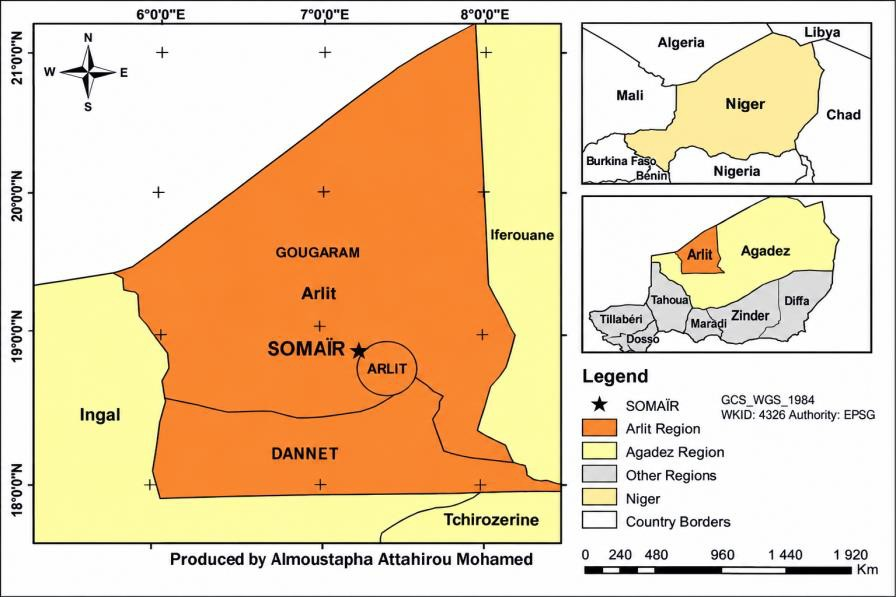
The present study was conducted at the Aïr Mining compagny (SOMAÏR), an open-pit uranium mining and hydrometallurgical processing plant located in Arlit, Agadez Region, northern Niger (18°35′- 18°43′ N and 7°15′-7°20′ E). The mining complex is situated approximately 1,200 km northwest of Niamey and more than 240 km from Agadez within the Sahara Desert, where annual precipitation is extremely low and groundwater constitutes the principal source of industrial water. Consequently, sustainable water management is a major operational challenge due to the limited availability of freshwater resources. The geographical location of the SOMAÏR processing plant is presented in Figure 1, while the general characteristics of the study site are summarized in Table 1.
SOMAÏR extracts uranium ore using open-pit mining techniques and processes the ore through a hydrometallurgical route involving ore preparation, acid leaching, solid liquid separation, solvent extraction, precipitation, and product drying. The processing plant consumes approximately 200,000 m3 of industrial water annually, with nearly 80% of the total water demand being associated with the filtration workshop, particularly during continuous filter cloth washing operations. Therefore, improving the efficiency of the filter cloth washing water recycling circuit represents an effective approach for reducing freshwater consumption and improving the environmental sustainability of uranium production. Water reuse is increasingly important in mineral processing because it reduces freshwater demand; however, recirculated process water may also alter water chemistry and influence downstream separation performance [7, 8].
2.2. Overview of the Uranium Processing Circuit
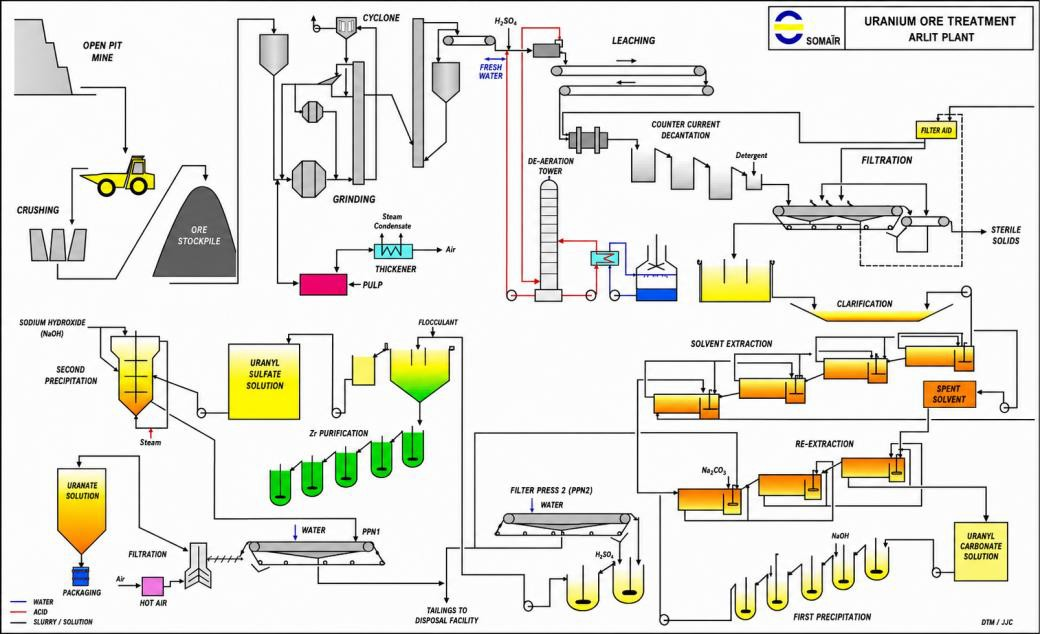
Uranium ore extracted from the SOMAÏR open-pit mine is processed through a sequence of hydrometallurgical unit operations comprising mechanical ore preparation, sulphuric acid leaching, solid liquid separation, solvent extraction, precipitation, and final product recovery. Each processing stage requires process water; however, the filtration workshop accounts for the largest proportion of total water consumption because of the continuous washing of filter cloths used during vacuum filtration. Since the present investigation focuses exclusively on improving the filter cloth washing water recycling system, only a brief overview of the complete uranium processing route is provided.
The overall process flowsheet is illustrated in Figure 2, which identifies the location of the filtration workshop within the uranium production circuit.
2.3. Filtration Workshop and Water Recycling Circuit
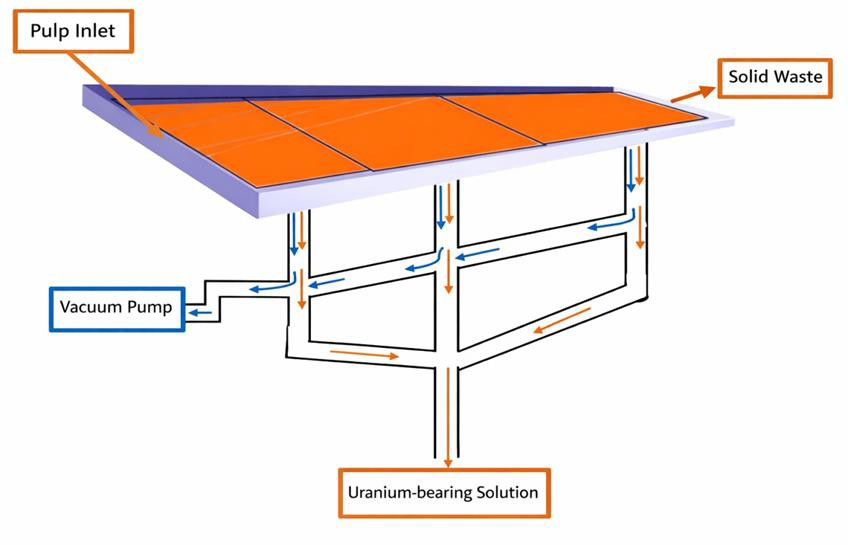
The filtration workshop performs solid liquid separation of the uranium bearing slurry produced after acid leaching. Three vacuum belt filters are employed to recover uranium rich filtrate while producing a dewatered filter cake for disposal. Continuous washing of the filter cloths is required to maintain filtration efficiency by preventing pore blockage and preserving adequate filtration capacity. Consequently, the filtration workshop constitutes the largest consumer of industrial water within the processing plant. An overview of the filtration workshop is presented in Figure 3.
To reduce freshwater demand, SOMAÏR has implemented a dedicated water recycling circuit for filter cloth washing. Wastewater generated during cloth washing, workshop cleaning, and drainage operations is collected in Pit 3, transferred by recovery pumps to a vibrating drainer for preliminary solid liquid separation, and subsequently conveyed to Decanter 1, where fine suspended particles are removed by sedimentation. The clarified overflow is stored in Tank S31-16 before being pumped back to the filtration workshop for reuse during filter cloth washing, thereby establishing a closed loop recycling system. The complete recycling process is illustrated in Figure 4, while the principal equipment involved in the recycling circuit is summarized in Table 2.
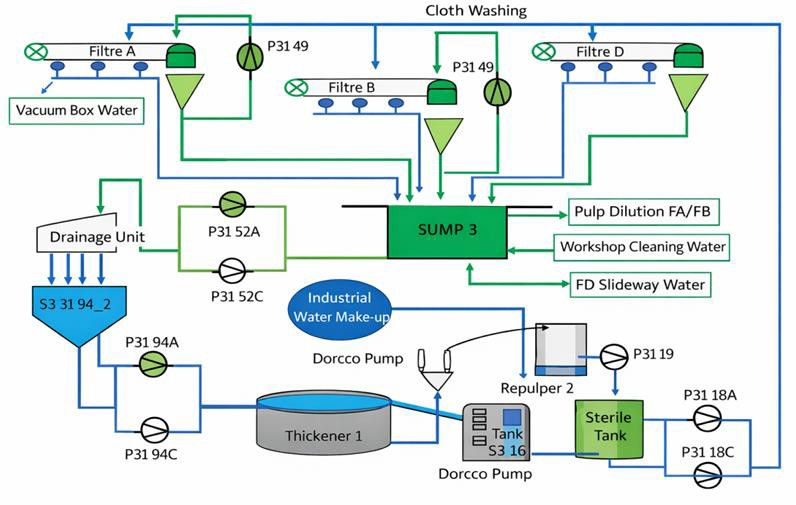
The efficiency of this recycling system depends primarily on the effectiveness of solid liquid separation in the vibrating drainer and the sedimentation performance of Decanter 1. Inadequate removal of suspended solids allows fine particles to accumulate within the decanter, reducing its effective capacity and eventually interrupting the recycling process. Therefore, evaluating the operational performance of this recycling circuit is essential for improving water conservation and ensuring continuous plant operation.
2.4. Experimental Procedure
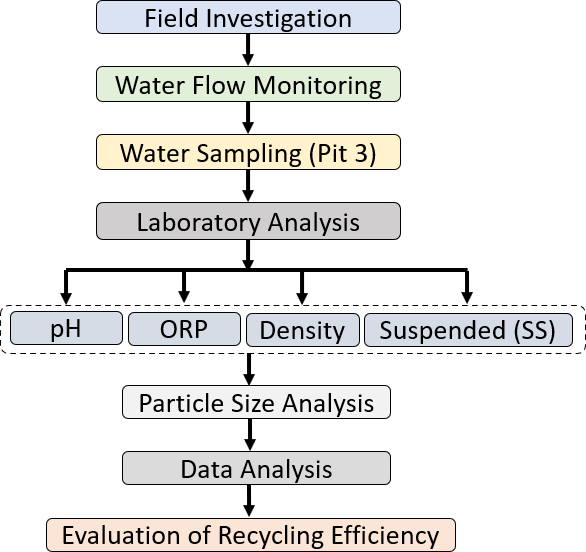
To evaluate the performance of the filter cloth washing water recycling circuit, a comprehensive experimental investigation was conducted under normal plant operating conditions. The overall workflow adopted in this study is illustrated in Figure 5. The methodology consisted of operational monitoring of the recycling circuit, field sampling, laboratory characterization of recycled water, and quantitative evaluation of recycling performance.
2.4.1. Water Flow Monitoring
The operational performance of the recycling circuit was evaluated through continuous monitoring of water flow rates entering and leaving the filtration workshop. Field measurements were carried out between 26 and 28 August 2023, while historical operational records from May and June 2023 were collected to evaluate recycling performance under normal operating conditions and during periods when the recycling circuit was unavailable. The monitored parameters included total water supplied to the filtration workshop, water delivered to the vibrating drainer, recycled water transferred to Decanter 1, recycled water returned to Tank S31-16, and the total quantity of water reused within the filter cloth washing system. These measurements formed the basis for evaluating the operational performance of the recycling circuit.
2.4.2. Water Sampling
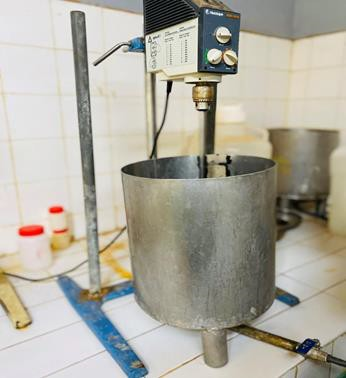
Water samples were collected from Pit 3, which receives wastewater generated from filter cloth washing, workshop drainage, and equipment cleaning operations. At each sampling event, approximately 5 L of recycled process water was collected in a clean polyethylene container and immediately transported to the plant laboratory for physicochemical analysis. The overall sampling and sample preparation procedure is shown in Figure 6. Before laboratory testing, each sample was homogenized using a mechanical mixer and agitator to prevent sedimentation of suspended particles and to ensure representative measurements.
2.4.3. Laboratory Analyses
The collected water samples were analysed in the SOMAÏR laboratory to determine the principal physicochemical characteristics influencing the performance of the recycling circuit. The analysed parameters included pH, oxidation-reduction potential (ORP), density, suspended solids concentration, and particle-size distribution. These parameters were selected because they directly affect the efficiency of solid liquid separation and the long-term stability of the recycling system [9].
2.5. Laboratory Analytical Methods
A series of laboratory analyses was performed to characterize the physicochemical properties of the recycled process water and evaluate factors affecting the efficiency of the filter cloth washing water recycling circuit. The analysed parameters included density, pH, oxidation reduction potential (ORP), particle size distribution, and suspended solids concentration. All analyses were conducted in the SOMAÏR laboratory immediately after sample collection to minimize changes in water chemistry. The analytical procedures adopted in this study are described in the following subsections.
2.5.1. Density Measurement
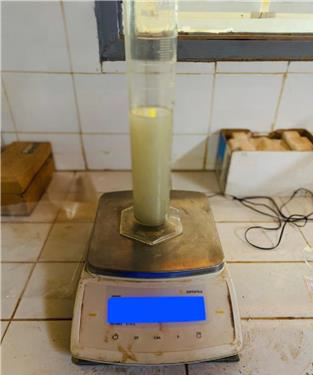
At the laboratory, the density of the recycled water was determined using the gravimetric method. A clean graduated cylinder of known volume was filled with the water sample, and the total mass was measured using a calibrated electronic balance. The density was calculated as the ratio of sample mass to sample volume. The density measurement procedure is illustrated in Figure 7. Density measurements were performed to evaluate the concentration of suspended particles present in the recycled water, since higher particle concentrations generally increase water density and may adversely affect sedimentation efficiency [10].
2.5.2. pH Measurement
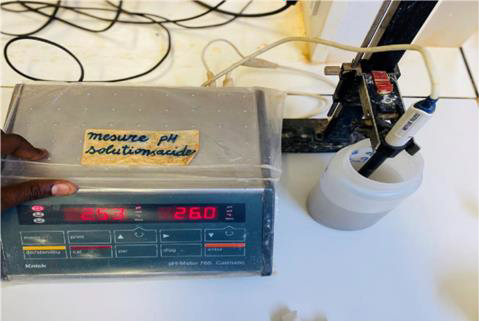
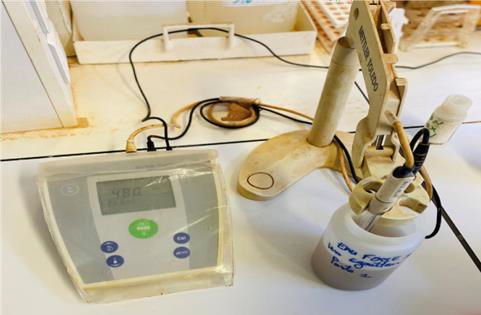
The pH of the recycled water was measured using a calibrated digital pH meter following the manufacturer's operating instructions. Before each measurement, the instrument was calibrated using standard buffer solutions to ensure measurement accuracy. The pH measurement instrument used in this study is shown in Figure 8 and the pH was determined immediately after sample collection because prolonged storage may alter the chemical equilibrium of acidic process water. The measured pH values were subsequently used to evaluate the chemical stability of the recycled water and its suitability for reuse within the filtration circuit [11].
2.5.3. Oxidation Reduction Potential (ORP) Measurement
The oxidation reduction potential (ORP) of the recycled water was measured using the same multiparameter digital meter equipped with an ORP electrode. ORP measurements provide information on the oxidation state of the process water and are commonly used to evaluate the chemical conditions influencing uranium processing and hydrometallurgical reactions. The ORP measurement procedure is presented in Figure 9. Measurements were performed immediately after pH determination under identical laboratory conditions.
2.5.4. Particle Size Distribution Analysis
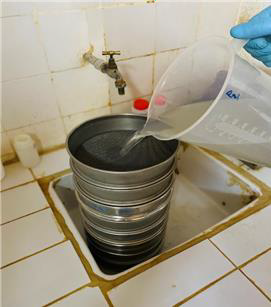
The particle size distribution of suspended solids in the recycled water was determined using a standard sieve analysis. Before sieving, the sample was thoroughly homogenized to ensure representative particle dispersion. The sample was then passed through a series of standard sieves with decreasing mesh sizes, and the mass retained on each sieve was recorded. The laboratory sieve analysis procedure is illustrated in Figure 10. The resulting particle size distribution was used to evaluate the effectiveness of the vibrating drainer in removing coarse particles before sedimentation.
2.5.5. Suspended Solids Determination
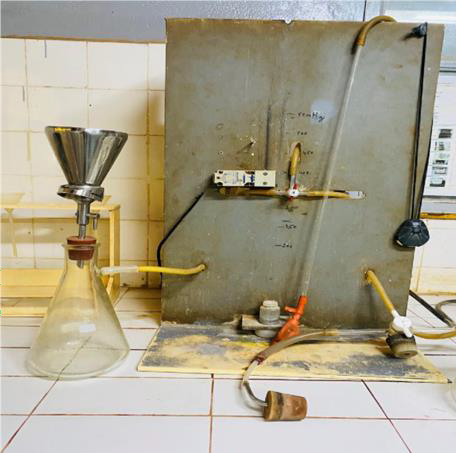
Suspended solids concentration was determined using the filtration method. A known volume of recycled water was passed through a pre-weighed filter medium to retain suspended particles. After filtration, the filter was dried to constant mass and reweighed. The equipment used for suspended solids determination is shown in Figure 11. The increase in filter mass was used to determine the concentration of suspended solids in the recycled water. Suspended solids constitute one of the most important indicators influencing the efficiency of sedimentation and the operational performance of the recycling circuit [12].
2.6. Data Processing and Performance Evaluation
The experimental data obtained from field observations and laboratory analyses were compiled and processed to evaluate the operational performance of the filter cloth washing water recycling circuit. The measured parameters included water flow rate, recycled water quantity, density, pH, oxidation reduction potential (ORP), suspended solids concentration, and particle size distribution. Daily operational records collected during the investigation period were compared with historical production data to assess the stability and efficiency of the recycling system. The operational performance of the recycling circuit was primarily evaluated by comparing the quantity of recycled water with the total quantity of water required for filter cloth washing. The recycling efficiency was calculated using Equation (1).
Where 𝜂 is recycling efficiency (%), 𝑄𝑟 is recycled water flow rate (m³ h-1), and 𝑄𝑡 total water supplied to the filter cloth washing system (m³ h-1). This performance indicator was used to quantify the effectiveness of the recycling circuit under different operating conditions and to identify potential reductions in freshwater consumption. Where applicable, laboratory measurements were expressed as arithmetic mean values obtained from repeated observations. The measured physicochemical parameters were subsequently compared with the operational requirements of the filtration workshop to determine their influence on sedimentation efficiency and recycling performance. The principal parameters used during the performance evaluation are summarized in Table 3.
Finally, the processed data were interpreted to identify the principal operational factors affecting the efficiency of the recycling circuit. The results obtained from these analyses form the basis of the discussion presented in the subsequent section.
3. Results and Discussion
3.1. Operational Performance of the Water Recycling Circuit
The operational performance of the filter cloth washing water recycling circuit was evaluated by comparing the average daily water flow rates recorded during two representative operating periods: May, when the recycling circuit was fully operational, and June, when the recycling circuit was unavailable due to the silting of Decanter 1. The corresponding operational data are summarized in Table 4, which compares the principal water flows entering and leaving the filtration workshop under recycling and non- recycling conditions.
As shown in Table 4, the total filtration water consumption increased from 2486 m3/day during May to 2993 m³/day during June following the interruption of the recycling circuit. Similarly, the quantity of recycled water transferred from the drainer to Decanter 1 decreased from 920 m³/day to 0 m3/day, confirming the complete shutdown of the recycling system. In addition, the amount of supplementary industrial water supplied through S3116 increased substantially from 625 m3/day to 1467 m3/day, indicating that the loss of recycled water had to be compensated by additional freshwater input. These observations clearly demonstrate the important role of the recycling circuit in reducing industrial water consumption within the filtration workshop.
The operational records further indicate that the recycling circuit achieved an average recycling efficiency of 57.5% during May, whereas the recycling rate decreased to 0% during June because the recycling system was completely out of service. According to the operational records, the interruption of the recycling circuit resulted from the progressive silting of Decanter 1, which required complete emptying before recycling operations could resume. Consequently, the filtration workshop relied entirely on fresh industrial water during this period, leading to a significant increase in overall water demand. Furthermore, the recycling circuit contributed to an average saving of approximately 850 m3 of industrial water per day, while simultaneously reducing the volume of wastewater discharged to the spreading basins and minimizing the risk of uranium losses associated with slurry overflow. The observed reduction in water consumption demonstrates the practical importance of water recycling in hydrometallurgical uranium processing, particularly in arid regions where freshwater resources are limited. More broadly, studies of mineral-processing operations have shown that improved process-water reuse can substantially reduce freshwater demand and wastewater generation while contributing to more cost-effective and environmentally sustainable processing [13, 14, 15]. Nevertheless, the results of the present study indicate that the overall performance of the recycling circuit remains constrained by the efficiency of the solid liquid separation system, particularly under conditions where excessive fine particles are transported to the decanter.
The operational performance presented in this section provides a general assessment of the effectiveness of the recycling circuit. To better understand the factors responsible for the observed recycling efficiency and operational limitations, the physicochemical characteristics of the recycled water are analysed in the following section.
Although the recycling circuit recovered a considerable proportion of the washing water, the remaining unrecovered fraction indicates that losses were mainly associated with solids accumulation, equipment limitations, and interruptions caused by unstable separation performance. Therefore, improving the reliability of the solid liquid separation stage is essential for increasing the effective recovery rate.
3.2. Physicochemical Characteristics of the Recycled Water
The physicochemical characteristics of recycled process water play an important role in determining the operational efficiency of solid liquid separation systems and the long-term stability of water recycling circuits. Parameters such as density, pH, and oxidation reduction potential (ORP) influence particle settling, chemical equilibrium, and the suitability of recycled water for reuse during filter cloth washing. The measured physicochemical properties of the recycled water are summarized in Table 5, while the individual analytical results are discussed in the following subsections. Monitoring physicochemical characteristics of process water is important for evaluating water quality and its suitability for reuse in mineral-processing circuits. At the SOMAÏR uranium mill in Niger, process developments have also incorporated water-saving considerations as part of plant operation [16].
3.2.1. Density
The density of the recycled water was measured to evaluate the amount of suspended particulate matter transported through the recycling circuit. An increase in water density generally indicates a higher concentration of suspended solids, which may adversely affect sedimentation efficiency and increase the rate of sludge accumulation within the decanter. The measured density values are presented in Table 5, while the density measurement procedure was previously described in Figure 6 of the methodology section. The measured density indicates that the recycled water contained a considerable quantity of suspended mineral particles generated during the filtration process. These suspended particles are transported with the recycled water and progressively accumulate within Decanter 1, thereby reducing its effective settling volume and increasing maintenance requirements.
The importance of water conservation has previously been recognized in the operation of the SOMAÏR uranium mill in Niger, while studies of uranium-mill process-water treatment have demonstrated the importance of solids settling characteristics and solid liquid separation for effective clarification [17].
3.2.2. pH
The pH of the recycled water was measured to evaluate its acidity and its suitability for continuous reuse in the filter cloth washing process. The measured pH value is presented in Table 5 above, which summarizes the physicochemical characteristics of the recycled water collected from Pit 3. The recycled water exhibited a pH of 2.53, indicating a strongly acidic environment that is consistent with the sulphuric acid leaching process employed during uranium extraction.
The acidic nature of the recycled water is expected because residual sulphuric acid and dissolved metal ions remain in the process water after leaching and filtration. Under these conditions, the acidic environment favors uranium dissolution and transport while maintaining conditions compatible with subsequent hydrometallurgical processing. Sulfuric-acid leaching has similarly been applied to uranium ores from SOMAÏR in Niger, where acidic leaching conditions are used to promote uranium extraction [18]. Although the measured pH is suitable for internal recycling within the uranium processing circuit, prolonged recirculation of acidic water may accelerate corrosion of metallic components, increase equipment maintenance requirements, and influence the settling behaviour of suspended particles in clarification units. Consequently, continuous monitoring of pH is important for maintaining stable operating conditions and assessing the suitability of recycled water for continued use within the processing circuit. More broadly, maintaining appropriate process-water chemistry is recognized as an important consideration in mineral-processing water reuse. The measured pH value also provides important background for interpreting the oxidation reduction conditions of the recycled water, which are discussed in the following subsection.
3.3.3. Oxidation Reduction Potential (ORP)
The oxidation reduction potential (ORP) of the recycled water was measured to evaluate the oxidation state of the process solution and its suitability for continuous recycling within the uranium processing circuit. The measured ORP value is presented in Table 5 above, which summarizes the physicochemical characteristics of the recycled water collected from Pit 3. The recycled water exhibited an ORP of 480 mV, indicating a strongly oxidizing environment that is characteristic of sulphuric acid leaching systems employed in uranium hydrometallurgy.
The relatively high ORP value indicates that oxidizing conditions were maintained throughout the recycling circuit, thereby favoring the oxidation of tetravalent uranium (U(IV)) to the more soluble hexavalent uranium (U(VI)) species. Maintaining an oxidizing environment is important for efficient uranium dissolution during sulfuric-acid leaching and may contribute to stable process performance during solution recycling. In the specific context of SOMAÏR in Niger, oxidative leaching conditions and iron oxidation have been investigated as important factors for improving uranium recovery during acidic hydrometallurgical processing [19].
The combined results of density, pH, and ORP demonstrate that the recycled water maintained physicochemical characteristics compatible with continued reuse in the filtration workshop. Nevertheless, despite the favourable chemical conditions, the operational performance of the recycling circuit remained constrained by the accumulation of suspended mineral particles rather than by changes in water chemistry. This observation suggests that the principal limitations of the recycling system were associated with physical solid liquid separation processes rather than chemical instability.
The physicochemical characteristics discussed above provide an understanding of the chemical quality of the recycled water. However, the efficiency of the recycling circuit is also strongly influenced by the size distribution of suspended particles, which governs the effectiveness of screening and sedimentation processes. Therefore, the particle-size distribution of the suspended solids is analysed in the following section.
3.3. Particle Size Distribution of Suspended Solids
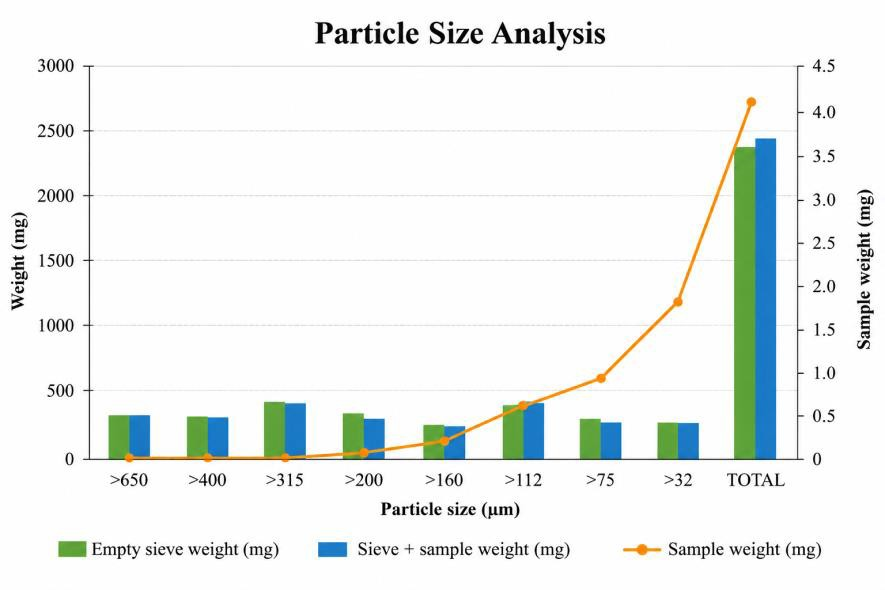
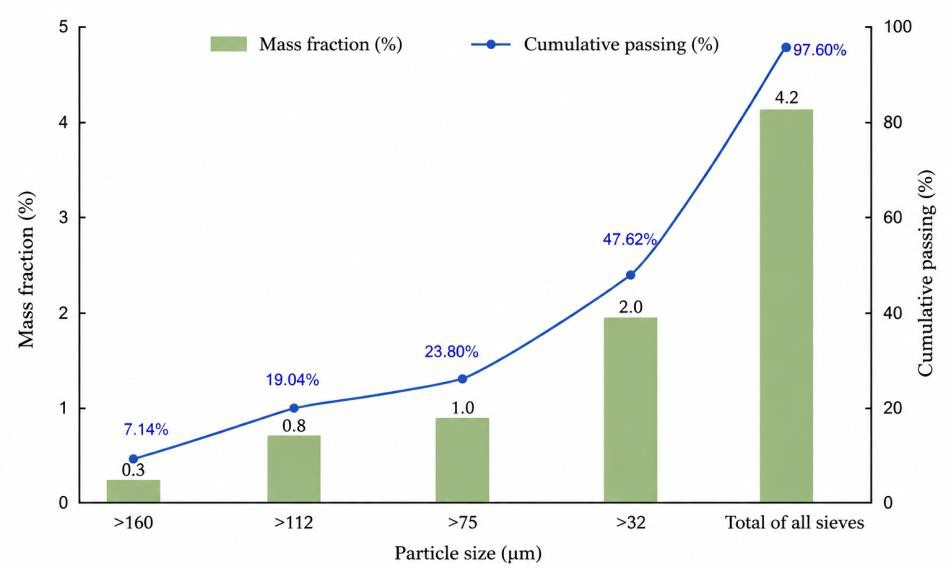
The particle size distribution of the suspended solids was analysed to evaluate the efficiency of the vibrating drainer in retaining coarse particles before the recycled water entered Decanter 1. Particle size is one of the most influential factors governing the performance of solid liquid separation systems because fine particles remain suspended for longer periods and are more likely to bypass mechanical screening devices. Consequently, the particle size distribution provides important information for understanding the operational behaviour of the recycling circuit. The results of the particle size analysis are presented in Table 6, while the corresponding particle size distribution is illustrated in Figure 13.
The particle size analysis demonstrates that the recycled water was composed predominantly of fine particles. As shown in Table 6 and Figure 13, no particles were retained on the 650 μm, 400 μm, and 315 μm sieves, indicating the complete absence of coarse materials within the sampled water. The first measurable retained mass appeared on the 200 μm sieve, whereas the retained mass increased progressively with decreasing sieve aperture, reaching a maximum value of 2.0 mg on the 32 μm sieve. The total mass retained during the particle size analysis was 4.2 mg, confirming that the suspended solids consisted almost entirely of fine particles.
Furthermore, the particle size distribution indicates that approximately 97.6% of the analysed particles were smaller than 200 μm, whereas only 2.4% exceeded this size. These results indicate that the majority of suspended particles were sufficiently small to pass through the 250 μm mesh of the vibrating drainer, thereby entering Decanter 1 together with the recycled water. As a consequence, continuous accumulation of fine sediments within the decanter progressively reduced its effective settling volume and ultimately interrupted the recycling process. The percentage of particles smaller than 200 μm was later used to quantify the quantity of suspended solids transported to the decanter, as discussed in the following section.
The predominance of fine particles observed in the recycled water is consistent with mineral-processing operations in which size reduction and subsequent processing generate substantial quantities of fine mineral particles. In the context of Niger, Déjeant et al. 2016 [20] reported a broad particle-size distribution in ore originating from SOMAÏR, including a fine fraction below 80 μm, and highlighted the importance of controlling fine-particle migration during processing. In the present recycling circuit, the high proportion of fine suspended particles observed in the present recycling circuit may therefore contribute to increased solids transport toward Decanter 1 and progressive sediment accumulation. The present results therefore suggest that the principal limitation of the recycling circuit was not the chemical quality of the recycled water but rather the inability of the existing vibrating drainer to effectively remove the dominant fine particle fraction before sedimentation.
The particle size distribution presented in this section provides the basis for quantifying the suspended solids loading entering both the vibrating drainer and Decanter 1. Therefore, the concentration and daily mass of suspended solids transported through the recycling circuit are analysed in the following section.
3.4. Suspended Solids Loading and Its Impact on the Recycling Circuit
The concentration of suspended solids (SS) was determined to quantify the mass of solid particles transported through the recycling circuit and to evaluate their influence on the operational performance of the vibrating drainer and Decanter 1. Suspended solids are a critical indicator of the efficiency of solid liquid separation because excessive solids loading accelerates sediment accumulation within clarification units, thereby reducing their effective capacity. The measured suspended solids concentration and the calculated daily solids loading are summarized in Table 7, while the percentage of particles smaller than 200 μm used in the calculations is illustrated in Figure 14. The laboratory analysis indicated that the recycled water contained a suspended solids concentration of 2052 mg/L, demonstrating a substantial solids load within the recycling circuit. Using the measured suspended solids concentration together with the average daily water flow rates presented in Table 4, the quantity of suspended solids transported to the vibrating drainer was estimated to be 2.07 t/day during May and 1.83 t/day during June. These values indicate that the recycling system continuously handled a significant mass of suspended mineral particles during normal plant operation.
The particle size analysis presented in Section 3.3 further demonstrated that 97.6% of the suspended particles were smaller than 200 μm, allowing most of the solids to pass through the 250 μm vibrating drainer screen and enter Decanter 1. Consequently, nearly the entire suspended solids load was transported to the clarification unit, where progressive sediment accumulation reduced the effective settling volume and ultimately interrupted the recycling circuit. This finding establishes a direct relationship between particle-size distribution and the operational failure of the recycling system.
The high suspended-solids loading observed in this study is consistent with previous investigations of mineral-processing and hydrometallurgical circuits, where grinding generates substantial quantities of ultrafine mineral particles. High concentrations of these fine suspended solids can adversely affect flocculation and sedimentation performance, thereby increasing the solids burden on clarification and thickening facilities [21].
These results therefore indicate that improving the efficiency of the preliminary solid liquid separation stage is essential for reducing solids loading to Decanter 1 and maintaining continuous water recycling. The suspended solids analysis demonstrates that the principal limitation of the recycling circuit was associated with excessive transport of fine particles rather than unfavorable water chemistry. To understand why these particles continued to enter the clarification system, the operational deficiencies of the recycling circuit are examined in the following section.
3.5. Operational Factors Affecting the Performance of the Recycling Circuit
Although the recycling circuit demonstrated significant potential for reducing industrial water consumption, its long-term performance was limited by several operational problems associated with solid liquid separation and equipment availability. The previous sections demonstrated that the recycled water contained a high concentration of fine suspended particles, with approximately 97.6% of particles smaller than 200 μm. These fine particles were able to pass through the vibrating drainer and accumulate in Decanter 1, resulting in reduced clarification efficiency and eventual interruption of the recycling process. The main operational factors affecting the performance of the recycling circuit were identified as inadequate particle separation, screen damage, malfunction of the vibrating system, and sludge removal limitations. These factors and their consequences are summarized in Table 8.
3.5.1. Inefficient Removal of Fine Particles
The particle-size analysis demonstrated that the majority of suspended solids consisted of fine particles capable of passing through the existing screening system. The vibrating drainer was equipped with a 250 μm screen; however, the dominant particle fraction in the recycled water was below this size range. Consequently, a significant proportion of suspended solids bypassed the preliminary separation stage and entered Decanter 1. The continuous accumulation of fine particles reduced the available settling volume of Decanter 1 and increased the frequency of cleaning operations. This finding confirms that the current screening configuration was not fully optimized for the particle size characteristics of the recycled water.
3.5.2. Screen Damage and Mechanical Limitations
In addition to the intrinsic limitation of the screen aperture, mechanical deterioration of the vibrating drainer affected separation performance. Damage to the screening surface allowed larger particles to pass through the equipment, further increasing the solids load transported to downstream clarification units. The main components involved in the preliminary solid liquid separation stage are presented in Figure 14, including the screening surface, driving system, water collection unit, and sand discharge section.
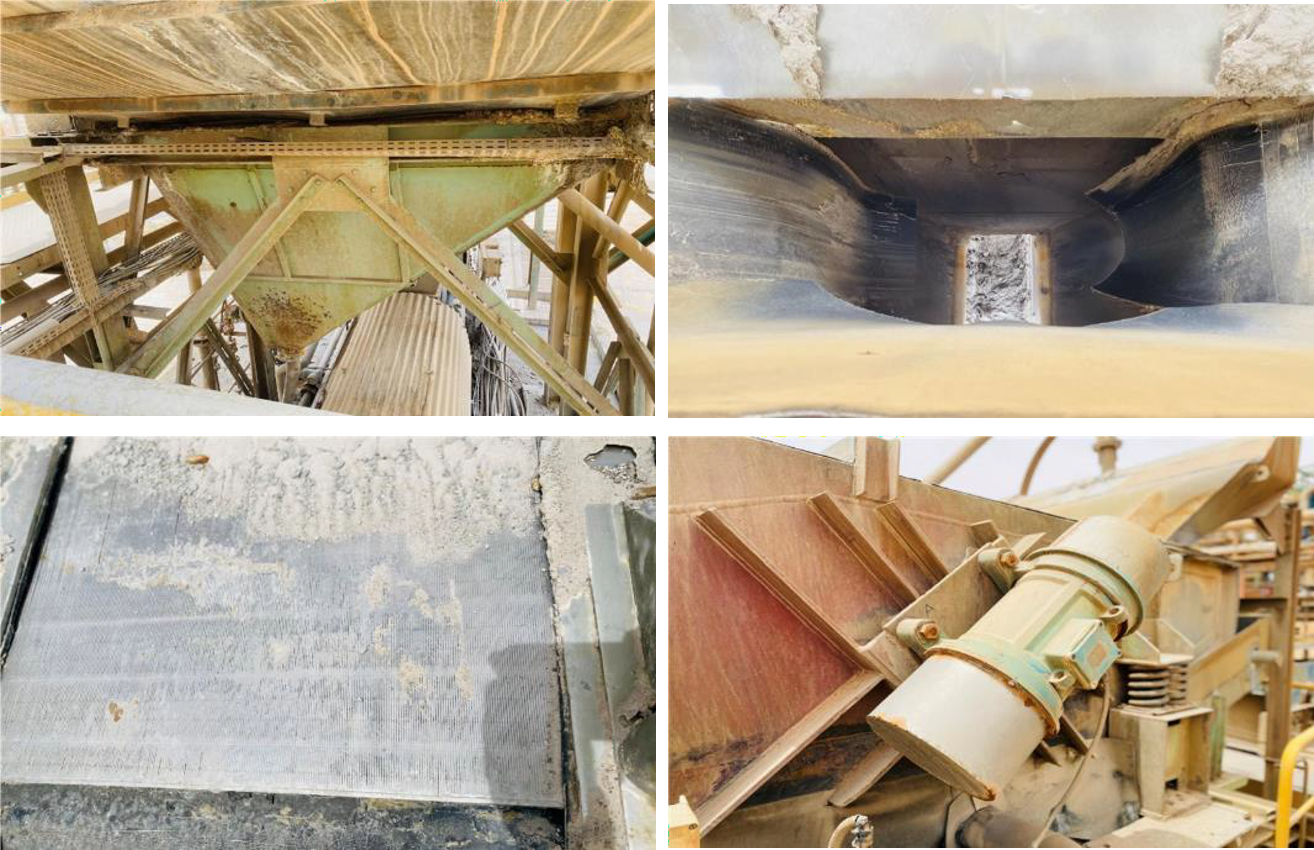
The combination of inappropriate particle size separation and mechanical degradation reduced the overall efficiency of the recycling circuit and contributed to unstable operation.
3.5.3. Decanter Sedimentation and Sludge Accumulation
The high suspended solids loading entering Decanter 1 resulted in progressive sediment accumulation. When sludge removal was insufficient, the effective volume available for sedimentation decreased, reducing clarification efficiency and eventually preventing continuous operation of the recycling system. This observation demonstrates the strong relationship between upstream particle separation efficiency and downstream settling performance.
3.6. Engineering Optimization Strategies for Improving Water Recycling Performance
Based on the identified limitations, including fine particle bypass, mechanical constraints of the vibrating drainer, and sediment accumulation in Decanter 1, several engineering optimization strategies are proposed to improve the stability and efficiency of the recycling circuit. The results obtained in this study indicate that the main limitation of the filter cloth washing water recycling circuit was the inefficient removal of fine suspended particles before the recycled water entered Decanter 1.
The particle size analysis demonstrated that approximately 97.6% of suspended particles were smaller than 200 μm, allowing a large proportion of solids to bypass the vibrating drainer and accumulate in the decantation system. In addition, the high suspended solids loading and operational problems associated with screening and sludge removal reduced the stability of the recycling process. Therefore, improving the efficiency and reliability of the solid liquid separation stages is essential for enhancing water recovery performance. The first optimization measure should focus on improving the performance of the vibrating drainer. The current 250 μm screen aperture was insufficient to effectively retain the dominant fine- particle fraction present in the recycled water. Reducing the screen aperture or adopting a multi stage screening configuration could improve the removal of fine suspended particles before they reach Decanter 1.
Furthermore, regular inspection and replacement of damaged screening surfaces are necessary to maintain stable separation efficiency because mechanical deterioration of the screen can significantly increase the transport of solids into downstream clarification units. In addition to improving screening efficiency, the operation of Decanter 1 requires better management of sludge accumulation. The results demonstrated that continuous deposition of fine particles reduced the available settling volume and eventually interrupted the recycling circuit.
Therefore, maintaining reliable sludge removal operations and implementing periodic monitoring of sediment accumulation are necessary to prevent excessive solids build-up. Improving the sludge discharge strategy would maintain the clarification capacity of Decanter 1 and ensure continuous supply of recycled water to the filtration workshop. Furthermore, the recycling circuit would benefit from the implementation of a systematic monitoring and maintenance strategy. Continuous monitoring of key parameters, including suspended solids concentration, recycled water flow rate, and sediment accumulation, would allow early identification of declining recycling performance. Preventive maintenance of critical components, such as pumps, vibrating equipment, and screening units, would also reduce unexpected interruptions and improve the long term reliability of the recycling system.
Overall, the optimization strategies proposed in this study demonstrate that improving water recycling efficiency in uranium processing plants requires not only maintaining suitable water chemistry but also controlling the transport and accumulation of suspended solids. By enhancing preliminary solid liquid separation and improving equipment reliability, the recycling circuit can achieve higher water recovery efficiency, reduce freshwater consumption, and support sustainable operation under water-scarce mining conditions.
4. Conclusions
This study evaluated the performance of a filter cloth washing water recycling circuit in a uranium hydrometallurgical processing plant and investigated the factors limiting its operational efficiency. The results demonstrated that the recycling system provided an effective approach for reducing industrial water consumption by recovering and reusing process water generated during filtration operations. Under normal operating conditions, the recycling circuit achieved an average recycling efficiency of 57.5%, corresponding to approximately 850 m³/day of industrial water savings, highlighting its important role in improving water use efficiency in an arid mining environment.
The physicochemical characterization of the recycled water indicated that the recovered water maintained chemical conditions compatible with reuse within the filtration process. The recycled water exhibited a density of 0.994 g/cm³, a pH of 2.53, and an oxidation reduction potential (ORP) of 480 mV, reflecting the acidic and oxidizing conditions associated with sulphuric acid-based uranium processing. These results indicate that chemical instability was not the primary limitation affecting recycling performance. Particle-size analysis and suspended solids evaluation revealed that the major challenge affecting the recycling circuit was related to the transport and accumulation of fine mineral particles. Approximately 97.6% of suspended particles were smaller than 200 μm, allowing a significant proportion of solids to pass through the vibrating drainer and enter Decanter 1. The recycled water contained a suspended solids concentration of approximately 2052 mg/L, resulting in a considerable solids loading entering the clarification system. Continuous accumulation of these fine particles reduced the effective settling capacity of Decanter 1 and contributed to interruptions of the recycling process.
The operational assessment demonstrated that the main factors restricting recycling efficiency were associated with insufficient fine particle separation, screen deterioration, inadequate sludge removal, and sediment accumulation within the decanter. These findings confirm that improving solid liquid separation performance is essential for achieving stable and continuous water recycling in the filtration workshop. Based on these findings, optimization of the recycling circuit should focus on improving screening efficiency, strengthening sludge management practices, and implementing continuous monitoring of water quality and equipment performance. The results of this study provide practical guidance for improving industrial water recycling systems in hydrometallurgical mining operations, particularly in water-scarce regions where sustainable resource management is a critical operational requirement.
Acknowledgments
The authors would like to express their sincere appreciation to Samuel Kofi Anamor for his valuable guidance and assistance in the organization, structuring, and preparation of the manuscript. The authors also gratefully acknowledge Mamadou Bazoum Mamadou for his valuable support, coordination, and assistance in facilitating connections that contributed to the successful completion of this work.
Author Contributions
Conceptualization, Mohamed Almoustapha Attahirou. and Xu Ying.; methodology, Mohamed Almoustapha Attahirou.; software, Abdoul Karim Camara.; validation, Xu Ying.; formal analysis, Gnalen Konate. and Kaoutar Bizmour; data curation, Mohamed Almoustapha Attahirou and Abdoul Karim Camara.; writing, Kaoutar Bizmour.; writing review and editing, Mohamed Almoustapha Attahirou.;. All authors have read and agreed to the published version of the manuscript.
Funding
This research received no external funding.
Statements and Declarations
The authors declare no conflict of interest.
References
- Ndlovu S, Adewuyi SO. Towards sustainable metal extraction: Navigating energy and water challenges in the South African mining industry[J]. The Extractive Industries and Society,2025, 24.101760.[CrossRef]
- Adamou R, Ibrahim B, Bonkaney AL, et al. Niger-Land, climate, energy, agriculture and development: A study in the Sudano-Sahel Initiative for Regional Development, Jobs, and Food Security[J].2021.
- Tambol T, Vodounou GMB, Moussa S. Impacts of mining on the environment in West African Sahel: A review[J]. Environmental Protection Research,2023.263-277.[CrossRef]
- Witecki K, Polowczyk I, Kowalczuk PB. Chemistry of wastewater circuits in mineral processing industry—A review[J]. Journal of Water Process Engineering,2022, 45.102509.[CrossRef]
- Liu W, Moran CJ, Vink S. Managing the potential risks of using bacteria-laden water in mineral processing to protect freshwater[J]. Environmental science & technology,2013, 47(12).6582- 6588.[CrossRef] [PubMed]
- Eddy NO, Igwe O, Eze IS, et al. Environmental and public health risk management, remediation and rehabilitation options for impacts of radionuclide mining[J]. Discover Sustainability,2025, 6(1).209.[CrossRef]
- Wills BA, Napier-Munn T. Wills' mineral processing technology, vol. 8. Elsevier. 2015.
- Farrokhpay S, Zanin M. An investigation into the effect of water quality on froth stability[J]. Advanced Powder Technology,2012, 23(4).493-497.[CrossRef]
- Lipps WC, Braun-Howland EB, Baxter TE. Standard methods for the examination of water and wastewater. 2023.
- Lekomo YK, Ekengoue CM, Douola A, et al. Assessing impacts of sand mining on water quality in Toutsang locality and design of waste water purification system[J]. Cleaner Engineering and Technology,2021, 2.100045.[CrossRef]
- Kordloo M, Boroumand Z, Abdollahi H, et al. Lithium recovery from waste aluminum electrolyte via bioleaching: Comparative insights into acidic and alkaline pathways using Aspergillus niger and Glutamicibacter nicotianae[J]. Waste Management,2025, 206.115043.[CrossRef] [PubMed]
- Irerhievwie GO, Iwegbue CM, Lari B, et al. Spatial characteristics, sources, and ecological and human health risks of polychlorinated biphenyls in sediments from some river systems in the Niger Delta, Nigeria[J]. Marine pollution bulletin,2020, 160.111605.[CrossRef] [PubMed]
- Lin S, Liu R, Wu M, et al. Minimizing beneficiation wastewater through internal reuse of process water in flotation circuit[J]. Journal of Cleaner Production,2020, 245.118898.[CrossRef]
- Moraga C, Kracht W, Ortiz JM. Water consumption assessment in mineral processing integrating weather information and geometallurgical modeling[J]. Minerals Engineering,2023, 201.108162.[CrossRef]
- Arenas-Collao K, Valdés-González H, Reyes-Bozo L, et al. The Water Management Impacts of Large-Scale Mining Operations: A Social and Environmental Perspective[J]. Water,2024, 16(12).1745.[CrossRef]
- Thiry J, Issa A. Recent process developments at the SOMAIRE uranium mill[J]. Uranium,2000.223- 237.
- Topp H, Russell H, Davidson J, et al. Process water treatment at the Ranger uranium mine, Northern Australia[J]. Water science and technology,2003, 47(10).155-162.[CrossRef]
- Hoummady E, Golfier F, Cathelineau M, et al. An integrated multiscale approach to heap leaching of uranium-ore agglomerates[J]. Hydrometallurgy,2018, 178.274-282.[CrossRef]
- Hubau A, Bru K, Oumarou SI, et al. Lessons learned from the upscaling of an iron bio-oxidation process to improve uranium recovery[J]. Comptes Rendus Chimie,2024, 27(S4).17-35.[CrossRef]
- Déjeant A, Galoisy L, Roy R, et al. Evolution of uranium distribution and speciation in mill tailings, COMINAK Mine, Niger[J]. Science of the Total Environment,2016, 545.340-352.[CrossRef] [PubMed]
- Liang G, Zhao Q, Liu B, et al. Treatment and reuse of process water with high suspended solids in low-grade iron ore dressing[J]. Journal of Cleaner Production,2021, 278.123493.[CrossRef]