Article Archive
Browse all articles published in Global Journal of Medical Case Reports
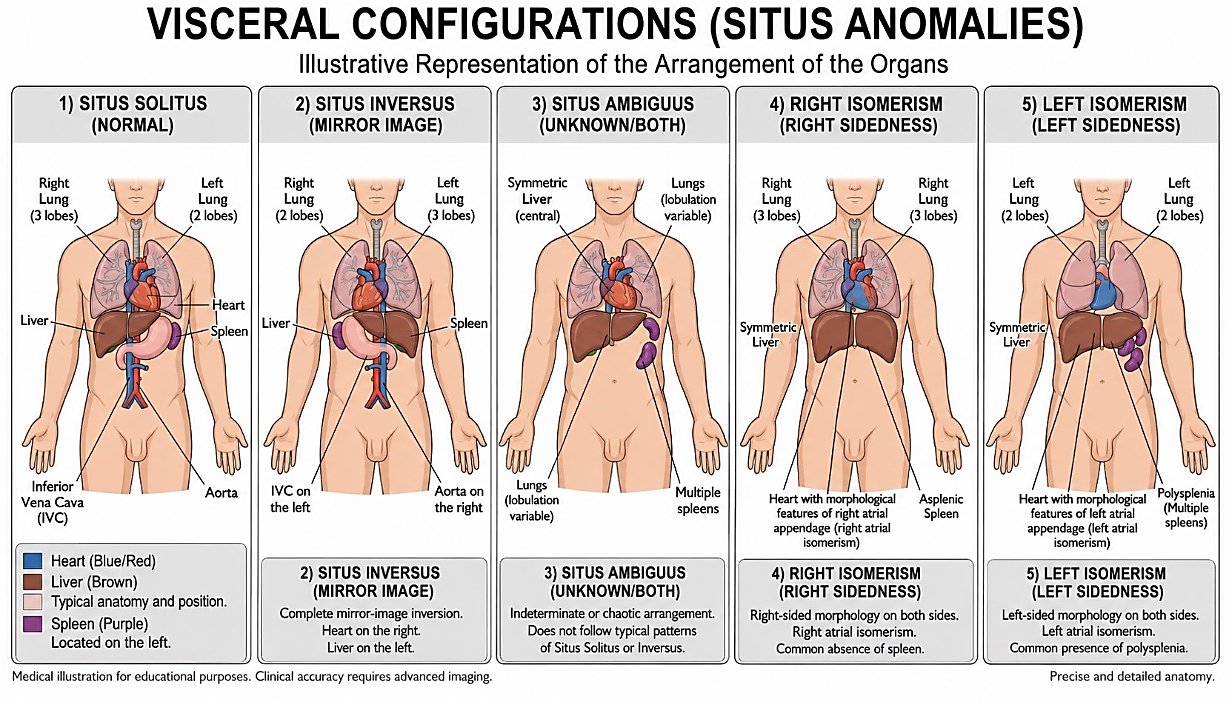
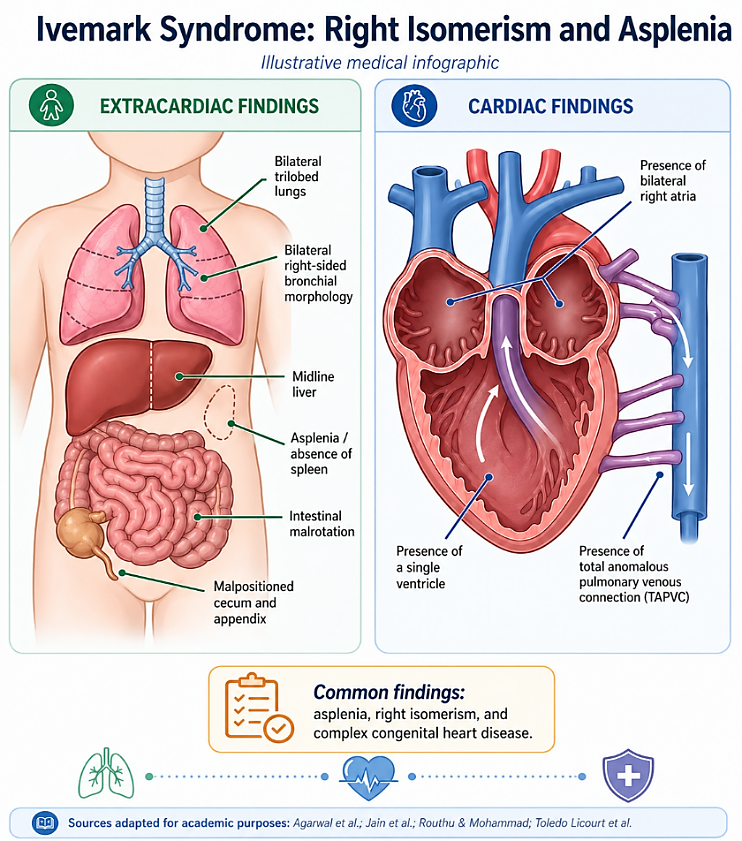
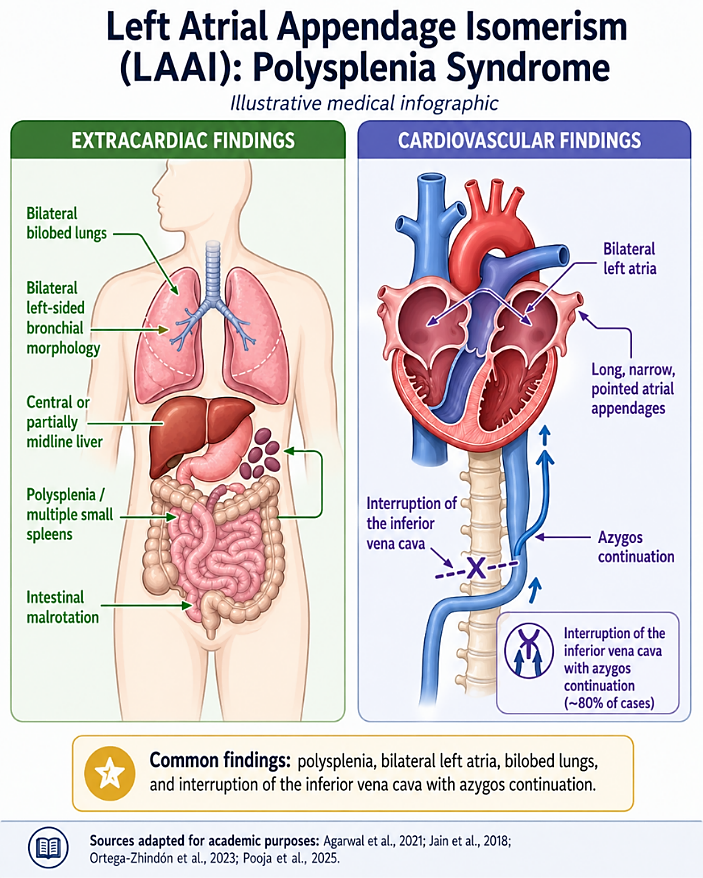
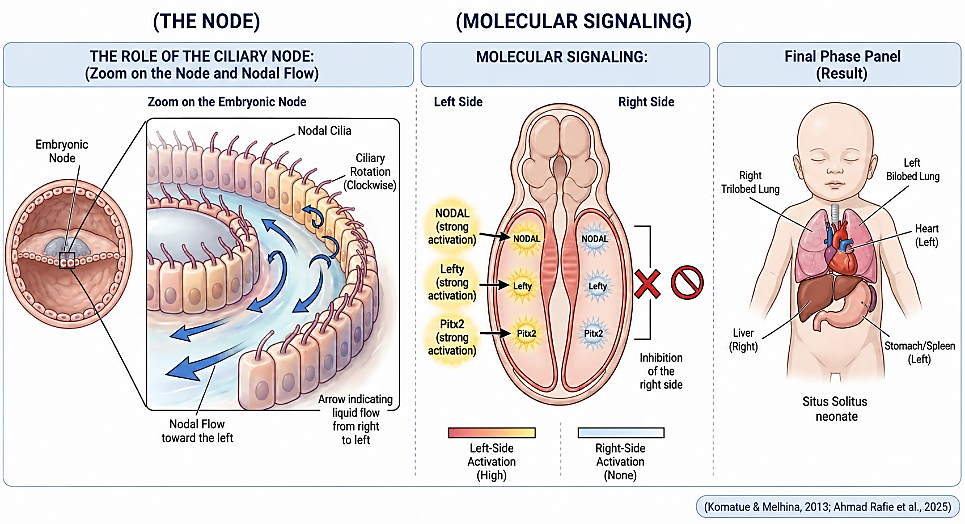
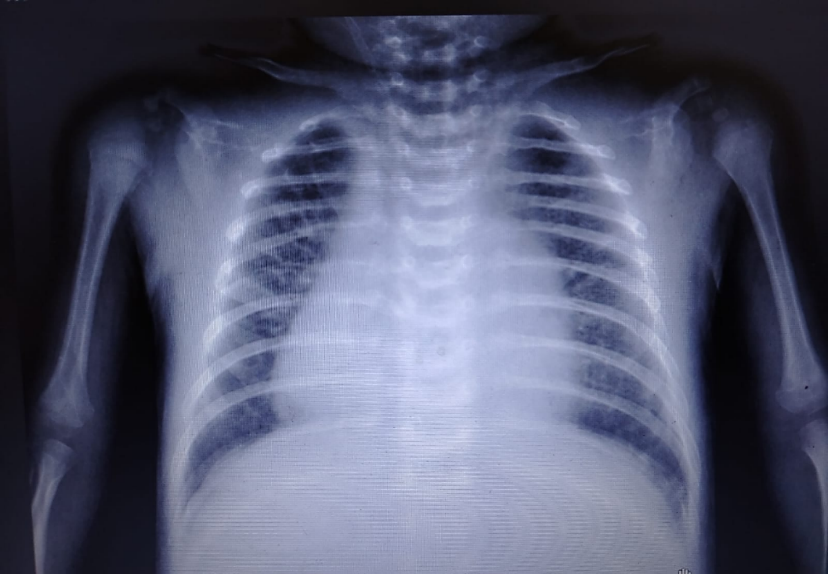
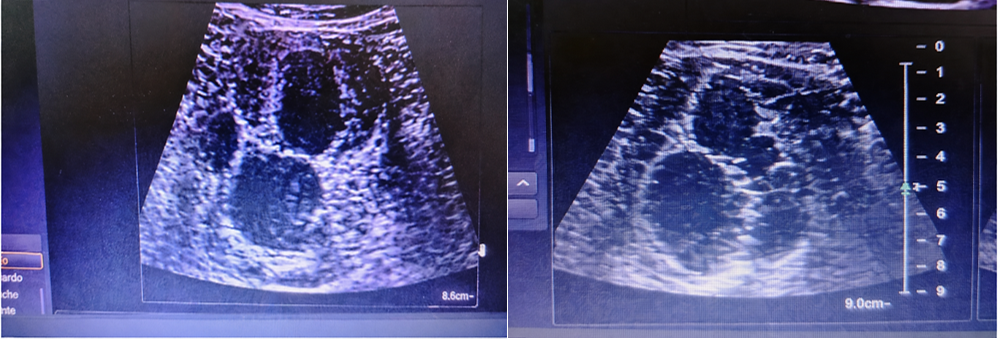
Neonatal Presentation of Ivemark Syndrome with Asplenia: A Case Report and Review of the Literature
Heterotaxy syndrome comprises a group of congenital anomalies resulting from disrupted left-right axis patterning during embryonic development, leading to an abnormal arrangement of the thoracic and a... Read more
Subendometrial Autologous Platelet-Rich Plasma Injection to Optimize Thin Unresponsive Endometrium in a Patient with Recurrent Implantation Failure: A Case Report
Objectives: To evaluate the potential role of hysteroscopic subendometrial autologous platelet-rich plasma application in a patient with refractory thin endometrium after multiple high-quality ... Read more
Uncommon Pathogen, Common Device: Roseomonas mucosa Bacteremia Associated with Long-Term PICC Line Use
Roseomonas mucosa is a slow-growing, pink-pigmented, Gram-negative coccobacillus historically considered an opportunistic pathogen in severely immunocompromised oncology patients. Howeve... Read more
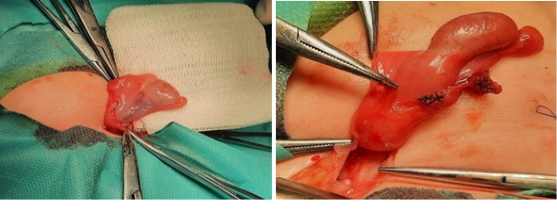
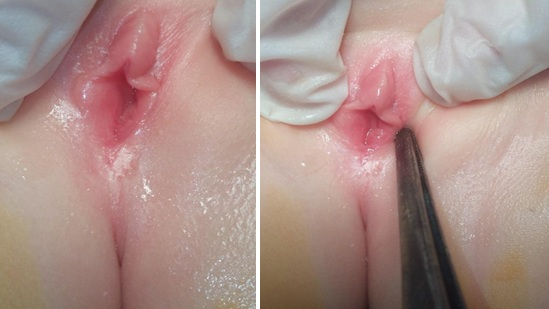
Morris Syndrome Presenting with Intraoperative Discovery of Testes During Emergency Hernia Repair Case Report
Background: Morris syndrome, also known as androgen insensitivity syndrome (AIS), is a disorder of sex development caused by mutations in the androgen receptor gene in individuals with a 46,XY ... Read more