Latest Articles
Association Between Cystatin C and 1-Year Readmission Risk in Heart Failure Patients with or without Chronic Kidney Disease
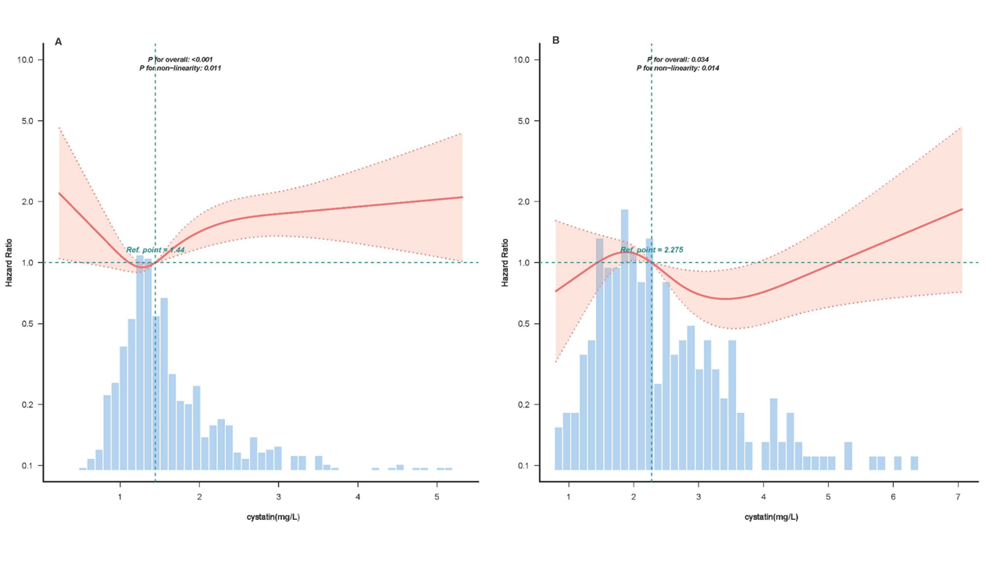
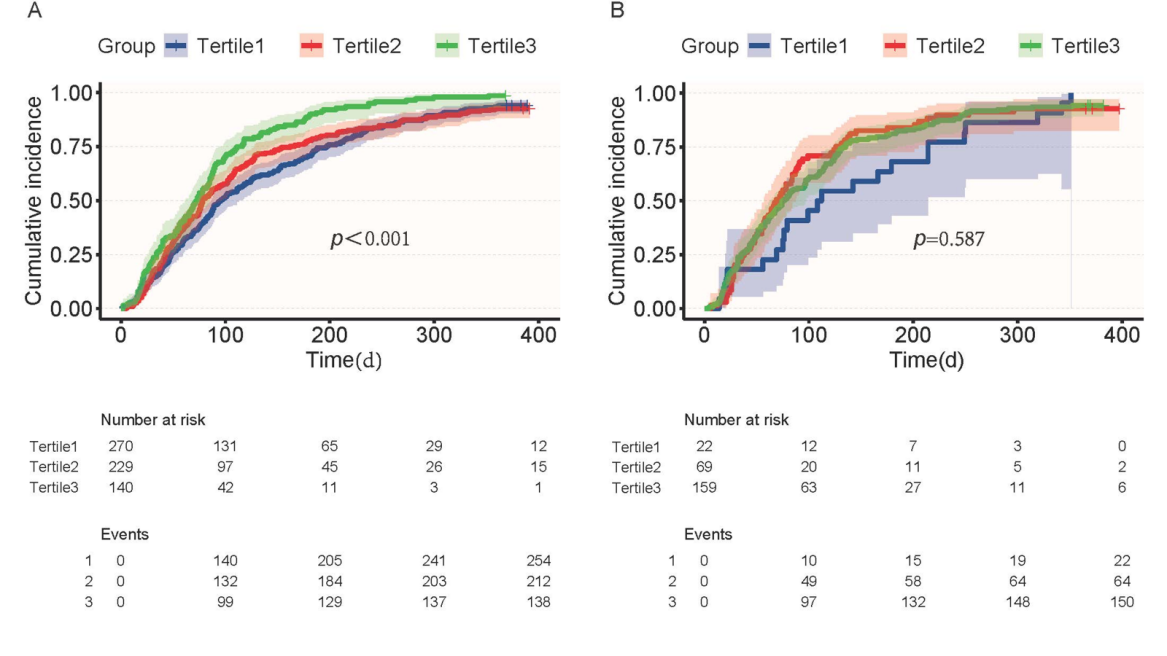
Background: Cystatin C (CysC) predicts adverse outcomes in heart failure (HF), yet its prognostic value relative to underlying renal function remains undefined. We aimed to determine the association between serum CysC and 1-year readmission risk in HF patients stratified by chronic kidney disease (CKD) status. Methods: This retrospective cohort study analyzed 2,008 hospitalized HF patients. Based on CKD status, patients...
Educational Attainment Better Protects Non-Latino than Latino People Against Diabetes Mellitus
Background: High educational attainment is a well-recognized protective factor against health problems such as diabetes. However, the theory of Minorities' Diminished Returns (MDRs) suggests that this protective effect is weaker for ethnic minorities compared to non-Latino Whites. This diminished effect is thought to result from structural inequalities, such as lower-quality education and fewer occupational opportunities, faced by ethnic minorities. Objective:...
SMOKES: Study of Measurement of Knowledge and Examination of Support for tobacco control policies
Background: Tobacco use remains a major global health concern, and understanding the factors that influence tobacco-related knowledge and support for tobacco control policies is critical for effective development of tobacco control policies that are accepted by the public. Objectives: This study introduces the rationale, design, methodology, and participants of the SMOKES Study (Study of Measurement of Knowledge and Examination of...


Lower Successful Quit Rate of Menthol Tobacco Users in a Tobacco Cessation Program: An Explanatory Analysis in Search of Potential Mechanisms
Background: Menthol-flavored tobacco products are disproportionately used in low-income African American communities, a result of decades of targeted marketing and systemic inequities. Menthol use has been associated with lower quit rates, often compounded by factors such as lower trust in healthcare systems, reduced access to cessation programs, and other structural barriers. Despite this, few studies have systematically examined the explanatory...
The CEASE Tobacco Cessation Controlled Trial for Low-Income Racial and Ethnic Minority Participants: Key Predictors of Success
Background: Tobacco use remains disproportionately high among low-income and racial-ethnic minority populations. The CEASE program, with its self-help, hybrid/online, and in-person modalities, has demonstrated efficacy in promoting tobacco cessation. However, predictors of successful cessation among participants in these groups remain unclear. Objective: To identify baseline predictors of successful tobacco cessation among low-income and racial-ethnic minority participants in the CEASE program,...
Gender Differences in the Association Between Socioeconomic Status and Cardiometabolic Health: National Health and Nutrition Examination Survey
Background: Socioeconomic status (SES) is a well-established determinant of health, often associated with lower risk of cardiometabolic diseases (CMD). However, the extent to which SES influences CMD may vary by gender due to differences in social roles, health behaviors, and biological susceptibilities. This study examined the relationship between SES, measured by the poverty-to-income ratio (PIR), and CMD indicators—including obesity, diabetes,...
Search Articles
Popular Articles
Aims & Scope
Aims and Scope
The Global Journal of Cardiovascular Diseases publishes research that advances the understanding, prevention, and treatment of cardiovascular conditions. The journal addresses the global burden of heart disease through multidisciplinary scientific inquiry.
Scope covers:
- Clinical cardiology and interventional procedures
- Cardiac electrophysiology and arrhythmias
- Cardiac surgery and transplantation
- Vascular medicine and peripheral artery disease
- Heart failure and cardiomyopathies
- Preventive cardiology and risk factors
- Cardiovascular imaging
- Cardiovascular genetics
- Cardiovascular epidemiology
- Cardiac rehabilitation
The journal publishes clinical trials, observational studies, mechanistic research, and guidelines that improve cardiovascular care worldwide.
Author Guidelines
Please prepare your manuscript according to our standard guidelines. For detailed instructions, please contact the editorial office.
Ready to Submit Your Research?
Join our community of authors and share your discoveries with the world
Submit Manuscript