
Abstract
Since the first outbreak of SARS-CoV2, Severe Acute Respiratory Syndrome Coronavirus-2 in Wuhan, China in the December 2019, the world continues to be in state of fear, uncertainty, tension and anxiety till date and this state might continue because of emerging mutants. The vaccination drive all over the world is continuing, still the new variants are cause of concern, with the aim to prevent the spread of the virus, focus should be on techniques and processes which helps in strengthening our defense mechanism, the immune system. It has becoming clear from several studies that the immune system is greatly impacted by the COVID-19 infection through several inflammatory reactions. The role of balanced diet full of nutrients cannot be overlooked in controlling infectious diseases. A balanced diet which should include plant foods, vitamins and micronutrients and this review wants to emphasize on the preventive role played by the plant foods, vitamins and minerals in COVID-19 infections, to reduce the mortality rate as well as the morbidity in patients who are infected.
1. Introduction
The world is not free of COVID-19 yet and with emerging strains corona the virus is surviving, and this is keeping most of us under lockdown across the globe. The impact has not only been on physical and mental well-being [1] but also on the world economy. Despite vaccination drives being taken in all the countries, the fear of the virus is still looming large as no vaccine can give 100% protection against the mutated strain [2]. Many studies have focused attention on enhancing immunity as the immunocompromised people are easy target of emerging infections and other diseases which have become rampant in today’s changing lifestyle [3]. Treating viral diseases is challenging because of resistance, emergence of new strains, adaptability of the virus and the inadequacy of antibiotics [4]. To continue fighting with the SARS-CoV2 we need to concentrate on plant-based food, vitamins, food supplements and micronutrients which would enhance the immunity, and impact the overall health and well-being (Figure 1). Enhanced immune power gives the controlling power to the host and prevent various pathogens from causing infection [5]. It was observed by researchers from the SARS autopsies, that the T-lymphocytes and macrophages found in blood, lungs, spleen and lymph nodes and were infected [6, 7] and concentrations of immune cells were also reduced. Both T-lymphocytes and monocytes/macrophages are implicated in adaptive and innate immunity and the immune system gets weakened when an infection happens in these cells. These evidences suggest a strong correlation between the spread of viral infection to the weakened immune system.
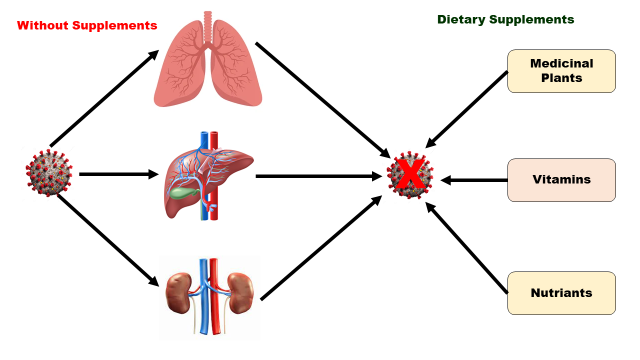
The aim of the present review is to document easily accessible immunity boosters which includes food plants, vitamins and micronutrients (micro & macro) that can modulate the immune system and give the ability to fight primary and secondary infections. Most of the patients who died of Covid-19 were suffering from other health issues [8], which is an indication that for minimizing the associated risk factors related to Covid-19, the overall health and the immune system have a major role to play.
2. Role of Plants
Mostly all cultures have been using plants in traditional medicines in curing several chronic infections which also included viral diseases [9, 10, 11]) and presently researchers are trying to validate the health benefits of nutraceuticals [12, 13, 14]. Various parts of the plant contain components which include flavonoids, alkaloids, terpenoids and polysaccharides, are mainly responsible for immunomodulatory properties [15, 16].
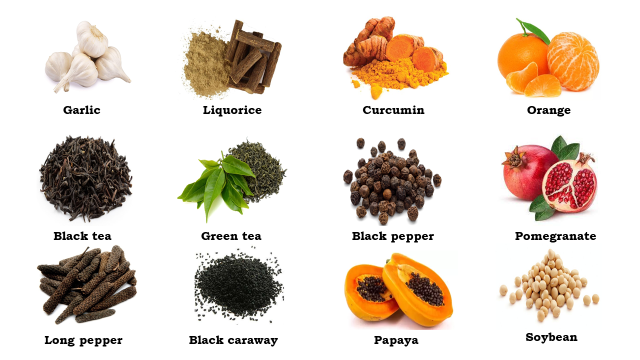
Both garlic and liquorice can be used to improve the immune responses, have antiviral and other biological properties. The bioactive compound containing sulphur and polyphenols in garlic are responsible for immunodulation [17, 18]. The saponin glycyrrhizin in the root of liquorice is causing the enhancement of immunity and other responses [19]. Curcumin obtained from C. longa is responsible for enhancing body’s defense. Black and green tea have immunostimulatory effect because of epigallocatechin gallate, gallic acid and quercetin [20, 21]. Some of the medicinal plants and food supplements to boost immune power are presented in Figure 2.
Mushrooms contain antioxidants that regulate immunity and are beneficial in reducing inflammation. Bitter greens augment liver health and help in production of natural killer cells and proper functioning of T-cell [41]. Flax seeds also aid in immune health being good source of omega-3 fatty acids. The vegetables and fruits which are brighter due to anti-inflammatory and anti-oxidant phytochemicals like polyphenols, flavonoids, carotenes and anthocyanidins are immunity boosting and are integral part of well-balanced diet.
3. Role of vitamins
Many studies have demonstrated the role of vitamins like A, B, C, D, E and K in boosting immunity [42], the nutritional supplements can help in reducing the viral load and also rates of hospitalization in COVID-19 patients. Vitamins show immunodulatory and antioxidative responses, they modulate the expression of genes in immune cells and also help in differentiation and maturity of immune cells.
Vitamin A
Vitamin A or retinoic acid [43], regulates number of genes in both adaptive and innate responses [44]. Vitamin A facilitates innate and adaptive immunity by acting as T-cell effectors. Retinoid stimulates the expression of number of genes which includes Interferon stimulated genes, retinoic acid-inducible gene I and IFN regulatory factor 1 [45, 46, 47]. Table 1 shows the recommended doses of vitamin A for all.
Vitamin B
Vitamin B complex includes 8 vitamins namely vitamin B1, vitamin B2, vitamin B3, vitamin B5, vitamin B6, vitamin B7, vitamin B8 and vitamin B12, it is essential in normal physiological functioning [48], regulating the immune response of the colon and also involved in barrier function of the intestine [49]. The deficiency of B1 or thiamine effects the immune system causing oxidative stress and elevated inflammation. Thiamine triggers humoral and cell mediated immunity and thus helps in eliminating SARS-CoV-2 virus. Vitamin B2 or riboflavin can reduce the risk of transfusion-transmission in COVID-19 patients by reducing pathogens in blood. Recent studies in patients with COVID-19 and vitamin B3 or niacin showed reduction in inflammation and thus vitamin B3 can be used in adjunct therapy [50, 51]. Vitamin B6 or pyridoxine also contributes to immune response as well as plays role in propagation of immune cells [52]. Studies have shown that supplements with pyridoxine helps in reducing pro-inflammatory cytokines in COVID-19 patients thereby preventing hypercoagulation and bettering the immune responses. Vitamin B9 or folate is essential in adaptive immune response and can block the spike protein binding by inhibiting the enzyme, furin responsible for viral and bacterial infection. It can be used as preventive measure to control the respiratory diseases due to SARS-CoV-2 [53]. It has been reported by researchers that folic acid, tetrahydrofolic acid and 5-methyl tetrahydrofolic acid can prevent the interaction of S protein with ACE-2 receptor [54] and thus could be helpful in combating the COVID-19 infection. Vitamin B12 or cobalamin/cyanocobalamin can modulate the cytokine formation, may regulate chemokine/cytokine formation and mediate in the pathophysiological pathways through the immune cells due to which they can protect against pathogens. Studies on the role of probiotics have been undertaken and they suggest that they can regulate immune responses and provide protection against infections. [55]. Table 2, Table 3 and Table 4 show the recommended doses of vitamin B12, B7 and folic acid respectively for all.
Vitamin C
Linus Pauling advocated about the conducive effect of vitamin C in common cold though his book “Vitamin C and the Common Cold” in 1970 and some researchers have also documented about the viricidal feature of vitamin C [56]. It gives support to immune system, has antioxidant property, and helps in eliminating dead cells and replacing them with newer ones [57]. It has been documented by Kashiouris et.al. that the infections like acute respiratory distress syndrome and sepsis was significantly reduced by administering vitamin C injection [58]. The efficiency of vitamin C in treating COVID-has been proven both directly and indirectly. Data from trial on patients suffering from pneumonia showed the efficacy of two vitamin C dose regime in reducing the duration of pneumonia [59]. Hence it is very pertinent in this pandemic to get substantial research data addressing the effectiveness of vitamin C in treatment and prevention of COVID-19 [60]. Table 5 shows the recommended doses of vitamin C for all.
Vitamin D
It has been reported by researchers in many countries of the world that average vitamin D levels has strong link with the number of COVID-19 infections as well as with the associated death due to the infections [61]. In order to reduce the cases of COVID-19 infection, criticality and mortality from COVID-19 the vitamin D supplementation are recommended [62] Table 6 shows the recommended doses of vitamin D for all.
The data from retrospective cohort study by Demir et.al. also found that the deficiency of vitamin D was associated with greater infection probability by coronavirus. The patients who were found to be COVID-19 positive having adequate levels of vitamin D showed remarkably lesser D-dimer levels in blood also lower CRP level, which is the inflammatory marker, decreased recurrence of ground-glass opacity in CT scan of chest region and brief hospital stay [63].
Vitamin E
Vitamin E acts as regulator of immune response, supports in functioning of the immune system as well is a free radical scavenger [64, 65]. It inhibits the metabolism of arachidonic acid by increasing the level of prostacyclin thereby causing dilation of blood vessels and inhibiting the aggregation of platelets (vitamin E—Health Professional Fact Sheet). Few studies documented that vitamin E plays more important role in maintenance of immune response in elderly than in younger individuals [66, 67]. Table 7 shows the recommended doses of vitamin E for all.
Vitamin K
Vitamin K is natural content present in some food, it functions as a co-enzyme, synthesizes proteins and also involved in various biological functions. The dietary supplements of vitamin K are K1 and K2 [68].
In case of inflammation in the body due to SARS-CoV-2 infection, synthesis of Matrix Gla protein in the lungs increases to safeguard the extracellular matrix of the lungs from degradation. The synthesis of Matrix Gla protein is dependent on the vitamin K thereby during this type of infection utilization of vitamin K is also increased [69]. The thrombotic complications which are seen in COVID-19 patients can be combated by vitamin K1, which is required in activation of hepatic coagulation factors. [70]. Table 8 shows the recommended doses of vitamin K for all.
4. Role of Minerals
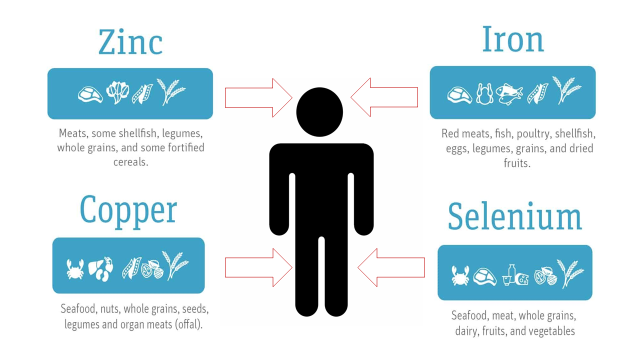
Many studies have documented the functionality of trace elements in enhancing and maintaining immune responses thereby decreasing rate of infection. Gombart et.al. showed that minerals enact the role of barriers against pathogens, act as antioxidant enhancing the innate and adaptive immunity as well elevates the antibody production [71]. Some of the minerals play the role of enzymatic co-factors which are essential in immunity (Figure 3) The nutritional status of a person can indicate the possibility of some bacterial and viral infections [72]. Table 9 shows the recommended doses of Zinc, Copper, Iron, Selenium, Magnesium and Manganese for all.
Zinc
Zinc is essential to the cell activity of natural killer cells and cytokine release. It is involved in antibody and interferon production [71]. It modulates the responses of immune cells like macrophages, B cells and neutrophils T cells [73]. It is an important constituent of enzymes like polymerases and proteases and also cofactor of enzymes like superoxide dismutase, which is an antioxidant enzyme required for producing metallothionein. This cysteine rich protein maintains cellular immunity by protecting from free radicals [72]. Other researchers have also documented the role of metallothionein as a sensor of the intracellular matrix [74], it acts as an anti-oxidant through many interlinked processes [75]. Studies on animals have shown that there is a strong correlation between immunity and levels of zinc, deficiency leads to immunity loss [76]. The use of zinc has been beneficial in reducing the infection in the respiratory tract [77]. Doses of zinc at 75mg/day can help in reducing the symptoms associated with common cold in 2 days [78]. Zinc has been used in treating measles [79], hepatitis virus, herpes simplex virus, human papillomaviruses [80], HIV [81]. Zinc can play an important role in activation of immune response and treating viral infections.
Copper
The use of copper as an anti-bacterial and anti-viral agent has been known since long, it is used as a disinfectant too. Owing to its unpaired electron, it undergoes redox reaction, thereby destroying the genetic material of viruses by free radical generation. The free radicals are responsible for oxidative damages as observed by Vincet et.al. in Herpes simplex virus [82]. The effectiveness of copper against other viruses like influenza and noroviruses have also been studied by other workers [82]. The cellular defense functions of antioxidant enzyme superoxide dismutase are dependent on copper [81]. The production of interleukin -2 is also dependent on copper thereby plays a role in the T cell development, inflammatory and adaptive immune responses [71].
The antiviral activity of copper was investigated by some researchers and they documented that 6mM of cupric ion was efficacious against HIV virus [82]. Copper ions hindered the process of reverse transcription of the RNA template of the HIV virus.
Selenium
Selenium is key micronutrient required in many physiological processes such as enhancement of immune responses, protection from oxidative stress, cellular differentiation, free radical scavenging and maintenance of antibody levels. The viral infections are associated with generation of reactive oxygen species leading to oxidative stress which is damaging to the cells [71]. Selenium is an important constituent of selenocysteine which contains selenoprotein enzymes essential for antioxidant activity [84, 85, 86], regulation of oxidation -reduction reaction, production of natural killer cells and interferon [71]. Selenium is required for regulating the gene expression for formation of selenoprotein [84]. It was documented by some researchers that 200μg/day supplementation of selenium showed virucidal action during infections [71], which proves selenoprotein S plays a role in immune function. Other workers also reported the supplementing selenium was beneficial against hepatitis, influenza A viruses and HIV [86]. The authors reported that selenium is involved in reduction of oxidative stress, increment of CD8+ T cells, production of Interleukin-2 and proliferation of T cells.
Iron
Iron is an essential micronutrient which is vital for synthesis of protein and DNA, cell proliferation, lymphocytes maturation and gene regulation [74, 75, 87]. Homeostasis of iron is very important as through Fenton reaction hydroxyl radicals are generated which damages lipids, proteins and deoxy ribose nucleic acid [88]. The iron-bound protein, Lactoferrin is the first line of defense against pathogens [89]. The host and the viruses are competing with each other for acquiring iron as the replication of virus requires iron too [90]. Many other researchers have corelated the elevated levels of iron to promotion of viral replication in Hepatitis B [91], and HIV infection [92]. Thus, to inactivate the virus, iron chelates can be used thereby removing free iron and regulating iron levels in cells leading to control of gene expression required for metabolism of iron [90].
Patients suffering from COVID-19 infection have lower levels of sodium, potassium, calcium, phosphorus and the decrease in level increases with severity [93, 94, 95]. Stress is commonly associated with pandemics and magnesium supplementation can help in recovering from post-traumatic stress disorder. It is vital in immunoglobin synthesis, binding of the lymphocyte, and other immune functions [96]. Magnesium is effective against viral infections as shown by some researchers [97]. Manganese is an important trace element; its deficiency leads to impaired antibody production hence plays a vital role in immune responses [98]. Manganese and cobalt can play supportive role in COVID-19 management and treatment. Iodine based products can be used as disinfectant against SARS-CoV-2 for gargling, throat spray, medical instrument disinfection, handwash and other external usage [99]. Sulphur might also show some protective action against SARS-CoV-2 [100].
This section may be divided by subheadings. It should provide a concise and precise description of the experimental results, their interpretation, as well as the experimental conclusions that can be drawn.
4. Bioavailability
The nutrients which are bioavailable for the cell metabolism of the host cell after digestion of the food is quite significant. The bioavailability is defined as quantity of nutrients released from the matrix which is at the disposal for absorption by the gastrointestinal tract. The bioavailability of the nutrients may vary [101] and is dependent on number of factors which can be internal and external. The former includes the gender, age, nutritional and biological status. The later includes the form of the nutrient, association with other nutrients, food matrix structure and amount of non-nutrient component present. Bioavailability can be measured by in-vitro, ex-vivo and in-vivo methods [102, 103]. The bioavailability of proteins, lipids and carbohydrates is higher (around 90%) than micronutrients (ranging from 1-90%). The bioavailability of fat-soluble vitamins can be enhanced if taken with lipid supplementation. The bioavailability can be increased or decreased if the substance administered is having a synergistic or anti-synergistic effect. Absorption of iron is increased in presence of vitamin A and C but decreases when phytates and polyphenols are administered. The combined effect of vitamin C along with quercetin is helpful in controlling respiratory viral infections [104]. The age factor also influences the rate of absorption of minerals like zinc, calcium and iron, rate of absorption is greater compared to the elderly [105]. Intaking zinc at 150 mg per day and selenium 200 mg per day would be effective in combating viral infections [97]. Care must be taken to consume food in correct combination so as to gain synergistic effect and for better nutrient absorptivity.
Way forward
In current critical situation with the non-availability of curative viral drugs, nutrients play a vital role in controlling and maintaining normal bodily functions and health. They are critical in boosting immunity and resisting infection. Some of these nutrients are involved in protecting the body directly or indirectly from infections. The nutrients namely vitamins, minerals, sulphated polysaccharides and lactoferrin are directly countering the viruses or engaged in activating the immune cells by binding to the cell surface receptors. Some of the nutrients stop the viruses from getting absorbed or adsorbed to the surface of the cells. The immunity can be enhanced by the immunomodulatory action of nutrients and by regulating the macrophage functions. Minerals also modulate the activities of macrophages, T cells, B cells and neutrophils. The body needs to be kept hydrated that helps in the transmission of nutrients to all parts of the body and maintenance of body functions. Proper and balanced diet rich in nutrients both macro and micro can work out as a preventive solution to combat the virus. More clinical based investigations are required to highlight the mechanism of action of these nutrients in preventing the spread of infections. More studies are required in context to the concomitant use of nutrient supplements with antiviral drugs for efficient recovery.
Conflict of interest
The authors have no conflict of interest to declare.
Acknowledgement
The authors are thankful to the Management of RCCIIT , Mr. GautamDey, M.D. and Mr. Ranajit Dey, Jt. M.D. for facilities and encouragement during this investigation. They are also thankful to Dr. Atiskumar Chattopadhyay, Principal Secretary, Faculty Council of Science, Jadavpur University for his valuable suggestions and encouragement to conduct & completion of the work.
Author Contributions
SA & SD made a significant contribution to conduct the review, whether that is in the conception, literature review, drafting, preparation of data, acquisition of data, and interpretation. SS gave valuable insights and checking was done by TD. After critically reviewing the article, the authors gave final approval of the version to be published; have agreed on the journal to which the essay has been submitted; and agree to be accountable for all aspects of the work.
Disclosure
The authors declare that they do not have any financial involvement. This also includes honoraria, expert testimony, employment, ownership of stocks or options, patents or grants received or pending, or royalties.
Peer-review:
External peer-review was done through double-blind method.
Data and materials availability:
All data associated with this study are present in the paper.
References
- Sangita Agarwal, Soumendra Darbar, Srimoyee Saha and Tathagata Deb. “The role of immunity in the physical and mental well-being of women in India during Covid-19 pandemic”, Parana Journal of Science and Education. Vol. 6, No. 7, 2020, pp. 1-8)
- Soumendra Darbar, Sangita Agarwal and Srimoyee Saha “COVID19 Vaccine: COVAXIN® - India’s First Indigenous Effective Weapon to Fight against Coronavirus (A Review)”, Parana Journal of Science and Education. Vol. 7, No. 3, 2021, pp. 1-9.
- Sangita Agarwal, Srimoyee Saha, Tathagata Deb and Soumendra Darbar, “Immunity augmenting food supplements for susceptible individuals in combating pandemic COVID-19 (Review)”, Parana Journal of Science and Education. Vol. 6, No. 4, 2020, pp. 79-88.
- Amber, R., Adnan, M., Tariq, A., & Mussarat, S. (2017). A review on antiviral activity of the Himalayan medicinal plants traditionally used to treat bronchitis and related symptoms. Journal of pharmacy and pharmacology, 69(2), 109-122.[CrossRef]
- Chaplin, D. D. (2010). Overview of the immune response. The Journal of Allergy and Clinical Immunology, 125, S3– S23.[CrossRef]
- Farcas, G. A., Poutanen, S. M., Mazzulli, T., Willey, B. M., Butany, J., Asa, S. L., … Kain, K. C. (2005). Fatal severe acute respiratory syndrome is associated with multiorgan involvement by coronavirus. The Journal of Infectious Diseases, 191, 193– 197.[CrossRef]
- Zhan, J., Deng, R., Tang, J., Zhang, B., Tang, Y., Wang, J. K., … Gu, J. (2006). The spleen as a target in severe acute respiratory syndrome. The FASEB Journal, 20, 2321– 2328.[CrossRef]
- Hong Kong Centre for Health Protection. (2020). Countries/areas with reported cases of novel. Retrieved from[Source Link]
- Salehi, B., Krochmal-Marczak, B., Skiba, D., Patra, J. K., Das, J. K., Das, G., … Martorell, M. (2019a). Convolvulus plant—A comprehensive review from phytochemical composition to pharmacy. Phytotherapy Research, 34, 315– 328.
- Sharifi-Rad, J., Melgar-Lalanne, G., Hernández-Álvarez, A. J., Taheri, Y., Shaheen, S., Kregiel, D., … Martins, N. (2019). Malva species: Insights on its Chemical Composition towards Pharmacological Applications. Phytotherapy Research, 34, 564– 567.
- Salehi, B., Konovalov, D. A., Fru, P., Kapewangolo, P., Peron, G., Ksenija, M. S., … Sharifi-Rad, J. (2020). Areca catechu—From farm to food and biomedical applications. Phytotherapy Research, 1– 19.[CrossRef]
- Sharifi-Rad, M., Roberts, T. H., Matthews, K. R., Bezerra, C. F., Morais-Braga, M. F. B., Coutinho, H. D. M., Sharifi-Rad, J. (2018). Ethnobotany of the genus Taraxacum—Phytochemicals and antimicrobial activity. Phytotherapy Research, 32, 2131– 2145.[CrossRef]
- Salehi, B., Upadhyay, S., Orhan, I. K., Jugran, A. K., Jayaweera, S. L. D., & Dias, D. A. (2019b). Therapeutic potential of α-and β-Pinene: A miracle gift of nature. Biomolecules, 9, 738.[CrossRef]
- Salehi, B., Zakaria, Z. A., Gyawali, R., Ibrahim, S. A., Rajkovic, J., Shinwari, Z. K., … Setzer, W. N. (2019c). Piper species: A comprehensive review on their Phytochemstry, biological activities and applications. Molecules, 24, 1364.[CrossRef]
- Wadood, A., Ghufran, M., Jamal, S. B., Naeem, M., Khan, A., Ghaffar, R., & Asnad. (2013). Phytochemical analysis of medicinal plants occurring in local area of Mardan. Biochemistry and Analytical Biochemistry, 2, 1– 4.[CrossRef]
- Sangita Agarwal, Soumendra Darbar, Srimoyee Saha and Tathagata Deb. Sanative Effect of a Low Cost Novel Green Formulation-IM-SSS20 to Minimize the Inflammatory and Cytokine Strom Against Respiratory Diseases. Innoriginal International Journal of Sciences | Volume 7 | Issue 6 | Nov-Dec 2020 | 1-11
- Anywar, G., Kakudidi, E., Byamukama, R., Mukonzo, J., Schubert, A., & Oryem-Origa, H. (2019). Medicinal plants used by traditional medicine practitioners to boost the immune system in people living with HIV/AIDS in Uganda. European Journal of Integrative Medicine.
- Sahoo, B. M., & Banik, B. K. (2018). Medicinal plants: Source for immunosuppressive agents. Immunology: Current Research, 2, 106.
- Seki, H., Ohyama, K., Sawai, S., Mizutani, M., Ohnishi, T., Sudo, H., … Muranaka, T., et al. (2008). Licorice β-amyrin 11-oxidase, a cytochrome P450 with a key role in the biosynthesis of the triterpene sweetener glycyrrhizin. Proceedings of the National Academy of Sciences of the United States of America, 105, 14204– 14209.[CrossRef]
- Kumar, D., Arya, V., Kaur, R., Bhat, Z. A., Gupta, V. K., & Kumar, V. (2012). A review of immunomodulators in the Indian traditional health care system. Journal of Microbiology, Immunology, and Infection, 45, 165– 184.[CrossRef]
- Zvetkova, E., Wirleitner, B., Tram, N. T., Schennach, H., & Fuchs, D. (2001). Aqueous extracts of Crinum latifolium L. and Camellia sinensis show immunomodulatory properties in human peripheral blood mononuclear cells. International Immunopharmacology, 1, 2143– 2150.[CrossRef]
- Patil, V. V., & Patil, V. R. (2011). Evaluation of anti-inflammatory activity of Ficus carica Linn leaves. Indian J Nat Prod Resour, 2, 151– 155.
- Makare, N., Bodhankar, S., & Rangari, V. (2001). Immunomodulatory activity of alcoholic extract of Mangifera indica L. in mice. Journal of Ethnopharmacology, 78, 133– 137.[CrossRef]
- Bhowmik, D., Gopinath, H., Kumar, P., Duraivel, S., Aravind, V., & Kumar, K. P. S. (2013). Medicinal Uses of Punica granatum and Its Health Benefits. J Pharmacogn Phytochem, 1, 2278– 4136.
- Howell AB, Dsouza DH. 2013. The Pomegranate: Effects on Bacteria and Viruses That Influence Human Health. Evid-Based Complem Altern Med[CrossRef]
- Moradi, M. T., Karimi, A., Lorigooini, Z., Lorigooini, Z., Pourgheysari, B., Alidadi, S., & Hashemi, L. (2017). In vitro Anti influenza virus activity, antioxidant potential and total phenolic content of twelve Iranian medicinal plants. Marmara Pharm J, 21, 843– 851.[CrossRef]
- Majeed, P. L. (2000). The Medicinal Uses of Pepper. Int Pepper News, 1, 23– 31.
- Chaudhry, M. N. A., & Tariq, P. (2006). Bactericidal activity of black pepper, bay leaf, aniseed and coriander against oral isolates. Pak J Pharma Sci, 19, 214– 218.
- Koul, I. B., & Kapil, A. (1993). Evaluation of the liver protective potential of Piperine, an active principle of black pepper and long pepper. Planta Med, 59, 413– 417.[CrossRef]
- Tripathi, D. M., Gupta, N., Lakshmi, V., Saxena, K. C., & Agrawal, A. K. (1999). Antigiardial and immunostimulatory effect of Piper longum on giardiasis due to Giardia lamblia. Phytother Res, 13, 561– 565.[CrossRef]
- Sunila, E. S., & Kuttan, G. (2004). Immunomodulatory and antitumor activity of Piper longum Linn. and piperine. J Ethnopharmacol, 90, 339– 346[CrossRef]
- Kumar, S., Kamboj, S., & Sharma, S. (2011). Overview for Various Aspects of the Health Benefits of Piper Longum Linn. Fruit. J Acupunct Meridian Stud, 4, 134– 140.[CrossRef]
- Kala, C. P. (2012). Leaf Juice of Carica papaya L.: A Remedy of Dengue Fever. Med Aromat Plants, 1, 6.
- Pandey, S., Peter, J., Cabot, P., Shaw, N., & Amitha, K. (2016). Anti-inflammatory and immunomodulatory properties of Carica papaya. J Immunotoxicol, 13, 590– 602.[CrossRef]
- Radhakrishnan, N., Lam, K. W., & Norhaizan, M. E. (2017). Molecular docking analysis of Carica papaya Linn constituents as antiviral agent. Int Food Res J, 24, 1819– 1825.
- Shen, H. Y., Jiang, J. G., Li, M. Q., Zheng, C. Y., & Zhu, W. (2017). Structural characterization and immunomodulatory activity of novel polysaccharides from Citrus aurantium Linn. variant amara. Engl J Funct Foods, 35, 352– 362.[CrossRef]
- Mannucci, C., Calapai, F., Cardia, L., Inferrera, G., Arena, G., Pietro, M. D., … Calapai, G. (2018). Clinical Pharmacology of Citrus aurantium and Citrus sinensis for the Treatment of Anxiety. Evid-Based Complem Altern Med.[CrossRef]
- Hayashi, K., Hayashi, H., Hiraoka, N., & Ikeshiro, Y. (1997). Inhibitory activity of soyasaponin II on virus replication in vitro. Planta Med, 63, 102– 105.[CrossRef]
- Kinjo, J., Udayama, M., Hatakeyama, M., Ikeda, T., Sohno, Y., & Yoshiki, Y. (1999). Hepatoprotective effects of oleanene glucuronides in several edible beans. Nat Med, 53, 141– 144.
- Anitha, T., Parameswari, K., Kishori, B., & Usha, R. (2015). Evaluation of in vitro immunomodulatory effects of soybean (Glycine max L) extracts on mouse immune system. Int J Pharma Sci Res, 6, 2112– 2120.
- Mikulak, J., Bruni, E., Oriolo, F., Di Vito, C., & Mavilio, D. (2019). Hepatic natural killer cells: organ-specific sentinels of liver immune homeostasis and physiopathology. Frontiers in immunology, 10, 946.[CrossRef]
- Soumendra Darbar, Srimoyee Saha and Sangita Agarwal. ―Immunomodulatory role of vitamin C, D and E to fight against COVID-19 infection through boosting immunity: A Review‖, Parana Journal of Science and Education. Vol. 7, No. 1, 2021, pp. 10-18.
- Gudas LJ (2012) Emerging roles for retinoids in regeneration and differentiation in normal and disease states. Biochim Biophys Acta (BBA)-Molecular Cell Biol Lipids. 1821(1):213–21. 10.1016/j.bbalip.2011.08.002.[CrossRef]
- Raverdeau M, Mills KHG. Modulation of T cell and innate immune responses by retinoic acid. J Immunol. 2014;192(7):2953–2958. doi: 10.4049/jimmunol.1303245.[CrossRef]
- Matikainen S, Ronni T, Hurme M, Pine R, Julkunen I. Retinoic acid activates interferon regulatory factor-1 gene expression in myeloid cells. Blood. 1996 Jul 1;88(1):114-23. PMID: 8704165
- Lindner DJ, Borden EC, Kalvakolanu DV. Synergistic antitumor effects of a combination of interferons and retinoic acid on human tumor cells in vitro and in vivo. Clin Cancer Res. 1997;3(6):931–937.
- Luo XM, Ross AC (2006) Retinoic acid exerts dual regulatory actions on the expression and nuclear localization of interferon regulatory factor-1. Exp Biol Med 231(5):619–31. .[CrossRef]
- Zhang Y, Zhou W, Yan J, Liu M, Zhou Y, Shen X, et al. A review of the extraction and determination methods of thirteen essential vitamins to the human body: an update from 2010. Molecules. 2018;23(6):1484. doi: 10.3390/molecules23061484[CrossRef]
- Lindschinger M, Tatzber F, Schimetta W, Schmid I, Lindschinger B, Cvirn G, Stanger O, Lamont E, Wonisch W. A randomized pilot trial to evaluate the bioavailability of natural versus synthetic Vitamin B complexes in healthy humans and their effects on homocysteine, oxidative stress, and antioxidant levels. Oxid Med Cell Longev. 2019 doi: 10.1155/2019/6082613.[CrossRef]
- Liu B, Li M, Zhou Z, Guan X, Xiang Y. Can we use interleukin-6 (IL-6) blockade for coronavirus disease 2019 (COVID-19)-induced cytokine release syndrome (CRS)? J Autoimmun. 2020 Jul;111:102452. doi: 10.1016/j.jaut.2020.102452. Epub 2020 Apr 10. PMID: 32291137; PMCID: PMC7151347.[CrossRef]
- Mehmel M, Jovanović N, Spitz U. Nicotinamide Riboside-The Current State of Research and Therapeutic Uses. Nutrients. 2020 May 31;12(6):1616. doi: 10.3390/nu12061616. PMID: 32486488; PMCID: PMC7352172[CrossRef]
- Ueland PM, McCann A, Midttun Ø, Ulvik A. Inflammation, vitamin B6 and related pathways. Mol Aspects Med. 2017;53:10–27. doi: 10.1016/j.mam.2016.08.001[CrossRef]
- Sheybani Z, Dokoohaki MH, Negahdaripour M, Dehdashti M, Zolghadr H, Moghadami M, Masoompour SM, Zolghadr AR (2020) The role of folic acid in the management of respiratory disease caused by COVID-19
- Kumar V, Jena M (2020) In silico virtual screening-based study of nutraceuticals predicts the therapeutic potentials of folic acid and its derivatives against COVID-19. 10.1007/s13337-020-00643-6[CrossRef]
- Calder PC et al (2020) Optimal nutritional status for a well-functioning immune system is an important factor to protect against viral infections. Nutrients. 10.3390/nu12041181[CrossRef]
- Furuya A, Uozaki M, Yamasaki H, Arakawa T, Arita M, Koyama AH. Antiviral effects of ascorbic and dehydroascorbic acids in vitro. Int J Mol Med. 2008;22(4):541–545. doi: 10.3892/ijmm_00000053[CrossRef]
- Carr AC, Maggini S. Vitamin C, and immune function. Nutrients. 2017;9(11):1211. doi: 10.3390/nu9111211.[CrossRef]
- Kashiouris MG, L’Heureux M, Cable CA, Fisher BJ, Leichtle SW. The emerging role of vitamin C as a treatment for sepsis. Nutrients. 2020;12(2):292. doi: 10.3390/nu12020292.[CrossRef]
- Baladia E, Pizarro AB, Rada G (2020) Vitamin C for the treatment of COVID-19: a living systematic review. medRxiv. 10.1101/2020.04.28.20083360[CrossRef]
- Carr AC. A new clinical trial to test high-dose vitamin C in patients with COVID- 19. Crit Care. 2020;24(1):1–2. doi: 10.1186/s13054-020-02851-4.[CrossRef]
- Ilie PC, Stefanescu S, Smith L. The role of vitamin D in the prevention of coronavirus disease 2019 infection and mortality. Aging Clin Exp Res. 2020;32:1‐4
- Grant WB, Lahore H, McDonnell SL, et al. Vitamin D supplementation could prevent and treat influenza, coronavirus, and pneumonia infections. Preprint. 2020)
- Demir M, Demir F, Aygun H. Vitamin D deficiency is associated with COVID‐19 positivity and severity of the disease. J Med Virol. 2021;93:2992–2999. https://doi.org/10.1002/jmv.2683).[CrossRef]
- Jayawardena R, Sooriyaarachchi P, Chourdakis M, Jeewandara C, Ranasinghe P. Enhancing immunity in viral infections, with special emphasis on COVID-19: A review. Diabetes MetabSyndr Clin Res Rev. 2020 doi: 10.1016/j.dsx.2020.04.015.[CrossRef]
- Verhagen H, Buijsse B, Jansen E, Bueno-De-Mesquita B (2006) The state of antioxidant affairs. Nutrition Today 4:244–252[CrossRef]
- Hemilä H, Chalker E. Vitamin C can shorten the length of stay in the ICU: a meta-analysis. Nutrients. 2019;11(4):708. doi: 10.1002/14651858.CD000980.pub4[CrossRef]
- Meydani SN, Lewis ED, Wu D. Perspective: Should vitamin E recommendations for older adults be increased? Adv Nutr. 2018;9(5):533–543. doi: 10.1093/advances/nmy035.[CrossRef]
- Hubicka U, Padiasek A, Żuromska-Witek B, Szlósarczyk M. Determination of Vitamins K1, K2 MK-4, MK-7, MK-9 and D3 in pharmaceutical products and dietary supplements by TLC- Densitometry. Processes. 2020;8(7):870. doi: 10.1021/jf204194z.[CrossRef]
- Mccann JC, Ames BN (2020) Vitamin K, an example of triage theory: is micronutrient inadequacy linked to diseases of aging? 1–3. 10.3945/ajcn.2009.27930[CrossRef]
- Klok FA, Kruip MJHA, van der Meer NJM, Arbous MS, Gommers DAMPJ, Kant KM, et al. Incidence of thrombotic complications in critically ill ICU patients with COVID-19. Thromb Res. 2020;191:145. doi: 10.1016/j.thromres.2020.04.013.[CrossRef]
- Gombart AF, Pierre A, Maggini S (2020) A review of micronutrients and the immune system–working in harmony to reduce the risk of infection. Nutrients. 10.3390/nu12010236[CrossRef]
- Alpert P.T. The role of vitamins and minerals on the immune system. Home Health Care Management & Practice. 2017;29(3):199–202.[CrossRef]
- Gao, H., Dai, W., Zhao, L., Min, J., & Wang, F. (2018). The role of zinc and zinc homeostasis in macrophage function. Journal of immunology research, 2018.[CrossRef]
- Gupta S., Read S.A., Shackel N.A., Hebbard L., George J., Ahlenstiel G. The role of micronutrients in the infection and subsequent response to hepatitis C virus. Cells. 2019;8(6):603. doi: 10.3390/cells8060603.[CrossRef]
- Jarosz M., Olbert M., Wyszogrodzka G., Młyniec K., Librowski T. Antioxidant and anti-inflammatory effects of zinc. Zinc-dependent NF-κB signaling. Inflammopharmacology. 2017;25(1):11–24.[CrossRef]
- Read S.A., Obeid S., Ahlenstiel C., Ahlenstiel G. The role of zinc in antiviral immunity. Advances in Nutrition. 2019;10(4):696–710.[CrossRef]
- Razzaque M. COVID-19 Pandemic: Can maintaining optimal zinc balance enhance host resistance? Tohoku Journal of Experimental Medicine. 2020;251(3):175–181.[CrossRef]
- Saigal P., Hanekom D. Does zinc improve symptoms of viral upper respiratory tract infection? Evidence-Based Practice. 2020;23(1):37–39
- Awotiwon A.A., Oduwole O., Sinha A., Okwundu C.I. Zinc supplementation for the treatment of measles in children. Cochrane Database of Systematic Reviews. 2017 doi: 10.1002/14651858.CD011177[CrossRef]
- Gupta S., Read S.A., Shackel N.A., Hebbard L., George J., Ahlenstiel G. The role of micronutrients in the infection and subsequent response to hepatitis C virus. Cells. 2019;8(6):603. doi: 10.3390/cells8060603[CrossRef]
- Shah K.K., Verma R., Oleske J.M., Scolpino A., Bogden J.D. Essential trace elements and progression and management of HIV-1 infection. Nutrition Research. 2019;71:21–29.[CrossRef]
- Vincent M., Duval R.E., Hartemann P., Engels‐Deutsch M. Contact killing and antimicrobial properties of copper. Journal of Applied Microbiology. 2018;124(5):1032–1046.[CrossRef]
- Guillin O.M., Vindry C., Ohlmann T., Chavatte L. Selenium, selenoproteins and viral infection. Nutrients. 2019;11(9):2101. doi: 10.3390/nu11092101[CrossRef]
- Kieliszek M. Selenium–fascinating microelement, Properties and sources in food. Molecules. 2019;24(7):1298. doi: 10.3390/molecules24071298.[CrossRef]
- Steinbrenner H., Speckmann B., Klotz L.-O. Selenoproteins: Antioxidant selenoenzymes and beyond. Archives of Biochemistry and Biophysics. 2016;595:113–119.[CrossRef]
- Steinbrenner H., Al-Quraishy S., Dkhil M.A., Wunderlich F., Sies H. Dietary selenium in adjuvant therapy of viral and bacterial infections. Advances in Nutrition. 2015;6(1):73–82[CrossRef]
- Soyano A., Gomez M. Role of iron in immunity and its relation with infections. Archivos Latinoamericanos de Nutricion. 1999;49(3 Suppl 2):40S–46S.
- Schwalfenberg G.K. A review of the critical role of vitamin D in the functioning of the immune system and the clinical implications of vitamin D deficiency. Molecular Nutrition & Food Research. 2011;55(1):96–108[CrossRef]
- Kumar V., Choudhry V. Iron deficiency and infection. Indian Journal of Pediatrics. 2010;77(7):789–793[CrossRef]
- Luo H., Tang Q.-l., Shang Y.-x., Liang S.-b., Yang M., Robinson N. Can Chinese medicine be used for prevention of corona virus disease 2019 (COVID-19)? A review of historical classics, research evidence and current prevention programs. Chinese Journal of Integrative Medicine. 2020:1–8. doi: 10.1007/s11655-020-3192-6.[CrossRef]
- Zou D.-M., Sun W.-L. Relationship between hepatitis C virus infection and iron overload. Chinese Medical Journal. 2017;130(7):866–871.
- Chang H.-C., Bayeva M., Taiwo B., Palella F.J., Jr., Hope T.J., Ardehali H. High cellular iron levels are associated with increased HIV infection and replication. AIDS Research and Human Retroviruses. 2015;31(3):305–312[CrossRef]
- Lippi G, South AM, Henry BM (2020) Electrolyte imbalances in patients with severe coronavirus disease 2019 (COVID-19). Ann Clin Biochem 57(3):262–265[CrossRef]
- Rodriguez-Morales AJ, Cardona-Ospina JA, Gutiérrez-Ocampo E, Villamizar-Peña R, Holguin-Rivera Y, Escalera-Antezana JP, et al. (2020) Clinical, laboratory and imaging features of COVID-19: A systematic review and meta-analysis. Travel Med Infect Dis. 10.1016/j.tmaid.2020.101623[CrossRef]
- Xue X, Ma J, Zhao Y, Zhao A, Liu X, Guo W et al (2020) Correlation between hypophosphatemia and the severity of Corona Virus Disease 2019 patients. medRxiv. 10.1101/2020.03.27.20040816[CrossRef]
- Ni W, Yang X, Yang D, Bao J, Li R, Xiao Y, et al. Role of angiotensin-converting enzyme 2 (ACE2) in COVID-19. Crit Care. 2020;24(1):1–10. doi: 10.1186/s13054-020-03120-0.[CrossRef]
- Jayawardena R., Sooriyaarachchi P., Chourdakis M., Jeewandara C., Ranasinghe P. Enhancing immunity in viral infections, with special emphasis on COVID-19: A review. Diabetes & Metabolic Syndrome: Clinical Research Reviews. 2020;14(4):367–382.[CrossRef]
- Haase H. Innate immune cells speak manganese. Immunity. 2018;48(4):616–618. doi: 10.1016/j.immuni.2018.03.031.[CrossRef]
- Kariwa H, Fujii N, Takashima I. Inactivation of SARS coronavirus by means of povidone-iodine, physical conditions and chemical reagents. Dermatology. 2006;212(Suppl. 1):119–123. doi: 10.1159/000089211.[CrossRef]
- Evgen’ev MB, Frenkel A (2020) Possible application of H2S-producing compounds in the therapy of coronavirus (COVID-19) infection and pneumonia. Cell Stress Chaperones, pp 1–3
- Carbonell-Capella J.M., Buniowska M., Barba F.J., Esteve M.J., Frígola A. Analytical methods for determining bioavailability and bioaccessibility of bioactive compounds from fruits and vegetables: A review. Comprehensive Reviews in Food Science and Food Safety. 2014;13(2):155–171.[CrossRef]
- Barba F.J., Mariutti L.R., Bragagnolo N., Mercadante A.Z., Barbosa-Canovas G.V., Orlien V. Bioaccessibility of bioactive compounds from fruits and vegetables after thermal and nonthermal processing. Trends in Food Science & Technology. 2017;67:195–206[CrossRef]
- Santos D.I., Saraiva J.M.A., Vicente A.A., Moldão-Martins M. Innovative thermal and non-thermal processing, bioaccessibility and bioavailability of nutrients and bioactive compounds. Elsevier; 2019. Methods for determining bioavailability and bioaccessibility of bioactive compounds and nutrients; pp. 23–54
- Colunga Biancatelli R.M.L., Berrill M., Catravas J.D., Marik P.E. Quercetin and vitamin C: An experimental, synergistic therapy for the prevention and treatment of SARS-CoV-2 related disease (COVID-19) Frontiers in Immunology. 2020;11:1451. doi: 10.3389/fimmu.2020.01451.[CrossRef]
- Turnlund J.R. Bioavailability of dietary minerals to humans: The stable isotope approach. Critical Reviews in Food Science and Nutrition. 1991;30(4):387–396.[CrossRef]