
Abstract
The focus of this study was to determine the influence of religious literacy and multicultural teaching competence on the teaching self-efficacy of Religious and Moral Education (RME) teachers in public basic schools within the Kumasi Metropolis. The research employed a cross-sectional survey design with a sample of 308 RME teachers selected through the stratified sampling technique from 165 basic schools across 14 circuits. Data were collected using questionnaires and analysed using Partial Least Squares Structural Equation Modelling (PLS-SEM). The findings revealed that religious literacy significantly and positively influenced teachers’ self-efficacy (β = 0.487, p < 0.05), accounting for 23.7% of the variance. Similarly, multicultural teaching competence demonstrated a strong positive effect on teaching self-efficacy (β = 0.711, p < 0.05), explaining 50.6% of the variance. Finally, the study found that religious literacy and multicultural teaching competence together contributed 52.2% to RME teachers' teaching self-efficacy (SD = 0.692, p < 0.05, R² = 0.522). The study recommended that the Ghana Education Service (GES) and the National Council for Curriculum and Assessment (NaCCA) should design and mandate regular in-service training programmes focused specifically on religious literacy for RME teachers. Also, it was recommended that pre-service and in-service training should emphasise awareness of personal biases, deep knowledge of learners’ cultural and religious backgrounds, and practical skills for culturally responsive pedagogy.
1. Introduction
In the twenty-first century, education systems worldwide face the challenge of addressing cultural and religious diversity within classrooms. As societies become increasingly pluralistic, teachers are called upon to develop competencies that enable them to manage diversity constructively and inclusively (Banks, 2019) [1]. In Ghana, this reality is particularly evident in the context of Religious and Moral Education (RME), a subject that seeks to promote moral uprightness, religious tolerance, and social harmony among learners (Acquah, 2024) [2]. RME aims to nurture students who are morally grounded, spiritually sensitive, and capable of coexisting peacefully in a multicultural society.
The teacher, as the central agent in instructional delivery, plays a vital role in achieving these educational goals. The extent to which RME teachers can promote values of coexistence and tolerance depends largely on their religious literacy, multicultural teaching competence, and teaching self-efficacy (Mensah, Owusu, & Nyamekye, 2025) [3]. When teachers possess these qualities, they are more capable of engaging learners from diverse religious and cultural backgrounds and of handling sensitive moral issues objectively and inclusively (Noseda, 2020) [4].
However, in Ghana, the teaching of RME has often been influenced by teachers’ personal religious orientations, cultural biases, and limited understanding of other faith traditions (Agbodza & Amenyedzi, 2020) [5]. Consequently, learners may receive instruction that unintentionally promotes sectarian perspectives or neglects the pluralistic ethos the curriculum intends to foster. These challenges highlight the need to investigate how teachers’ religious literacy and multicultural competence interact to influence their self-efficacy, that is, their belief in their ability to teach effectively.
Religious Literacy (RL) refers to the ability to understand and engage with diverse religious traditions, beliefs, and practices in a critical, empathetic, and informed manner (Moore, 2015) [6]. It extends beyond mere knowledge of doctrines to encompass the interpretive and ethical engagement with religion as a social and cultural phenomenon (Clark, 2020) [7]. In educational contexts, religious literacy enables teachers to foster inclusive classrooms, where students appreciate religious diversity as a source of strength rather than division.
In Ghana, where Christianity, Islam, and African Traditional Religion coexist, religious literacy is not only an academic necessity but also a social imperative. The National Council for Curriculum and Assessment (NaCCA, 2019) [8] emphasises that RME teachers must cultivate respect for other faiths and moral perspectives. However, studies indicate that some teachers still approach RME from confessional or denominational standpoints, limiting students’ exposure to alternative viewpoints (Acquah, 2024) [2]. Teachers with higher religious literacy, by contrast, are more capable of guiding learners toward reflective and dialogical engagement with moral and religious questions (White, 2021) [9]. Noseda (2020) [4] found that teachers who demonstrated higher levels of religious literacy exhibited greater self-efficacy and were more confident in addressing controversial religious topics in class. Similarly, Clark (2020) [7] observed that teachers’ understanding of diversity and inclusion in religious contexts predicted their ability to manage multicultural classrooms effectively. Thus, religious literacy does not only shape content knowledge but also enhances pedagogical confidence, fostering a more inclusive and tolerant learning environment.
Multicultural Teaching Competence (MTC) refers to a teacher’s ability to integrate students’ cultural backgrounds, experiences, and perspectives into the teaching-learning process (Gay, 2018) [10]. It involves three key dimensions namely; awareness, knowledge, and skills (Yildirim & Tezci, 2016) [11]. Awareness entails recognising one’s own biases and assumptions; knowledge refers to understanding diverse cultural norms; and skills encompass the ability to design and implement culturally responsive teaching strategies. In the Ghanaian classroom, where ethnic and religious diversity coexist, MTC is essential for effective RME instruction. Mensah et al. (2025) [3] emphasise that Ghana’s RME curriculum aims to promote unity in diversity, but the teacher’s competence in addressing cultural differences determines the success of this objective. Teachers who lack multicultural competence may unconsciously privilege certain worldviews, leading to alienation among students from minority faiths or ethnic groups (Bangura, 2018) [12].
Research across different contexts corroborates the positive association between multicultural competence and teacher efficacy. White (2021) [9] reported that teachers who demonstrated strong multicultural competence exhibited higher levels of teaching self-efficacy, particularly in managing diverse classrooms. Similarly, Tezera and Bekele (2021) [13] observed that Ethiopian teachers with higher multicultural awareness were more motivated and confident in implementing inclusive teaching strategies. These findings suggest that enhancing MTC is a vital step toward improving teacher performance and learner outcomes in multicultural societies.
The concept of teacher self-efficacy originates from Bandura’s (1997) [14] social cognitive theory, which posits that individuals’ beliefs in their abilities significantly influence their behaviour and performance. Within education, self-efficacy refers to a teacher’s belief in their capacity to plan, organise, and execute teaching tasks effectively (Cruz & Manchanda, 2020) [15]. Teachers with high self-efficacy are more likely to adopt innovative methods, persist in the face of challenges, and foster positive classroom environments (Tschannen-Moran & Hoy, 2001) [16].
In RME, teacher self-efficacy manifests in the confidence to address sensitive moral and religious issues without bias or fear of controversy. A teacher who feels efficacious is more likely to encourage open discussions on ethical dilemmas and religious diversity (Gorski, Davis, & Reiter, 2012) [17]. Conversely, low self-efficacy may lead to avoidance of difficult topics or reliance on rote instruction, thereby undermining the critical and reflective nature of moral education (Cruz & Manchanda, 2020) [15].
Bandura (1997) [14], stated that there are four key sources that influence self-efficacy. These are enactive mastery experiences, vicarious experiences, verbal persuasion and physiological and affective states. It can be deduced that these sources provide the most authentic evidence of one’s potential to succeed, deemed to have the most influence on teacher self-efficacy. Teacher self-efficacy is enhanced through enactive mastery experiences where an individual performs a task. Blanch (2016) [18], noted that mastery experiences through service learning, practice teaching, or embedded in the school-based course give singular proof of their capacity to organise and execute the course of action required to attain an objective. It is essential that RME teachers are made to experience first the art of teaching first during the coursework. This is because enactive mastery experiences are regarded as the most powerful influence as they give real evidence of one’s performance in a teaching condition (Bandura, 1997; Mulholland & Wallace, 2001) [14, 19]. Even though the content of teacher education programmes is important, the real teaching experience is the most powerful activity that shapes an individual’s confidence in their abilities (Buckley, & Lee, 2020) [20]. Fathi, Greenier and Derakhshan, (2021) [21] and Safari, Davaribina and Khoshnevis (2020) [22] argued that a teacher’s success in performance leads to a high level of self-efficacy while a failure produces a decrease in self-efficacy.
Vicarious experiences also provide a wonderful avenue through which teacher self-efficacy is developed. They are experiences in which an individual observes the performance of others who are believed to have comparable capabilities (Cone, 2019) [23]. In vicarious experiences, the target activity is modelled by a different person as the learner observes to develop efficacy (Tschannen-Moran & Hoy, 2007) [24]. The extent to which the observer or learner identifies with the model determines the impact of the modelled performance on the observer’s efficacy beliefs (Tschannen-Moran & Hoy, 2007) [24]. Bandura (1986) [25], detailed that “people persuade themselves that if others can do, they should be able to achieve at least some improvement in performance” (p. 399). This implies that if others can perform new or challenging tasks successfully, people are inclined to believe they too are more likely to succeed in the task (Schunk & Usher, 2011) [26]. Vicarious experiences are well enforced in social cognitive theories as espoused in Vygotsky’s theory of cognitive development (Vygotsky, 1978) [27]. In Vygotsky’s scaffolding, learning occurs when the behaviour is first modelled for the observer to learn after which independent action can be performed by the observer (Lantolf, 2015) [28]. If teacher educators’ model good teaching behaviours to preservice teachers, then high self-efficacy would be developed. Opportunities to learn vicariously through models have been found to have a positive impact on the development of preservice teachers’ efficacy (Bandura, 1997; Lee, 2012) [14, 29]. Additionally, vicarious experiences provide preservice teachers with an opportunity to learn effective strategies for managing the task demands (Tschannen-Moran & McMaster, 2009) [30].
Verbal persuasion also serves as the third self-efficacy influencing factor. It is mostly experienced by an individual from words of encouragement or discouragement from others. Blanch (2016) [18] noted that in teacher education, verbal persuasions are the verbal feedback that teachers receive from their educators and other people in their social environment, which promotes their success or contributes to their lack of self-efficacy. Encouragement from teacher educators and other peers, along with evaluative, positive feedback about performance, may raise teachers’ self-confidence in accomplishing a task in a related domain (Usher & Pajares, 2018) [31]. Supportive messages can serve to reinforce a preservice teacher’s effort and self-confidence, chiefly when accompanied by conditions and an enabling environment that help bring about success (Hattie & Timperley, 2017) [32]. Especially, in order to be effective, social persuasions should be genuine (Britner & Pajares, 2006) [33]. Bandura (1997) [14], however, cautions that it is often easier to erode a teacher’s self-efficacy with negative comments than to enhance it with positive messages.
Finally, physiological and affective state determines one’s level of self-efficacy. Physiological and affective states refer to those physical and emotional responses experienced due to stress, fear, and/or anxiety. According to Bandura (2004) [34], the human body informs the owner of such behavioural tendencies which may not be evident on the surface. Bandura (1986) [25], specified that most people judge or consider their capacity to perform an action based on cognitive evaluation. For example, when an individual perceives fear, stress, fatigue and pain, the body will appear threatened and vulnerable signs of doubt in the ability to perform an assignment become evident (Bandura, 1986) [25]. Negative emotional tendencies, such as stress or anxiety, may reduce self-efficacy beliefs, whereas positive tendencies, such as good mood, may heighten self-efficacy beliefs (Kiili, Kauppinen, Coiro, & Utriainen, 2016) [35]. The feelings of pleasure or joy a pre-service teacher experience from teaching a successful lesson may increase a sense of efficacy, but high levels of stress or anxiety accompanied by a fear of losing control might result in lower self-efficacy beliefs (Tschannen-Moran & Hoy, 2007) [24]. Bandura (1997) [14], therefore, stressed that it is prudent to develop self-efficacy at early stages for one to be able to persist in the midst of negative emotional states. It also noted that ensuring strong efficacy beliefs early in one’s teaching career is very important (Tschannen-Moran & Johnson, 2010) [36].
1.1. Statement of the Problem
Studies conducted reveal that there has been little or no research to determine the influence of religious literacy and multicultural teaching competence of RME teachers on their teaching self-efficacy. In Australia, Street (2020) [37] assessed teacher self-efficacy from three Christian Education National schools in Sydney. Sela-Shayovitz and Finkelstein (2020) [38] examined the self-efficacy of faculty members in teaching multicultural students at the Ono Academic College, Israel. Kumbong and Piang (2020) [39] sought to identify the status of multicultural competency among the Moral Education and History Education pre-service teachers in an educational institution in Malaysia. Grant (2020) [40] investigated religious studies teachers’ perceptions of the role of religious literacy in students’ civic preparation in selected basic schools in Memphis, United States of America. The work of Taylor (2020) [41] examined the relationship between multicultural efficacy and culturally responsive classroom management self-efficacy among K-12 teachers in Virginia.
Karadag, Kesten and Ozden (2021) [42] conducted qualitative research to analyse the level of multicultural competencies of Social Studies teachers in Turkey. Mahmud (2018) [43] explored teachers’ perception on the teaching of multicultural-based religious education in junior high schools in East Kutai, Indonesia. Tezera and Bekele (2021) [13] determined the effect of teachers’ self-efficacy on their attitude towards the implementation of multicultural education literacy in Harari Region secondary schools, Ethiopia. Govender (2020) [44] investigated qualitatively the place of religion education in multicultural schools in Ilembe District, South Africa. Acquah (2024) [2] conducted a study on the influence of religious literacy and multicultural teaching competence of RME teachers on their teaching self-efficacy in the Accra Metropolis.
Garnering from the above, it is deduced that there is no study to determine the influence of religious literacy and multicultural teaching competence of RME teachers on their teaching self-efficacy in the Kumasi Metropolis. It is this geographical gap which has given me the impetus to conduct this study to determine the influence of religious literacy and multicultural teaching competence of RME teachers on their teaching self-efficacy in public basic schools in the Kumasi Metropolis. The metropolis, being the second largest city in Ghana, is a melting pot of ethnic and religious groups, including Christians, Muslims, and practitioners of African Traditional Religion. This diversity creates a rich but complex environment for Religious and Moral Education teachers. Investigating how teachers’ religious literacy (their knowledge and understanding of different faiths) and multicultural competence (their ability to teach across cultural differences) influence their confidence in teaching (self-efficacy) is vital. Such a study can reveal how teachers navigate the pluralistic classroom environment typical of Kumasi’s schools. Public basic schools in Kumasi often enrol students from multiple cultural and religious backgrounds. Teachers are expected to deliver inclusive RME lessons that promote tolerance, empathy, and moral integrity. However, many teachers face challenges in balancing different beliefs and values without bias. Researching this topic in Kumasi can uncover how well-prepared teachers are to manage these complexities and whether improvements in religious literacy and multicultural competence can enhance their self-efficacy in delivering inclusive education. The Ghana Education Service (GES) and the National Council for Curriculum and Assessment (NaCCA) emphasise character formation, national unity, and moral development through RME. Kumasi metropolis, being a major educational hub provides a representative setting to assess how these national goals are implemented at the classroom level. Researching this topic here can generate policy-relevant insights for teacher training, curriculum improvement, and professional development programmes aimed at strengthening teachers’ confidence and effectiveness. Finally, the Kumasi Metropolis faces modern moral and social challenges such as religious intolerance, moral decline among youth, and cultural conflicts arising from globalisation and social media influence. Studying the link between RME teachers’ literacy, competence, and self-efficacy can help determine whether teachers are adequately equipped to shape students’ moral consciousness and foster interfaith harmony. This makes the study both timely and socially significant within the Kumasi Metropolis context.
1.2. Hypotheses
The following hypotheses were formulated to guide the study:
- H0: There is no statistically significant influence of religious literacy of RME teachers on their teaching self-efficacy.
- H0: There is no statistically significant influence of multicultural teaching competence of RME teachers on their teaching self-efficacy.
- H0: There is no statistically significant influence of religious literacy and multicultural teaching competence of RME teachers on their teaching self-efficacy.
2. Conceptual Framework
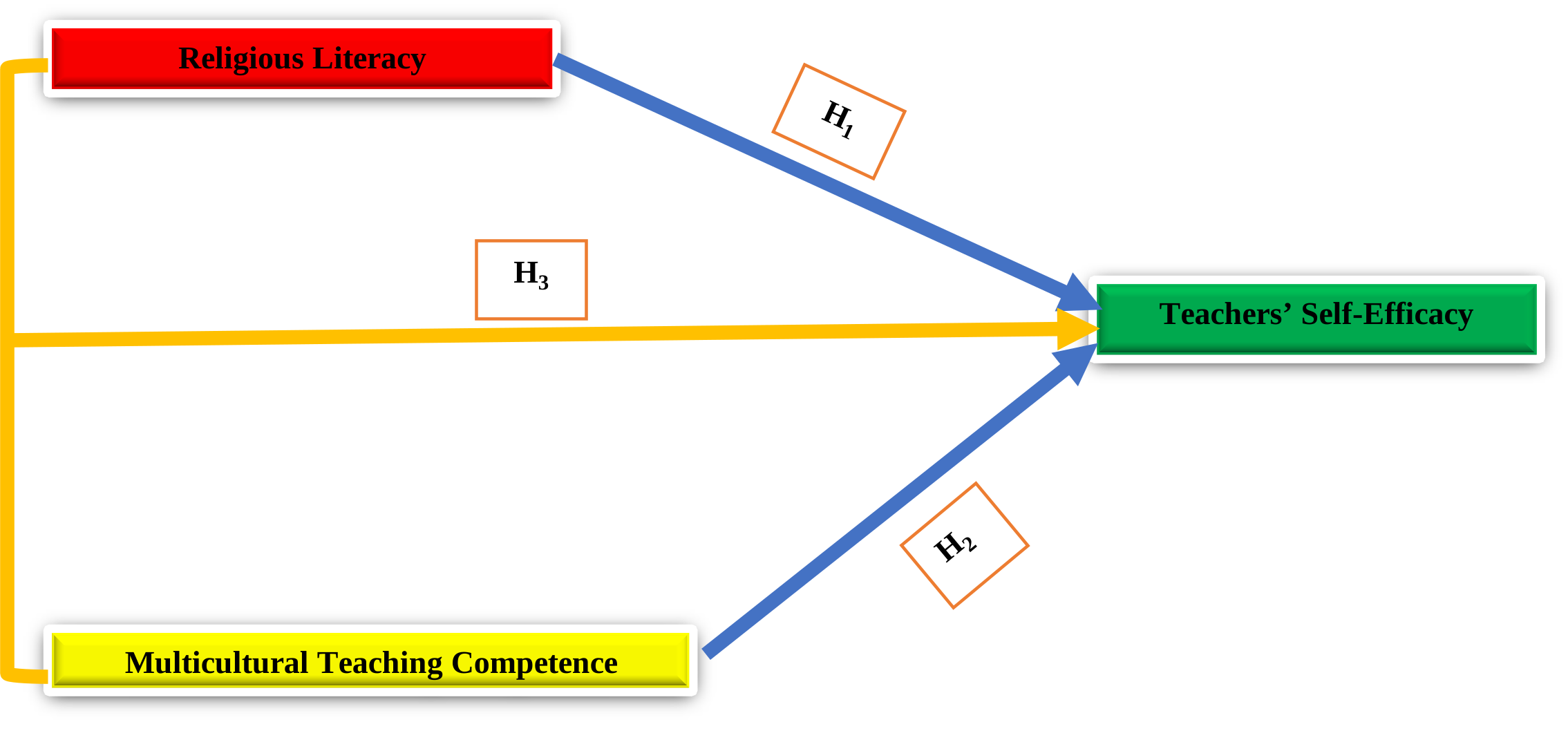
The conceptual framework was designed based on the hypotheses formulated to guide the study. In this study, the main variables are religious literacy of RME teachers, multicultural teaching competence and self-efficacy. It is worth specifying that religious literacy and multicultural competence are the independent variables and teacher self-efficacy is the dependent variable. The interactions between the variables in this study are presented in Figure 1.
2.1. Empirical Studies
2.1.1. Empirical Studies on Teachers’ Self-Efficacy
Zuya, Kwalat and Attah (2016) [45], in a correlational study, examined in-service teachers’ self-efficacy in mathematics and mathematics teaching in Nigeria. The study gathered data from 49 teachers through the Mathematics Self-efficacy (MSE) and Mathematics Teaching Self-efficacy (MTSE) instruments. Both instruments were measured on a five-point Likert scale from strongly disagree to strongly agree. Self-efficacy was interpreted to mean confidence, hence high self-efficacy meant high confidence. Through the means and standard deviations, the self-efficacy scores were generated and the relationship was tested through the Pearson Product-Moment Correlation Coefficient (PPMCC). It was reported that the in-service teachers had a high level of confidence in mathematics and in mathematics content. They also rated their level of confidence high in the teaching of mathematics. The correlation coefficient revealed a significant positive relationship between teachers’ self-efficacy in mathematics and the teaching of mathematics. These findings underscore the reason inefficacious teachers are likely to be traced to the content knowledge provided to them in the teacher education programme. Inefficacious teachers, therefore, implies a failure on the part of the teacher educators to play their role in boosting the self-confidence of teachers. Other learner-specific factors could be responsible.
In Egypt, El-Deghaidy (2016) [46] investigated science (chemistry, physics, biology and primary science) teachers’ self-efficacy and self-image. In all, 36 teachers participated in the study. Data was gathered through the Science Teaching Efficacy Belief Instrument. This measured the Personal Science Teaching Efficacy, the confidence in the preservice science teachers’ ability to teach science, and Science Teaching Outcome Expectancy the science teachers’ beliefs that student learning can be influenced by effective teaching. The instrument was developed on a five-point Likert scale from strongly disagree to strongly agree. To determine the efficacy scores, the mean and standard deviation were calculated. Means scores from the Personal Science Teaching Efficacy showed that the participants felt confident that they would be able to teach science effectively to make a difference in students’ academic achievements. The study noted that the teachers’ high level of self-efficacy was due to the nature of the methods class they had undergone; the class adopted the constructivist teaching and learning approach.
Adjei (2018) [47] sought to examine the relationship between teachers’ self-efficacy and their classroom management practices among public Junior High School teachers in the Kwahu West Municipality. The descriptive survey design was used for the study. Proportional sampling and simple random sampling procedures were used to select a total sample of 217 respondents for the study. Two sets of questionnaires were employed for the study. The Tschannen-Moran and Hoy teacher self-efficacy scale (TSES) was adapted and a structured questionnaire on classroom management practices were used for the study. Frequencies and percentages, mean and standard deviation, Pearson Product-Moment Correlation and Independent sample t-test were used to analyse the data for the study. The results from the study discovered that Junior High School teachers had a high sense of self-efficacy. The implication here is that the higher the teachers perceive their efficacy levels, the more successful they become in practising classroom management. The results then showed a statistically significant moderate positive correlation between teachers’ self-efficacy and classroom behaviour management practices. The study also revealed a statistically significant moderate positive correlation between teachers’ self-efficacy and instructional management practices, as well as between teachers’ self-efficacy and student classroom engagement practices.
Kumi (2023) [48] sought to find out the Senior High School teachers’ self-efficacy beliefs for teaching Mathematics. The research design adopted for this study was a sequential explanatory mixed-method design. The study used a questionnaire to collect data; a semi-structured interview guide was also used in the collection of first-hand information. The researcher used the simple random sampling technique to select thirty (30) Mathematics teachers and 30 students in senior high schools in the Central Tongu District of the Volta Region. The questionnaires were administered to mathematics teachers, and interviews were conducted for the students to ascertain first-hand information. Descriptive statistics were used to analyse the questionnaires, and the interview data were analysed thematically. Findings showed that the overall mean of (M=4.57; SD=0.57), which means teachers’ self-efficacy beliefs for teaching SHS Mathematics is high. The interview with the students also confirms the level of Senior High School Teachers’ Self-Efficacy Beliefs for Teaching Mathematics to be high as well. Therefore, it was concluded that even though the teachers’ self-efficacy beliefs for teaching SHS mathematics were high it does not contribute to the performance of the schools in the final examinations.
In Turkey, Senler and Sungur (2020) [49] examined teachers’ teaching efficacy in the areas of students’ engagement, instructional strategies and classroom management. A total of 1794 (876 males, 905 females) science teachers participated in the study. The researchers employed the Teacher Sense of Self-efficacy Scale to gather data, which was analysed through mean and standard deviation. Inferentially, repeated-measures ANOVA was used to determine if the teachers differed in their efficacy with regard to student engagement, instructional strategies and classroom management. A mean value greater than the scale midpoint of 5 was obtained on each of the three subscales, revealing that the preservice teachers were highly self-efficacious on each of the subscales of the Teacher Sense of Efficacy Scale (TSES). The teachers were able to use new approaches and strategies based on students’ needs, utilise management techniques that enhance students’ autonomy, and encourage the students to study science. The repeated measures ANOVA results showed that the level of instructional strategies and classroom management was significantly higher than student engagement. This means that the teachers were highly efficacious in the use of instructional strategies and classroom management, rather than student engagement. The researchers noted that the low self-efficacy in student engagement, as compared with instructional strategies and classroom management, was as a result of the teacher education programme deemphasising it in theoretical courses in Turkey. The study is quite remarkable in terms of the use of a relatively large sample.
In another Turkish study, İnceçay and Dollar (2012) [50] investigated English teachers’ classroom management self-efficacy and readiness to teach. The motivation for the study was that some skills are important for teachers to develop, of which teaching self-efficacy related to classroom management is one. Thirty-six English language teachers were selected for the study. For the teacher efficacy in classroom management variable, TSES was used to gather data and Teacher Readiness Scale for Managing Challenging Classroom Behaviours was used to measure their readiness. The PPMCC was used to determine the relationship between classroom management efficacy and readiness to teach. The study found a significant moderate positive relationship between classroom management efficacy and readiness to teach. This means that if preservice teachers’ level of classroom management efficacy is increased, then their readiness to teach will also increase and vice versa.
In the USA, Cahill (2016) [51] explored the level of efficacy of special education teachers through a cross-sectional survey design. These teachers (n = 223) were selected from a convenience sample and were asked to complete the TSES online survey about their self-efficacy beliefs. Seventy-four (74) of them responded to the survey, with a poor return rate of 33.1%. The study analysed the teachers’ self-efficacy through mean and standard deviation and examined the differences in their self-efficacy about classroom management, instructional strategies and student engagement through one-way repeated measures ANOVA, irrespective of the failure in the normality assumption. The results revealed that special education teachers revealed a high level of self-efficacy. The author noted that their high level of self-efficacy could be attributed to the numerous teaching experiences they had (taught in schools). Also, the verbal feedback from their instructors and cooperating teachers, as well as vicarious experiences, could be responsible for such efficacy. When the three efficacy sub-factors were compared, the preservice teachers reported the highest self-efficacy in classroom management.
In Australia, Christian (2017) [52] examined the course-related factors perceived by primary school teachers as enhancing their instructional self-efficacy. The study adopted a qualitative approach and used a focus group discussion to gather data from 50 preservice teachers. The data was analysed into themes. The results showed that vicarious and enactive modelling complemented by professional conversations and a supported learning culture were contributory factors to instructional self-efficacy. The study points out important lessons for teacher education. The author recommended that teacher educators must strive to demonstrate the art and science of teaching to preservice teachers and must provide the opportunity to practice during the coursework. The environment in which such activities take place should be quality and supportive to allow preservice teachers to learn and enhance their teaching self-efficacy.
2.1.2. Empirical Studies on the Influence of Religious Literacy on Teachers’ Self-Efficacy
Mudrow (2023) [53] sought to find out the influence of religious literacy on the self-efficacy of teachers who teach in inclusive schools. The purpose of the study was to determine the influence of religious literacy on the self-efficacy of teachers who teach in the inclusive schools in Southeastern University. The research employed the survey design with a five-point Likert scale questionnaire as the main instrument. The target population included Christian school teachers employed in inclusive classrooms. Due to the substantial number of fully accredited or member Association of Christian Schools International (ACSI) schools located in the western division, the total size of the teacher population was unknown at the outset of the study. A purposive sampling technique was selected, considering the study’s focus upon Christian school teachers working in an inclusive setting. The sample size (n = 68) was obtained through a partnership with ACSI and was sufficiently random in nature. The respondents were defined as inclusive classroom teachers who teach at private Christian schools. Reliability coefficients of the items on the instrument were evaluated using Cronbach’s Alpha. The items on the instrument were found to be reliable after a total Cronbach’s Alpha value of 0.90 was obtained. The survey instrument was distributed to ACSI school lead administrators, who then forwarded the survey instrument link to the teachers in their schools. The data were collected via the survey monkey software. After the data collected, it was analysed using linear regression analysis. It was revealed from the study that religious literacy of the teachers has a significant influence on their self-efficacy. In this study, the researchers failed to provide the population for the study which makes it difficult to judge whether a sample of 68 is a representative sample and also making it difficult to judge the external validity of the study.
In South eastern United States of America, Floyd (2022) [54], sought to determine the influence of religious literacy on the teacher self-efficacy of elementary school teachers who teach in Christian private schools and public schools. The study employed quantitative causal-comparative research design to determine the cause-and-effect relationship between the independent and dependent variables. The population of the study consisted of participants drawn from elementary school teachers in the southeastern United States during the 2021–2022 school year. The schools selected were seventeen (17) Christian private and nine public schools from kindergarten to fifth grade. This means that the researcher used teachers who teach from kindergarten to fifth grade. These schools are located in suburban and urban communities which comprised of primarily middle-class communities. Convenient sampling technique was employed to select 229 teachers for the study. Questionnaire was the main instrument for the study and this was made up of items on religious literacy and teacher self-efficacy. The Teachers’ Sense of Efficacy Scale (TSES) was adapted as the instrument in this study to measure teachers’ efficacy. After data collection, these data were entered into SPSS software for statistical analysis to draw results. Data was analysed with multivariate analysis of variance. It was revealed that the religious literacy of teachers influenced their self-efficacy.
In India, Vats, Dhanda and Wadhawan (2021) [55] sought to unravel the effect of religious literacy of teachers on their self-efficacy. This cross-sectional design study employed young adult teachers between the ages of 21 to 25 years old. Convenience sampling was employed to obtain the desired sample of 108 young adults. The mean age of the sample was found to be 20.15 years with a standard deviation of 1.27 years. Females composed 64.81% of the sample, whereas male participants made up to 34.26% of the sample. In addition, one participant was not comfortable in sharing the gender they associate with. The sample primarily consisted of people who were residents of Delhi, making up to 83.33% whereas, remaining 18 participants were residents of other states or cities in India. In terms of religious composition, the sample was similar to that of the Indian population, with the maximum number of participants identifying themselves as Hindus (81.26%). Furthermore, the sample consisted of participants identifying with Islam (4.85%), Christianity (1.78%), Sikhism (9.4%), and Buddhism (1.93%). The sample further consisted of participants with no religious affiliation (0.78%). Questionnaire was the main instrument for this study. Data was analysed using analysis of variance to determine the effect of religious literacy of teachers on their self-efficacy. The results from the study discovered that there was no significant effect of religious literacy of teachers on their self-efficacy (R2=0.032; p=0.162).
In Australia, Street (2020) [38] conducted mixed-methods research to determine the relationship between religious literacy and teacher self-efficacy of teachers from six Christian Education National (CEN) schools in greater Sydney area. Methodologically, the study employed the sequential explanatory mixed-methods design. This study was conducted among six Christian Education National schools in the greater Sydney region. A total of nine teachers from three schools responded to the survey including six secondary school teachers, two primary (or elementary) school teachers and one teacher who taught across both settings. The main instrument for data collection was a questionnaire. Each school principal in the selected Sydney CEN schools was contacted by phone to gain permission to conduct research with their teaching staff. Each principal was then sent an email containing detailed information about the study and a URL to the digital consent form and survey. The principal was asked to forward this email to staff. After the data was collected, the quantitative data was analysed using descriptive and inferential statistics, and the qualitative data was analysed thematically. Findings from the study revealed that teachers possessed higher levels of religious literacy. The results further found that religious literacy influenced the self-efficacy of teachers.
In Iran, Bigdeloo and Bozorgi (2016) [56] conducted a study with the aim of determining the relationship between religious literacy and self-efficacy of high school teachers in Mahshahr City. The investigators employed the descriptive survey design. Six hundred and twenty-six was the total population of high school teachers of Mahshahr City. For calculating the sample size, Krejcie and Morgan’s table (1970) [57] was used, and the sample size was 242 teachers. The questionnaire was the main instrument for the study. Data was collected and afterwards analysed using Pearson’s correlation coefficient. The results show that there was a positive and significant relationship between the religious literacy and self-efficacy of high school teachers of Mahshahr City (β=0.155, t=2.754, P<0.01).
Wright (2017) [58] determined the relationship between religious literacy and teacher efficacy in North Texas. In the methodological framing, the researcher employed the descriptive survey design. The study employed a sample of elementary, middle, and high school teachers from two private Christian schools serving students in grades pre-school through twelfth grade in Western Washington and four elementary schools serving kindergarten through grade five, one middle school serving grade six through eight, and one high school serving grade nine through twelve from a public school district in North Texas. Questionnaire was the main instrument for the study. Data were collected from 73 private school surveys and 159 public school surveys, representing an overall survey return rate of 39%. Data from the field were analysed using descriptive and inferential statistics. The results of the study explained only slightly more than 9% of the variance in the score for teacher self-efficacy. This implied that religious literacy of teachers influenced their efficacy at a very low percentage rate. In that regard, it could be deduced that other variables influenced the self-efficacy of the teachers.
2.1.3. Empirical Studies on the Influence of Multicultural Teaching Competence of Teachers on their Teaching Self-Efficacy
Kilicoglu, Kilicoglu and Cho (2023) [59] sought to conduct comparative research investigating whether multicultural teaching competence of teachers is related to their self-efficacy beliefs in Turkey, South Korea and the United States. Comparative research design was utilised to compare three cultures (Turkey, South Korea and United States) whether cultural competence of preservice teachers is causally related to self-efficacy and social justice concepts was determined by comparing three different cultures. To compare three countries, teachers were asked to participate voluntarily, and no incentives were used to motivate their participation. Informed consent was taken from participants and anonymity was guaranteed in the study. Prior to the data collection, both research permission and ethical approval were sought. Data collection process was initiated simultaneously in Turkey and South Korea and subsequently done in the United States. Participants were elicited through announcements in various courses and social media platforms in the United States. The study data in Turkey and South Korea were collected through face-to-face interviews, while the study scales were collected online in the United States. The data were collected from pre-service teachers who were studying at prominent universities in Turkey, South Korea and the US. The participants employed in the study were enrolled in teacher training programs in these universities. Participants were selected through a criterion sampling strategy. Being in the last year of a teacher education programme and/or having school experience or teaching internship was chosen as a criterion for the study since these student teachers were believed to be capable of possessing teaching skills and ready to become teachers in a short period of time.
Questionnaire was the main instrument for data collection. In this regard, the Multicultural Teaching Competency Scale (MTCS) and Ohio State Teacher Efficacy Scale (OSTES) were adapted. Research scales were applied in the participants’ own languages. Specifically, the questionnaire that was used for the Turkish sample was Turkish, and the questionnaire that was used for the Korean sample was written in both English and Korean side-by-side. In the US, participants distributed the English version of the questionnaires. Two of the research teams were speakers of the Turkish as a first language and were highly proficient in English. One was a native speaker of Korean and highly proficient in English. The research team translated the questionnaire into Korean and Turkish languages and revised it a couple of times, performed back translation and went through peer review for feedback. Regarding validity, the research team’s colleagues reviewed and gave some feedback on the language translation. In this sense, the colleagues were asked to look for ambiguities and to estimate if the participants would understand the items of the questionnaires appropriately. The problem items were identified and revised. Afterwards, the research team confirmed the questionnaires for use. Before the main data collection, the reliability coefficients of the questionnaire were determined.
The researchers employed confirmatory factor analysis (CFA) to test the construct as well as the equivalence of the constructs across three countries. In order to establish construct comparability across three samples, they conducted tests for configural invariance and metric invariance. In the first step (i.e. an unconstrained model), each item was allowed to load on its factor, but the factor loadings and covariances were allowed to vary across the three countries. That is, configural invariance was tested, esteeming an unconstrained model in which all structural parameters were allowed to vary between three samples (Model 0). In the second step (i.e. a constrained model), each item was restricted to be invariant across three samples, but the covariances were set free to vary across three countries. That is, metric invariance between groups was tested esteeming the constrained model in which all factor loadings were constrained to be equal across three groups (Model 1). Then, the models were compared using a chi-square difference test (Δχ2 test); a significant drop in model fit for each successive model indicates non-equivalent measurement properties. Besides, differences between Turkey, S. Korea, and the US models were tested by assessing the fit indices of the data to the models for the three samples.
Then, structural equation modelling was used to test the relationships among variables using a total sample with social justice and self-efficacy beliefs as the outcome variables. Multi-sample structural equation model was performed to test the equivalence of relationships among variables in the three samples by estimating the model separately for each sample. Constructs were modelled as single-indicator latent variables to account for measurement error and to obtain more precise estimates of structural parameters. First, the unconstrained model with the parameters allowed to vary across the three groups was tested; in this model, a single equality constraint was imposed between the groups, so as to identify the model. Second, we computed a fully constrained model, fixing all factor loadings, all factor variance and covariance estimates, and all structural paths between the factors to be equal for three groups. When the overall model fit differed between the two models, the theoretical model describing the relationships among the variables of interest was tested for model fit. We assessed the model fit based on several criteria. Specifically, comparative fix index (CFI), standardised root mean-square residual (SRMR), and root mean square error of approximation (RMSEA) were used to assess model fit. Moreover, values between the values of 2 and 5 for the ratio of chi-square and degrees of freedom were used, representing an acceptable fit between the hypothetical model and the sample data. IBM SPSS Statistics 20 and LISREL 8.7 software were used for statistical analysis in the study. The study results revealed that multicultural competence of pre-service teachers has a positive effect on their self-efficacy beliefs in all three samples. There was a stronger effect of pre-service teachers’ multicultural teaching competence on their self-efficacy beliefs in Turkey.
King (2022) [60] examined the relationship between Northwest Arkansas K-6 teachers’ multicultural teaching competence and self-efficacy. Descriptive survey research design was the main design employed. The population for this study was 1,800 K-6 certified teachers in Northwest Arkansas. The sample size for this study was determined through G-Power statistical software. Questionnaire was the main data collection instrument. Reliability test was carried out for the instrument before the main data collection. After approval was received from the University of Arkansas Institutional Review Board, the field data were collected electronically by the researcher using the University of Arkansas’ Qualtrics software to deploy the survey as teachers began planning for the upcoming school year and attended a week of professional development before the first day of school. K-6 principals in Northwest Arkansas were contacted through email to ask for their assistance in encouraging their classroom teachers to complete the survey as a contribution to educational research. The email included the purpose of the study, the IRB approval, and the Qualtrics link to the survey. Data was analysed using multiple linear regression. The results of the study discovered that there was a statistically significant relationship between multicultural teaching competence of teachers and their self-efficacy.
White (2021) [9], the extent to which multicultural teaching competency predicted teacher self-efficacy. The target population for the study was secondary and primary school teachers working in an urban school district in Nevada. In this study, 3,920 teachers from primary and secondary schools within the district served as the total population. The researcher sought a sample of 68 to participate in the study, and so, because of that, a convenient sampling technique was used. Questionnaire, specifically, the Multicultural Teaching Competency Scale developed by Spanierman et al., (2011) [61] and Teacher Sense of Efficacy Scale (TSES) developed by Tschannen-Moran and Hoy (2001) [16] were adapted as the main instruments. After the validity checks, the composite reliability coefficients were 0.97 and 0.96, respectively. Data was collected by the researcher. After the data was collected, it was analysed with frequencies and percentages as well as linear regression generated from SPSS. The results found that multicultural teaching competency predicted teacher self-efficacy (R2=.340; p=0.001).
In Virginia, John-Bull (2021) [62], sought to determine the nature of relationship between multicultural teaching competence and teacher efficacy. Survey research methods were employed in order to answer the research questions. The participants comprised of a random sample of Virginia teachers who had publicly listed email addresses. The total sample included 600 volunteer participants who completed an online survey. Hierarchical multiple regression analyses were conducted in this descriptive and correlational study to determine the extent to which multicultural teaching competence accounted for variance in teaching efficacy. The results indicated that multicultural teaching competence total scores accounted for 2.4% of the variance in general teaching efficacy. Multicultural teaching competence constructs accounted for 4.5% of the variance in general teaching efficacy.
In the USA, Gresham (2018) [63] examined the relationship between multicultural teaching competence and mathematics teacher efficacy in elementary pre-service teachers. Data were gathered from 156 teachers using the Multicultural Teaching Competence Scale (MTCS) and the Mathematics Teaching Efficacy Beliefs Instrument (MTEBI). Through Pearson Product-Moment Correlation Coefficient, the study established a significant negative moderate relationship between multicultural teaching competence and mathematics teachers’ efficacy (r = −.475, p < .05). The pre-service teachers with the lowest degree of teaching competencies had the highest levels of mathematics teaching efficacy.
Evans (2016) [64] examined the effects of multicultural teaching competence on the self-efficacy of teachers in Hawaii. The study was mixed-method research with a sequential explanatory mixed methods research design. The population for the study was 275 teachers from a private institute of higher education located on an urban campus in central Honolulu, Hawaii. Using the Krejcie and Morgan (1970) [57] sample size determination table, a total sample size of 175 was selected for the study. Questionnaire and interview guide were the main instruments for the study. Data was collected and analysed using regression analysis and Nvivo 10.0. The results of the study discovered that multicultural teaching competence had a significant effect on the self-efficacy of teachers.
3. Research Methods
3.1. Research design and sampling
Given the positivist philosophical orientation of the study, the quantitative research approach was employed for this inquiry. This philosophical position is based on the ontological assumption that truth is tangible and can be best acquired through objective means (Creswell & Clark, 2022) [65]. The specific research design employed in this study was the cross-sectional survey. The design allows researchers to use a quantitative approach (measures) to describe views, opinions, and characteristics of a sample and generalise these to a population. All public basic (primary and junior high) school RME teachers in the Kumasi Metropolis constituted the population for this study. According to the Education Management Information System (2025) [66], there are one thousand, four hundred and eighty-five (1,485) RME teachers in the fourteen (14) circuits of the Kumasi Metropolis, which has one hundred and sixty-five (165) basic schools. Stratified sampling technique was employed in selecting the teachers. In selecting the sampling size for the study, the sample size determination table by Krejcie and Morgan (1970) [57] was employed. According to them, a sample size of three hundred and eight (308) is appropriate for the total population.
3.2. Data Collection Instrument
To obtain data on the variables, a questionnaire was employed by the researcher. The questionnaire was divided into four (4) sections. Section “A” elicited data on respondents’ background characteristics (gender, age, highest academic qualification, number of years of teaching and religious affiliation). Section “B” measured RME teachers’ level of RL with a nine-item Religious Literacy Scale (RLS) adopted from Mensah, Tabiri and Asare-Danso (2024) [67]. In relation to the items, level of religious literacy was measured on a scale of 1-5 (1=Undecided; 2=Strongly Disagree; 3=Disagree; 4=Agree and 5=Strongly Agree). Section “C” measured RME teachers’ level of MTC with a sixteen (16) item Multicultural Teaching Competency Scale (MTCS) adapted from Spanierman, Oh, Heppner, Neville, Mobley, Wright, Dillon and Navarro (2011) [61]. In relation to the items, MTC was measured on a 6-point Likert-type scale ranging from 6 = ‘Strongly Agree’, 5 = ‘Moderately Agree’, 4 = ‘Slightly Agree’, 3 = ‘Slightly Disagree’, 2 = ‘Moderately Disagree’ and 1 = ‘Strongly Disagree’. The MTCS is made up of two sub-scales namely; Multicultural Teaching Skills (MTS) and Multicultural Teaching Knowledge (MTK). Section “D” measured RME teachers’ TSE level with twenty-four (24) item Teachers’ Sense of Efficacy Scale (TSES) adapted from Tschannen-Moran and Hoy (2001) [16]. The TSES is made up of three principal sub-scales, namely: instructional strategies efficacy (ISE), classroom management efficacy (CME) and student engagement efficacy (SEE) with each of the sub-scale having eight items respectively, measured on a scale of 1-6 (6=Strongly Agree, 5=Moderately Agree, 4=Slightly Agree, 3=Slightly Disagree, 2=Moderately Disagree and 1=Strongly Disagree).
3.3. Validity and Reliability
Before the main data collection, face and content validity were sought with the help of some faculty members who are experts in quantitative instrument construction. The instrument was subjected to scrutiny to ensure that it could measure and relate to the variables of interest for the study. In order to establish internal consistency on the instrument, a pilot test was conducted using 60 RME teachers from public basic schools in the Mampong Municipal Assembly located in the Ashanti Region, Ghana. The Cronbach alpha reliability co-efficient were determined as; RL = 0.73, MTS = 0.82, MTK = 0.88, ISE = 0.86, CME = 0.81 and SEE = 0.92. The overall reliability coefficient for the instrument before the main data collection was determined as 0.96.
3.4. Data collection procedures and ethical considerations
To ensure a high return rate, the instrument was administered by the researcher with the help of seven trained field research assistants who were master’s students at the University of Education, Winneba. Three days of training were organised by the researcher for the research assistants. The training of the research assistants focused on the purpose of the study, understanding the items and how to administer the questionnaire. After the training, each research assistant was placed at one circuit. In order to collect the data within a period of four weeks (October to November, 2025), the research assistants who were able to finish retrieving their questionnaires from their respective schools were encouraged and requested to help their colleagues who had more schools. During the data collection, participants were briefed about the details of the study, particularly on the purpose of the research and the need to be involved in the study. Stringent ethical protocols were followed to ensure that the conduct of the study aligns with the ethical principles laid down by the University of Education, Winneba (UEW) ethical review board. Written informed consent was obtained from all respondents before administering the questionnaire. In addition to that, written informed consent to publish the study was obtained. Participants were informed that their participation was voluntary and that they could withdraw from the study at any time. Efforts were made to maintain the confidentiality of the responses. Participants were assured that their responses would be kept confidential and that no one known to them would have access to the information provided. During data collection, the researcher constantly liaised with the field research assistants about the progress of the data. Three hundred and eight (308) questionnaires were distributed and retrieved.
3.5. Data processing and analysis
After collecting the quantitative data, the Statistical Package for Social Sciences (SPSS) version 27.0 was used for data entry and cleaning. Before the data entry and cleaning, the items for RL were coded “RL1 to RL9”. Following that, items for MTS were coded “MTS1 to MTS10” and items for MTK were coded “MTK1 to MTK6”. Finally, items for ISE were coded “ISE1 to ISE 8”, items for CME were coded “CME1 to CME8” and items for SEE were coded “SEE1 to SEE8”. The researcher decided to code the items in that order, as initially stated, to make it easier for the researcher to identify the items for each of the variables. Afterwards, the researcher imported the SPSS data to SMART PLS (version 4.1.1.6). PLS-SEM statistics were used to analyse the hypotheses formulated to guide the study.
4. Presentation of Results
4.1. Research Hypothesis One: There is no statistically significant influence of religious literacy of RME teachers on their teaching self-efficacy.
4.1.1. Constructs Reliability and Convergent Validity
The measurement models were examined for the test of construct reliability, convergent validity and discriminant validity of the reflective measures of the latent variables (Hair et al., 2014) [68]. Tables 1 and 2 present the values for the test of construct reliability, convergent validity and discriminant validity of the variables.
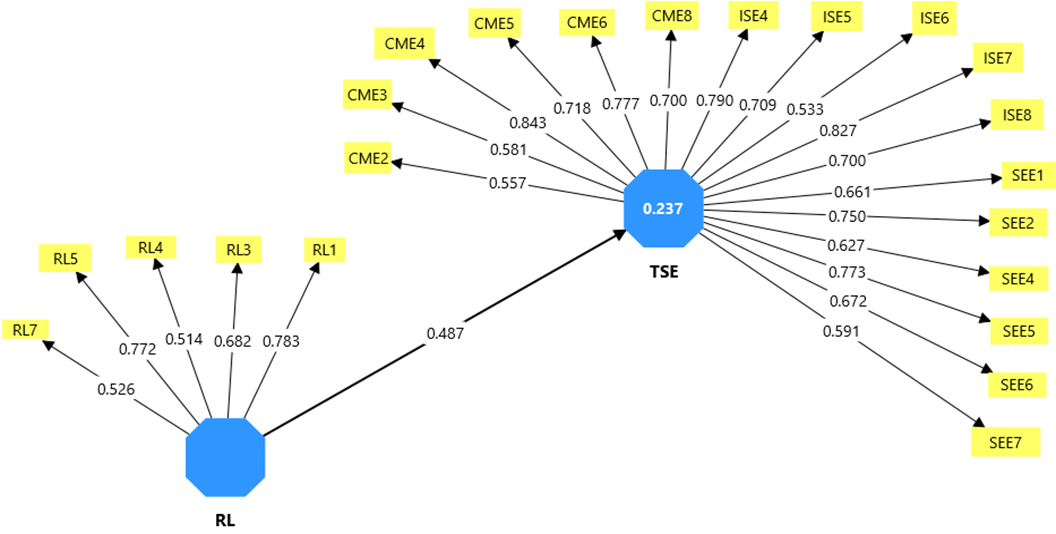
In Table 1, the factor loadings of the religious literacy construct ranged from 0.514 to 0.783. In addition, the factor loadings for teaching self-efficacy ranged from 0.557 to 0.843. These values were above 0.50, indicating the evidence for convergent validity. Thus, all the items represent the underlying constructs (Hair et al., 2014, 2017; Vinzi et al., 2010) [68, 69, 70]. In addition, the internal consistencies of the latent variables were good because their Cronbach’s Alpha values ranged from 0.700 to 0.934 and composite reliabilities (rho_a and rho_c) values ranged from 0.779 to 0.885 for religious literacy and the composite reliabilities (rho_a and rho_c) values for teaching self-efficacy ranged from 0.934 to 0.945. These reliabilities were above the threshold of 0.7 (Hair et al., 2017; Henseler et al., 2009) [69, 71]. Again, the average variance extracted (AVE) values ranged from 0.543 to 0.591, which are above the acceptable threshold value of 0.5, thus depicting acceptable levels of convergent validity for all the constructs (Hair et al., 2014; Henseler et al., 2009) [68, 71].
4.1.2. Discriminant Validity
From Table 2, the discriminant validity of the model was established because the square roots of the AVE values (i.e., diagonal values in bold) for all the main constructs in the model are greater than the corresponding inter-construct correlations (i.e., all values below the bold values). The values of the square roots of the AVE were 0.665 for religious literacy and 0.701 for teaching self-efficacy (Fornell & Larcker, 1981; Hair et al., 2017) [69, 72]. Further, using the Heterotrait-Monotrait (HTMT) Ratio, the discriminant validity is confirmed because the HTMT ratio values were below the threshold of .850 or .90 (Collier, 2020; Henseler et al., 2015) [73, 74].
4.1.3. Path Coefficient Results
After confirming that the measurement models meet the conditions of construct and indicator reliability, as well as convergent and discriminant validity, the hypothesis that there is no statistically significant influence of religious literacy among RME teachers on their teaching self-efficacy was examined. The structural model was assessed by means of the coefficient of determination (R2) and the standardised beta coefficient (β) for the hypothesised effect. The significance of the effect was evaluated using bootstrapping (Hair et al., 2014; Kock, 2015) [68, 75]. The coefficient of determination (R2) reflects the predictor variable’s (religious literacy) ability to influence the dependent variable (teaching self-efficacy).
The effect size (f2) quantifies the extent to which religious literacy of RME teachers influences their teaching self-efficacy. In this study, the size effect (f2) is divided into three categories namely: small (0.02), medium (0.15), and large effect (0.35), as stated by Hair et al., 2013) [76]. The results are displayed in Table 3.
Table 3 presents the path coefficient results for the influence of religious literacy of RME teachers on their teaching self-efficacy. It can be observed that religious literacy of RME teachers has a statistically significant positive effect or influence on their teaching self-efficacy (β = 0. 487, t = 5.004, p < 0.05; p=0.000). Therefore, the researcher rejects the null hypothesis. Hence, the result is statistically significant. This implies that religious literacy of RME teachers has a positive influence on their teaching self-efficacy. It can also be observed that religious literacy of the RME teachers contributed 23.7% to their teaching self-efficacy (R2 = 0.237). The magnitude of the effect was large (f2=0.310). The positive standardised coefficient (β) suggests that a unit increase in the religious literacy of teachers would increase their teaching self-efficacy by the same proportion.
4.2. Research Hypothesis Two: There is no statistically significant influence of multicultural teaching competence of RME teachers on their teaching self-efficacy.
4.2.1. Constructs Reliability and Convergent Validity
As it was done in the first hypothesis, the measurement models were examined for the test of construct reliability, convergent validity and discriminant validity of the reflective measures of the latent variables. Tables 4 and 5 present the values for the test of construct reliability, convergent validity and discriminant validity of the variables.
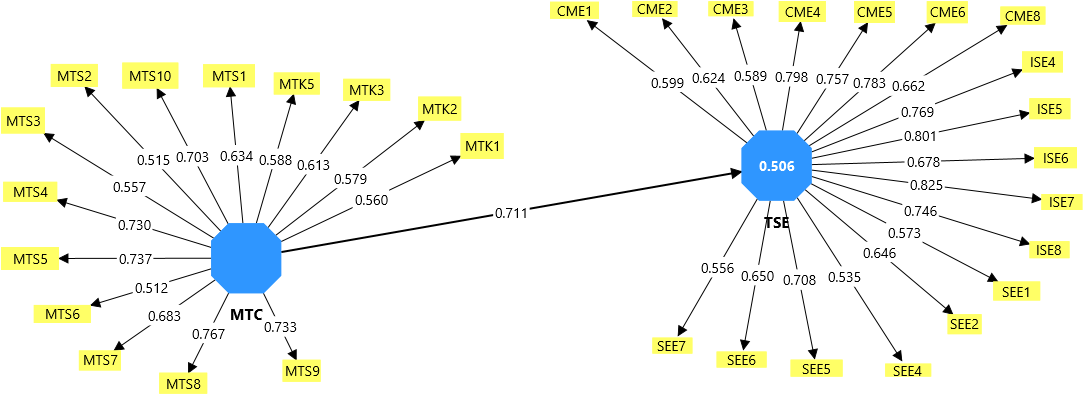
We can see from Table 4 that, the factor loadings of multicultural teaching competence construct ranged from 0.512 to 0.767. Additionally, the factor loadings for teaching self-efficacy ranged from 0.535 to 0.825. These values were above 0.50 indicating the evidence for convergent validity. Thus, all the items represent the underlying constructs (Hair et al., 2014, 2017; Vinzi et al., 2010) [68, 70]. Moreover, the internal consistencies of the latent variables were good because their Cronbach’s alpha values ranged from 0.898 to 0.934 and composite reliabilities (rho_a and rho_c) values ranged from 0.889 to 0.906 for multicultural teaching competence and the composite reliabilities (rho_a and rho_c) values for teaching self-efficacy ranged from 0.941 to 0.943. These reliabilities were above the threshold of 0.7 (Hair et al., 2017; Henseler et al., 2009) [68, 71]. Finally, the average variance extracted (AVE) values ranged from 0.513 to 0.575, which are above the acceptable threshold value of 0.5, thus depicting acceptable levels of convergent validity for all the constructs (Hair et al., 2014; Henseler et al., 2009) [68, 71].
4.2.2. Discriminant Validity
From Table 5, the discriminant validity of the model was established because the square roots of the AVE values (i.e., diagonal values in bold) for all the main constructs in the model are greater than the corresponding inter-construct correlations (i.e., all values below the bold values). The values of the square roots of the AVE were 0.642 for multicultural teaching competence and 0.711 for teaching self-efficacy (Fornell & Larcker, 1981; Hair et al., 2017) [68, 72]. Further, using the Heterotrait-Monotrait (HTMT) Ratio, the discriminant validity is confirmed because the HTMT ratio values were below the threshold of .850 or .90 (Collier, 2020; Henseler et al., 2015) [73, 74].
4.2.3. Path Coefficient Results
After confirming that the measurement models meet the conditions of construct and indicator reliability in addition to the convergent and discriminant validity, the hypothesis that there is no statistically significant influence of religious literacy of RME teachers on their teaching self-efficacy was examined. Structural model was assessed by means of the coefficient of determination (R2), and the standardised beta coefficient (β) for the hypothesised effect. The significance of the effect was evaluated using bootstrapping (Hair et al., 2014; Kock, 2015) [68, 75]. The coefficient of determination (R2) reflects the predictor variable’s (religious literacy) ability to influence the dependent variable (teaching self-efficacy).
The effect size (f2) determines the extent of the influence of religious literacy of RME teachers on their teaching self-efficacy. In this study, the size effect (f2) is divided into three categories namely: small (0.02), medium (0.15), and large effect (0.35) as stated by Hair et al., 2013) [76]. Table 6 presents the results.
Table 6 presents the path coefficient results for the influence of multicultural teaching competence and teaching self-efficacy. It can be observed that multicultural teaching competence of RME teachers has a statistically significant positive effect or influence on their teaching self-efficacy (β = 0. 711, t = 6.749, p < 0.05; p=0.000). Therefore, the researcher rejects the null hypothesis. Hence, the result is statistically significant. This implies that multicultural teaching competence of RME teachers has a positive influence on their teaching self-efficacy. It can also be observed that multicultural teaching competence of the RME teachers contributed 50.6% to their teaching self-efficacy (R2 = 0.506). The magnitude of the effect was large (f2=1.024). The positive standardised coefficient (β) suggests that a unit increase in the multicultural teaching competence of teachers would increase their teaching self-efficacy by the same proportion.
4.3. Research Hypothesis Three: There is no statistically significant influence of religious literacy and multicultural teaching competence of RME teachers on their teaching self-efficacy.
4.3.1. Constructs Reliability and Convergent Validity
As it was done in the first and second hypotheses, the measurement models were examined for the test of construct reliability, convergent validity and discriminant validity of the reflective measures of the latent variables. This was done before the hypothesis was analysed. Tables 7 and 8 present the results.
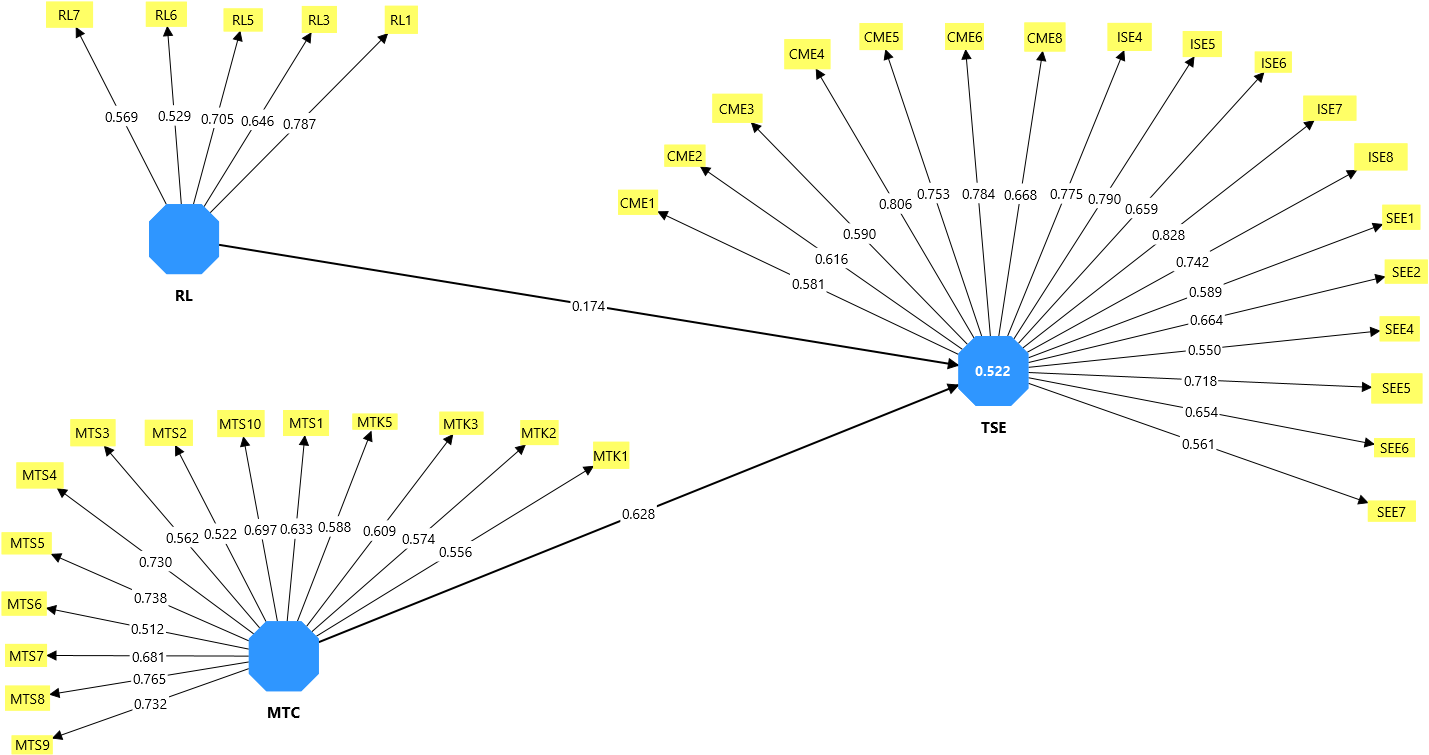
Table 7 shows the construct reliability and convergent validity for religious literacy, multicultural teaching competence and teaching self-efficacy. From Table 7, the factor loadings for religious literacy constructs ranged from 0.529 to 0.787. It can also be seen from the table that the factor loadings for the multicultural teaching competence construct ranged from 0.512 to 0.765. Additionally, the loadings for teaching self-efficacy ranged from 0.550 to 0.828. These values were above 0.50, indicating the evidence for convergent validity. In that regard, all the items represent the underlying constructs. Further, the internal consistencies of the latent variables were good because their Cronbach’s alpha values ranged from 0.662 to 0.934 and composite reliabilities (rho_a and rho_c) values ranged from 0.671 to 0.785 for religious literacy, the composite reliabilities (rho_a and rho_c) values for multicultural teaching competence ranged from 0.889 to 0.906 and composite reliabilities (rho_a and rho_c) values for teaching self-efficacy ranged from 0.942 to 0.9945. These reliabilities were above the threshold of 0.7. However, the average variance extracted (AVE) values ranged from 0.411 to 0.477, which is below the threshold. If AVE is less than 0.5, but the composite reliabilities (rho_a and rho_c) are higher than 0.6, then the convergent validity of the construct can be adequate (Fornell & Larcker, 1981; Hair et al., 2017) [69, 72].
4.3.2. Discriminant Validity
Table 8 shows the discriminant validity between religious literacy, multicultural teaching competence and teaching self-efficacy. From Table 8, the discriminant validity of the model was established. This is because the square roots of the AVE values (i.e., diagonal values in bold) for all the main constructs in the model are greater than the corresponding inter-construct correlations (i.e., all values below the bold values). The values of the square roots of the AVE were 0.654 to 0.705. Further, using the Heterotrait-Monotrait (HTMT) ratio, it is confirmed that discriminant validity exists because the HTMT ratio values were below the threshold of 0.850 or 0.90.
4.3.3. Path Coefficient Result
After confirming that the measurement models meet the conditions of construct and indicator reliability in addition to the convergent and discriminant validity, the hypothesis that there is no statistically significant influence of religious literacy and multicultural teaching competence of RME teachers on their teaching self-efficacy was examined. The values are displayed in Table 9.
Table 9 shows the path coefficient results for the influence of religious literacy and multicultural teaching competence of RME teachers on their teaching self-efficacy. Results from the table showed that religious literacy and multicultural teaching competence contributed 52.2% (R2=0.522) to the teaching self-efficacy of the RME teachers. From the table, it can be observed that religious literacy and multicultural teaching competence of RME teachers have a statistically significant effect on their teaching self-efficacy (df = 306, p < 0.05; p = 0.000). The joint contribution of RL and MTC accounted for 52.2% of the variance in TSE (R² = 0.522, SD = 0.692, p < 0.05), leading to the rejection of the third null hypothesis. Hence, the result is statistically significant. This gives the implication that when religious literacy and multicultural teaching competence were brought together, they had a statistically positive effect on the teaching self-efficacy of the RME teachers. In the nutshell, it can be mentioned unanimously that religious literacy and multicultural teaching competence of RME teachers have a significant positive influence on their teaching self-efficacy.
5. Discussions
The focus of this study was to determine the influence of religious literacy and multicultural teaching competence of RME teachers on their teaching self-efficacy in public basic schools in the Kumasi Metropolis. The results of the first hypothesis revealed that religious literacy of RME teachers has a positive influence on their teaching self-efficacy. In consonance with the above finding is that of Mudrow (2023) [53], who found that religious literacy of the teachers who teach in the inclusive schools in Southeastern University has a significant influence on their self-efficacy. Floyd (2022) [54] revealed that religious literacy of elementary teachers in Christian private schools and public schools in the Southeastern part of the United States of America influenced their self-efficacy. Street (2020) [38] found that religious literacy influenced the self-efficacy of teachers from six Christian Education National (CEN) schools in greater Sydney area. Bigdeloo and Bozorgi (2016) [56] found that there was a positive and significant relationship between the religious literacy and self-efficacy of high school teachers of Mahshahr City, Iran (β=0.155, t=2.754, P<0.01). The result of Wright (2017) [58] explained only slightly more than 9% of the variance in the score for teacher self-efficacy for a sample of elementary, middle, and high school teachers from two private Christian schools serving students grades pre-school through twelfth grade in Western Washington and four elementary schools serving kindergarten through grade five, one middle school serving grade six through grade eight, and one high school serving grade nine through grade twelve from a public school district in North Texas. This implied that religious literacy of teachers influenced their efficacy at a very low percentage rate. On the contrary, the results of Vats, Dhanda and Wadhawan (2021) [55] discovered that there was no significant effect of religious literacy of teachers in India on their self-efficacy (R2=0.032; p=0.162).
In addition, the study revealed that multicultural teaching competence of RME teachers has a positive influence on their teaching self-efficacy. This finding resonates with that of Kilicoglu, Kilicoglu and Cho (2023) [59], who conducted comparative research investigating whether multicultural teaching competence of teachers is related to their self-efficacy beliefs in Turkey, South Korea and the United States and revealed that multicultural competence of pre-service teachers has a positive effect on their self-efficacy beliefs in all three samples. In the same vein, it was found that there was a strong effect of pre-service teachers’ multicultural teaching competence on their self-efficacy beliefs in Turkey. King (2022) [60] found that there was a statistically significant relationship between multicultural teaching competence of teachers and their self-efficacy of K-6 certified teachers in Northwest Arkansas. White (2021) [9] found that multicultural teaching competency predicted teacher self-efficacy (R2=.340; p=0.001). Evans (2016) [64] discovered that multicultural teaching competence had a significant effect on the self-efficacy of teachers in Hawaii.
Finally, it was discovered that when religious literacy and multicultural teaching competence were brought together, they had a statistically positive effect on the teaching self-efficacy of the RME teachers. This finding substantiates that of Mudrow (2023) [53], who found that religious literacy of the teachers has a significant influence on their self-efficacy. Kilicoglu, Kilicoglu and Cho (2023) [59] conducted comparative research investigating whether multicultural teaching competence of teachers is related to their self-efficacy beliefs in Turkey, South Korea and the United States and revealed that multicultural competence of pre-service teachers has a positive effect on their self-efficacy beliefs in all three samples. Street (2020) [38] found that religious literacy influenced the self-efficacy of teachers. King (2022) [60] found that there was a statistically significant relationship between multicultural teaching competence of teachers and their self-efficacy of K-6 certified teachers in Northwest Arkansas. Floyd (2022) [54] revealed that religious literacy of teachers influenced their self-efficacy. The result of Wright (2017) [58] explained that the religious literacy of teachers influenced their efficacy. White (2021) [9] found that multicultural teaching competency predicted teacher self-efficacy (R2 =.340; p = 0.001).
6. Conclusions
The study conclusively demonstrated that religious literacy significantly and positively influences the teaching self-efficacy of public basic school RME teachers in the Kumasi Metropolis. This provides compelling evidence that teachers who possess a deeper understanding of diverse religious traditions, beliefs, and practices exhibit greater confidence in their ability to teach Religious and Moral Education effectively. This conclusion aligns with the theoretical premise that knowledge and understanding of the subject matter domain directly influence teachers’ sense of efficacy, as postulated by Bandura's social cognitive theory. In the context of Ghana’s religiously pluralistic society, where Christianity, Islam, and African Traditional Religion coexist, religiously literate teachers are better equipped to navigate the complexities of teaching moral and religious content without bias, facilitate meaningful dialogues about faith and values, and address sensitive religious topics with confidence and competence. Secondly, the study concluded that multicultural teaching competence exerts a strong and significant positive influence on the teaching self-efficacy of RME teachers. This conclusion suggests that teachers who demonstrate high levels of awareness regarding their own cultural biases, possess comprehensive knowledge of diverse cultural norms and practices, and have developed skills in implementing culturally responsive teaching strategies experienced significantly elevated levels of self-efficacy. In the multicultural landscape of the Kumasi Metropolis, where students come from diverse ethnic and religious backgrounds, the ability to recognise, respect, and integrate cultural diversity into teaching practice emerges as a powerful determinant of teacher confidence. This conclusion reinforces the notion that multicultural teaching competence is not simply about tolerance or surface-level acknowledgement of diversity but rather represents a sophisticated professional capability that fundamentally transform teachers’ perceptions of their own effectiveness. Multiculturally competent teachers feel more capable of engaging all students regardless of their cultural backgrounds, managing diverse classrooms effectively, and creating inclusive learning environments where every student feels valued and understood. Finally, the study concluded that religious literacy and multicultural teaching competence, when combined, exert a synergistic and highly significant influence on RME teachers’ self-efficacy. This conclusion reveals that the combined effect of religious literacy and multicultural competence exceeds what would be expected from their individual contributions, indicating a complementary and mutually reinforcing relationship between these competencies. RME teachers who simultaneously possess both strong religious literacy and robust multicultural teaching competence experience the highest levels of self-efficacy. This synergy can be understood through the recognition that religious and cultural dimensions of diversity are deeply intertwined in the Ghanaian context, and teachers require competence in both domains to navigate the full complexity of teaching in pluralistic classrooms.
7. Recommendations
It is recommended that the Ghana Education Service (GES) and National Council for Curriculum and Assessment (NaCCA) should design and mandate regular in-service training programmes focused specifically on religious literacy for RME teachers. These programmes should move beyond confessional knowledge to include comparative religion, interfaith dialogue, ethical reasoning, and contemporary religious issues in Ghana’s pluralistic society. Secondly, it recommended that teacher education institutions and professional appraisal systems should embed multicultural teaching competence as a core professional standard for RME teachers. Pre-service and in-service training should emphasise awareness of personal biases, deep knowledge of learners’ cultural and religious backgrounds, and practical skills for culturally responsive pedagogy. Embedding MTC into training, supervision, and promotion criteria will ensure that teachers are better equipped to manage diverse classrooms confidently and effectively. Finally, it is recommended that policymakers and school leaders should promote integrated professional development models that develop both simultaneously. Workshops, mentoring programmes, and school-based learning communities should focus on how religious diversity and cultural diversity intersect in real classroom contexts. Integrated training will therefore maximise impact by reinforcing teachers’ confidence, pedagogical effectiveness, and ability to foster tolerance and moral development among learners.
Acknowledgement
I extend my sincerest appreciation to the RME teachers in public basic schools in the Kumasi Metropolis for their assistance and support during data collection. I am extremely grateful to Miss Aseda Asiamah Adjah and Miss Yayra for making time out of their busy schedules to read through this article for me when I reached out to them.
Funding
The author did not receive any funding.
Data Availability
The datasets used for this study are available. The author is willing to provide the data on a reasonable request.
References
- Banks, J. A. (2019). An introduction to multicultural education (6th ed.). Pearson Education.
- Acquah, A. (2024). Influence of Religious and Moral Education teachers’ religious literacy and multicultural teaching competency on their teaching self-efficacy. Unpublished doctoral thesis, University of Cape Coast, Cape Coast.
- Mensah, E., Owusu, M., & Nyamekye, E. (2025). Multicultural teaching competence among preservice teachers in Ghana: The role of critical self-reflection, religious inclusivity, and teaching self-efficacy. Discover Education, 4(173), 1-13.[CrossRef]
- Noseda, M. (2020). Self-efficacy in preservice teachers preparing to teach religious education. Journal of Religious Education, 68(2), 155-169.[CrossRef]
- Agbodza, D. C., & Amenyedzi, F. W. K. (2020). Religious tolerance and the teaching of Religious and Moral Education in Ghanaian basic schools. Journal of Education and Practice, 11(3), 67-77.
- Moore, D. L. (2015). Overcoming religious illiteracy: A cultural studies approach to the study of religion in secondary education. Palgrave Macmillan.
- Clark, S. K. (2020). Examining the development of teacher self-efficacy beliefs to teach reading and to attend to issues of diversity in elementary schools. Teacher Development, 24(3), 284-302.[CrossRef]
- National Council for Curriculum and Assessment. (2019). Religious and Moral Education curriculum for primary schools. Accra: Ministry of Education.
- White, L. P. (2021). Examining the extent to which efficacy predicts multicultural teaching competency. Unpublished doctoral dissertation, Grand Canyon University.
- Gay, G. (2018). Culturally responsive teaching: Theory, research, and practice (3rd ed.). Teachers College Press.
- Yildirim, S., & Tezci, E. (2016). Teachers’ attitudes, beliefs, and self-efficacy about multicultural education: A scale development. Universal Journal of Educational Research, 4(1), 45-50.[CrossRef]
- Bangura, Y. (2018). Multicultural education: The relationship between preservice teachers’ multicultural self-efficacy and cultural awareness when teaching in multicultural classrooms. Retrieved from https://rave.ohiolink.edu
- Tezera, D., & Bekele, G. (2021). Effect of teachers’ self-efficacy on their attitude towards the implementation of multicultural education literacy in Harari Government Secondary Schools. International Journal of Education and Literacy Studies, 9(2), 35-45.[CrossRef]
- Bandura, A. (1997). Self-efficacy: The exercise of control. W. H. Freeman.
- Cruz, R. A., & Manchanda, S. (2020). An examination of teachers’ culturally responsive teaching self-efficacy. Teacher Education Quarterly, 47(3), 22-43.[CrossRef]
- Tschannen-Moran, M., & Hoy, A. W. (2001). Teacher efficacy: Capturing an elusive construct. Teaching and Teacher Education, 17(7), 783-805.[CrossRef]
- Gorski, P. C., Davis, S. N., & Reiter, A. (2012). Self-efficacy and multicultural teacher education in the United States. Multicultural Perspectives, 14(4), 208-215.[CrossRef]
- Blanch, S. (2016). Teacher self-efficacy: Development and relations with knowledge and beliefs. Unpublished doctoral dissertation, University of Kentucky.
- Mulholland, J., & Wallace, J. (2001). Teacher induction and elementary science teaching: Enhancing self-efficacy. Teaching and Teacher Education, 17(2), 243-261.[CrossRef]
- Buckley, C., & Lee, C. (2020). Fostering preservice teacher self-efficacy and confidence: An appreciative advising approach. The Journal of Appreciative Education, 7(1), 34-52.
- Fathi, J., Greenier, V., & Derakhshan, A. (2021). Self-efficacy, reflection, and burnout among Iranian EFL teachers: The mediating role of emotion regulation. Iranian Journal of Language Teaching Research, 9(2), 13-37.
- Safari, I., Davaribina, M., & Khoshnevis, I. (2020). The relationship between EFL teachers’ professional identity and their self-efficacy: A structural equation modelling approach. Cogent Education, 7(1), 18-24.
- Cone, N. (2019). Vocational education teacher preparation: A case study approach to pre-service teacher self-efficacy development. Journal of Educational Research and Practice, 9(1), 46-61.
- Tschannen-Moran, M., & Hoy, A. W. (2007). The differential antecedents of self-efficacy beliefs of novice and experienced teachers. Teaching and Teacher Education, 23(6), 944-956.[CrossRef]
- Bandura, A. (1986). Social foundations of thought and action: A social cognitive theory. Prentice-Hall.
- Schunk, D. H., & Usher, E. L. (2011). Assessing self-efficacy for self-regulated learning. In B. J. Zimmerman & D. H. Schunk (Eds.), Handbook of self-regulation of learning and performance (pp. 282–297). Routledge.[CrossRef]
- Vygotsky, L. S. (1978). Mind in society: The development of higher psychological processes. Cambridge, Massachusetts: Harvard University Press.
- Lantolf, J. P. (2015). Socio-cultural and second language learning research: An exegesis. London: Routledge.
- Lee, G. H. (2012). The development of teacher efficacy beliefs: In search of wholeness. New York, Palgrave: Macmillan.
- Tschannen-Moran, M., & McMaster, P. (2009). Sources of self-efficacy: Four professional development formats and their relationship to self-efficacy and implementation of a new teaching strategy. The Elementary School Journal, 110(2), 228-245.[CrossRef]
- Usher, E. L., & Pajares, F. (2018). Sources of self-efficacy in school: Critical review of the literature and future directions. Review of Educational Research, 78(4), 751-796.[CrossRef]
- Hattie, J., & Timperley, H. (2017). The power of feedback. Review of Educational Research, 77(1), 81-112.[CrossRef]
- Britner, S. L., & Pajares, F. (2006). Sources of science self-efficacy beliefs of middle school students. Journal of Research in Science Teaching, 43(5), 485-499.[CrossRef]
- Bandura, A. (2004). Swimming against the mainstream: The early years from chilly tributary to transformative mainstream. Behaviour Research and Therapy, 42(6), 613-630.[CrossRef] [PubMed]
- Kiili, C., Kauppinen, M., Coiro, J., & Utriainen, J. (2016). Measuring and supporting pre-service teachers' self-efficacy towards computers, teaching, and technology integration. Journal of Technology and Teacher Education, 24(4), 443-469.
- Tschannen-Moran, M., & Johnson, D. (2010). Exploring literacy teachers’ self-efficacy beliefs: Potential sources at play. Teaching and Teacher Education, 27(5), 751-761.[CrossRef]
- Street, M. (2020). Relationship between religious literacy and teacher self-efficacy of teachers from six Christian Education National (CEN) schools in greater Sydney area, Australia. Unpublished master’s dissertation, Macquarie University, Sydney, Australia.
- Sela-Shayovitz, R., & Finkelstein, I. (2020). Self-efficacy in teaching multicultural students in academia. International Journal of Higher Education, 9(1), 159-167.[CrossRef]
- Kumbong, Y. B., & Piang, L. G. (2020). Multicultural competency among moral and history education pre-service teachers. International Journal of Evaluation and Research in Education, 9(4), 905-913.
- Grant, J. K. (2020). Religious studies teachers’ perceptions of the role of religious literacy in students' civic preparation. Unpublished doctoral dissertation, The University of Memphis, United States of America.[CrossRef]
- Taylor, L. (2020). The relationship between multicultural efficacy and culturally responsive classroom management self-efficacy among K-12 teachers. Unpublished doctoral dissertation, Virginia Commonwealth University.
- Karadag, Y., Kesten, A., & Ozden, D. Ö. (2021). Multicultural competencies of social studies teachers: A qualitative study. Journal of Social Science Education, 20(1), 91-117.
- Mahmud, M. E. (2018). Exploring teachers’ perception on the teaching of multicultural-based religious education. Dinamika Ilmu, 18(2), 259-270.[CrossRef]
- Govender, S. (2020). A place of religious education in multicultural school in Ilembe District. Unpublished doctoral dissertation, University of KwaZulu-Natal, Glenwood, Durban, South Africa.
- Zuya, H. E., Kwalat, S. K., & Attah, B. G. (2016). In-service teachers’ mathematics self-efficacy and mathematics teaching self-efficacy. Journal of Education and Practice, 7(14), 93-98.
- El-Deghaidy, H. (2016). An investigation of pre-service teachers’ self-efficacy and self-image as a science teacher in Egypt. Asia-Pacific Journal on Science Learning and Teaching, 7(2), 1-22.
- Adjei, P. (2018). Teachers' self-efficacy and classroom management practices among public Junior High School teachers in the Kwahu West Municipality. Unpublished master's thesis, University of Education, Winneba.
- Kumi, E. M. (2023). Senior high school teachers’ self-efficacy beliefs in teaching mathematics. International Multidisciplinary Journal of Research and Education, 1(1), 104-119.[CrossRef]
- Senler, B., & Sungur, S. (2020). Science teachers’ teaching self-efficacy: A case from Turkey. Procedia-Social and Behavioural Sciences, 9, 771-775.[CrossRef]
- İnceçay, G., & Dollar, Y. K. (2012). Classroom management self-efficacy of primary school teachers. Education and Science, 37(166), 250-261.
- Cahill, A. S. (2016). Level of efficacy of special education teachers and behavioural specialists during their practicum, field-based, and student teaching semesters. Unpublished doctoral thesis, Illinois State University.
- Christian, B. J. (2017). Primary pre-service teachers’ perceptions of course-related factors that enhance instructional self-efficacy. Australian Journal of Teacher Education, 42(2), 14-24.[CrossRef]
- Mudrow, R. J. (2023). Influence of religious literacy on the self-efficacy of teachers who teach in the inclusive schools in Southeastern University. Unpublished doctoral dissertation, Southeastern University
- Floyd, K. (2022). Religious literacy and teacher self-efficacy in elementary teachers in Christian private schools and public schools. Unpublished doctoral dissertation, Liberty University.
- Vats, P., Dhanda, N., & Wadhawan, P. (2021). Effect of religious literacy of teachers on their self-efficacy. Indian Journal of Positive Psychology, 12(1), 85-90.
- Bigdeloo, M., & Bozorgi, Z. D. (2016). Relationship between religious literacy and self-efficacy of high school teachers in Mahshahr City, India. International Education Studies, 9(9), 58-66.[CrossRef]
- Krejcie, R. V., & Morgan, D. W. (1970). Determining sample size for research activities. Educational and Psychological Measurement, 30(3), 607-610.[CrossRef]
- Wright, K. K. (2017). Relationship between religious literacy and teacher-efficacy in North Texas. Unpublished doctoral dissertation, University of North Texas.
- Kilicoglu, G., Kilicoglu, D., & Cho, Y. H. (2023). Multicultural teaching competence and self-efficacy beliefs in Turkey, South Korea and the United States. Teachers and Teaching, 1-29.[CrossRef]
- King, B. C. (2022). Relationship between Northwest Arkansas K-6 teachers’ multicultural teaching competence and self-efficacy. Unpublished master’s dissertation, University of Arkansas, Fayetteville.
- Spanierman, L. B., Oh, E., Heppner, P. P., Neville, H. A., Mobley, M., Wright, C. V., & Navarro, R. (2011). The multicultural teaching competency scale: Development and initial validation. Urban Education, 46(3), 440-464.[CrossRef]
- John-Bull, H. (2021). Nature of relationship between multicultural teaching competence and teacher efficacy. Unpublished doctoral dissertation, Grand Canyon University, Phoenix, Arizona.
- Gresham, L. (2018). Relationship between multicultural teaching competence and mathematics teacher efficacy in elementary pre-service teachers. School Leadership Review, 9(1), 6-21.
- Evans, K. (2016). Effects of multicultural teaching competence on self-efficacy of teachers in Hawaii. Unpublished doctoral dissertation, Walden University.
- Clark, R., & Clark, V. P. (2022). The use of mixed methods to advance positive psychology: a methodological review. International Journal of Wellbeing, 12(3), 89-96.[CrossRef]
- Education Management Information System. (2025). Statistical report on basic education in Kumasi Metropolis. Ghana Education Service.
- Mensah, E., Tabiri, F., & Asare-Danso, S. (2024). University students’ religious literacy and religiosity. What is the place of academic discipline and religious affiliation? Cogent Education, 11(1), 1-16.[CrossRef]
- Hair, J. F., Hult, G. T. M., Ringle, C. M., & Sarstedt, M. (2014). A primer on partial least squares structural equation modelling (PLS-SEM). Sage Publications.
- Hair, J. F., Hult, G. T. M., Ringle, C. M., & Sarstedt, M. (2017). A primer on partial least squares structural equation modelling (PLS-SEM) (2nd ed.). Sage Publications.
- Vinzi, V. E., Trinchera, L., & Amato, S. (2010). PLS path modelling: From foundations to recent developments and open issues for model assessment and improvement. Handbook of Partial Least Squares: Concepts, Methods and Applications, 47-82.[CrossRef]
- Henseler, J., Ringle, C. M., & Sinkovics, R. R. (2009). The use of partial least squares path modelling. New Challenges to Research, 277-319.[CrossRef]
- Fornell, C., & Larcker, D. F. (1981). Structural equation models with unobservable variables and measurement error: Algebra and statistics. Journal of Marketing Research, 18(3), 382-388.[CrossRef] [PubMed]
- Collier, J. (2020). Applied structural equation modelling using AMOS: Basic to advanced techniques. Routledge.[CrossRef]
- Henseler, J., Ringle, C. M., & Sarstedt, M. (2015). A new criterion for assessing discriminant validity in variance-based structural equation modelling. Journal of the Academy of Marketing Science, 43(1), 115–135.[CrossRef]
- Kock, N. (2015). One-tailed or two-tailed p values in PLS-SEM? International Journal of E-Collaboration, 11(2), 1-7.[CrossRef]
- Hair Jr. J., Sarstedt, M., Hopkins, L., & G. Kuppelwieser, V. (2013). Partial least squares structural equation modelling: An emerging tool in business research. European Business Review, 26(2), 106-121.[CrossRef]