
Abstract
This study examines the perceived effectiveness of remedial pedagogical measures implemented in Cameroonian secondary schools following the OTS (On a Trop Supporté) teachers' movement, which has caused prolonged disruptions to instruction since 2022. Employing a mixed-methods research design involving 286 participants (234 students, 30 teachers, and 22 administrators) from two high schools in the city of Dschang, Cameroon, this study analyzes—through structured questionnaires and semi-structured interviews—how school stakeholders perceive pedagogical support measures (remedial classes, additional tutorials, educational materials, and distance learning). The results show that while these measures contributed significantly to improved academic performance (44.5% of variance explained), their effect remains limited regarding, on the one hand, student motivation and engagement, and on the other, teachers' intentions to engage in collective action—which are influenced by perceptions of organizational constraints and a sense of hierarchical threat. On this basis, the present study suggests that the success of post-crisis remedial measures depends as much on organizational and relational conditions as on their pedagogical content, calling for a more collaborative approach to managing educational crises.
1. Introduction
Contemporary education systems are facing profound economic, social, and institutional transformations that directly influence the working conditions of education personnel (OECD, 2025; UNESCO & International Task Force on Teachers for Education 2030, 2024) [1, 2]. As Levantine et al. (2024) [3] highlight, these changes—which represent structural shifts—call for the implementation of policies tailored to local contexts to prevent professional burnout. In this vein, the quality of human resource management emerges as a key lever for boosting the performance of educational institutions. Indeed, the work of Zhenyu et al. (2022) [4] reports a positive and significant relationship between human resource management practices—such as performance appraisal, rewards, and training—and staff motivation, while Fournier (2023) [5] indicates that job satisfaction directly influences the individual and collective performance of professionals. In practice, achieving educational goals depends largely on teachers' commitment, professional motivation, and job satisfaction, as reported in the study by Hardianto et al. (2025) [6], which reveals that reward systems and transformational leadership styles boost teacher motivation. Furthermore, Mokhtar et al. (2021) [7] emphasize the fact that enhancing teachers’ self-efficacy is likely to significantly improve their engagement and job satisfaction.
From a different perspective than the previous point, research highlights the negative effects that deteriorating working conditions, a lack of professional recognition, or career management challenges can have on the engagement of teaching staff. In this regard, the *Global Report on Teachers* published by UNESCO (2024) [2] highlights an international crisis affecting the attractiveness of the teaching profession, manifested notably by increased occupational stress, declining job satisfaction, and growing difficulties in recruiting and retaining teaching staff. Cameroon, the country where this research takes place, is not spared from this detrimental situation, as a growing number of teachers are leaving the country through emigration (see Abdourhaman, 2024, regarding emigration to Canada) [8]. Moreover, the country’s education sector experienced a major systemic crisis orchestrated by a movement known as OTS (*On a Trop Supporté*—“We Have Endured Too Much”). This movement, which lasted several months, consisted primarily of a halt to teaching activities in the country’s public schools. It was launched in February 2022, then relaunched in September 2022 and in 2023 with the “dead chalk” campaign (Ndongo & Bios Nelem, 2023) [9]. Its main demands focused on the payment of teachers’ salary arrears and the implementation of the special status for teachers.
Teacher protests often reflect persistent issues regarding working conditions, remuneration, or administrative career management. These issues have been documented across the African continent—notably in West Africa (see Conover & Wallet, 2022) [10] and Southern Africa (see Wills, 2020) [11]—where teacher strikes stem from tensions over salaries and working conditions. Various theoretical models can be drawn upon to explain these phenomena within an educational context. First, building on self-efficacy theory (Bandura, 1997) [12]—which sheds light on teachers' professional behaviors during crises—it is important to note that teachers' engagement and their adoption of effective pedagogical strategies (Tschannen-Moran & Hoy, 2001; Zee & Koomen, 2016) [13, 14] can be hindered by frustrations stemming from unmet demands or administrative uncertainty. Furthermore, from the perspective of the strategic analysis of organizations (see Crozier & Friedberg, 1977) [15], schools must be viewed as systems of action in which various groups of actors—institutional authorities, administrators, teachers, parents, and students—negotiate sometimes divergent interests that can give rise to tensions among them. Finally, when considering power relations within educational institutions (see Bourdieu & Passeron, 1970) [16], it is important to note that schools are shaped by issues of legitimation, recognition, and resource distribution; this helps explain why certain measures may be deemed inadequate when they fail to take into account the expectations and power dynamics that structure the life of the institution.
The OTS movement in Cameroon falls within the aforementioned perspective. Driven—as previously noted—by grievances regarding salary arrears, administrative delays, and precarious working conditions, this movement has significantly disrupted the operations of public secondary schools, raising questions about the continuity of learning (LaBonte et al., 2022; Njutapwoui, 2025) [17, 18]. In response to these disruptions, education officials implemented various measures designed to limit the crisis's impact on students' academic progress (catch-up classes, additional tutorials, supplementary learning materials, and certain forms of remote learning). While these initiatives aim to make up for accumulated delays, their effectiveness remains poorly documented. However, crises affecting education systems constitute a major area of research in the educational sciences because—regardless of their origins (social conflicts, health crises, or institutional dysfunctions)—their consequences generally extend beyond the mere interruption of school activities, leading to learning delays, a weakening of the school climate, and a questioning of educational governance mechanisms (Plumelle, 2021; René, 2026) [19, 20]. In this vein, the literature highlights that the resumption of instruction following a period of disruption does not, in itself, guarantee the restoration of conditions conducive to learning (World Bank, 2021; Bonono Bakota, 2026; UNESCO, 2020) [21, 22, 23]. This is why schools are often called upon to implement remediation measures, the effectiveness of which depends on multiple factors extending beyond the purely pedagogical realm (Barthélémy, 2020; Dehon & Derobertmasure, 2008) [24, 25]. Indeed, data available at the international level confirm that the resumption of classes following a prolonged closure only partially compensates for accumulated learning losses, with a significant portion of the learning deficit persisting after the resumption (Dela Cruz et al., 2025) [26]. It follows that it is important to examine post-crisis management within the Cameroonian education system following the OTS movement.
By causing prolonged disruption to teaching activities, the OTS movement prompted education authorities to devise various strategies to make up for lost instruction. However, recent research indicates that the success of these measures depends as much on the organizational conditions of their implementation as on their pedagogical content. Indeed, De Ruig et al. (2024) [27] highlight the influence of teachers’ self-efficacy on their pedagogical engagement, while the meta-analysis by Duan et al. (2024) [28] underscores the pivotal role of organizational climate and working conditions in educational performance. Analyzing the effectiveness of remedial measures cannot, therefore, be limited to examining the measures themselves; it also requires taking into account the perceptions of the various stakeholders involved in their implementation. This study addresses this previously unexplored issue, aiming to document how different members of the educational community perceive the measures implemented to restore learning. In concrete terms, it aims to address the following research question: How do stakeholders in the education system perceive the effectiveness of the remedial measures implemented by schools to cope with the suspension of teaching activities following the OTS movement? The answer to this question should enable the study to determine: 1) whether compensatory mechanisms (catch-up classes, supplementary teaching materials, additional tutorials, distance learning) were implemented by the institutions; 2) whether members of the educational community perceive these measures as having contributed—fully or partially—to mitigating the impact of teaching interruptions; 3) whether these perceptions vary according to stakeholder categories (students, teachers, administrative staff), their experience, and their position within the education system; and 4) whether organizational constraints, the post-crisis relational climate, the level of trust in the administration, and teachers' sense of self-efficacy significantly influence this perception.
2. Method
2.1. Participants and context
The study was conducted in two public secondary schools in the city of Dschang, Cameroon (Lycée Classique and Lycée Bilingue). These schools were selected due to their high level of exposure to disruptions associated with the OTS movement and their significant role in the local educational landscape. The sample was constructed using a non-probabilistic quota-based approach, aiming to ensure the representativeness of the key categories of stakeholders affected by the remedial measures, rather than statistical generalizability to the entire Cameroonian education system. The 286 participants fall into three categories: 234 students (148 girls and 86 boys; mean age: 18.40 years; standard deviation: 1.68 years), all enrolled in their final year of secondary school and thus particularly exposed to the effects of class interruptions due to the demands of end-of-cycle exams; 30 teachers (17 men and 13 women; mean age: 36.17 years; standard deviation: 7.74 years); and 22 administrators (12 men and 10 women; mean age: 49.82 years; standard deviation: 6.46 years). Teachers have an average of 1.06 years of experience, whereas school administrators have an average of 22.27 years of professional experience, with moderate variability (standard deviation: 5.61 years).
2.2. Instruments and procedure
The questionnaire administered to students consisted of two parts. The first analyzed the quality and quantity of compensatory pedagogical mechanisms, including: 1) course materials (10 items: e.g., The course materials made available to me were clear and easy to understand); 2) online courses (14 items: e.g., I had easy access to the courses offered online); 3) tutorials and assessments (12 items: e.g., The tutorials offered covered all subjects); 4) participation in catch-up classes (14 items: e.g., The catch-up class schedule was fully adhered to); and 5) time management (3 items: e.g., I received the course materials early enough to study them before the assessments). The second part focused on the impact of the OTS movement on the teaching process. This part specifically evaluated: 1) disruptions and interruptions to classes (14 items: e.g., I was not well prepared for exams due to disruptions); 2) learner motivation and the decline in learning quality (4 items: e.g., Teachers' strikes have dampened and reduced my determination to study); 3) student engagement and results (2 items; example: the teachers' strike had a negative impact on my academic performance); 4) the impact of compensatory mechanisms on student performance (6 items; e.g., online courses enabled me to better prepare for exams); and 5) the intention to participate in collective action in the future. (4 elements: e.g., If teachers organize a demonstration to improve their working conditions, I could support them by signing petitions).
The questionnaire administered to teachers comprises six units of analysis: 1) commitment to in-person catch-up classes (12 items: e.g., I took the initiative to organize certain catch-up sessions for my students despite the strike); 2) the perception of constraints regarding online lectures and tutorials (21 items: e.g., During the teachers’ strike, I felt compelled to attend catch-up classes); 3) motivation to participate in remedial classes (inspired by Vallerand et al., 1993) [29] (10 items: e.g., I took part in the remedial class out of a sense of vocation); 4) sense of threat from the hierarchy (6 items; e.g., Teacher participation in remedial classes was subject to threats from the hierarchy); 5) emotions, including fear (4 items: e.g., I am afraid my salary will be suspended due to the strike) and anger (4 items: e.g., I feel intense anger when I think about teachers' working conditions); 6) the consequences of perceiving constraints related to online classes and tutorials, including: the sense of self-efficacy (6 items: e.g., I felt that the constraints associated with online classes negatively affected my ability work); workload associated with catch-up classes (adapted from the Lim & Teo scale, 1999) [30], (3 items: e.g., During the strike, I worked from home to better prepare for catch-up classes); the level of responsibility during remedial classes (3 items: e.g., My teaching responsibilities were very high); the measure of work stress (House & Rizzo, 1972) [31] (6 items: e.g., I experienced high tension while conducting the remedial classes); and 7) intention regarding collective (in)action (8 items: e.g., I can no longer sacrifice myself by working in very poor working conditions).
Regarding the management staff of the selected schools, the questionnaires administered were structured around two units of analysis, namely 1) participation in the catch-up course and course support, (13 items: e.g., It was important for the administration to actively organize catch-up classes during the strike period); and 2) constraints related to online classes and tutorials (18 items: e.g., During the OTS movement, the administration compelled teachers to participate in catch-up classes).
Semi-structured interviews were conducted with a number of teachers and administrative staff members to complement this approach and deepen the understanding of underlying rationales and the difficulties encountered. Data collection took place between April and May 2025; it was preceded by exploratory observations and supplemented by a document analysis.
2.3. Data analysis
The quantitative data were processed using SPSS (version 27). After verifying the quality of the scales, descriptive and correlational analyses, followed by regression models, were used to examine the relationships between variables and to identify factors associated with the perceived effectiveness of remedial measures. The qualitative data underwent a thematic analysis, which involved identifying recurring units of meaning within the collected narratives and subsequently grouping them into categories to shed light on and enrich the interpretation of the quantitative results.
3. Results
3.1. Among students
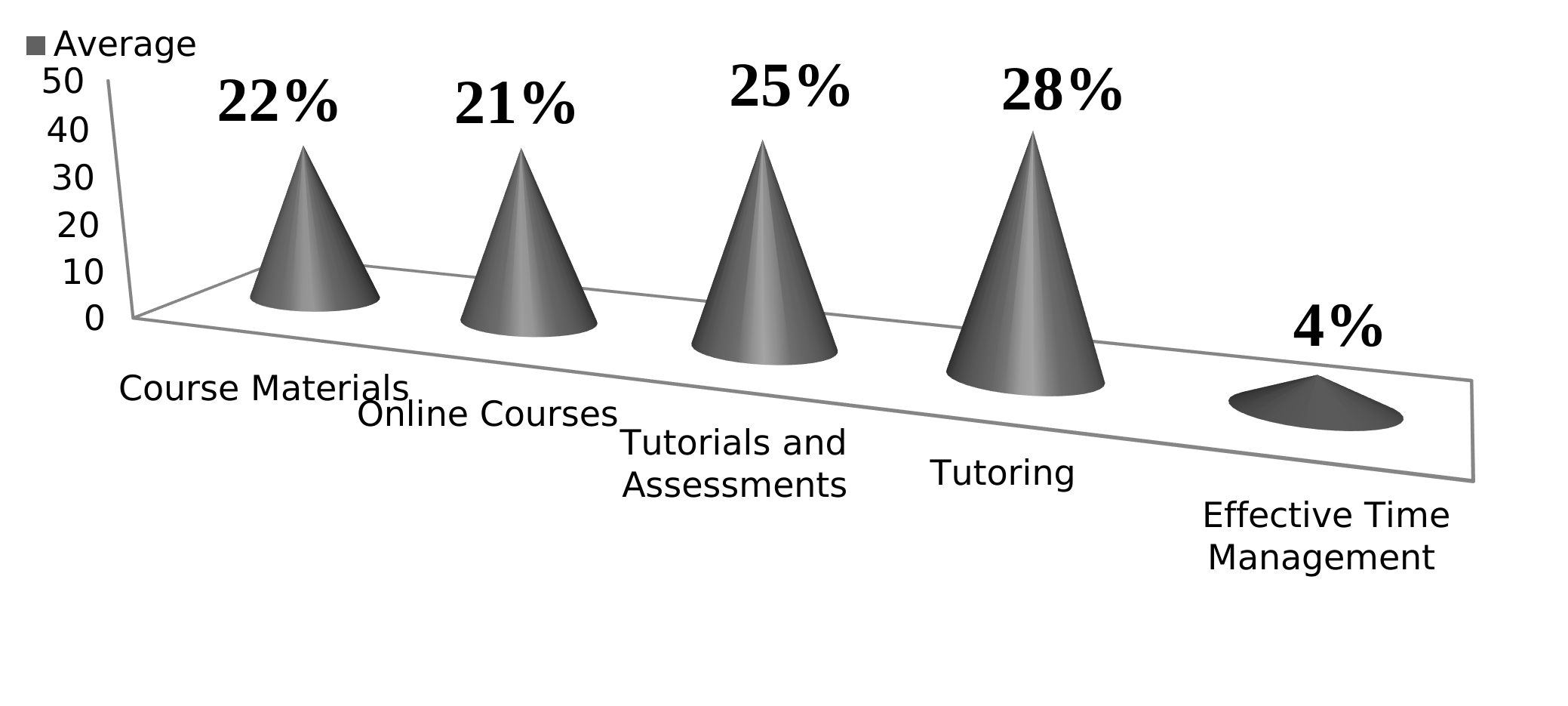
Data analysis (Figure 1) reveals a generally favorable perception of the compensatory mechanisms implemented following the OTS movement. Among students, catch-up courses (28%) and additional tutorials and assessments (25%) are the most frequently cited measures, whereas measures related to time management account for the smallest proportion (4%).
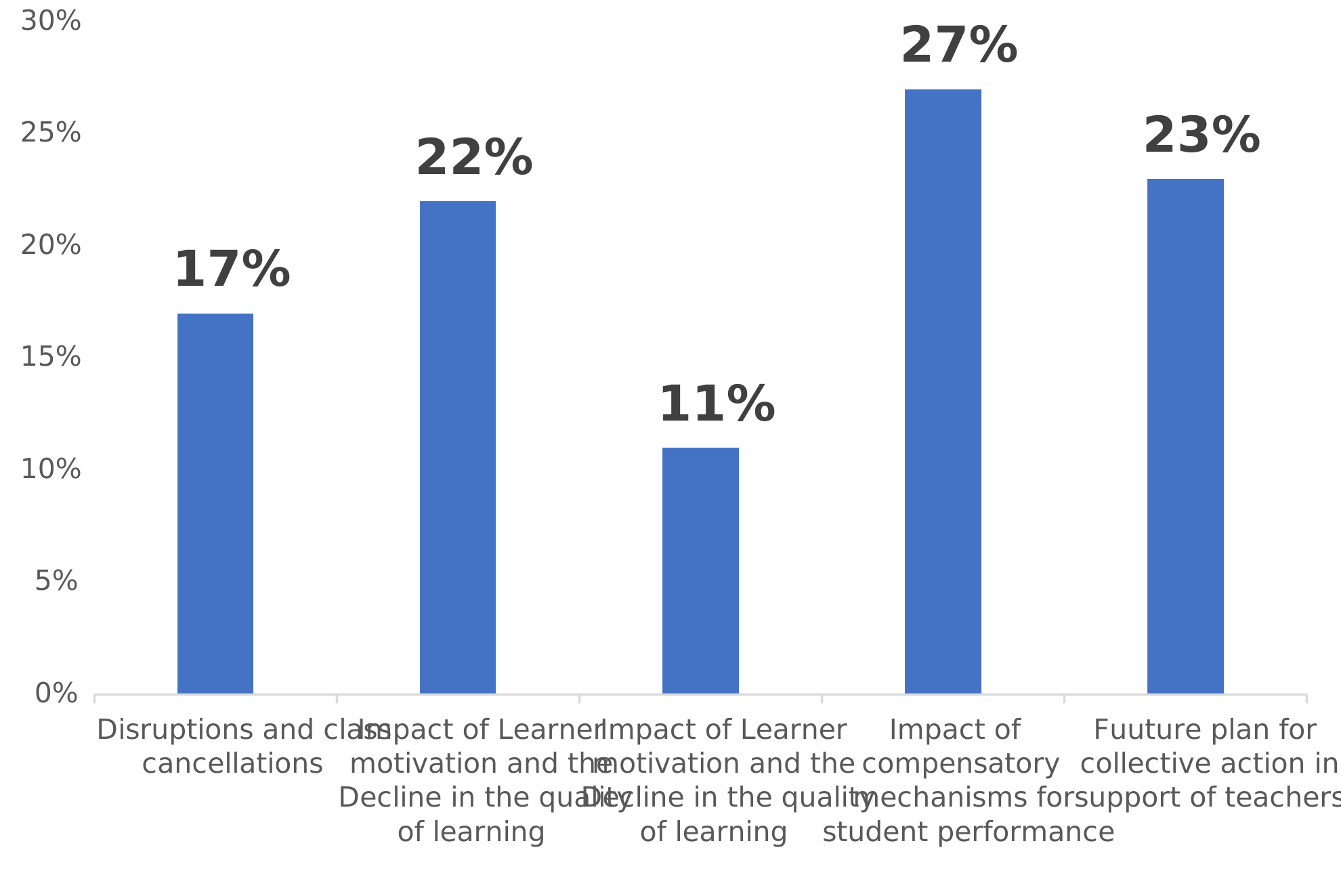
Figure 2 illustrates the consequences resulting from the compensatory measures. Students reported that the most significant impact concerned their performance (27%). This fostered an intention to participate in future collective action in support of the teachers. Next, there was an impact on their motivation and quality of learning (22%)—stemming from class disruptions and interruptions (17%)—as well as an impact related to a lack of engagement (11%).
Regression analyses show that compensatory mechanisms account for 6.6% of the variance in classroom disruptions and interruptions. Supervised sessions and assessments emerge as the primary significant predictor of this dimension. Regarding learner motivation and the quality of learning, compensatory measures explain approximately 7% of the observed variance. Similarly, they account for 7.7% of student engagement, with supervised sessions once again appearing as the most influential variable.
3.1.1. Explanation of class disruptions and interruptions caused by compensatory measures
Table 1 shows how the CMs explain class disruptions and interruptions. CM_CMat does not explain class interruptions and disruptions (indicated by a negative sign). CM_OC can explain disruptions, given its significance level (sig) of 0.883; this implies that OCs do cause class disruptions and interruptions, though not significantly, as the value is well above the standard significance threshold (0.05). STAs generate significant disruptions and interruptions to classes. Overall, the five CMs contribute significantly—to the extent of 6.60%—to explaining these class disruptions and interruptions.
The linear regression model (Table 2) shows that compensatory measures explain approximately 7.7% of the variance in student engagement. Only the MC_STA variable is significant, suggesting that this compensatory measure impacts student engagement. The most substantial effect is observed on academic performance. Compensatory mechanisms explain 44.5% of the variance in the improvement of student performance. Online courses, remedial classes, tutorials, and the management of instructional time contribute significantly to this improvement.
3.1.2. Explanation of the improvement in student performance due to CMs
The linear regression model (Table 3) shows that compensatory mechanisms explain approximately 44.5% of the variance in the improvement of student performance. The variables CM_OC, CM_STA, CM_CC, and CM_TM are significant. These results suggest that these compensatory mechanisms impact the improvement of student performance. In contrast, compensatory measures have a limited influence on teachers’ future intention to support collective actions. The model explains only about 3% of the variance in this variable, and no compensatory measure shows a significant effect.
3.1.3. Future intention for collective action in support of teachers as a consequence of the OTS movement
The results (Table 4) show that the perceived threat from the hierarchy during remedial classes significantly predicts the future intention regarding collective inaction. This means that students who perceived a threat from the hierarchy are less likely to participate in a future OTS movement. Compensatory measures explain only 3% of the variance in the future intention for collective action in support of teachers, and no variable is significant.
3.2. Among teachers
3.2.1. Explanation of the perception of constraints
Among teachers, analyses (Table 5) reveal that the perception of constraints associated with remedial programs is a key factor. Buy-in regarding remedial classes explains little of the perceived constraints (R² = 0.07); however, the perception of constraints and the sense of threat from management together explain 41.5% of the variance in the threat felt during remedial activities. The linear regression model shows that participation in the catch-up course has no significant impact on the perception of constraints (β = 0.264; p > 0.05); it explains approximately 7% of the variance in the perception of constraints. The results indicate that teachers experienced constraints associated with the catch-up courses and compensatory measures. Regression analyses indicate that adherence to the catch-up course and the perception of constraints predict certain outcomes for teachers, such as self-efficacy and work-related stress. Threats from the hierarchy significantly predict the intention to engage in collective action.
3.2.2. Explanation of the threat perceived during remedial classes
The linear regression model (Table 6) indicates that buy-in regarding the catch-up course and the perception of constraints significantly impact the threat perceived during these courses (β = 0.510, p < 0.01 for buy-in; β = 0.281, p < 0.05 for the perception of constraints). The results show that buy-in regarding the catch-up course and the perception of constraints explain approximately 41.5% of the variance in perceived threat during the catch-up courses, which significantly predicts teachers' future intention regarding collective inaction. It is also observed that these variables explain 41.5% of the variance in teachers’ self-efficacy. Furthermore, the perception of constraints and hierarchical threat explain 23.3% of the workload reported by teachers. The perception of constraints also emerges as a significant predictor of occupational stress.
3.2.3. Explanation of self-efficacy
These variables (Table 7) explain approximately 41.5% of the variance in the sense of self-efficacy. This means that compensatory mechanisms have a significant impact on teachers’ sense of self-efficacy. The linear regression model shows that adherence to the remedial course, the perception of constraints, and the threat perceived during the remedial course have a significant impact on self-efficacy (β = -0.564; p < 0.01 for adherence, β = 0.462; p < 0.05 for the perception of constraints, and β = 0.339; p > 0.05 for threat).
3.3. Among institutional leaders
The PCCRCMat variable (Table 8) has a mean of 49.00 and a standard deviation of 12.92, suggesting some variability in the responses. The OCCTD variable has a mean of 62.50 and a standard deviation of 15.09, which also suggests variability in the responses. The results show that these institutional leaders perceive constraints associated with online courses and tutorials through the lens of compensatory mechanisms. Data collected from these administrative staff members reveal a positive but non-significant relationship between the adoption of compensatory mechanisms and the perception of constraints associated with online courses and tutorials (β = 0.265; p = 0.234). Finally, the perceived threat from management is the primary factor associated with the future intention to engage in collective action (β = 0.559; p < 0.05). Conversely, neither participation in catch-up courses nor the perception of constraints significantly predicts the future intention to engage in collective action.
Compensatory (Table 9) explain approximately 7% of the variance in the perception of the hierarchy of constraints regarding online courses and tutorials (OCCTD), indicating a positive but weak relationship (B = 0.309; β = 0.265). However, with a significance level of 0.234—well above the conventional threshold of 0.05—this relationship is not statistically significant. In this sample, therefore, participation in compensatory mechanisms does not actually influence management's perception of the constraints associated with these two schemes. A positive relationship is thus identified between compensatory mechanisms (PCCRCMat) and the management’s perception of constraints regarding online courses and tutorials (OCCTD), although this relationship is not significant in the presented regression model. Institution leaders believe that participating in the catch-up course is not burdensome.
4. Discussion
This study partially confirms the hypothesis that the effectiveness of the remedial educational measures implemented following the OTS movement depends on both the nature of the measures adopted and the context in which they are deployed. The results show that these measures helped mitigate certain consequences of the crisis, particularly regarding academic performance, where compensatory mechanisms account for a significant portion of the observed variance. Catch-up courses, tutorials, and other support measures thus appear to have played a significant role in mitigating learning losses caused by interruptions to instruction. This finding aligns with international literature on tutoring and academic support programs, with a recent meta-analysis confirming their significant impact on learning outcomes (Nickow et al., 2024) [32]. However, the observed effects remain more limited regarding learner motivation, academic engagement, and even future intentions to support teachers’ collective actions. These results suggest that the consequences of a social movement extend beyond the pedagogical sphere, also affecting the relational, organizational, and psychosocial dimensions of how schools function. This observation aligns with research on teacher movements in other contexts, which shows that their effects are measured as much in organizational and political terms as in terms of immediate academic outcomes (Lyon et al., 2024) [33].
Data collected from teachers highlight the significant impact of organizational constraints, workload, and a sense of hierarchical threat on how post-crisis measures are perceived. These factors directly influence teachers' sense of self-efficacy and professional well-being, thereby confirming the importance of psychological and institutional dimensions in the success of remedial measures. These results not only extend Bandura’s (1997) [12] theory of self-efficacy but also align with more recent research. For instance, de Ruig et al. (2024) [27] demonstrate that teachers' self-efficacy fosters the quality of pedagogical interactions and contributes to greater learner engagement. Similarly, the meta-analysis by Duan et al. (2024) [28] highlights the pivotal role of school climate, professional relationships, educational leadership, and working conditions in the development of teachers' professional efficacy. These findings confirm that the effectiveness of pedagogical interventions depends not only on the measures implemented but also on the organizational environment in which they take place. This observation also aligns with the analyses of Crozier and Friedberg (1977) [15], according to which the behavior of actors is strongly influenced by power relations, regulatory mechanisms, and modes of governance within educational organizations.
The differences in perception observed among students, teachers, and administrative staff indicate that compensatory measures have not been viewed in a uniform way. While students primarily highlight the educational benefits, teachers emphasize the implementation constraints, whereas administrators view them mainly as tools for stabilizing the school system. This divergence in perceptions, depending on the position held within the organization, is consistent with theoretical frameworks of crisis communication, which posit that stakeholders evaluate the same measure differently based on their exposure to and role in the crisis (Coombs, 2007) [34]. This divergence in perceptions, depending on the position held within the organization, is consistent with theoretical frameworks of crisis communication, which posit that stakeholders evaluate the same measure differently based on their exposure to and role in the crisis (Coombs, 2007) [34].
Overall, the results of this study indicate that the effectiveness of remedial pedagogical measures depends not only on their content but also on the organizational, relational, and professional conditions accompanying their implementation. Sustainable management of educational crises should therefore align pedagogical responses with greater consideration for the expectations, working conditions, and relationships among the various stakeholders in the education system. This requirement aligns with models of dynamic school crisis management, which emphasize flexibility, collaboration, and continuous adjustment as conditions for successfully resolving a crisis (Liou, 2015) [35].
5. Conclusion
This study aimed to examine the perceived effectiveness of remedial educational measures implemented following the OTS movement in Cameroon; a country where anti-system collective action is rare, due to sociopolitical conditions that are particularly intolerant of dissent (see Dzuetso Mouafo et al., 2023 [36]; Messanga et al., 2020 [37]; Messanga et al., 2026 [38]; Messanga & Ekango Nzekaih, 2022 [39]). The results show that these measures helped mitigate some of the consequences of the disruptions to schooling, notably by facilitating the resumption of learning and improving student performance. However, their impact appears more limited regarding the motivational, relational, and psychosocial dimensions associated with the crisis. The analysis also highlights the decisive role of organizational factors in how these measures are perceived. Perceived constraints, workload, the relational climate, and the sense of hierarchical threat significantly influence how teachers evaluate the measures implemented. These results confirm that the success of post-crisis interventions depends not only on the appropriateness of the pedagogical mechanisms employed but also on the institutional conditions accompanying their implementation.
Furthermore, the differences observed in the perceptions of students, teachers, and administrators highlight the need for a more collaborative approach to managing educational crises. Indeed, stakeholder buy-in regarding remedial measures appears closely linked to their level of involvement in decision-making processes and the quality of relationships within the school. Thus, beyond the specific context of the OTS movement, this research contributes to an understanding of post-crisis management mechanisms in educational systems facing prolonged interruptions to teaching activities. It calls for the development of remediation strategies that better integrate pedagogical, organizational, and human dimensions. Future research involving larger samples and other educational contexts could deepen our understanding of the factors that enhance the effectiveness and sustainability of school remediation measures.
References
- OCDE. (2025). Les grandes mutations qui transforment l'éducation 2025. Éditions OCDE.[CrossRef]
- UNESCO & International Task Force on Teachers for Education 2030. (2024). Global report on teachers: Addressing teacher shortages and transforming the profession. UNESCO Publishing.
- Levatino, A., Ferrer-Esteban, G., & Verger, A. (2024). Unveiling teachers' work preferences: A conjoint experiment on the implications of school governance reform across three countries. Teaching and Teacher Education, 146, Article 104631. https://doi.org/10.1016/j.tate.2024.104631[CrossRef]
- Zhenyu, M., Zain, F. M., & Kasim, M. (2022). The effect of human resource management practices on teachers’ motivation in China. International Journal of Academic Research in Business and Social Sciences, 7(46), 247-261.[CrossRef]
- Fournier, S. (2023). L’approche de la performance d'un établissement scolaire sous l’angle RH : les effets de la satisfaction et du sens donné au travail par les enseignants. Gestion et management public, 11/3(3), 73-96. https://doi.org/10.3917/gmp.113.0073[CrossRef]
- Hardianto, H., Hidayat, H., & Setiawan, M. N. A. (2025). The influence of reward, transformational leadership and motivation on job satisfaction of primary school teachers. Journal of Pedagogical Research, 9(4), 67-80. https://doi.org/10.33902/JPR.20253491[CrossRef]
- Mokhtar, A., Maouloud, V. M., Omowunmi, A. K., & Nordin, M. S. (2021). Teachers’ commitment, self-efficacy and job satisfaction as communicated by trained teachers. Management in Education, 37(3), 127-139. https://doi.org/10.1177/08920206211019400[CrossRef]
- Abdourhaman, I. (2024). L’émigration d’enseignant.es camerounais.es au Canada : motivations, stratégies et effets. Formation et profession, 32(3), 1-4. https://doi.org/10.18162/fp.2024.a332[CrossRef]
- Bios Nelemn C., & Aka’a, R. (2023). Les Nouvelles dynamiques de mobilisation au Cameroun à l’ère du numérique : L’expérience des mouvements OTS et Mode Avion. Revue Africaine de Communication et de Médias, 1(2), 45-67. Journals.openedition.org[CrossRef]
- Conover, A. C., & Wallet, P. (2022). We must pay attention to West Africa’s teacher strikes. https://teachertaskforce.org/blog/we-must-pay-attention-west-africas-teacher-strikes
- Wills, G. (2020). Teachers’ unions and industrial action in South African primary schools: Exploring their impacts on learning. Development Southern Africa, 37(2), 328-347. https://doi.org/10.1080/0376835X.2019.1682969[CrossRef]
- Bandura, A. (1997). Self-efficacy: The exercise of control. W. H. Freeman.
- Tschannen-Moran, M., & Hoy, A. W. (2001). Teacher efficacy: Capturing an elusive construct. Teaching and Teacher Education, 17(7), 783-805. https://doi.org/10.1016/S0742-051X(01)00036-1[CrossRef]
- Zee, M., & Koomen, H. M. Y. (2016). Teacher self-efficacy and its effects on classroom processes, student academic adjustment, and teacher well-being: A synthesis of 40 years of research. Review of Educational Research, 86(4), 981-1015. https://doi.org/10.3102/0034654315626801[CrossRef]
- Crozier, M., & Friedberg, E. (1977). L’acteur et le système : Les contraintes de l’action collective. Éditions du Seuil.
- Bourdieu, P., & Passeron, J.-C. (1970). La reproduction : Éléments pour une théorie du système d’enseignement. Éditions de Minuit.
- LaBonte, R., Mongrain, J., & Barbour, M. K. (2022). Enseigner en temps de crise : Assurer la continuité de l’apprentissage pendant la fermeture des écoles. https://www.researchgate.net/publicaion/363195443
- Njutapwoui, A. S. (2025). D’une mobilisation en ligne à une plateforme revendicative : Le mouvement enseignant « On a Trop Supporté ». La Nouvelle Revue du Travail, 27. https://doi org/10.4000/152df[CrossRef]
- Plumelle, B. (2021). « Les fermetures d’écoles et leurs effets sur l’apprentissage des élèves ». Revue internationale d’Éducation de Sèvres, 87, 31-37.[CrossRef]
- René, M. E. (2026). Effects of crises on teaching and learning in public schools in Haiti. Revue Socièté civile, Mouvements sociaux et Education, 2(1) 93-115. https://doi.org/10.66860/scmse.v2.i1.115[CrossRef]
- World Bank. (2021, April 30). Measures to adopt for school reopening and learning recovery. Factsheets. https://www.banquemondiale.org/fr/news/factsheet/2021/04/30/notes-on-school-reopening-and-learning-recovery
- Bonono Bakota, R. (2026). Education : Une dizaine de jours de perturbation aura forcément un impact sur le calendrier scolaire. https://datacameroon.com.
- UNESCO « Educations & Santé ». (2020). Réussites et difficultés rencontrées lors du processus de réouverture. https://chaireunesco-es.org/reussites-et-difficultes-du-processus-de-reouverture/.
- Barthélémy, V. (2020). Le dispositif de remédiation et lutte contre le décrochage scolaire : ou comment repérer et accompagner le lycée dans son parcours scolaire ? Nouveaux cahiers de la recherche en éducation, 2(2), 45-68. https//doi.org.10.7202/1074422ar[CrossRef]
- Dehon A., & Derobertmasure, A. (2008 novembre). Outils de Remédiation immédiate pour plus d’efficacité et d’équité dans le processus d’enseignement à l’école fondamentale. Colloque Efficacité et équité en éducation, Rennes, France. https://hal.science/hal-00598377
- Dela Cruz, N. A., Adona, A. J., Molato-Gayares, R., & Park, A. (2025). Learning loss and recovery from the COVID-19 pandemic: A systematic review of evidence. International Journal of Educational Development, 115, Article 103271. https://doi.org/10.1016/j.ijedudev.2025.103271[CrossRef]
- De Ruig, M., Zee, M., & De Jong, P. (2024). Understanding the interplay between teacher self-efficacy, teacher–student interactions, and students’ self-regulated learning skills at different levels of classroom ecology. Frontiers in Education, 9, Article 1392907. https://doi.org/10.3389/feduc.2024.1392907[CrossRef]
- Duan, X., Bissaker, K., & Xu, L. (2024). Correlates of teachers’ classroom management self-efficacy: A systematic review and meta-analysis. Educational Psychology Review, 36(2), Article 43. https://doi.org/10.1007/s10648-024-09881-2[CrossRef]
- Vallerand, R. J., Pelletier, L. G., Blais, M. R., Brière, N. M., Senécal, C., & Vallières, É. F. (1993). On the assessment of intrinsic, extrinsic, and amotivation in education: Evidence on the concurrent and construct validity of the Academic Motivation Scale. Educational and Psychological Measurement, 53(1), 159-172.[CrossRef]
- Teo, T. S. H., Lim, V. K. G., Lai, R. Y. C. (1999). Intrinsic and extrinsic motivation in Internet usage. Omega-International Journal of Management Science, 27(1), 25-37.[CrossRef]
- House, R. J., Rizzo, J. R. (1972). Toward the measurement of organizational practices: Scale development and validation. Journal of Applied Psychology, 56(5), 388-396.[CrossRef]
- Nickow, A., Oreopoulos, P., & Quan, V. (2024). The promise of tutoring for PreK–12 learning: A systematic review and meta-analysis of the experimental evidence. American Educational Research Journal, 61(1), 74-107. https://doi.org/10.3102/00028312231208687[CrossRef]
- Lyon, M. A., Kraft, M. A., & Steinberg, M. P. (2024). The effects of teacher strikes on compensation, working conditions, and productivity. National Bureau of Economic Research, Working Paper No. 32862. https://doi.org/10.3386/w32862[CrossRef]
- Coombs, W. T. (2007). Protecting organization reputations during a crisis: The development and application of situational crisis communication theory. Corporate Reputation Review, 10(3), 163-176. https://doi.org/10.1057/palgrave.crr.1550049[CrossRef] [PubMed]
- Liou, Y.-H. (2015). School crisis management: A model of dynamic responsiveness to crisis life cycle. Educational Administration Quarterly, 51(2), 247-289. https://doi.org/10.1177/0013161X14532467[CrossRef]
- Dzuetso Mouafo, A. V., Taffo Nemboué, W., Messanga, G. A. (2023). When perceived official terror drives people out of politics: A systemic analysis of political alienation in the context of authoritarian democracy. Psychology and Behavioral Sciences, 12(6), 88-98. DOI:10.11648/j.pbs.20231206.11[CrossRef]
- Messanga, G. A., Fotso Magne, P., & Taffo Nemboue, W. (2020). Adhésion aux théories conspirationnistes et soutien aux politiques répressives à l’égard des libertés politiques en contexte de démocratie autoritaire : Le cas du Cameroun. European Scientific Journal, 16(26), 51-73.[CrossRef]
- Messanga, G. A., Nguéfack Zoda, D. S., Dzuetso Mouafo, A. V., Tsogo À Bebouraka, M. P., Nzeuta Lontio, S., Afiah Nelvis Kope-Waghah, & Ekango Nzekaïh, H. K. (2026). Structural violence, conspiracy theorizing and collective mobilization of the disadvantaged for group empowerment: A study in the context of the secessionist crisis in Cameroon. International Journal of Psychology and Behavioral Sciences, 16(1), 21-37. DOI:10.5923/j.ijpbs.20261601.03
- Messanga, G. A., & Ekango Nzekaih, H. K. (2022). When society deteriorates: Political intolerance, perceived anomic threat and participation in anti-system collective actions in the context of authoritarian democracy. Psychology and Behavioral Sciences, 11(3), 92-104. DOI:10.11648/j.pbs.20221103.14[CrossRef]